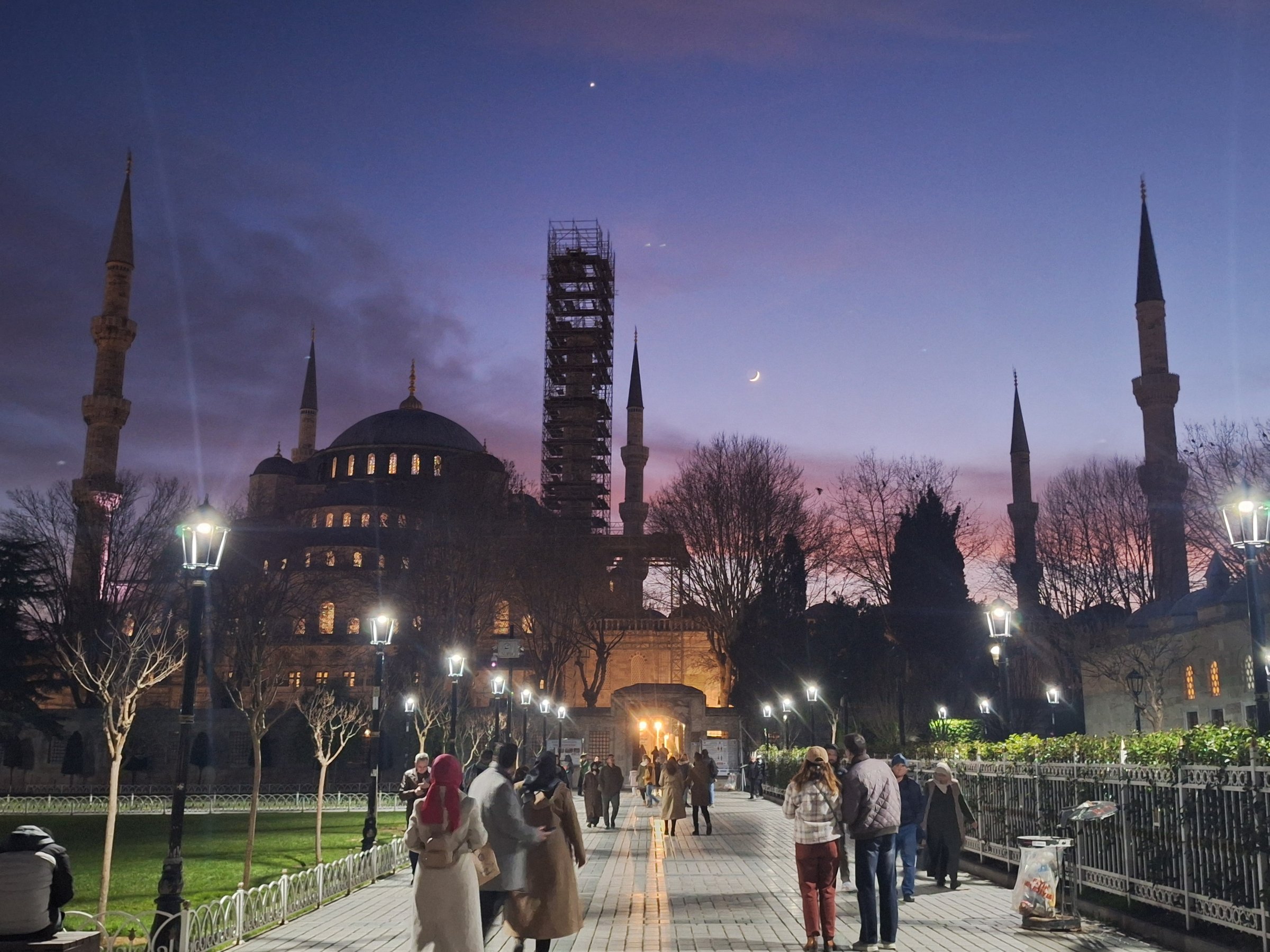

You have three days in Istanbul and don't just want to tick the city off? Then this is my route for you. This is my route for Istanbul in 3 days, born from our own trips: day 1 Sultanahmet, day 2 from the Grand Bazaar to Galata, day 3 from Tünel via İstiklal and Taksim to Dolmabahçe.
Advertising: If you book through our links, we may receive a commission – at no extra cost to you.
Istanbul in 3 days without going back and forth: Sultanahmet, the Grand Bazaar to Galata, İstiklal and Dolmabahçe – a route by paths and neighbourhoods.
I don't plan Istanbul by a top-10 list. I plan by paths.
If we start in Sultanahmet in the morning, I don't want to go to Balat at noon, to Kadıköy in the afternoon and back to Sultanahmet in the evening. That's why I built the route so that the places of a day follow each other as naturally as possible: on foot through an area, then downhill or along the water in the next direction. That way you spend less time on unnecessary back and forth and more time in the city.
This route doesn't come from generic research, but from many of our own trips to Istanbul and from paths we have walked ourselves – mostly as a family.
And on holiday we're not early risers: we usually leave the hotel between 10 and 11 and are out until about 7 or 8 in the evening. After that it's back to the hotel for about an hour, feet up – and later we often go out again, very often to the Galata Tower for a hot chocolate. That's exactly how the route is meant: as orientation, not as a minute-by-minute plan.
Istanbul in 3 Days – at a Glance
- Day 1: Sultanahmet – historic Istanbul
- Day 2: Grand Bazaar → Süleymaniye → Eminönü → Galata
- Day 3: Tünel → İstiklal → Taksim → Kabataş → Dolmabahçe
Each day stays within a connected area – so you don't travel across the city.
Are 3 days in Istanbul enough?
Yes, for a first compact impression – if you plan your days by neighbourhood and short distances. Three days are enough for the old town, Galata with İstiklal and Dolmabahçe. For a first proper stay in Istanbul we recommend 4 to 5 days, because with three days the Asian side is left out.
Three days work as a compact start if you choose deliberately. If you have more time, take a look at Istanbul in 4 Days (with ferry and Kadıköy) or Istanbul in 5 Days.
Further reading: which neighbourhood in Istanbul suits you, eSIM for Istanbul, Istanbulkart and transport, what Istanbul costs and the big Istanbul Travel Guide.
- The order of the places is chosen deliberately and is one path – walked together, not zigzagged by transport.
- “Still got energy?” and “More relaxed variant” are options for you; the main route stays the same.
- Personal experiences are written as such. Prices, opening times and closing days change – please check the official sites shortly before your visit.
Day 1: Sultanahmet – Historic Istanbul
- Hagia Sophia
- Blue Mosque
- Sultan Ahmed Tomb
- German Fountain
- Hippodrome (Obelisk of Theodosius, Serpent Column, Walled Obelisk)
- Topkapı Palace
- Break at The Han
- Street stall: roasted chestnuts or corn
- Ayasofya Su Terazisi
- Basilica Cistern
This day stays entirely in Sultanahmet. That is its big advantage: almost everything is close together, and you can really experience the neighbourhood instead of just ticking off four sights. We start at roughly between 10 and 11.
Hagia Sophia and Blue Mosque
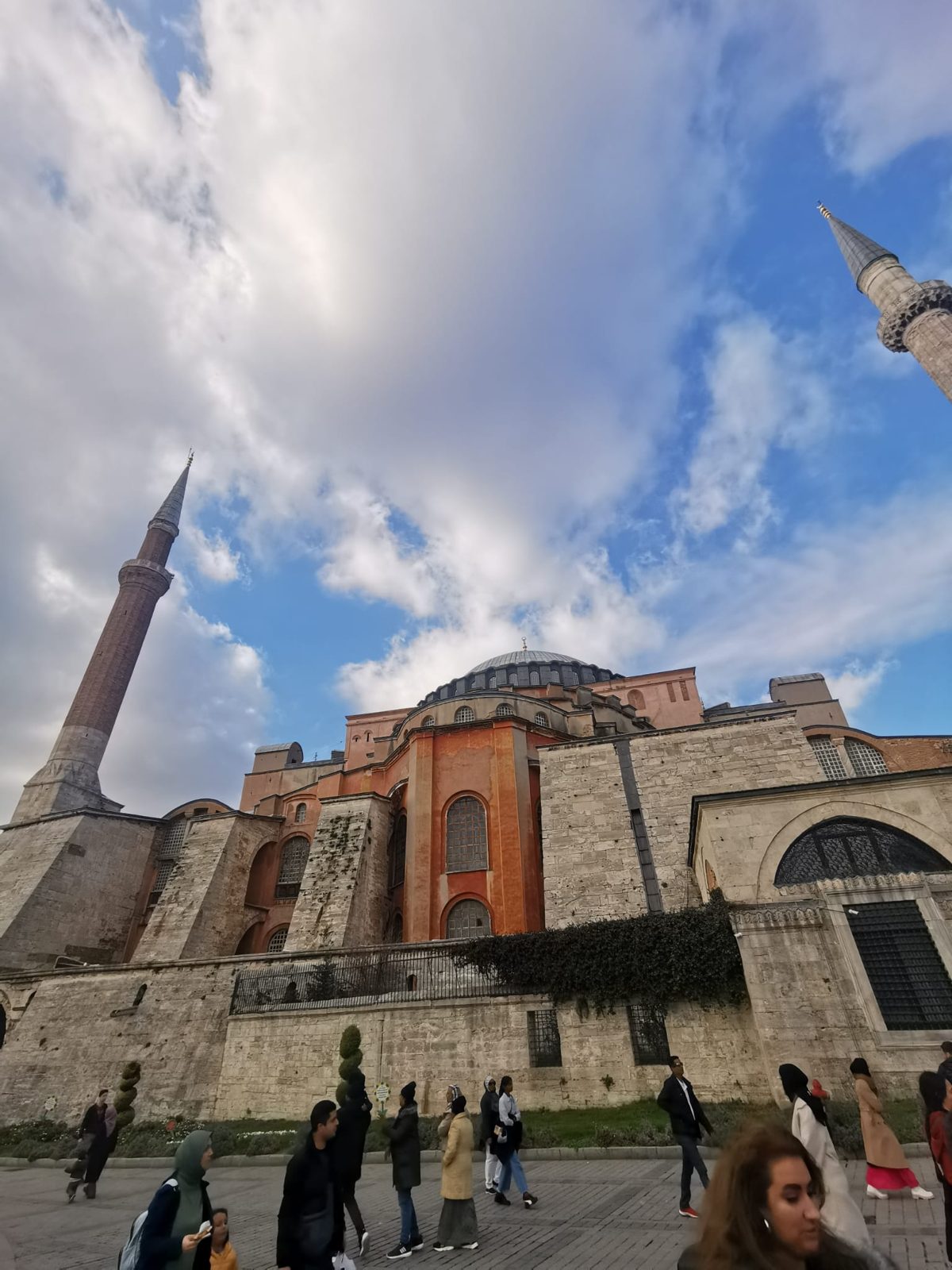
We begin at the Hagia Sophia and then walk over to the Blue Mosque. These are not places where after twelve minutes I say: photo taken, moving on. Plan time to sit and look. Mosques have prayer times during which visits may be restricted – check the current visiting rules beforehand.
If you'd rather experience Sultanahmet with a guide: View guided tour through Blue Mosque, Hagia Sophia, Hippodrome & Cistern.
Sultan Ahmed Tomb
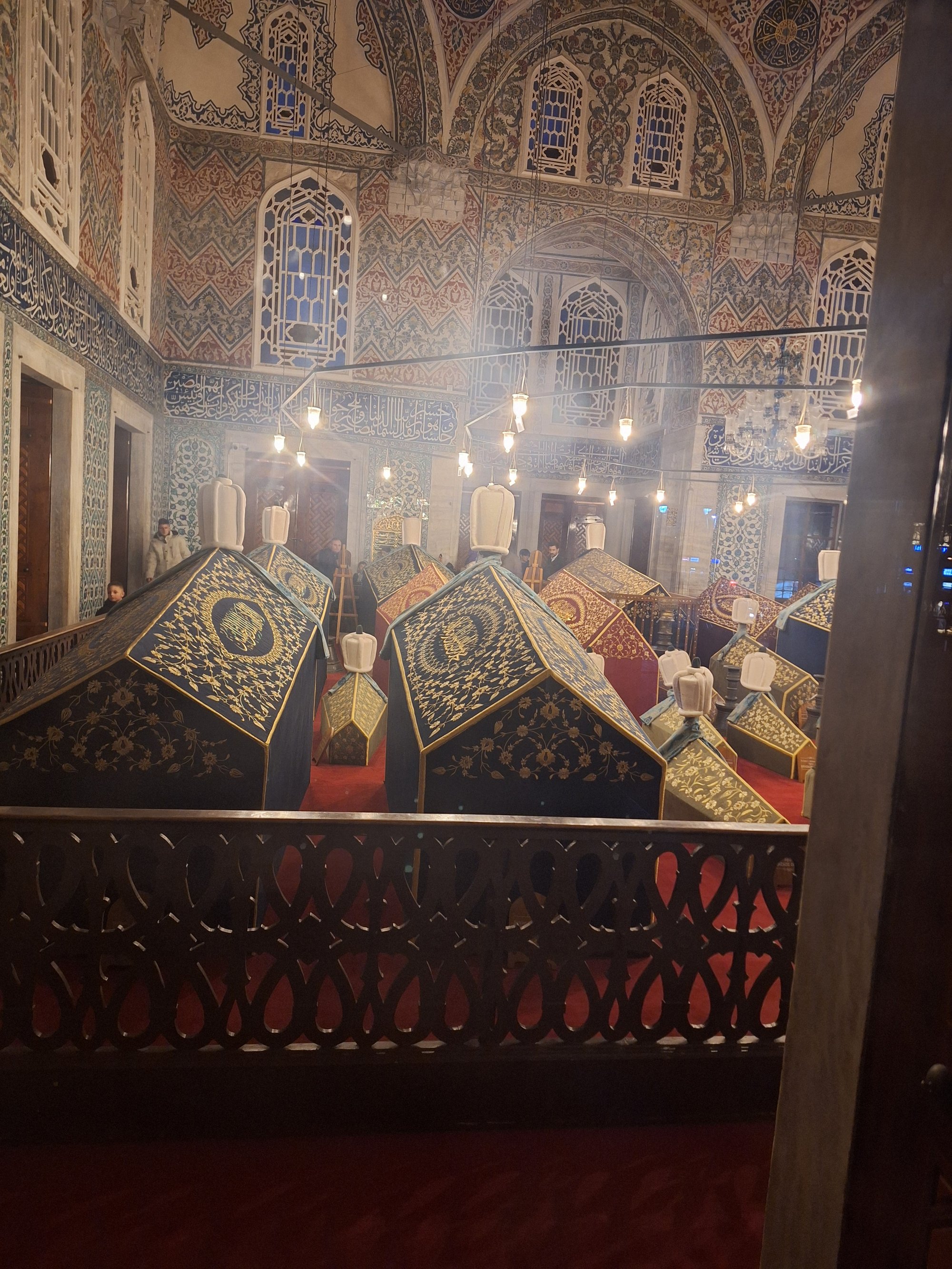
Only a few steps from the Blue Mosque lies the tomb of Sultan Ahmed I – many walk right past it. Here lies the sultan after whom the mosque is named; Kösem Sultan and several children of the dynasty are buried with him. We have our own articles on individual tombs, for example on Kösem Sultan. Access and visiting hours change – check on site or beforehand.
German Fountain and Hippodrome
On the square stands a small octagonal pavilion: the German Fountain. It commemorates Kaiser Wilhelm II's visit to Istanbul in 1898.
The whole square is the former Hippodrome, where chariot races once took place. Three monuments still stand there today: the Obelisk of Theodosius, which originally came from ancient Egypt and was erected here in 390 AD; the Serpent Column, which according to ancient tradition was cast from captured Persian weapons and originally stood in the sanctuary of Delphi; and the Walled Obelisk, which in the Middle Ages was clad with bronze plates.
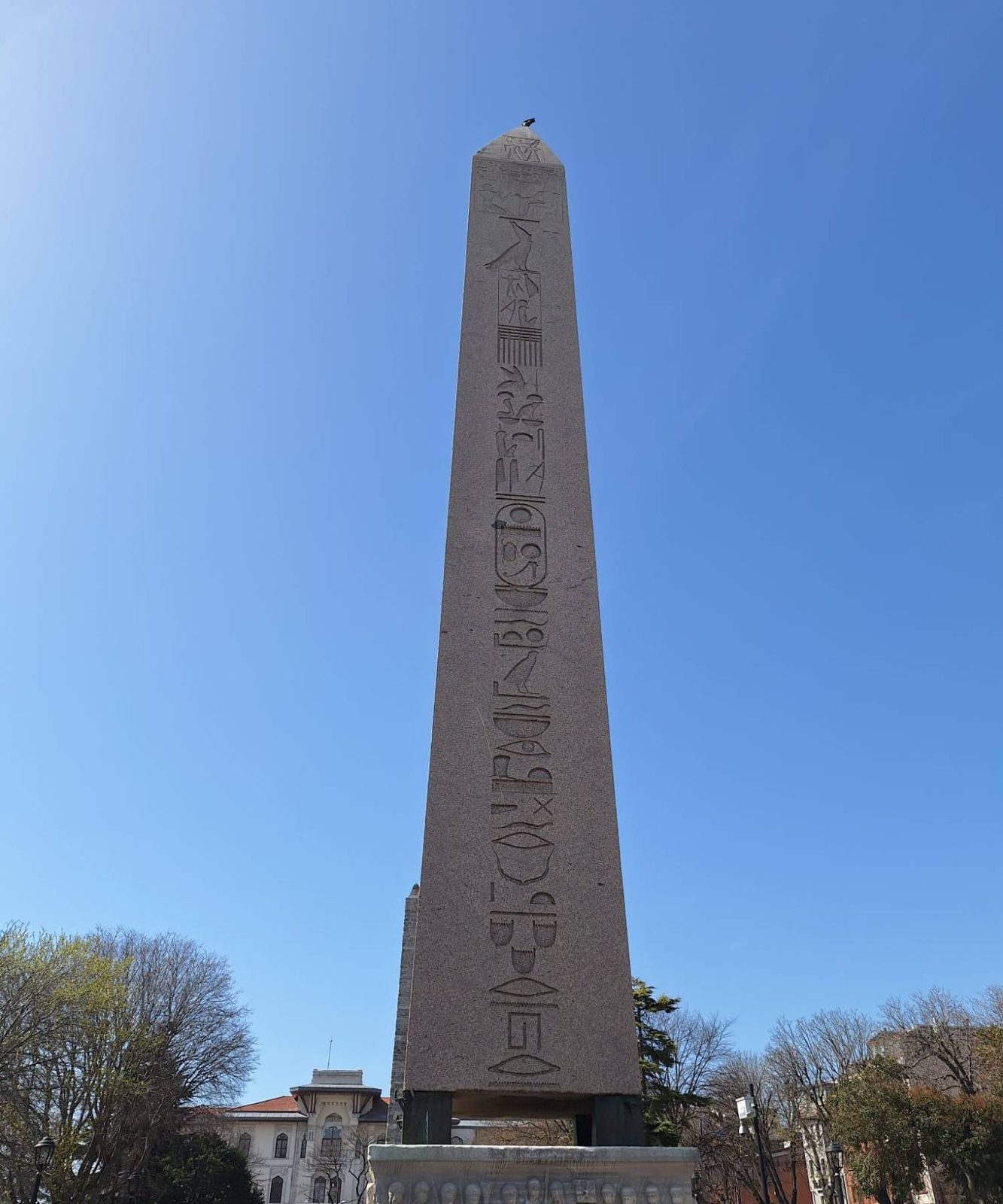
- Many people just walk straight through here. Stop briefly at the fountain, the columns and the tomb – these small things are what make Sultanahmet for me.
Topkapı Palace
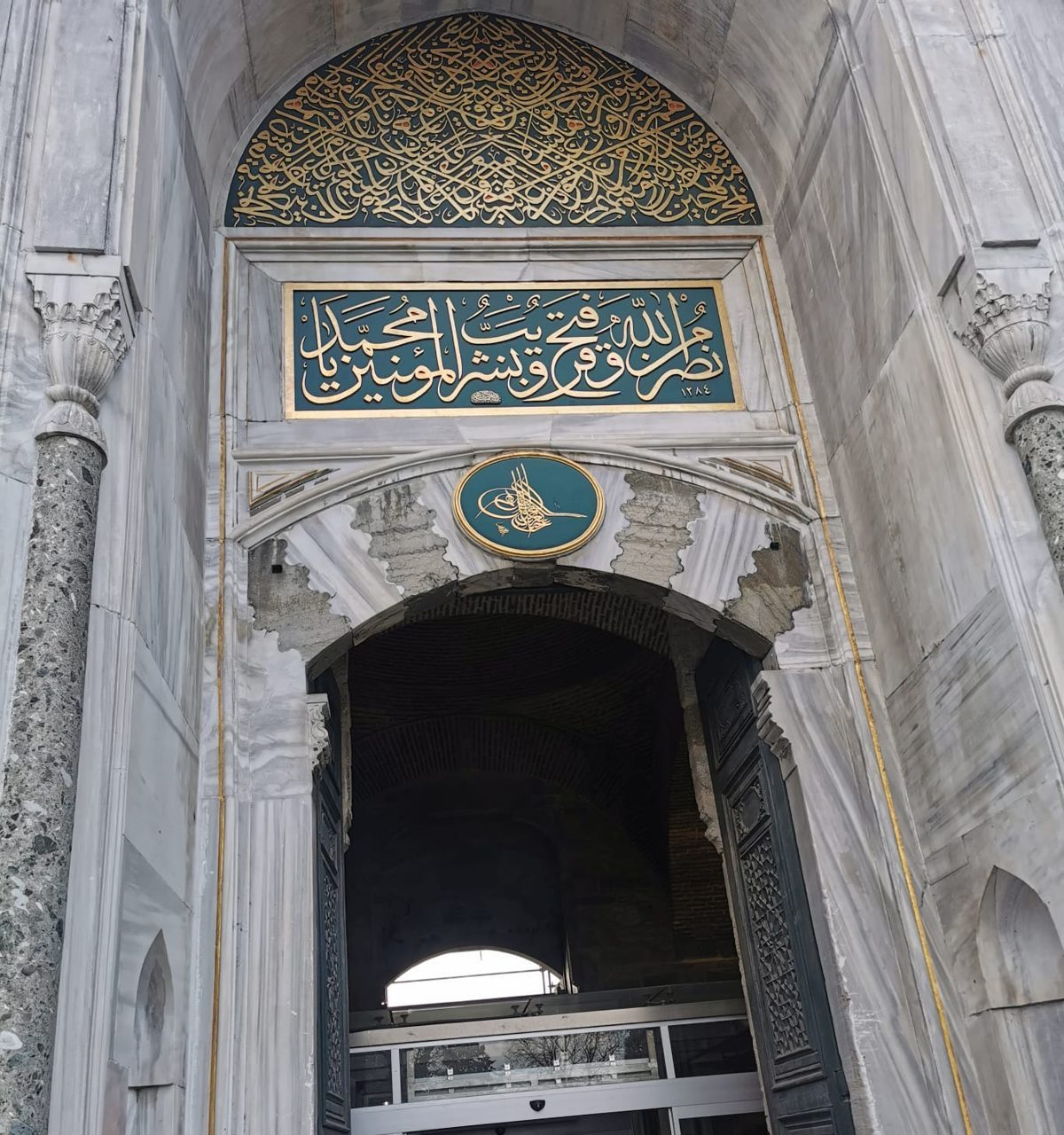
Next we go to the Topkapı Palace. Topkapı can swallow hours – plan generously. We have our own articles on the harem and the treasury: Topkapı Harem and Treasury.
A break at The Han – and a street stall
After the palace we need a proper break. We go to The Han, one of the addresses we describe in our restaurant guide for Sultanahmet and Eminönü.
In between, a street stall also belongs to Istanbul for me: roasted chestnuts or corn. It's not a must-do, just a small Istanbul experience.
Ayasofya Su Terazisi and Basilica Cistern
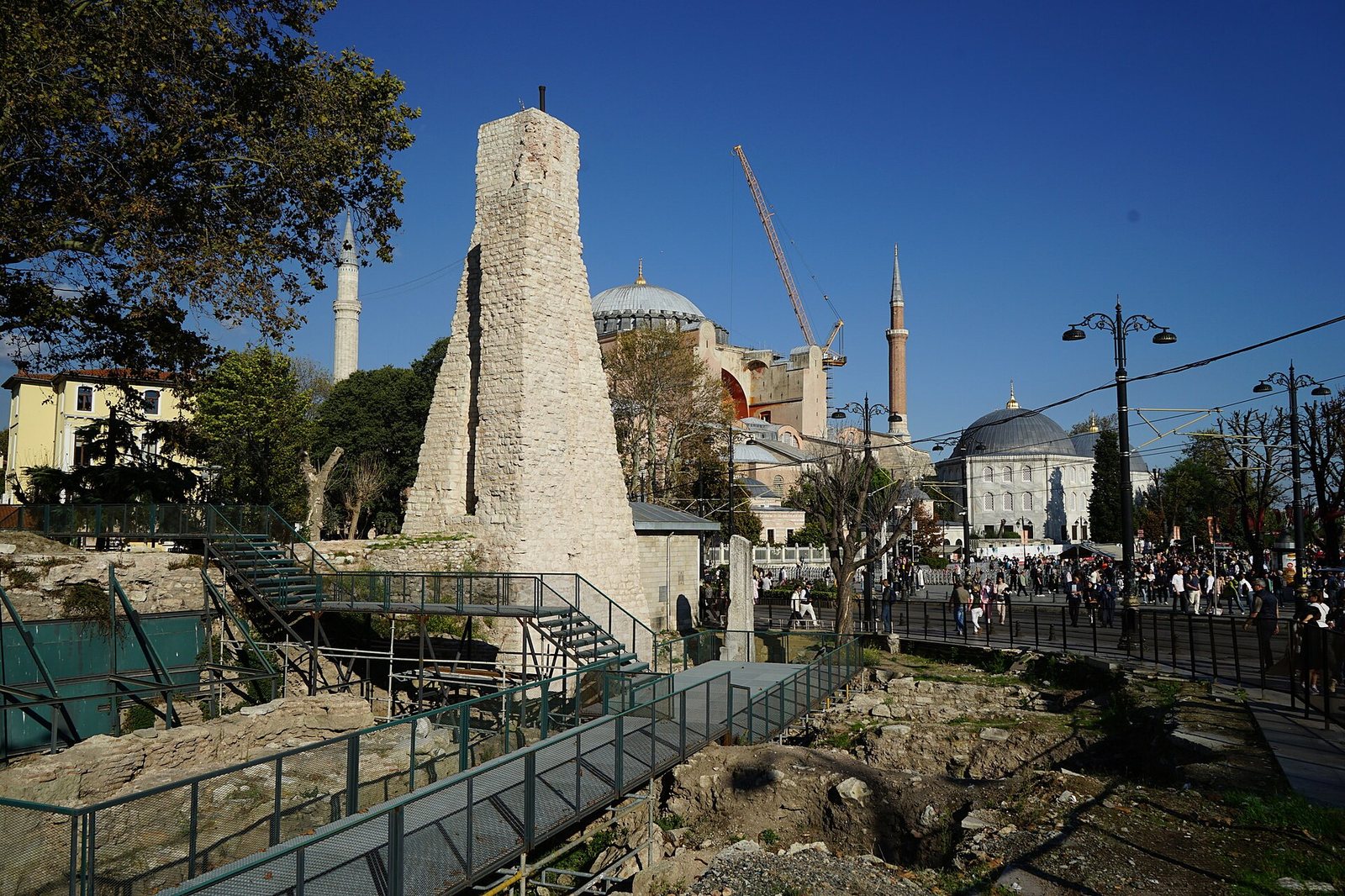
Finally we go to the Basilica Cistern. Shortly before it stands an unassuming, heavily weathered structure that almost everybody walks past:
- A “Su Terazisi” is a water tower of the historic water supply: such towers balanced the pressure in the pipes and helped distribute the water.
- This one stands in Sultanahmet, only a few steps from the Basilica Cistern and the Hagia Sophia.
- We deliberately don't give a year of construction – we couldn't establish that reliably.
- Today it looks almost like a ruin. That is exactly why I like it: in the middle of the most famous places in Istanbul, a piece of everyday and infrastructure history that almost everyone walks past.
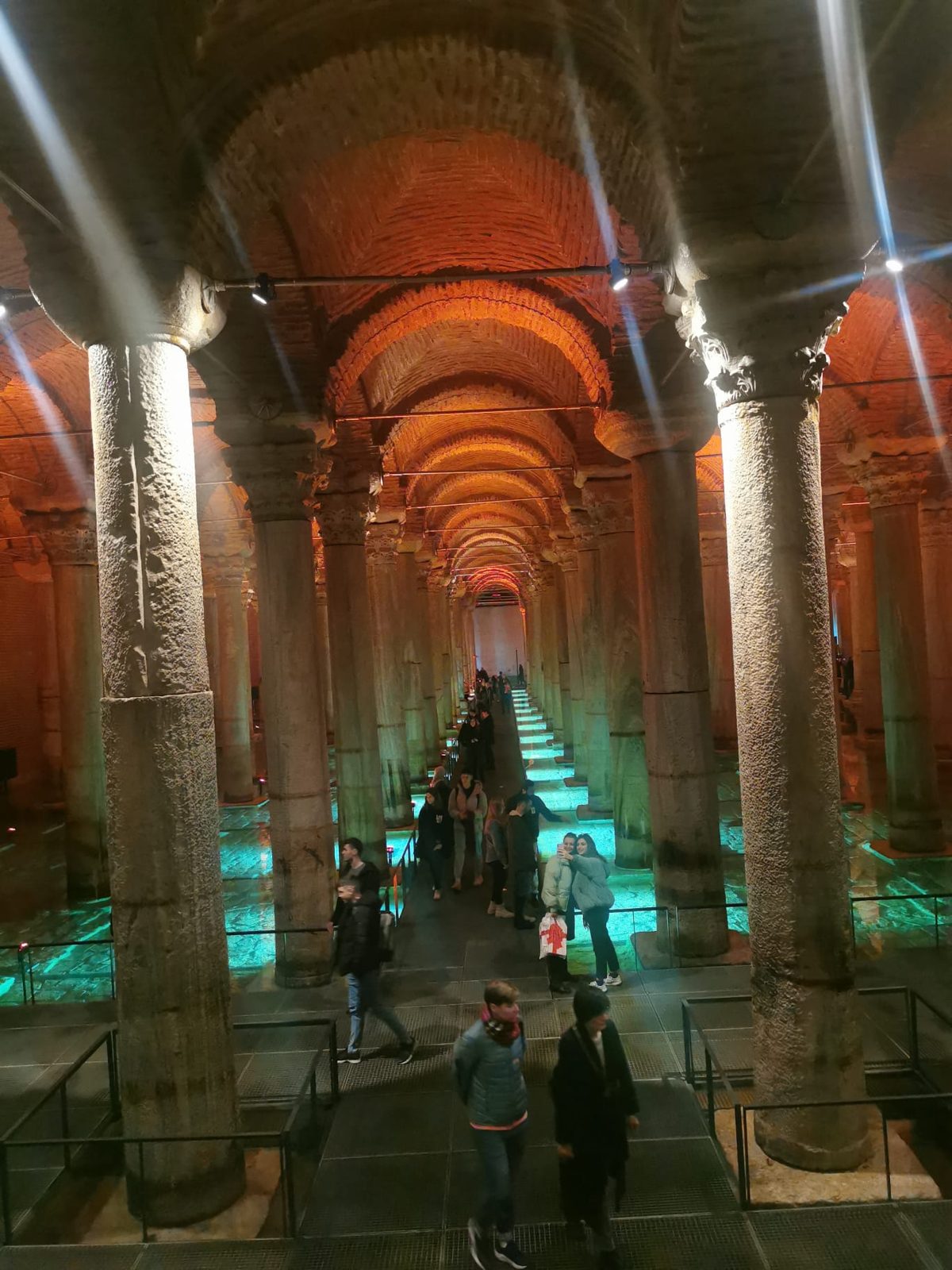
- If you visit museums and palaces in great detail or are travelling with small children, you don't have to manage everything in one day. Topkapı and the Basilica Cistern are the more time-intensive items – prioritise the place that interests you more and postpone the other if necessary.
Day 2: Grand Bazaar, Süleymaniye, Eminönü and Down to Galata
- Grand Bazaar
- Süleymaniye Mosque
- Tombs of Suleiman and Hürrem
- Cafés and tea houses below the Süleymaniye
- Street bazaar and lanes around Eminönü
- Spice Bazaar
- Galata Bridge
- Tünel / Galata
The order of this day is chosen deliberately: we start up in the old town and go downhill all day – to the water and on towards Galata. It should feel like a natural movement from the old town down to the water.
Grand Bazaar
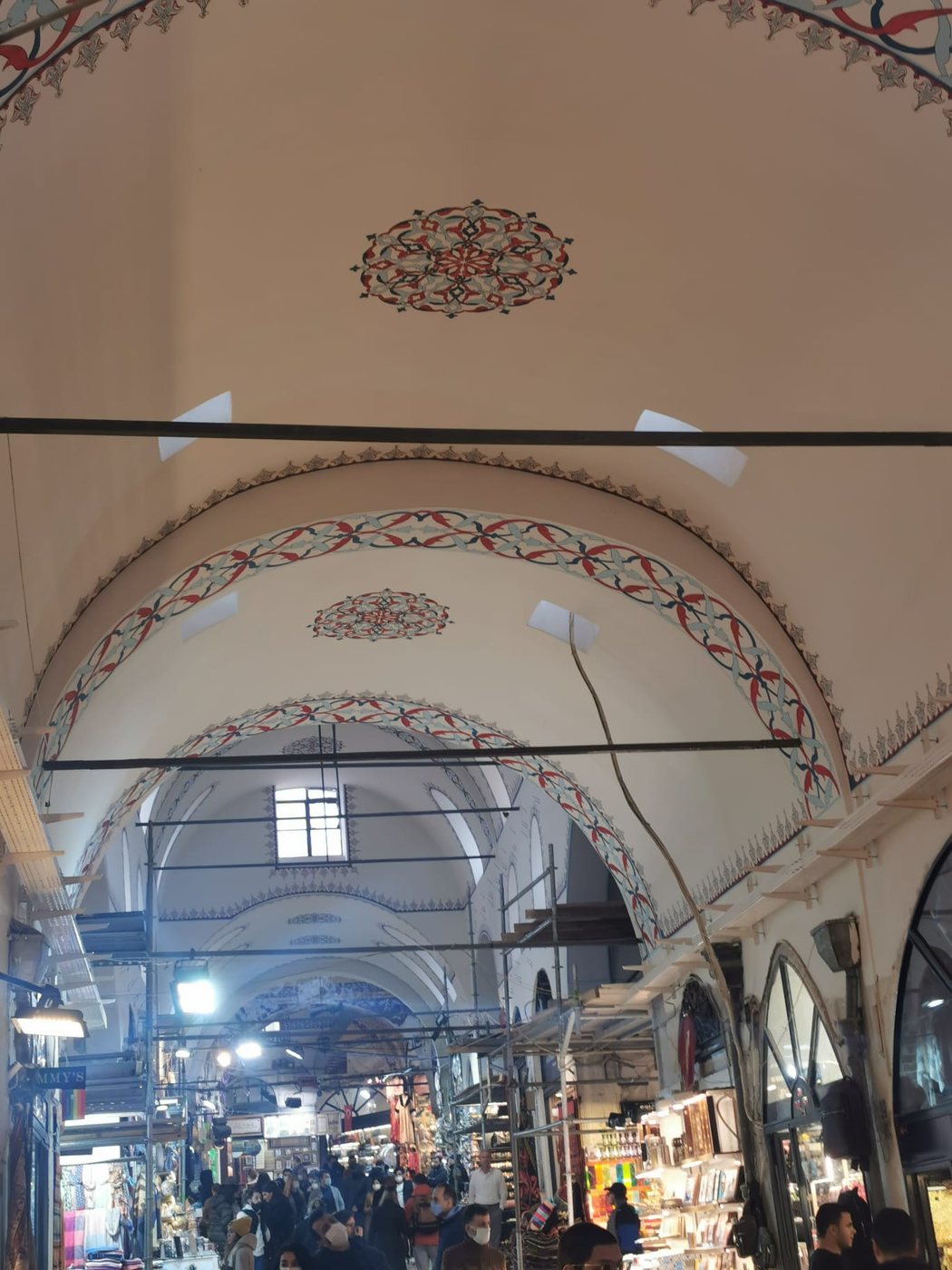
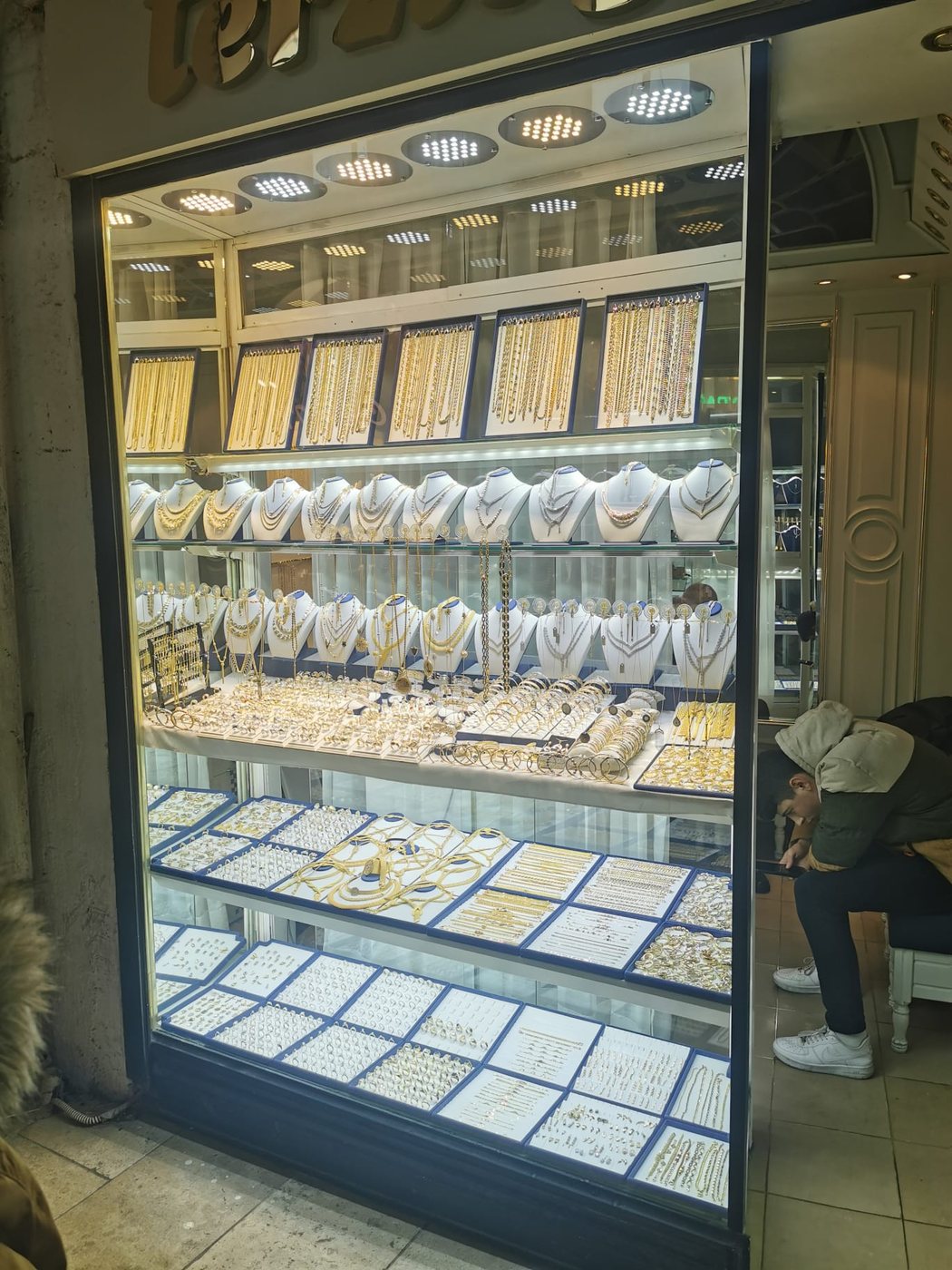
We start in the Grand Bazaar. Please don't turn the whole holiday budget into five bags at the first stall: look, compare prices, enjoy the atmosphere. The bazaar has closing days – check opening times beforehand.
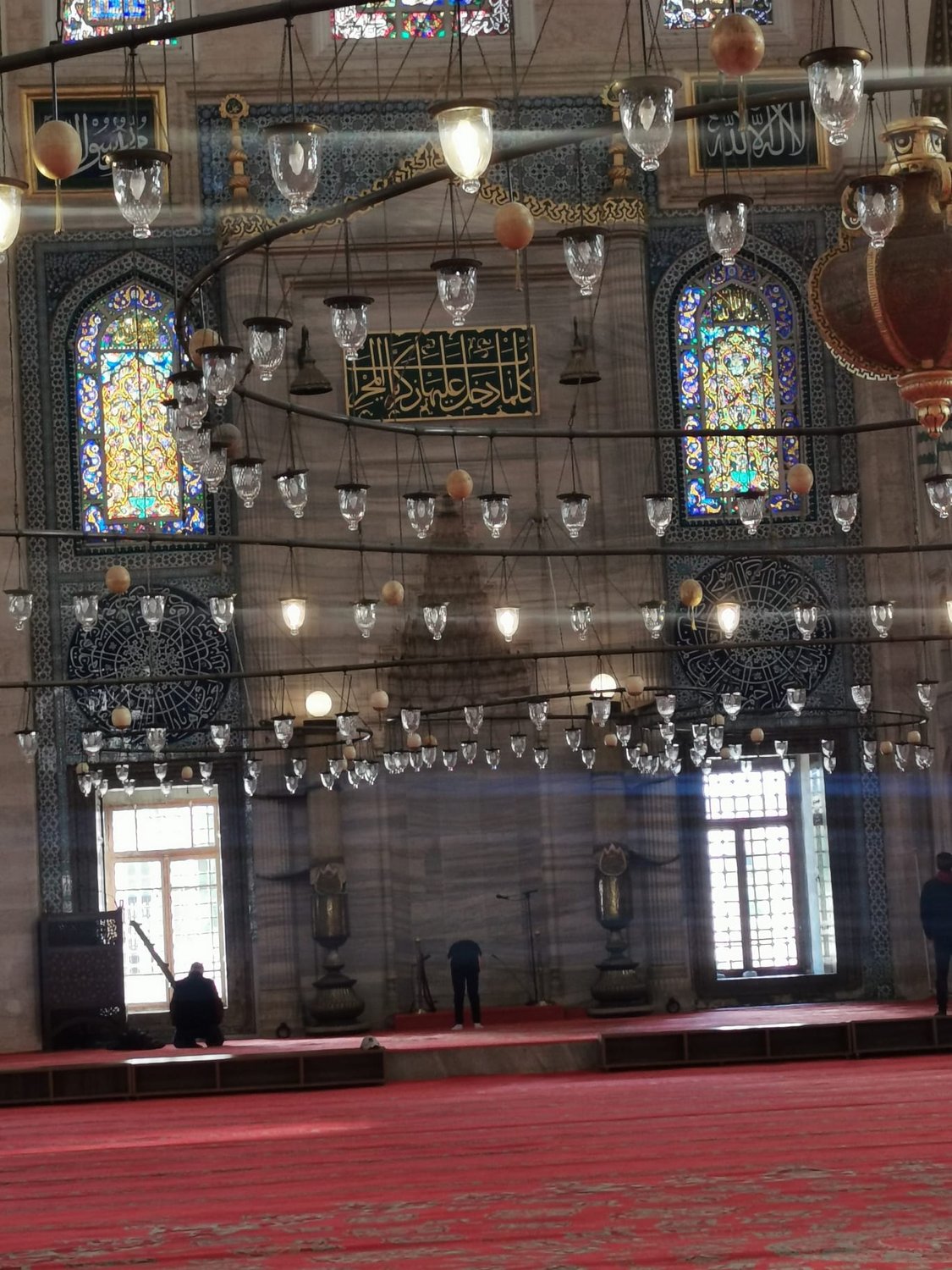
Süleymaniye Mosque and the Tombs
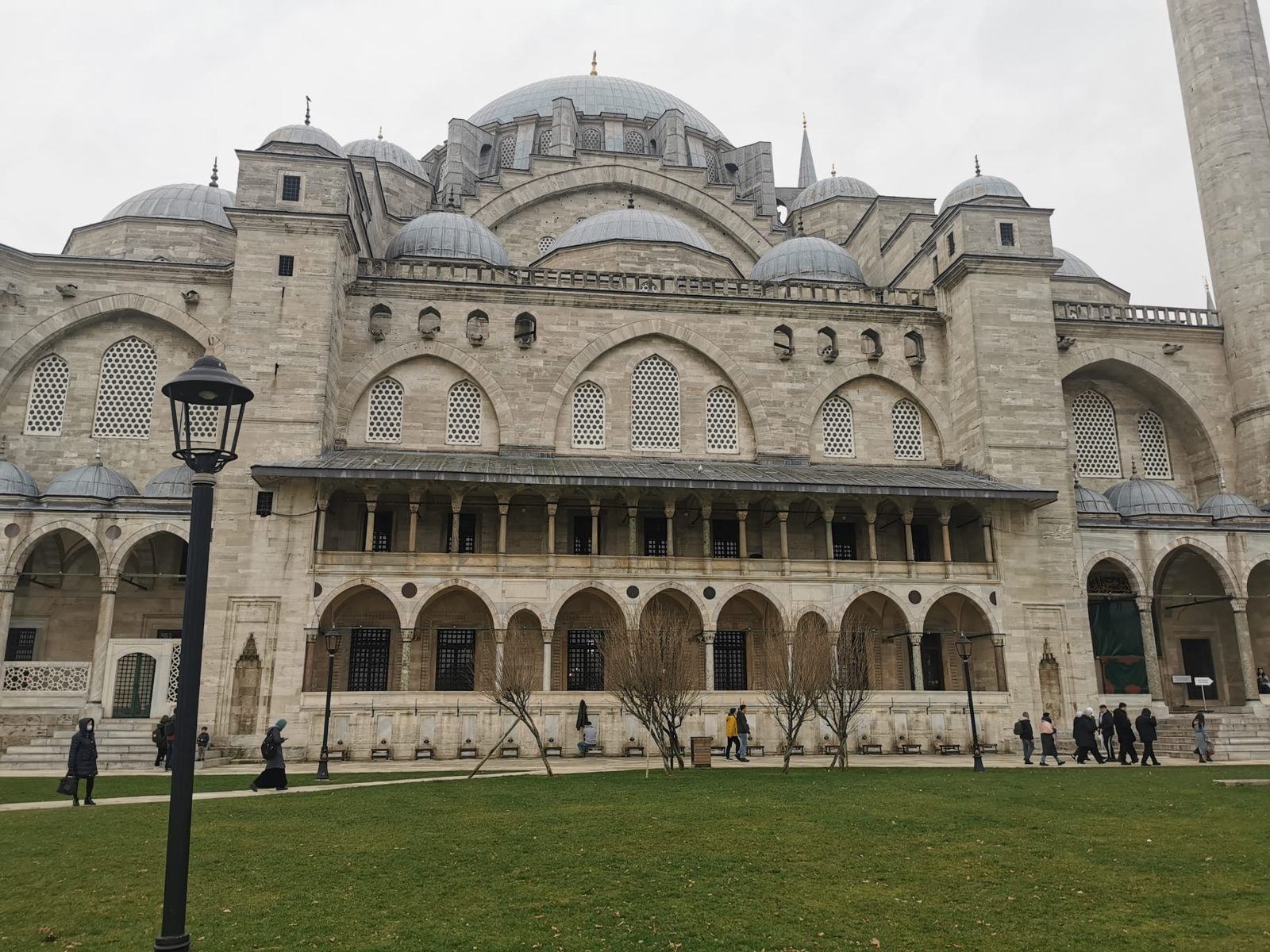
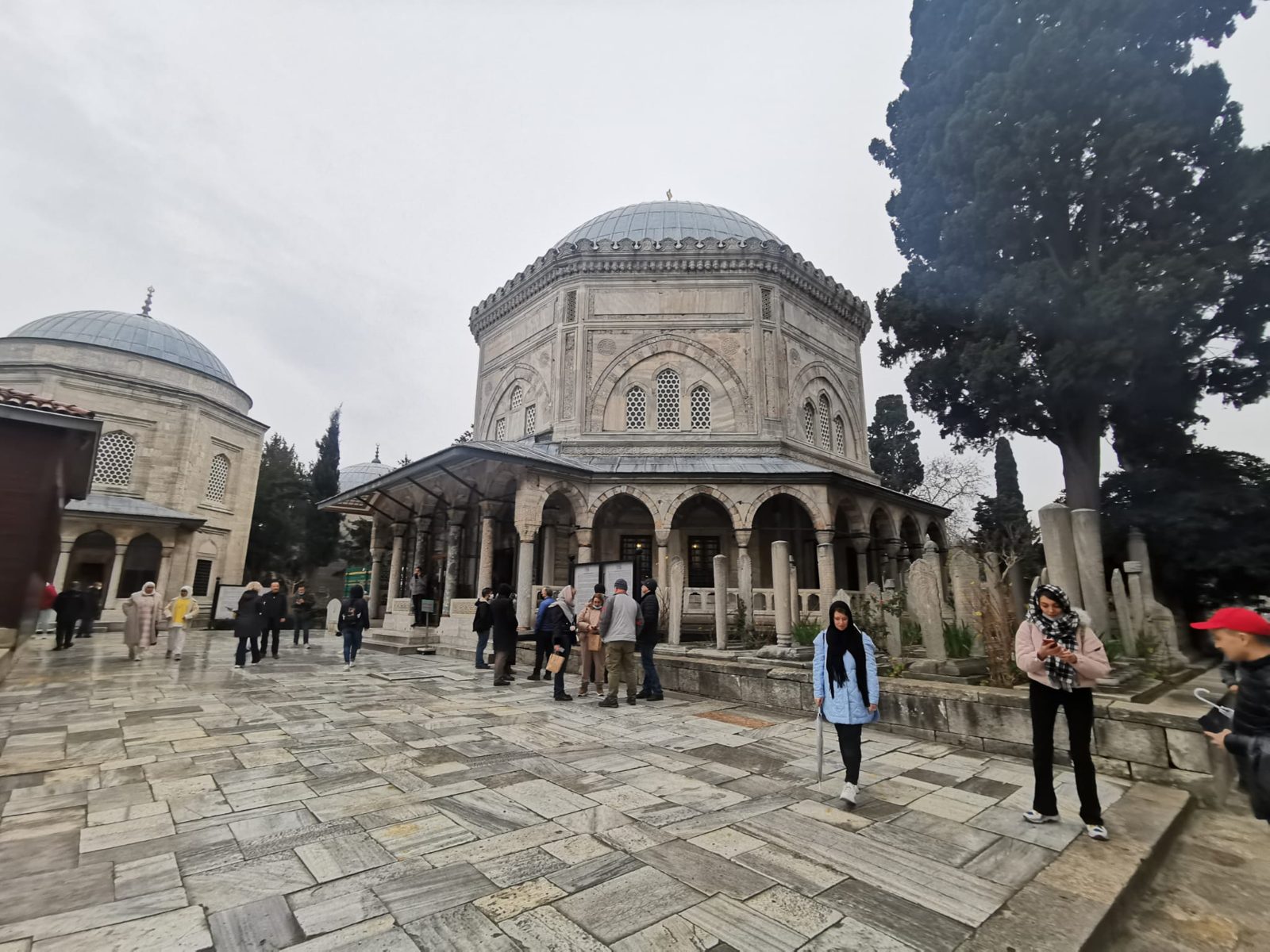
From there we go to the Süleymaniye Mosque. On the grounds lie the tombs of Suleiman the Magnificent and his wife Hürrem: Suleiman's tomb and Hürrem's tomb. Whether and when they are accessible changes – check on site or beforehand.
Cafés and Rooftops below the Süleymaniye
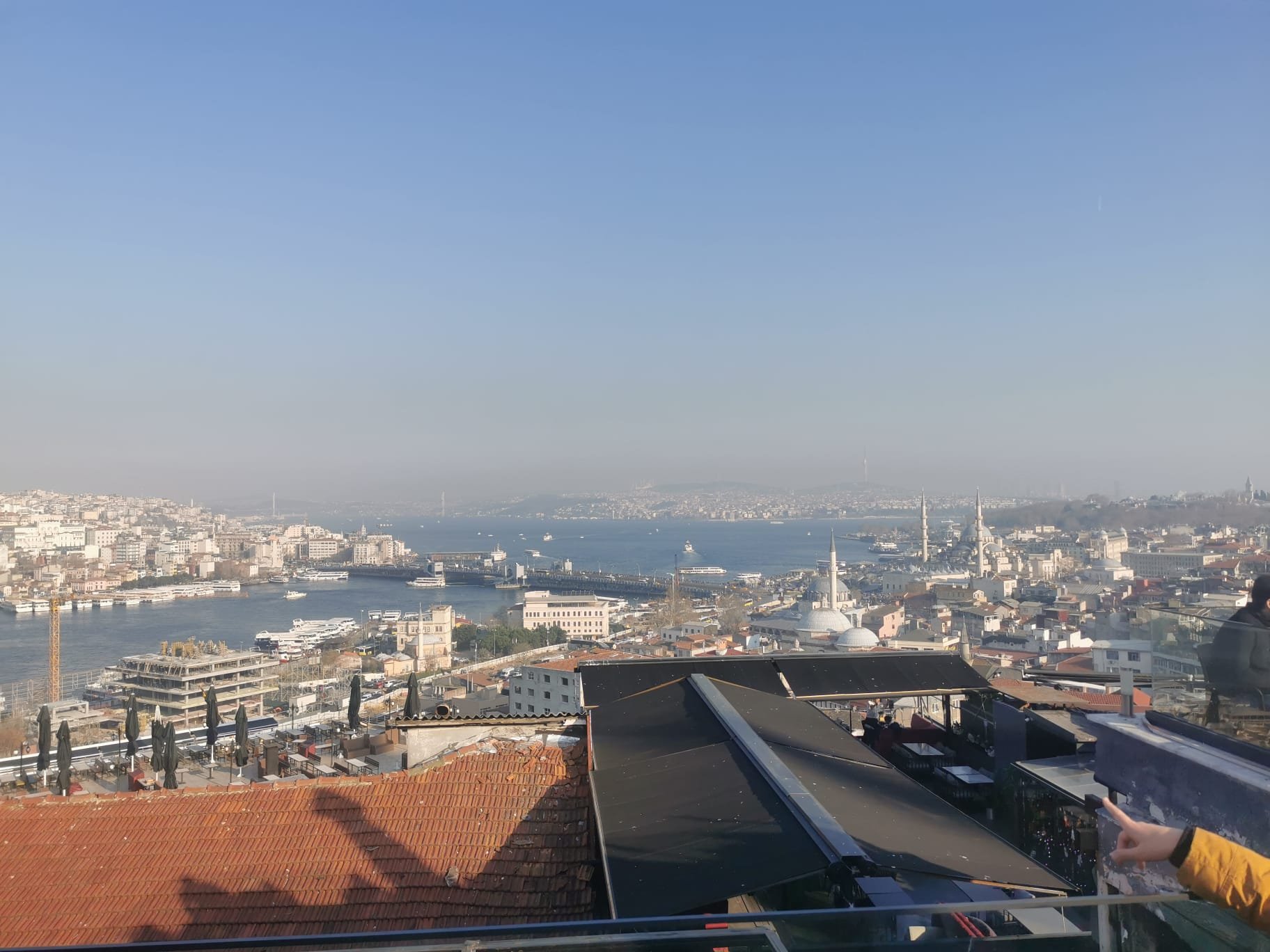
After that we walk downhill towards the cafés and tea houses below the Süleymaniye. Here I'd like to tell you something personal: we once celebrated New Year's Eve on one of these rooftops. It was beautiful. You had a fantastic view over Istanbul, fireworks everywhere – and you could hear the ships' horns.
- If you're in Istanbul over New Year, keep this area in mind.
- View, programme and opening times differ from place to place – don't rely on every rooftop offering the same.
Eminönü: Lanes Instead of Just the Grand Bazaar
We continue downhill towards Eminönü. Around Eminönü there are an incredible number of lanes and shops. In our experience you sometimes find considerably cheaper things there than in the Grand Bazaar – that's not a price promise, just our experience. Many tourists concentrate on the Grand Bazaar; I find this area really exciting.
Spice Bazaar, Water and Galata Bridge
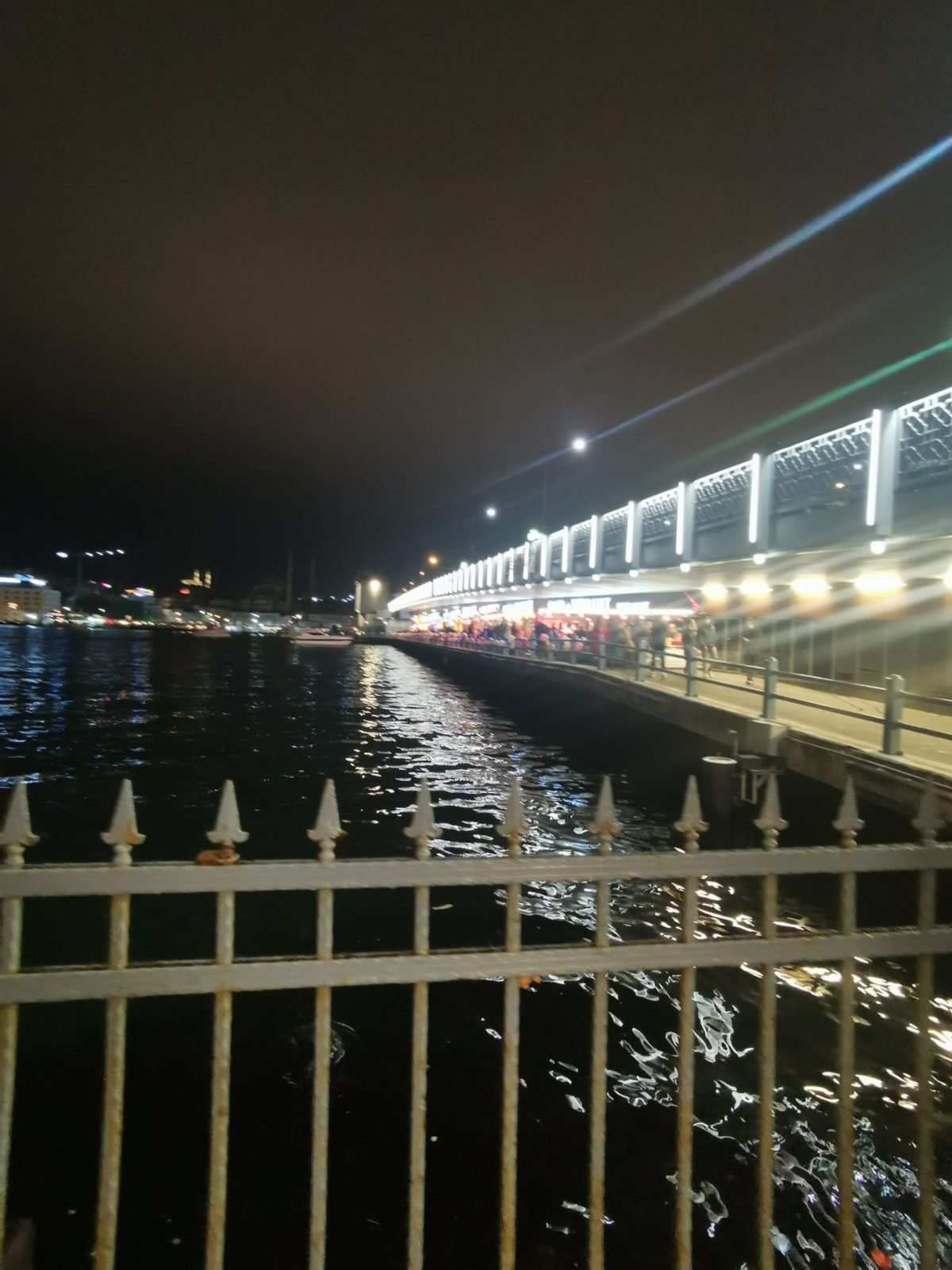
Then the Spice Bazaar – not every pretty package is automatically the best offer – and afterwards towards the water to the Galata Bridge. Here you can watch fishermen, take photos and enjoy the atmosphere.
On to Galata
From the bridge we go on foot or with the Tünel towards Galata. And when the day comes to an end, we often end up around the Galata Tower – for a hot chocolate. Tickets for the tower are also available in advance: View tickets for the Galata Tower.
- If the day gets long, shorten the lanes around Eminönü and go straight to the Galata Bridge. You won't miss anything that wouldn't be nearby again on day 4.
Day 3: From Tünel over İstiklal and Taksim Down to the Dolmabahçe Palace
- Tünel / Galata
- İstiklal Caddesi with the historic passages
- Rumeli Han
- Taksim Square with Republic Monument and Taksim Mosque
- Kabataş
- Dolmabahçe Mosque
- Dolmabahçe Palace
We start where day 2 ended: at Tünel and Galata. Then we walk slowly along İstiklal, up to Taksim Square and from there down to the Bosphorus. The logic: Tünel → İstiklal → Taksim → down to the water → Kabataş → Dolmabahçe.
İstiklal: On Foot or with the Red Tram
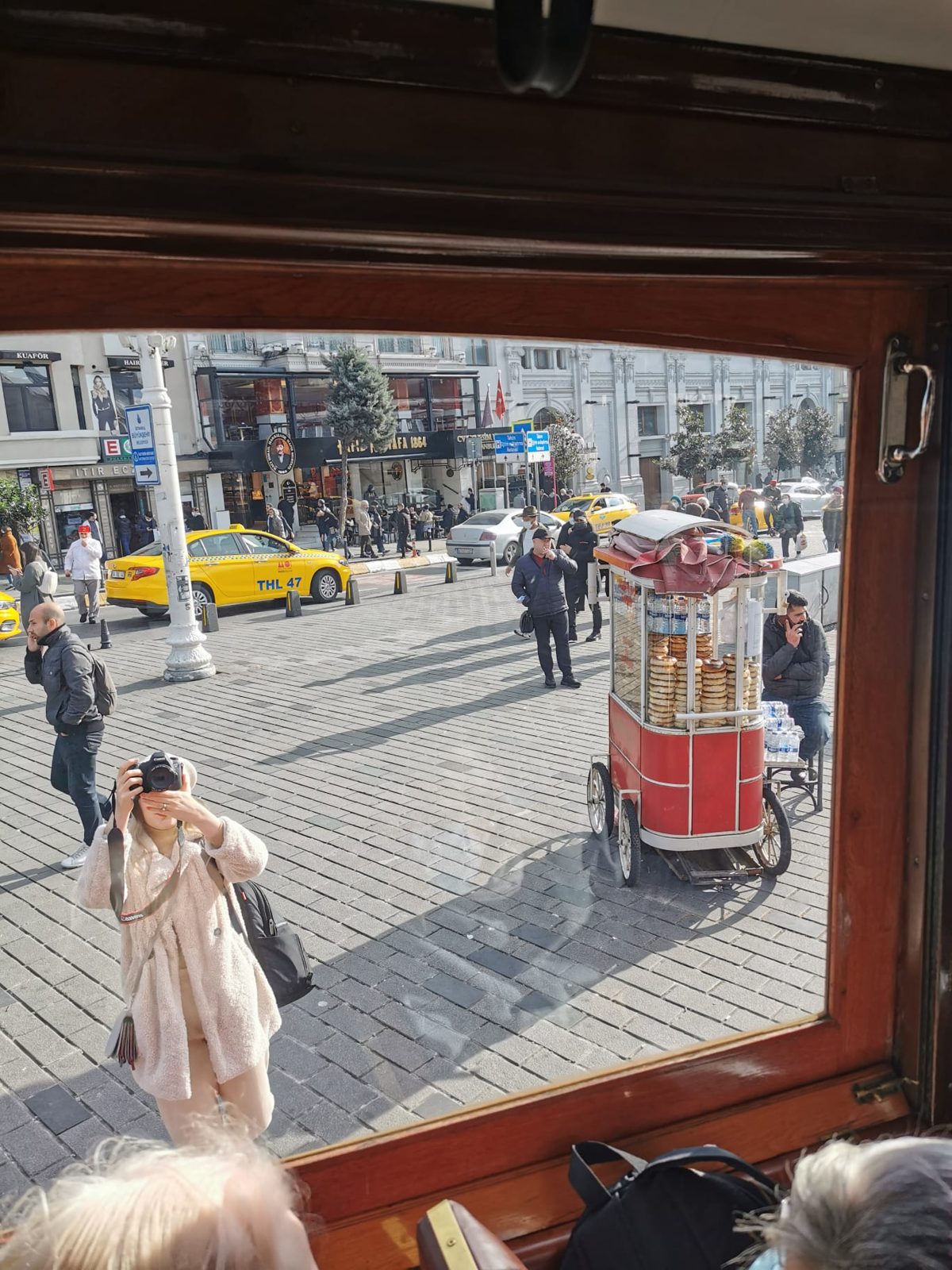
You can walk İstiklal Caddesi or ride a stretch on the nostalgic red tram. At the historic tram, very many people often wait – you don't always get on immediately and sometimes have to look a bit for a good position. :) Check operation and frequency shortly beforehand.
The Historic Passages
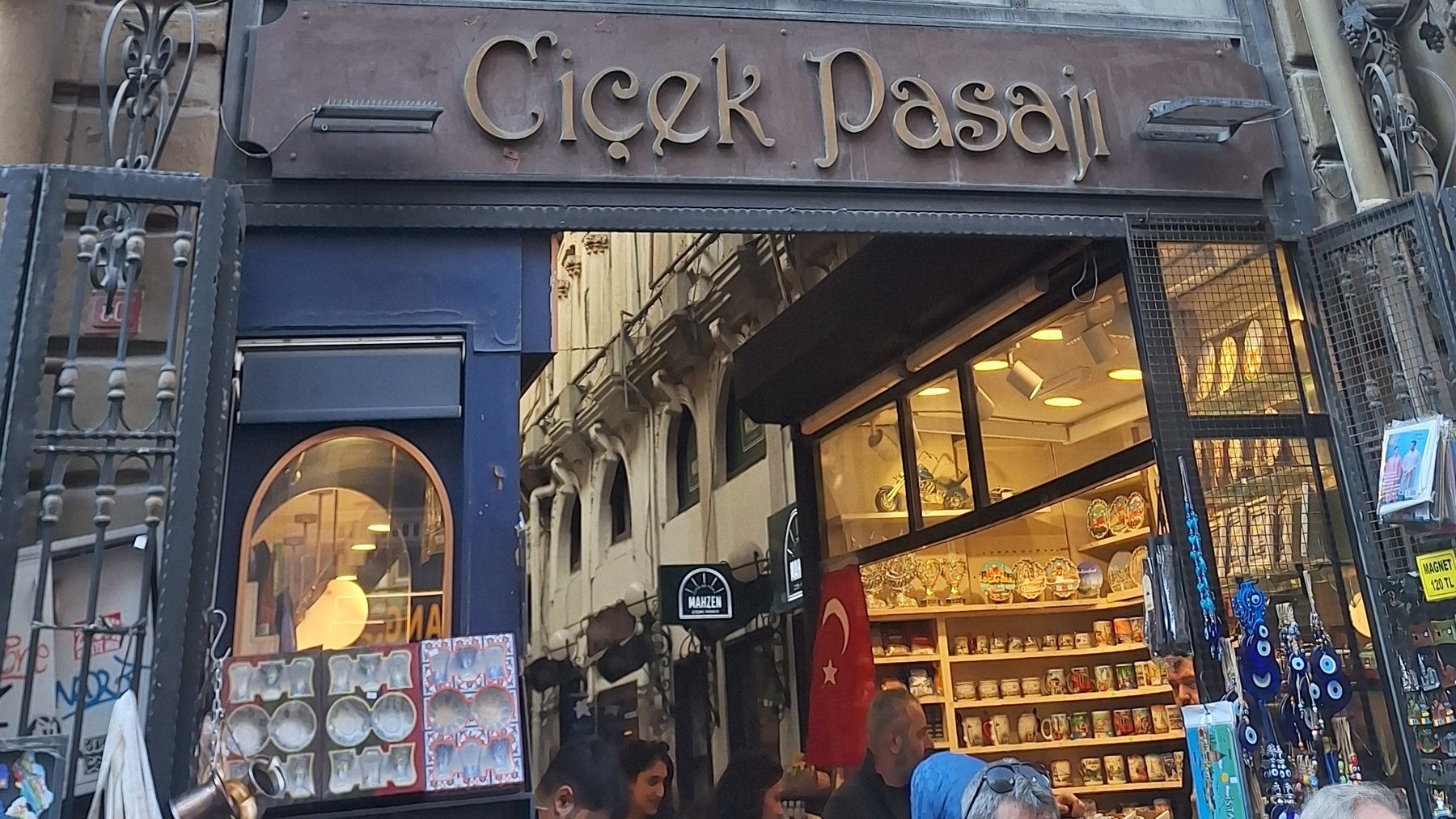
On İstiklal, don't just look at shops and walk through. For me the historic passages are an absolute must: you go from the modern, crowded İstiklal suddenly into a passage and sometimes feel as if you've landed in another time. A well-known example is the Çiçek Pasajı.
The Church on İstiklal
Along the way on İstiklal you come across the Catholic St. Anthony's Church – a quiet moment in the middle of the stream of people. We visited it at Christmas time; more in the detailed article.
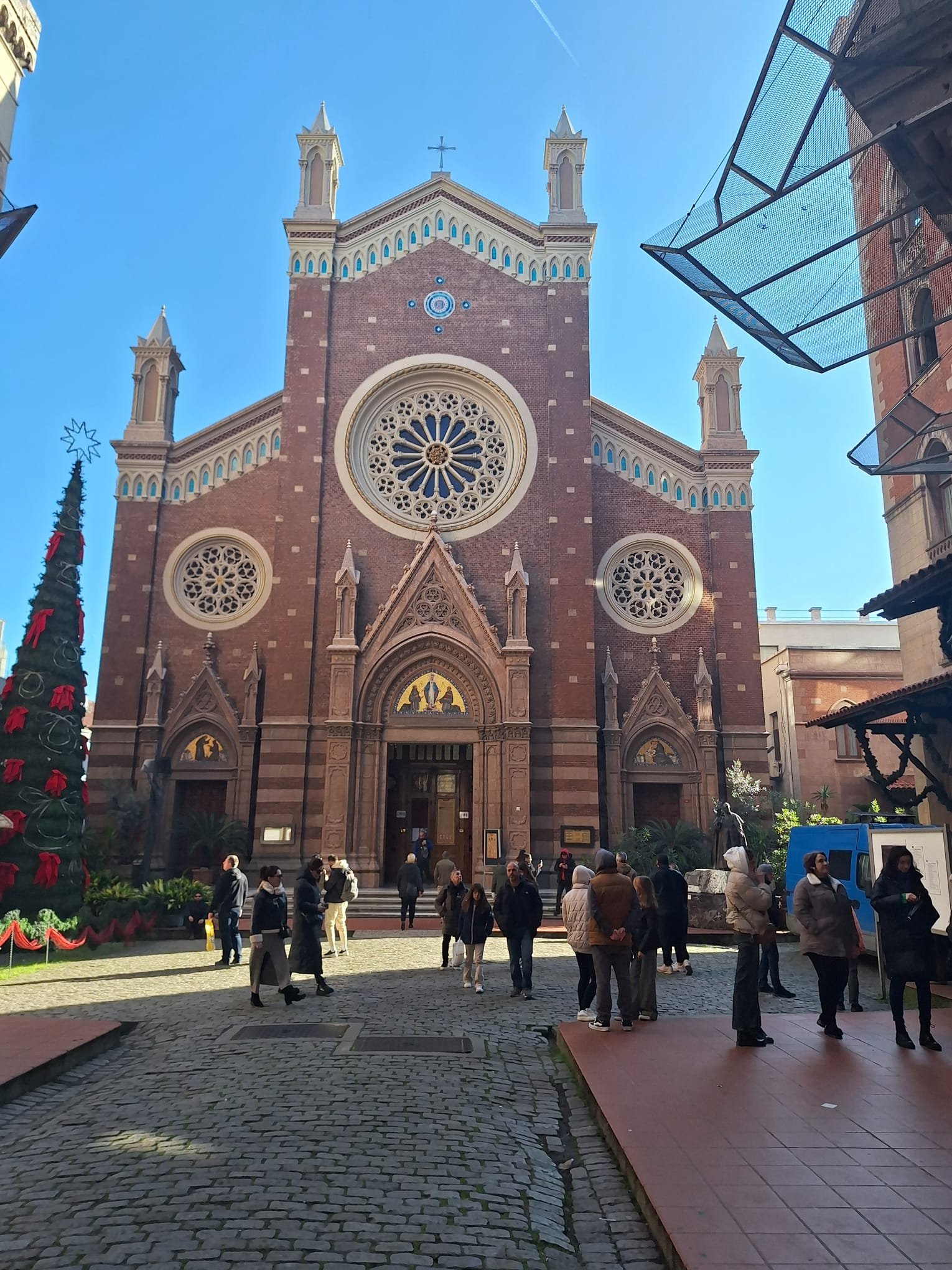
Rumeli Han
A particularly exciting stop on İstiklal is the historic Rumeli Han, a han from 1894. During restoration work that began in 2017, an underground brick passage was discovered here. There are differing accounts of its original function. If you want to see the underground area yourself, check before your visit whether it is currently accessible.
Taksim Square
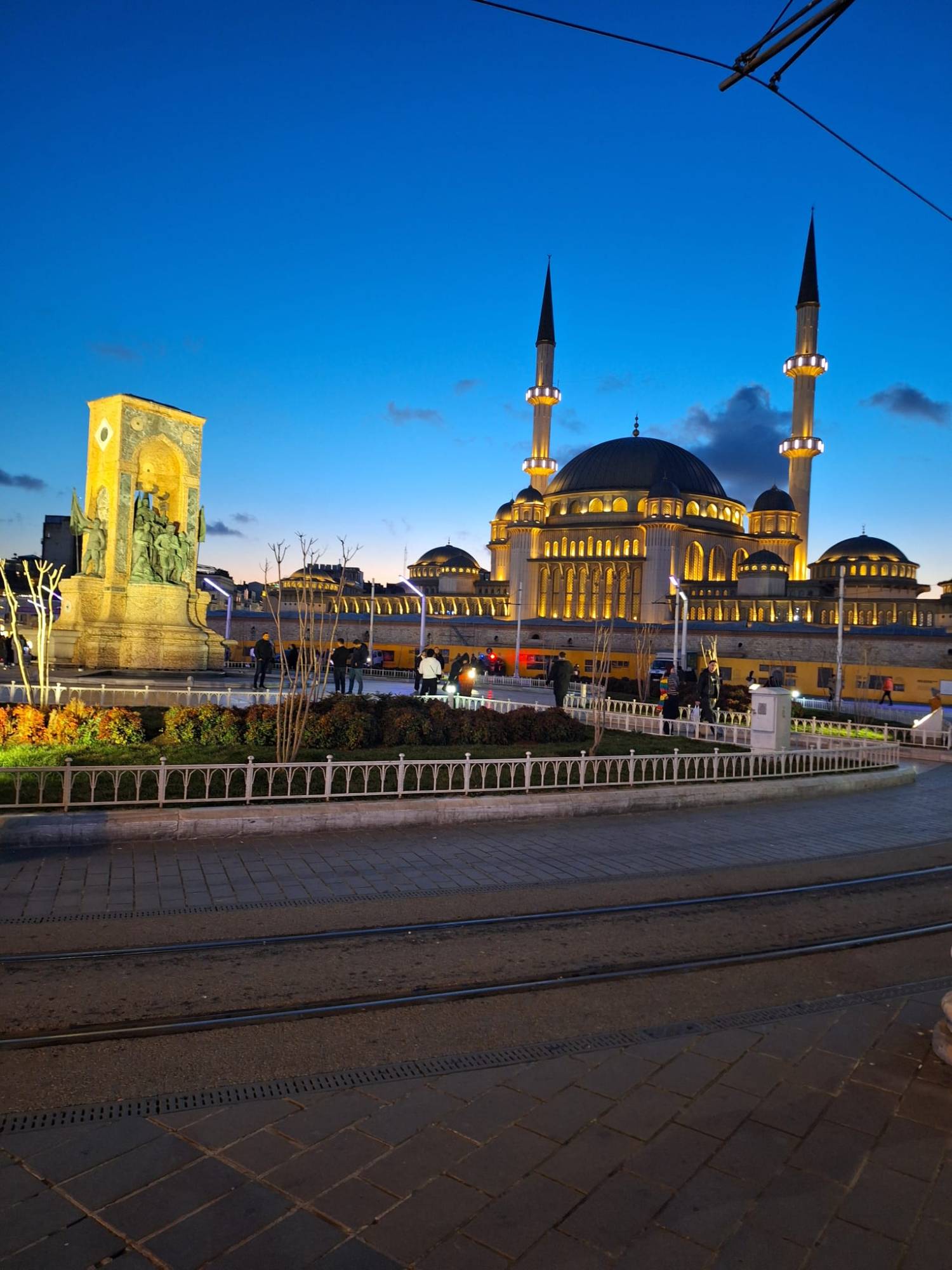
Then Taksim Square with the Republic Monument and the Taksim Mosque.
Down to Kabataş
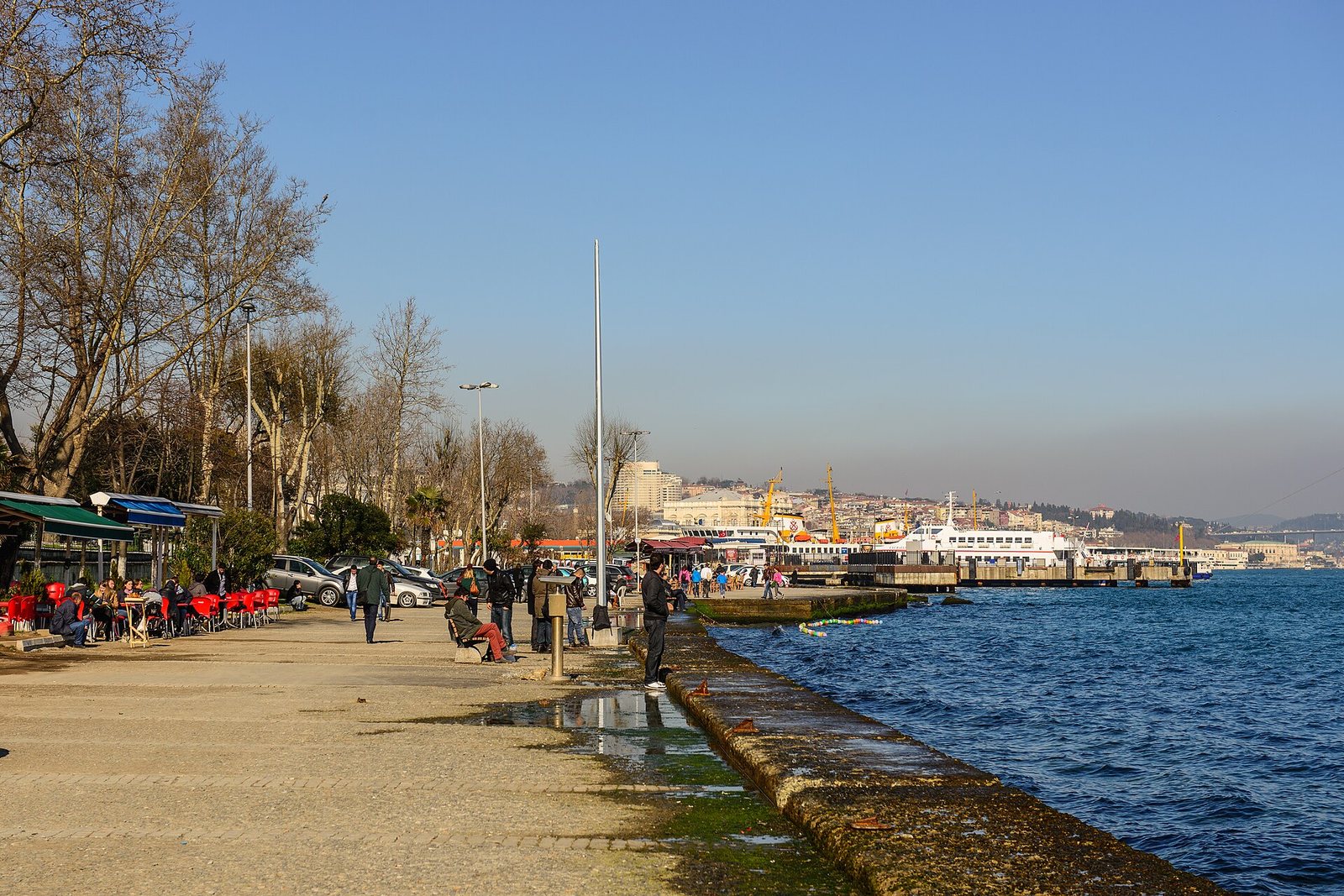
From Taksim Square we go downhill towards Kabataş. There is a wonderful viewpoint on the Bosphorus there – a good moment to catch your breath before we go to the palace.
Dolmabahçe Mosque and Dolmabahçe Palace
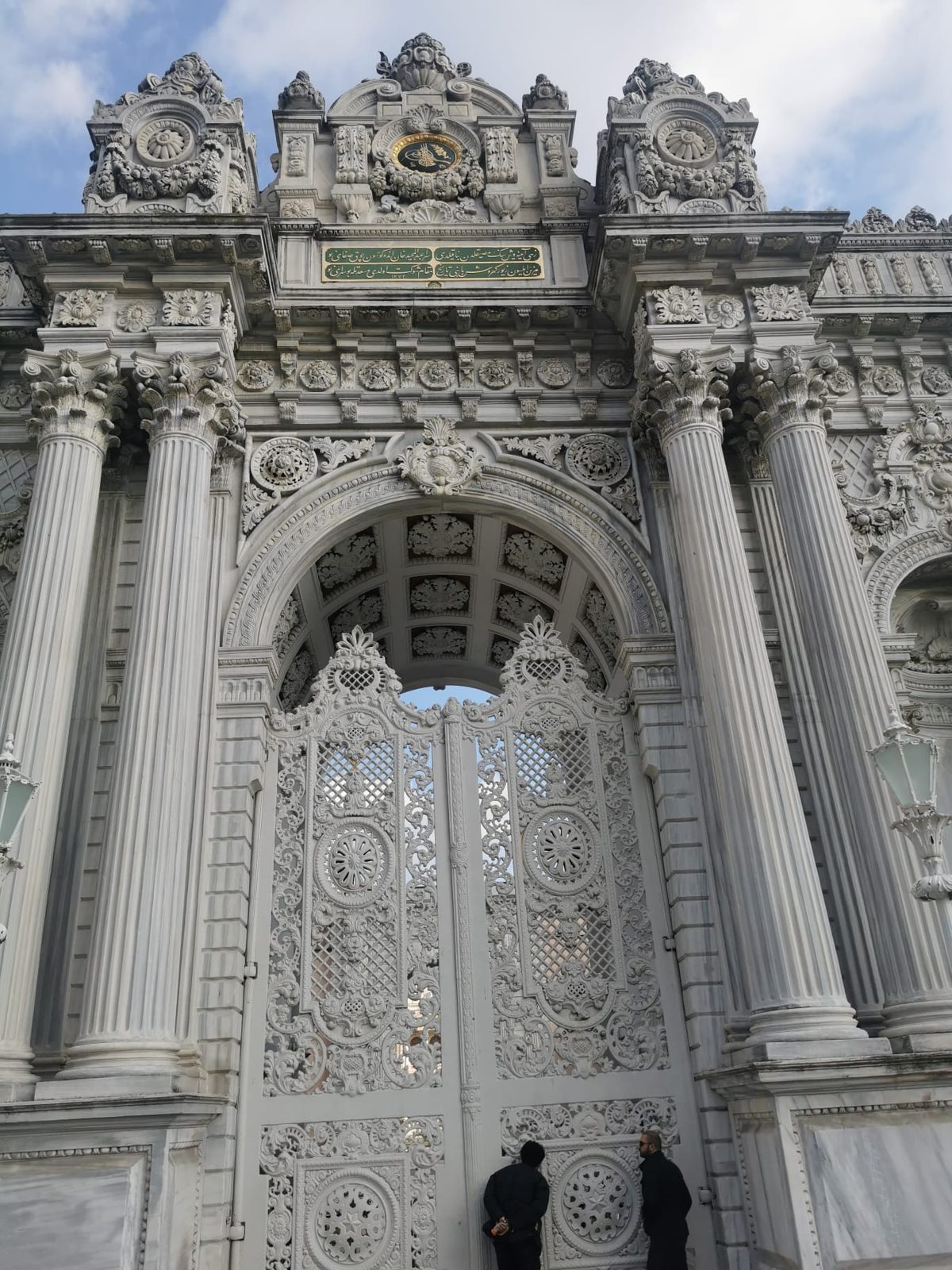
To finish, we visit the Dolmabahçe Mosque and the Dolmabahçe Palace. That is the end of day 3. Check the palace's opening days and ticket rules beforehand.
- The days build on each other – so arrange your trip so that it doesn't fall on a closing day.
- According to visitor information the Topkapı Palace (day 1) is closed on Tuesdays, the Grand Bazaar (day 2) also has fixed closing days, and at Dolmabahçe (day 3) there are fixed closing days and special rules on public holidays.
- Check opening days, times and prices on the official sites shortly before your visit – we deliberately don't quote admission prices here.
What I Deliberately Don't Do in Three Days
I wouldn't build a route where you change area every 40 minutes. Istanbul is huge. Paths cost time. And if you only keep looking at the clock, at some point you don't feel the city at all any more.
Princes' Islands, Şile, large additional palaces, several distant neighbourhoods – not because they aren't beautiful, but because three days have limits. I don't want to sell you a route where you mainly see Istanbul from public transport.
Where to Stay for Three Days?
If you want life around you, I love Galata. If your focus is very much on historic sights, Sultanahmet/Fatih can be practical. If you'd rather be quiet and well connected, Kabataş is interesting. What matters is the specific street and the last stretch – especially with suitcases.
With Children: Plan Less, More Intermediate Goals
I have one child who loves running around and one for whom 20 metres can already sound like a human rights violation. That's why with children I plan fewer points and more breaks and build in a joker every day: ferry, shopping centre with a play area, a longer meal break or simply the hotel/apartment.
- The best Istanbul moments are often not in the schedule. If you fill every slot, you have no room for exactly those moments.
How to Plan Three Days in Istanbul Without Destroying Yourself
My route is deliberately slower than many “47 sights in 72 hours” plans. For first-time visitors it isn't only what you see that matters, but how you group the paths.
Basic principle: plan neighbourhoods instead of single points
Istanbul is huge. If you plan Sultanahmet in the morning, Kadıköy at noon, Balat in the afternoon and Ortaköy in the evening, you lose a lot of time in traffic. Better: one geographic focus per day.
Opening times and closing days
For museums and palaces, opening days, prayer times, restorations and ticket rules can change. That's why, two to three days before your visit, check the official sites. I wouldn't build a rigid route that collapses if a museum is closed.
Tickets: what to book in advance?
I would check popular attractions with time slots or guided tours in advance. For places with easy access, spontaneous planning is often enough. It's important not to blindly buy an expensive pass before your route is fixed.
Tickets for this route
At some stops it is worth arranging tickets in advance, especially where time slots, guided visits or long queues play a role. For the most important stops of this three-day route, here are the matching options.
Transport
Istanbulkart/public transport, ferries and metro are more important for this route than taxis. I would only take a taxi occasionally, when it saves time and traffic is fine.
How much time per sight?
That is individual. For large places like Topkapı or Dolmabahçe, several hours can be realistic. For a mosque visit you may need considerably less – unless you really want to sit, look and take in the atmosphere. That's exactly why a good plan should have buffers.
Don't “squeeze meals in somewhere in between”
A meal in Istanbul is part of the experience. I would deliberately plan at least one longer break per day. If you only press every meal in between two sights, you miss a lot.
Rain or exhaustion plan
Shopping centres, museums, cafés and hammams can be bad-weather/tiredness alternatives. With children, a plan B like this is even more important.
Do You Have More Time?
Three days are a complete trip in themselves. If you have one or two days more, there is a natural continuation: Istanbul in 4 Days adds a whole day on the Asian side, and Istanbul in 5 Days shows the complete route to the quiet finish in Çamlıca.
Frequently asked questions
What can you see in Istanbul in 3 days?
On day 1 the old town around Sultanahmet with the Hagia Sophia, Blue Mosque, Hippodrome, Topkapı Palace and Yerebatan Cistern, on day 2 the Grand Bazaar, Süleymaniye Mosque, Eminönü, Spice Bazaar and Galata, and on day 3 İstiklal, Taksim and Dolmabahçe Palace. All three days are listed at a glance above.
My Conclusion
Three days are not enough to have “seen” Istanbul. But they are enough to fall in love – and that would be exactly my goal for a first visit.
– Amra