 Music · Travel · Lifestyle
At first glance, the Spice Bazaar seems self-explanatory: spices, tea, sweets, nuts, dried fruit, and scents. Its Turkish name, Mısır Çarşısı, points in a different direction, though — "Mısır" means Egypt. The name is tied to the trade and revenue structures from which the market arose around the New Mosque.
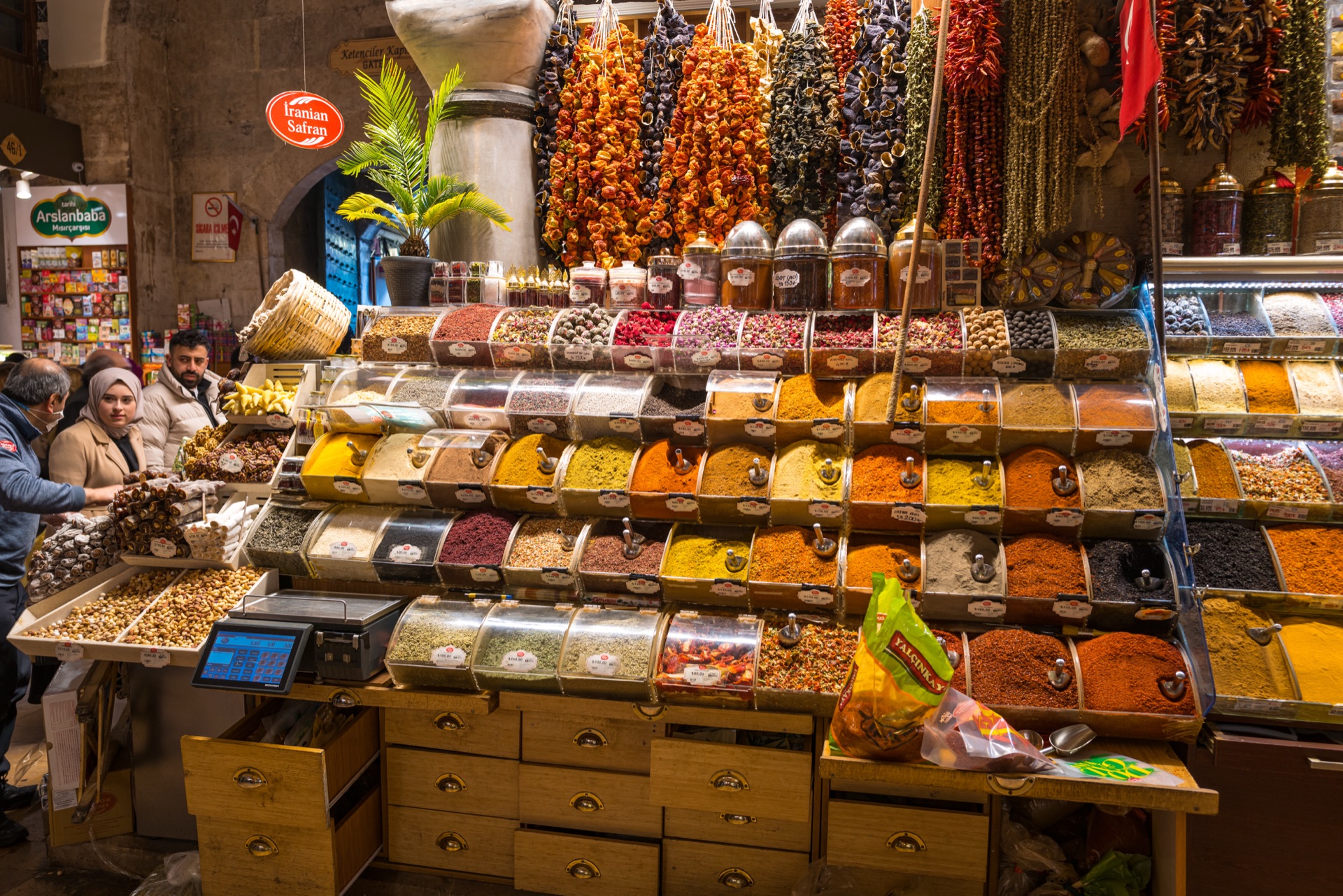
At first glance, the Spice Bazaar seems self-explanatory. Its Turkish name, Mısır Çarşısı, points in a different direction, though — "Mısır" means Egypt.
The bazaar was part of the Yeni Camii külliye. It was built in the 17th century as an economic foundation for the complex. Rents and income from the shops helped fund the mosque's running costs and its social institutions. So from the very start, the market wasn't just a place to shop, but part of a larger religious and economic system.
- The Mısır Çarşısı historically belongs to the foundation of the Yeni Camii.
- It was used in the 17th century as a source of income for the mosque complex.
- Its name points to connections with the Egyptian trade and Egyptian revenues.
- Historically, more than just spices were sold there.
- In the Ottoman Empire, spices were also medicinal and high-value trade goods.
- Today's market is more touristy, but real food and spice merchants still work there.
- The bazaar has been altered several times by fires and restorations.
Why the New Mosque Needed a Bazaar
Great religious foundations had to be funded continuously. Staff wanted to be paid, buildings needed repair, social institutions needed supplies. That's why profitable properties — shops, markets, baths, or caravanserais — often belonged to a vakıf.
The Spice Bazaar was exactly this kind of economic foundation. Its merchants paid rent, or dues, from which parts of the foundation could be funded.
Linking religion and trade wasn't contradictory at all in this context. Within the Ottoman foundation system, it was practically necessary.
Why Is It Called the Egyptian Bazaar?
The most popular explanation ties the name to Egypt, which had belonged to the Ottoman Empire since the early 16th century and through which important trade goods reached Istanbul. Historical accounts also point to the building, or the foundation, being tied to revenue from Egypt.
The name didn't necessarily take hold from day one. Older sources also use names such as Yeni Çarşı or Valide Çarşısı.
Over the course of the 18th century, Mısır Çarşısı became the common name.
What Goods Were Really Traded Here
Spices mattered, but the historical market was broader. Dried herbs, remedies, seeds, nuts, food, dyes, and other goods could be offered here.
Istanbul lay between the trading zones of the Mediterranean, the Black Sea, the Middle East, and Asia. Goods changed hands several times before arriving at the Golden Horn.
Many products that seem everyday to us now were expensive or hard to obtain back then. A spice could have travelled a very long way before ending up in a shop in Eminönü.
Spices Were Medicine, Luxury, and Trade Goods All at Once
Before modern pharmacy, the line between kitchen and pharmacy was more fluid. Herbs, seeds, and spices could be used for cooking and for treating health complaints at the same time.
Aktar, herb and spice merchants, therefore sold more than just cooking ingredients. They were part of a medical and everyday culture of supply.
Some products were expensive because they were transported over enormous distances. Spice trading was therefore a business with genuinely international networks.
Architecture and Layout
The bazaar has a characteristic L-shape and several monumental entrances. Vaulted passages protect merchants and goods from the weather and create the enclosed feel that sets it apart from a street market.
Trade continues outside, in the adjoining streets. Especially toward Eminönü, the bazaar, food shops, and everyday city traffic all blend together.
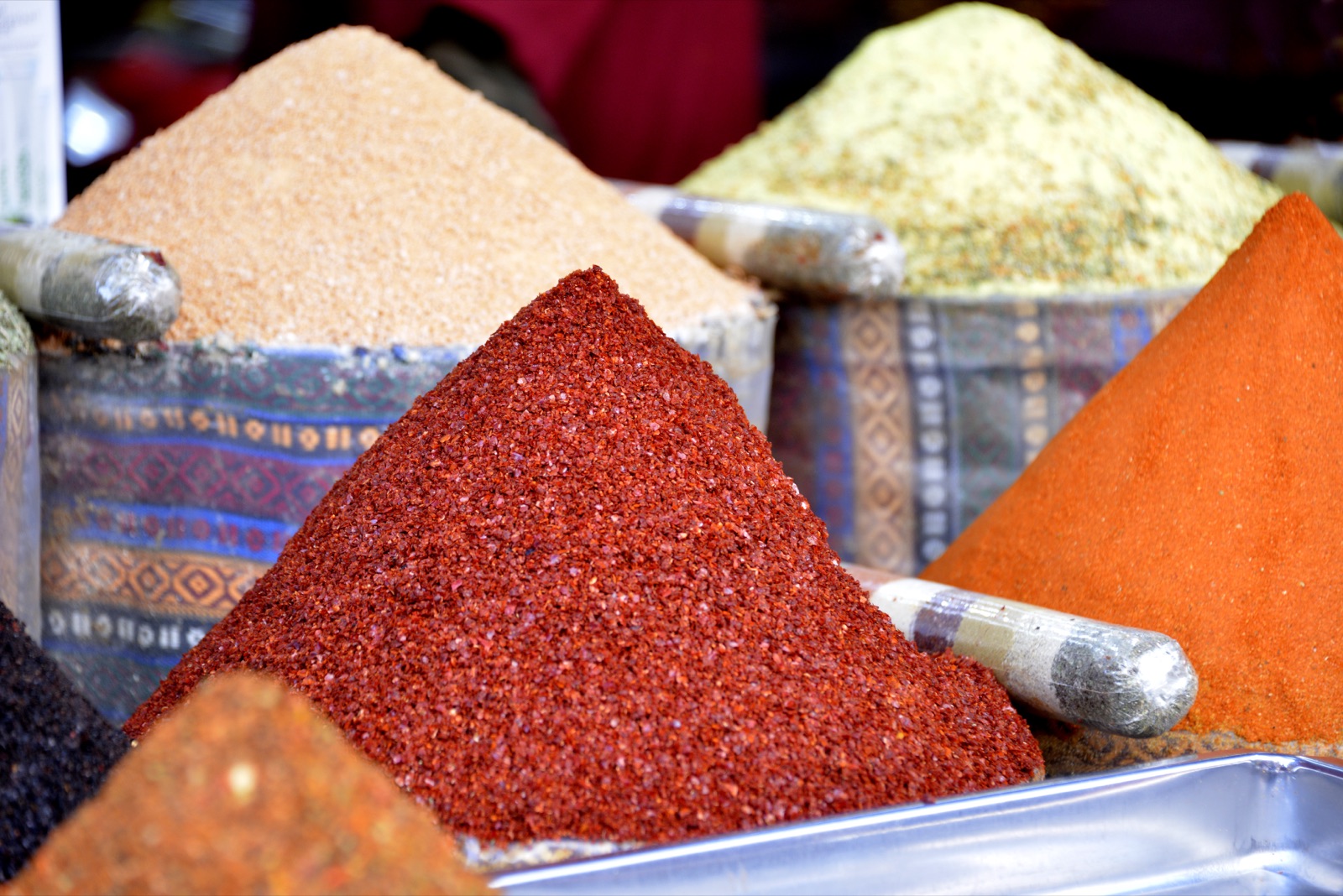
Historically, individual gates and areas were assigned to specific groups of merchants, which kept the market organised and controllable.
Fires, Repairs, and Changes
Like other historical markets, the Mısır Çarşısı has been altered by fires and repairs. Individual shops, surfaces, and uses haven't remained unchanged since the 17th century.
After major damage, roofs, vaults, and shop structures were renewed. Today's well-kept appearance is therefore the result of many phases of restoration.
These changes are not a flaw. Rather, they explain how a market could keep living for centuries.
What's Authentic Today, and What's Touristy
Today, many shops sell products aimed specifically at visitors: elaborately packaged boxes of lokum, tea blends with fanciful names, and decorative gift sets.
Alongside them, real spice, nut, and food merchants still exist. Anyone who only looks at the most eye-catching shops in the main aisle therefore gets a distorted picture.
In the streets outside the actual bazaar, too, you can often shop considerably cheaper and in a more everyday way.
The Connection to the Yeni Camii
The Spice Bazaar is hard to understand if you ignore the New Mosque right next to it. Both belonged to the same foundation structure. The mosque was the religious centre; the market helped fund it economically.
The Yeni Camii itself has a complicated building history. Its construction began as early as the late 16th century under Safiye Sultan, but was interrupted and only completed decades later under Turhan Hatice Sultan. The Mısır Çarşısı arose in this later phase, becoming part of a project that spanned several generations of Ottoman court politics.
This connection also shows the role of powerful women as patrons. The Spice Bazaar is therefore, indirectly, just as much a story about female dynastic politics as it is about pepper and saffron.
What You Should Actually Compare Today
Anyone wanting to shop shouldn't automatically assume, at the first prettily decorated shop, that they've found the best deal. Especially for tea, lokum, and spice blends, it's worth comparing prices and quality across several shops.
The area outside the historical bazaar is fascinating too. The surrounding streets are full of food, household, and wholesale shops that are shaped far more by everyday local life.
Within just a few metres, then, you get two very different markets: the famous touristy interior, and the chaotic, practical trading world right outside it.
Why the Site in Eminönü Was Perfect
For centuries, Eminönü was one of the most important arrival points for goods. Ships brought food and trade goods to the shores of the Golden Horn, from where they could be distributed directly into markets and warehouses. The Spice Bazaar therefore sat, not by chance, right next to the harbour, the mosque, and major transport routes.
This location also explains why the market is still so lively today. Ferries, trams, pedestrians, and merchants meet here at a density that's impressive even for Istanbul. Historical trade has changed, but its function as a hub has remained.
How to Buy Spices Sensibly Today
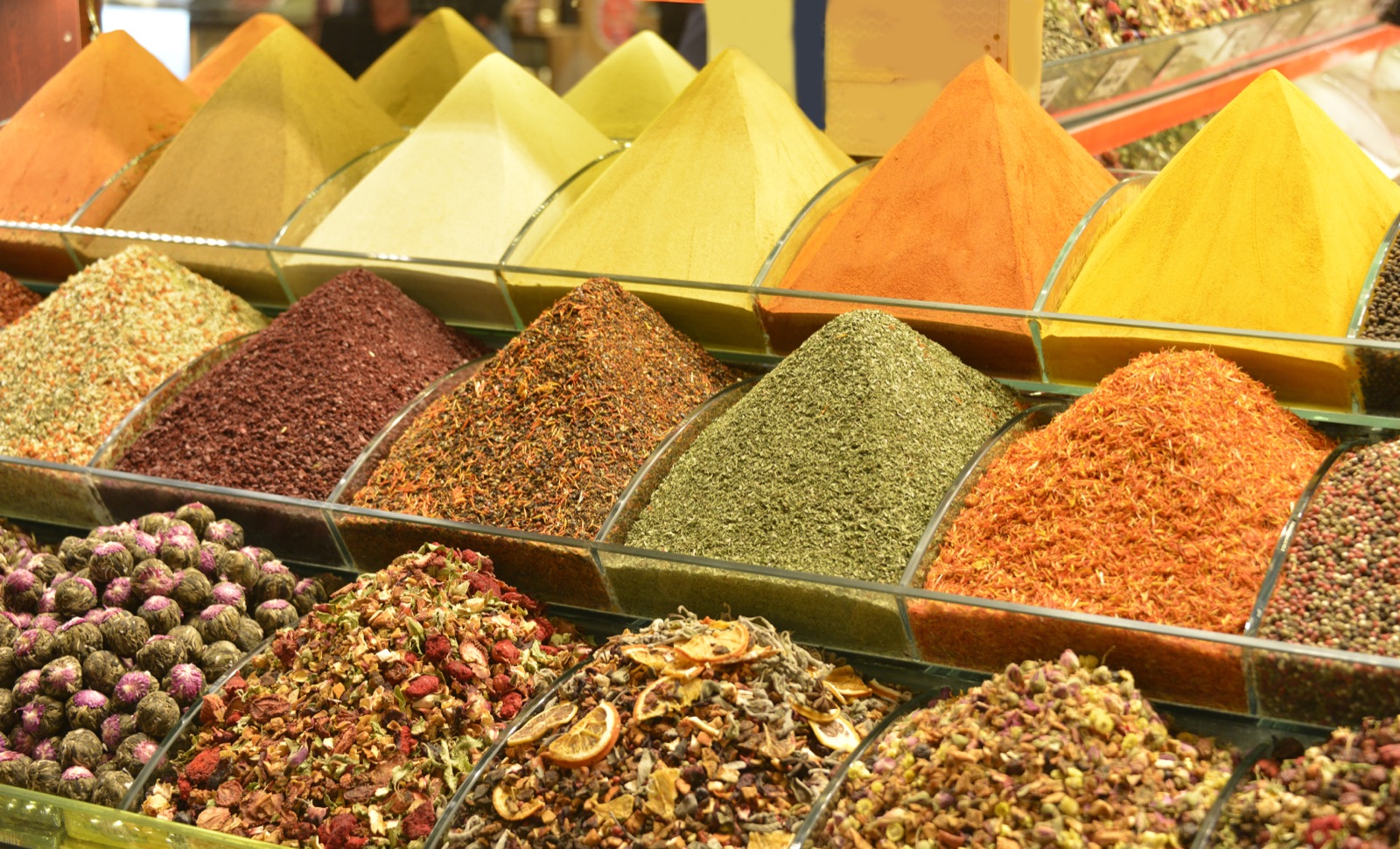
For very touristy products, it's worth taking a close look at packaging, weight, and price. Especially with saffron, spice blends, or "special teas," names and presentation can seem more important than the actual contents. Anyone wanting to buy something specific does better comparing several shops and, if needed, asking about origin and weight.
That doesn't mean you have to distrust every merchant. On the contrary — good shops in particular explain their products remarkably precisely. A quick comparison mainly protects you from paying triple the price just because of especially pretty packaging.
A Hub of Global Trade Routes
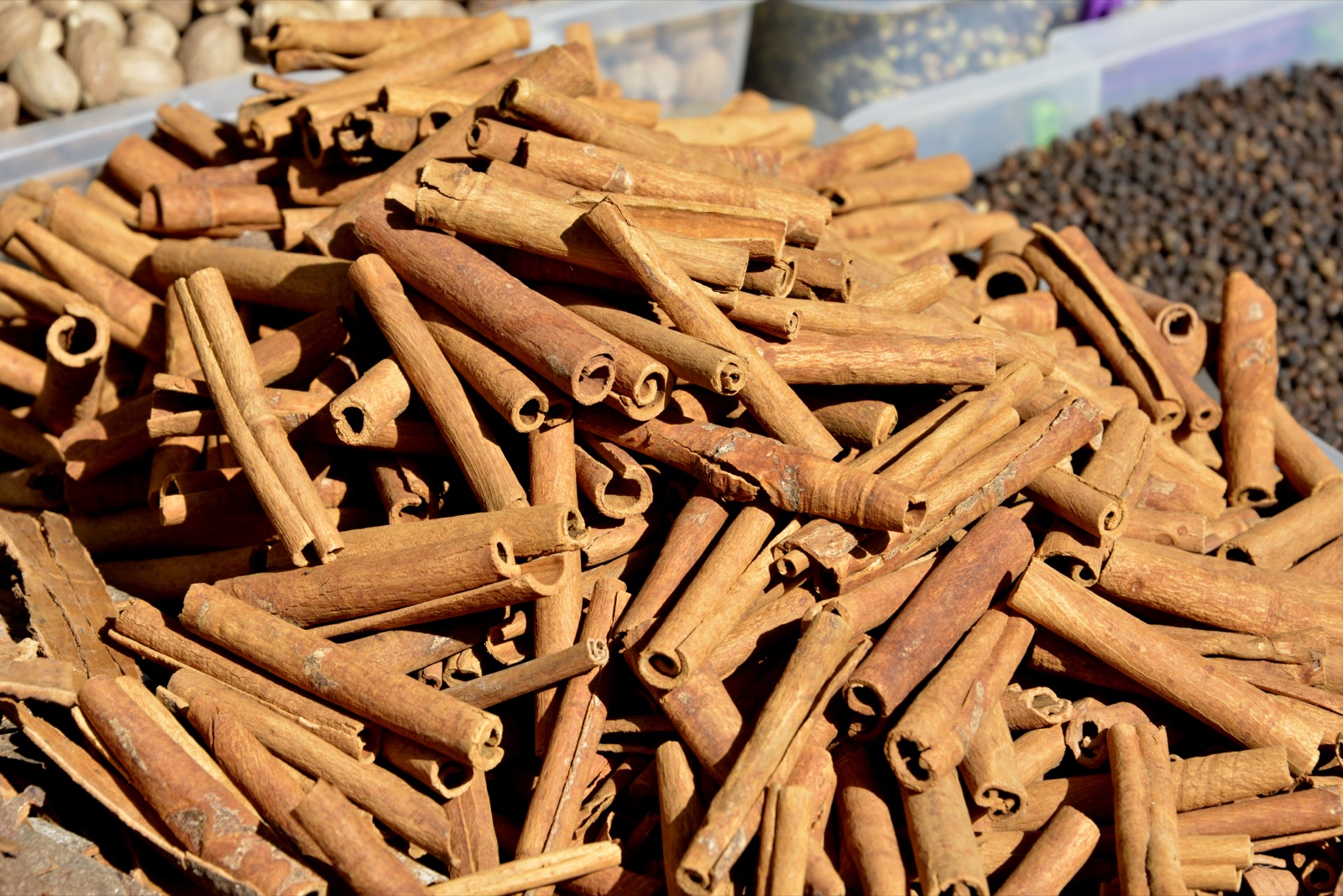
Spices didn't reach Istanbul by a single route. Pepper, cinnamon, cloves, and other goods travelled enormous distances and often changed hands several times. Egypt was an important hub between the Red Sea, the eastern Mediterranean, and the Ottoman trading world. From there, goods travelled on to Istanbul and other cities.
The capital, in turn, linked these routes to the Black Sea, the Balkans, and European markets. A small bag of pepper could therefore be the visible tip of a trading network spanning several continents.
Pharmacy and Kitchen Sat Closer Together Than Today
Historical spice merchants sold products that today we'd split between the pharmacy, the health-food store, the drugstore, and the grocery shop. Herbs, resins, seeds, dyes, and spices could serve medical, culinary, and craft purposes at the same time.
That something was historically considered a remedy doesn't, of course, automatically mean it's effective by today's medical standards. Especially with modern sellers, you should grow sceptical if a herbal blend supposedly cures diabetes, high blood pressure, sleep problems, and ten other conditions all at once. History explains the tradition behind such goods; it doesn't substitute for medical evidence.
The Streets Around It Are Part of the Experience
Anyone who just walks through the covered building once sees the most famous, touristy part. Around Tahtakale and Eminönü, trade continues in a far more everyday form. Food, household goods, packaging, coffee, cheese, and countless other products show that the market doesn't function in isolation.
It's precisely this transition between monument and everyday life that makes the place more interesting to me. Inside is the historical bazaar; outside, the shopping simply carries on.
Coffee Belongs to This History Just as Much as Spices
Just a few steps from the Mısır Çarşısı lies the famous Kurukahveci Mehmet Efendi tradition. Coffee became an important everyday and trade product in the Ottoman Empire from the 16th century on. Coffeehouses developed into social spaces where people discussed, played games, and exchanged news.
The scent of freshly ground coffee around Eminönü is therefore no modern tourist gimmick. It ties into a long urban history of consumption, even if the packaging and ways of selling look different today.
What to Watch for When Shopping
Spices lose their aroma if left open too long, get damp, or are poorly stored. Pretty colour alone says little about quality. Especially for expensive products, it's worth buying small quantities and paying attention to smell, origin, and packaging.
Be especially careful with saffron. Real saffron is expensive; extremely cheap red threads may be a different product entirely. Scepticism is also wise with so-called "Turkish Viagra" blends or teas advertised for medical effects. A historical market is allowed to be fun, but you don't have to believe every sales story.
"The bazaar is named that because all the spices came from Egypt." No. Egypt played an important role in trade and financing, but the network of goods was far larger.
"Everything in the Spice Bazaar is automatically traditional and authentic." No. Traditional merchants exist today alongside distinctly touristy offerings.
"The bazaar was always just a spice market." No. Historically, various goods were sold, and specific areas were assigned to different groups of merchants.
My Thought on This Place
At the Spice Bazaar, I always think about how smells are probably one of the few things that can still connect a historical market, even just a little, to its former everyday life. Of course, packaging looks different today, and nobody should pretend it's still the year 1700.
But spices, herbs, tea, nuts, and people squeezing past each other between shops still fit there remarkably well. And once you know the shops once helped fund a mosque foundation, the market suddenly takes on a whole different meaning.
– Amra