
The treasury of Topkapı Palace is one of those places where visitors quickly end up seeing nothing but carats, gold and gemstones. Yet these objects are historically far more interesting when you look at them not as a luxurious collection, but as tools of political communication. Gifts between rulers, war spoils, dynastic possessions and ceremonial objects told a story of who maintained relations with whom, who owed whom something, and how the Ottoman court presented itself.
Two objects dominate popular attention: the Topkapı Dagger and the Kaşıkçı Diamond. Both are wrapped in stories that often sound more spectacular than the actual documented facts.
Two objects dominate popular attention: the Topkapı Dagger and the Kaşıkçı Diamond. Both are wrapped in stories that often sound more spectacular than the actual documented facts. That's exactly why they're perfect for separating myth from history.
- The treasury preserves dynastic property and diplomatic showpieces of the Ottoman court.
- The famous Topkapı Dagger was intended for Nadir Shah of Persia.
- Nadir Shah was assassinated in 1747 before the gift reached him; the dagger remained in Ottoman hands.
- The Kaşıkçı Elması is one of Turkey's most famous diamonds.
- Its early origin is not fully established.
- The story of the poor finder who traded it for three spoons is a legend, not a documented biography.
- Many treasury objects had political functions and were not merely private luxury.
What a palace treasury actually was
Topkapı was the seat of government, a dynastic household, and a ceremonial center. A treasury therefore served several purposes. It preserved valuable objects, but value wasn't only material. A richly decorated throne could convey power during an audience. A gift from a foreign ruler documented diplomatic relations. A jeweled weapon could combine military symbolism with luxury.
Possessions thus became part of politics. A single object could carry financial value, craftsmanship, religious meaning and diplomatic memory all at once. That's exactly why, for many pieces, "how much does it cost?" is actually the least interesting question.
The Topkapı Dagger and Nadir Shah
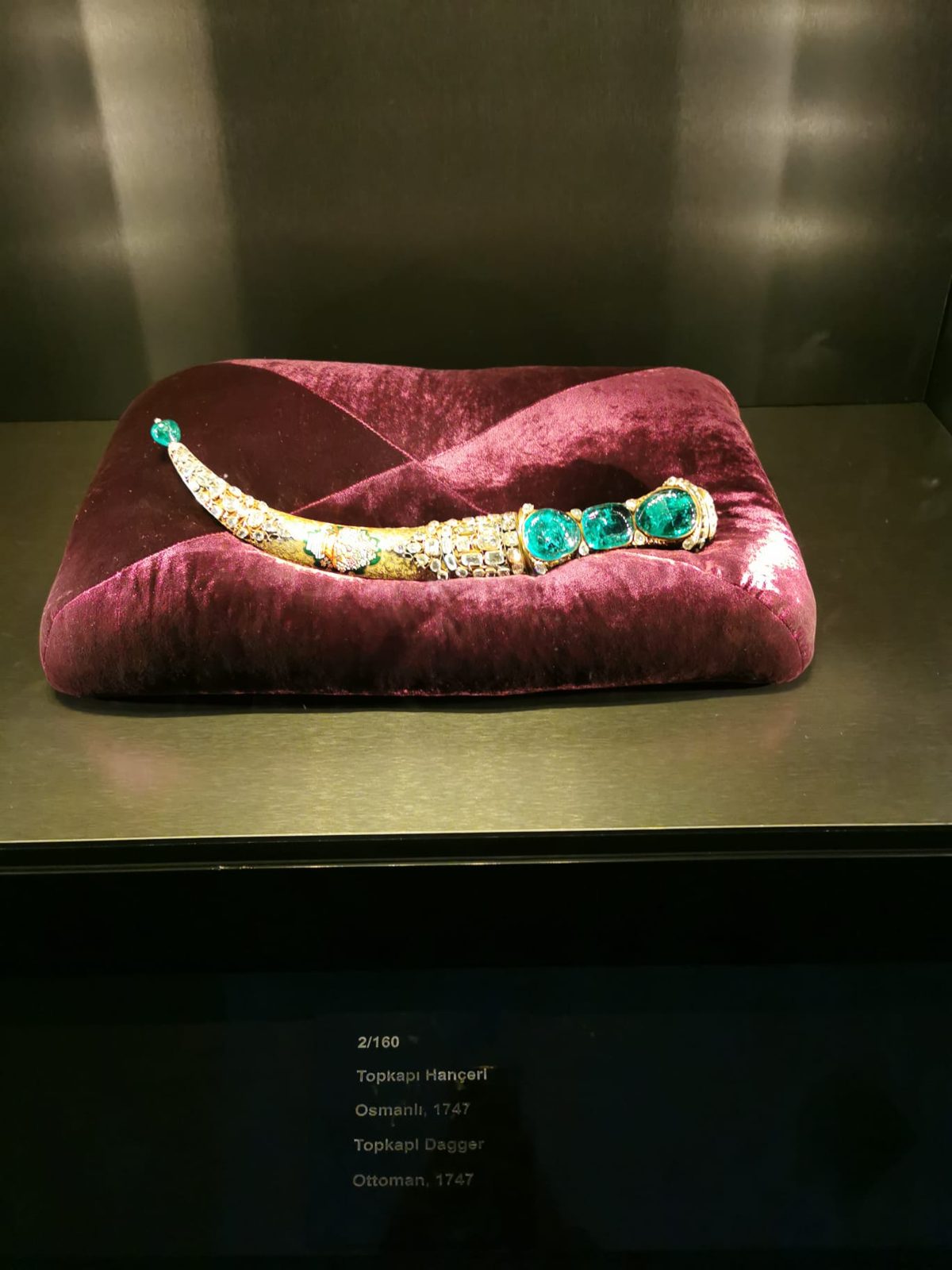
The famous dagger was created in the 18th century as a gift for Nadir Shah, the powerful ruler of Persia. Its large emeralds and elaborate craftsmanship make it one of the best-known pieces in the Ottoman treasury.
Diplomatic gifts of this kind weren't simply friendly souvenirs. They could stabilize relations, express rank, and mark a political fresh start. Between the Ottoman Empire and Iran there were centuries of rivalry and war, but equally phases of diplomatic reconciliation. Such a gift was therefore meant to convey a political message.
Why the dagger never left Istanbul
An Ottoman delegation was supposed to bring the dagger to Nadir Shah. Before the handover could take place, the Persian ruler was assassinated in 1747. The gift therefore never reached its intended recipient and remained in Ottoman possession.
Ironically, it was exactly this failed gift that later became world-famous. Had Nadir Shah lived longer, the dagger might today sit in a completely different collection. A murder in Persia thus indirectly decided which object, centuries later, millions of visitors would want to photograph at Topkapı.
The Kaşıkçı Diamond
The Kaşıkçı Elması is a large pear-shaped diamond surrounded by smaller stones. Its name is often translated as "the spoonmaker's diamond." Several stories exist about its origin. That's typical for famous gemstones: the greater the value, the greater the apparent need for a dramatic origin legend.
The stone's documented provenance is patchy. So it's worth being cautious when a tour presents its entire biography in five perfectly told sentences. Especially with historic gemstones, names, owners and legends were often blended together later on.
The spoonmaker story
One well-known tale claims a poor man found the rough diamond on a rubbish heap. Not recognizing its value, he supposedly traded it to a spoonmaker for three spoons. The stone is then said to have reached the palace's possession through merchants.
Another version connects the name to its shape, or to a particular trader. Yet other stories try to identify the stone with European diamonds. None of these spectacular variants is documented clearly enough to be presented as established provenance.
Gifts as diplomacy
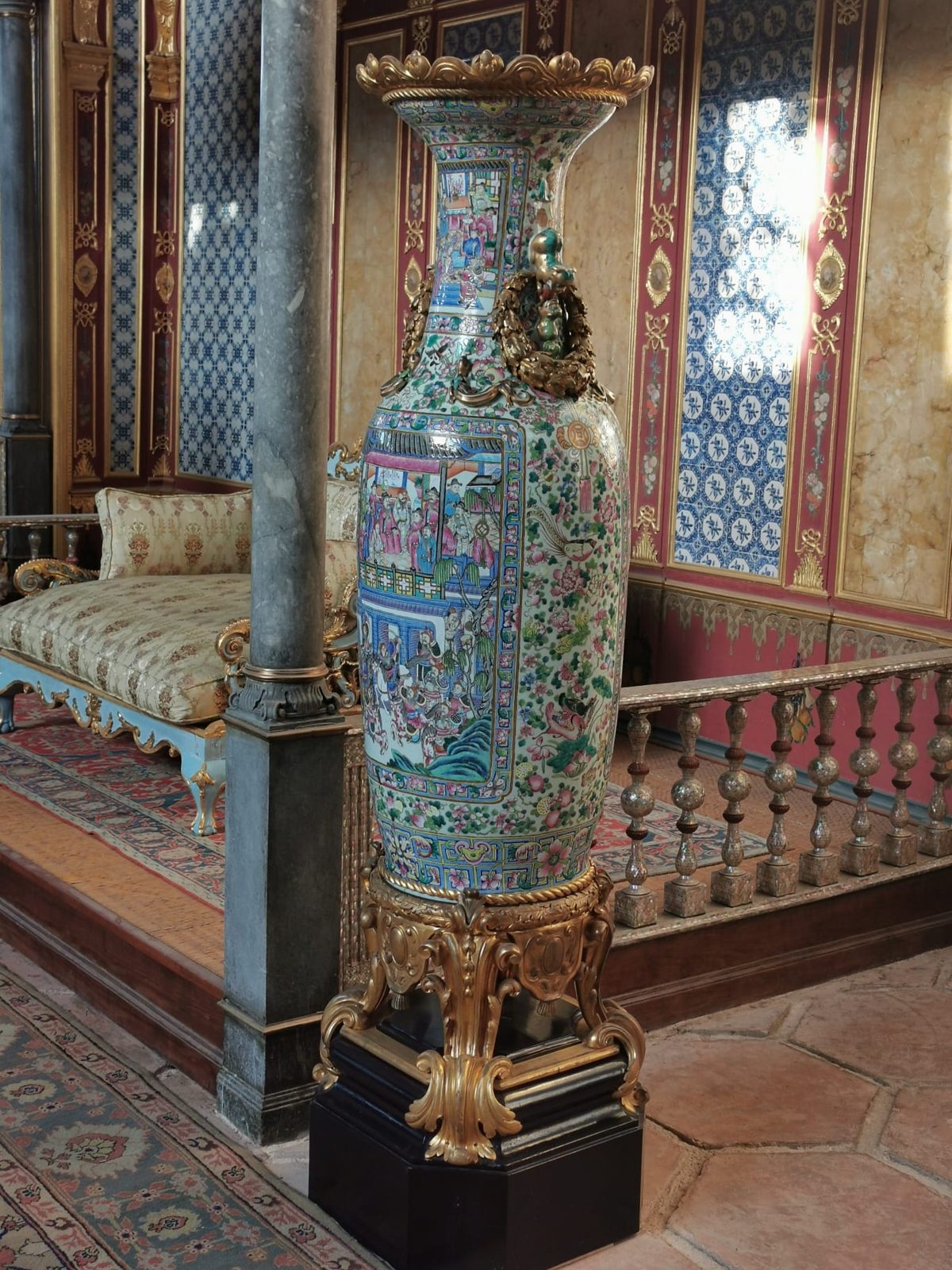
Topkapı Palace preserved numerous objects that reached Istanbul through diplomatic exchange. Clocks, porcelain, weapons and jewelry came from Europe, Iran, India and other regions. Such gifts show how international the Ottoman court was.
Diplomacy was material. Delegations brought not just letters, but things that represented the sender's technical and artistic standing. A mechanical European clockwork could carry just as much political weight as a jewel-studded sword. The recipient displayed such objects, kept them in treasuries, or used them during ceremonies.
Thrones, weapons and ceremonial objects
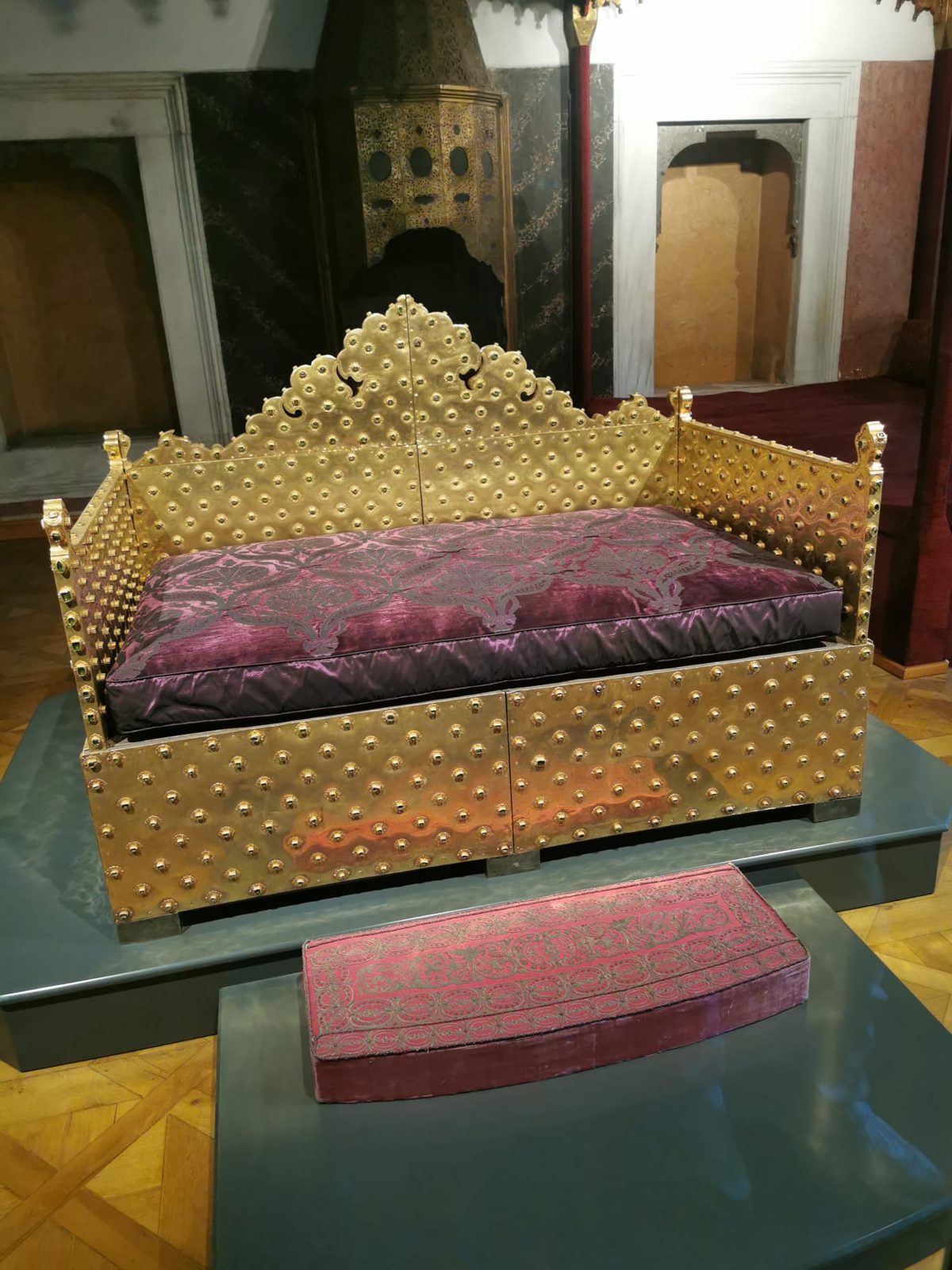
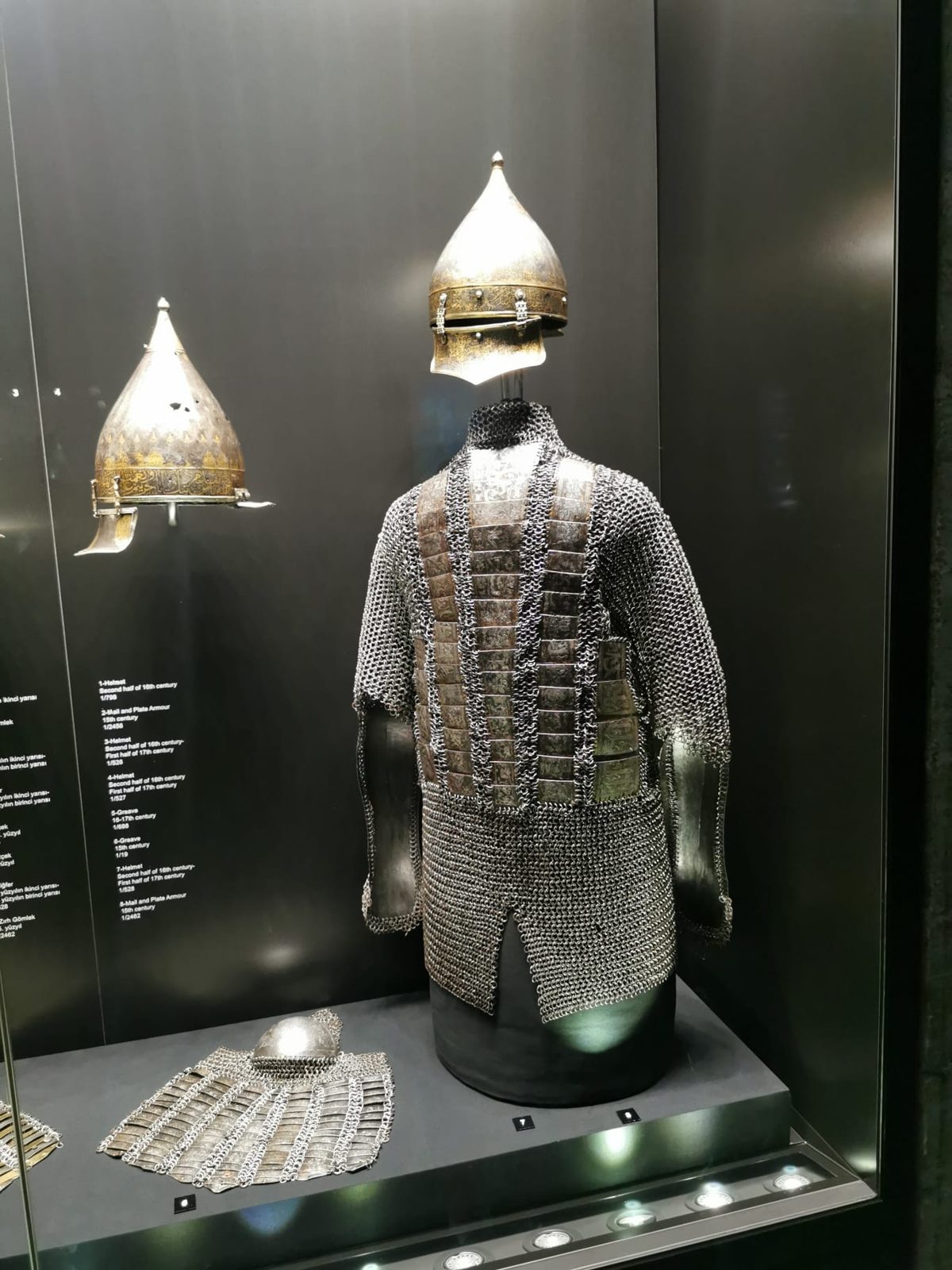
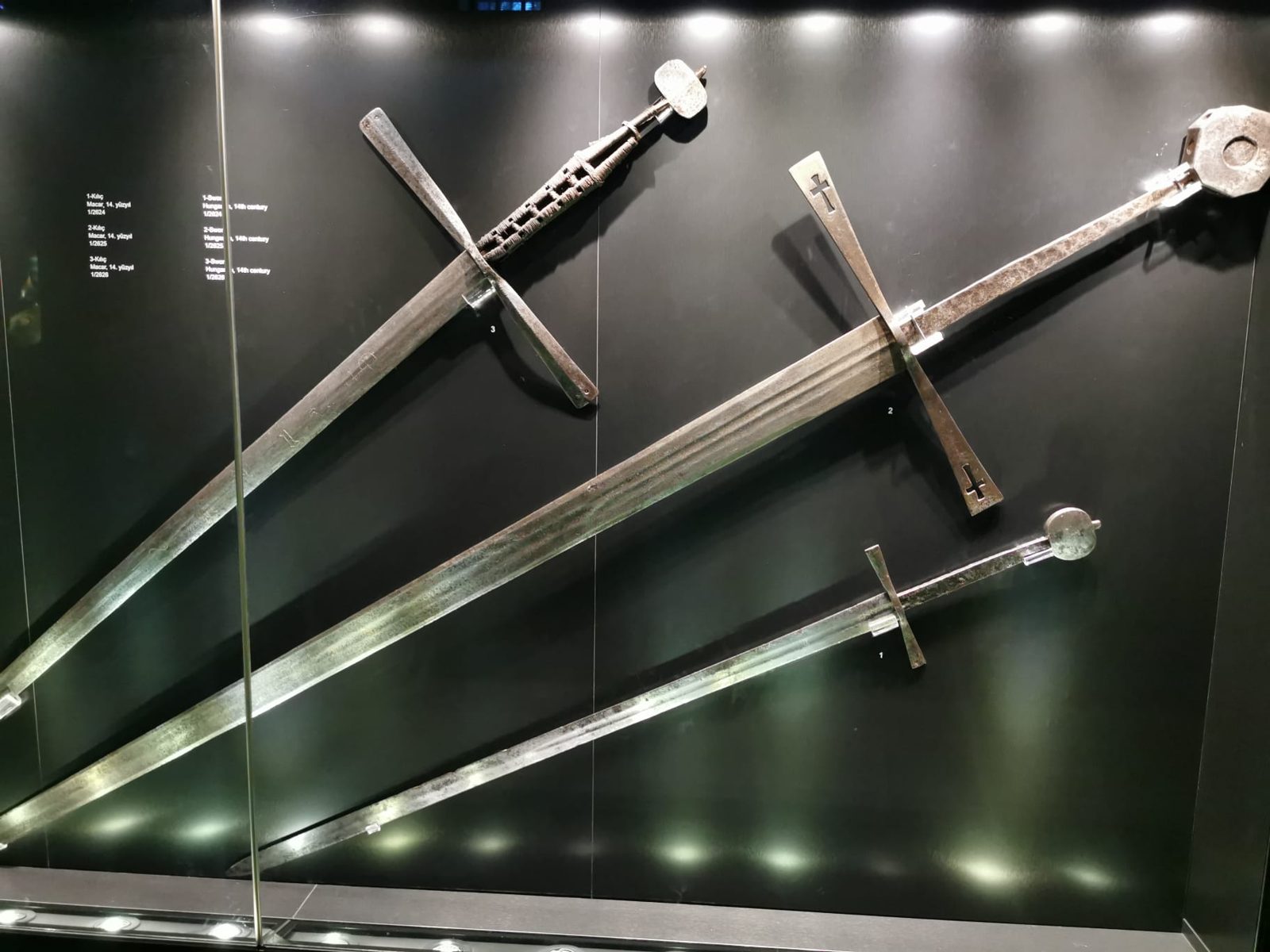
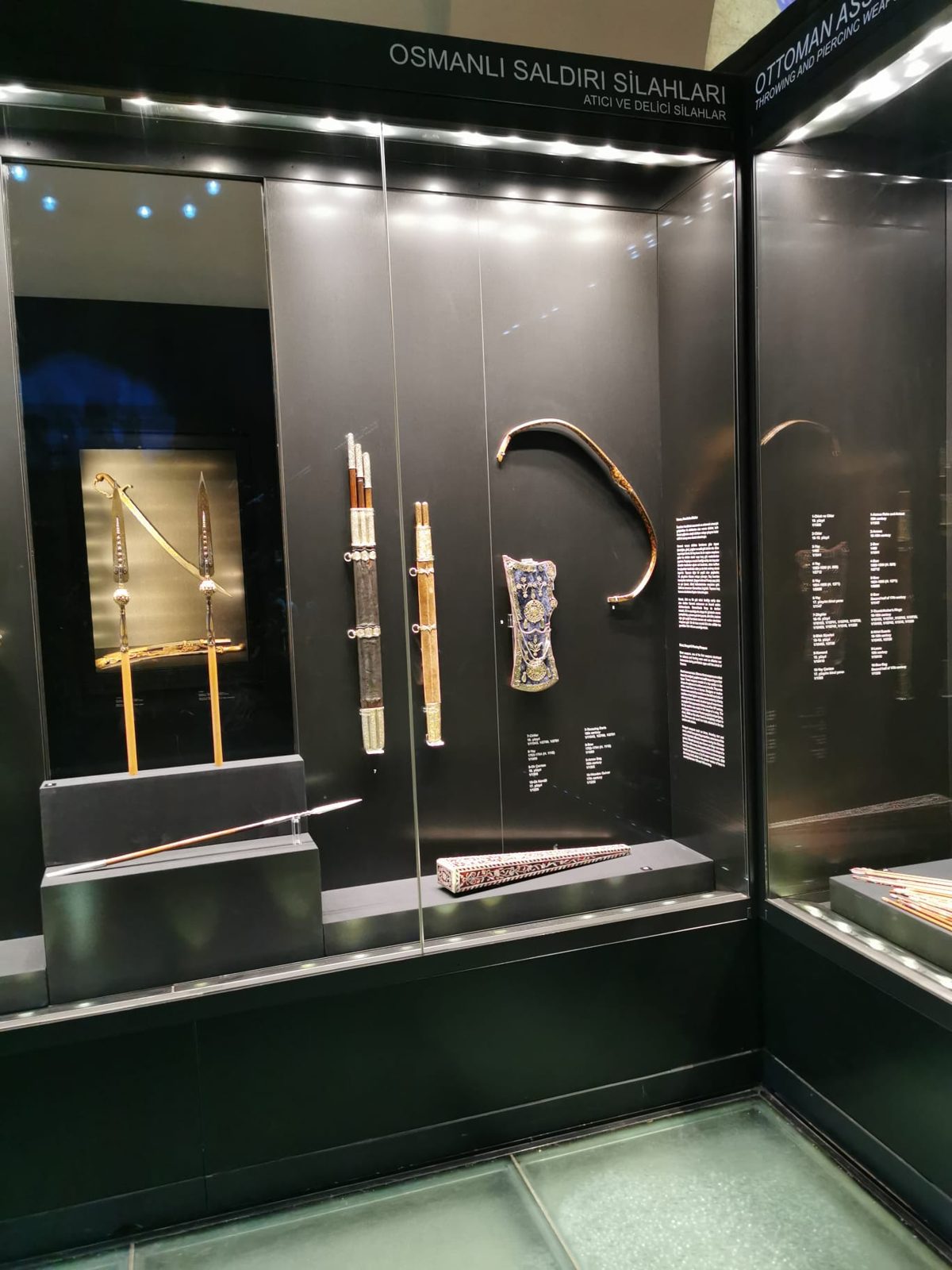
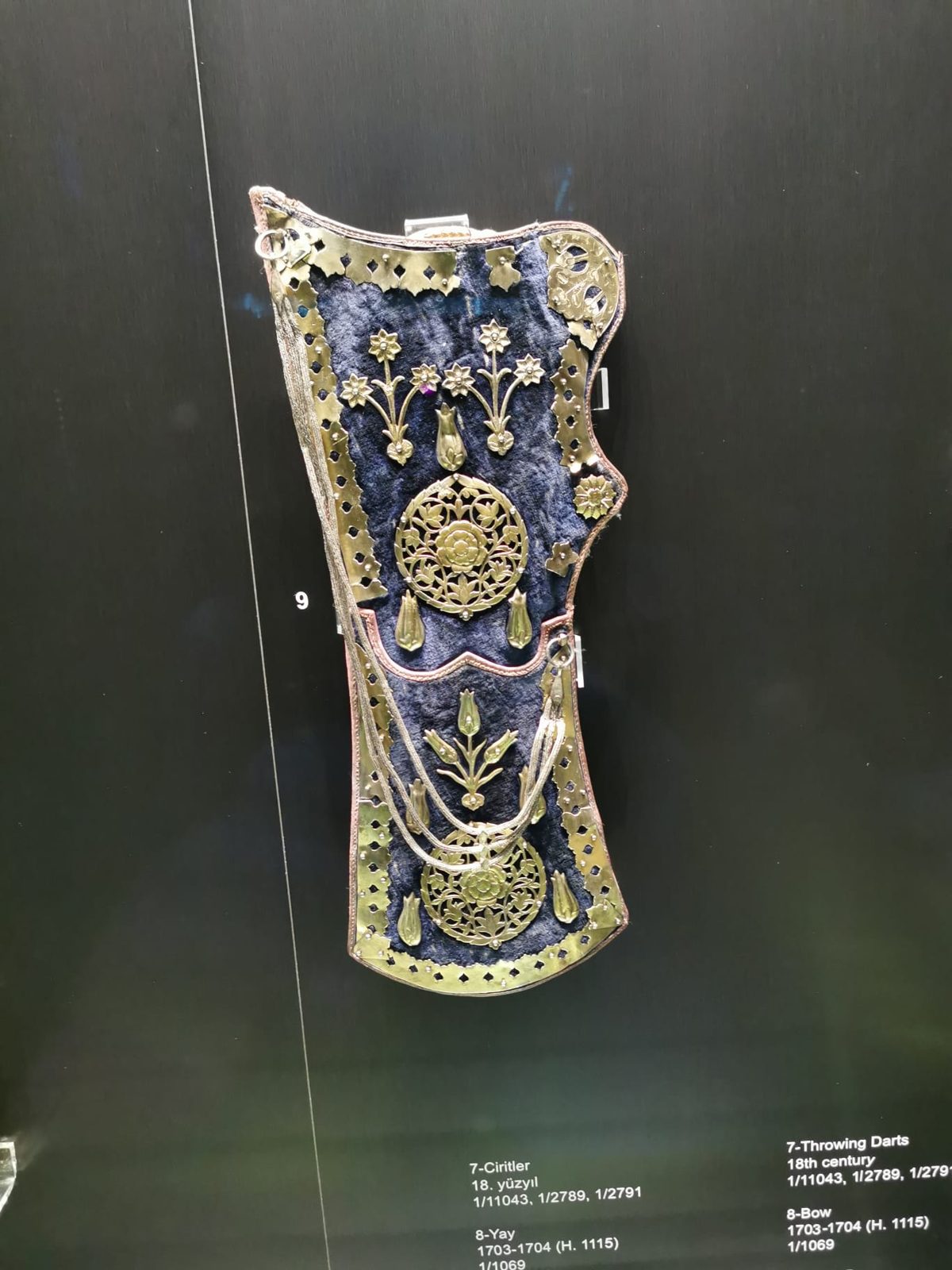
Ornate thrones weren't meant for comfortable sitting. They staged the sultan during special ceremonies. Jewel-studded weapons didn't necessarily have to be intended for actual combat; they could symbolize rank and military authority.
The fact that everything sits behind glass today changes their effect. In daily palace life, these objects were embedded in rooms, rituals and people. Museums isolate objects so we can see them better. At the same time, we sometimes lose their original context in the process. A throne without ceremony is, after all, just a very elaborately decorated seat.
What's actually original?
The objects themselves are historical pieces, but presentation, display cases and lighting are of course modern. The treasury's rooms have also been restored several times. Over time, mounts on famous objects were repaired or smaller elements replaced. That's not unusual for centuries-old luxury objects.
"Original" therefore doesn't necessarily mean no one has touched or conserved an object since the 17th or 18th century. Serious museums try to document interventions transparently and preserve as much historical substance as possible.
"The Topkapı Dagger always belonged to the sultan." No. It was made as a diplomatic gift for Nadir Shah, but never reached him due to his assassination.
"The Kaşıkçı Diamond was definitely found on a rubbish heap." No. That's the most famous legend, not documented provenance.
"All the objects are war spoils." False. Many pieces entered the collection through gifts, purchase, dynastic ownership and court workshops.
The Topkapı Dagger as an example of failed diplomacy
The dagger shows especially well how random museum history can be. It wasn't made with the thought of one day drawing millions of visitors in Istanbul. It was meant to leave the Ottoman court and arrive in Persia. That it now sits in Topkapı is owed to the death of its intended recipient.
Objects like this are a reminder that diplomatic relations in the 18th century didn't run only through treaties. Delegations traveled with magnificent gifts whose material value and artistic quality deliberately carried messages. A precious dagger said: we recognize your rank, we ourselves command enormous resources, and we're willing to visibly invest in this relationship.
Why gemstones were political
Emeralds, rubies and diamonds weren't simply jewelry. Their value was tied to trade routes, rarity, and a court's ability to control access to distant markets. A large emerald from South American or Asian trade could pass through several intermediate stops before landing in Istanbul, where it was then worked in an Ottoman court workshop.
Owning such stones therefore signaled a world empire. In a single object, raw materials from different continents, local craftsmanship and international diplomacy could all come together.
The question of provenance — what do we really know?
With famous treasury objects, the temptation is great to fill every gap in their origin with a good story. The Kaşıkçı Diamond shows this perfectly. Because its early provenance isn't fully documented, legends arose involving rubbish heaps, spoonmakers, French nobles and European jewels.
Modern museum work tries harder to distinguish between documented ownership history and later narrative. That can sometimes feel disappointing, because "we don't know for certain" sounds less spectacular. Historically, though, that honesty is far more valuable.
The treasury and court ceremony
Valuable objects weren't permanently on public display. Many came out of storage only for specific ceremonies. Thrones, swords, kaftans and jewel-studded objects gained their significance through the moment the sultan used or displayed them.
A throne at an enthronement wasn't simply furniture. A sword at a ceremony wasn't just a weapon. These objects helped make rule visible and repeatable.
Today they stand still behind glass. Their political life therefore has to be reconstructed in the mind.
What the collection reveals about Istanbul as a world city
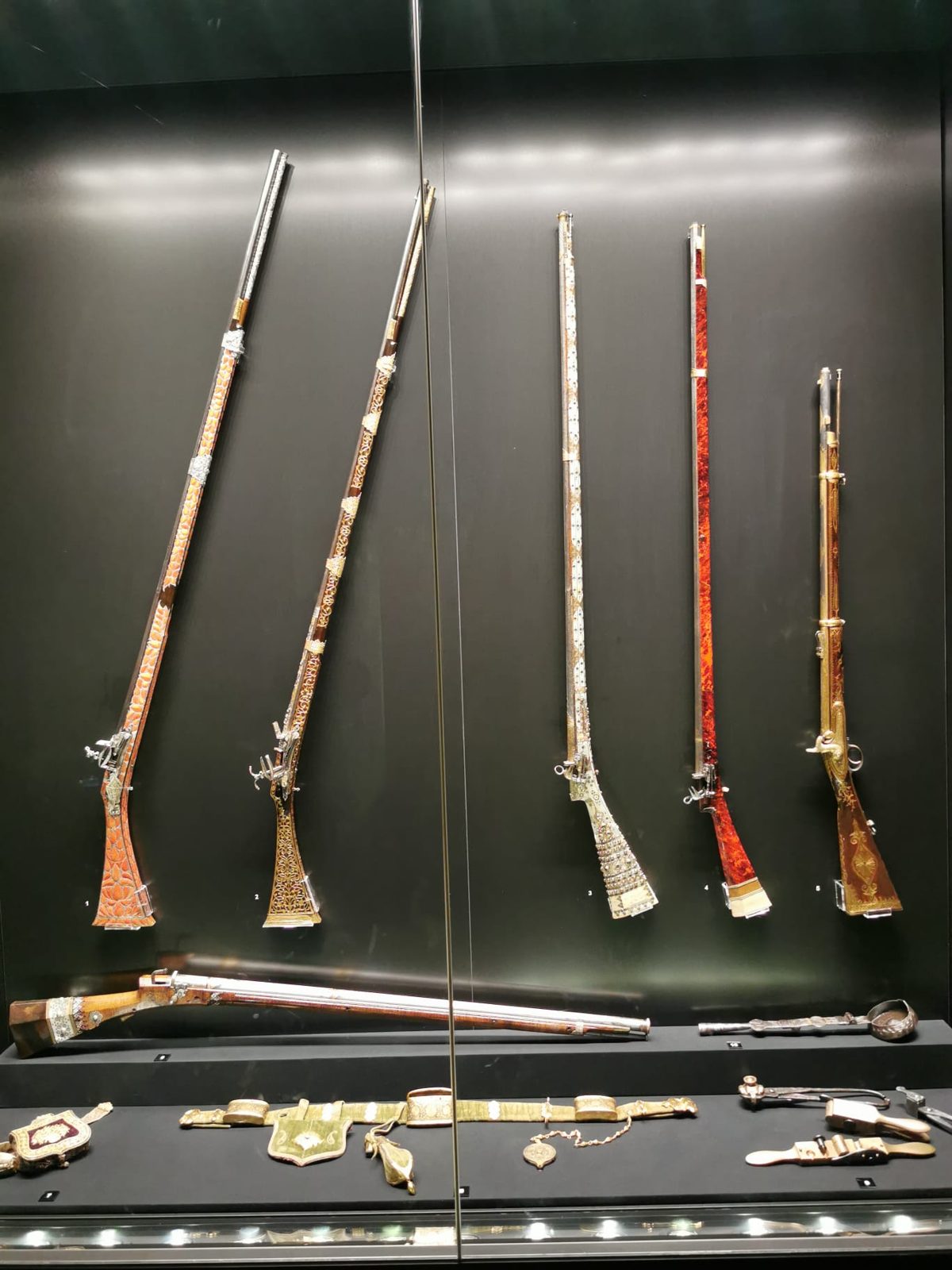
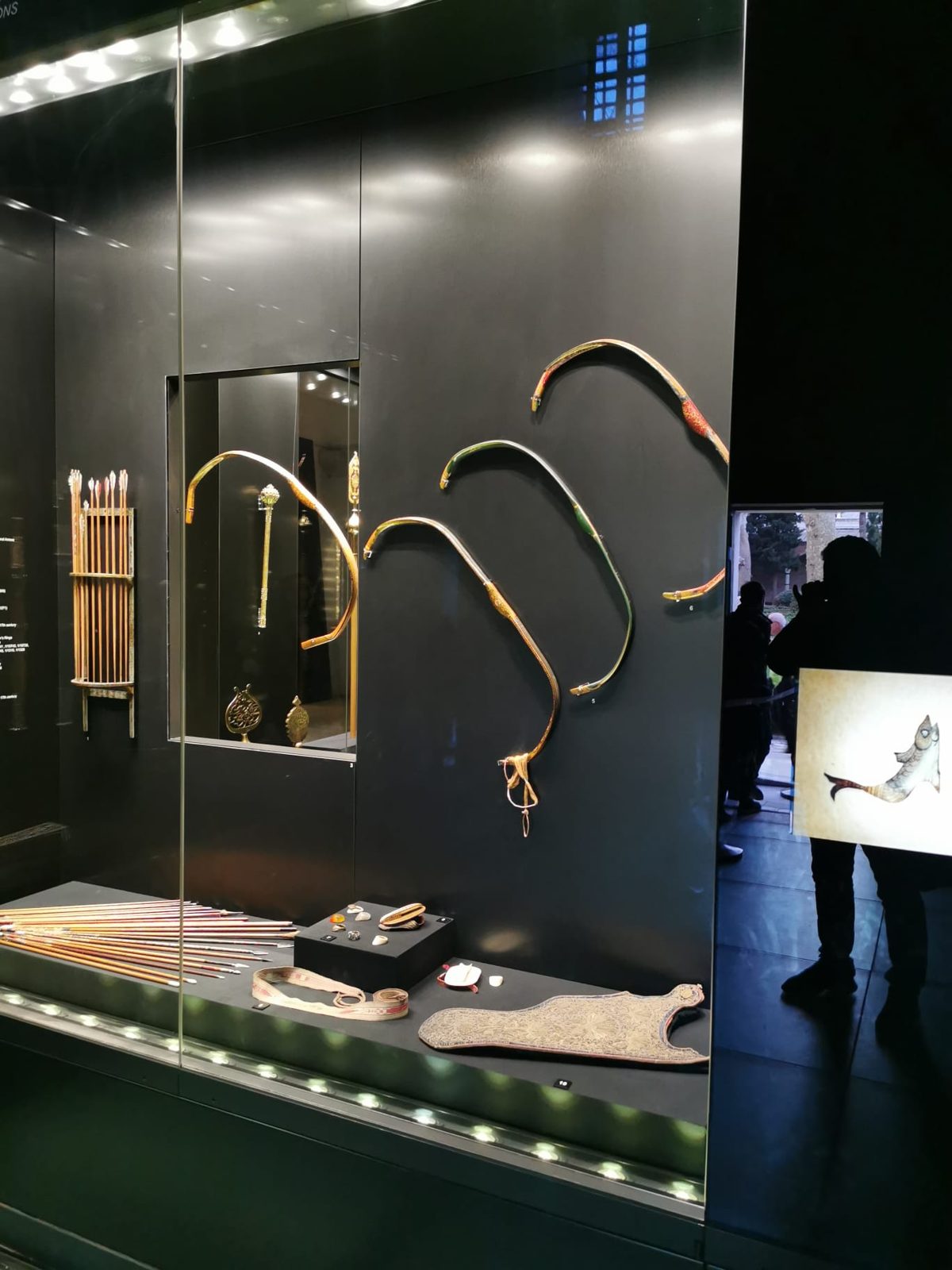
The treasury is at the same time a map of international relations. European clocks, Iranian weapons, Chinese porcelain, Indian gemstones and Ottoman goldsmith work show how deeply Istanbul was embedded in global networks of trade and diplomacy.
This contradicts the idea of a closed-off empire. The court watched the fashions, technologies and luxury goods of other regions very closely. Especially in the 18th and 19th centuries, exchange with European courts increased further.
Why value alone isn't the most important question
Museum visitors love to ask, in front of diamonds: how much is it worth? For historians, that question is almost secondary. An object can be priceless because it's unique and would never realistically be sold.
Far more interesting is: who gave it to whom? Why? When did it change hands? What story was it meant to tell? A treasure only becomes truly fascinating once the price is no longer the only number that matters.
My take on this place
Of course you look at the gemstones first. I'm only human too. But it gets more fascinating for me once you know why a particular object is even there in the first place.
A dagger made for a ruler who was murdered before he ever received it. A diamond whose origin is so unclear that several generations gave it their own story. Suddenly you're no longer standing in front of jewelry, but in front of small political biographies.
And that's exactly when a treasury becomes far more interesting to me than just "wow, expensive."
– Amra