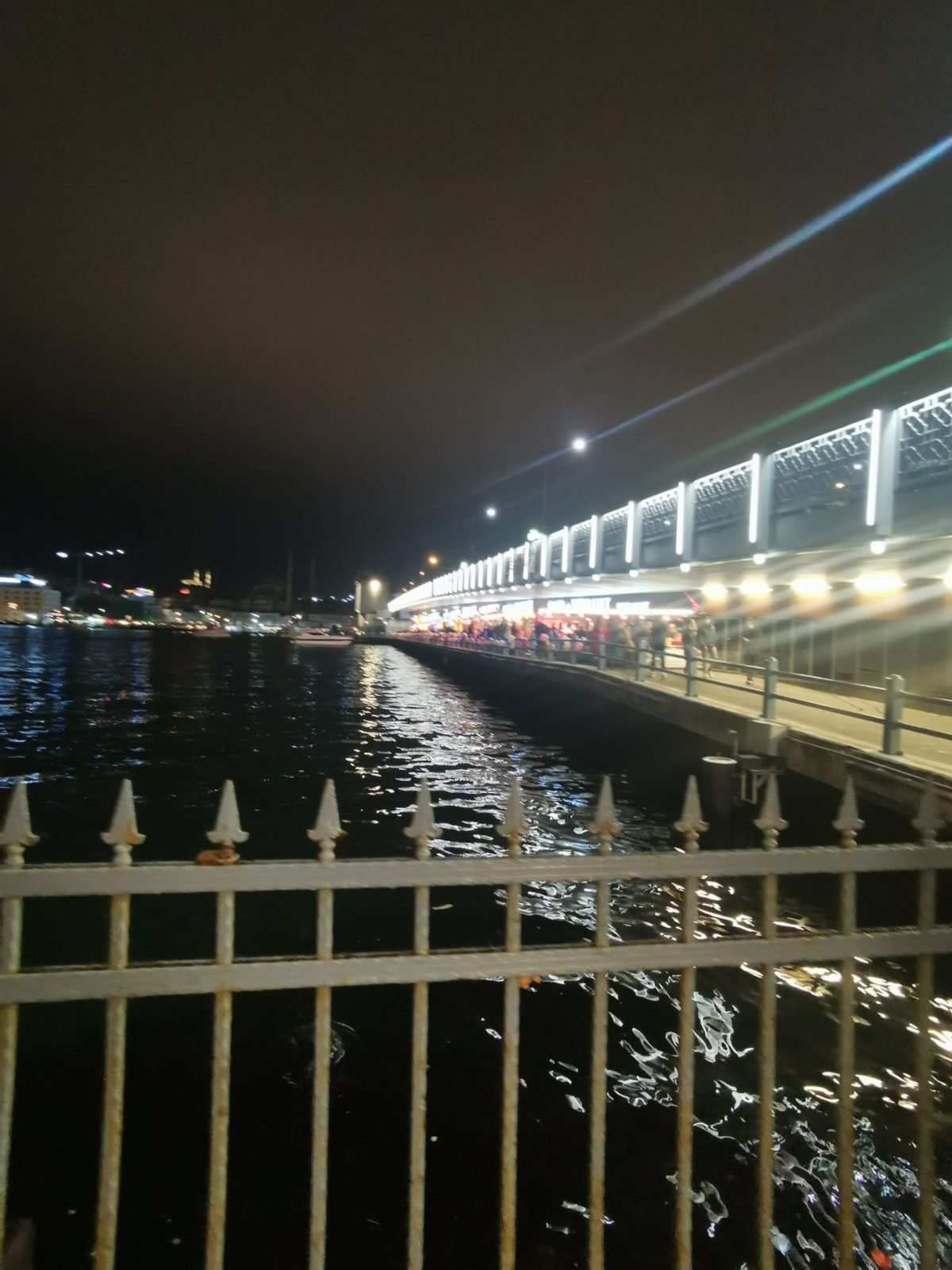
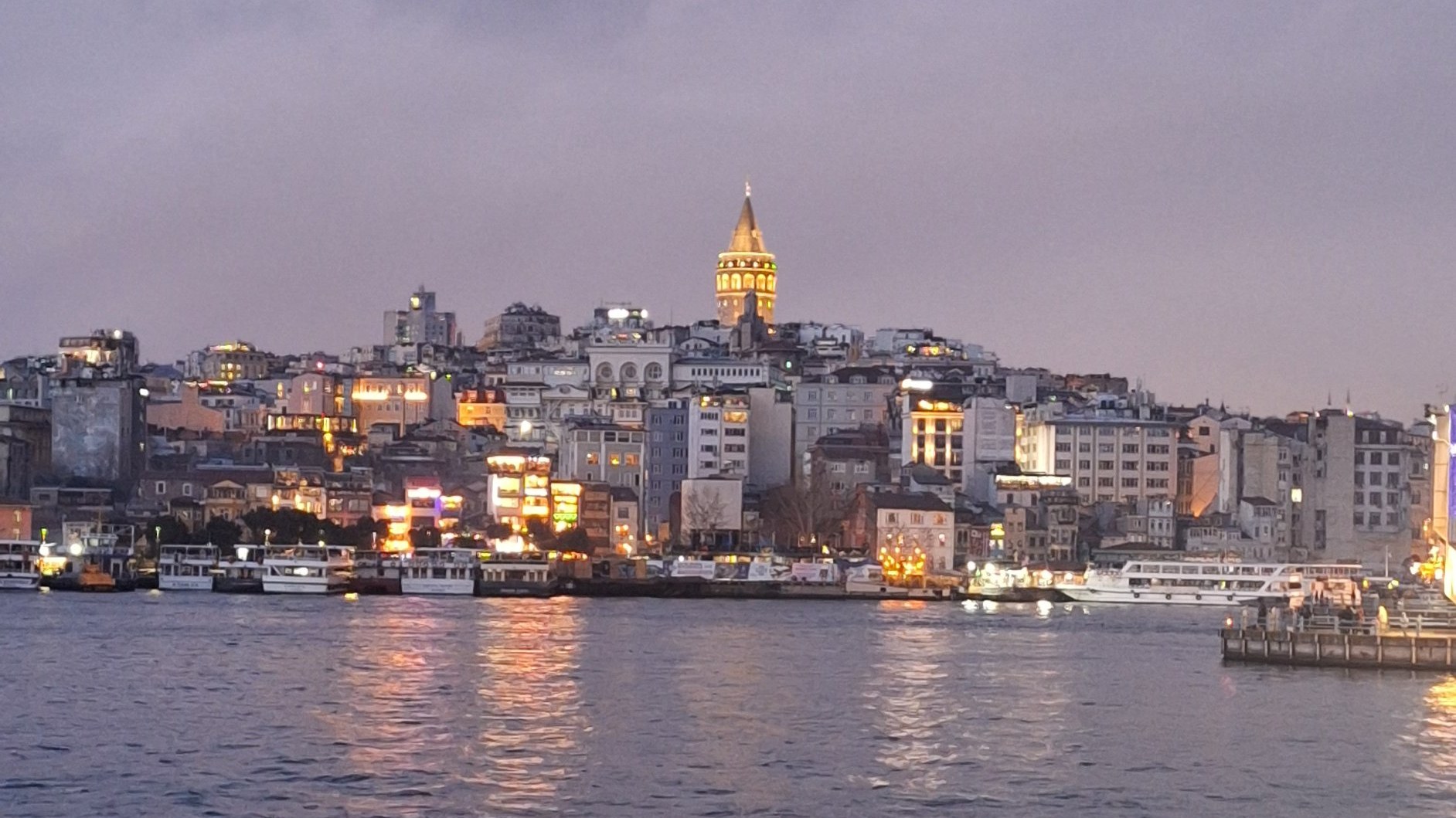
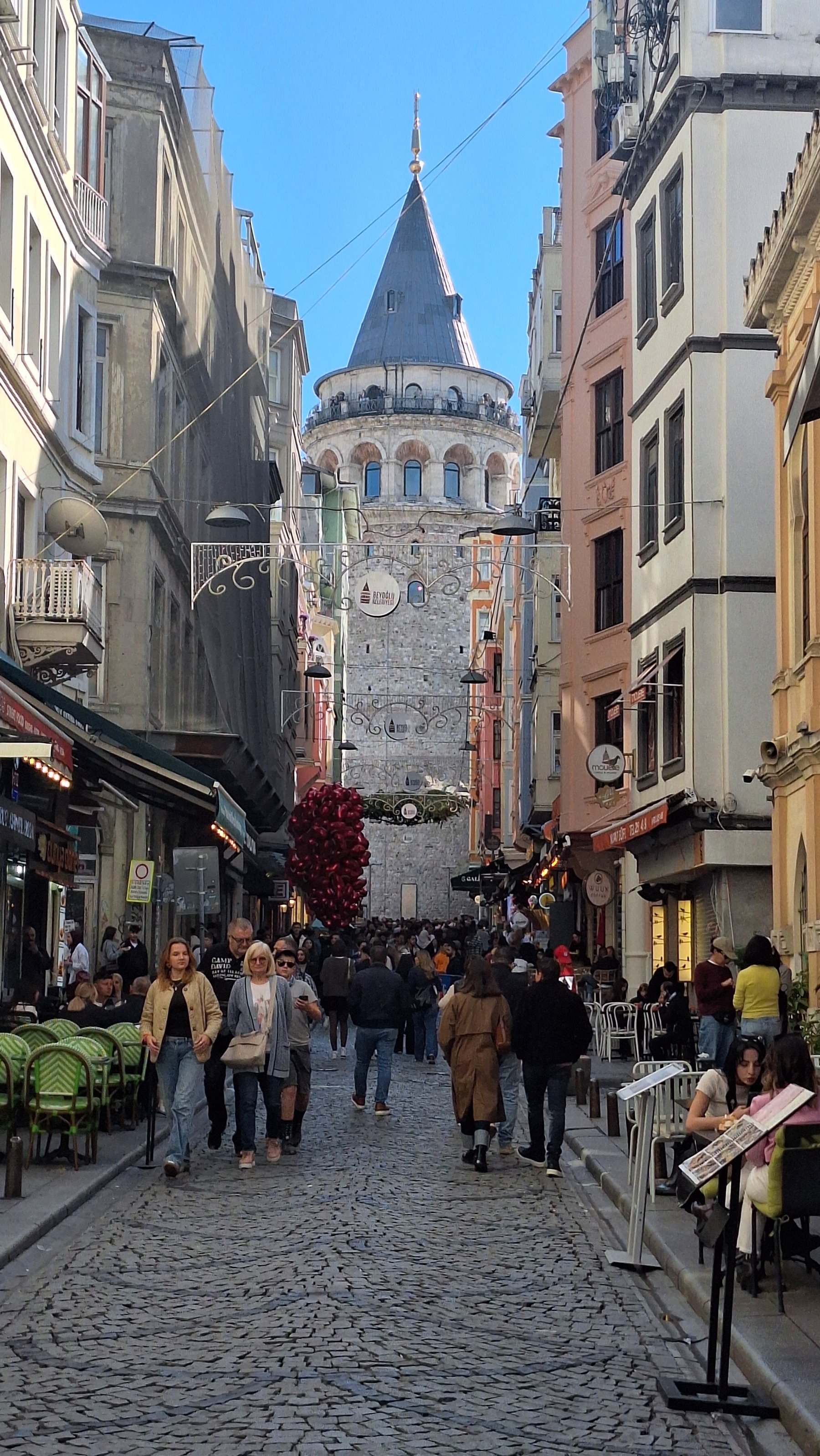
There are sights you photograph once and then think: good, got it. With the Galata Tower, that simply doesn't work for me. I don't know why, but this tower pulls me in like a magnet. I now have more than 3,000 photos of it — different seasons, times of day, weather conditions, from the ferry, from Eminönü, from side streets, at sunset, and at night. And when I flip through my photo albums, maybe ten or twenty percent of the pictures actually show me or my family. The rest just say: Galata Tower.
Advertising: If you book through our links, we may receive a commission – at no extra cost to you.
There are sights you photograph once and then think: good, got it. With the Galata Tower, that simply doesn't work for me.
How old is the Galata Tower?
The tower was built in 1348 as part of the Genoese fortifications of Galata. It stands 62.59 metres high to the tip of its roof.
For a nearby stop, see the Galata Mevlevi Lodge.
You can find tickets, guided tours and activities for the sights in one place on our activities page.
Visiting (as of 27 Oct 2026): According to the official website (galatakulesi.gov.tr), opening hours are 08:30 to 23:00. Ticket prices change, so check the official site before you go.
Historically, it earns this attention. Today's tower was built by the Genoese in 1348. It's therefore not the same as the older Byzantine tower that crusaders captured in 1203 during their attack on the harbour chain. These two buildings get mixed up online surprisingly often.
- Today's Galata Tower was built by the Genoese in 1348.
- It was part of the fortifications of the Genoese colony of Galata.
- The tower attacked by crusaders in 1203 was an older Byzantine fortified tower — not today's building.
- After 1453, the Galata Tower was used for various purposes.
- It became especially well known as a fire-watch tower.
- The famous story of Hezarfen Ahmed Çelebi's flight essentially comes from Evliya Çelebi and isn't confirmed by independent contemporary sources.
- Its distinctive roof has been destroyed and rebuilt several times.
- The historic Tünel funicular today saves you a good part of the steep climb from Karaköy up to Beyoğlu.
- Today the historic Tünel spares you a good part of the steep climb from Karaköy to Beyoğlu.
Why Genoese People Lived in the Middle of Constantinople
Constantinople was an international trading hub. Venetians, Genoese, and other merchants maintained trading posts there. Especially after the Byzantine recapture of 1261, the Genoese received major privileges in Galata, because they had politically supported Michael VIII.
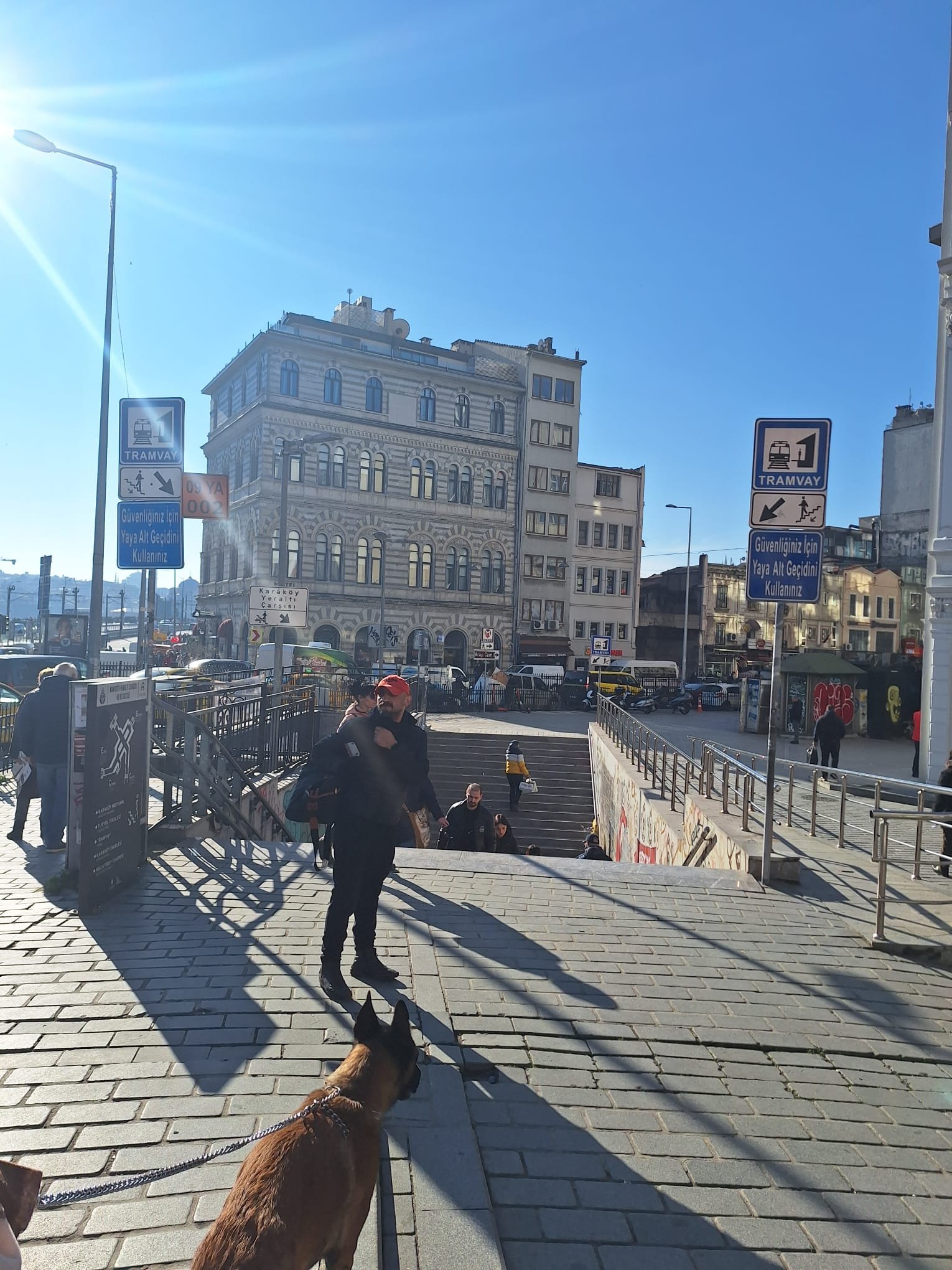
Galata developed into a largely self-governed Genoese trading settlement, directly across from the Byzantine capital. Its location was economically ideal: right on the Golden Horn, directly opposite Constantinople's markets and harbours.
As prosperity grew, so did the need for fortification.
1348: Today's Galata Tower Is Built
In the 14th century, the Genoese fortified their settlement. The great tower, originally called Christea Turris, the "Tower of Christ," was built in 1348 and formed a dominant part of this defence.
It stood on an elevated point, from which the Bosphorus, the Golden Horn, and the surroundings could be observed superbly. Its height made it both militarily useful and a visible symbol of the Genoese presence.
The massive stone body we see today goes back, at its core, to this medieval building phase.
The Older 1203 Tower Wasn't Today's Galata Tower
This matters especially because two stories keep getting mixed up online.
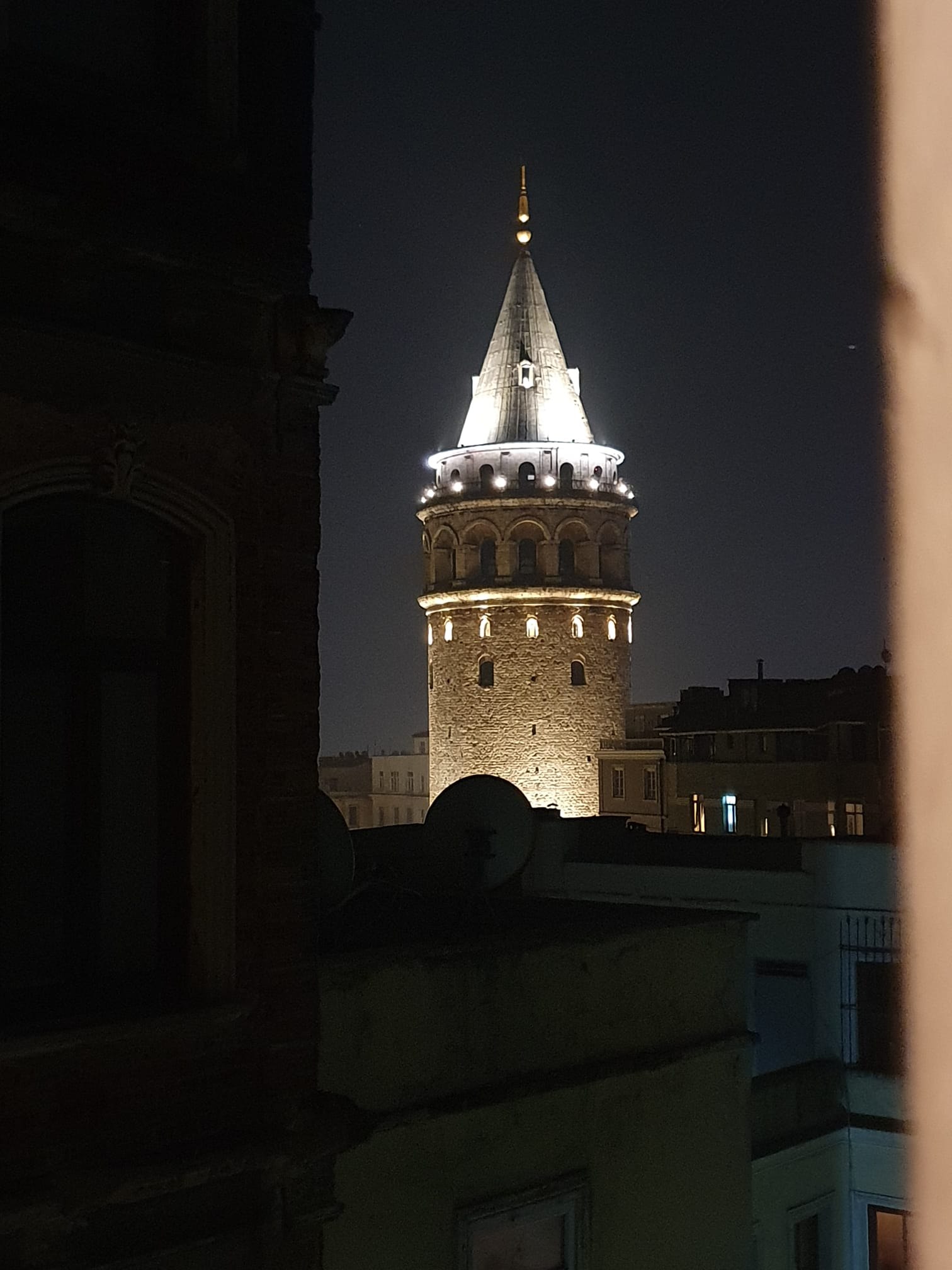
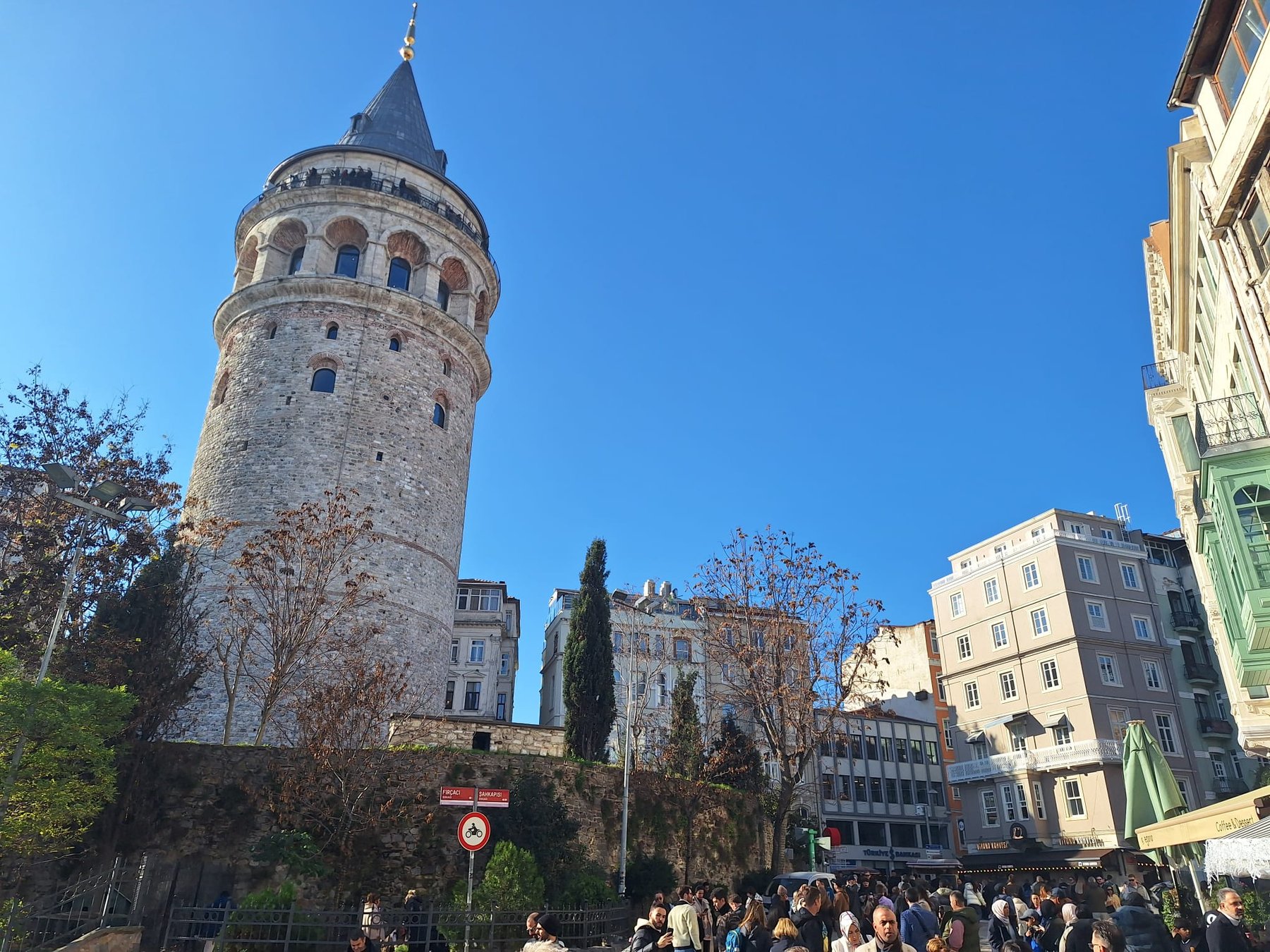
During the Fourth Crusade, crusaders attacked a Byzantine fortified tower on the Galata side in 1203, one linked to the barrier chain across the Golden Horn.
Today's Galata Tower, however, was only built in 1348 — 145 years later.
It therefore simply cannot be the tower the crusaders captured in 1203. If a guidebook writes flatly that "in 1203 the crusaders captured the Galata Tower," you have to ask which tower they mean.
What Became of the Tower After 1453
Mehmed II took over Galata after conquering Constantinople. Genoese privileges were altered, but the district remained an important trading centre.
The tower wasn't destroyed. Over the following centuries, the Ottomans used it for various purposes.
It's precisely this continued use that explains why the building survived, even though its original Genoese defensive function was gone.
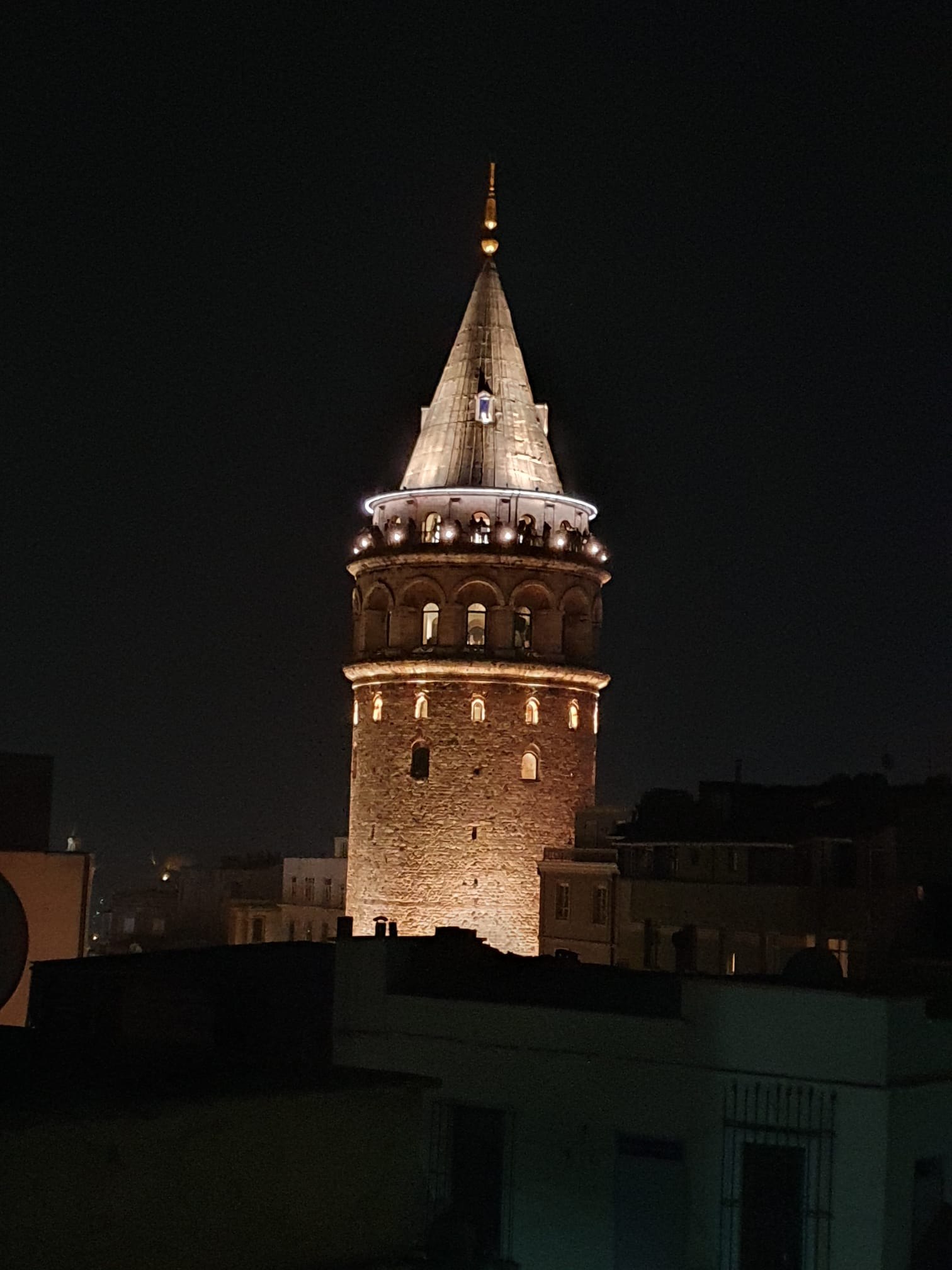
If you want to go up the Galata Tower rather than just look at it, you can arrange your ticket in advance. Here is the matching ticket option.
Prison, Observation, and Fire Watch
The tower served at times as a prison, or for holding certain prisoners. Later, its function as a fire watch became especially important.
For a long time, Istanbul consisted largely of wooden houses. Fires could tear through entire districts within the shortest time. A tall tower with a wide view was therefore ideal for spotting smoke early and raising the alarm.
The Galata Tower was thus no romantic viewpoint, but part of a vital piece of urban safety infrastructure.
Hezarfen Ahmed Çelebi and His Alleged Flight
In the 17th century, Evliya Çelebi tells a fantastical story. Hezarfen Ahmed Çelebi supposedly built artificial wings, launched from the Galata Tower, and flew across the Bosphorus all the way to Üsküdar.
Sultan Murad IV is said to have been delighted at first, but later banished the talented man out of fear of his abilities.
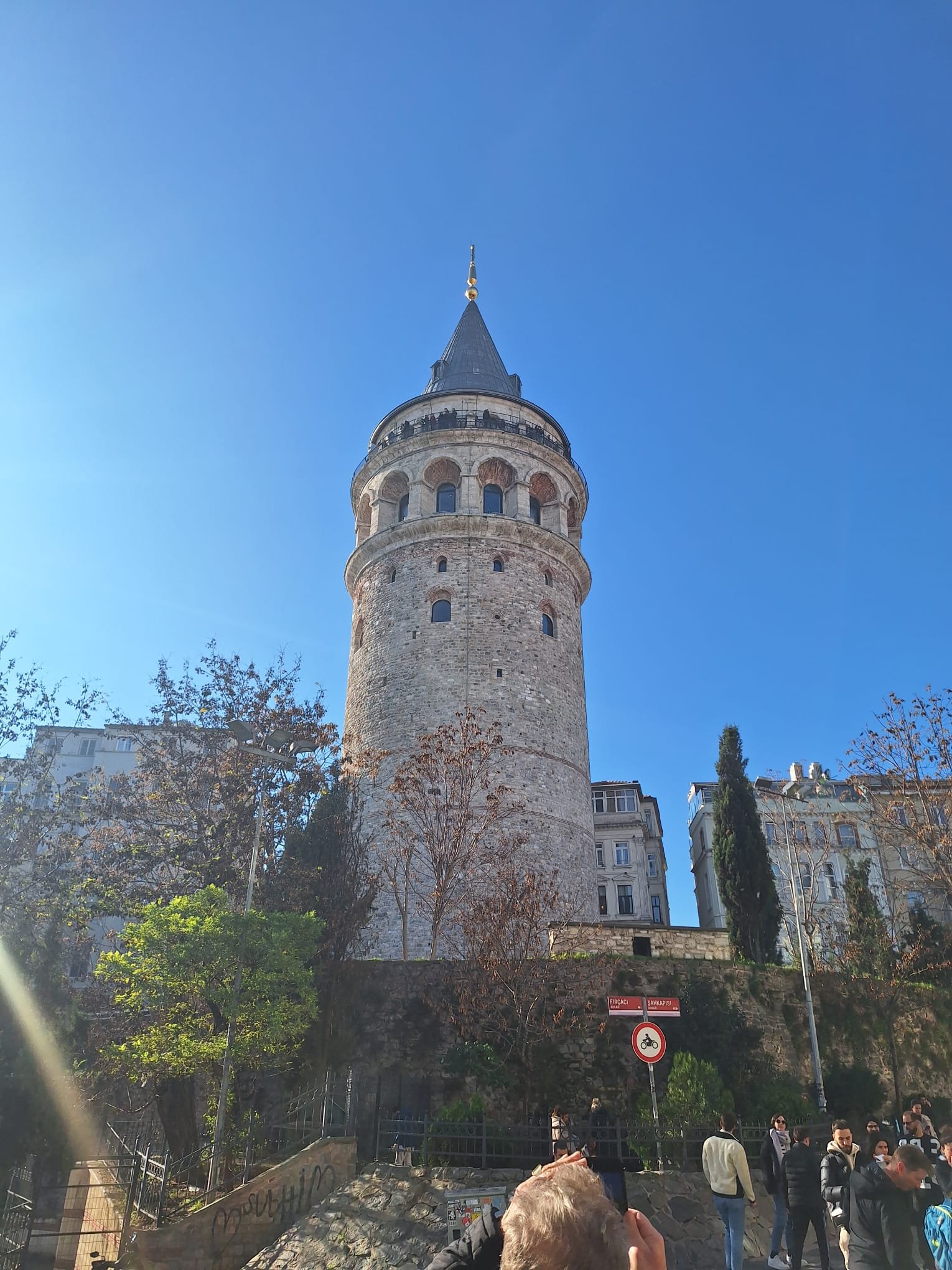
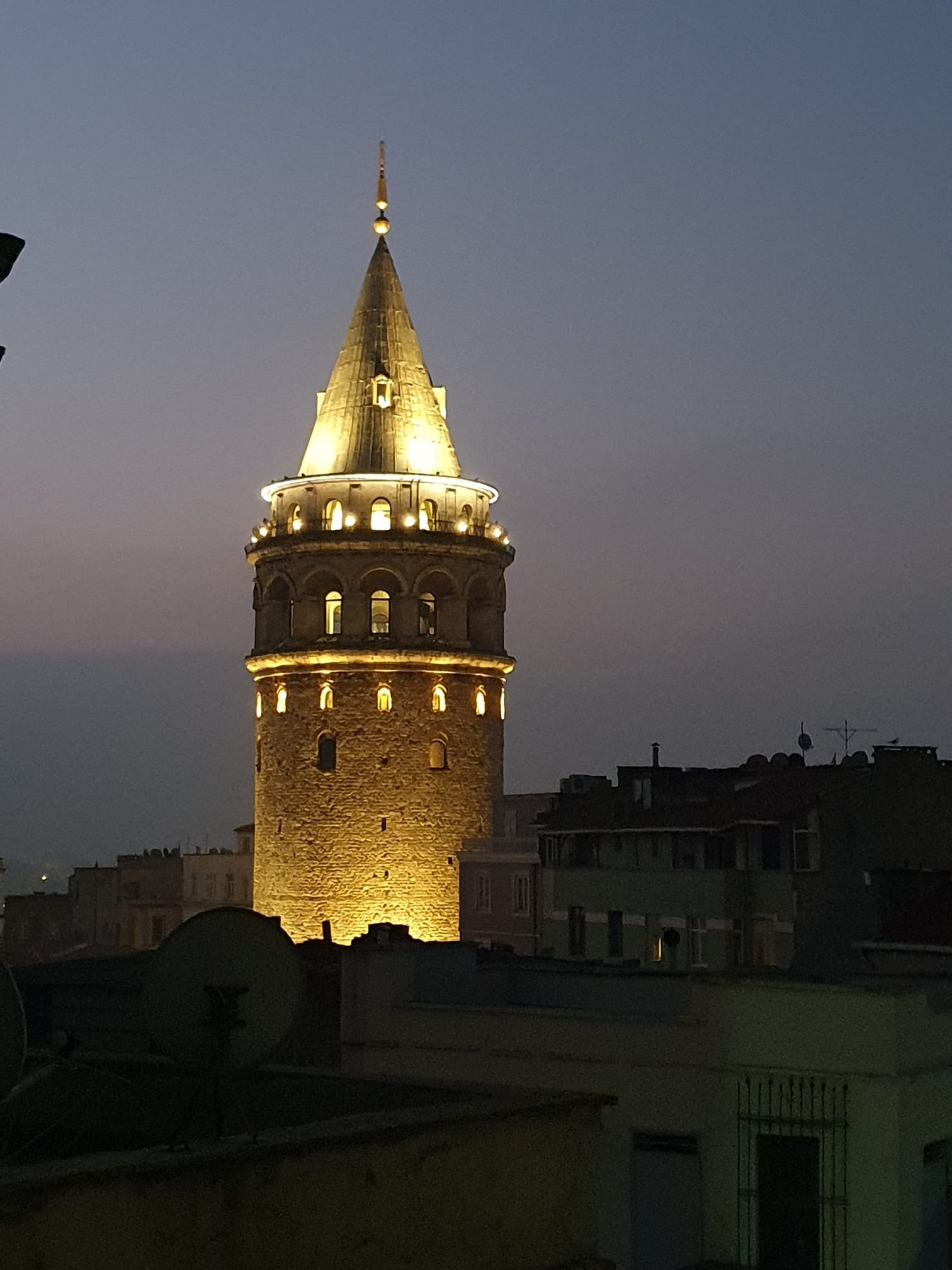
The story is beautiful and has, by now, become firmly embedded in the tower's cultural memory. Historically, though, it's hard to verify.
Fires, Storms, and the Roof
The Galata Tower was damaged several times. Fires spread to the structure, and in the 19th century a storm destroyed parts of its distinctive roof.
Historical photographs therefore show the tower at times with a completely different top than it has today.
The current conical roof is a later reconstruction based on historical models. Anyone looking at the tower today is therefore looking at a medieval stone core with several centuries of later changes.
Why the Tower Looks Different Today Than in 1348
Interiors, staircases, windows, and upper levels have been altered over the centuries. Modern restorations adapted the structure to visitor traffic and heritage preservation.
The massive stone body is, at its core, from Genoese times. The tower is genuinely medieval — just not frozen in the year 1348.
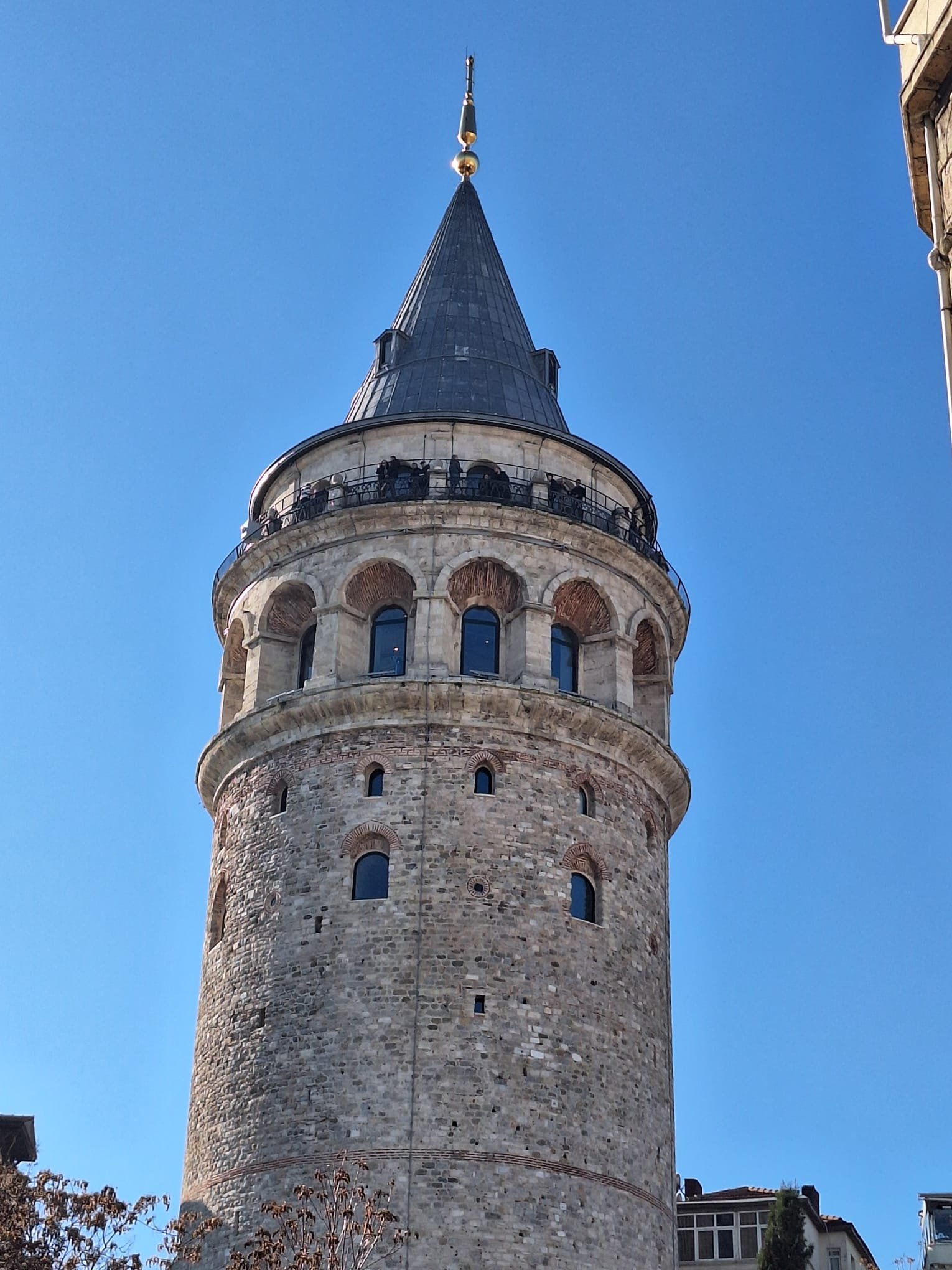
That makes it even more interesting to me, because its history doesn't end in a single era.
The Tünel and My Personal Fitness Disaster
I love sleeping near the Galata Tower. There's just one small catch.
Heading down toward Karaköy, or the Galata Bridge, you easily find a nice street and stroll comfortably downhill. Wonderful. The only problem is that, come evening, you eventually have to go back up to the hotel.
And then that same "cute" street suddenly looks at you with what feels like an 80 percent gradient, and you think: was it really worth it?
Yes.
Unfortunately, yes.
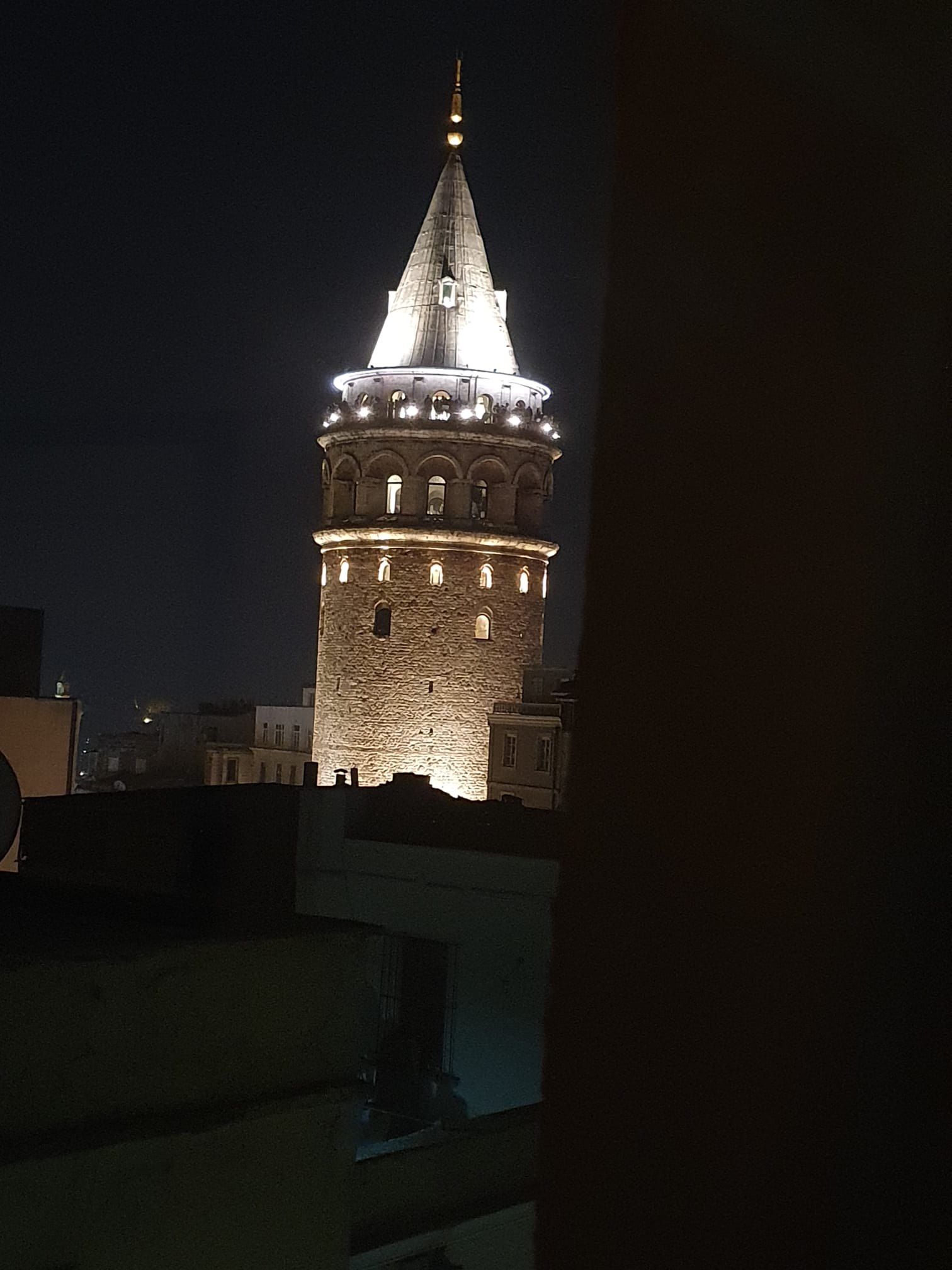
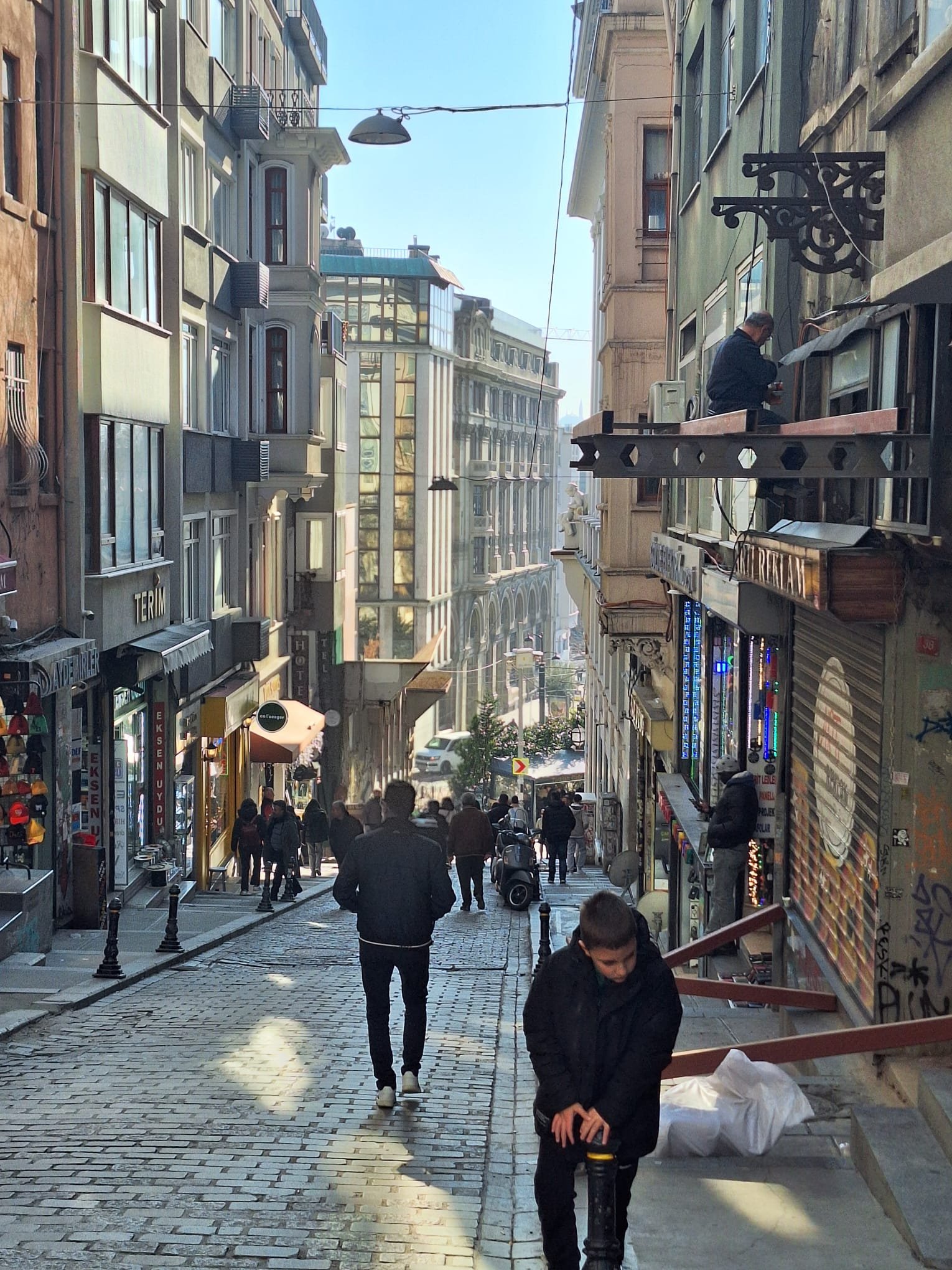
On our first visit to Istanbul, we also didn't know the Tünel existed. This historic funicular connects Karaköy with the higher-lying Beyoğlu and saves you a considerable part of the climb. The ride takes only a few minutes.
We didn't know that. Let's just say: after that first stay in Istanbul, we had thighs like bodybuilders. At least the sightseeing came with a free fitness programme included.
Galata as a City Within the City
The tower is hard to understand if you only see Galata as today's nightlife and tourist district. In the Middle Ages, Galata was an international trading post with its own Genoese administration, walls, churches, warehouses, and harbour facilities.
The Genoese didn't live outside Constantinople's history, but right in the middle of it. Trade, diplomacy, and political alliances tied both sides of the Golden Horn closely together.
The tower was therefore not simply an isolated watchpost. It belonged to a fortified urban system, whose walls later mostly disappeared.
Fire Watching as a Vital Task
That the tower served for a long time as a fire watch sounds almost mundane today. For a city full of wooden houses, though, it was one of the single most important safety functions there was.
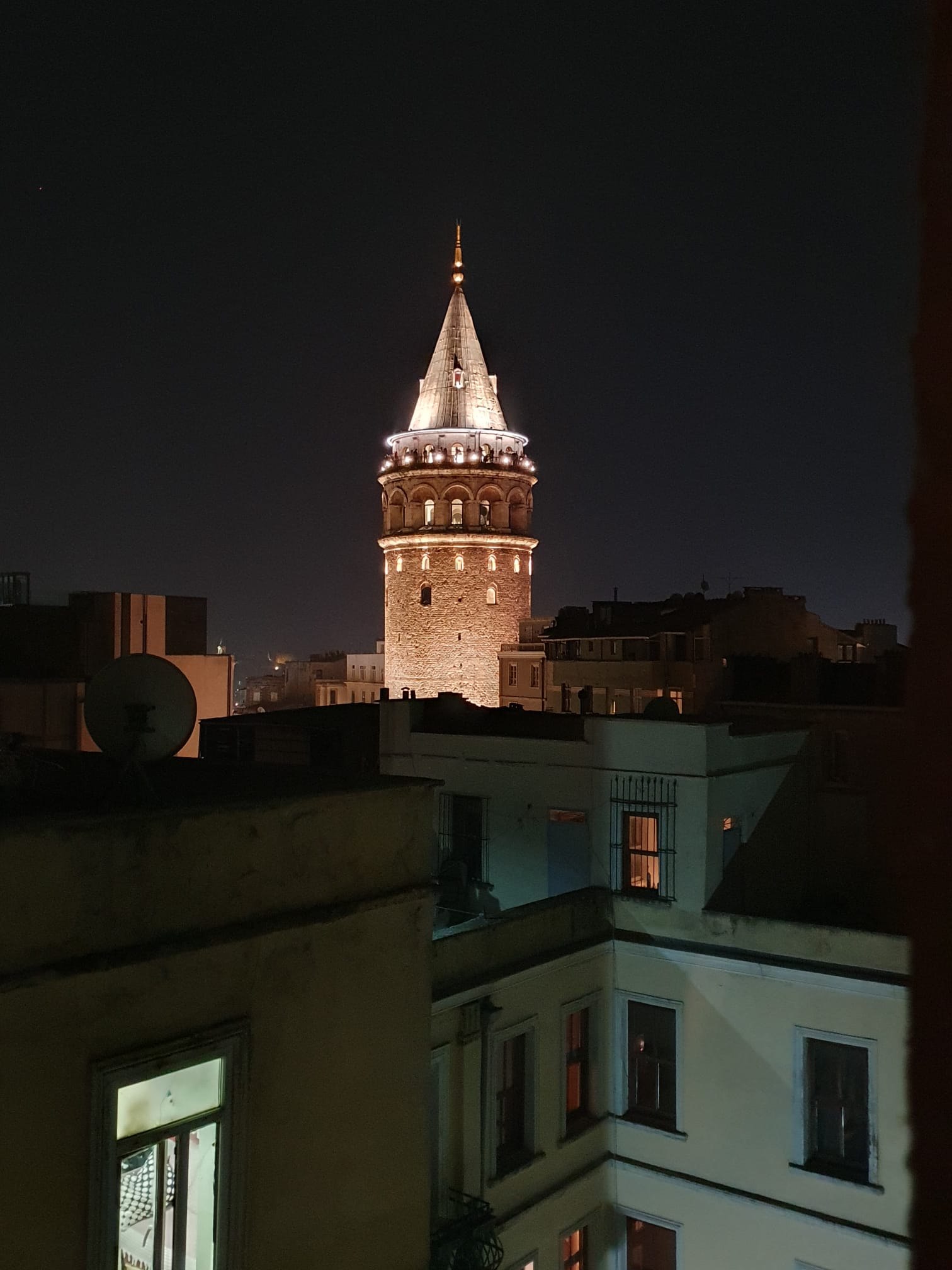
Fires could spread extremely fast in the wind. The earlier smoke was spotted, the sooner firefighting crews and neighbourhoods could respond. From Galata, a large part of the city could be surveyed.
Today's romantic viewpoint was, for a long time, a functional watchtower on which, in an emergency, lives and entire districts could depend.
The View Wasn't a Tourist Luxury Back Then
Today, you pay admission, ride or climb to the top, and photograph the city. In the Middle Ages and in Ottoman times, the tower's height was above all functional. From here, you could observe ship movements, fires, and developments in the surrounding area.
The view we find romantic today was, back then, a working tool. A fire watchman didn't need to think about whether the sunset was beautiful, but whether smoke was rising somewhere and how quickly the alarm needed to be raised.
This shift in use is typical of historic towers. What was built for military or practical purposes later becomes a viewpoint.
Why the Galata Tower Still Works Despite the Crowds
Around the tower, it's often crowded, loud, and touristy. Still, it loses none of its effect for me. Maybe precisely because it stands so calmly above it all, unimpressed by any souvenir shop.
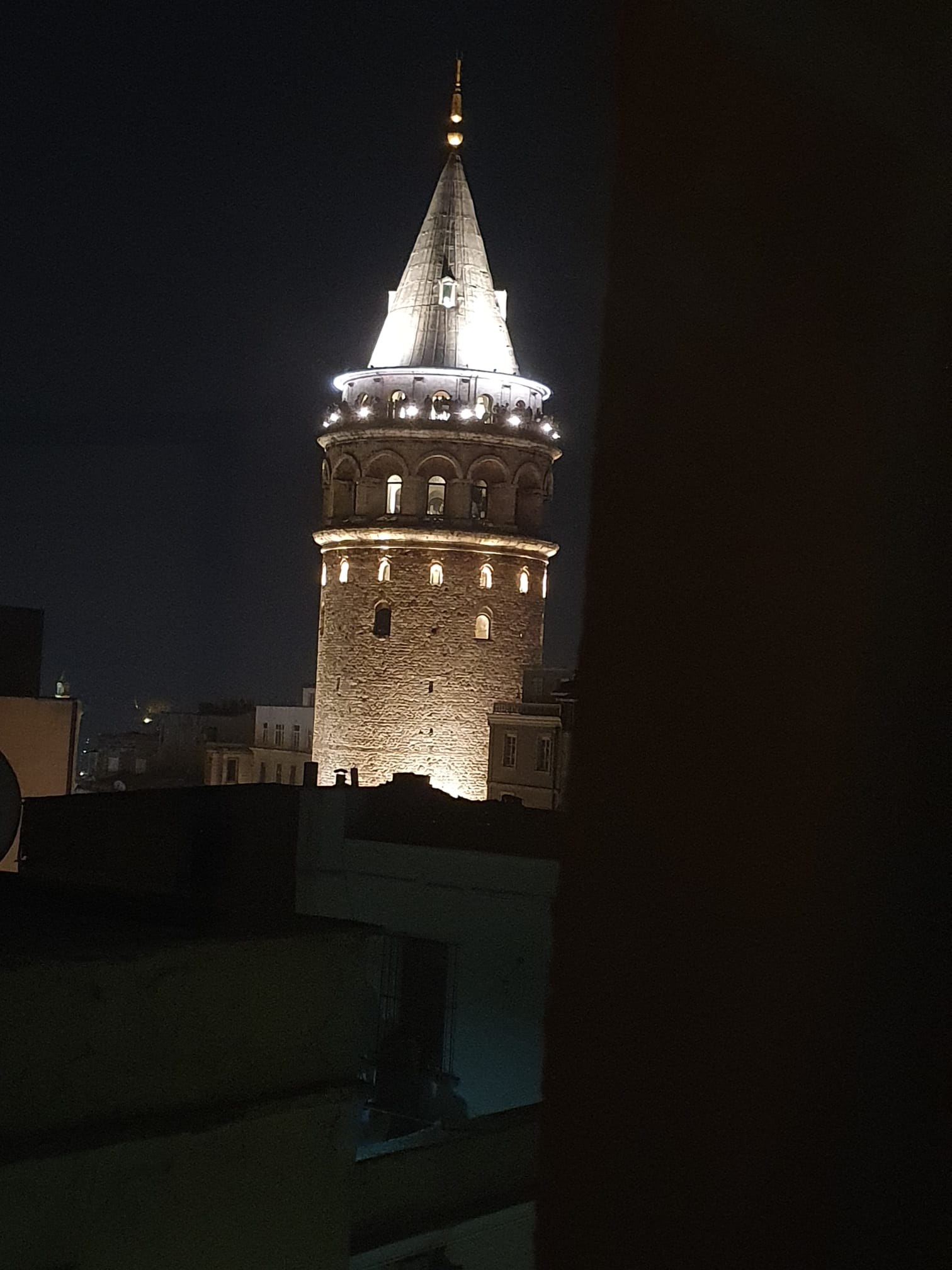
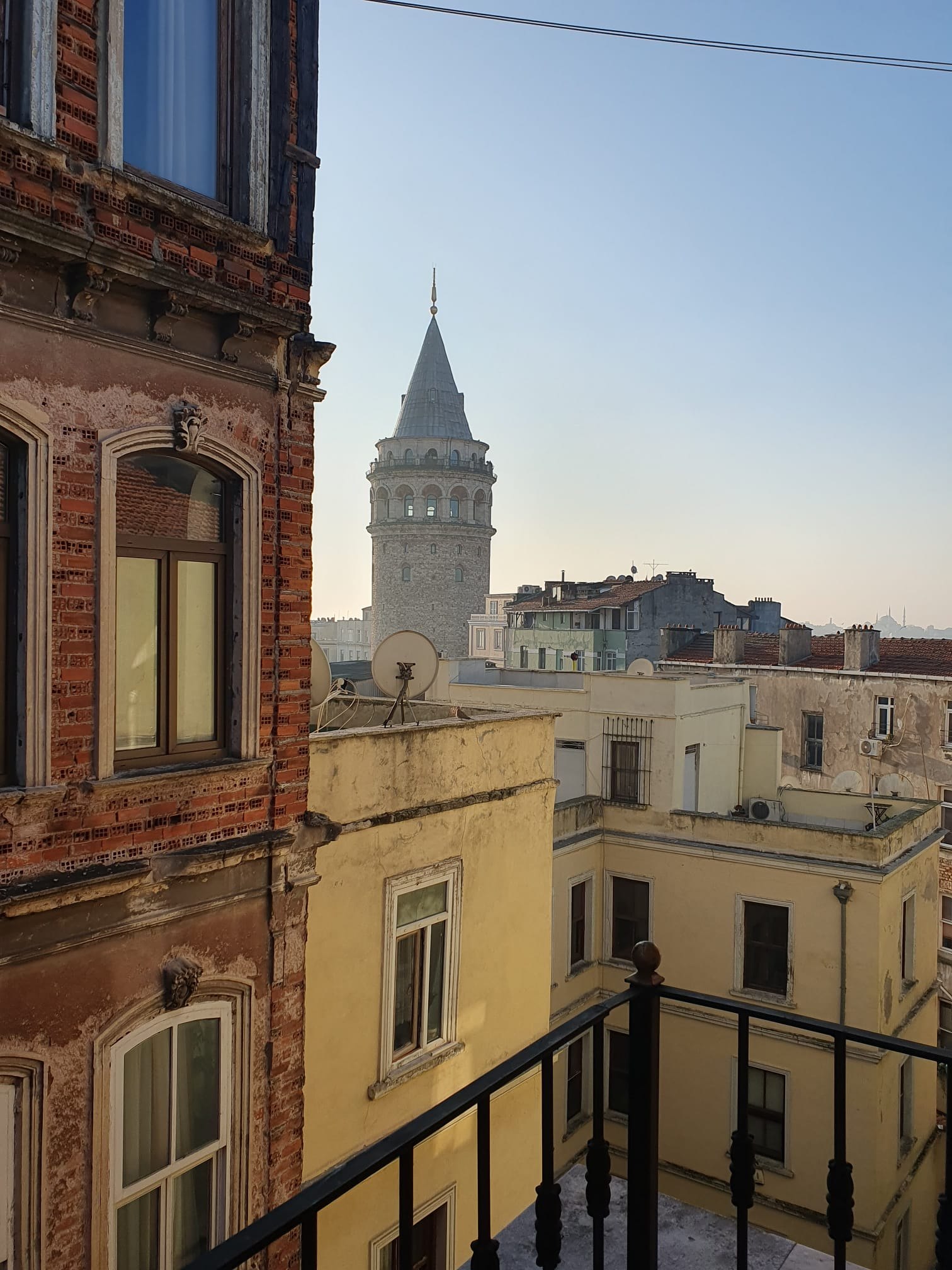
Walk a few side streets further and you quickly find quieter viewing angles too. It's especially lovely when the tower suddenly appears between houses, rather than you standing right on the square in front of it.
It's probably exactly these unexpected sightlines that explain part of my 3,000 photos. You always see the same tower — and yet never quite the same picture.
Galata Was Long More Than Just a District
In the 14th century, Galata was a Genoese colony with its own walls, churches, trading structures, and largely self-governing administration. The Genoese benefited from trading privileges and their position between the Black Sea and the Mediterranean. Goods, people, and information all converged here.
The tower of 1348 was therefore not just a viewpoint. It belonged to a fortified trading centre whose wealth needed protecting. Its commanding position on the hill also made it a visible symbol of the Genoese presence facing Constantinople.
In 1453, Galata Had to Renegotiate What It Was
While Mehmed besieged Constantinople, the Genoese of Galata tried officially to remain largely neutral. At the same time, individual Genoese fought on the Byzantine side, including Giovanni Giustiniani Longo, one of the city's most important defenders. After the fall of Constantinople, Galata submitted to Mehmed II.
The sultan let some local rights stand, but removed its political independence. Fortifications were altered, or partly dismantled. The great tower remained standing and took on new functions. That a symbol of Genoese power survived the change of rule is remarkable.
As a Fire Watch, the Tower Faced Its Own Greatest Danger
For a long time, Istanbul consisted largely of wood. A small fire, in the wind, could destroy entire districts. From the Galata Tower, smoke could be spotted early, and watchmen could raise the alarm.
The irony is that the tower itself was damaged by fire several times. So it guarded against a danger that kept striking it too. Repairs in the 18th and 19th centuries altered its upper sections in particular.
The View From Above Explains the City's Geography
Today you see Galataport, modern bridges, high-rises, and a metropolis of millions. Still, the old geographic lines remain recognisable: the Bosphorus, the Golden Horn, the historic peninsula, and Galata's steep streets still define the space.
Maybe that's part of why the tower draws me in so strongly. It doesn't stand isolated like a monument on a square, but keeps reappearing from completely different perspectives. From the ferry, from Eminönü, or between houses, my eye now searches for it almost automatically.
The Tower as a Museum Is a Very Modern Phase
Today's touristic use is only the most recent layer. For centuries, the tower mattered militarily, administratively, or as a fire watch. Only modern heritage preservation turned it primarily into an attraction people climb for the view and the history.
That changes the interior too. Stairs, lifts, safety routes, and exhibition elements have to meet today's requirements. Anyone expecting medieval authenticity inside should therefore keep in mind that a building with thousands of visitors a day has to function differently than a 14th-century Genoese fortification.
Why Its Shape Is So Recognisable
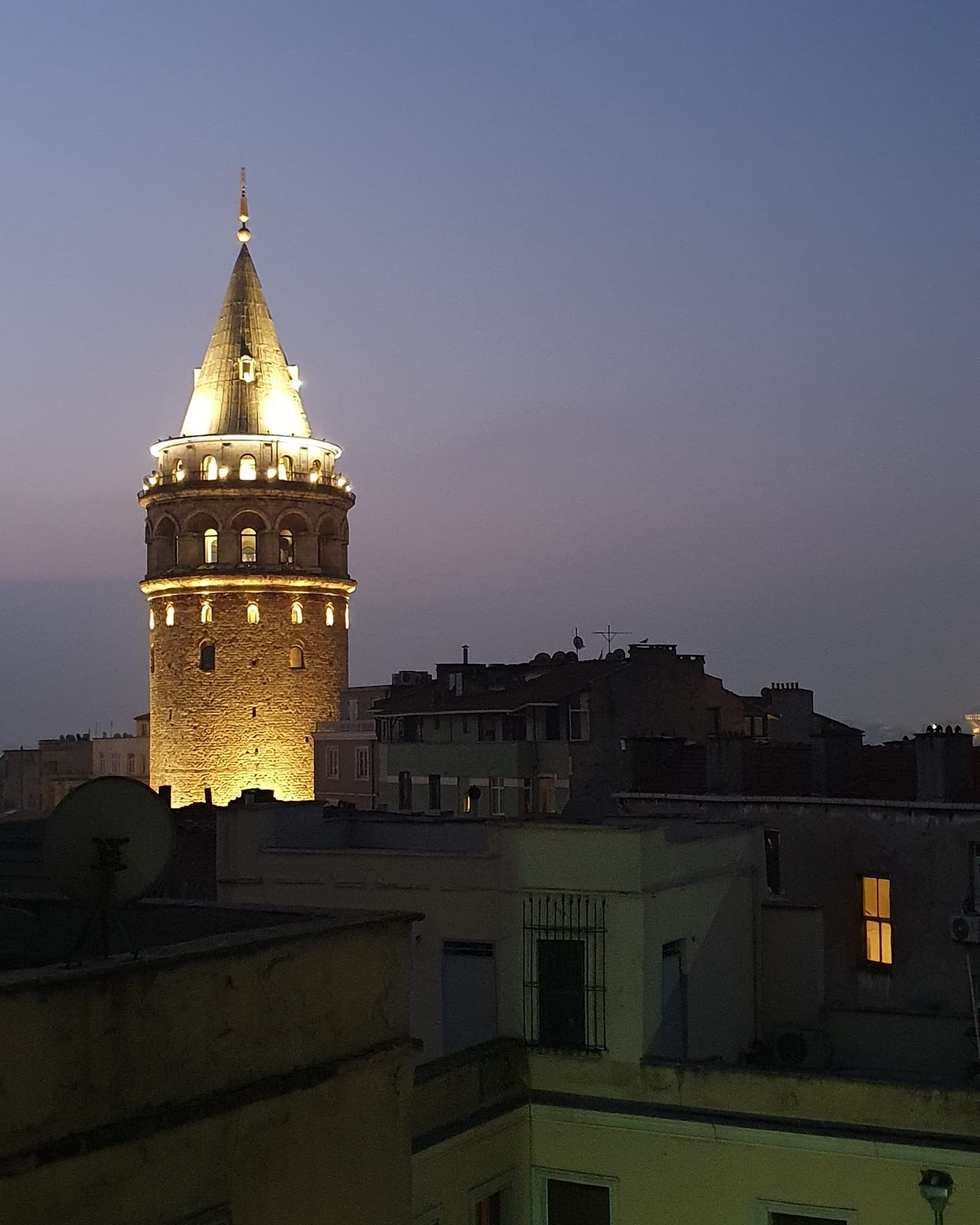
The massive cylindrical stone body and pointed roof create a silhouette that works from a great distance. Even among modern buildings, the tower stays visually unmistakable. That's probably exactly why it becomes a landmark for so many people.
For me, it's long since gotten worse: I don't just orient myself by it — I apparently photograph it on reflex.
"Today's Galata Tower was captured by crusaders in 1203." False. Today's tower was only built in 1348. In 1203, crusaders attacked an older Byzantine fortified tower in the Galata area.
"Hezarfen Ahmed Çelebi really did fly from the Galata Tower to Üsküdar." The story essentially comes from Evliya Çelebi's travel account. There's no independent contemporary confirmation.
"Today's roof dates from the Middle Ages." No. The tower lost its roof several times; today's form is the result of later reconstructions.
- Check here for current tickets, time slots and tours.
- View Galata Tower tickets & tours
My Thought on This Place
I honestly can't reasonably explain why the Galata Tower is so special to me. Istanbul has bigger buildings, older ones, more religiously significant ones, more architecturally elaborate ones. And yet I keep being drawn there.
You see it from the ferry. You see it from Eminönü. Somewhere between houses, its tip suddenly appears, and I photograph it again, even though I already have about three thousand pictures of it at home.
To me, it's somehow the diamond of Istanbul.
Maybe it's because this tower has stood up there for centuries, looking out over the same city, even though the city beneath it has long since become a different one. It has seen the Genoese, watched the Ottomans arrive, fires, rebuildings, new bridges, steamships, cars, millions of tourists. Every morning the sun rises somewhere in front of it; every evening it sees off another day.
So if anyone in Istanbul asks where you'll probably find me, the statistically sound answer is pretty simple: at the Galata Tower.
– Amra