
Hardly any part of Topkapı Palace was so heavily embellished by fantasy outside the Ottoman Empire as the harem. European paintings of the 18th and 19th centuries show half-naked women, luxurious baths, and a sultan whose daily life apparently consisted of nothing but erotic choice. The problem is obvious: many artists never had access to an Ottoman harem. They didn't paint what they had seen, but what their audience wanted to see. That's how an image emerged that remains astonishingly persistent to this day.
Hardly any part of Topkapı Palace was so heavily embellished by fantasy outside the Ottoman Empire as the harem. The real harem was a strictly organized dynastic household, a place of education, and at times a center of political power.
The real harem was a strictly organized dynastic household, a place of education, an enormous domestic operation, and at times a center of political power. Here lived the sultan's mother, women of the ruling house, children, servants, eunuchs, and numerous women at various ranks of training and service. Anyone who wants to understand how the Ottoman dynasty functioned therefore shouldn't view the harem as an exotic side room, but as one of the palace's central areas.
- The harem was the private dynastic quarter of the Ottoman court.
- It housed not only the sultan's partners, but a large number of family members and servants.
- Women could receive extensive courtly education.
- The Valide Sultan, the mother of the reigning sultan, could hold enormous political and economic power.
- Hürrem Sultan permanently changed the dynastic order in the 16th century.
- Eunuchs controlled access and carried out important administrative tasks.
- The idea of a permanent erotic pleasure chamber is above all a product of European Orientalist fantasy.
What "harem" actually means
The term derives from an Arabic root connected to "protected," "forbidden," or "inviolable." So it originally refers to an area not everyone has access to. In wealthy Muslim households, it could denote the private family quarters. At the sultan's court, this became a huge institution within the palace.
Precisely because outsiders had no free access, countless fantasies arose beyond the court. Secrecy has apparently invited people for centuries to simply invent the rest. Travel accounts, paintings and later novels turned a highly regulated household into an erotic stage. That often says more about European ideas of the "Orient" than about actual life in the palace.
Who lived in the harem
The sultan's mother stood very high in the hierarchy. Alongside her were daughters, sisters, possible partners of the ruler, princes, and at certain life stages, the dynasty's children. Hundreds of servants kept the huge household running. Cooks, laundresses, supervisors, teachers and other officeholders made sure this area functioned like its own small institution.
Not every woman in the harem was a concubine. Many had duties in service, training and organization, and could later leave the palace, marry, and start a new life with a dowry. The harem was therefore more a combination of dynastic private household, school, administration and a strictly hierarchical court institution than the image older Western art often conveys.
How women came to the court
In the early and classical Ottoman period, many women at court came out of the slave system. They came from various regions, including the Caucasus, the Black Sea area and other territories. The modern romantic idea that a sultan simply "bought his great love" at a market shortens a complex system that looks problematic from today's perspective.
Slavery was legally and socially embedded in the Ottoman Empire, differed in form and opportunities for advancement from Atlantic plantation slavery, but remained nonetheless a system of personal unfreedom. Some women could rise exceptionally within the court. That shouldn't lead us to romanticize the unfreedom at the start of their path. Hürrem Sultan is historically so remarkable precisely because her rise from an enslaved young woman to Süleyman's lawfully married wife was by no means the normal case.
Education instead of constant seduction
Newly arrived women received, depending on their role, training in language, religion, music, needlework, court etiquette and household organization. Talent and discipline influenced their further rank. Anyone who showed particular ability could take on more responsible tasks and rise within the hierarchy.
Many women never became partners of the sultan. They worked in the palace and, after years, could be released with a marriage and financial provision. This training also made former palace women sought after outside the court, since they brought courtly manners and organizational skills with them. So the harem was not just a place where people were shielded from one another, but also a system of social formation.
The Valide Sultan as a center of power
The mother of the reigning sultan was not simply an older lady living somewhere in the background. Especially from the 16th century onward, powerful Valide Sultans commanded their own households, large incomes, endowments and direct access to the ruler. In a political system where access was decisive, proximity meant enormous power. Whoever could speak to the sultan could influence decisions or at least pass on information.
That influence, however, depended on the person and the political situation. Not every Valide secretly ran the state. Some played a role mainly within the dynasty, while others became central political actors. Nurbanu, Safiye and Kösem show especially clearly how strongly a sultan's mother could intervene in diplomacy, patronage and personnel decisions.
Hürrem Sultan changes the order
Hürrem Sultan is one of the best-known women in Ottoman history. She arrived at court as an enslaved woman, became the partner of Süleyman I, and later his lawful wife. That was extraordinary in the context of dynastic practice at the time. She remained permanently at court, carried on correspondence, endowed large social and religious complexes, and influenced dynastic politics.
The TV version of a constantly scheming woman falls short. Hürrem acted within a system in which the survival of her own children could genuinely depend on the succession to the throne. A prince who lost the race for the throne risked not just political irrelevance. He risked his life. This brutal logic doesn't explain every decision Hürrem made, but it explains why dynastic politics within the harem carried existential weight.
Nurbanu, Safiye and Kösem
After Hürrem, other women gained strong influence. Nurbanu Sultan, mother of Murad III, was a central figure as Valide. Safiye Sultan played an important role under Mehmed III. Kösem Sultan achieved a particularly extraordinary position of power in the 17th century, since she was both mother and grandmother of sultans and at times acted as regent.
This era is often called the "Sultanate of Women." The term is useful but can mislead if it's taken to mean women suddenly officially ruled the empire. Their power mostly arose from dynastic proximity, regencies and networks. Still, it was real. Letters, endowments, diplomatic contacts and political interventions show that women in the harem were by no means fully isolated from affairs of state.
Black eunuchs and access control
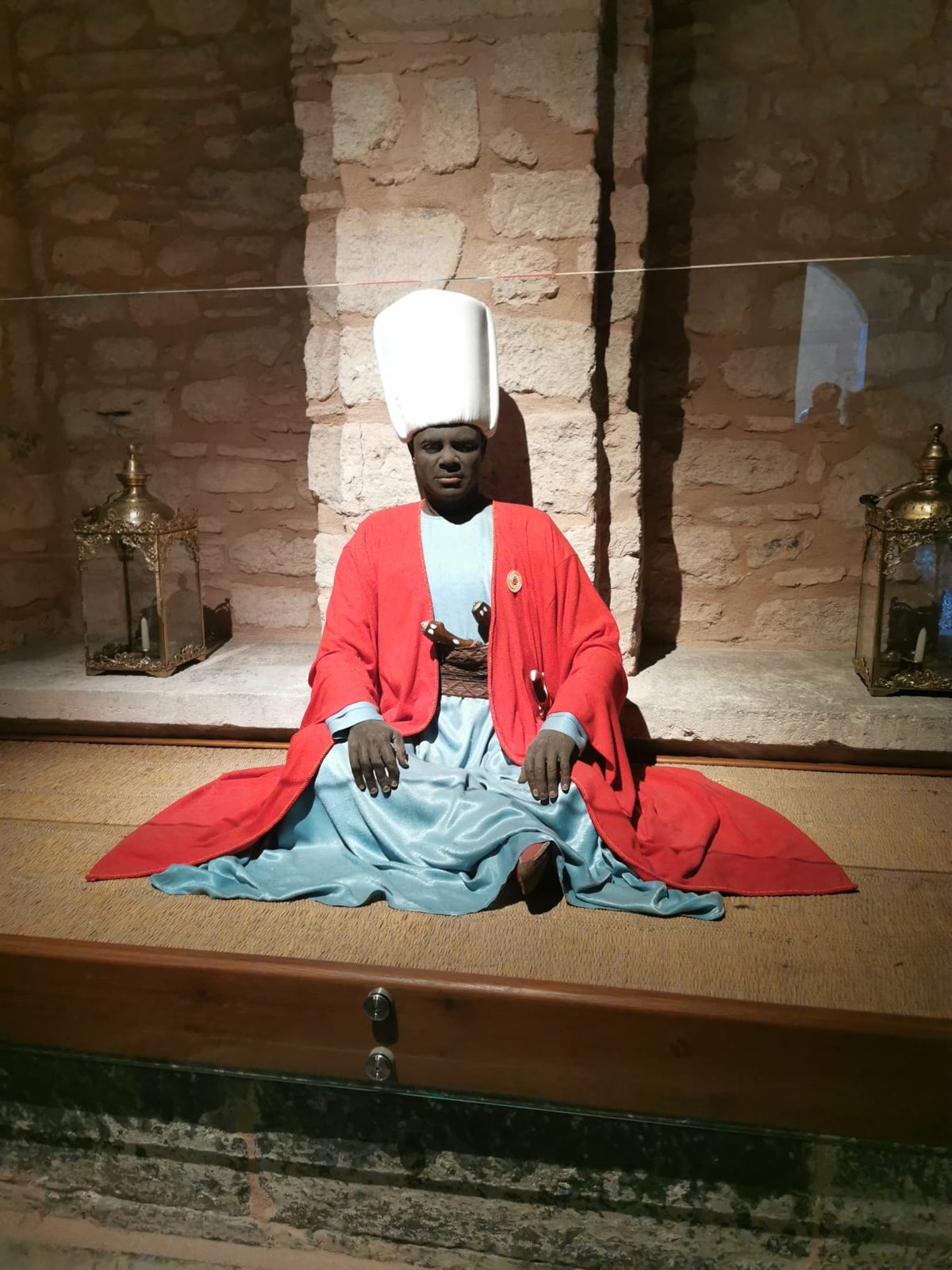
Important areas of the harem were supervised by black eunuchs. At their head stood the Kızlar Ağası, the chief of the black eunuchs, who could hold an extraordinarily influential court position. This system too was built on slavery and castration and shouldn't be softened into an exotic court detail.
Eunuchs controlled access, passed on messages, managed endowment affairs, and were in direct contact with the dynasty. Precisely because they could mediate between different parts of the palace, some of them became important political actors.
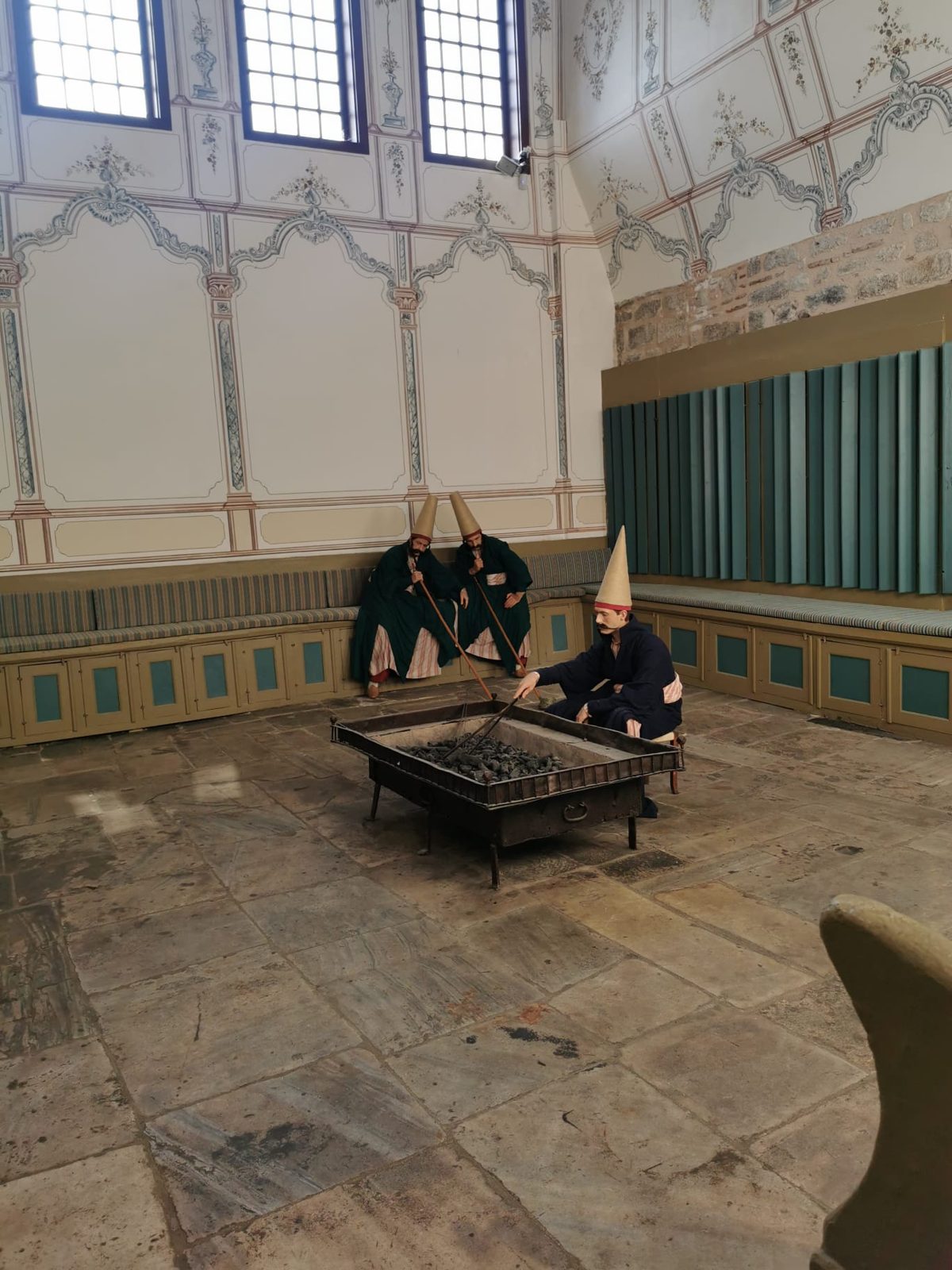
Architecture: who was allowed where?
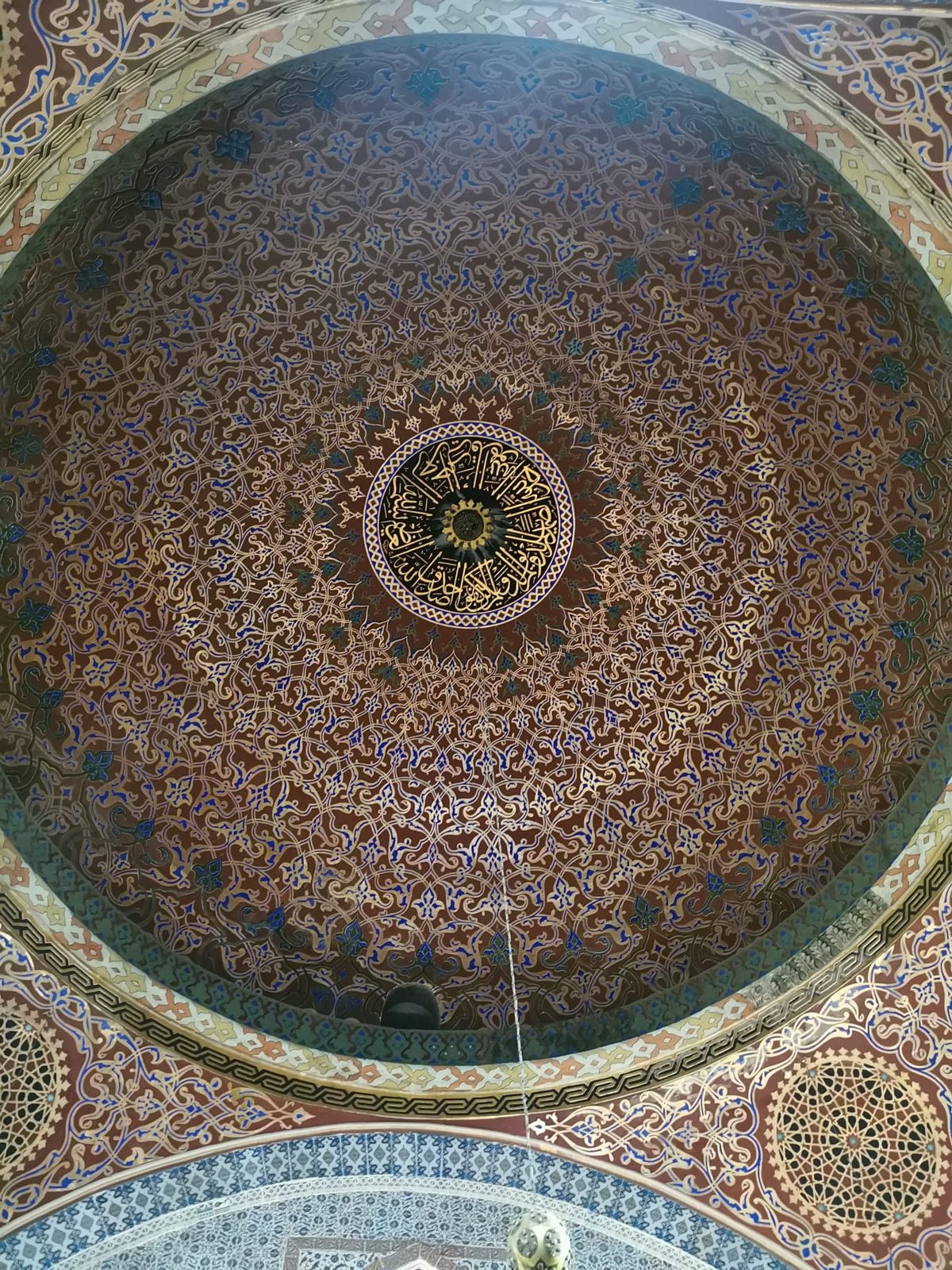
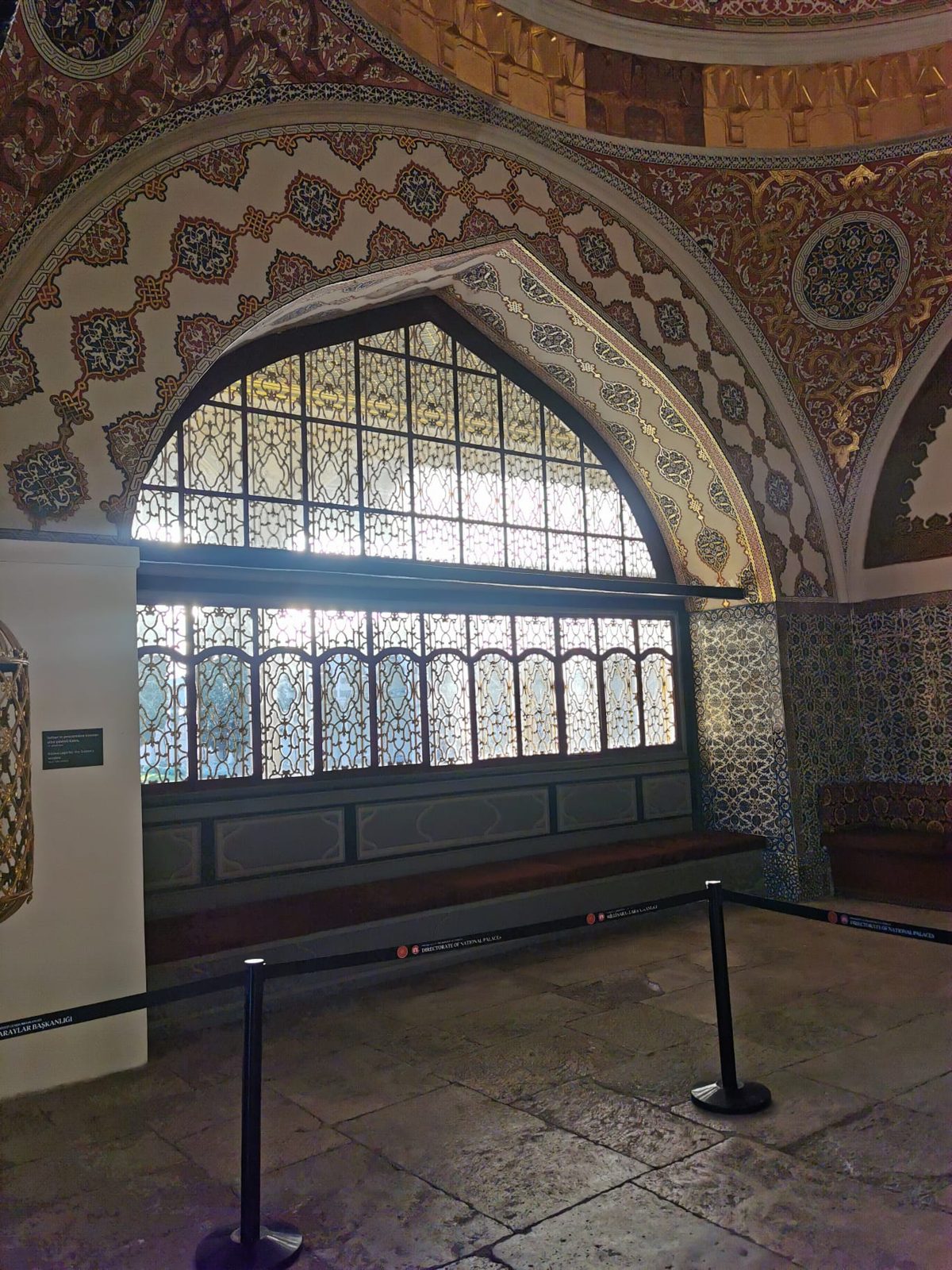
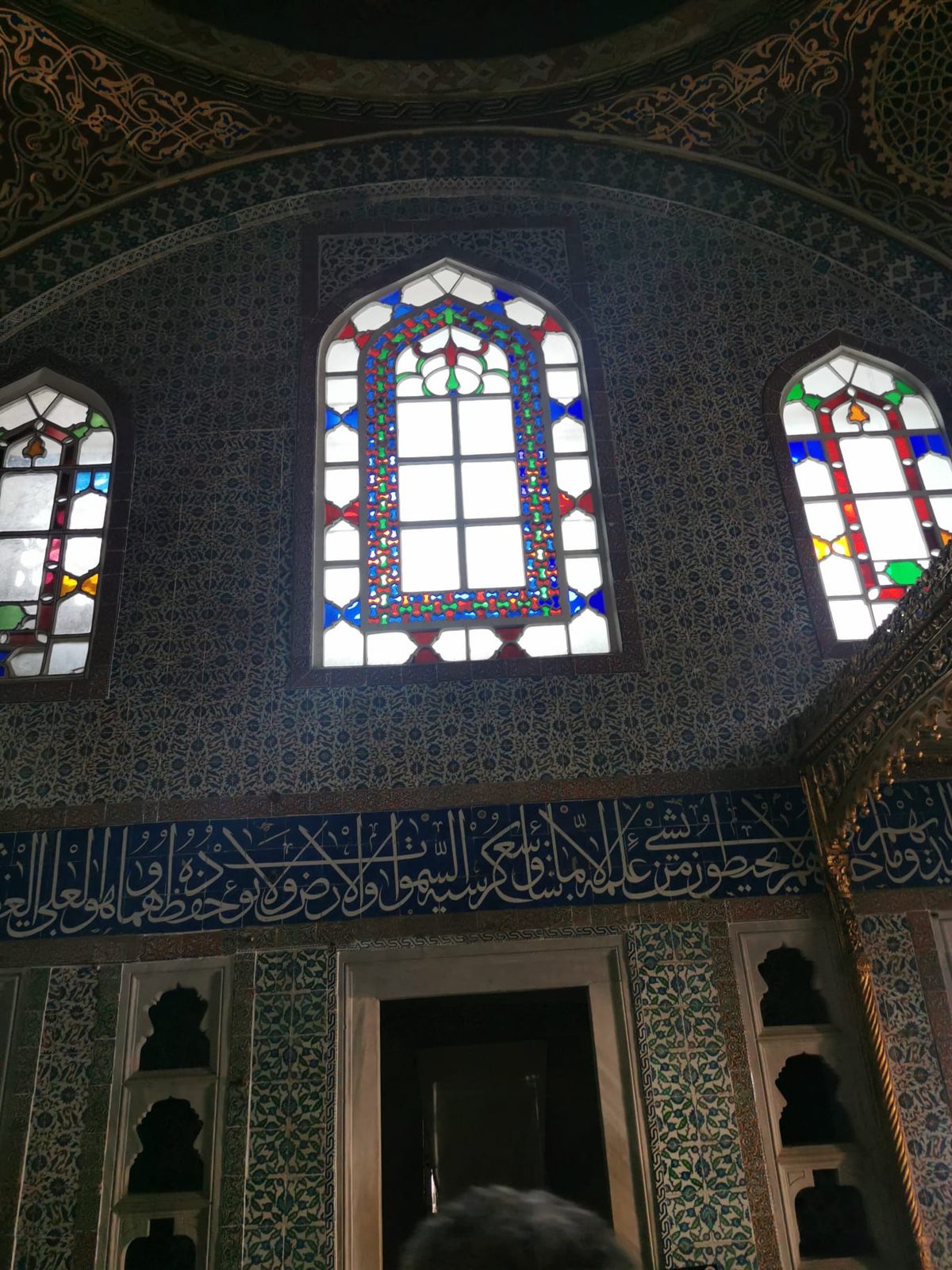
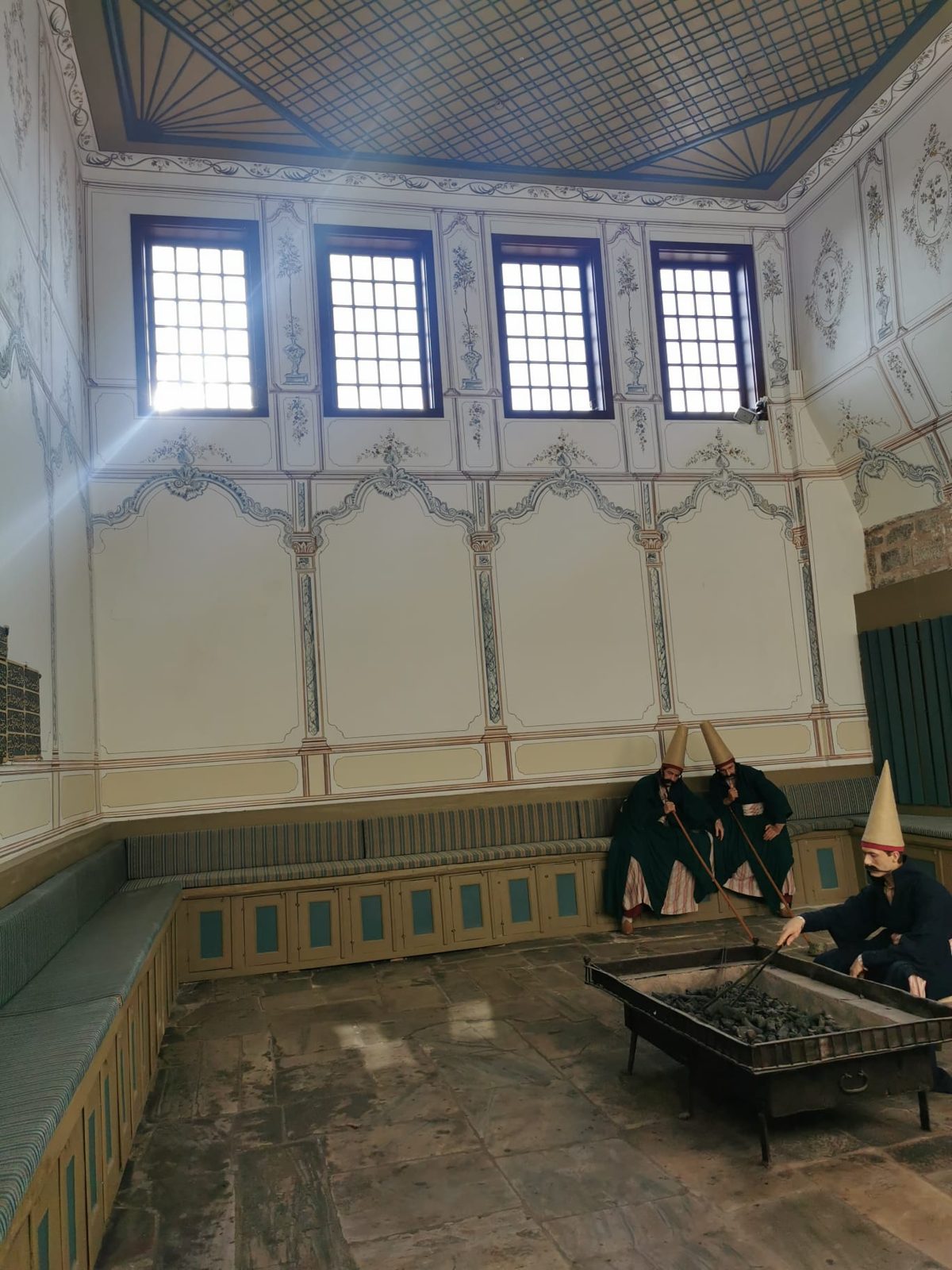
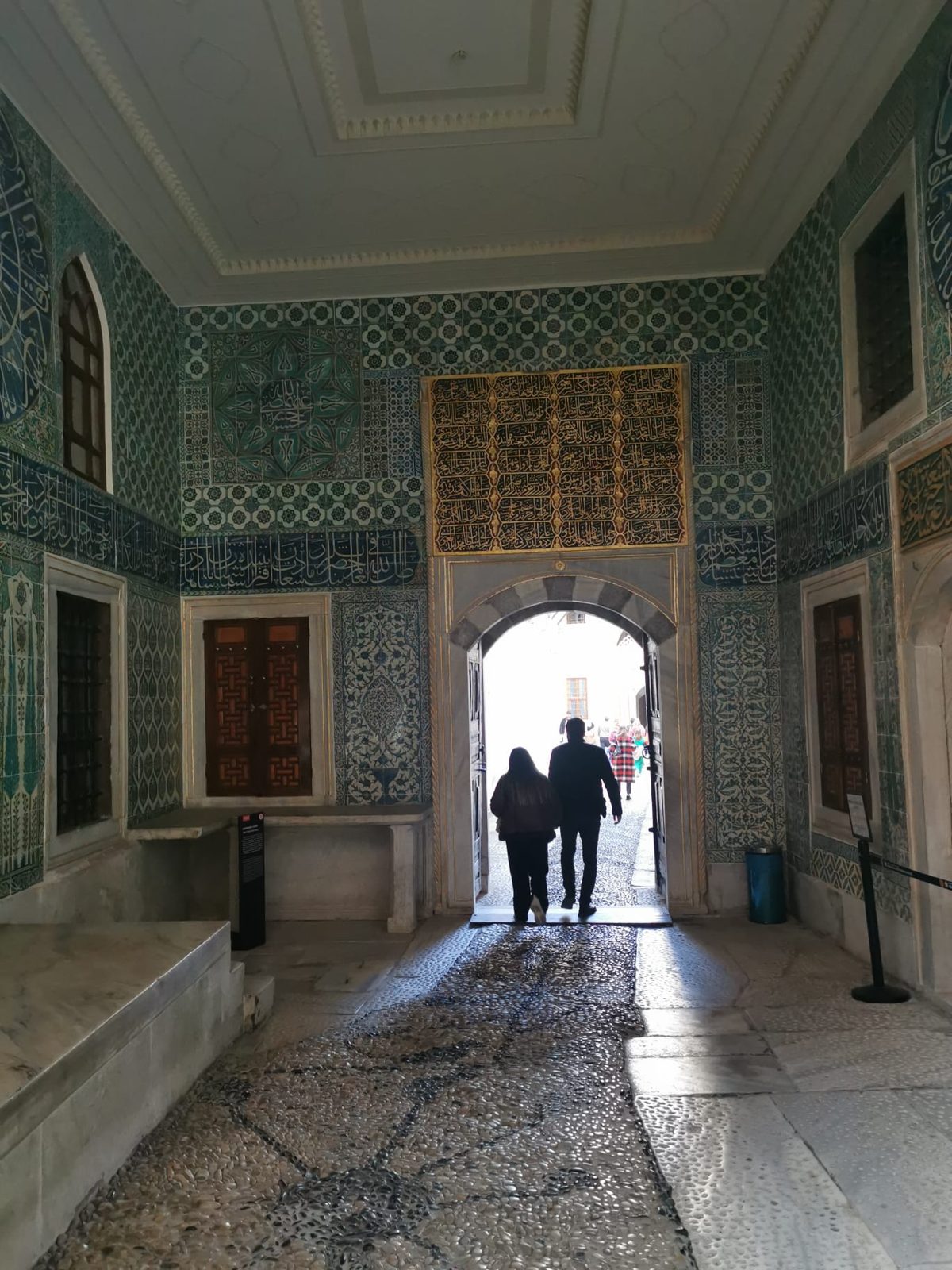
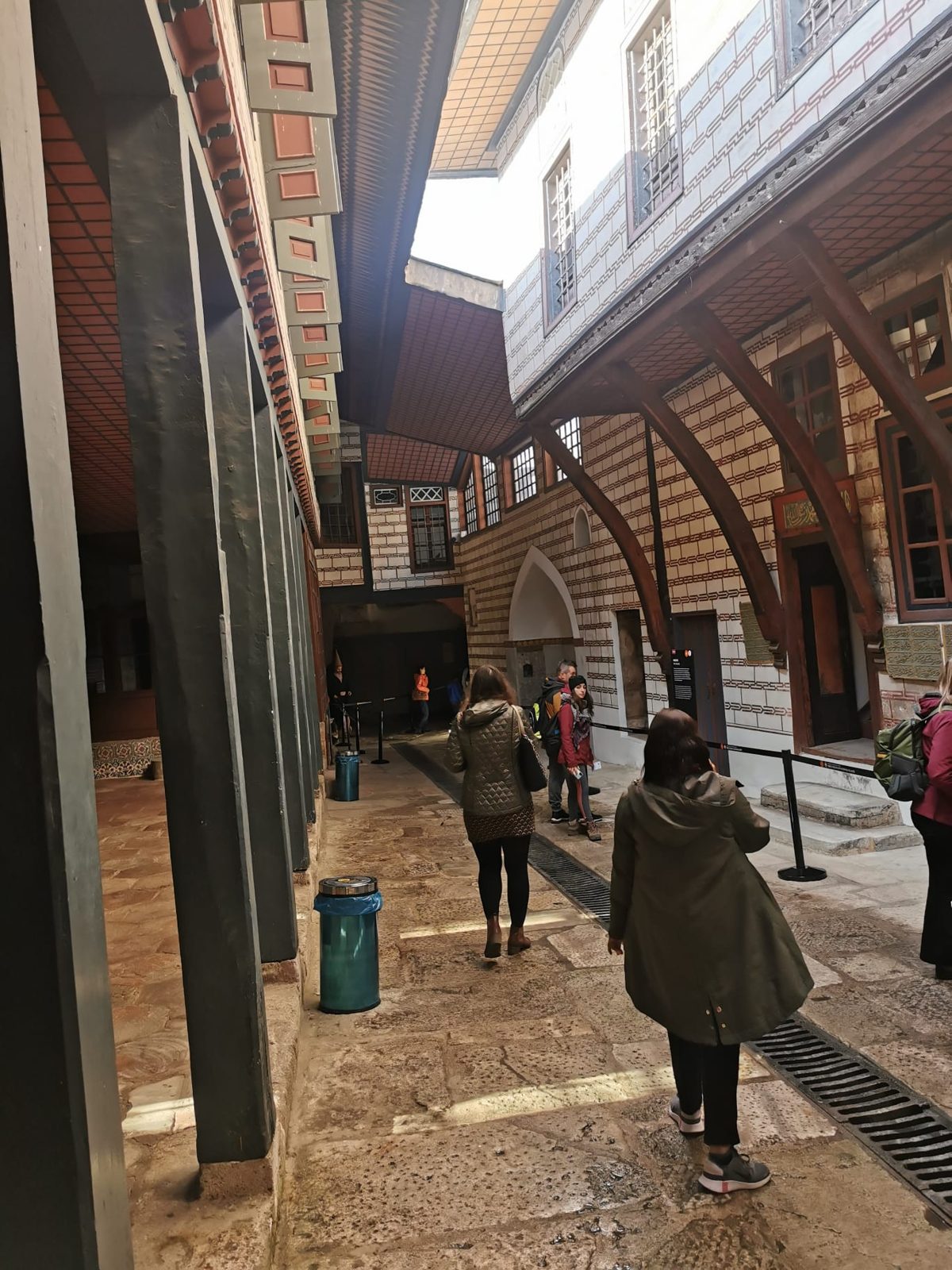
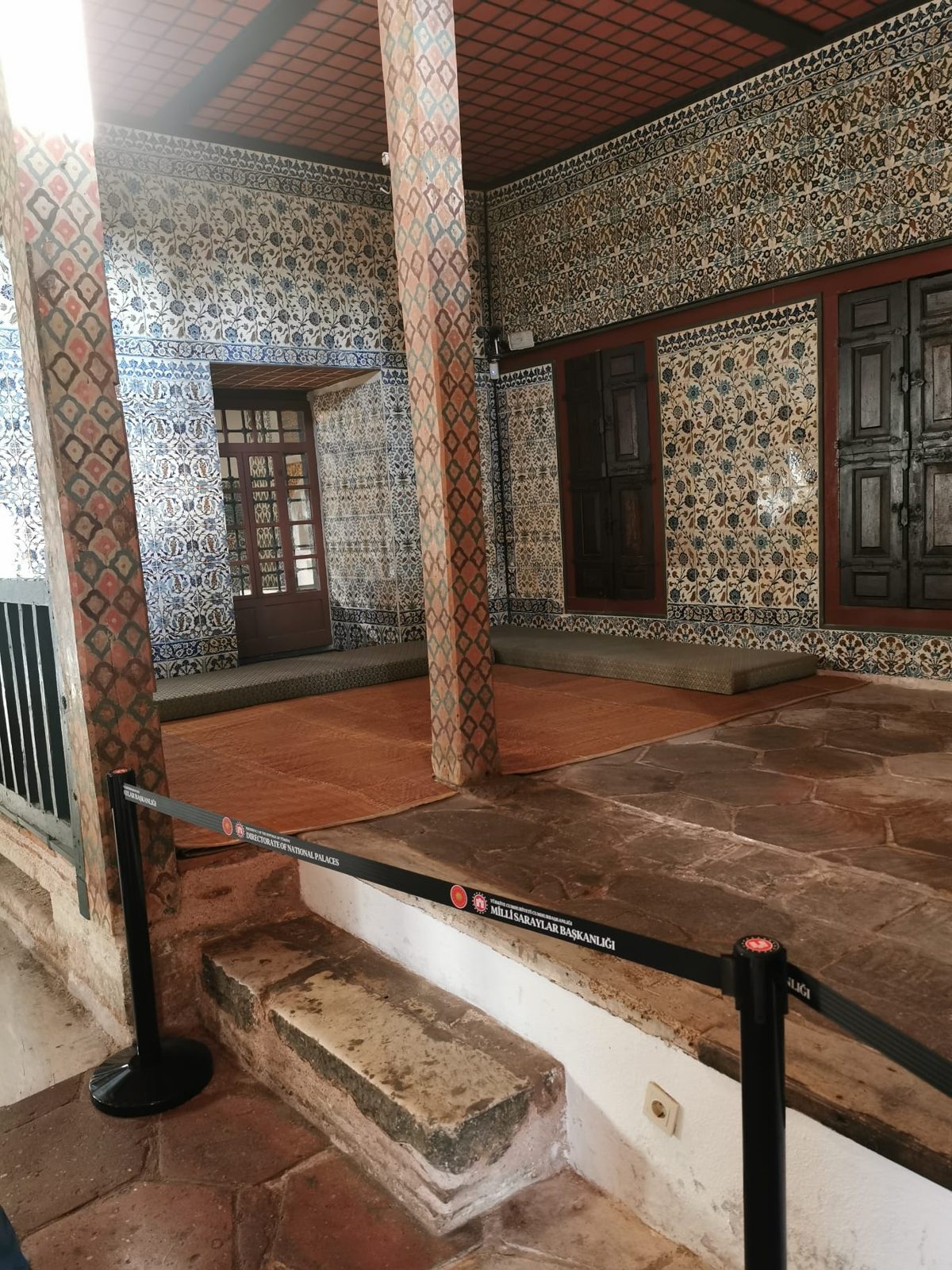
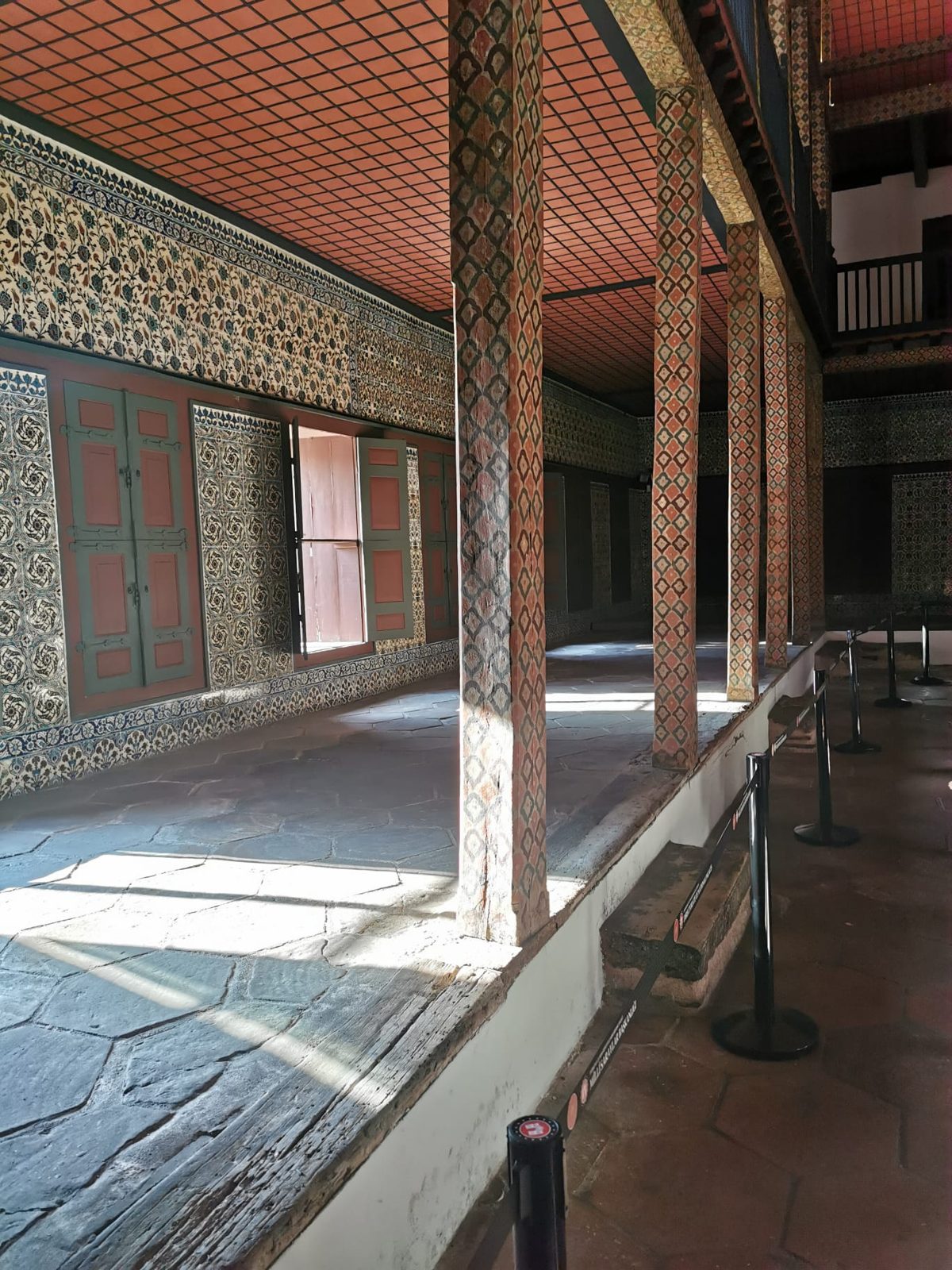
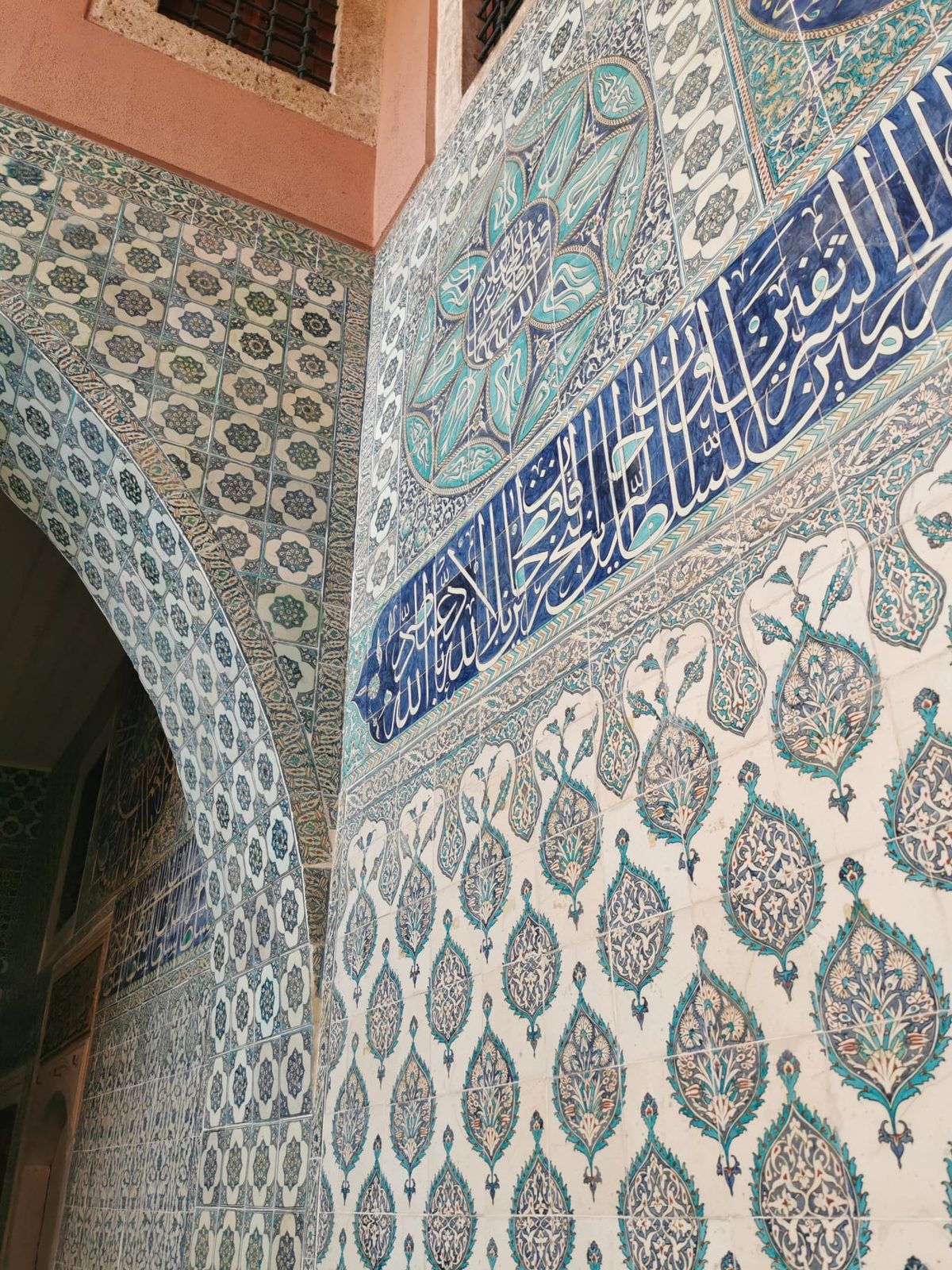
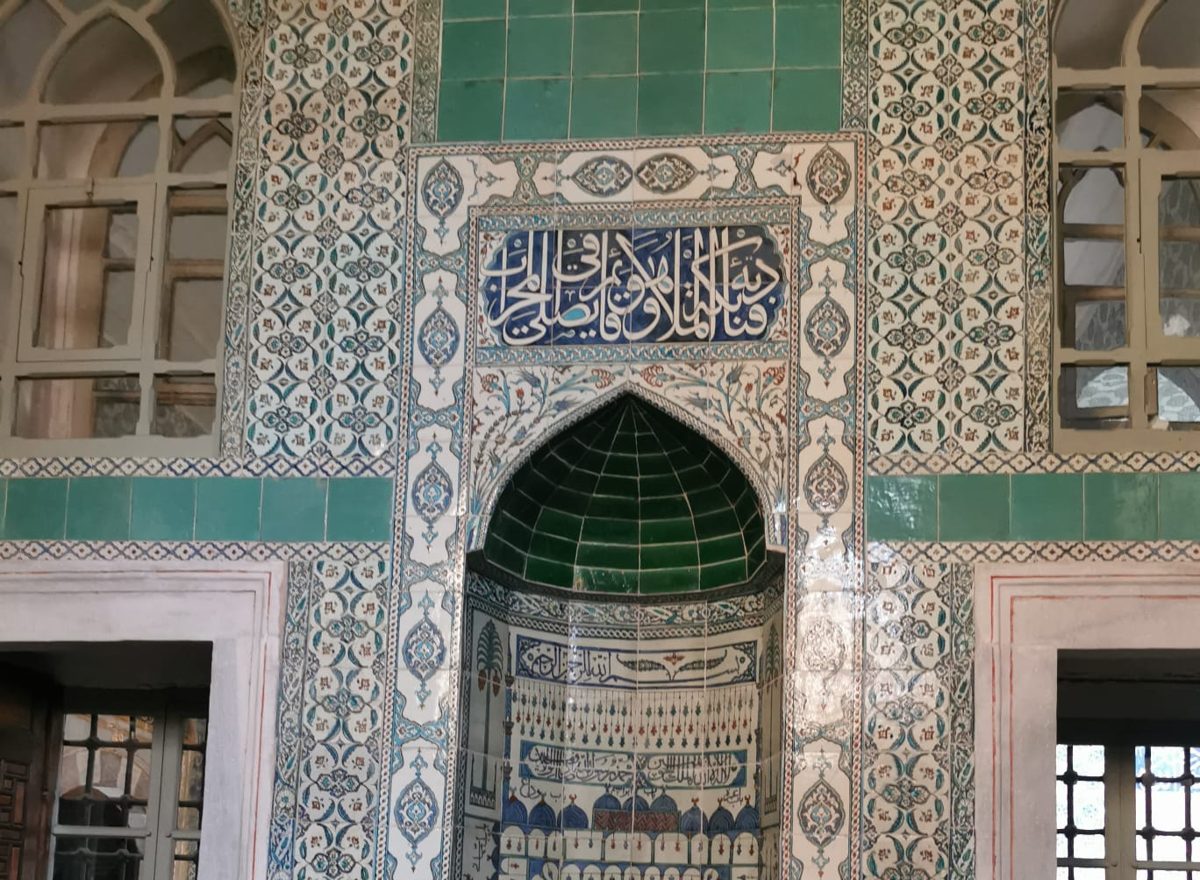
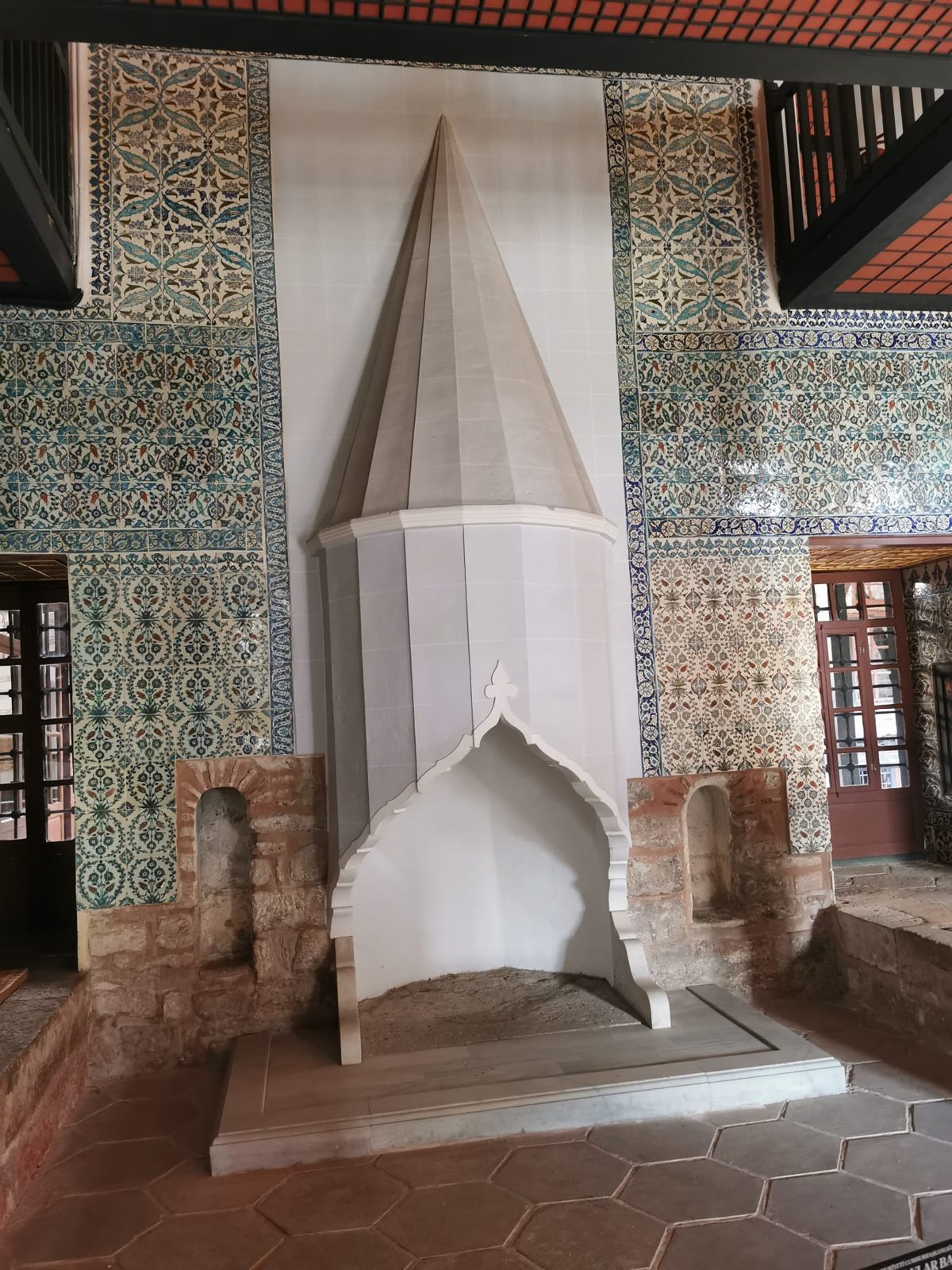
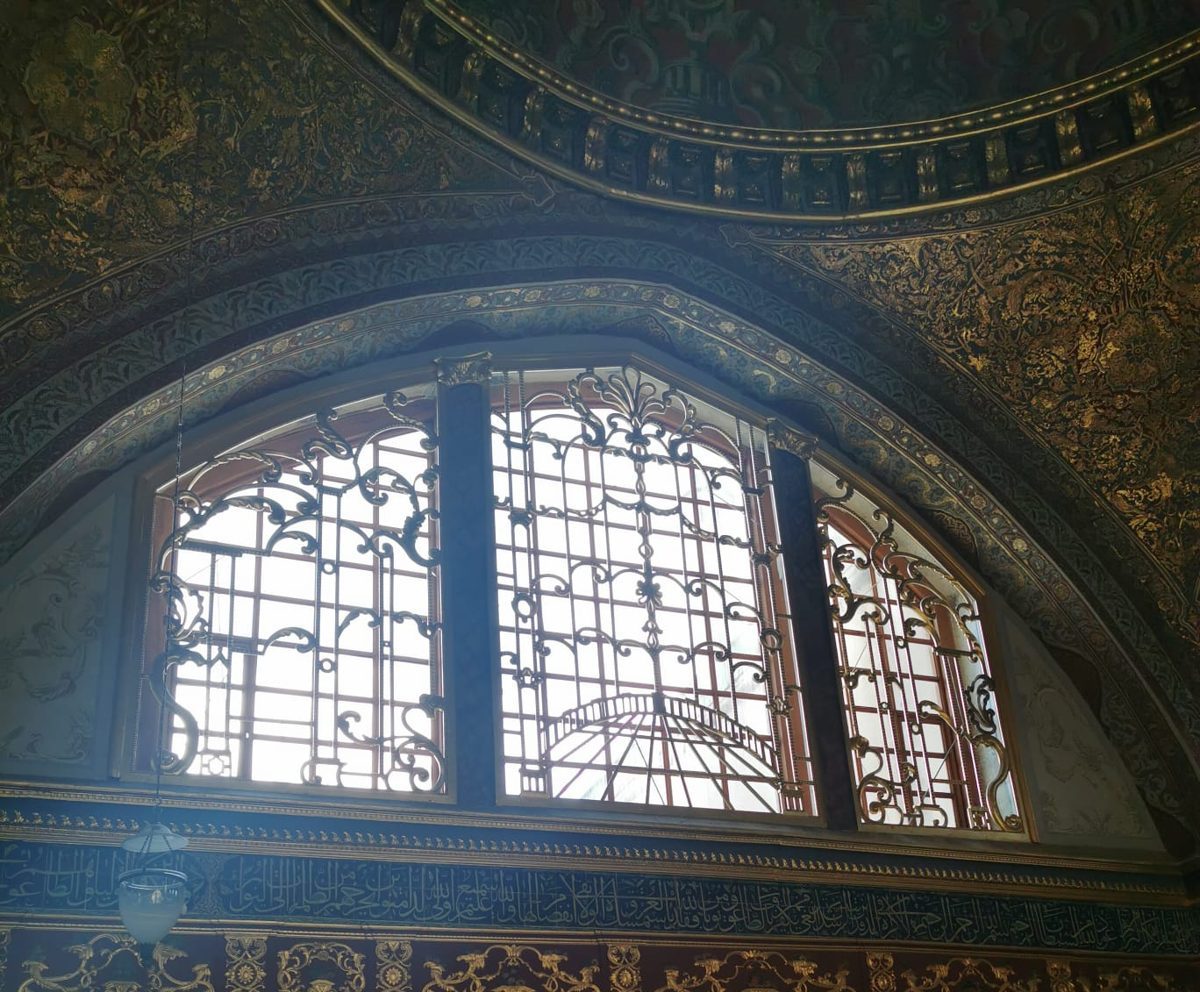
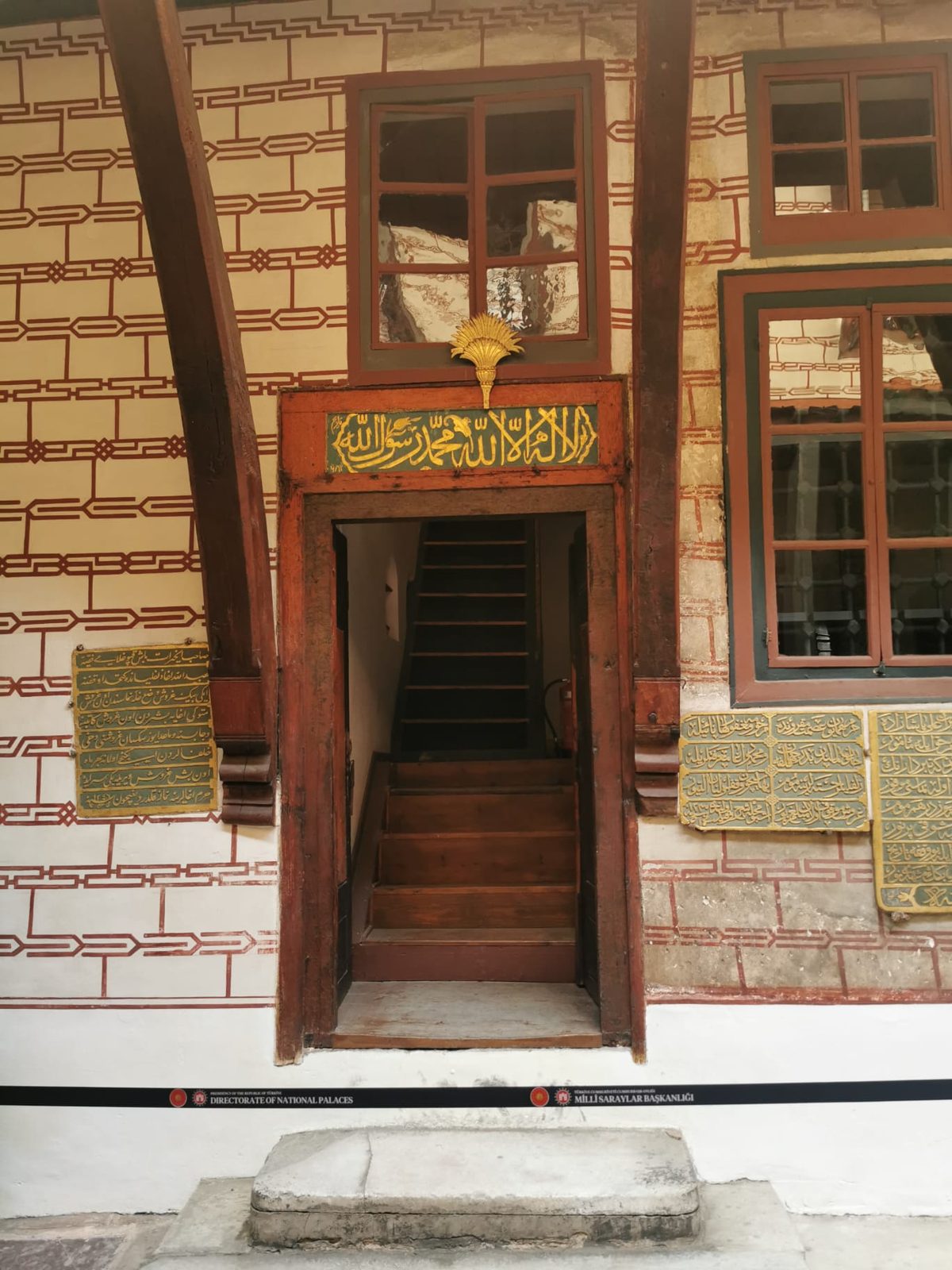
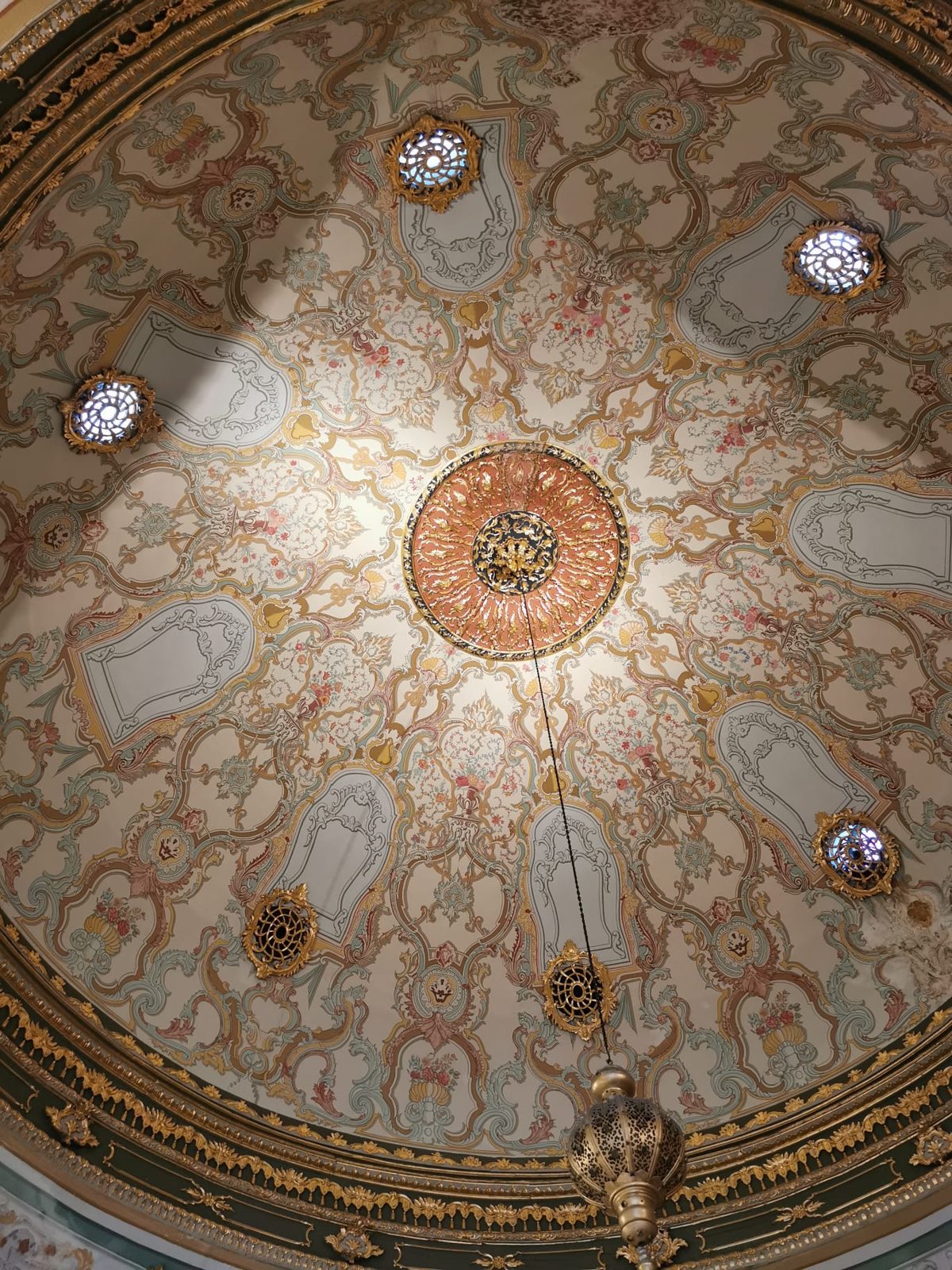
In the harem, power can be read spatially. Not every corridor led to every person. The Valide Sultan's rooms, the sultan's living quarters, the women's courtyards, and the eunuchs' areas were hierarchically organized. Tiles, calligraphy and splendid rooms catch the eye today. Even more interesting, though, is asking who had to wait in which room, who controlled which doors, and who had direct access.
Architecture could create political distance. A visitor today sees, in a few minutes, rooms that a member of the palace household might never have been allowed to enter in an entire lifetime. That's exactly how the museum experience changes our perception: we move around today far more freely than many people who actually lived there.
"Hundreds of women lived in the harem purely for sex with the sultan." False. The harem was a large dynastic household with numerous functions.
"No woman was ever allowed to leave the harem." False. Many women were married off after their training and left the palace with a dowry.
"The women had no political power whatsoever." Also false. Individual women, especially Valide Sultans and regents, could wield great influence.
Children in the harem: family, education and dynastic future
The harem was also a place where children grew up. Princes and princesses lived there, at least during certain life stages, were taught, and were prepared for their future roles. For princesses this often meant they were later married to high-ranking statesmen. Such marriages weren't purely private; they could strengthen political networks. A son-in-law of the sultan gained, through marriage, access to a dynastic connection that could significantly shape his career.
For princes the situation was even more dangerous. Their birth brought prestige, but also the risk that came with succession. As long as several sons were candidates for the throne, their mothers' political future could depend directly on their own child's success. That explains part of the alliances and conflicts within the harem, without reducing them to "female scheming." In some cases it was literally a matter of life and death.
The harem and the outside world were more connected than you'd think
"Enclosed" doesn't mean "isolated from all information." Women of the court had servants, kinship networks, endowments and written communication at their disposal. Hürrem Sultan, for instance, corresponded with foreign female rulers and political actors. Valide Sultans managed large endowment assets and stayed in contact with the outside world through officials.
Princesses married outside the harem and thereby formed connections to grand viziers, admirals and other elites. Goods, clothing, jewelry and food arrived at the palace daily. Doctors, craftsmen and selected service providers had to be granted access under controlled conditions. So the harem was no hermetically sealed planet.
Sexuality, dynasty and the question of succession
Sexuality was of course part of the harem as an institution, because the dynasty needed offspring. But it was strictly tied to rank, fertility and succession. Practice changed across the centuries. Earlier, it was often the rule that a woman who bore a son would then go with him to a province. This was meant to spatially separate competing mother-son households.
With Hürrem Sultan, this pattern changed. She stayed with several children in Süleyman's immediate vicinity and eventually became his wife. Later sultans increasingly lived permanently in the palace, while the practice of sending princes out as provincial governors declined. As a result, dynastic competition became more concentrated within the court itself.
Why the European harem images became so powerful
European travelers often had only indirect information about the harem. Its very inaccessibility made the subject attractive to fantasy. Painters like Ingres created famous harem scenes even though they had no firsthand knowledge of the world they depicted. Nudity, exotic fabrics and bath architecture catered to a European gaze fixated on a supposedly sensual Orient.
These images became so popular that they still shape our imagination today. When someone hears "harem," they often think of a 19th-century painting rather than archival documents, endowment deeds, or palace records. Good historical writing therefore has to explain not only how the harem worked, but also why we've imagined it wrongly for so long.
Everyday life behind the splendid tiles
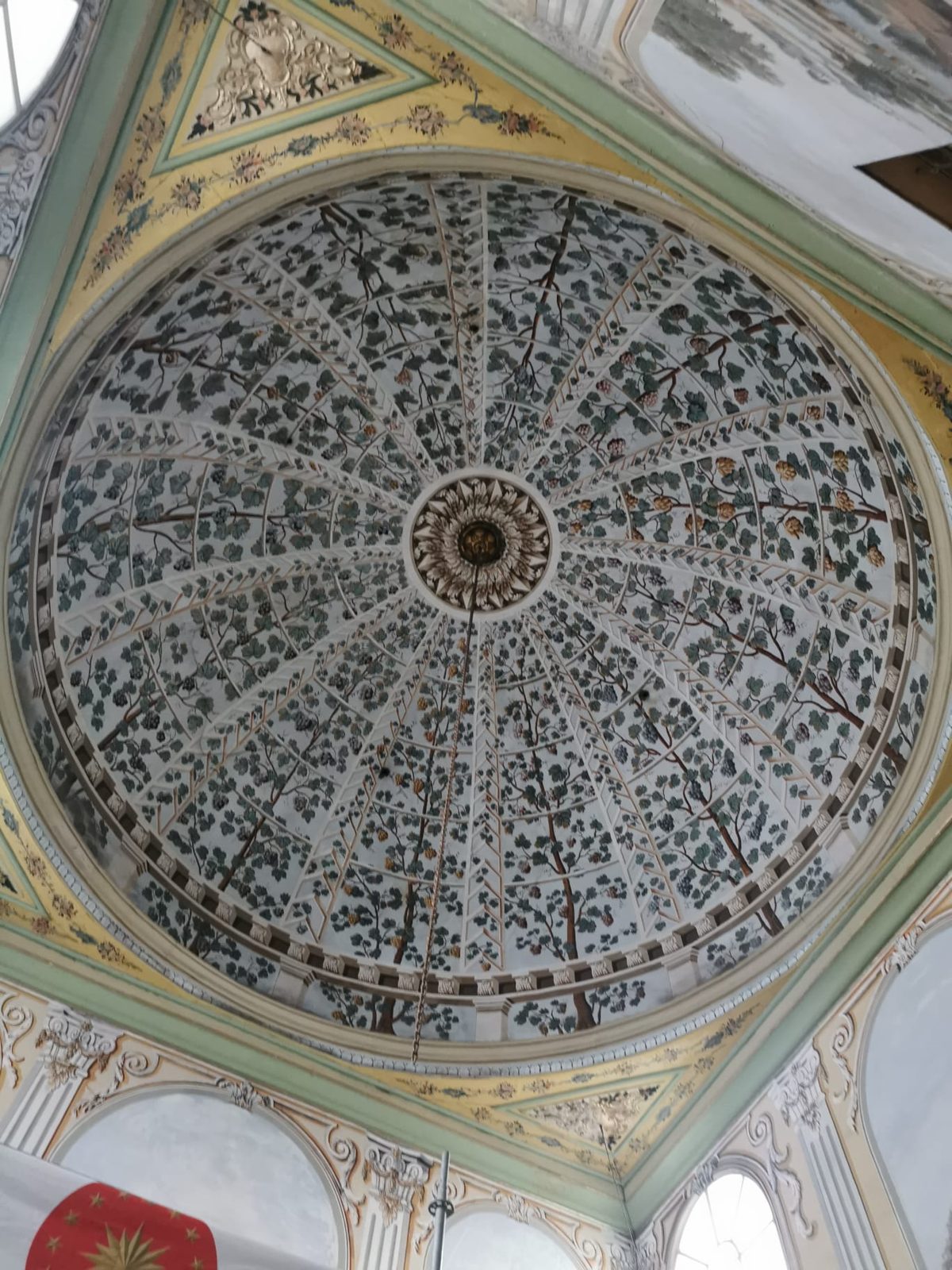
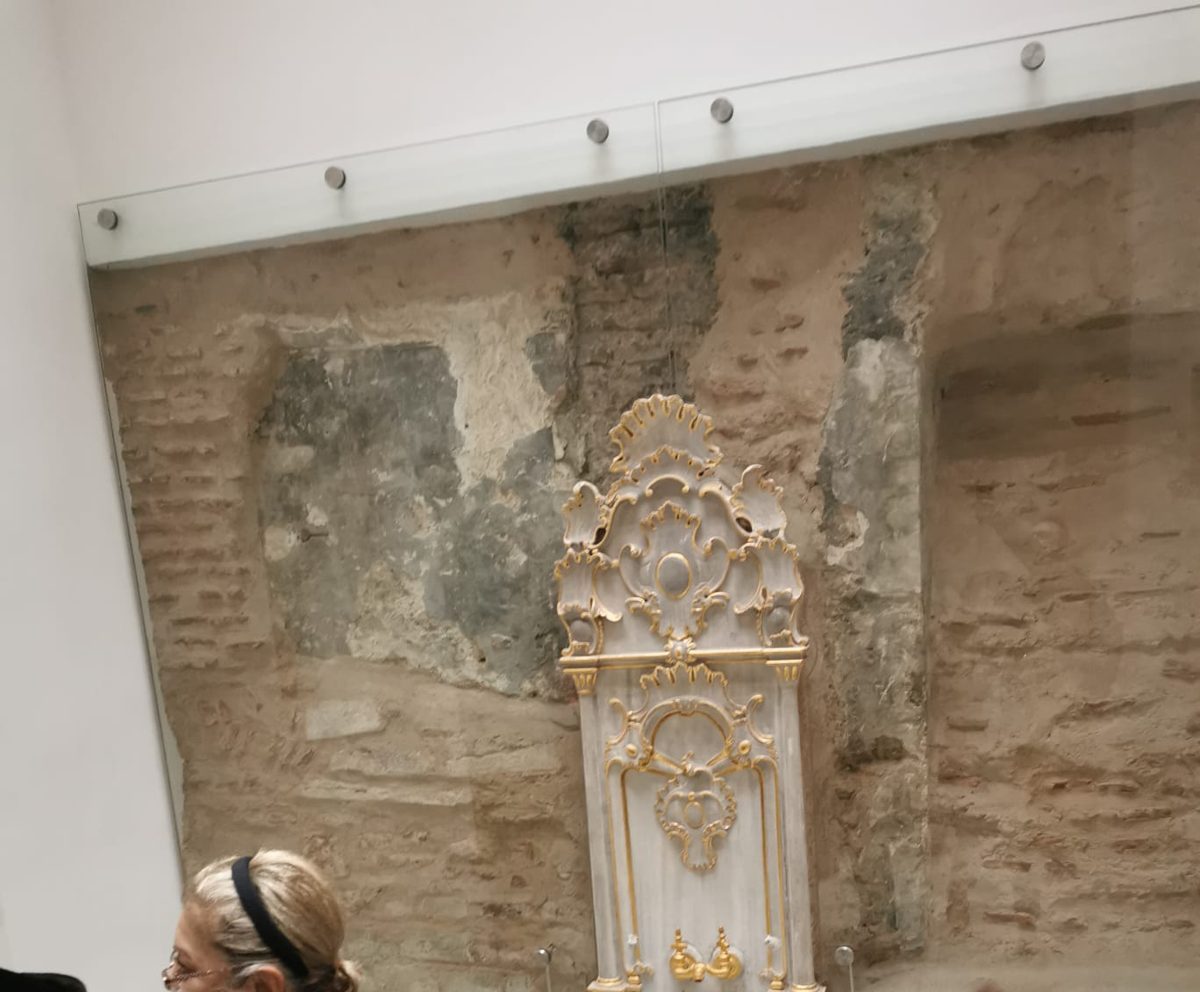
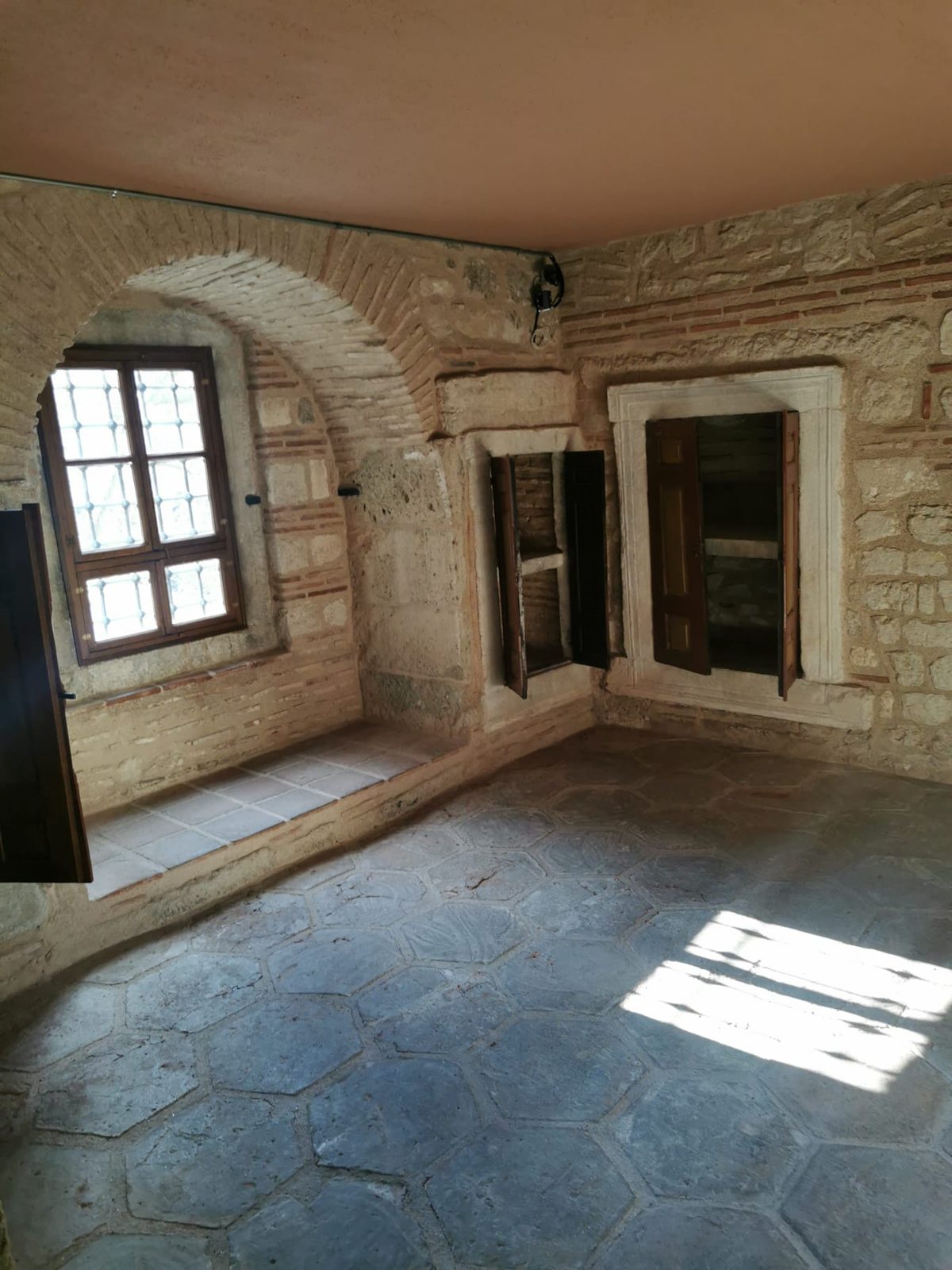
The surviving rooms look today like a sequence of beautiful ceramics, wooden ceilings and fountains. In daily life, though, they were full of work. Clothes had to be washed, food distributed, children cared for, rooms cleaned, and duty rosters organized. People got sick, argued, waited, learned, and hoped for better positions.
This mundane layer is exactly what's often missing from romantic depictions. A palace is never just the sum of its most beautiful rooms. It functions because hundreds of people perform invisible work every day. The harem was no exception.
What to look at deliberately during a tour
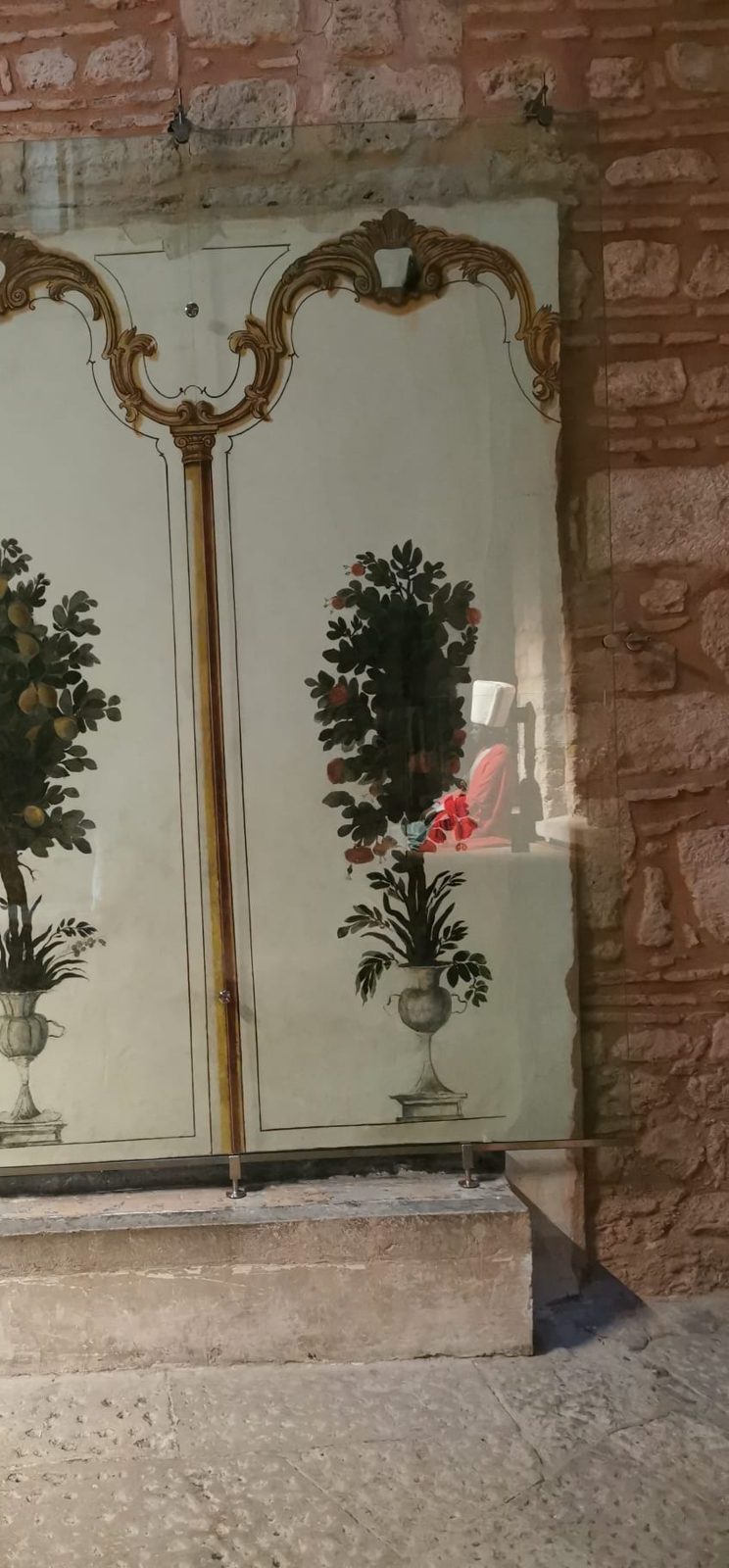
Don't just pay attention to the most splendid room, but to transitions. Doors, corridors and courtyards show how access was controlled. The Valide Sultan's rooms aren't by accident in a particularly significant position. The eunuchs' areas sit at crucial junctions. Even fountains and small passageways tell of daily life and security.
Looking at the harem this way shifts your perspective. Instead of asking "where did which famous woman sleep?" you suddenly ask: who was allowed this far in? Who had to wait? Who controlled this door? That's exactly where the political architecture lies.
My take on this place
What bothers me most about the harem is how quickly real people get turned into fantasy. Women lived there with hopes, fears, ambition, children and very real dependencies. Some could become unbelievably powerful. Others had far less control over their own lives.
If you just look at pretty tiles and think, "ah, this is where the sultan kept his women," you've barely understood anything. It's precisely in these rooms that you see power doesn't only happen in the throne room. It also arises through proximity, family, information, and the question of who is even allowed through which door.
– Amra