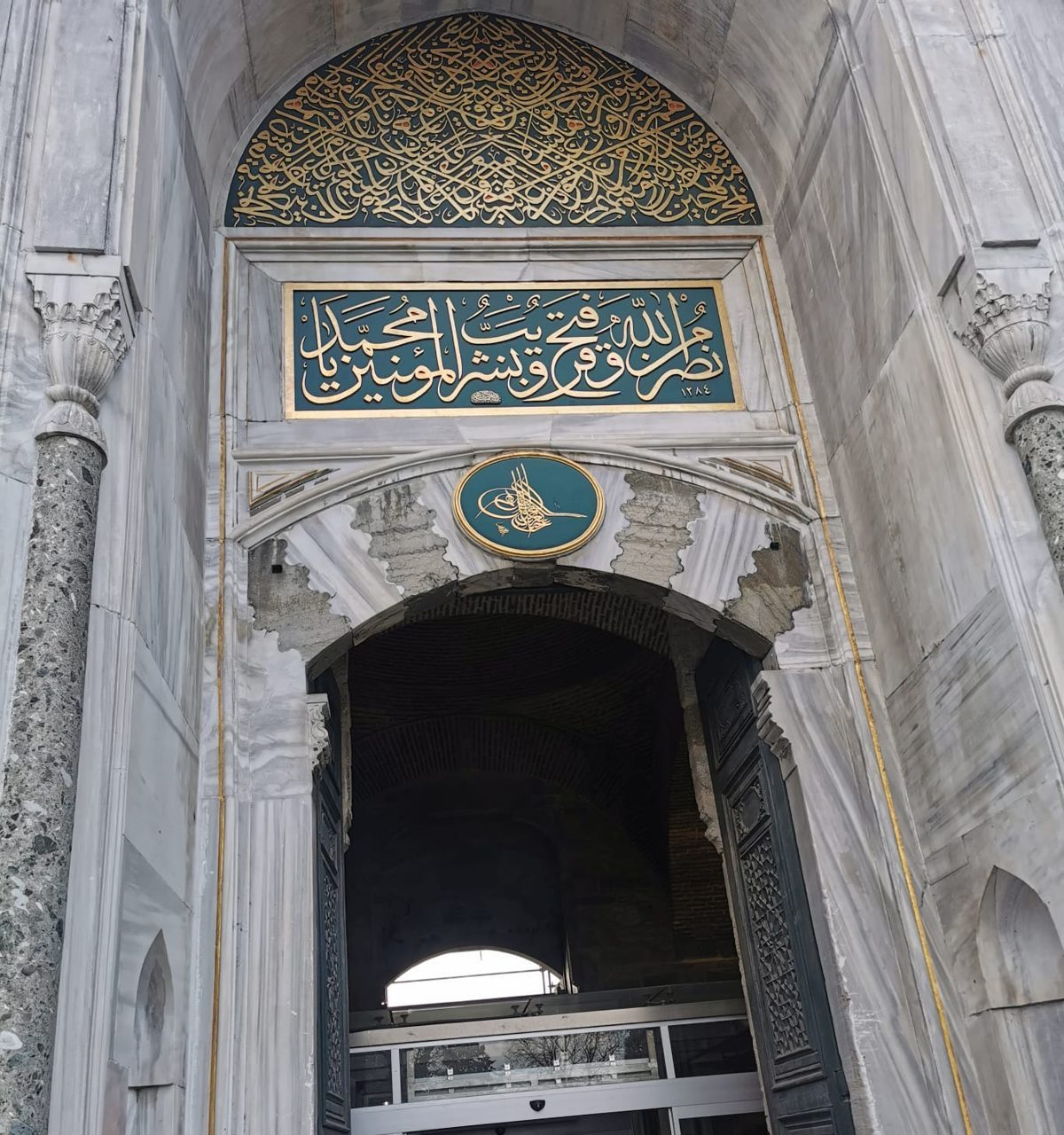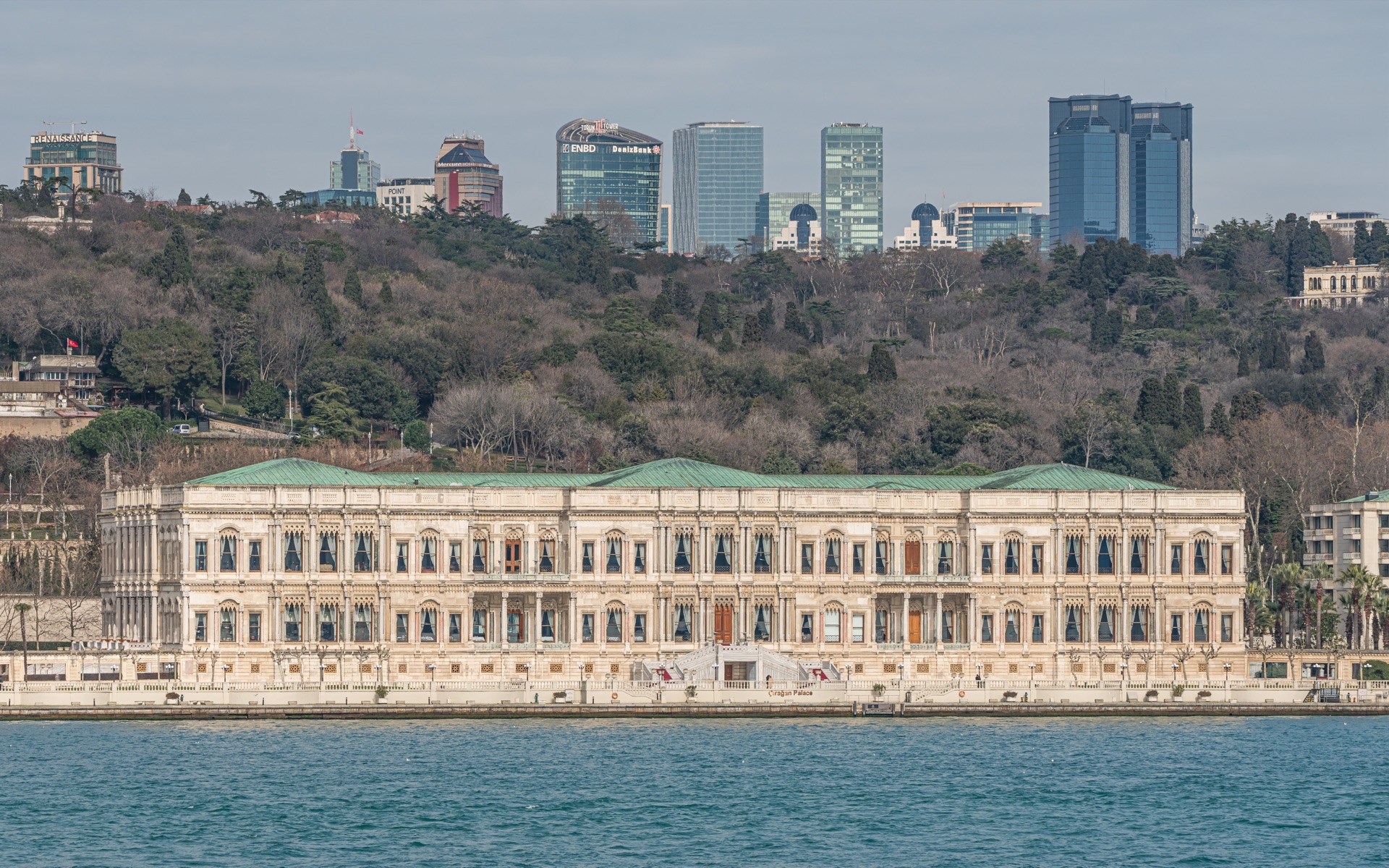

Dolmabahçe is pretty good at stopping you from thinking straight. You walk in. Stairs. Crystal. Gold. Carpets. Halls. More gold. And then you walk back out mainly knowing: it was expensive. But the interesting part only begins with the question: why?
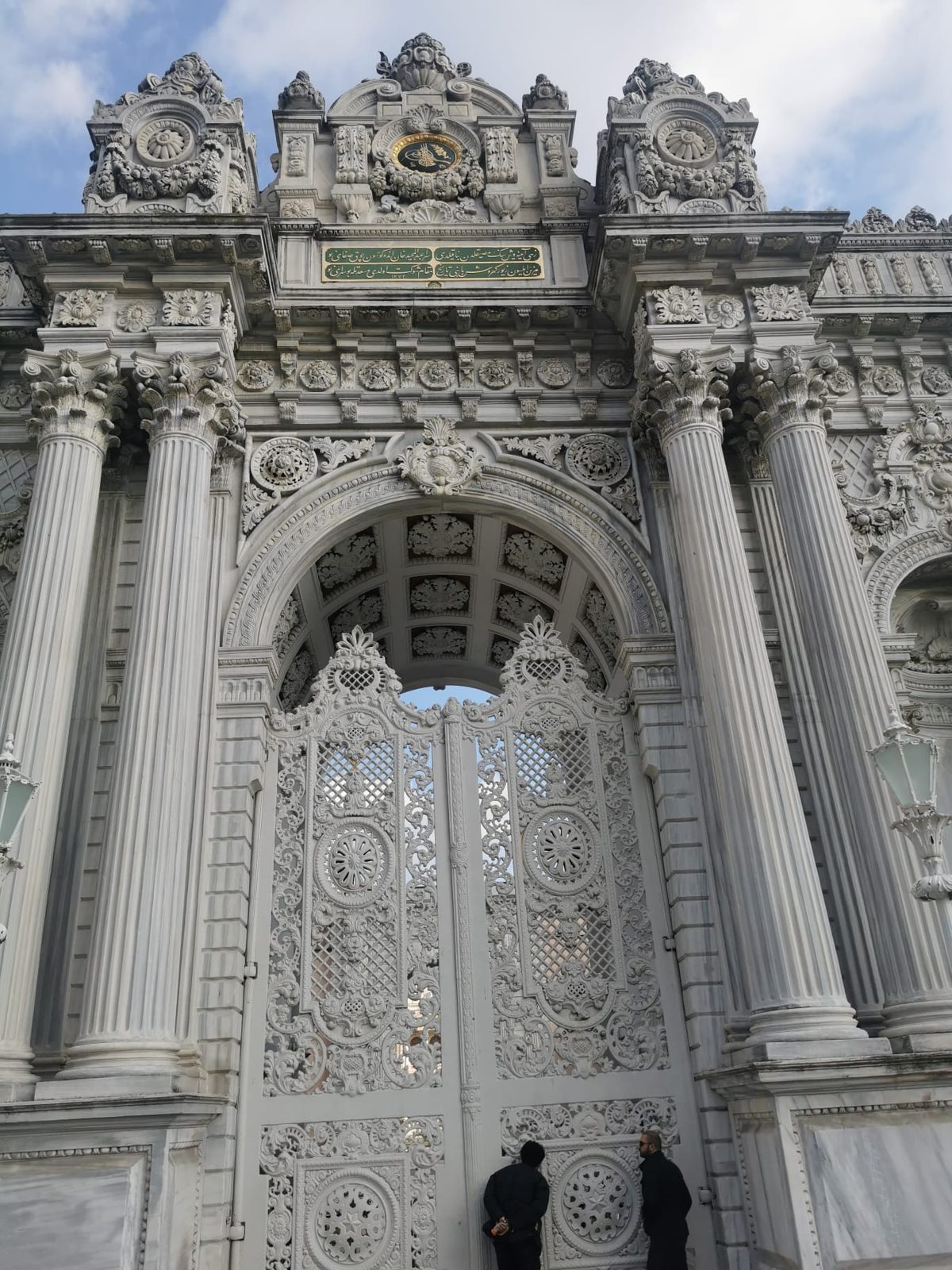
Dolmabahçe is gold, crystal, huge halls, and a Bosphorus view. But that's exactly where its most fascinating story lies: why did an empire ruled from Topkapı for centuries suddenly need a European palace?
The official palace administration dates construction to 1843 and its opening to 1856. The new building replaced the older Beşiktaş waterfront palace; among others, Karabet Balyan, Nikoğos Balyan, and further architects were involved in the project.
- The site was originally partly a bay.
- Landfill created the "filled garden" — Dolmabahçe.
- Sultan Abdülmecid I had today's palace built.
- Construction began in 1843; it was in use from 1856.
- The palace combined Western styles with Ottoman court organisation.
- The Balyan family was substantially involved in its construction.
- In 1856, the main residence shifted from Topkapı to Dolmabahçe.
- Mustafa Kemal Atatürk died here on 10 November 1938.
- Mustafa Kemal Atatürk died here on 10 November 1938.
Dolmabahçe Really Does Mean "Filled Garden"
The name tells the story of the site. A bay originally sat at this stretch of the Bosphorus. Under the Ottoman Empire, the site was gradually filled in. That created an imperial garden area. Later, various pavilions and waterfront palaces were built there.
Before Dolmabahçe, the Beşiktaş Waterfront Palace Stood Here
Today's palace, then, didn't arise out of nothing. A group of older palace buildings already stood on the site. Under Abdülmecid, these were torn down, or replaced.
Why Was Topkapı Suddenly Not Enough Anymore?
Topkapı had been the centre of the dynasty for four centuries. But in the 19th century, the world changed. European diplomacy grew enormously in importance. Ambassadors were received in great, representative halls. Monarchies staged themselves with palaces, balls, and court ceremonies. At the same time, the Ottoman Empire was in an intense phase of reform.
The Tanzimat
In 1839, an era of state reforms began with the Tanzimat. Administration. Military. Law. Education. Diplomacy. Many areas were meant to be modernised. Architecturally, Dolmabahçe belongs precisely to this world.
The Palace as a Message
Topkapı said: tradition, seclusion, courtyards, pavilions. Dolmabahçe said: a great facade, a monumental staircase, European salons, representative reception rooms. That wasn't just taste. It was political communication.
The Balyans
The Armenian-Ottoman family of architects, the Balyans, strongly shaped 19th-century Istanbul. Karabet Balyan and Nikoğos Balyan were substantially involved in Dolmabahçe; official records also name Ohannes Serveryan and James William Smith in the building process.
What Style Is This Even?
Baroque. Rococo. Neoclassicism. Ottoman spatial organisation. Dolmabahçe is no clean copy of a French palace. It combines various influences. The official palace publication explicitly describes it as a synthesis of Baroque, Rococo, Neoclassicism, and traditional Ottoman architecture.
Selamlık and Harem
Even though the building looks European, the organisation of the court remained Ottoman in important respects. There were representative state areas and private residential quarters. The harem remained part of the palace's organisation.
The Muayede Hall
The huge ceremonial hall is one of the building's most spectacular sections. Important court ceremonies were held here. The room was built to leave an impression.
And the Famous 14 Tons of Gold?
Another number you see everywhere. Fourteen tons of gold are said to have been used to gild the ceilings. Such spectacular figures are often copied from one another online. Without a solid primary source, I wouldn't sell this as established fact. Dolmabahçe is obviously luxurious enough even without this number.
The palace has fixed visiting hours and queues are not unusual. If you want to save time, you can secure a ticket with an audio guide in advance.
Where Did the Money Come From?
Now it gets interesting. In the 19th century, the Ottoman Empire found itself under growing financial pressure. From 1854, the state took on foreign loans on a larger scale. In 1875, debt servicing was effectively suspended, or restricted. In 1881, the Ottoman Public Debt Administration followed.
Did Dolmabahçe Ruin the Ottoman Empire?
No. That would be far too simple. Military spending. Wars. The tax system. International economic dependencies. Debt. Administrative problems. All of that was considerably more complex. But: an extremely costly palace of representation naturally stands out especially in this financial situation.
Six Sultans and One Caliph
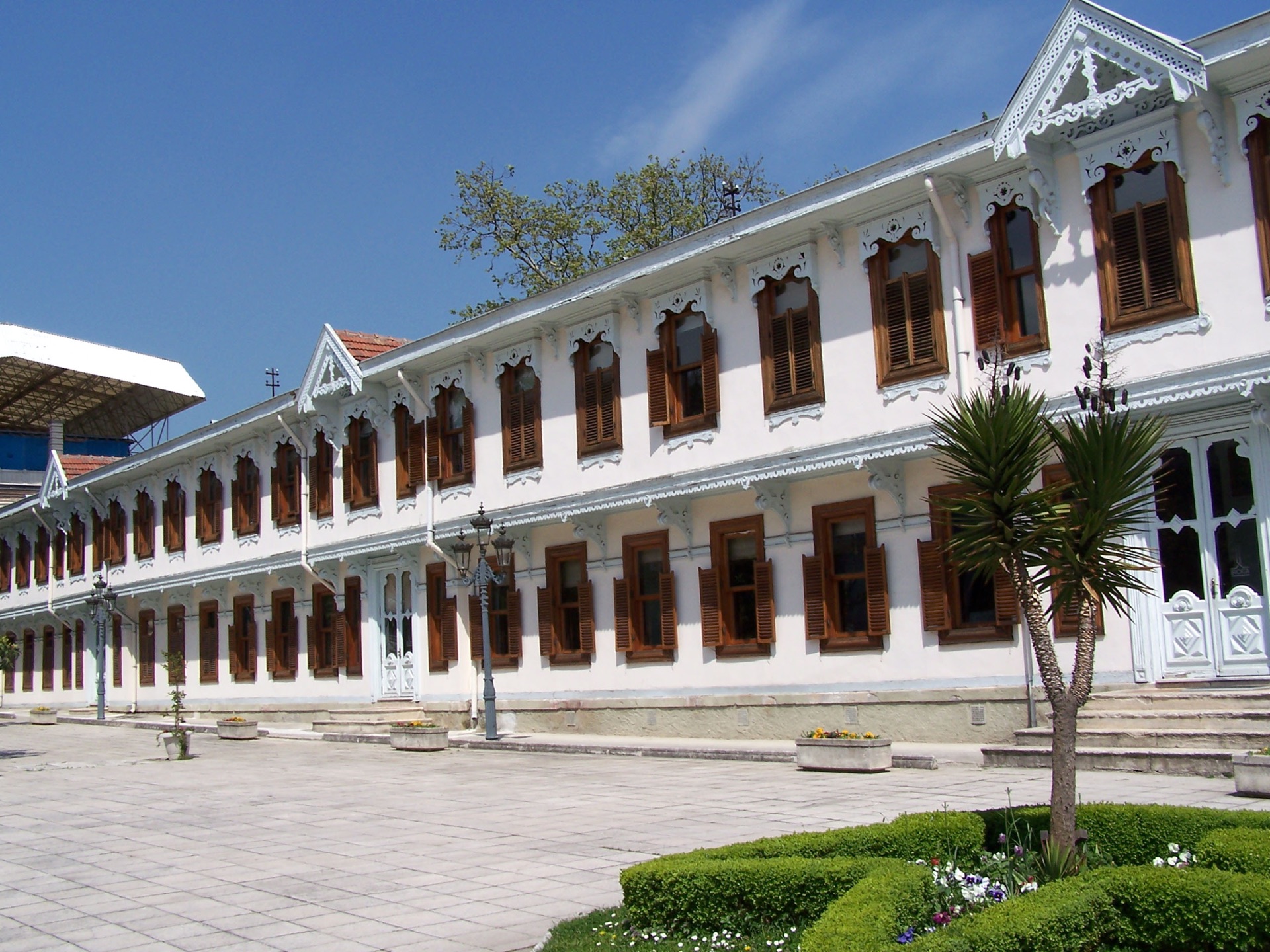
From 1856, Dolmabahçe was used by several Ottoman rulers. Not everyone lived there permanently. Abdülhamid II later preferred Yıldız. But Dolmabahçe remained a central site of state and dynasty.
After the Sultanate Comes Atatürk
After the founding of the Republic, the palace continued to be used for state purposes. Mustafa Kemal Atatürk stayed there regularly during his time in Istanbul.
Room 71
Atatürk died at 9:05 a.m. on 10 November 1938 in Dolmabahçe Palace. His death room is today one of the museum's most emotionally significant areas. The official palace history confirms his death in the palace in 1938.
What's Original Today, and What's Been Restored
Dolmabahçe has been maintained, restored, and preserved as a museum over the decades. Many pieces of furniture, carpets, chandeliers, and fittings genuinely belong to the historical palace inventory.
At the same time, fabrics, surfaces, roofs, and technical systems have been restored again and again. A palace standing right on the Bosphorus, receiving hundreds of thousands of visitors, can't survive without ongoing conservation.
"Original" here therefore doesn't mean "untouched since 1856," but historically authentic substance that has been protected and repaired again and again.
The Crystal Staircase and the Staging of Arrival
One of the most famous pieces of interior architecture is the Crystal Staircase. It connects several representative rooms and combines crystal, brass, and elaborate spatial staging.
Such staircases were more than a way to get around. Whoever received a state guest controlled the impression that guest received upon entering the palace. Moving through the building became part of diplomacy.
Dolmabahçe was therefore meant to impress before any political conversation had even begun.
Hereke Carpets and Ottoman Luxury Production
Not everything in the palace was imported from Europe. The famous Hereke manufactories produced high-quality carpets and textiles for the court.
This furnishing shows that Dolmabahçe didn't simply place European objects inside an Ottoman building. Rather, the court combined imported luxury goods with its own highly developed production.
It's exactly this mix that makes the interior interesting, because it makes the cultural hybridity of the 19th century visible.
The Ceremonial Hall: Architecture as a Political Stage
The Muayede Hall is one of the rooms where the palace's political purpose shows most clearly. Its enormous height, central dome, and giant chandelier were meant not just to look beautiful, but to physically impress a visitor. Anyone standing there was meant to feel the court's power and ambition directly.
Such rooms were intended for religious holidays, state ceremonies, and receptions. They weren't used daily like a living room. Precisely because of that, furnishing and scale could be pushed to the maximum for representation.
The hall is therefore a good example of how architecture takes over political communication without anyone having to give a speech.
Dolmabahçe and the Tanzimat Reforms
The palace arose at a time when the Ottoman Empire was trying to comprehensively reform administration and law. The Tanzimat edicts promised new forms of legal certainty and greater equality among different groups of subjects, even though practical implementation remained contradictory.
Dolmabahçe therefore belongs to an era in which the state wanted, at once, to modernise and to preserve its dynastic power. The palace wasn't a reform law made of stone, but it fit perfectly with the wish to appear internationally as a modern state.
It's exactly this contradiction that makes it fascinating: modern forms, an old dynasty, new diplomacy, and, at the same time, growing financial dependency.
Dolmabahçe Belongs to the World of the Tanzimat Reforms
The palace arose in the middle of an era of profound reform. The Ottoman government tried to reorganise administration, the military, law, and state structure, while European powers exerted ever-growing influence on the empire's politics. Court ceremony and diplomacy changed too. A sultan receiving international ambassadors had to hold his own in a world of states where architecture sent political messages.
Dolmabahçe was therefore not merely European fashion. The palace was meant to show that the Ottoman dynasty was part of this modern international world. At the same time, rule naturally remained Ottoman and Islamic in character. It's exactly this mix that makes the building historically fascinating.
The Balyans Were One of Istanbul's Most Important Architectural Dynasties
Garabet Balyan and Nigoğayos Balyan are especially associated with its construction. Their Armenian-Ottoman family shaped numerous palaces, mosques, and state buildings along the Bosphorus. That contradicts the simplistic image of Ottoman architecture as exclusively the work of ethnically Turkish Muslim master builders.
Istanbul was a multi-ethnic capital, and the Balyans were among the most significant architects of the 19th century. Their buildings are, at once, Ottoman state architecture and the product of an Armenian-Ottoman family history.
The Crystal Staircase Was Meant to Impress Before the Actual Reception Began
The famous staircase in the Selamlık combines functional circulation with representation. Crystal, brass, large windows, and its curved form were meant to impress visitors already on their way to the most important rooms. In a palace, the path to the ruler is part of the message.
This is exactly where Dolmabahçe differs from Topkapı. There, an envoy experienced courtyards and gates; here, he moved through a European-style interior. Both systems staged power — just in a different language.
The Muayede Hall Turns Scale Into a Political Tool
The great ceremonial hall was intended for religious holidays and official state occasions. Its dome, enormous floor area, and gigantic chandelier make people inside look visually small. In monumental architecture, that's rarely an accident.
Anyone standing there shouldn't just wonder how heavy the chandelier is. Far more interesting is the effect such a room was meant to have on a 19th-century diplomat, senior official, or foreign guest: the state was meant to appear larger than any individual.
The Famous 14 Tons of Gold Need Context
Guidebooks often cite enormous quantities of gold said to have been used on the palace's ceilings. Such numbers sound spectacular, but are often repeated without explanation. What's meant is gilding, or gold leaf, worked extremely thin. Large surfaces can therefore be covered with comparatively little material, even as the total figure for a huge palace still sounds impressive.
More important than any one headline number is this: Dolmabahçe was deliberately luxurious. Gilded surfaces, crystal, silk fabrics, Hereke carpets, precious stones, and European furniture made the building expensive. This spending fell in a period when the Ottoman state was increasingly taking on international loans.
Did Dolmabahçe Bankrupt the Empire?
No. That would be a comfortable, but false, simplification. The debt crisis of the 1870s had numerous causes: decades of borrowing, wars, infrastructure costs, tax problems, international financial conditions, and structural economic weaknesses. Court spending played a role, but it wasn't the one reason.
Dolmabahçe can be read as a symbol of a costly policy of modernisation and representation. It doesn't, however, replace a serious explanation of Ottoman state finances.
Abdülaziz, Murad V, and Abdülhamid II Changed How It Was Used
After Abdülmecid's death, later sultans used the palace too. Abdülaziz lived here at times before being deposed in 1876. Murad V succeeded him, ruled for only 93 days, and was then deposed as well. Abdülhamid II later preferred the more secluded Yıldız Palace.
Dolmabahçe thus remained important, but was no longer continuously the sole centre of the court. Its changing use reflects the political instability of the last Ottoman decades.
Atatürk Wasn't Here Only to Die
Atatürk used Dolmabahçe during his stays in Istanbul as a place of work and representation. That today it's mainly remembered for his death room narrows this longer republican-era use. The former sultan's palace wasn't simply avoided under the Republic, but repurposed.
His death at 9:05 a.m. on 10 November 1938 turned a single room into a national site of memory. Historically, though, it's worth remembering that he worked there beforehand, received guests, and conducted state affairs.
What's Original Today, and What's Staged for the Museum
Dolmabahçe holds enormous quantities of historical furnishing. At the same time, the building has been restored, technically adapted, and organised as a museum over the decades. A palace with millions of visitors can't operate with unchanged 1856-era building systems.
A historic piece of furniture, too, doesn't necessarily stand on exactly the same spot for 150 years. With palace museums, you have to distinguish between the original object, its historical spatial function, and today's presentation. This very distinction makes the visit more interesting, not less authentic.
Hereke Carpets Were a Prestige Product in Their Own Right
The huge carpets in Dolmabahçe don't simply come from just any bazaar. The Ottoman court manufactory at Hereke produced high-quality carpets and textiles for palaces and diplomatic gifts. Pattern, material, and size could be tailored specifically to individual rooms.
A great hall needed a carpet that didn't look like a piece of furniture dropped in at random. So some pieces were designed as part of the room's overall design. This, too, shows the palace's enormous logistics: architecture, furniture, textiles, and lighting all had to be planned together.
The Bosphorus Was the Real Main Facade
Anyone who views Dolmabahçe only from the street side misses the historical significance of the water. The Bosphorus was the central transport artery, and the palace was meant to look impressive from a ship. Its long facades and magnificent gates to the water were aimed at a city where the court and diplomats regularly travelled by boat.
Today, the famous waterfront gates feel almost like decorative picture frames. Historically, they were part of a transport world in which arriving by water was simply a given.
"Queen Victoria definitely gifted the famous great chandelier." The story is popular, but not clearly documented. Procurement records suggest the crystal fittings were, in part, purchased.
"Building Dolmabahçe alone ruined the Ottoman Empire." False. The palace was expensive, but the empire's financial crisis had far larger structural causes.
"Every clock in the palace has stood at 9:05 since 1938." No. The time is a powerful symbol of memory, but the blanket claim about every single clock is exaggerated.
My Thought on This Place
To me, Dolmabahçe feels beautiful and a little sad at the same time. Everywhere, you see the wish to show: we're modern, powerful, international, we can keep up with any European court.
Once you know the history, you also know that, at exactly this time, the empire was struggling with enormous political and financial problems. Behind all that crystal, then, lies not just luxury, but also a state's attempt to reinvent itself in a difficult era.
At some point, you walk through the room where Atatürk died, and suddenly the next great era of this building ends too, with a single human being in a bed.
Palaces make power feel enormous. Bedrooms make it human again.
– Amra