 Music · Travel · Lifestyle
The Golden Horn is one of the reasons Constantinople could become one of the most important cities of its time at all. The long natural harbour offered shelter from wind and waves, sat right on major trade routes, and could be controlled militarily with relative ease. Whoever held the Golden Horn didn't automatically control the whole city — but they gained access to one of its most important economic and strategic spaces.
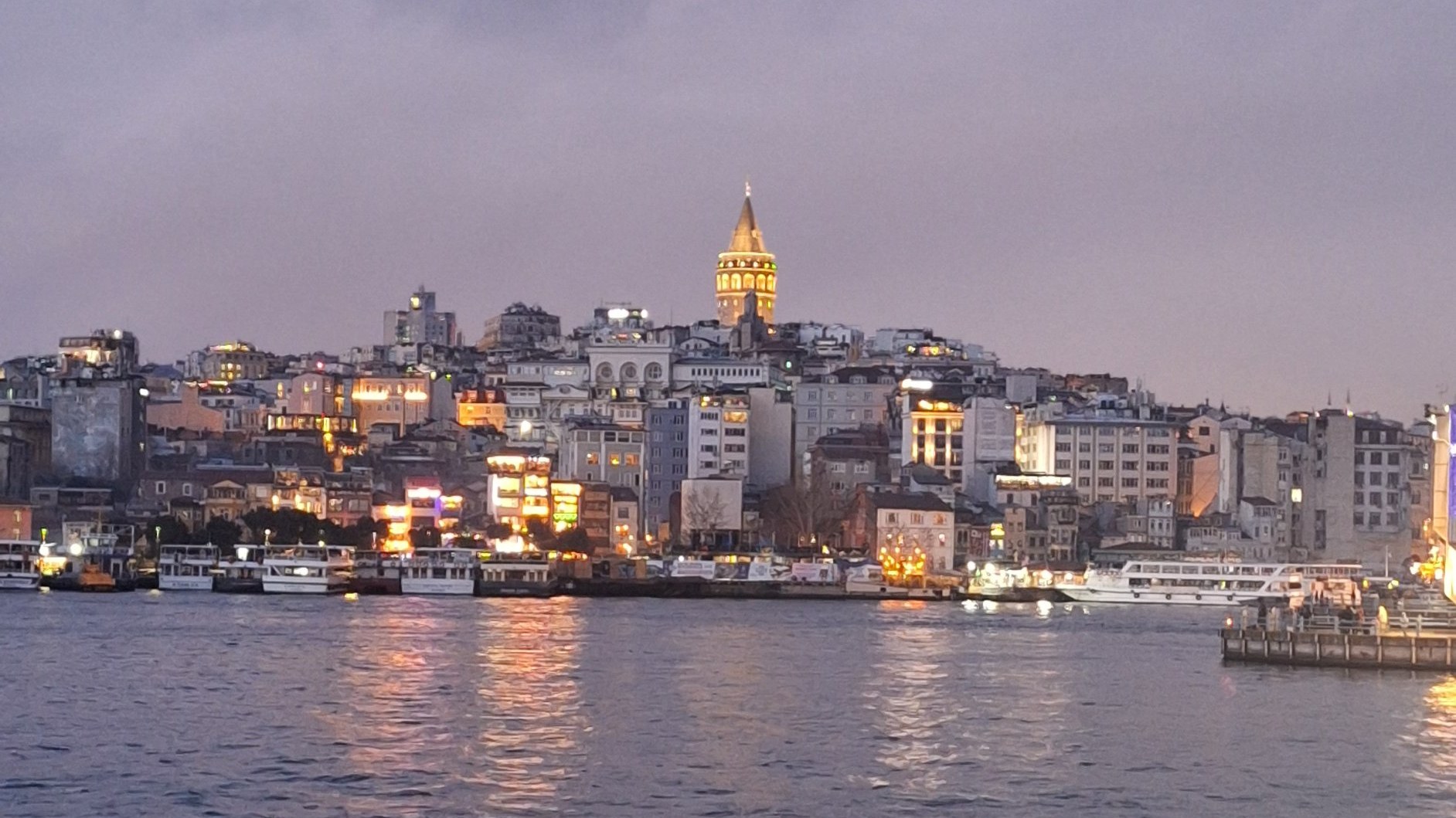
The Golden Horn is one of the reasons Constantinople could become one of the most important cities of its time at all. Especially famous is the heavy chain that could seal off access to the harbour.
Especially famous is the heavy chain that could seal off access to the harbour. This barrier mattered both during the attacks of the Fourth Crusade and during the Ottoman siege of 1453. But the chain was no magical, insurmountable fence. In 1203, crusaders attacked the defensive position at Galata and thereby forced open access to the harbour. In 1453, Mehmed II chose a different route and had ships hauled overland into the Golden Horn.
- The Golden Horn is a natural, sheltered harbour.
- A heavy chain could seal off access between Constantinople and Galata.
- In 1203, crusaders attacked the defences at Galata and got into the Golden Horn.
- In 1204, the great sack of Constantinople followed.
- In 1453, Mehmed II bypassed the harbour barrier by having ships hauled overland.
- In the 19th and 20th centuries, the area became heavily industrialised and polluted.
- Later clean-up projects considerably improved water quality and the shoreline.
- Today's Golden Horn is therefore, at once, a natural harbour, a historic battlefield, and a modern, redeveloped urban space.
Why This Natural Harbour Was So Valuable
Ships needed shelter from wind and current. The Golden Horn offered exactly that. Trading vessels could anchor relatively safely, goods were unloaded, shipyards operated, and fleets were housed. The harbour reached deep into the city, allowing direct connections to markets, warehouses, and workshops.
For Constantinople, that was an enormous advantage. The city controlled a point where the Bosphorus, the Black Sea, the Sea of Marmara, and Mediterranean trade all came together. The Golden Horn was, in a sense, the sheltered inner side of this transport zone.
It was therefore never just a pretty view. It was infrastructure, economy, and defence all at once.
The Famous Chain
The barrier chain is often depicted as if a single chain hung unchanged for centuries between two fixed points. In reality, such barrier systems were renewed and adapted depending on the era.
The principle was simple: large metal links, or chain elements, were supported on floating carriers and could make it difficult for ships to pass. What mattered wasn't just the metal itself, but the entire military security on both shores.
Whoever controlled the fortified position could compromise the barrier. That's exactly what happened in 1203.
1203: Crusaders Attack Galata
In the summer of 1203, the forces of the Fourth Crusade reached Constantinople. To break into the Golden Horn, they attacked the Byzantine defensive positions on the Galata side, where the harbour barrier was secured.
After taking this position, the chain could be overcome, or opened. Venetian ships entered the harbour and could now attack Constantinople's sea walls far more directly.
That was militarily decisive. Until then, the Golden Horn had been a protected space. With the loss of the Galata defences, that security was gone.
1204: The Sack of Constantinople
The political agreements of 1203 fell apart. In April 1204, the crusaders finally conquered the city and looted it for several days. Churches and palaces were plundered, artworks destroyed or carried off, relics taken to the West.
The Golden Horn was thus not merely the setting for a naval manoeuvre, but one of the military gateways to the catastrophe of 1204. From here, Venetian ships could operate directly into the inner harbour area.
The sack weakened the city profoundly, economically and culturally. Many objects Constantinople had gathered over centuries vanished into Western churches, treasuries, or furnaces.
1453: Mehmed's Ships Travel Overland
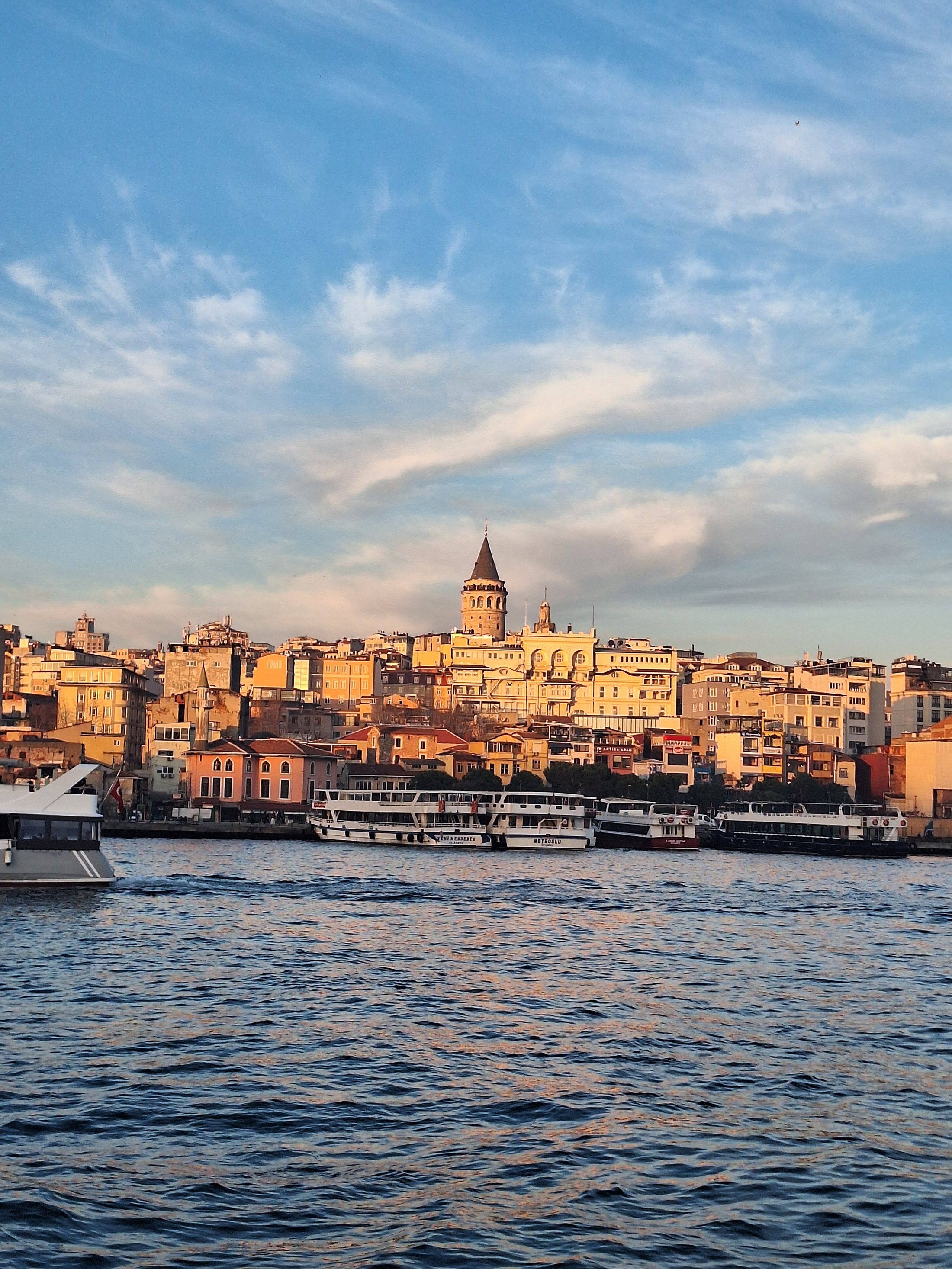
During the Ottoman siege of 1453, the Golden Horn was sealed off once again. Mehmed II wanted to bring his ships in regardless. Instead of breaking through the chain head-on by force, he had part of his fleet hauled overland along a prepared route from the Bosphorus side, behind Galata, into the Golden Horn.
The ships were transported over land on prepared tracks and greased ramps. Contemporary accounts describe the manoeuvre as surprising and psychologically devastating.
Militarily, it forced the defenders to now secure the walls facing the Golden Horn more heavily too. Mehmed didn't win the city immediately through this, but he shifted the balance of power and increased the pressure on the defenders.
Who Lived and Worked on the Golden Horn
Its shores were shaped over the centuries by different population groups. Greek, Jewish, Armenian, and Muslim communities lived and worked in various areas.
Fener and Balat still show traces of this history today. Synagogues, churches, and mosques sometimes sit astonishingly close together. Craftsmen, merchants, dockworkers, and fishermen shaped everyday life on the Horn.
The idea of a romantic, homogeneous "old Istanbul" falls short here. The Golden Horn was always a working space and a living space with very different communities.
Industrialisation and Massive Pollution
In the 19th and especially the 20th century, factories, workshops, and industrial facilities settled along the Golden Horn. Wastewater flowed into the water, the shores were built up, and water quality deteriorated dramatically.
Older Istanbullus remember a strong smell and heavily polluted water. The harbour remained economically important, but it was ecologically under severe strain.
Today's image of restored shores shouldn't obscure the fact that, just a few decades ago, the Golden Horn was perceived completely differently.
How the Golden Horn Was Cleaned Up
From the late 20th century on, numerous industrial facilities were removed or relocated. Mud was dredged, wastewater projects implemented, and shoreline areas redesigned.
These measures improved water quality and made many areas attractive again for leisure and tourism. At the same time, historical industrial and residential structures were lost in the process.
Urban renewal almost never means simply "everything got better." It solves problems while, at the same time, creating new ruptures in a city's history.
Shipyards, Trade, and the Everyday Golden Horn
The Golden Horn wasn't just a strategic harbour, but for centuries a working space too. Shipyards, warehouses, small landing stages, and markets lined the shores. Ships were built and repaired, goods transshipped, food delivered, and people ferried across.
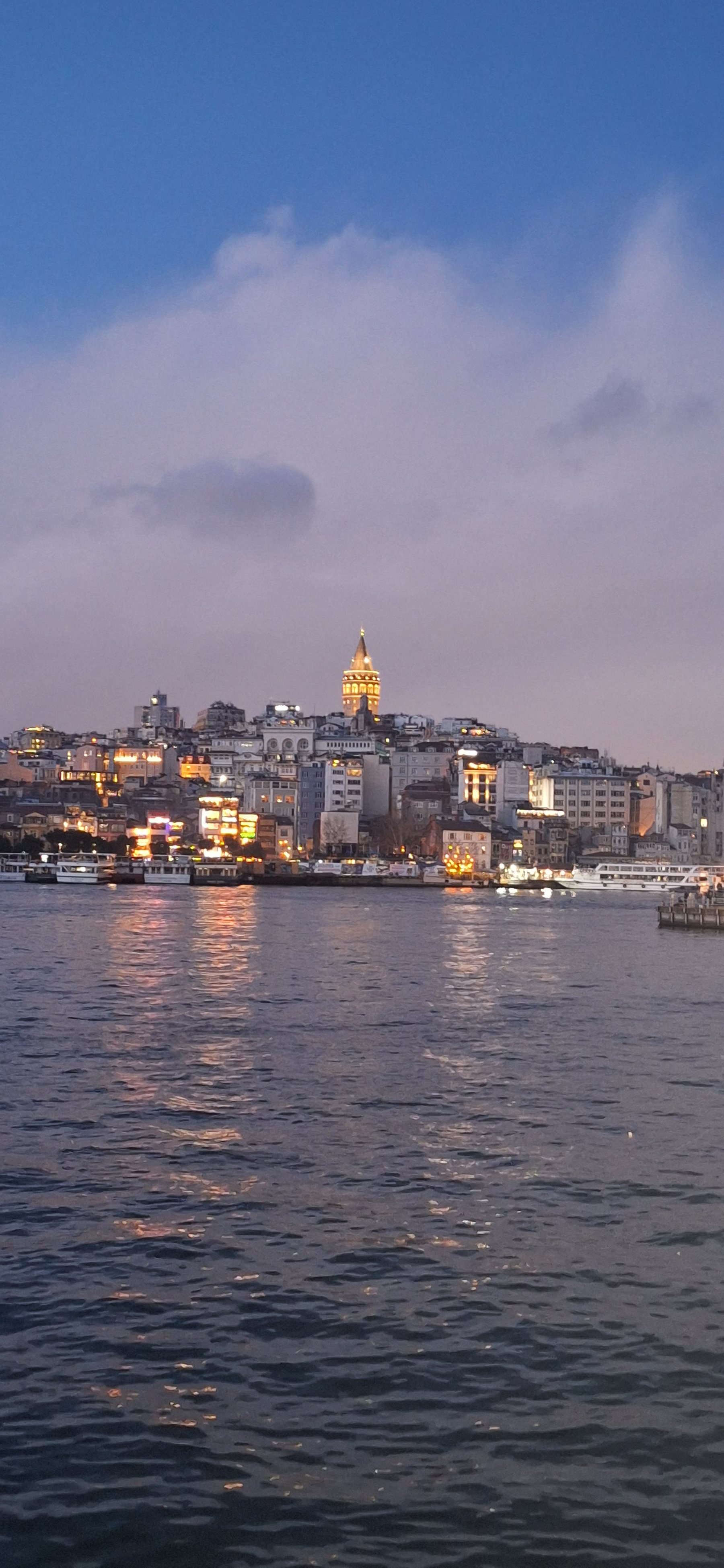
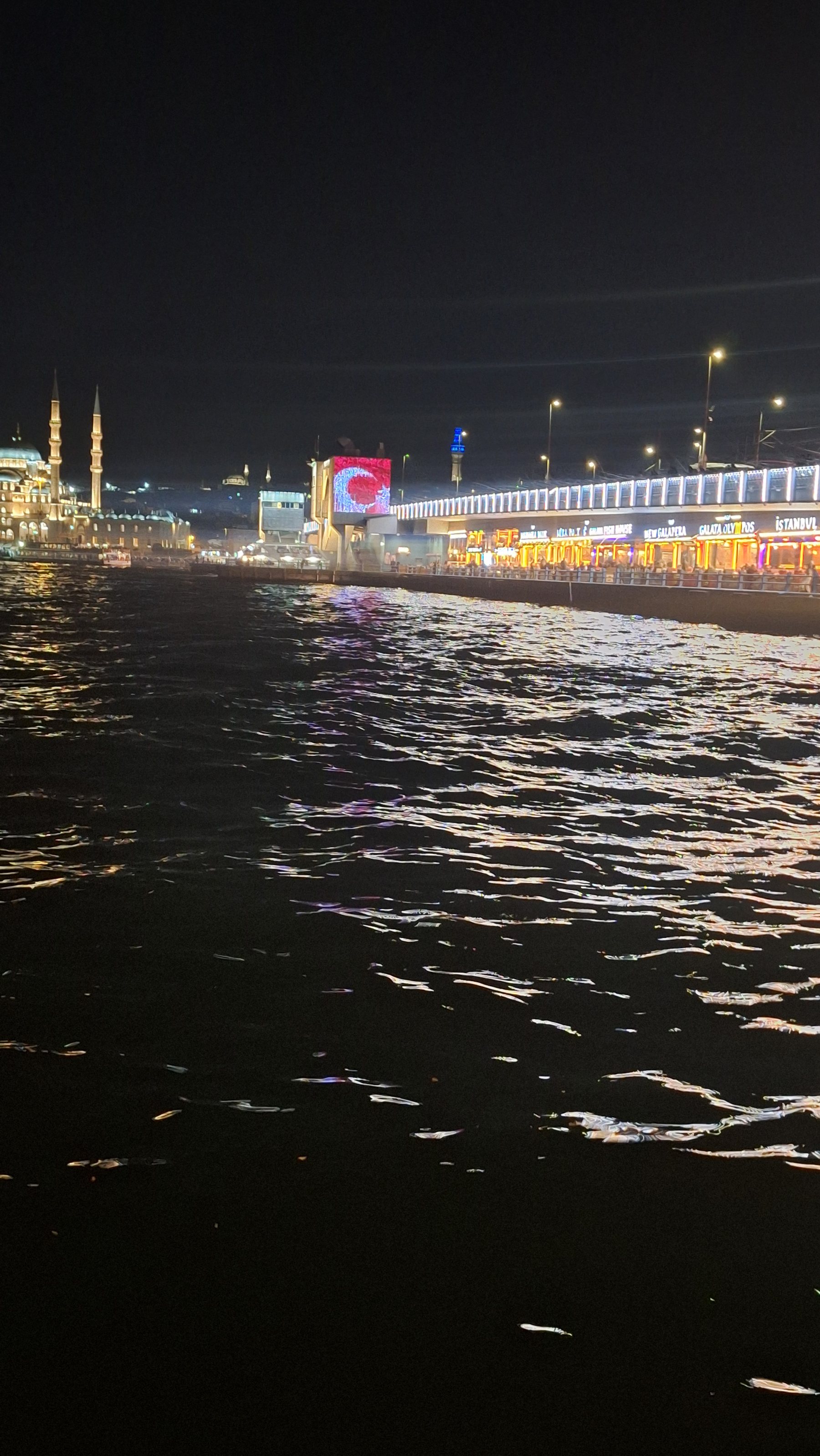
The Ottoman Tersane system, in particular, turned parts of the Horn into a significant centre of maritime production. Proximity to the capital eased supply and control, while entire neighbourhoods arose whose everyday life depended directly on the harbour.
This practical background matters, because the Golden Horn often appears in historical images only as a picturesque body of water. For most people who worked here, though, it was above all a workplace.
Why the Shores Feel So Different Today
The two sides of the Golden Horn didn't develop identically. On the historic peninsula, different political and religious institutions dominated than in Galata, Fener, or Balat. In the 19th and 20th centuries, industry and new transport infrastructure were added.
That's why the character of the shoreline changes so much within just a few kilometres. Some stretches feel restored and touristy, others considerably more everyday.
These very differences show that the Golden Horn isn't a single district, but an entire urban landscape.
Bridges Changed the Golden Horn
With the construction of modern bridges, the relationship between the two shores changed. The Galata Bridge made the direct crossing between Eminönü and Galata easier; later bridges opened up areas further inland. As a result, the Golden Horn was increasingly seen not just as a waterway, but as a space that road traffic had to cross.
Every new bridge brought practical benefits, but at the same time changed sightlines, shipping traffic, and shoreline landscapes. Especially large modern projects show how difficult it is to reconcile traffic and heritage protection in such a historically dense area.
What You Understand Better From the Water
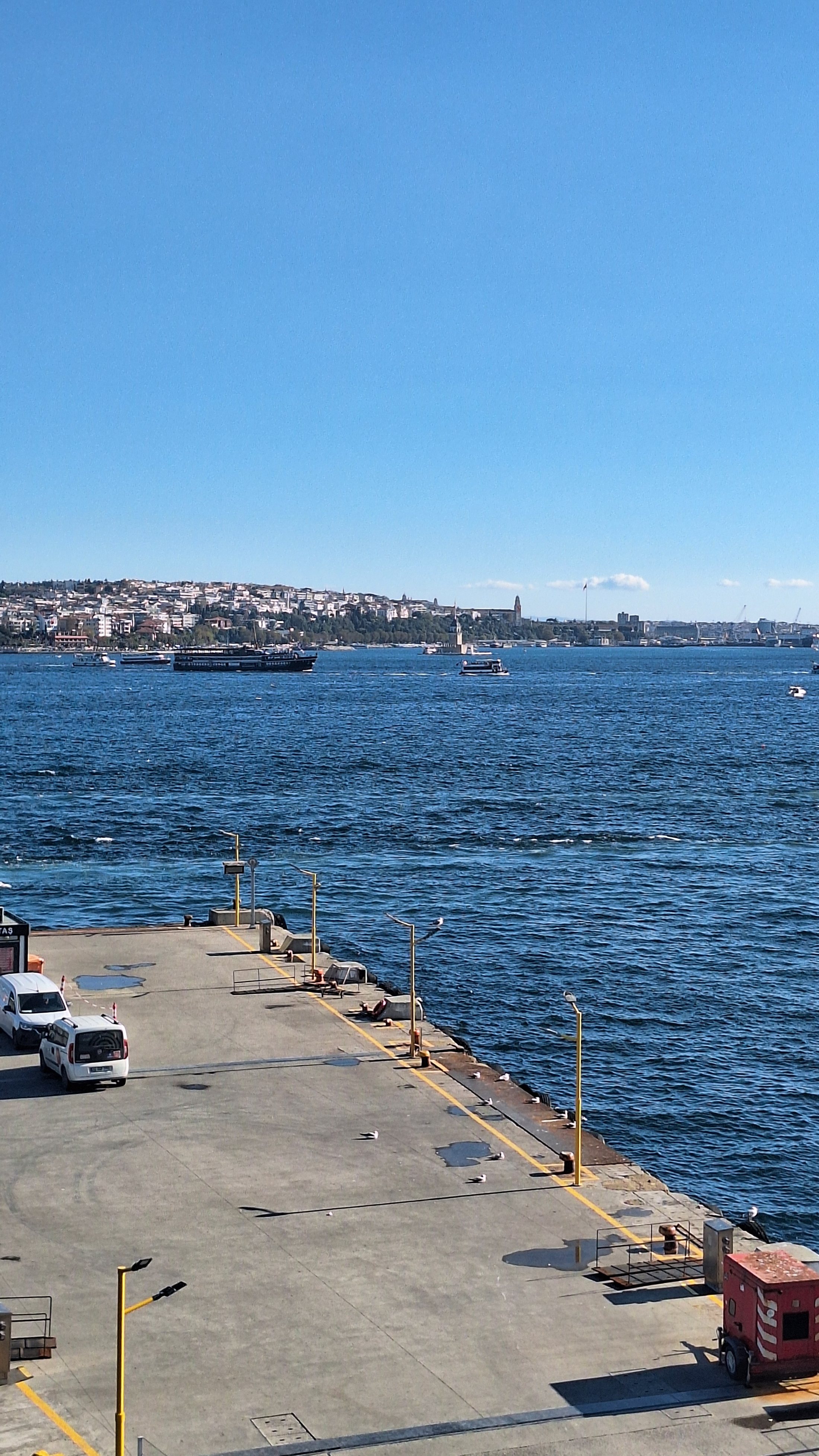
From the shore, you only ever see one slice at a time. From a ferry, by contrast, you can see how the hills on both sides respond to each other, where Galata rises, and how the historic peninsula bounds the Horn. Its strategic significance, too, becomes far clearer from the water.
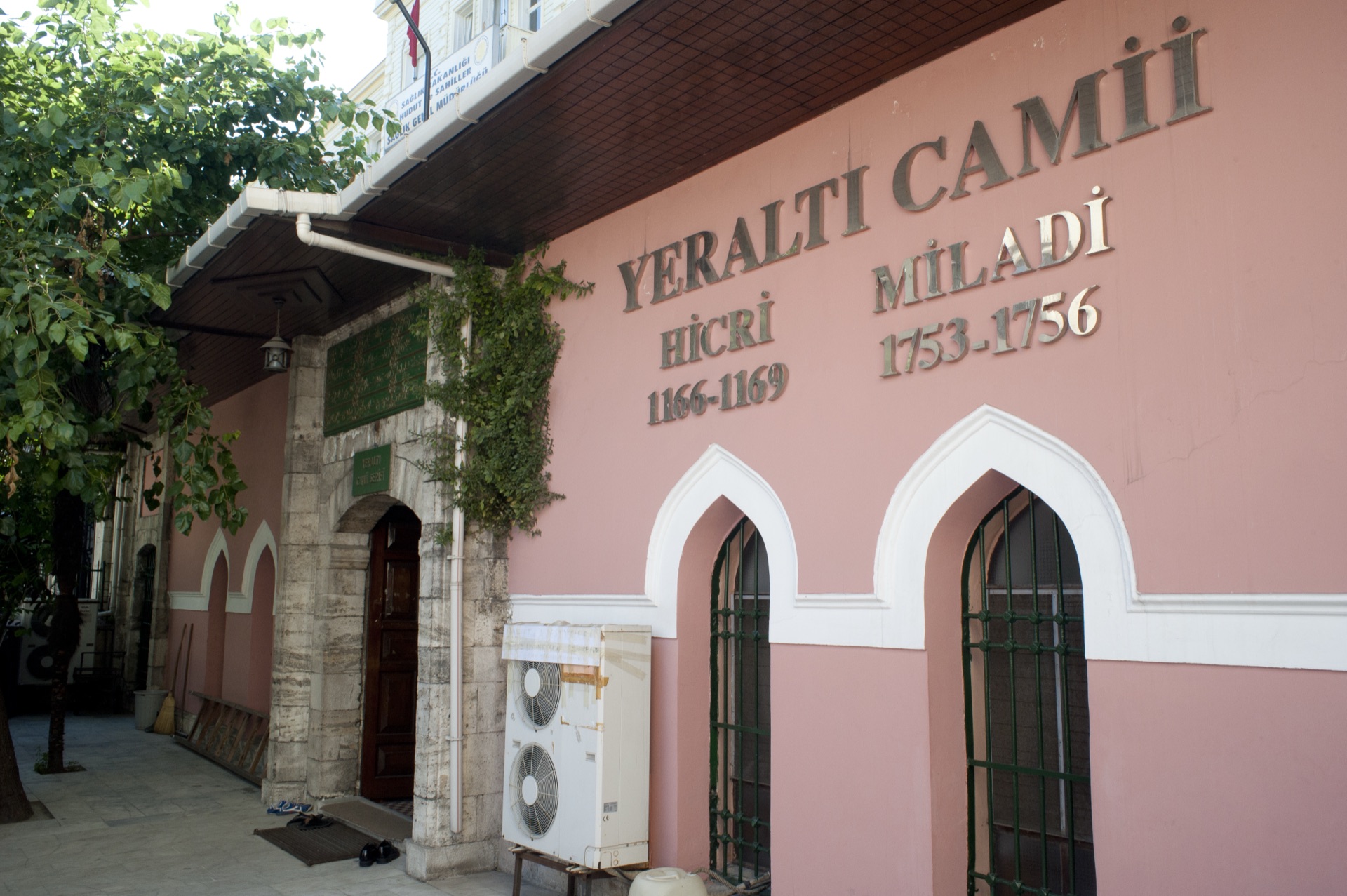
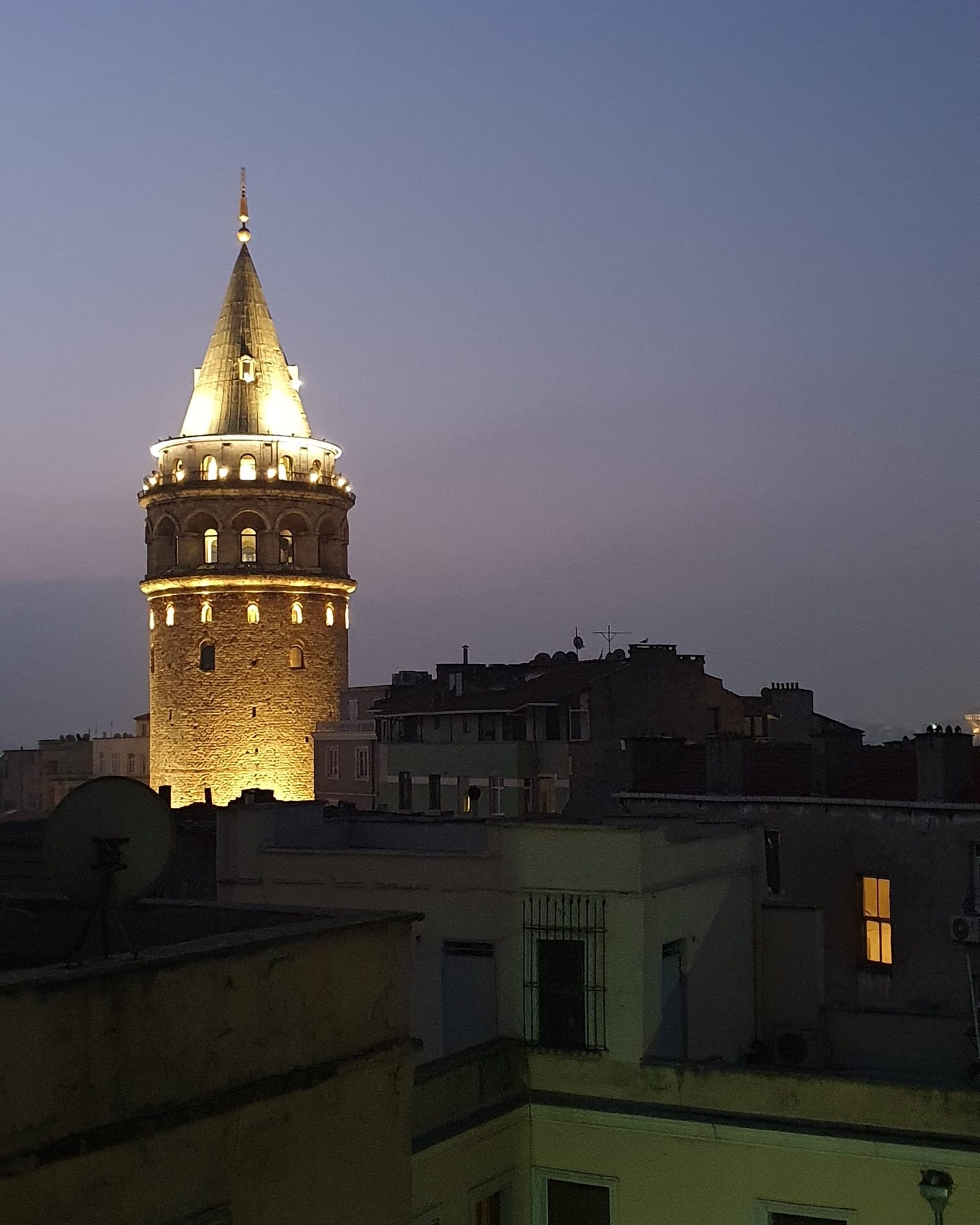
Anyone familiar with the articles on the Galata Bridge, the Yeraltı Camii, and the Galata Tower can place many of these sites at once. That's exactly when individual sights start turning into one coherent cityscape.
The Chain Was Only Part of the Defence
The harbour chain is sometimes treated like a medieval wonder weapon. In reality, it only worked together with walls, towers, and ships. Its endpoints had to be protected, and the Byzantine fleet had to support the barrier. If an attacker captured a securing point, the chain could lose its effect.
That's exactly what the crusaders understood in 1203. They didn't fight for hours in the middle of the water against metal links; they attacked the Galata side that secured the whole system. After taking the fortification there, Venetian ships could get into the Golden Horn.
Mehmed's Ships Were Also Psychological Warfare
In 1453, transporting Ottoman ships overland wasn't only tactically effective. The defenders suddenly had to secure shoreline areas they'd considered relatively safe. Troops had to be redeployed, and the effect on morale was considerable.
The number of ships transported and the exact route differ from source to source. The basic event, however, is well documented. Mehmed showed that a physical barrier isn't enough if your opponent is willing to solve the problem in a completely different way.
The Imperial Shipyard Turned the Horn Into an Industrial Zone
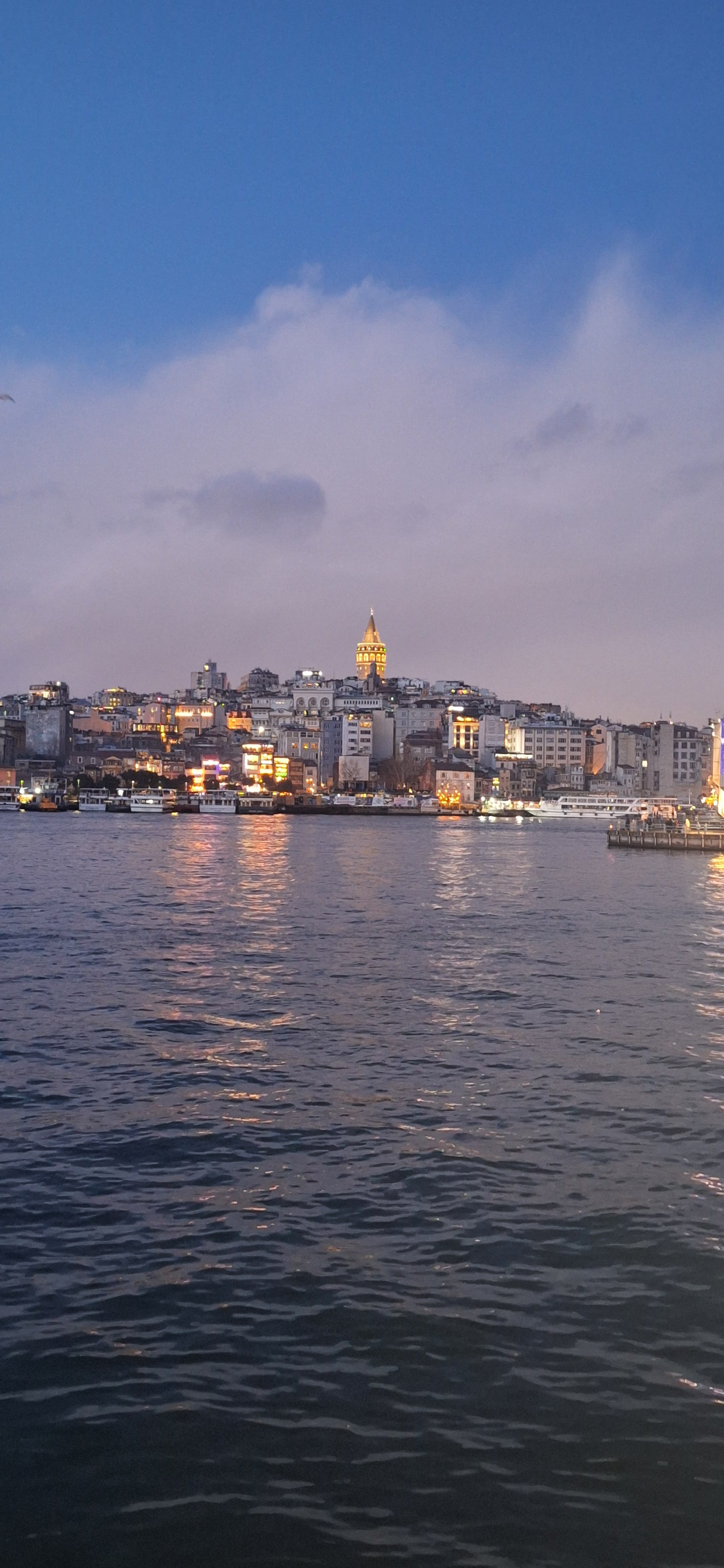
After 1453, the Tersane-i Amire developed into one of the empire's most important naval complexes. Ships were built, repaired, and equipped there. That required wood, sails, rope, metal, weapons, and thousands of workers.
For centuries, the Golden Horn was therefore a loud production landscape. Today's image of promenades, cafés, and museum-lined shores would have had little to do with everyday life back then.
Fener and Balat Show the Social Diversity
Greek Orthodox, Jewish, Armenian, and Muslim communities lived along the shore for a long time. In Fener, part of the Greek elite was concentrated; Balat had a significant Jewish population. Churches, synagogues, and mosques still tell this history today.
This neighbourhood was by no means permanently harmonious. There were legal inequalities, political conflicts, and violence. Still, different communities shaped trade and everyday life together. The social history of the Golden Horn matters just as much as its military one.
The Clean-Up Was a Huge Infrastructure Project
In the 20th century, the water was heavily burdened by industrial and household wastewater. Mud, odour, and oxygen depletion made conditions catastrophic in places. From the last decades of the century, businesses were relocated, sewage systems expanded, and large quantities of contaminated sediment removed.
The improvement was real, but urban renewal also removed old working and residential structures. Today's Golden Horn is therefore not simply "back to how it was." It's a newly designed post-industrial landscape on historic ground.
Why It's Called the "Golden" Horn
The name is often romantically explained by golden sunlight on the water. That interpretation is popular, but the exact historical origin of the name isn't as clear-cut as guidebooks like to claim. The Greek, and later European, naming tradition developed over a long time, and the "golden" association may just as well relate to the harbour's wealth and fertility.
More important than any single pretty explanation is the fact that the harbour really was, economically, worth its weight in gold. Whoever controlled it controlled one of the region's most important sheltered anchorages.
Bridges Changed the Horn in the 19th Century
With fixed links between Eminönü and Galata, everyday life at the harbour changed. People could move between the shores faster, and trade and administration drew closer together. Later, further bridges and modern transport routes were added.
The Golden Horn thereby became less of a dividing line and more of an inner-city transport space. At the same time, ferries lost certain functions, while others persisted.
"The chain made the Golden Horn impregnable." No. It was an important obstacle, but only part of a larger defence system. In 1203, crusaders managed to overcome the defences on the Galata side.
"Mehmed transported his entire fleet over a mountain in a single night." The exact number of ships and details differ from source to source. That numerous Ottoman ships were brought overland into the Golden Horn is, however, well documented historically.
"The Golden Horn was always romantic and clean." Quite the opposite. Industrialisation led to massive pollution in the 19th and 20th centuries.
My Thought on This Place
When you take the ferry across the Golden Horn today, you see a beautiful stretch of Istanbul. Once you know its history, that same water becomes a military and economic space that was fought over for centuries.
Crusaders wanted in. Mehmed wanted in. Merchants wanted to dock there. Factories later used the water, and at some point the city had to undo decades of pollution.
That's exactly why I like places like this. You look at something that seems peaceful today, and only through its history do you realise how much actually happened there.
– Amra