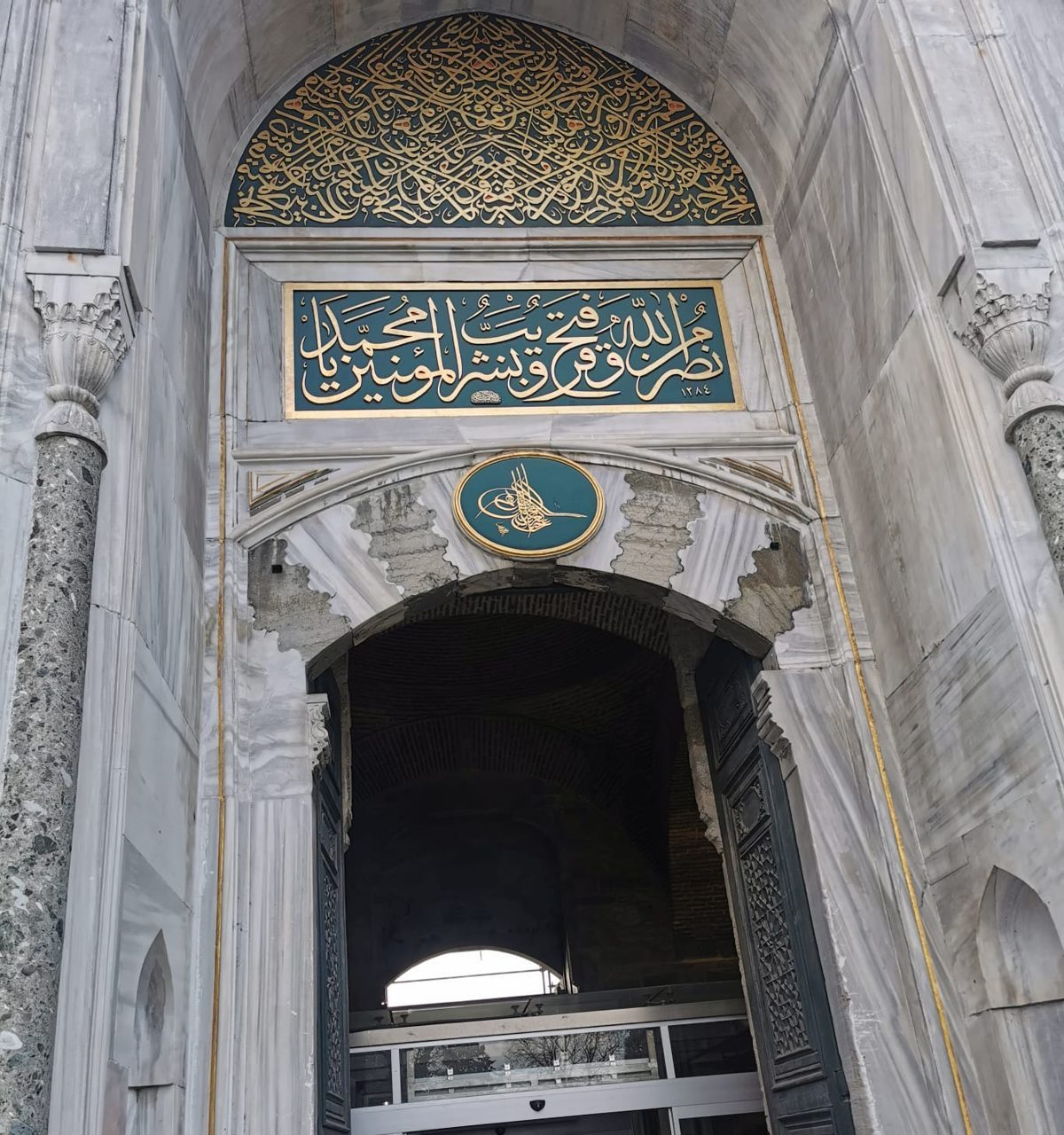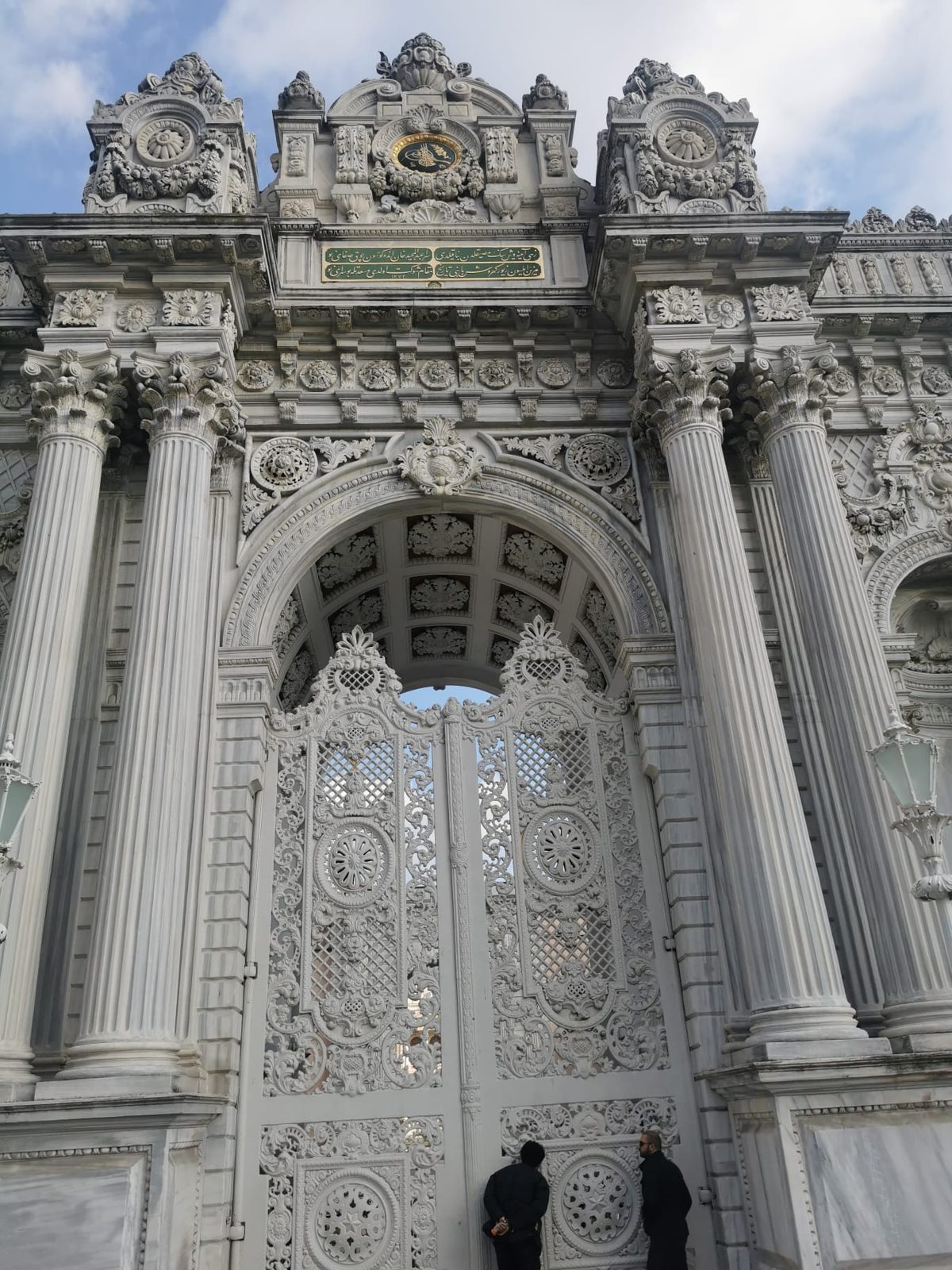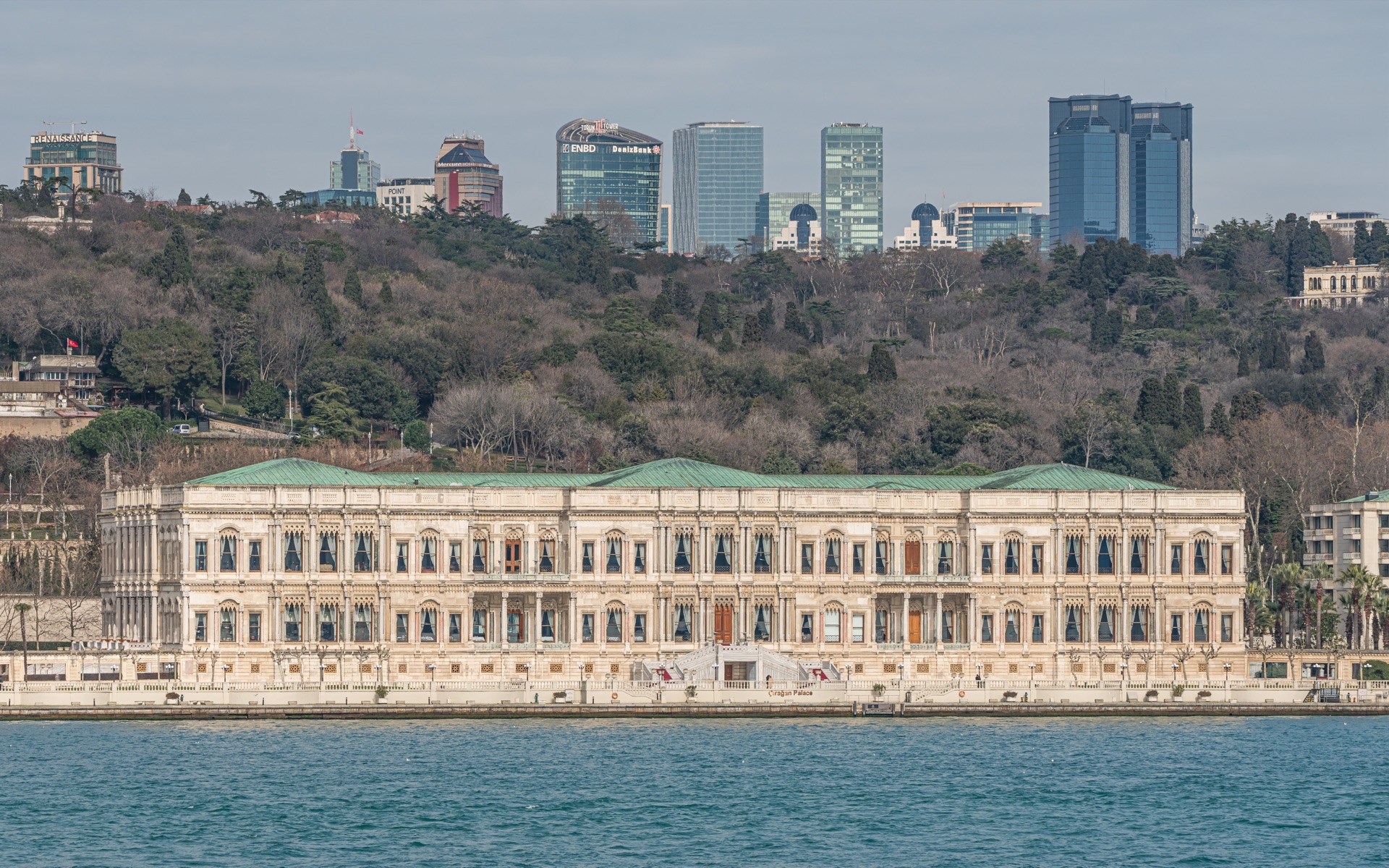

In my opinion, Yıldız is underrated. Maybe because you don't get to stand in front of one single palace there. Yıldız is far more complicated. It's an entire estate. And that's exactly why it tells you so much about Abdülhamid II.
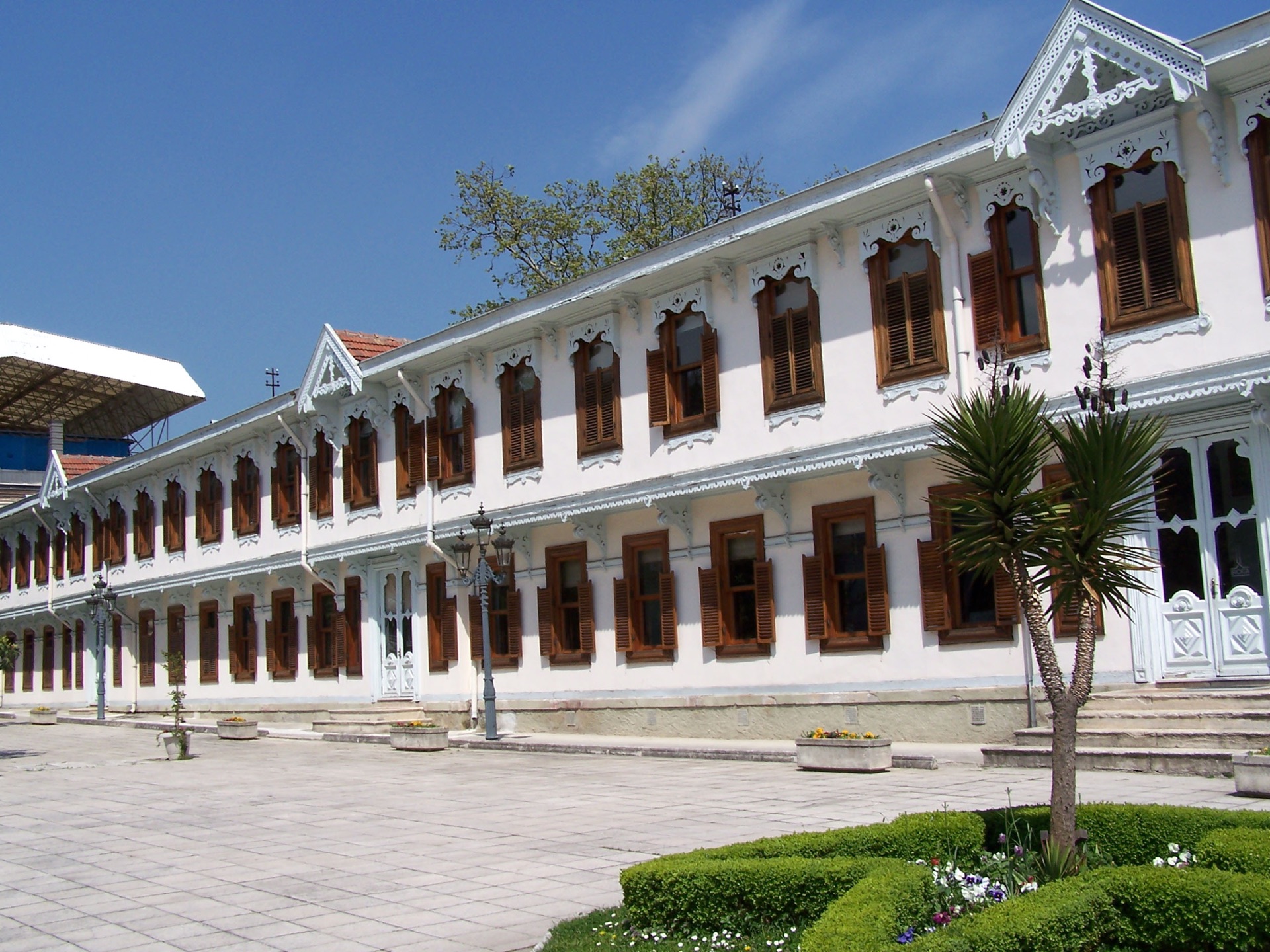
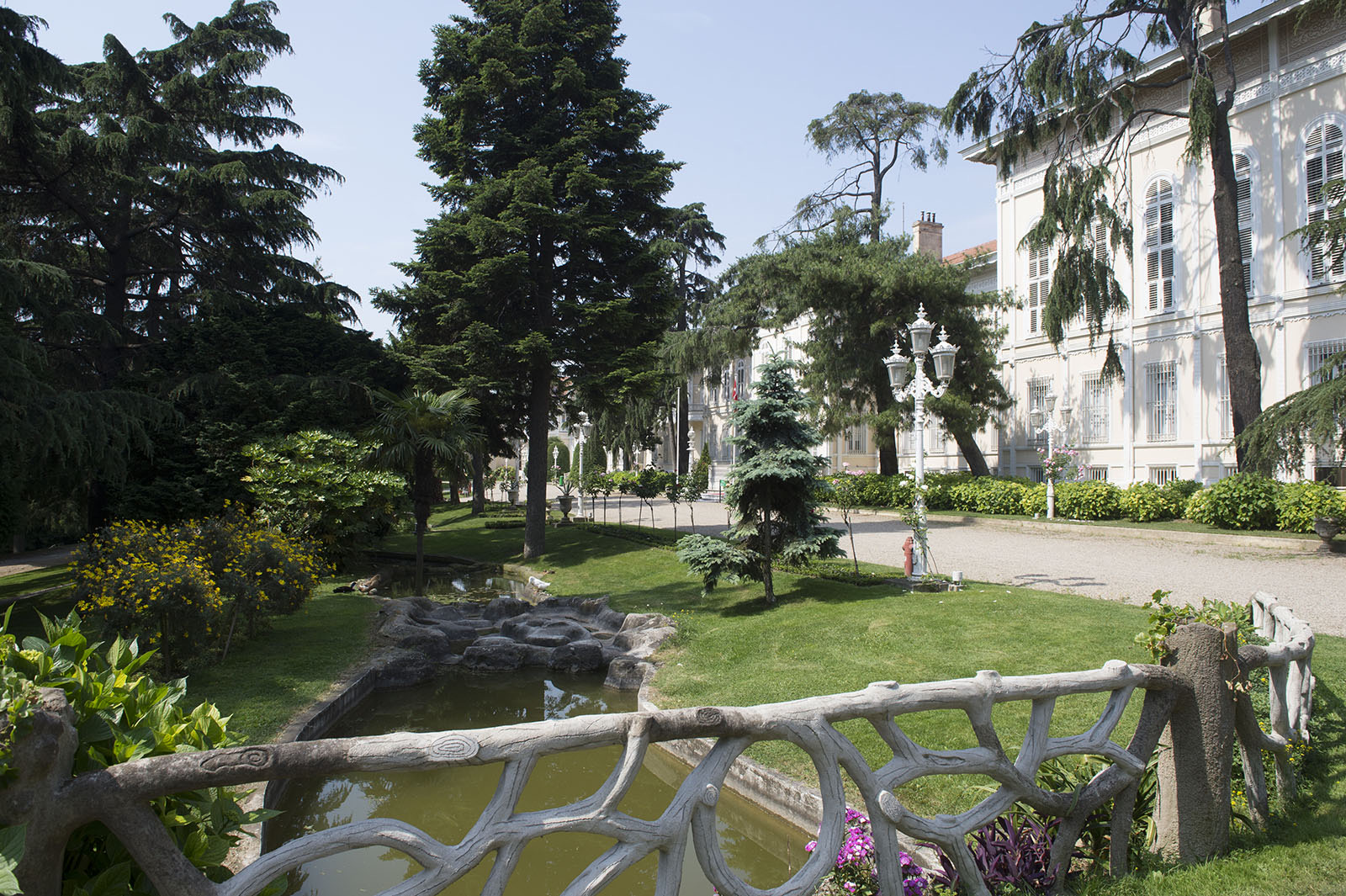
Yıldız doesn't look like Dolmabahçe — and that's exactly the point. Sultan Abdülhamid II moved his court into a sprawling, better-protected complex of palaces, pavilions, gardens, workshops, a theatre, a library, and administrative buildings.
The official palace administration describes Yıldız as a roughly 500,000-square-metre complex with government, harem, and garden areas. Under Abdülhamid II, it was the centre of residence and government for 33 years.
- The first buildings on the site arose even before Abdülhamid II.
- Yıldız gained its present-day significance mainly under Abdülhamid II.
- He turned the complex into his main residence.
- He ruled from here for 33 years.
- Yıldız consisted of administrative, residential, garden, and service areas.
- The complex included, among other things, a theatre, library, workshops, and even facilities for animals.
- Security played an important role.
- In 1905, Abdülhamid survived a bomb attack near the Yıldız Mosque.
Yıldız Didn't Begin With Abdülhamid
Sultan Selim III already had a pavilion built here. Later rulers used the area too. But it was only Abdülhamid II who turned Yıldız into the actual centre of power.
Why Leave Dolmabahçe?
Dolmabahçe sits openly right on the Bosphorus. Beautiful. Representative. But also exposed. Abdülhamid ruled in a politically extremely tense period. Balkan uprisings. The Russo-Ottoman War. Great powers. Nationalist movements. Opposition. The threat of assassination. Yıldız sat higher up and could be controlled more tightly.
Was Abdülhamid Paranoid?
That word gets used a lot. His style of governing was undoubtedly shaped strongly by control and surveillance. But a real threat of assassination existed too. That much becomes clear by 1905 at the latest.
The Palace Was Really a City of Its Own
The site didn't hold only living quarters. Official sources list, among other things: a theatre, museum, library, pharmacy, a zoo or animal enclosure, an animal hospital, a carpentry workshop, a forge, and porcelain or tile production. Thousands of people worked, or lived, in the surrounding area to keep the palace running.
Abdülhamid Was Far More Technically Curious Than His Image Suggests
He's often described as a conservative, distrustful ruler. That's not entirely wrong. But it's incomplete. Abdülhamid took an interest in: photography, telegraphy, railways, modern communication systems, and educational institutions.
The Yıldız Photo Albums
His huge photo collections document the Ottoman Empire: schools, the military, cities, buildings, infrastructure, people. Photography served not just personal entertainment. It was also information and self-presentation.
He Wanted to Know What Was Happening in the Empire
Abdülhamid's style of governing relied heavily on reports. An extensive system of information-gathering and informants supplied the court with news. That led to considerable control — but also to a flood of information, rumours, and accusations.
The Şale Köşkü
The Şale Pavilion is one of the complex's most famous sections. It was expanded to host high-ranking guests. It's especially well known for its connection to visits by the German Kaiser Wilhelm II.
A German Kaiser at Yıldız
Wilhelm II visited the Ottoman Empire several times. Such visits were major political events. Germany and the Ottoman Empire built closer ties in the late 19th century. Yıldız became the stage for this diplomacy.
21 July 1905
After Friday prayers at the Yıldız Mosque, Abdülhamid was meant to be killed by a bomb. The attack was prepared by Armenian revolutionaries. The sultan was delayed slightly. The bomb exploded without him. There were deaths and numerous injuries.
A Few Minutes Save a Sultan
It's precisely events like this that explain why security was constantly present in Abdülhamid's world. You don't have to justify his authoritarian politics to recognise: the danger of assassination was real.
What Happened in 1909?
After the Young Turk Revolution and the counter-revolution of 1909, Abdülhamid was deposed. He left Yıldız. The palace then lost its central political role.
And After That?
Parts of it were put to different uses: military facilities, museums, state use, restorations. For a long time, the complex wasn't fully open to the public.
What You Should Understand There
Yıldız isn't: one building plus a garden. It's a system of government in the shape of a palace estate. That's exactly why it differs so strongly from Dolmabahçe.
Abdülhamid Between Reform and Authoritarianism
Abdülhamid II is judged in extremely different ways politically. To some, he's an authoritarian ruler who curtailed the constitution and press freedom. To others, he stands for modernisation, railway construction, and the attempt to hold a disintegrating empire together.
Both images contain part of the truth, as long as you don't treat either as absolute. His government invested in schools, infrastructure, and communication, while political opposition was, at the same time, tightly controlled.
Yıldız is therefore the perfect place to make these contradictions visible. Modern technology and strict surveillance existed here side by side.
Why the Palace Doesn't Feel Like Dolmabahçe
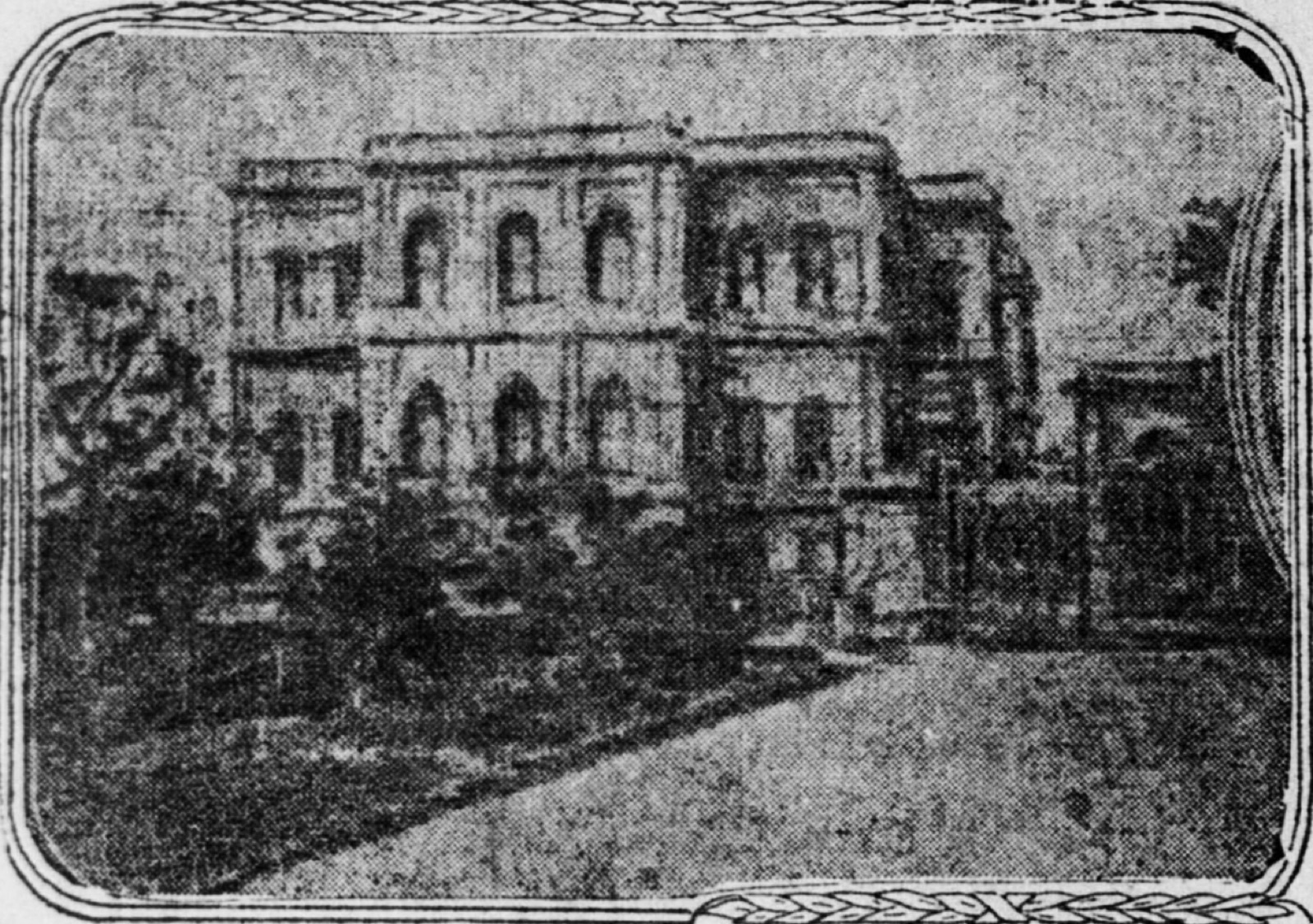
Yıldız didn't arise as a single, grand representative building. The estate grew step by step, which is why many smaller buildings and pavilions stand side by side.
That made the complex more functional and easier to control. At the same time, it lacked the one great facade that Dolmabahçe has facing the Bosphorus.
The difference says a great deal about the two styles of rule.
The Yıldız Porcelain Factory
A porcelain manufactory arose within the palace complex, producing high-quality pieces for the court. It shows especially well how Abdülhamid tried to promote modern production and representative art within his own domain. The pieces combined European technique with Ottoman motifs and were sometimes used as gifts.
The factory was therefore more than a decorative side project. It belonged to a policy that tied state-controlled production together with cultural representation.
The Library and the Sultan's Personal Interests
Abdülhamid collected books, photographs, and information. His library and the famous photo albums reveal a ruler who wanted his world documented as precisely as possible. Photos of schools, buildings, military installations, and cities served not only private curiosity, but also information-gathering and the empire's self-presentation.
This interest fits remarkably well with his political style: knowledge meant control. The more information reached the palace, the more strongly the sultan could try to steer decisions centrally.
The Gardens as Part of the Security Architecture
The sprawling gardens of Yıldız feel idyllic today, but they also served a practical function. Distance between buildings, wooded areas, and controlled access points made direct access from outside harder.
Abdülhamid could move within a large, protected area without constantly having to use public streets. That turned Yıldız into a kind of sealed-off governmental landscape.
The beauty of the gardens and the logic of security weren't in conflict here. A palace could be pleasant and strictly controlled at the same time.
Why Abdülhamid Still Polarises Opinion Today
Hardly any 19th-century Ottoman sultan is judged as contradictorily today. Some emphasise his infrastructure projects; others, the censorship and political repression. In Turkish debates, his person therefore often becomes more of a screen onto which current politics is projected than a historical ruler in his own right.
For a travel article, it makes more sense not to repeat these camps, but to look at concrete decisions. Yıldız offers plenty of material for that: technical modernisation, central control, international diplomacy, and real security fears, all within a single complex.
Security Became a Basic Principle for Abdülhamid
Abdülhamid ascended the throne in 1876 in an extremely unstable situation. His uncle Abdülaziz had been deposed and died shortly after; his brother Murad V had been dethroned after just 93 days. Shortly afterward, the empire lost large territories in the war against Russia and came under heavy European pressure. Fears of coups and assassination were therefore not entirely unfounded.
From these real dangers, though, developed a system of rule that increasingly relied on surveillance and direct control. Reports about possible opponents reached Yıldız in great numbers, newspapers were subject to censorship, and members of the opposition were persecuted. The palace became the nerve centre of a government that wanted to master political uncertainty through as much information as possible.
The Famous Spy System Wasn't All-Knowing
The so-called jurnal system consisted of reports from officials, informants, and private individuals. Some used denunciations to harm rivals or advance their own careers. That created an enormous mass of contradictory information.
Later opponents of Abdülhamid painted from this the image of an all-knowing surveillance state. Control really was strong, but it wasn't total. What's far more interesting is how the system itself produced distrust: the more reports piled up, the harder it became to distinguish real danger from personal denunciation.
Modernisation and Authoritarianism Existed Side by Side
Abdülhamid's government invested in schools, telegraphy, railways, and administrative structures. New educational institutions were meant to produce skilled professionals, the telegraph connected distant provinces to Istanbul faster, and railways served both economic and military goals.
That makes Abdülhamid fit poorly into simple categories. A ruler can promote modern technology while restricting political freedom at the same time. With him, both are true.
Photography Was More Than a Hobby
His famous photo albums document schools, factories, barracks, cities, and landscapes across the entire empire. Parts of these collections were also given to foreign rulers and institutions. They showed a deliberately chosen image of a modern, orderly state.
Photography was therefore, at once, a tool of information and propaganda. A sultan could see places he himself never visited, while also deciding which image of his empire should become visible abroad.
After 1909, Yıldız Lost Its Political Function
After Abdülhamid's deposition, the palace was searched, inventoried, and used in different ways over the following decades. Not every building remained continuously accessible or equally preserved. Today's museum presentation is therefore the result of extensive restoration and reorganisation.
Anyone visiting Yıldız isn't seeing a palace that sat untouched since 1909, waiting for its sultan's return. You're seeing a complex with its own afterlife.
The Hamidiye Mosque Was Part of the Security Ritual
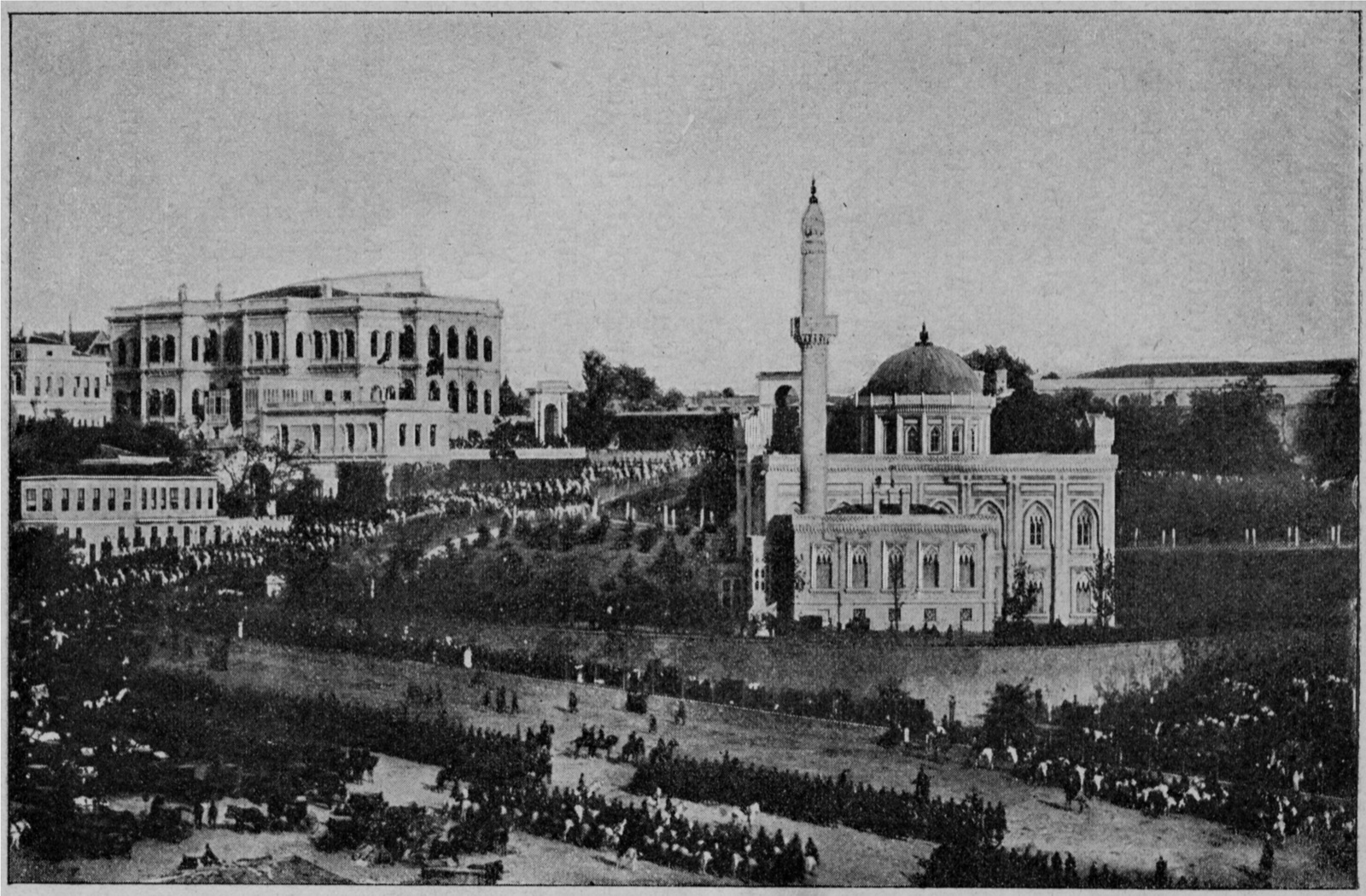
Right next to the Yıldız complex, Abdülhamid had the Hamidiye Mosque built. His weekly Friday visit was one of the few regular occasions on which the sultan appeared in public. That's exactly why the route between the palace and the mosque was so sensitive from a security standpoint.
The 1905 attack exploited this predictability. A bomb was timed so that Abdülhamid's carriage would be hit as he left the mosque. An unexpected delay saved him. The attack shows that the sultan's security fears had a real basis, even though his surveillance system went far beyond that.
Yıldız Was Also a Place of Production
The Yıldız porcelain factory produced high-quality ceramics for the court and for representation. Workshops within the complex made furniture and other objects. Abdülhamid personally took an interest in craft and carpentry.
Yıldız was therefore not just a seat of government and a residence. The palace complex had its own productive structures and could cover many needs within its sealed-off grounds.
"Abdülhamid opposed all Western technology." False. He made intensive use of modern communication, photography, railway projects, and other technical developments.
"He left Dolmabahçe purely out of irrational fear." Too simple. Security concerns had real political grounds, even though his government later expanded that control considerably.
"Yıldız is a single palace building." No. The estate is a sprawling complex of very different buildings.
My Thought on This Place
I find Yıldız fascinating precisely because it helps you understand Abdülhamid II better. Dolmabahçe is open, representative, and sits right on the water. Yıldız is more sprawling, more protected, and organised far more like its own little city.
Once you know the political situation Abdülhamid ruled in, and that a bomb attack was really carried out against him in 1905, you understand better why security mattered so much to him. And at the same time, you find a theatre, a library, photography, and workshops there too. This sultan simply can't be explained in a single sentence.
– Amra