
Pass by Çırağan today and everything looks perfect. The Bosphorus. Marble. A luxury hotel. Weddings. Events. Serious money. Historically, though, this place has really been through it all.
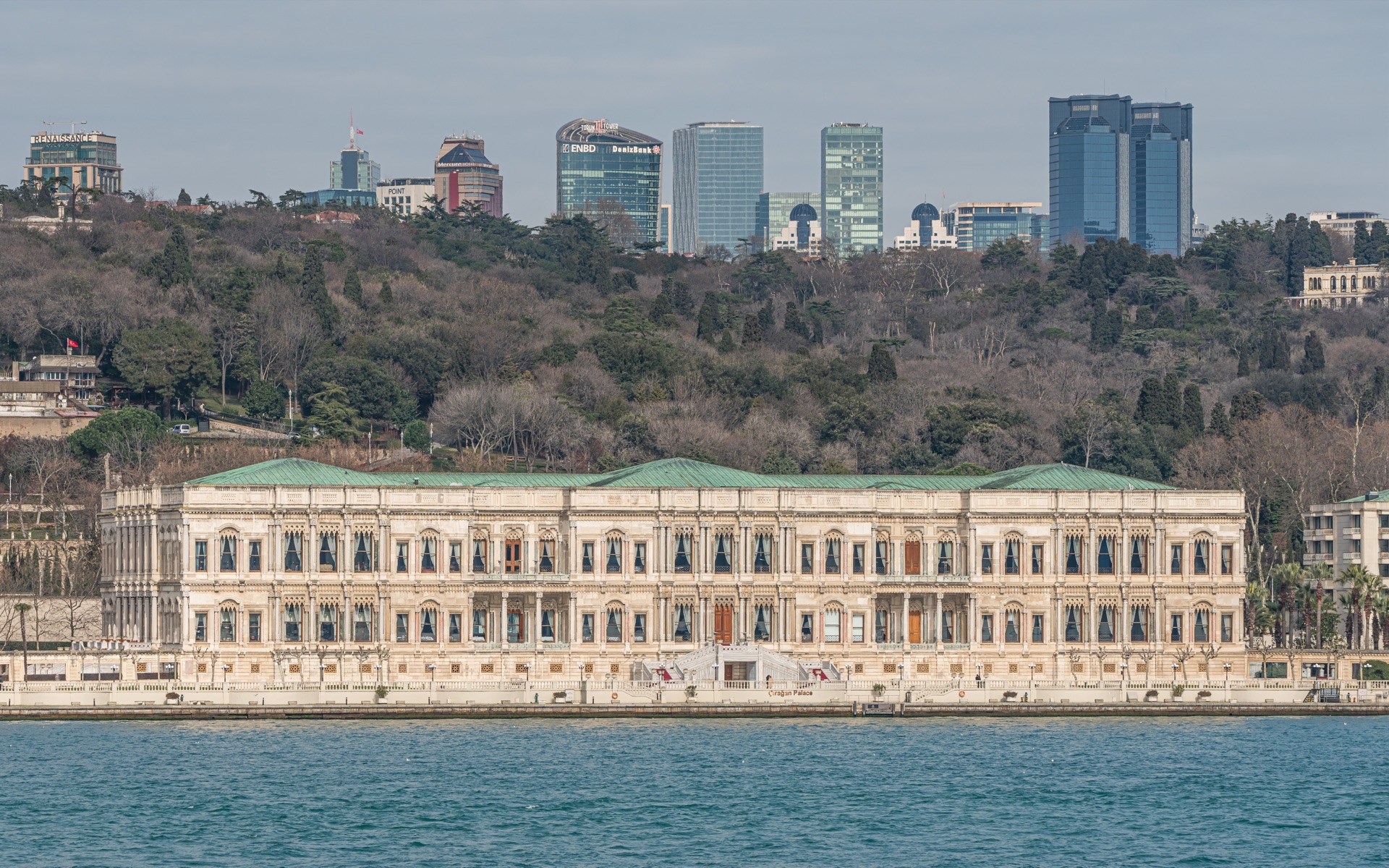
Today, Çırağan is one of the most luxurious addresses on the Bosphorus. Its history is considerably less glamorous: Sultan Murad V lived here under guard for almost three decades after being deposed.
- Today's palace complex was built in the 19th century.
- Sultan Abdülaziz had the monumental new building constructed.
- The Balyan family was involved in its construction.
- Murad V was deposed in 1876 after only about three months on the throne.
- He then lived under guard at Çırağan Palace for decades.
- In 1878, an attempt to free him failed.
- Later, the palace was briefly used for parliament.
- In 1910, the building largely burned down.
- In the 20th century, the site was restored and developed into a luxury hotel complex.
The Bosphorus Became the Dynasty's Favourite Place in the 19th Century
Topkapı sat on the historic peninsula. In the 19th century, the court was increasingly drawn to the water. Dolmabahçe. Beylerbeyi. Çırağan. Yıldız. Pavilions and yalıs. The Bosphorus became the great stage of the late Ottoman dynasty.
Older Buildings Stood Here Before Today's Çırağan
Here too, a palace didn't suddenly appear on empty ground. The dynasty had already used the site before. Several predecessor buildings existed.
Abdülaziz Wants a New Palace
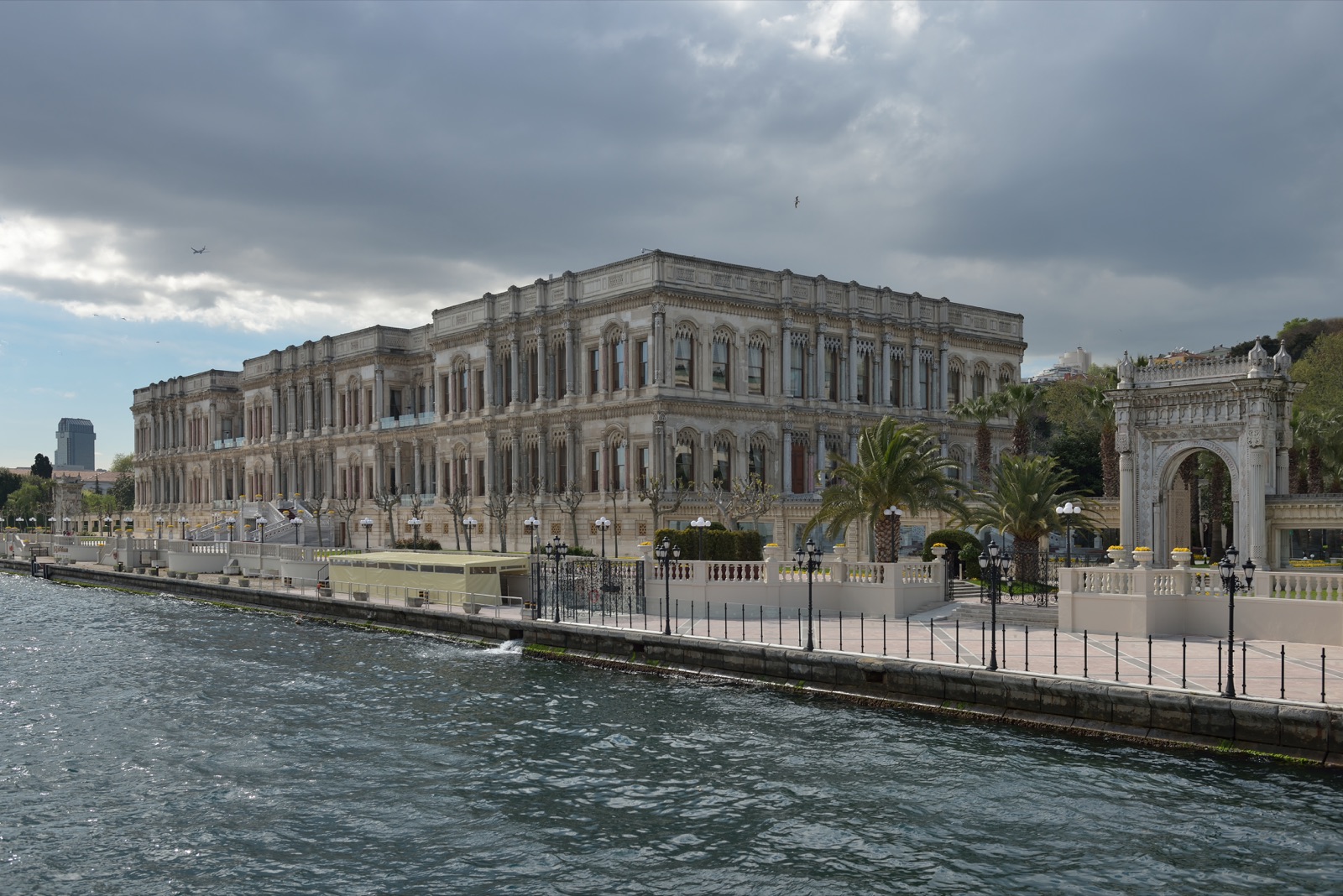
Under Sultan Abdülaziz, the monumental 19th-century complex arose. Çırağan, too, belongs to the architectural world of the Balyan family. Its facade facing the Bosphorus remains one of the most striking examples of late Ottoman palace architecture to this day.
Then Abdülaziz Dies — Under Disputed Circumstances
In 1876, Abdülaziz was deposed. He died shortly after. Officially, his death was presented as suicide; later, doubts and political controversies arose. This phase is among the most turbulent moments of the late Ottoman dynasty.
Murad V Becomes Sultan
His nephew Murad V succeeded him. Murad was considered reform-minded and familiar with European ideas. But his reign lasted only 93 days.
Why Was He Deposed?
Murad's mental, or physical, condition deteriorated severely. He was apparently unable to rule long-term. He was then deposed. His brother Abdülhamid II ascended the throne.
And Murad?
Murad didn't simply vanish from history. He then lived at Çırağan Palace. Under guard. With his family. Year after year.
Palace or Prison?
Of course, Çırağan wasn't a prison in the classic sense. Murad lived with family and a household staff. But he couldn't freely control his own life. Politically, he remained dangerous. As long as he lived, someone could try to make him sultan again. And that's exactly what happened.
1878: Ali Suavi Storms Çırağan
Ali Suavi and his supporters tried to free Murad from the palace. The apparent goal was to reinstall him as sultan. The attempt failed. Ali Suavi was killed.
For Abdülhamid, That Was a Warning Sign
His deposed brother had genuinely become the centre of a restoration attempt. That partly explains why Abdülhamid took dynastic threats so seriously.
Murad Stayed Until His Death
He lived at Çırağan Palace until 1904. That means: almost three decades after his 93-day reign, he spent his life there under control. That life story alone is basically a film.
Then, of All Places, This Palace Becomes Parliament
After the Young Turk Revolution, the palace was used for a time as the seat of the Ottoman parliament. A former ruler's palace thereby became the stage of a completely different political order.
1910: Fire
Then Çırağan burned. The fire largely destroyed the interior. What remained were mainly the outer walls and parts of the structure.
Decades as a Ruin
And here's the contrast to today's luxury hotel. For decades, Çırağan was no glamorous address. It was a burned-out palace ruin on the Bosphorus.
Football in a Former Sultan's Palace
The site was used for sport for a time. A football pitch sat within, or around, the ruins. Going from "sultan's palace" to "football pitch" is quite a career move, even for Istanbul.
The Road to a Luxury Hotel
In the late 20th century, the complex was restored, or reconstructed. A modern hotel building was added alongside it. Today, the site belongs to the Çırağan Palace Kempinski.
So What's Actually Original Now?
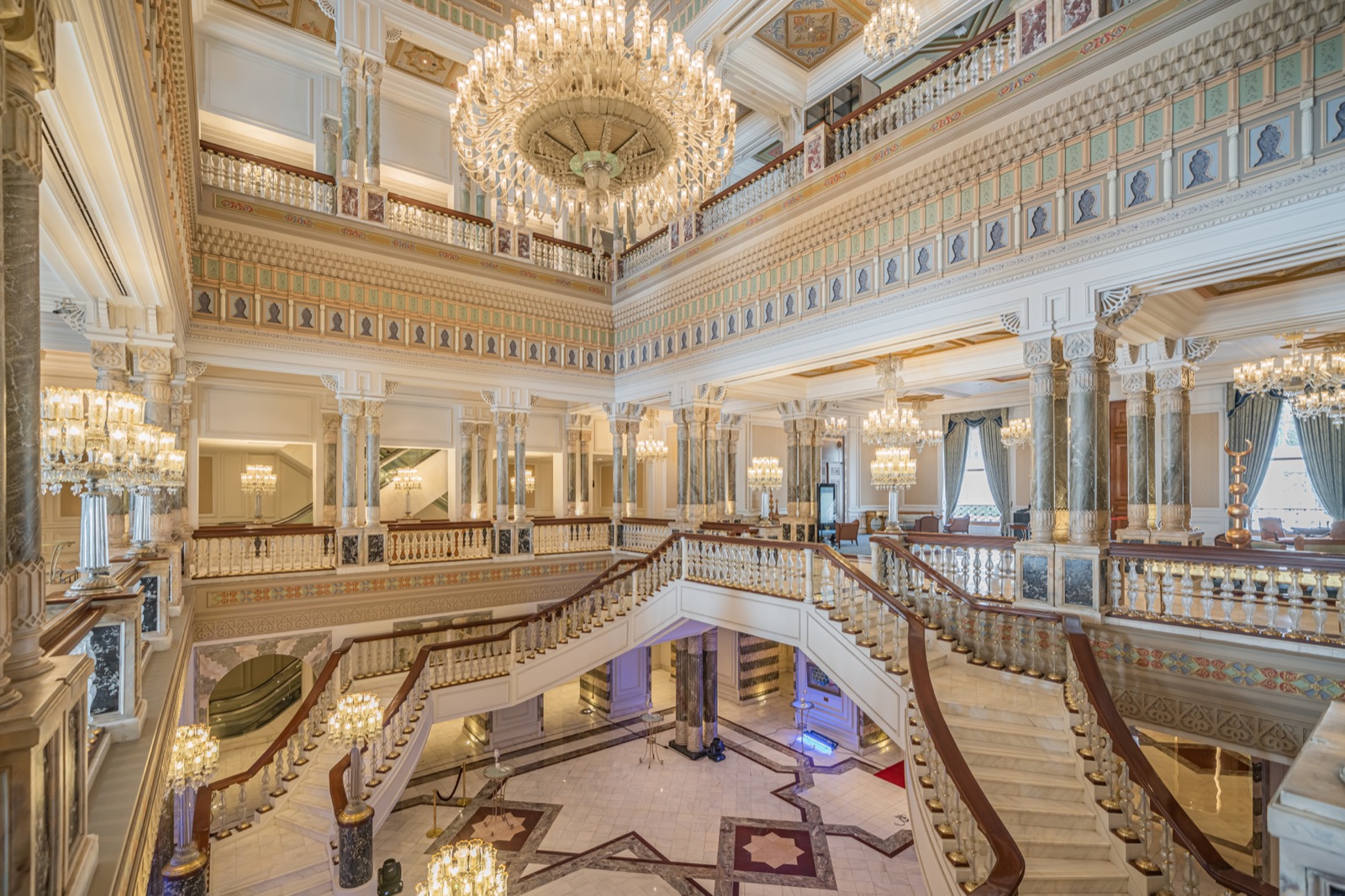
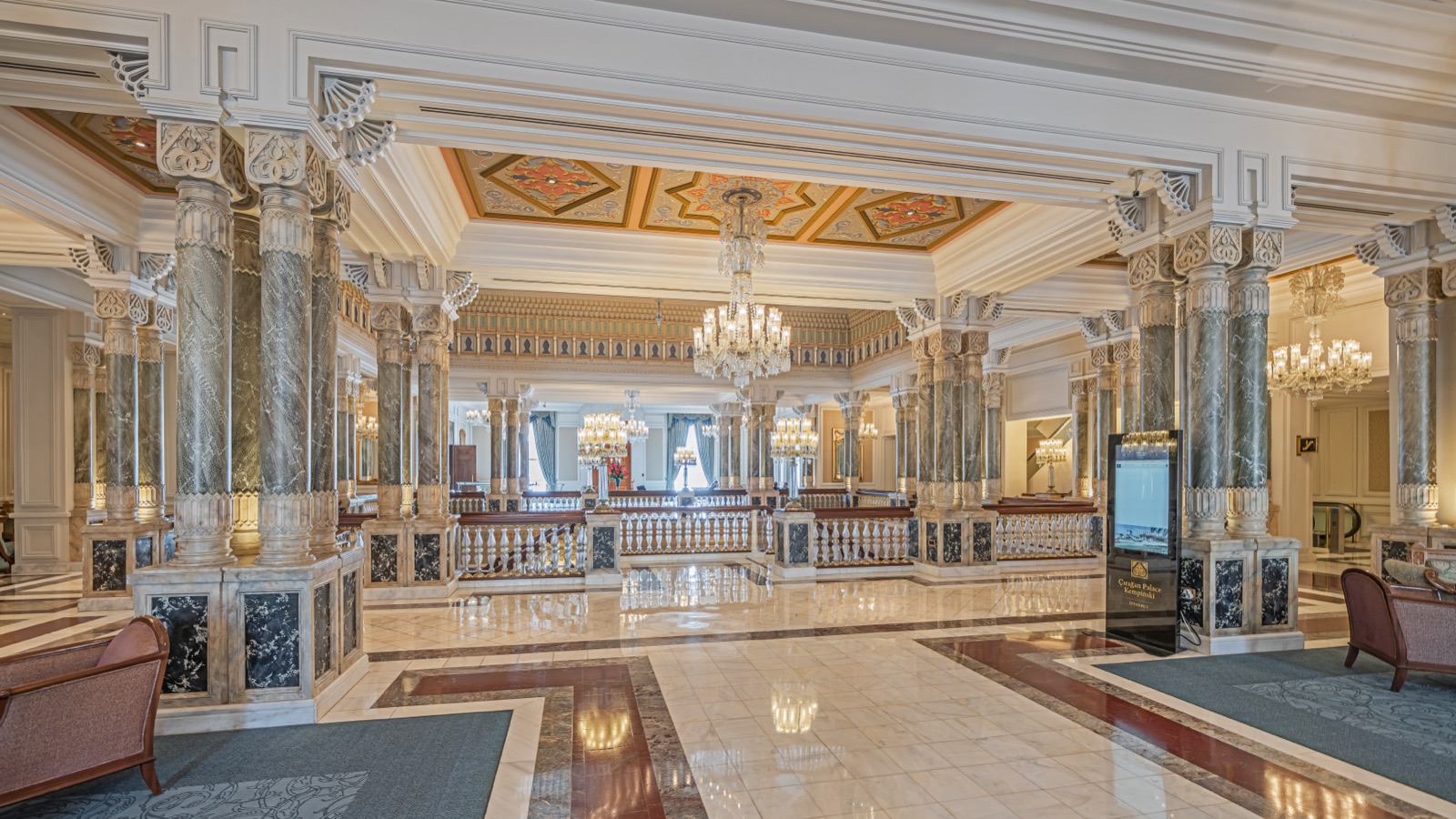
That's the right question to ask. The palace building's historic outer structure was restored. Many interiors, however, had to be extensively reconstructed after the fire. The modern hotel complex is, of course, no original Ottoman building. So if someone shows you a modern hotel room and says, "Sultan Murad slept here," I'd double-check, just to be safe.
Abdülaziz Knew European Palaces From Personal Experience
Abdülaziz was the first Ottoman sultan to undertake a major official trip to Western Europe. In 1867, he met, among others, Napoleon III and Queen Victoria. So he didn't know European court architecture only from pictures and reports.
Çırağan arose in precisely this era of intense international contact. Still, the palace is no simple copy of a Western model. Its facades, stone ornamentation, and spatial organisation combine different influences with Ottoman traditions of representation.
Murad V Shouldn't Be Explained With a Single Diagnostic Label
His deposition is often summed up as "mental illness." Historically, that's too crude. Within a few weeks, Murad experienced the deposition and death of his uncle Abdülaziz, along with further political violence. Contemporary accounts subsequently describe severe psychological and physical symptoms.
What modern diagnosis you'd retroactively give him can hardly be determined seriously. What is certain is that his fitness to rule was called into question, and political actors used this to put Abdülhamid II on the throne.
Life Under Guard Was Still a Real Life
Murad lived at the Çırağan complex for almost three decades. He played music, read, and spent time with his family. Accounts from his relatives show a more nuanced person than the image of a man sitting motionless in a dark room for decades.
At the same time, he was unfree. His political existence remained dangerous, because opponents of Abdülhamid could see him as a possible alternative. Luxury and captivity aren't mutually exclusive.
The Fire of 1910 Destroyed Almost the Entire Historic Interior
When the fire broke out, the palace was being used as the seat of the Ottoman parliament. The roof and wooden structures burned; furniture and interior fittings were largely lost. The massive outer walls remained standing, but the palace lost its habitable core.
That's why, at today's Çırağan, you have to draw an especially clear line between historic substance and later reconstruction. A magnificent modern interior isn't automatically the room Abdülaziz or Murad V once saw.
From Palace to Football Pitch and Back to Luxury
During its long period as a ruin, parts of the site were used for sport. That Beşiktaş played football there for a time seems almost absurd today, but it shows just how radically the building's status had fallen.
Later, the ruin became a place of prestige again — this time as a hotel. The sequence is extraordinary: a ruler's palace, a place of captivity, parliament, a burned-out ruin, a sports ground, and a luxury hotel.
Abdülaziz's Death Hangs Over the Palace's History
Abdülaziz was deposed in 1876 and died a few days later at the Feriye Palace, not in Çırağan's main building. Officially, his death was initially presented as suicide; later, accusations arose that he'd been murdered. Under Abdülhamid II, a trial was even held against those allegedly responsible.
The exact circumstances are still debated today. For Murad V, in any case, his uncle's death was part of an extremely stressful political situation that overshadowed his brief reign.
Its Location Right Next to Yıldız Became Politically Explosive
Çırağan and Yıldız lie close together, yet their residents occupied completely different positions of power. Abdülhamid ruled from Yıldız, while the deposed Murad lived under guard at Çırağan. For the sultan, that meant a potential rival was, quite literally, next door.
The Ali Suavi incident of 1878 confirmed that this danger wasn't merely theoretical. Afterward, Murad's guard was tightened further still.
"Murad V was locked up in a dark prison for thirty years." No. He lived in the palace with family and household, but under strict guard and without political freedom.
"Today's palace interior is still exactly as it was in 1870." False. The fire of 1910 destroyed nearly the entire interior; much of it was reconstructed later.
"Çırağan was always a luxury hotel." No. Decades as a ruin and various interim uses lay between its time as a palace and its use as a hotel.
My Thought on This Place
Çırağan is a good example of why "historic palace" doesn't automatically mean you're still walking through the same rooms as in 1870.
The palace essentially burned out. For decades, ruins stood by the water. Today, everything looks magnificent again.
Knowing that doesn't make the history feel smaller — it actually makes it feel bigger. Because then you understand that the place has had several lives, and wasn't simply handed straight from a sultan to a luxury hotel.
– Amra