The story of the Süreyya Opera House sounds almost like a punchline in architectural history. In the 1920s, Süreyya İlmen Pasha wanted to give Kadıköy a modern theater and opera house. He traveled through Europe, studied famous stages, and had a splendid building erected on Bahariye Caddesi. It opened in 1927. Only one thing was missing: a fully functional opera stage with the necessary supporting rooms.
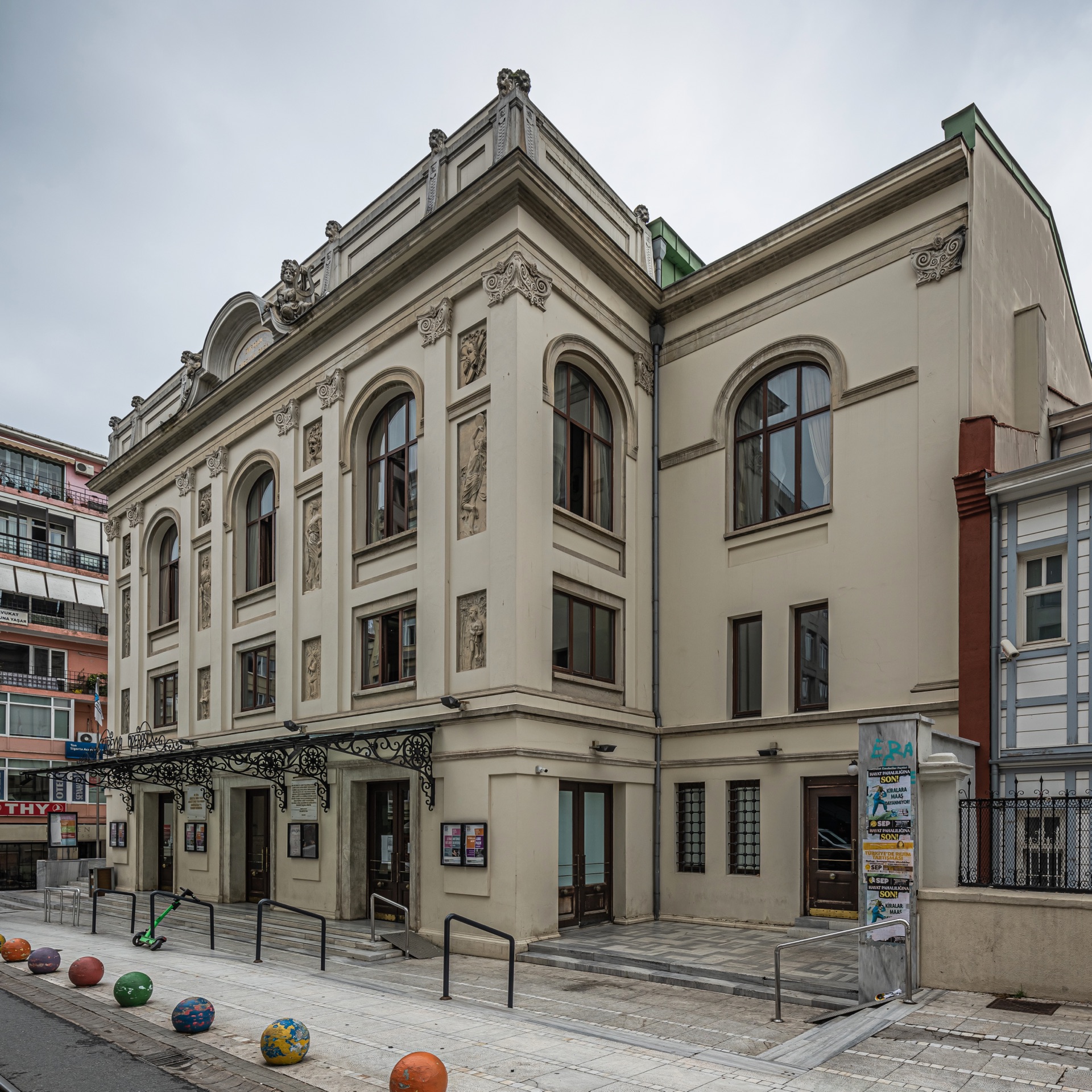
In the 1920s, Süreyya İlmen Pasha wanted to give Kadıköy a modern opera house. Opened in 1927, it lacked complete stage technology — so for decades it became a cinema instead, until the building finally opened as an opera house in 2007.
Instead of opera, the building therefore became, above all, a cinema. Generations of Kadıköy residents knew it as the Süreyya Sineması. Only after an extensive restoration was the original dream actually realized. In 2007, the building reopened as an opera house — roughly eighty years after Süreyya Pasha had originally intended exactly that.
- Süreyya İlmen Pasha had the building constructed starting in 1924.
- It opened on March 6, 1927.
- The goal was a modern theater, operetta, and social hall for Kadıköy.
- Its stage technology, however, wasn't complete enough for regular opera operation.
- The building was therefore used mainly as a cinema for decades.
- In 1950 it passed to Darüşşafaka under certain conditions.
- After a major restoration, it finally opened as a full-fledged opera house in 2007.
Who Süreyya İlmen Pasha was
Süreyya İlmen was a military officer, politician, businessman, and a well-known figure of the early Republic. He had a strong interest in modernizing Kadıköy and invested private money in public, or semi-public, projects.
His opera house was therefore no state monumental building. A single wealthy citizen wanted to give his district a cultural institution able to compete with major European cities. This private initiative clearly sets Süreyya apart from many other representative cultural buildings of the era.
Why Kadıköy needed a theater
In the 1920s, Kadıköy grew rapidly. The Asian side increasingly had an educated urban middle class, but large theater and event venues concentrated more heavily on the European side. Anyone wanting to see high-quality performances often had to cross the Bosphorus.
Süreyya Pasha wanted to change that. The building was meant to offer not just theater, but also concerts, balls, social events, and other cultural forms. It was conceived as a modern social center.
European models
Süreyya Pasha traveled through Europe and toured theaters. The building's design absorbed various influences. Its foyer area in particular recalls the Théâtre des Champs-Élysées in Paris, while the auditorium also draws on German theater traditions.
Art Deco elements, reliefs, frescoes, and gilded decorations show the international taste of the young Republic. The building wanted to feel modern and European, without being a mere copy of a single existing house.
Opening in 1927
On March 6, 1927, the Süreyya building opened. For Kadıköy, it was a social event. The house was meant to enable operetta, theater, concerts, and balls. Its façade and interiors made clear that culture was being deliberately staged here in representative style.
But architectural splendor doesn't automatically solve technical problems. Behind the beautiful stage, important functional rooms and facilities were missing.
Why no opera was performed there
Opera needs more than an auditorium and a curtain. Performers need dressing rooms, sets have to be moved, an orchestra needs space, and stage machinery has to enable complex sequences. Exactly this infrastructure wasn't fully in place.
As a result, the planned operetta performances didn't take place at the intended scale. Theater was possible, but the great musical stage vision remained unfulfilled. It's almost tragicomic: an opera house stands there, yet for decades it can't really live up to its own name.
From operetta theater to cinema
The cinema was technically easier to run and became increasingly popular in the 1930s. In 1930, Süreyya received sound-film equipment and increasingly developed into the Süreyya Sineması. For generations, the building was therefore associated mainly with movie-going.
That's no "failure" in a simple sense. The building remained culturally alive, just differently than planned. Cinemas were central social spaces in the 20th century, and Süreyya became part of the memory of many Kadıköy families.
Darüşşafaka and the donation
Süreyya İlmen transferred the building to the Darüşşafaka education foundation, with cultural use remaining an important condition. After his death, or that of his wife, economic rights passed fully to the foundation.
This gave a private building project a charitable future. At the same time, the ownership and usage structure made later renovations difficult, until a long-term agreement was reached with the city of Kadıköy.
Restoration 2005–2007
Kadıköy Belediyesi leased the building long-term and began a comprehensive restoration. Historic decorations were conserved, later disruptive interventions removed, and finally, the technical facilities a modern opera house needs were created: an orchestra pit, dressing rooms, stage machinery, and climate and safety systems.
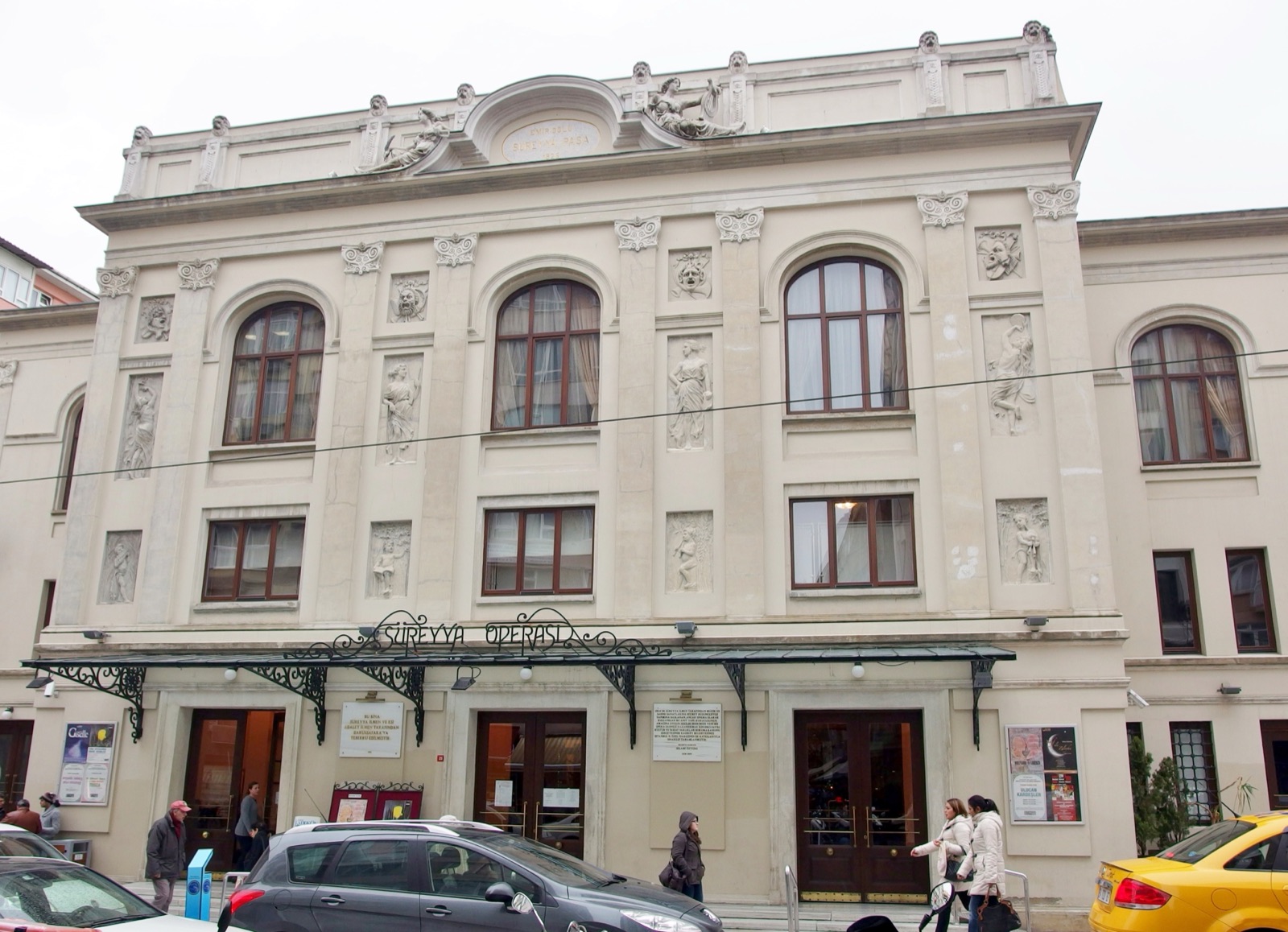
In 2007, the building reopened as the Süreyya Operası. Süreyya Pasha's original idea was thus fulfilled, eight decades late.
The building today
Today, Süreyya is an important venue for opera and ballet on the Asian side. At the same time, its cinema past remains part of its identity. Restoration therefore didn't try to erase the eighty years in between.
Anyone visiting the building experiences an architecture that wanted to be modern in 1927 and is today appreciated precisely for its historic character. That's a lovely irony of modernity: what was once meant to be "new" eventually becomes a monument.
"Operas have been performed here regularly since 1927." False. Because of inadequate stage technology, the building was used mainly as a cinema.
"The city of Kadıköy originally built the house." No. Its initiator and builder was Süreyya İlmen Pasha.
"It's a modern new build that just looks old." No. The historic building was restored and adapted for today's use.
"Kadıköy always had only minor cultural significance compared to Beyoğlu." Too sweeping. Süreyya shows how deliberately the Asian side developed its own modern cultural institutions.
An opera house for modern Kadıköy
The Süreyya Operası was built in the 1920s, at a time when the young Turkish Republic strongly emphasized cultural modernization. Its founder, Süreyya İlmen, wanted to create a representative venue for theater, music, and social events on the Asian side.
This gave Kadıköy a cultural building oriented toward European models, while also becoming part of the new republican urban culture.
The idea was ambitious: not only Beyoğlu was meant to have theaters and great event venues.
Süreyya İlmen and his project
Süreyya İlmen was a military officer, politician, and businessman. He invested in social and cultural projects and wanted the building to make a lasting contribution to Kadıköy.
The architecture absorbed influences from various European buildings. The foyer and interior furnishings in particular recall the theater and opera architecture of the era.
The name Süreyya thus remained permanently tied to Kadıköy.
Why opera was barely performed there at first
Today's label "opera" can be misleading. The building was originally intended for theater and opera performances, but technical and organizational conditions meant it was, for a long time, used more strongly as a cinema and event hall.
That's a lovely example of how buildings sometimes live differently than their planners intended.
Only much later was its opera function systematically revived.
The cinema years and everyday culture
For decades, the Süreyya was an important cinema location. For many people in Kadıköy, the building was therefore less "high opera" than part of personal everyday and childhood memories.
Cinema was one of the most important forms of urban entertainment in the 20th century.
The shift from theater project to cinema and later back to opera reflects the city's cultural changes.
Restoration and reopening
In the early 21st century, the building was comprehensively restored and reopened as an opera house.
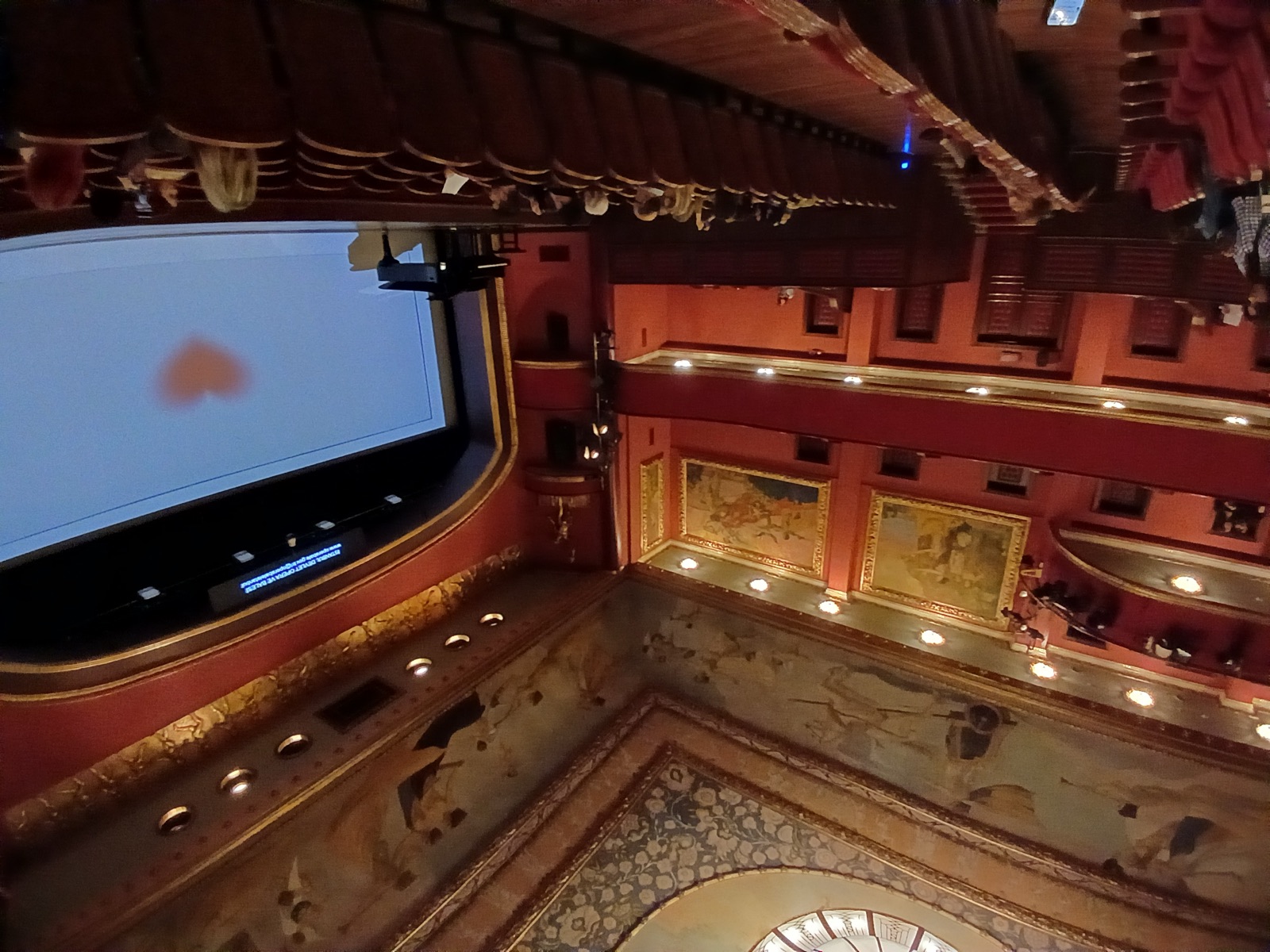
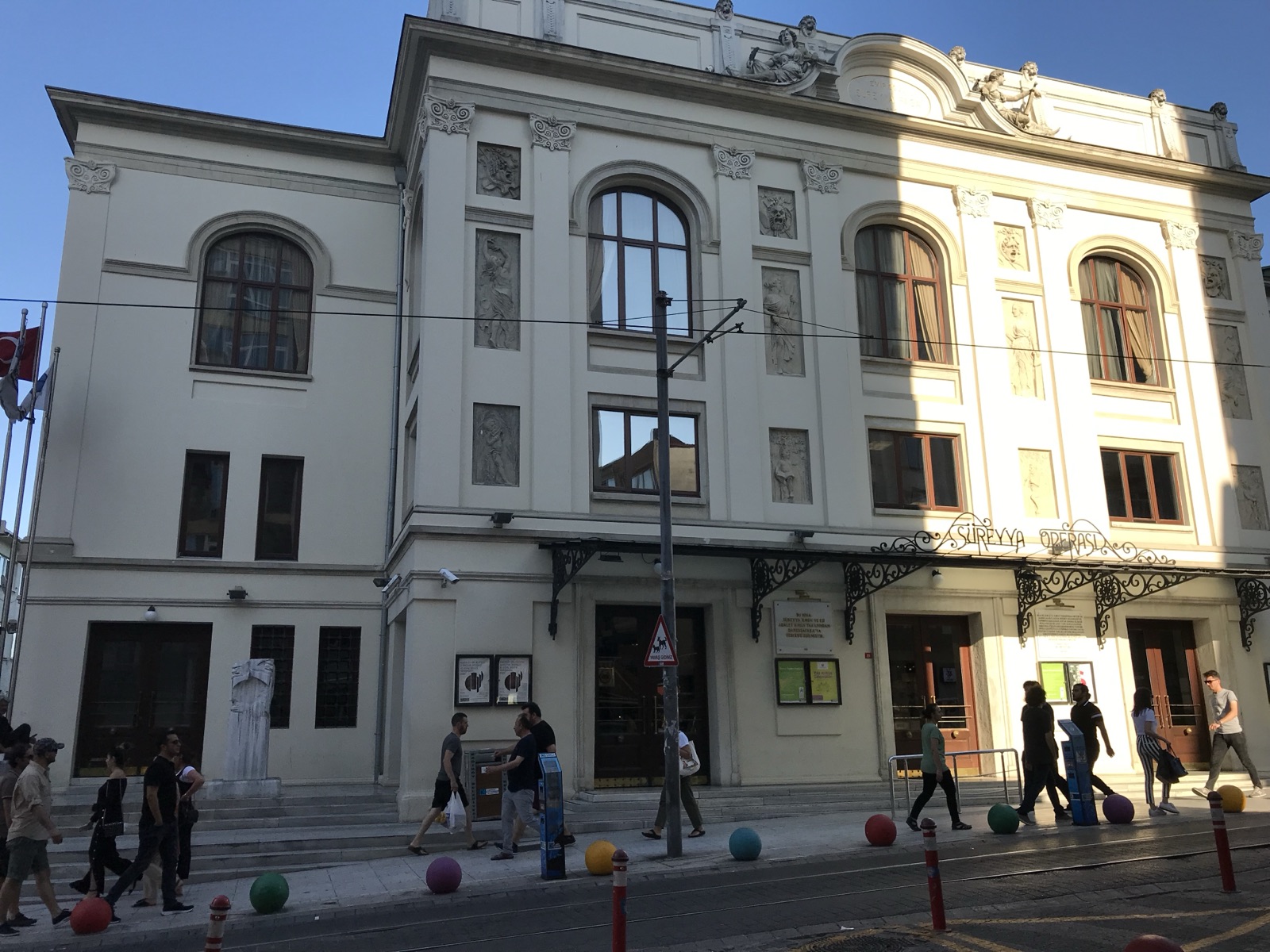
In the process, historic furnishings had to be preserved while modern stage, safety, and event technology was integrated at the same time.
Such restorations are always balancing acts. An opera house can't be treated like a decommissioned museum; it has to function acoustically, technically, and safely.
Architecture in detail
The façade is elegant, but the interior is especially interesting. Staircases, lighting fixtures, decorative wall surfaces, and foyer areas create an atmosphere that immediately evokes the interwar period.
Anyone who only photographs it from outside therefore gets only half the picture.
If an event fits your schedule, it's worth really experiencing the building in use.
Kadıköy as a cultural center
Today, Kadıköy has a strong theater, music, and cultural scene. Süreyya is a historic anchor of this development.
The neighborhood isn't just food, bars, and markets. It has stages, bookshops, cinemas, and art venues.
It's exactly this mix that gives the Asian side its own cultural identity.
Opera as a republican symbol
Promoting Western classical music was part of republican cultural policy. Opera, ballet, and conservatories were meant to connect modern national culture with international art forms.
The Süreyya building fits into this larger story, even though its own use as an opera house was only fully realized much later.
Why the building fits Kadıköy
What I like about Süreyya is that, right in the middle of this lively, loud Kadıköy, you suddenly stand in front of a building that almost elegantly straightens its shoulders and says: yes, we can do opera too.
And then you walk three streets further and you're back among restaurants, shops, and crowds.
It's exactly this mix that defines the neighborhood.
My take on this place
I love this story because it's so human. Someone builds an opera house with big plans, and then it turns out: the very thing you need for a real opera is missing. So it becomes a cinema for decades instead.
And eighty years later, someone comes along and essentially says: fine, now let's finally turn this into what it was supposed to become in 1927. Apparently good ideas sometimes just need a little more time.
– Amra