
Fener and Balat lie on the Golden Horn and are among Istanbul's most photogenic neighbourhoods: colourful houses, steep lanes, churches, synagogues and mosques a short distance apart. This article is about the guided tour. Background on individual places is in our place articles.
Advertising: If you book through our links, we may receive a commission – at no extra cost to you.
A guided walk through Fener and Balat: colourful houses, old churches and lanes away from the tourist crowds. What the offer includes.
Fener and Balat were never just colourful neighbourhoods
If you only look at the facades, you see photo motifs. Behind them is a history that has to do with the city, its communities and its ruptures.
Fener: a centre of the Greek Orthodox world
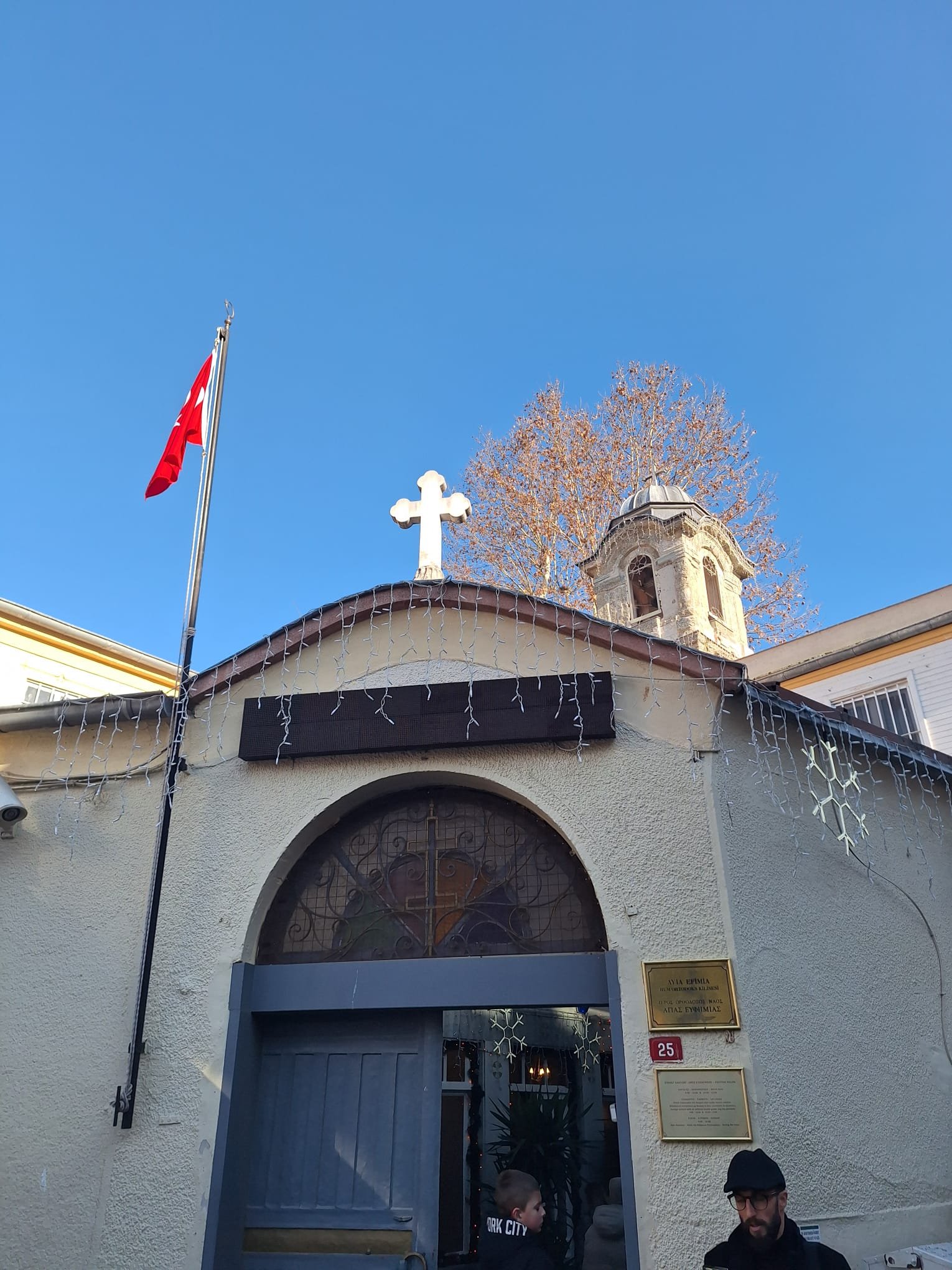
Fener (Phanar) was an important Greek Orthodox district for centuries. The Ecumenical Patriarchate is based here; more in the article on Fener and the Patriarchate. The Phanariots are associated with Greek Orthodox families who played an important role in the Ottoman Empire as merchants, interpreters and officials. Churches and historic residential architecture shape the district to this day.
Balat: different communities
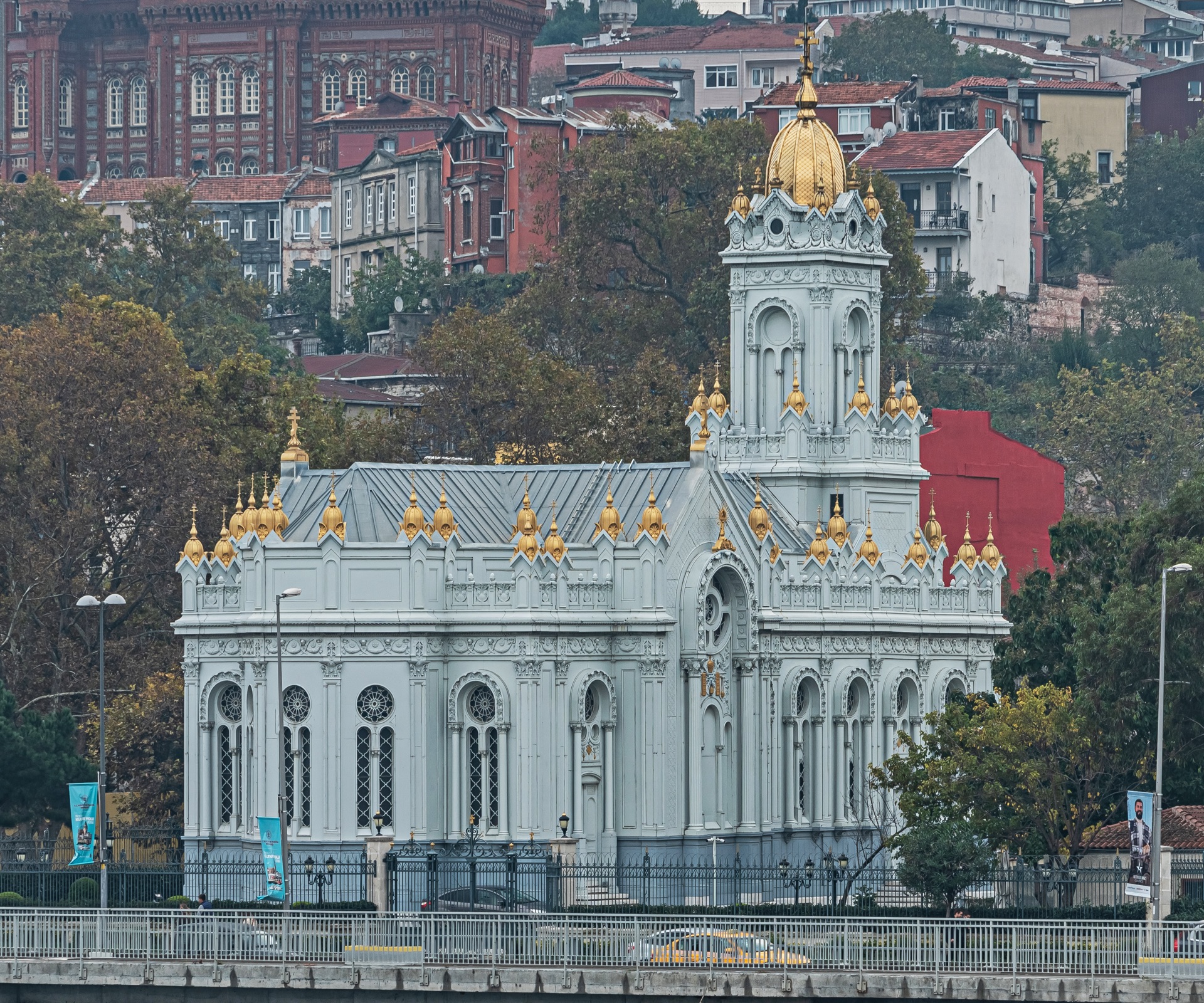
For centuries Balat was shaped by different communities. The district's Jewish history is especially significant. There are also Muslim and Christian traces, including the Bulgarian Iron Church on the Golden Horn. One should not romanticise coexistence: history was complex, and in the 20th century a large part of the Greek and Jewish population left these districts.
What the offer includes
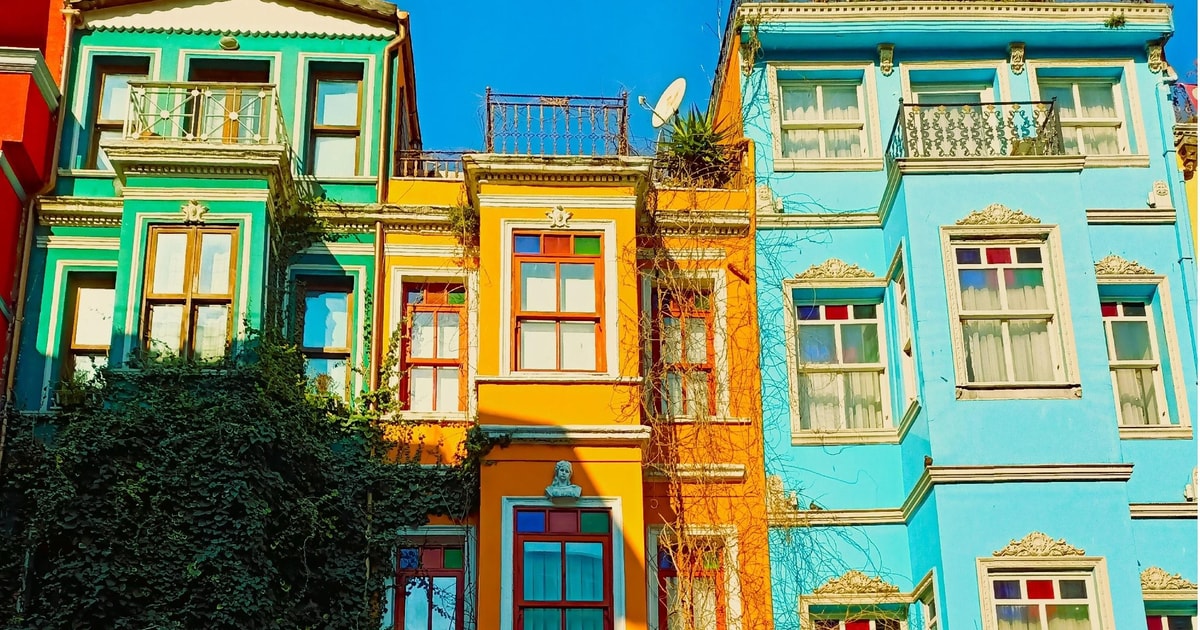
According to the offer description, you walk through Fener and Balat with a guide and visit historic streets and churches, including the Church of St George according to the description. Stops also include the coloured steps, the Bulgarian church and the characteristic houses of Balat according to the offer; further religious and cultural stops may be added. The provider states about three hours.
If you would like to explore Fener and Balat with a guide, you can find current dates here.
Multicultural history
Greek Orthodox, Jewish, Armenian and Muslim communities lived here for a long time. You can still see that in the buildings. More: Fener and the Ecumenical Patriarchate and the Iron Church on the Golden Horn.
The houses are not an Instagram backdrop
The historic houses are not simply a backdrop. Fener and Balat have historic residential architecture that fell into disrepair for a long time. It was preceded by UNESCO and EU preparatory work and feasibility studies. The EU-financed rehabilitation project for Balat and Fener was implemented from February 2003, according to UNESCO; according to the EU delegation, 87 houses and 33 shops were restored. UNESCO later described Fener-Balat as an example of urban regeneration. There are also critical voices on what renewal means for residents.
What guests highlight
Reviews often mention the guide's background stories and the photo motifs, in our own summary.
Who is it for?
For anyone who wants to experience Istanbul beyond the big sights, and for photo fans. If you prefer to go on your own, our articles give enough background. With a guide you get the stories as well.
Why a guided tour makes sense here
If you just walk the streets, you see facades. A good guide can explain why the Patriarchate, churches, synagogues, schools, houses and streets stand side by side here as part of a complex urban history. That is the real added value over a walk with a map app.
In short
- About 3 hours according to the provider
- Comfortable shoes: many lanes are steep and cobbled
- Be respectful when photographing residents and in churches
All experiences, tickets and tours are collected on our activities page.
– Amra