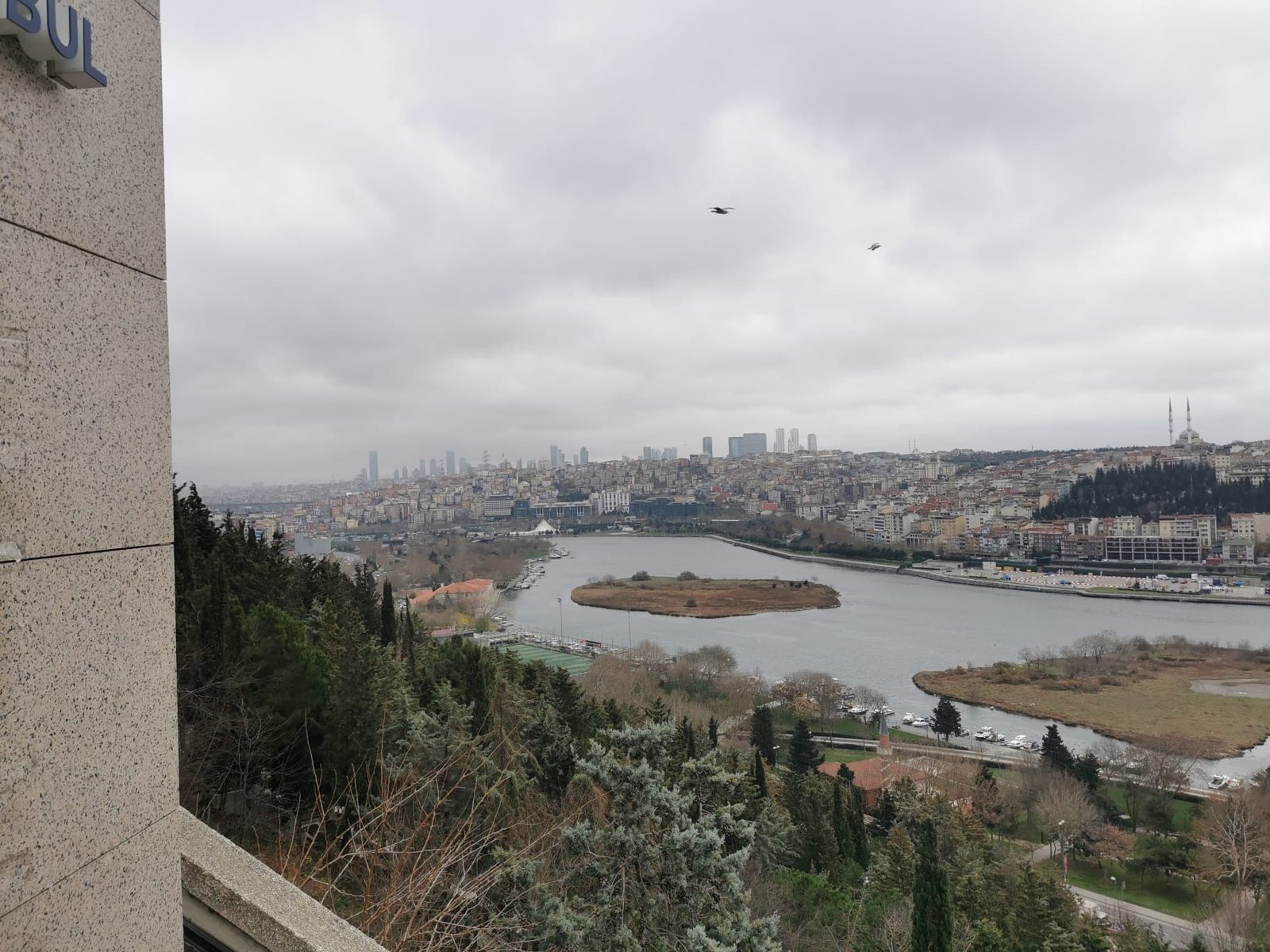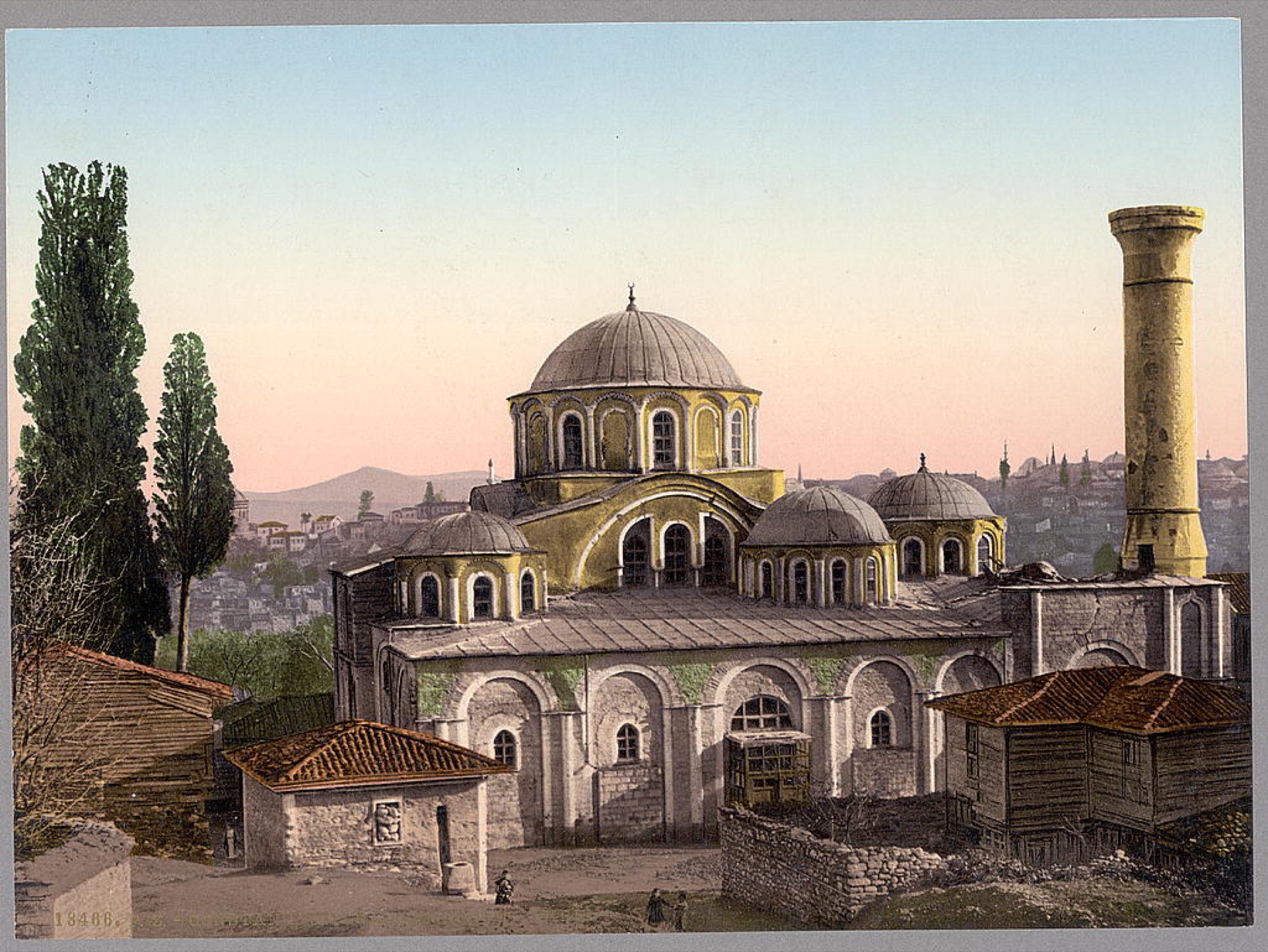
At first glance, Fener doesn't look like the centre of an institution whose history reaches back into late antiquity. Between narrow streets, steep hillsides, old houses, and dense buildings sits the seat of the Ecumenical Patriarchate of Constantinople. For millions of Orthodox Christians, this place holds a significance that can't be measured by size or touristic staging.
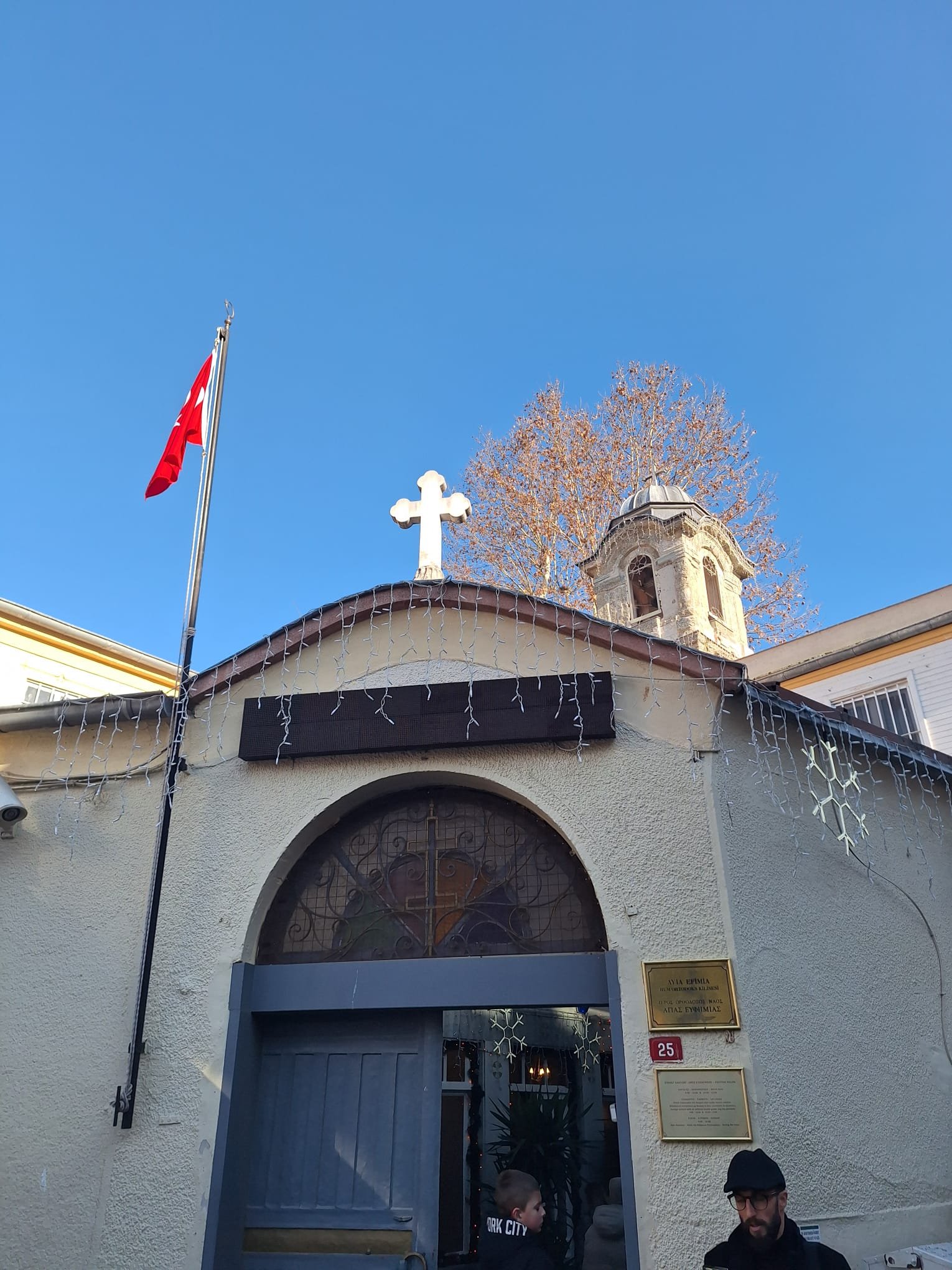
At first glance, Fener doesn't look like the centre of an institution whose history reaches back into late antiquity. For millions of Orthodox Christians, this place holds a significance that can't be measured by size or touristic staging.
That's exactly what makes Fener fascinating. The Patriarchate no longer sits in the Hagia Sophia, once Constantinople's main church. After 1453, it moved several times before permanently settling in Fener at the end of the 16th century. Today's Patriarchal Church of St. George is comparatively modest from the outside, yet contains significant relics, liturgical objects, and memories of a Christian tradition that survived the fall of the Byzantine Empire.
- The Ecumenical Patriarchate of Constantinople is one of the oldest and most significant institutions of Orthodox Christianity.
- The Patriarch is traditionally regarded as "first among equals" among the heads of the autocephalous Orthodox churches; he is not an Orthodox "pope" with identical central authority.
- After 1453, the Patriarchate was allowed to continue under Ottoman rule, but changed its seat several times.
- Since the late 16th century, its centre has been in Fener.
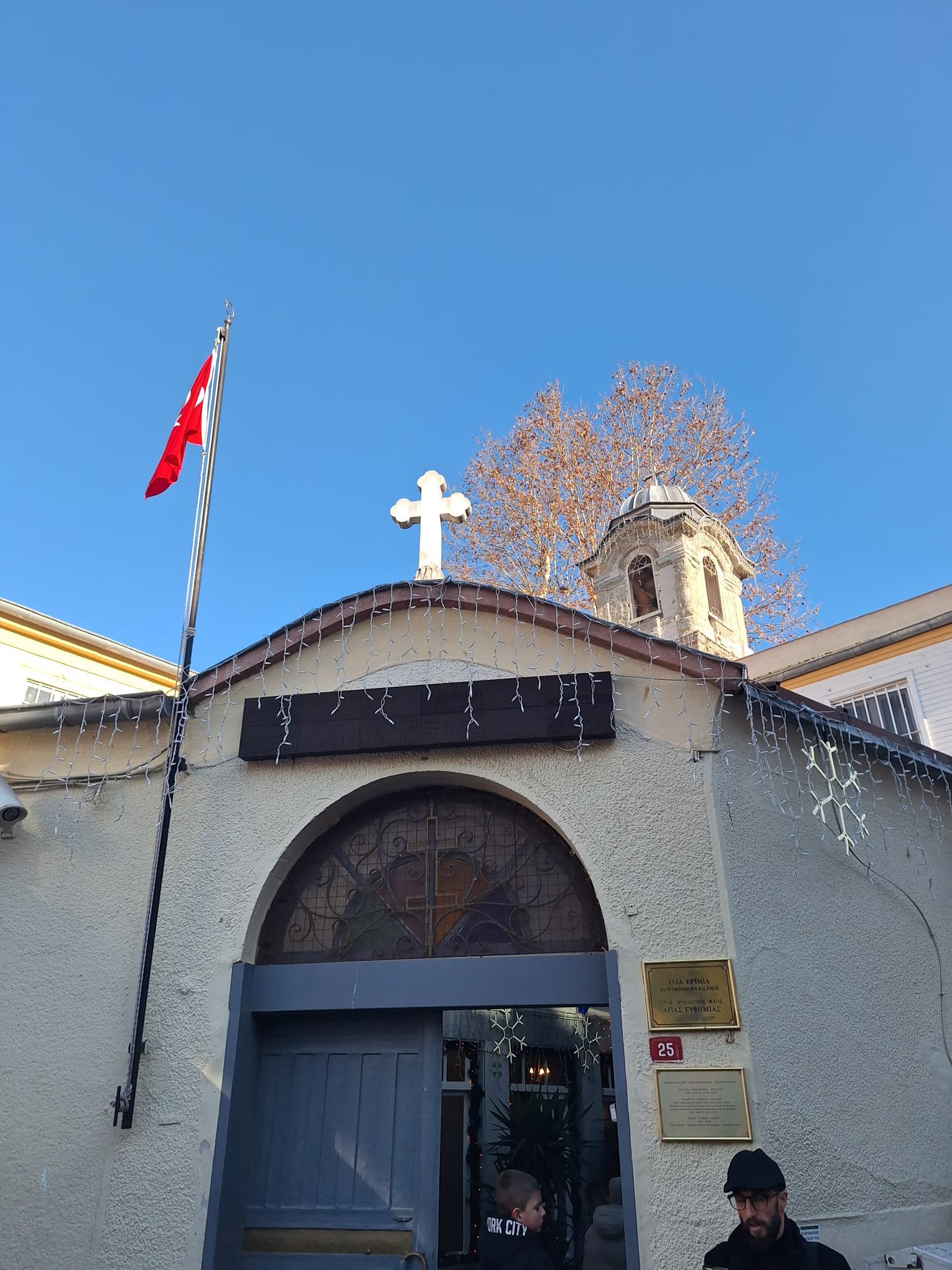
- The Patriarchal Church of St. George looks small from outside, but holds great religious significance inside.
- The permanently sealed central gate recalls the execution of Patriarch Gregory V in 1821.
- For a long time, Fener was the centre of influential Greek Orthodox families known as the Phanariotes.
Why the Patriarch of Constantinople Is So Significant
In its present physical form, the Patriarchate is considerably more unassuming than you'd expect given its worldwide significance. That has historical reasons. After the Ottoman conquest of 1453, the Ecumenical Patriarch remained a central religious authority for large parts of the empire's Orthodox population, but no longer had the monumental main church of the Hagia Sophia at his disposal. Its seat changed several times before the Patriarchate permanently established itself in Fener in the early 17th century. Today's Cathedral of St. George therefore feels more like a larger parish church than the centre of a centuries-old ecclesiastical institution.
Its significance lies not in architectural scale, but in the continuity of the office. The Patriarch of Constantinople is regarded in the Orthodox world as "first among equals." That doesn't mean he rules over all Orthodox churches like a pope. The Orthodox churches are independently organised, and the Patriarchate's areas of authority are complex. Its special standing is grounded above all historically and honorifically. This distinction matters, because Western visitors otherwise easily interpret church structures on the Catholic model.
Over the centuries, Fener thereby became a place where religion, diplomacy, and minority politics were closely intertwined. Istanbul's Greek Orthodox population shrank drastically in the 20th century. Wars, the population exchange with Greece, special taxes, the riots of 6–7 September 1955, and later expulsions changed the community profoundly. The Patriarchate nonetheless remained in Istanbul. As a result, this small complex today holds an almost paradoxical position: it stands in a district where the Greek population now makes up only a fraction of its former size, while at the same time remaining a centre of international significance.
Anyone entering the Cathedral of St. George shouldn't therefore look only for "old treasures." The iconostasis, relics, and liturgical objects belong to a living church. Services still take place, pilgrims come from many countries, and church decisions made in Fener can trigger political and religious reactions far beyond Istanbul. That makes this relatively small place one of the best examples of how historical significance in Istanbul can't be measured by monumentality.
Constantinople became the new imperial capital of the Roman Empire in the 4th century. As the city's political significance grew, so did the standing of its bishop. At the great councils of late antiquity, the see of Constantinople received an especially high rank within the Christian ecclesiastical order.
In the Orthodox world today, the Ecumenical Patriarch is regarded as primus inter pares, first among equals. That matters, because Western visitors sometimes automatically compare his role to that of the pope. The comparison only helps to a very limited degree. The Patriarch carries great honorific and coordinating weight, but doesn't hold the same central jurisdiction over all Orthodox churches that the pope holds within the Roman Catholic Church.
His significance is therefore historical, liturgical, and diplomatic all at once. The title "Constantinople" lives on, even though the city has officially been called Istanbul internationally since 1930. The Patriarchate thus carries an institutional memory of the Byzantine capital right into the present.
What Happened to the Patriarchate After 1453
When Mehmed II conquered Constantinople in 1453, the Byzantine Empire ended, but not the Orthodox Church. The sultan confirmed a new patriarch, Gennadios Scholarios, and integrated the Orthodox community into the Ottoman order. The patriarch received religious leadership functions, along with a certain responsibility for parts of the Christian Orthodox population.
The Hagia Sophia was now a mosque and could obviously no longer serve as the patriarchal church. The patriarchal seat therefore first moved to other churches. One of these was the Church of the Holy Apostles — the very site where the Fatih Mosque later arose. Because of the building's condition and its changing surroundings, though, the Patriarchate soon moved on.
These relocations show how strongly Christian Constantinople had to reorient itself spatially after 1453. The institution continued, but without the imperial centre that had shaped its standing for centuries.
How Fener Became the New Centre
At the end of the 16th century, the Patriarchate moved into the Fener area and took over the Church of St. George. The site lay within a district with a significant Greek Orthodox population. Over the following centuries, church schools, homes, and networks of influential families developed around the Patriarchate.
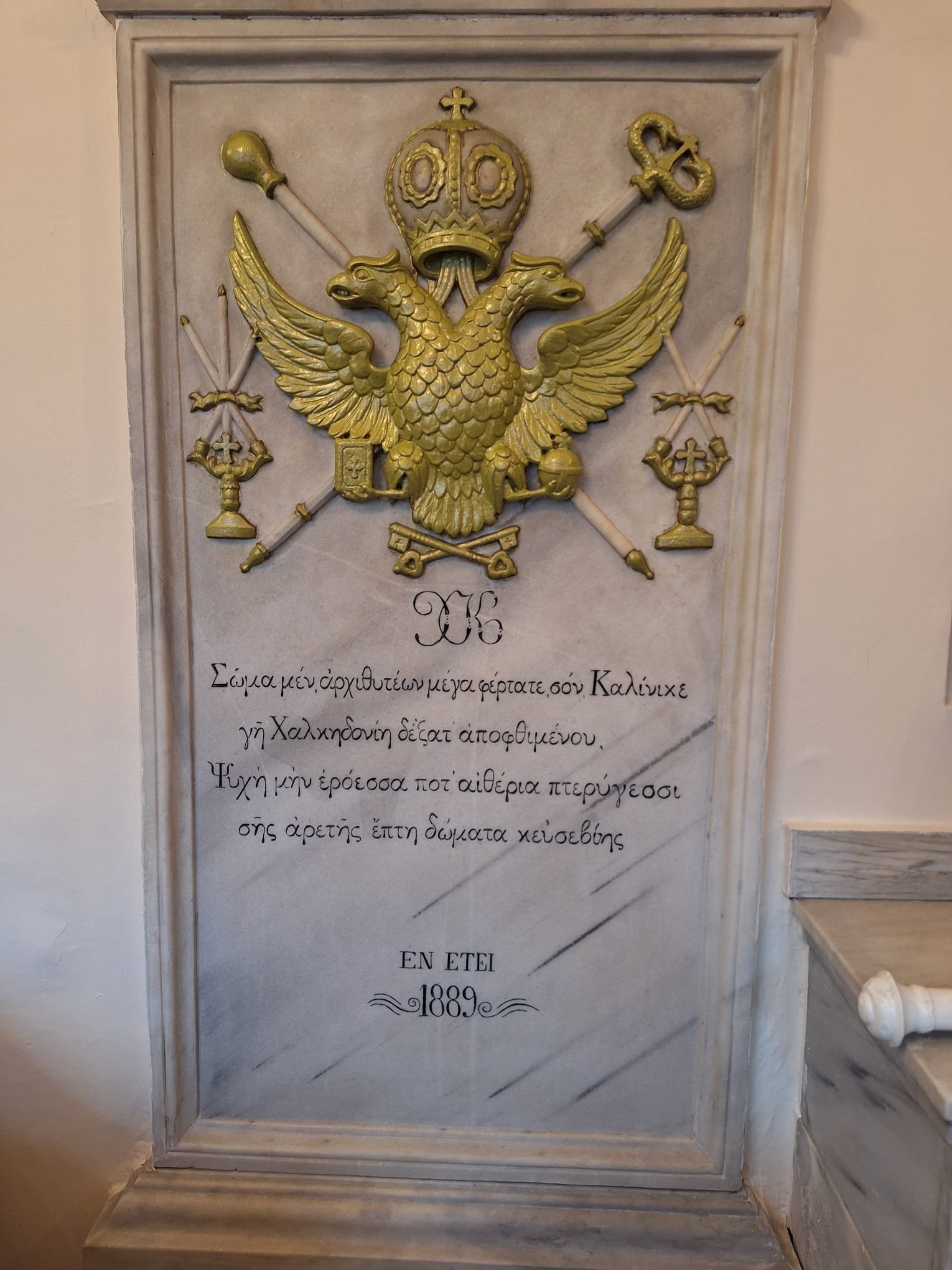
Fener thereby became a centre of Orthodox administration and education within the Ottoman Empire. That doesn't mean, though, that a self-contained "Greek city within the city" existed here. Istanbul was spatially mixed, and political and economic relationships tied its communities together.
The Church of St. George
That the Cathedral of St. George feels so much smaller than the Hagia Sophia is no contradiction of its significance. After 1453, the Patriarchate no longer had the monumental imperial infrastructure of the Byzantine Empire at its disposal. As it established itself in Fener, it had to function within an entirely different political order. The church was therefore not built as a triumphant successor to the Hagia Sophia, but as the centre of a community that had to redefine its place within the Ottoman Empire.
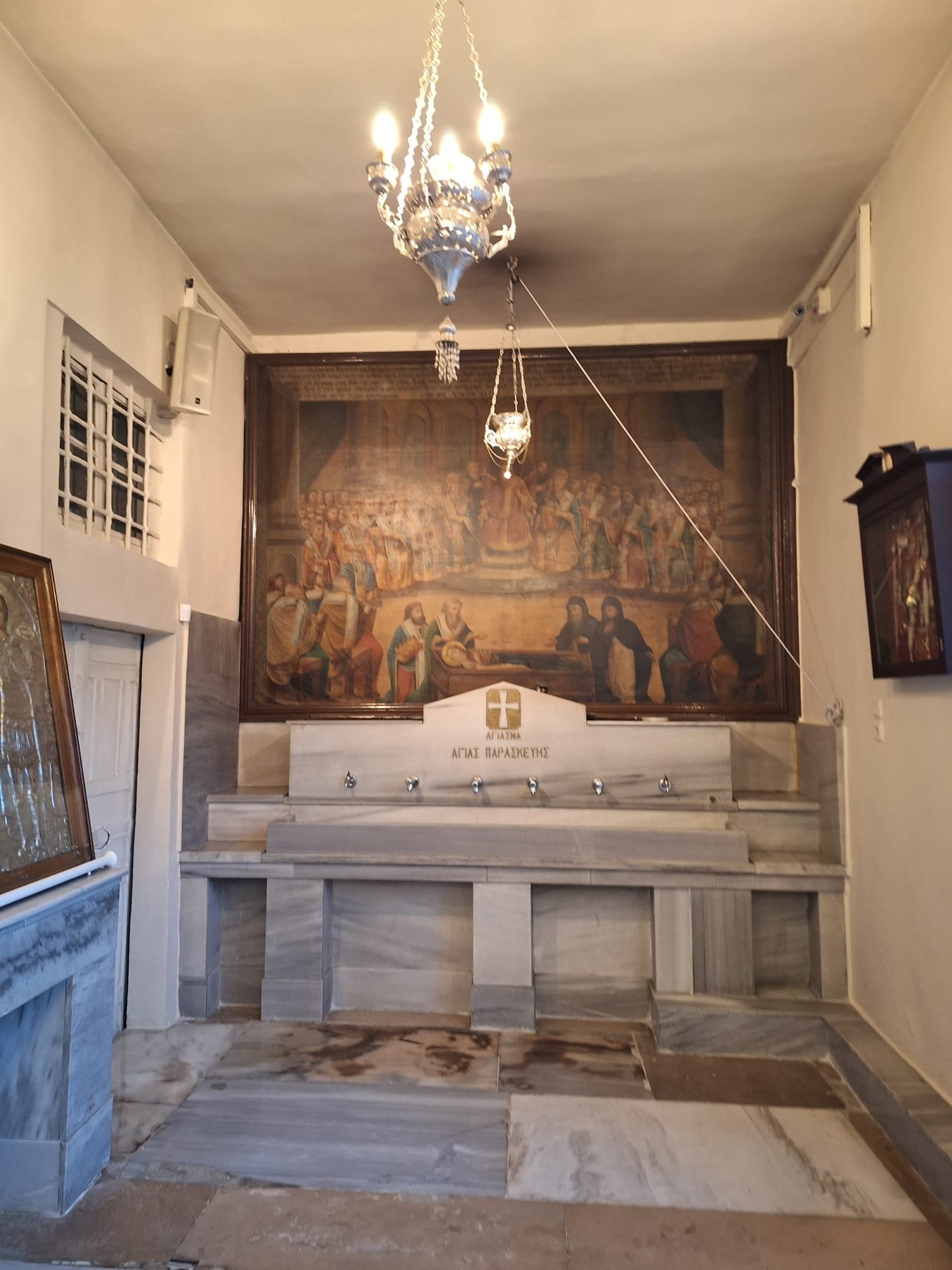
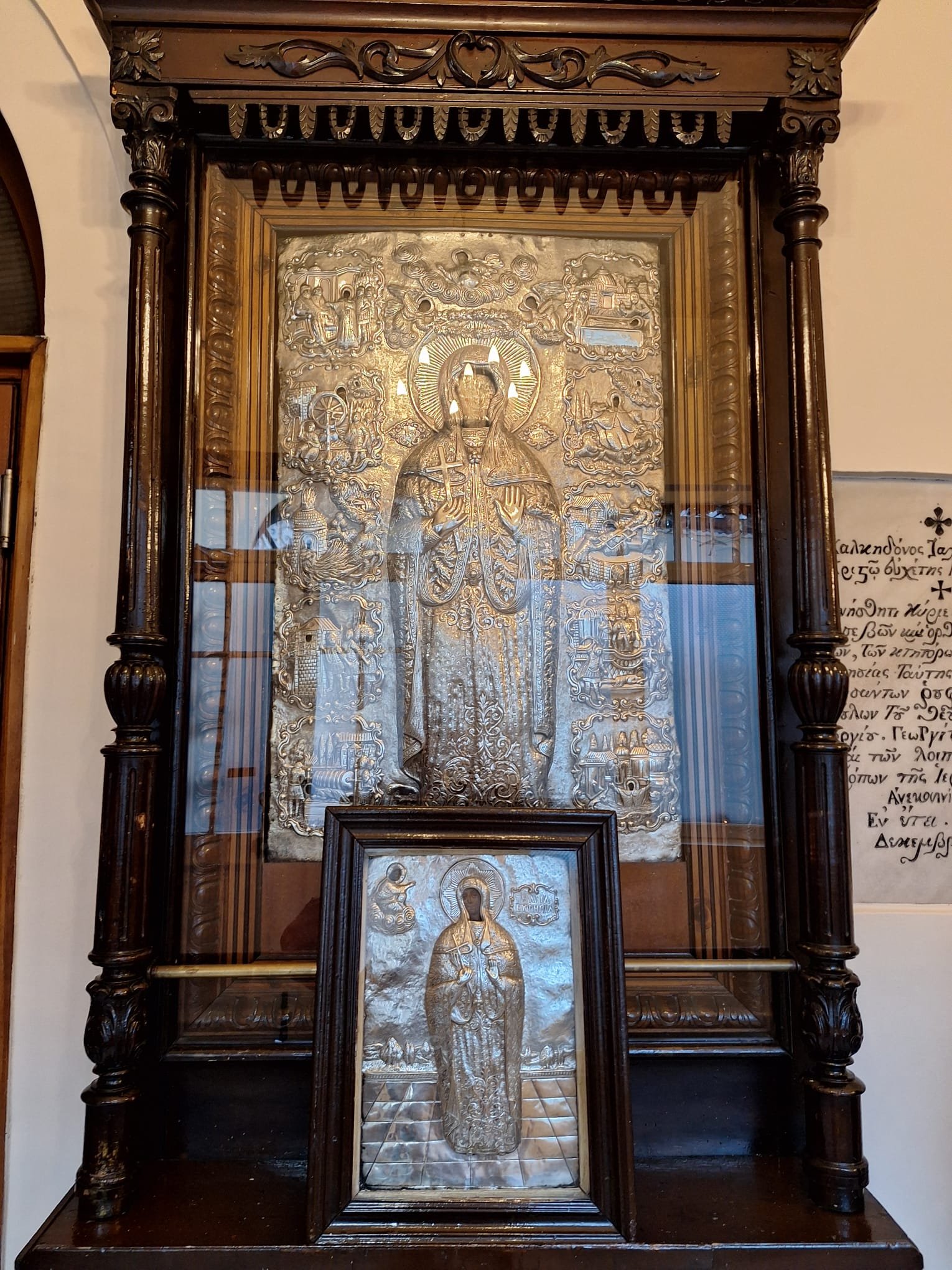
Inside, the effect is nonetheless extraordinarily dense. Icons, the tall iconostasis, relics, and liturgical vessels create a space where centuries of Orthodox devotion converge. It matters especially that visitors don't read the furnishings merely as an art museum. During a service, chant, incense, and liturgy completely transform how the space is perceived. The Patriarchate, after all, is no decommissioned monument to the Byzantine Empire, but an active institution. That's precisely what sets it apart from many of Istanbul's other Byzantine sites.
Anyone expecting monumental Byzantine architecture will initially be surprised. The Church of St. George is considerably smaller than the Hagia Sophia or the Chora, and has no huge dome visible above the city from outside. This restraint has historical reasons. Christian churches could continue to exist under Ottoman rule, but new construction and external display were subject to restrictions and permit systems that varied by era.
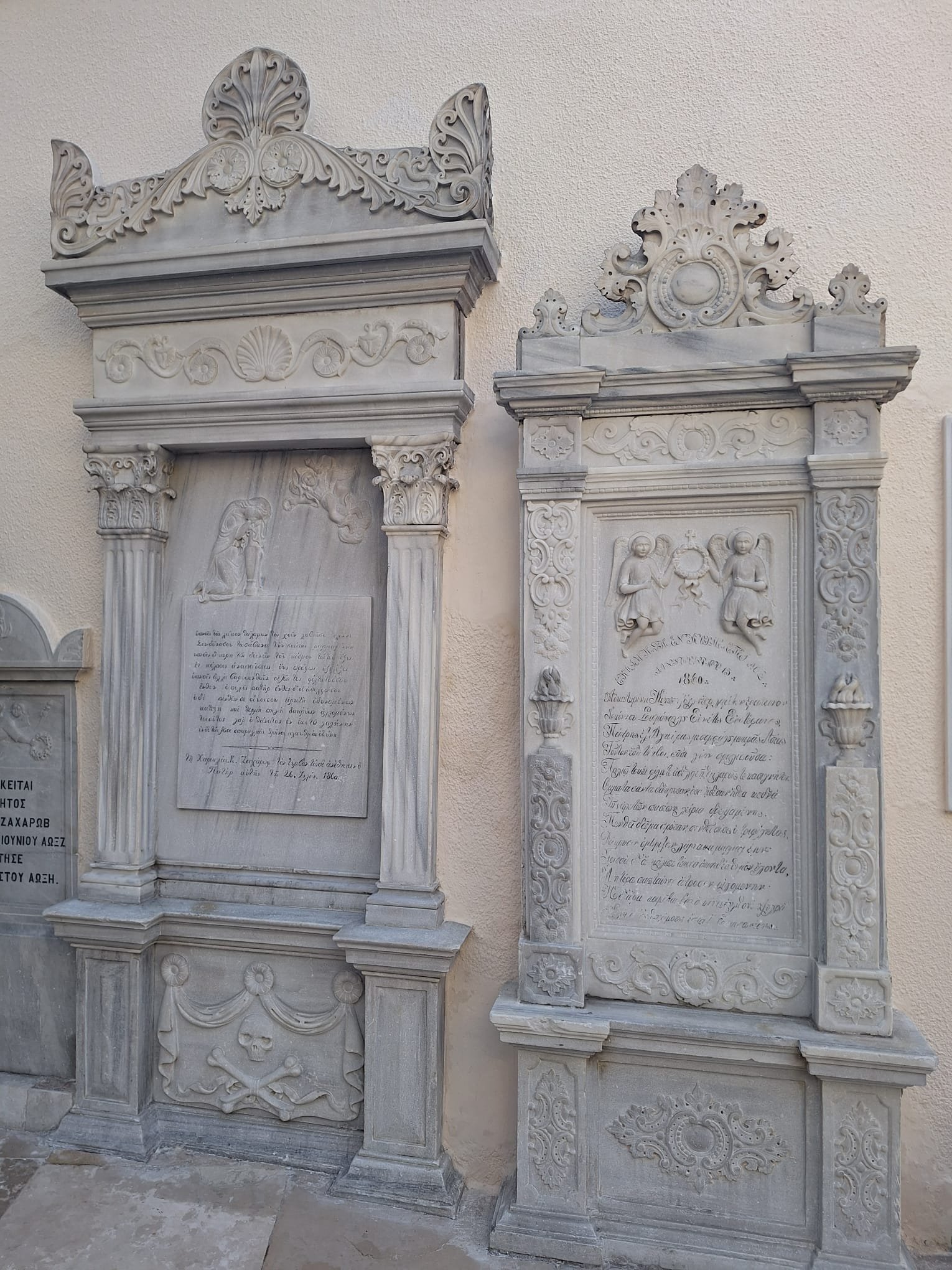
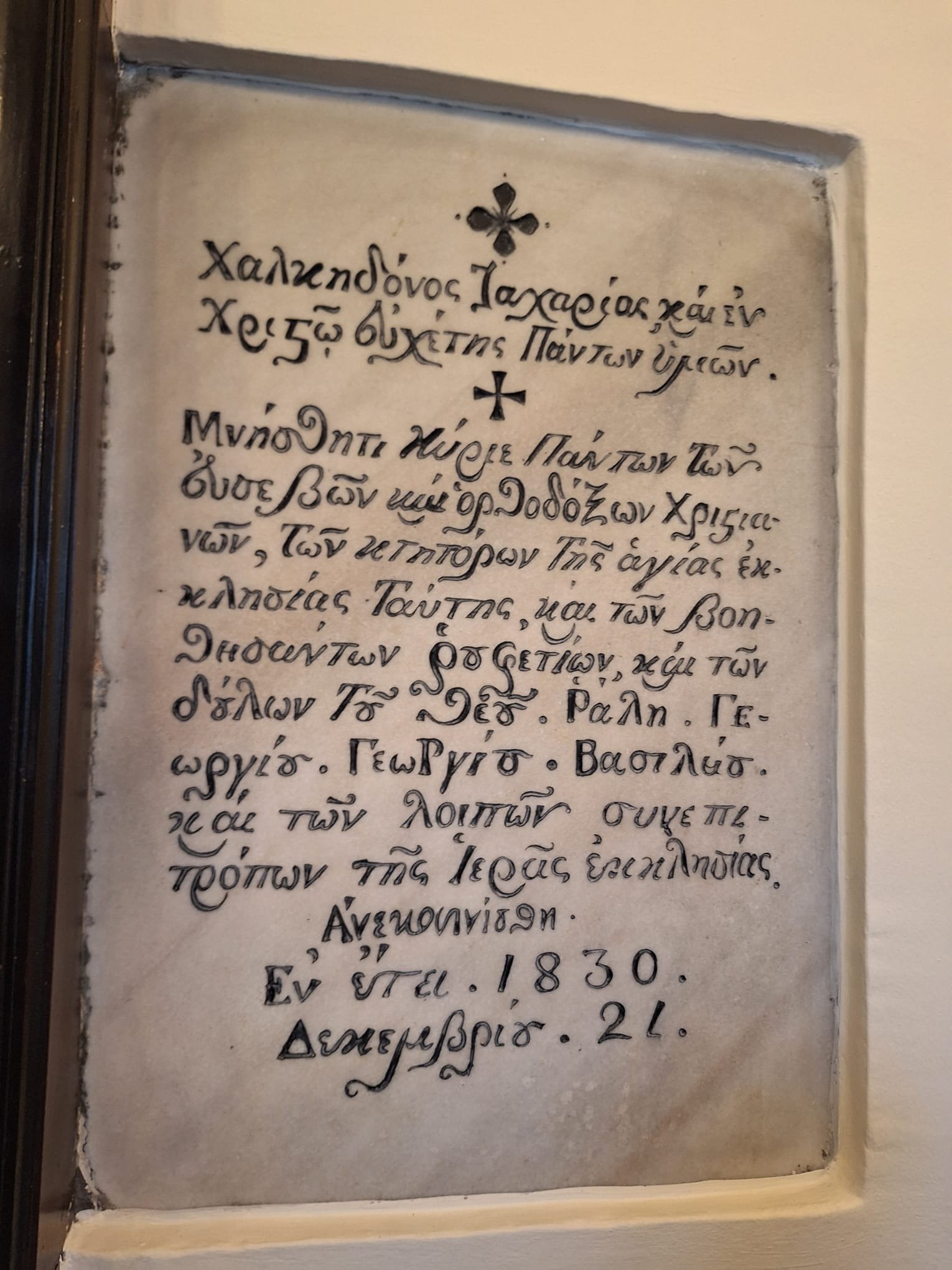
Inside, the impression changes immediately. The iconostasis, liturgical vessels, relics, and historical objects make clear that this space is no ordinary neighbourhood chapel. Central services of the Ecumenical Patriarchate take place here, and visitors come here from across the Orthodox world.
If you would rather walk through Fener and Balat with a guide than explore on your own, here is a guided tour.
Relics and Precious Furnishings
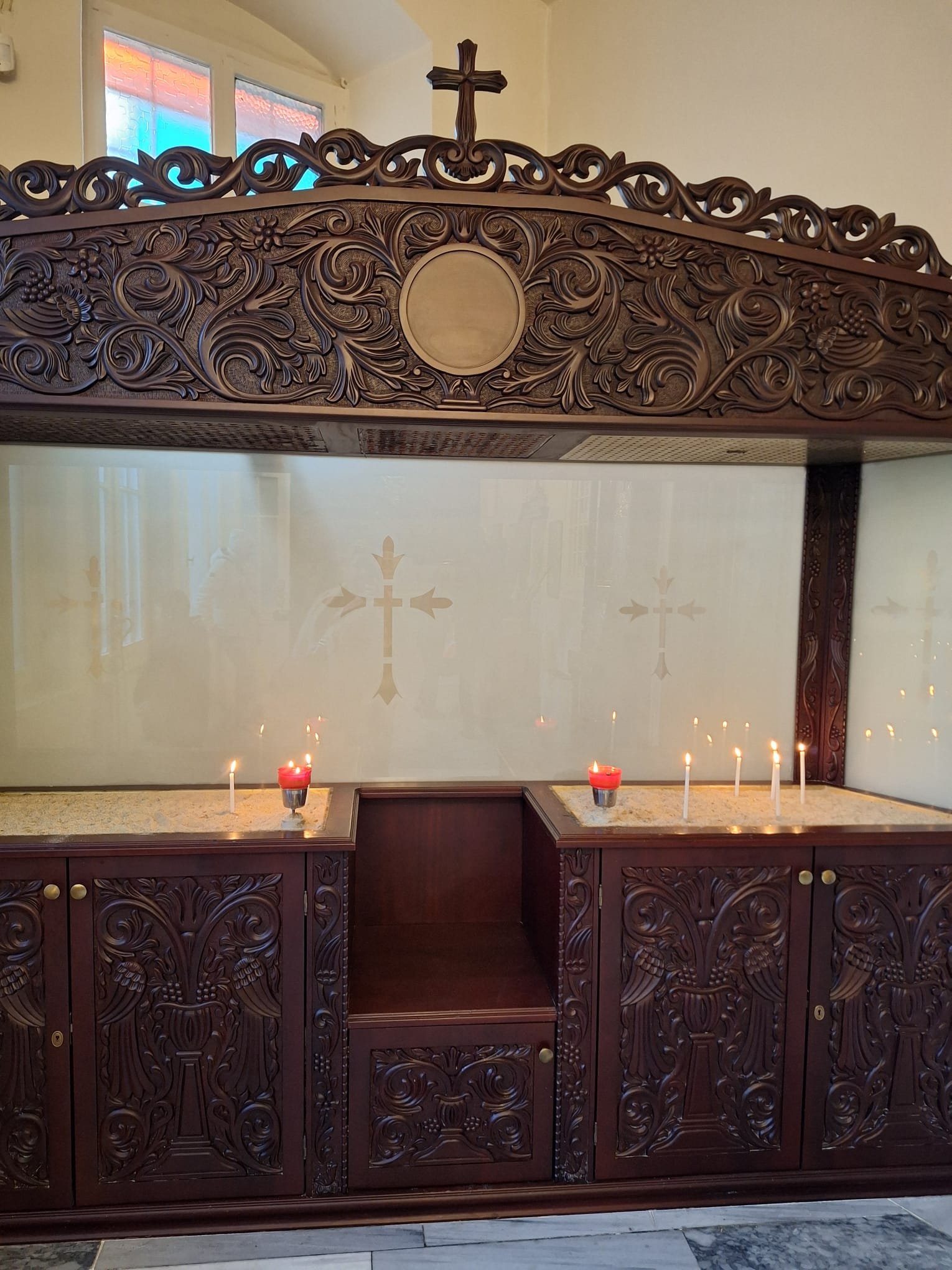
Among the venerated objects are relics of several saints and church fathers. Especially important are the relics of St. Gregory of Nazianzus and St. John Chrysostom, returned to the Patriarchate by the Vatican in 2004. Their story leads directly back to the great conflicts and transfers of relics between East and West.
In the Middle Ages, relics weren't simply keepsakes. They carried religious, political, and economic significance. Cities and churches gained prestige, pilgrims, and symbolic closeness to saints through them. That some relics returned to Istanbul after centuries therefore carries enormous symbolic weight.
The Sealed Central Gate
One gate at the Patriarchate stands out for being permanently closed. Behind it lies a tragic story. In 1821, at the start of the Greek War of Independence, Patriarch Gregory V was executed by Ottoman authorities and hanged at the Patriarchate's main gate.
The patriarch had officially condemned the uprising, but was nonetheless considered politically responsible, or suspect. His execution became a central martyrdom event in Greek memory. The gate was closed afterward and hasn't been regularly opened since.
This story shows how difficult the patriarch's position within the Ottoman Empire could be. He was the religious leader of a large community, yet at the same time dependent on political power, and could be held responsible for events he didn't fully control.
Fener, the Phanariotes, and Ottoman Politics
In the 17th and 18th centuries, several highly influential Greek Orthodox families, known in European sources as the Phanariotes, came from Fener. They were often multilingual, well educated, and served the Ottoman Empire as diplomats, interpreters, and administrators.
Some were appointed princes of the Danubian Principalities of Moldavia and Wallachia. Families from a single Istanbul district could thereby gain considerable political influence in south-eastern Europe. Their rise shows that religious minorities in the Ottoman Empire weren't merely passive subjects. Individual families could attain enormous power within certain structures, even while remaining subject to legal and political restrictions.
The Patriarchate Under the Republic of Turkey
With the end of the Ottoman Empire, the Patriarchate's position changed once again. Istanbul's Greek Orthodox population shrank sharply in the 20th century, partly as a result of population exchange, special taxes, the riots of 6–7 September 1955, and later waves of emigration.
The Patriarchate nonetheless remained in Istanbul. Its international religious significance therefore stands in a striking relationship to today's comparatively small local Greek Orthodox community. That's exactly what makes Fener a place where world history and today's urban population don't align.
What "Ecumenical" Actually Means
In everyday usage, the word "ecumenical" is often associated with interreligious cooperation. In the patriarch's title, though, it has an older historical background. The Greek oikoumene referred to the inhabited world. The title developed within the late antique and Byzantine context and underscored the special standing of the patriarchate of the imperial capital.
After the split between Rome and Constantinople, traditionally dated to 1054, the Latin Western church and the Orthodox churches increasingly developed apart. The actual estrangement was a longer process, not a single switch flipped in one day. The Fourth Crusade of 1204 deepened the hostility further, as Latin crusaders looted the Christian city of Constantinople and installed a Latin church hierarchy for decades.
For the Patriarchate, this past still matters today. Modern meetings between Orthodox patriarchs and popes therefore carry more than polite diplomatic significance. They take place against the backdrop of centuries of mutual conflict, theological differences, and the memory of 1204.
The Great School of the Nation and Fener's Network of Education
A large red building stands out above the district, one many visitors initially mistake for the Patriarchate. It's actually the Great School of the Nation, a significant Greek Orthodox educational institution. Its roots reach back into the early Ottoman period, while today's striking building dates from the 19th century.
The school is a reminder that religious communities needed more than churches. Language, education, and training were essential to preserving cultural identity across generations. Institutions therefore arose in Fener that produced clergy, translators, officials, and educated elites.
Among the Phanariotes especially, multilingualism was a political advantage. Anyone fluent in Greek, Ottoman Turkish, Italian, French, or other languages could play an important role in diplomacy and trade. The district was thus not merely a religious centre, but also a place of knowledge and international mediation.
Why the Patriarchate Looks So Small Today
Many visitors are surprised that a globally known institution sits behind such a comparatively modest facade. There are several reasons for this. Today's seat developed in Ottoman times, when the Orthodox Church was recognised, but no longer represented the privileged state church of a Christian empire. Monumental self-representation was therefore possible under a completely different political situation than in Byzantine Constantinople.
Add to that the massive demographic change of the 20th century. The local Greek community, which once shaped entire streets, is small today. The Patriarchate thus holds a global religious reach that's barely reflected in the number of local congregation members within the immediate cityscape. It's precisely this contrast that makes the place so remarkable.
"The Ecumenical Patriarch is the pope of the Orthodox." False, or misleading. He holds an honorary primacy, but not a central authority over all Orthodox churches identical to the pope's.
"The Orthodox Patriarchate was abolished after 1453." False. Mehmed II confirmed its continued existence within the Ottoman order.
"The sealed gate is just decoration." No. It commemorates the execution of Gregory V in 1821 and carries great symbolic significance.
My Thought on This Place
What strikes me especially about Fener is how it once again shows how wrong the idea is that Istanbul can be divided into neatly separated chapters: Christian first, then Muslim, done. The Orthodox Church didn't disappear in 1453. It had to change, find its place anew, and live within an entirely different political order.
So when you walk into St. George today, you're not entering the remnant of a dead history. People pray there, services are held there, people from different countries come together there. That's exactly what matters to me: religions and communities in Istanbul aren't just museum pieces. Some of these stories keep living, right in the middle of today's city.
– Amra