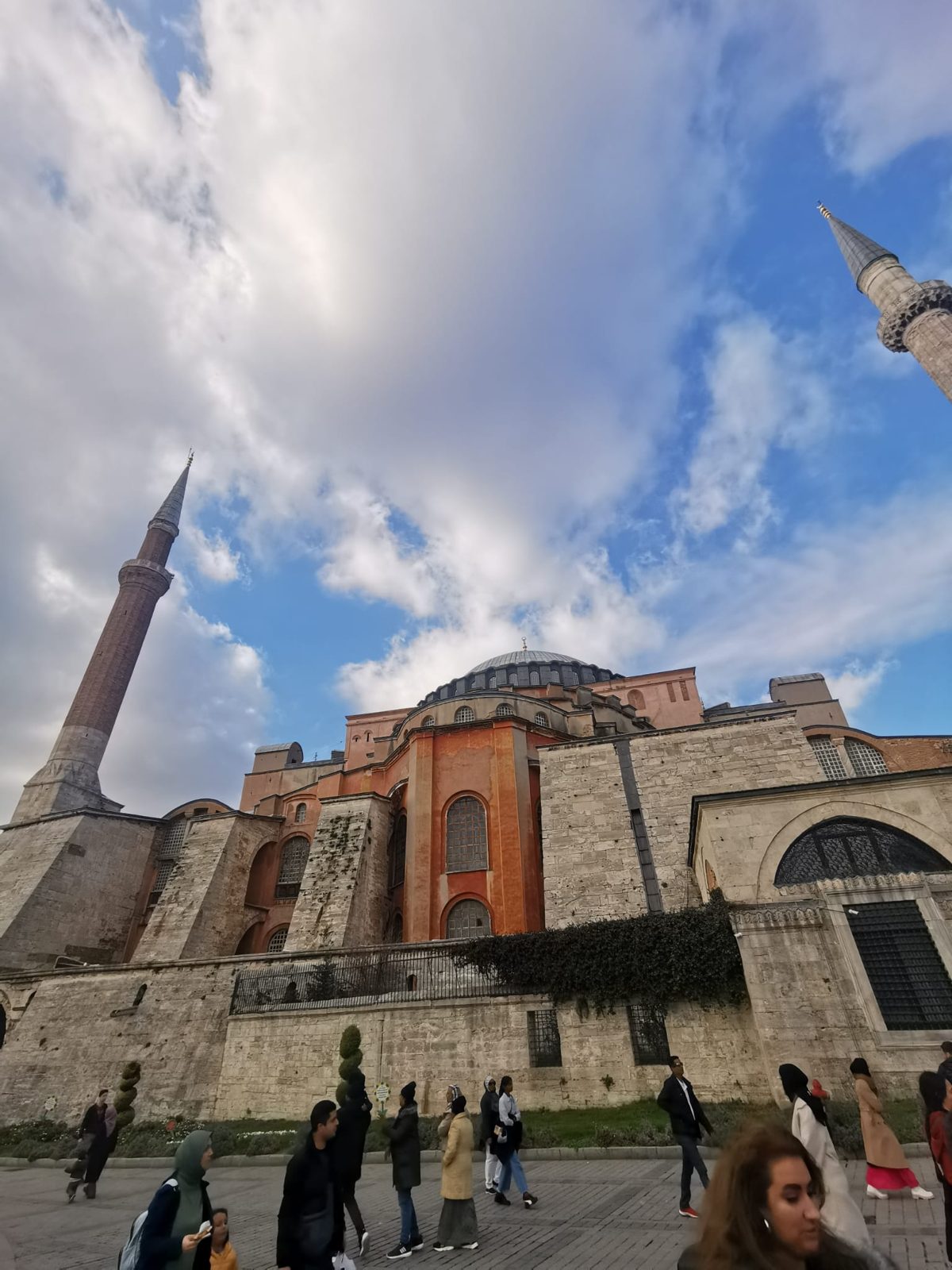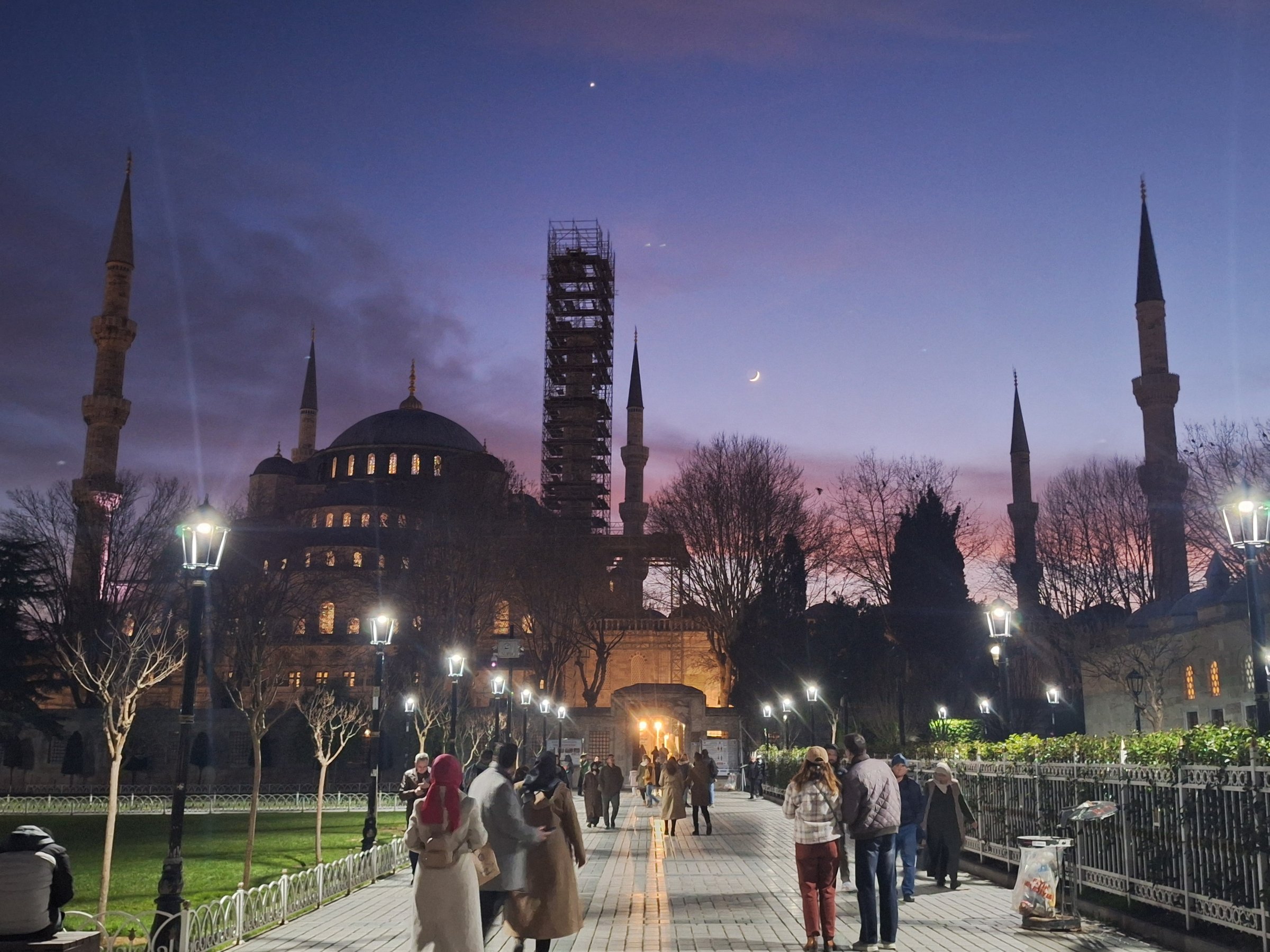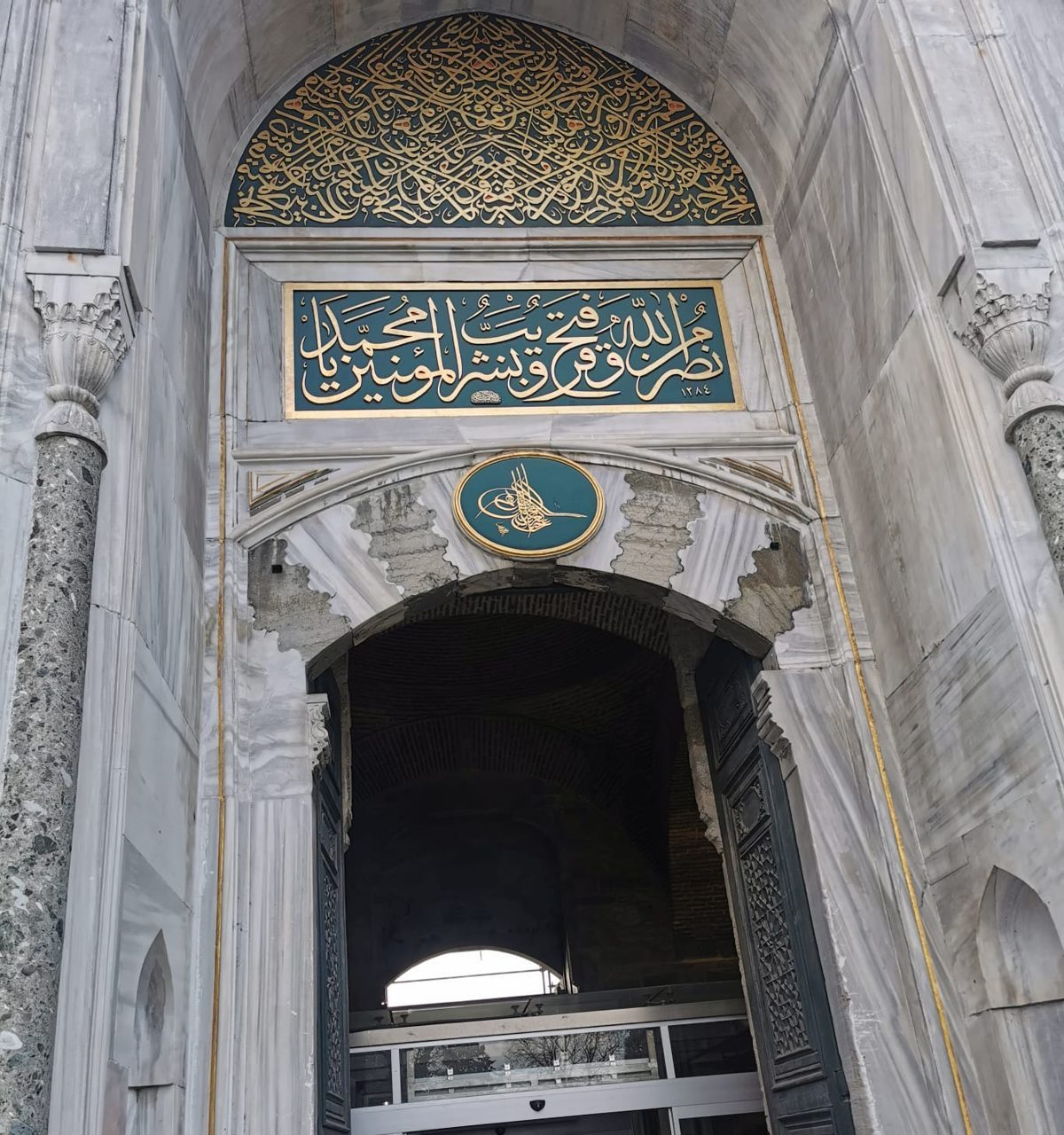

Who was the man who took the Ottoman throne at just 13 – beyond his role as the builder of a world landmark? Ahmed I ascended the Ottoman throne in 1603 at just 13 years old, after the sudden death of his father Mehmed III, and ruled until his own early death in 1617 at only 27 — one of the shortest, yet most eventful reigns in all of Ottoman history.
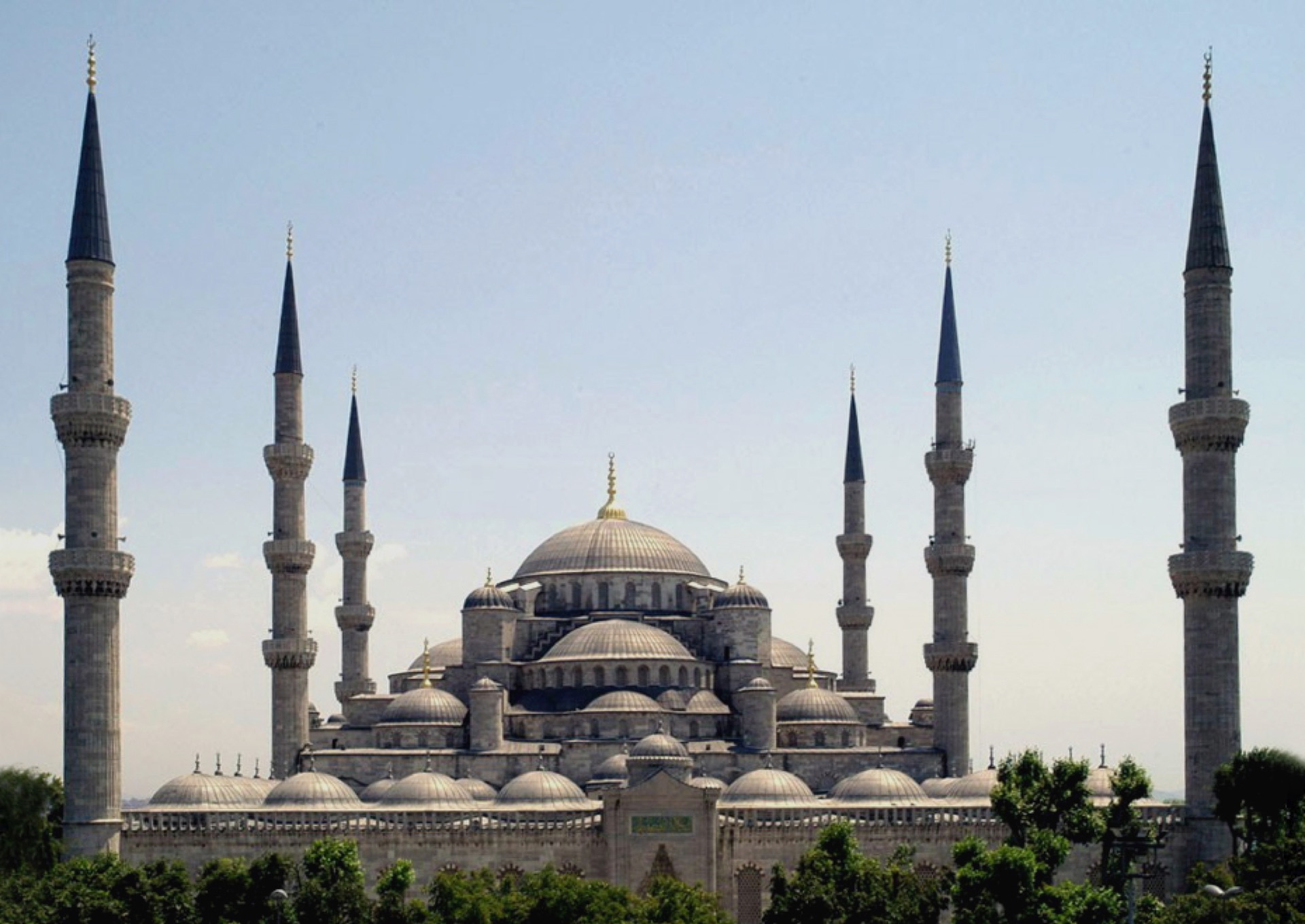
One of the shortest, yet most consequential reigns in Ottoman history. What remains is a mosque, a grave, and the question of how much a young man could accomplish in just 14 years at the head of a world empire.
His reign fell in a time of considerable foreign-policy challenges: ongoing wars against the Habsburgs in Hungary, persistent conflicts with Safavid Persia to the east, and, domestically, repeated Janissary uprisings, whose growing political independence already made the first cracks visible in the empire's military power structure at this time — cracks that would become the real problem centuries later.
A mosque without a military victory
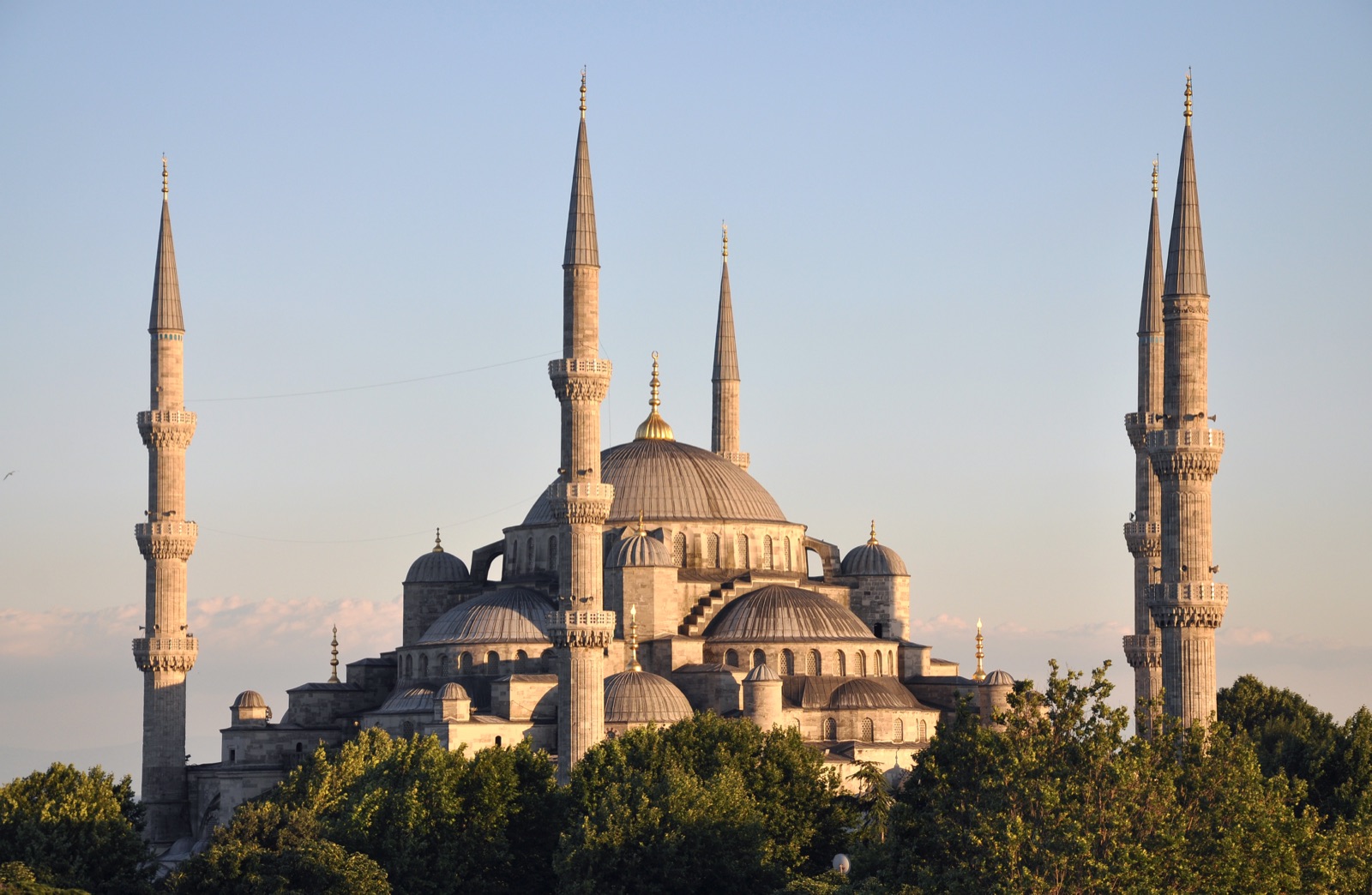
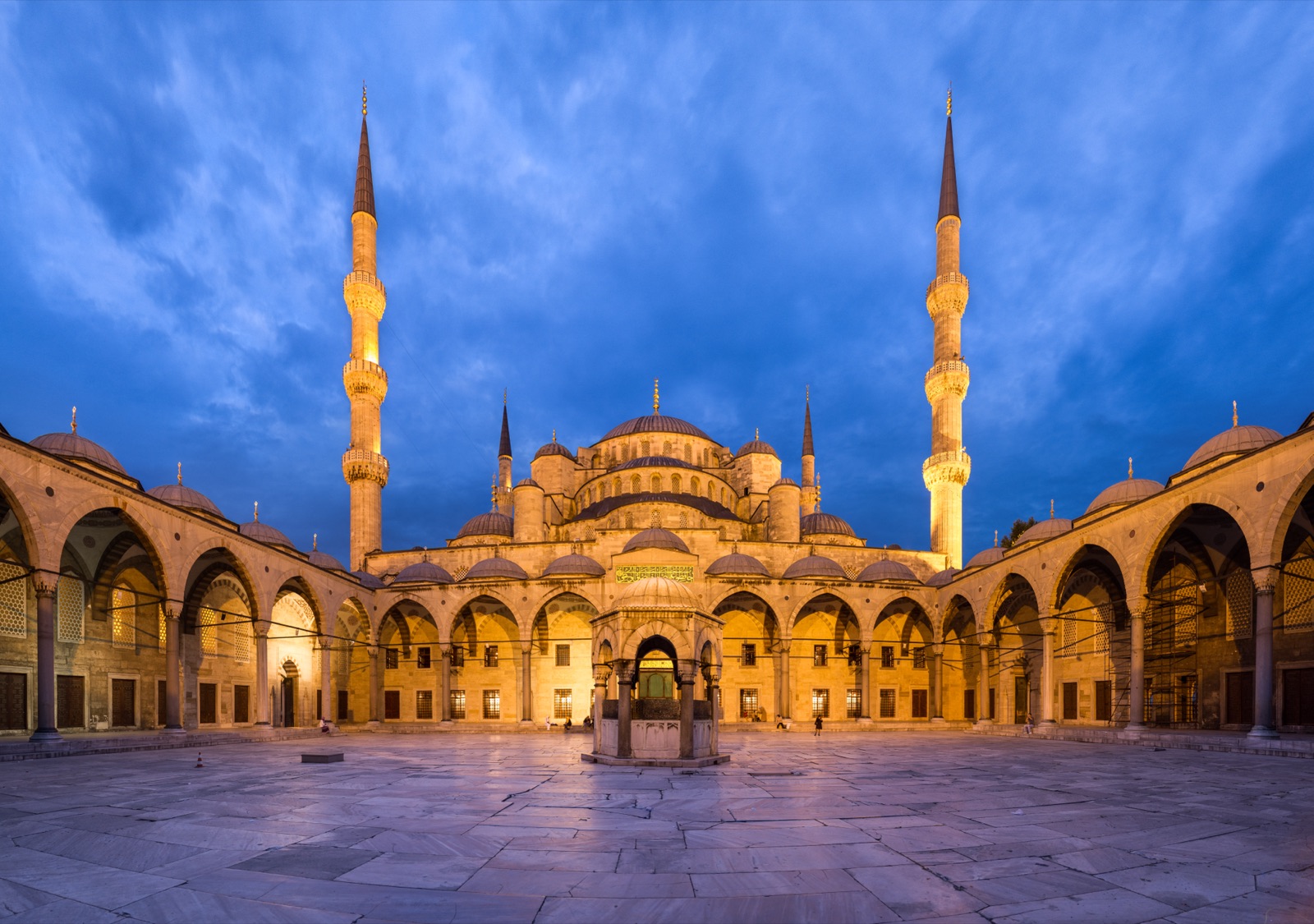
Despite this turbulent foreign-policy situation, the young sultan chose one of the most ambitious building projects of his time: the Blue Mosque, built in just seven years between 1609 and 1616 — an unusual decision for a sultan without a military conquest to his name, since traditionally only sultans with significant military victories financed great imperial mosques. Ahmed I deliberately broke with this convention, which drew genuine criticism at the time, but ultimately gave him the most famous architectural legacy of any Ottoman sultan.
His death in 1617 came suddenly and unexpectedly, likely from typhoid fever, only a year after the completion of his life's work — a circumstance contemporary chroniclers imbued with a certain tragic symbolism: a ruler who had seemingly reached his greatest goal shortly before he himself passed away.
Ahmed I left behind several underage sons, two of whom, Osman II and Murad IV, later became sultan themselves, each with his own dramatic reign, showing how much the early onset of childhood rule at the head of the empire — a direct structural problem of the late Ottoman Empire — shaped the political stability of the following decades.
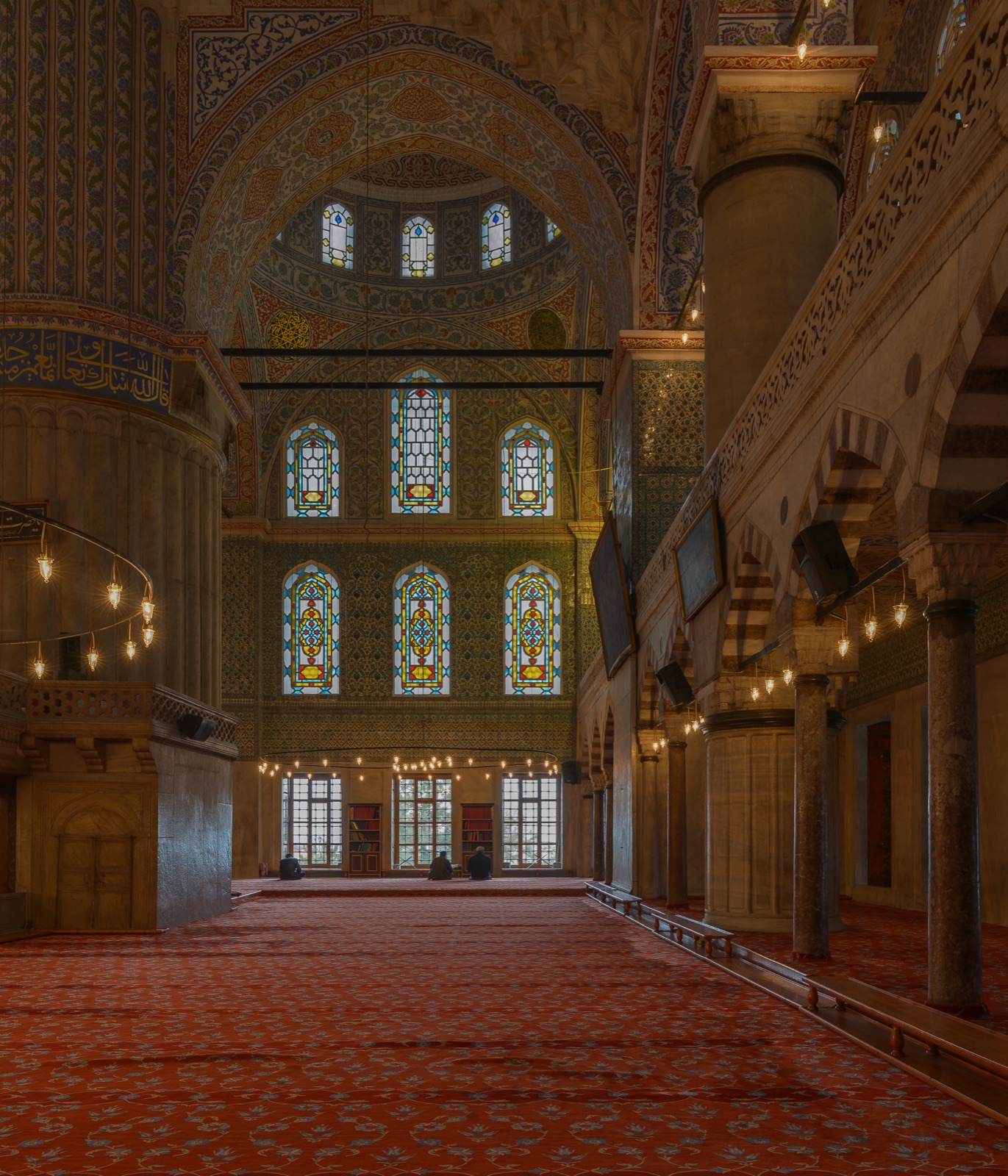
His mausoleum, located directly beside his mosque, was commissioned only after his death by his younger half-brother and successor Mustafa I, and built between 1617 and 1619 by the same architect who had already built the Blue Mosque, Sedefkâr Mehmed Ağa. Contrary to what's often assumed, the square building with its beveled corners is by no means plain: through a three-arched portico you enter the space through an ebony door artfully inlaid with ivory, mother-of-pearl and tortoiseshell; inside, the walls are fully clad, up past the lower row of windows, in floral-patterned İznik tiles; on a dark blue ground, a band of verses from Surah Al-Mulk in white thuluth calligraphy runs around the entire room, while the central dome medallion shows a verse from Surah Fatir and the pendentives bear the names of Allah. The structure itself measures roughly 15 by 15 meters, with slightly beveled corners, covered by a dome on a polygonal drum; an iwan opens on the west side, a portico on the east, while a total of 52 windows of varying sizes, arranged in three rows one above the other, create the bright, luminous atmosphere characteristic of Ottoman mausoleums. Inside stand a total of 36 sarcophagi today, including, beside Ahmed I himself, that of his influential consort Kösem Sultan, who for decades after his death, as one of the most powerful women in all of Ottoman history, wielded the real governing power behind several successive sultans.
Ahmed I's story shows, in exemplary fashion, how short yet consequential an Ottoman reign could be: a teenager who took over a world empire, a young man who, by 27, had already left behind one of the most famous buildings in world history, and a sultan whose personal decisions, from succession reform to mosque building, reverberated far beyond his short life.
The mausoleum itself, the dynasty’s graves and the architecture are covered in Sultan Ahmed Mausoleum.