 Music · Travel · Lifestyle
Sirkeci is one of those places where you don't need much imagination to travel back a hundred years in your head. With its arches, windows, and Orientalist-inspired forms, the historic station building already feels like a stage set. Once you know international trains from Europe arrived here, a beautiful building becomes a place full of arrivals, farewells, diplomats, businesspeople, migrants, and travellers.
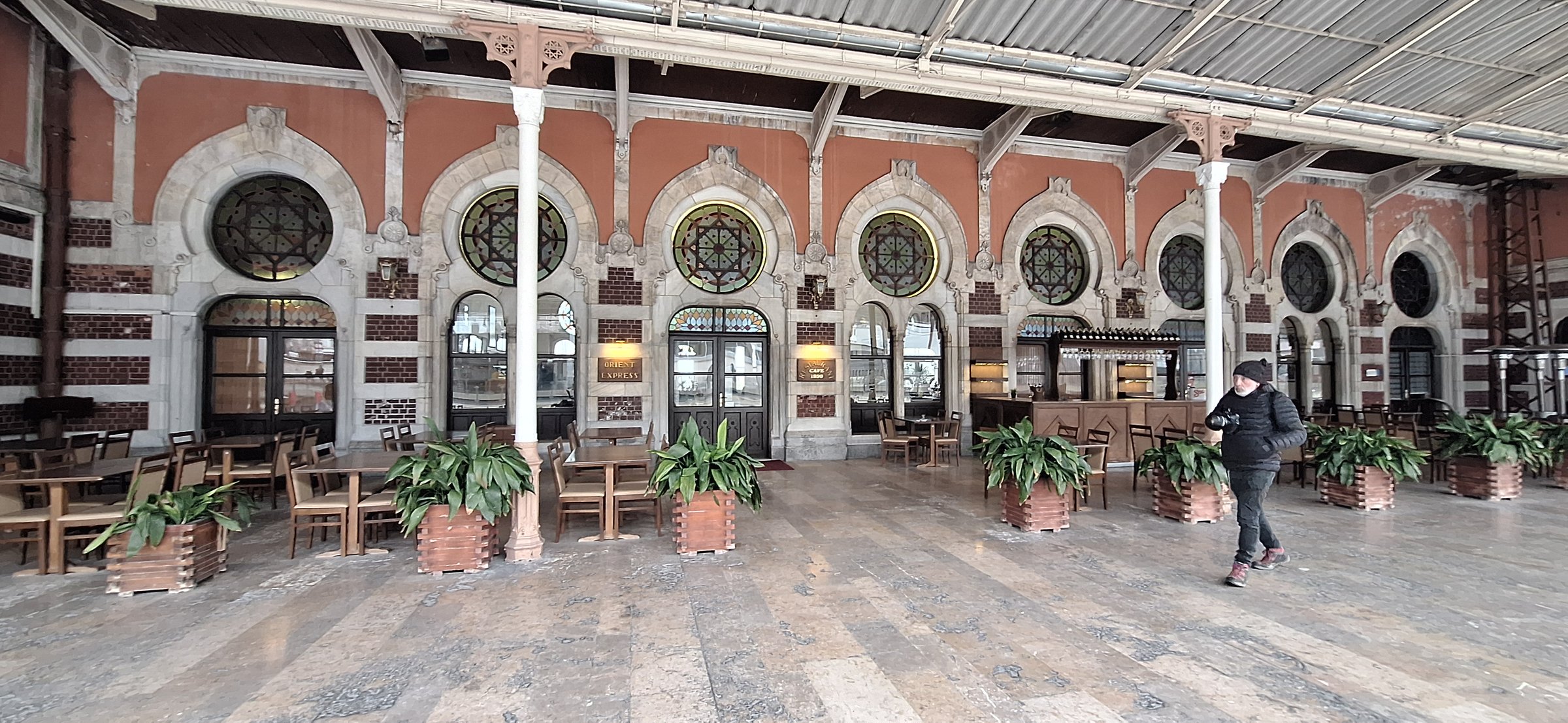
With its arches, windows, and Orientalist-inspired forms, the historic station building already feels like a stage set. Once you know international trains from Europe arrived here, a beautiful building becomes a place full of arrivals and farewells.
The station was built at the end of the 19th century as the grand terminus of the European rail connection to Constantinople. Its architect was the German August Jasmund. The Orient Express made Sirkeci internationally famous, but its history is far bigger than just Agatha Christie and luxury travellers.
- The historic station was built at the end of the 19th century.
- Its architect was the German August Jasmund.
- Sirkeci became the terminus of major European rail connections to Constantinople.
- The station became especially famous through the Orient Express.
- Its architecture combines modern railway engineering with a European idea of "Oriental" forms.
- Today, Marmaray has fundamentally changed the site's transport role.
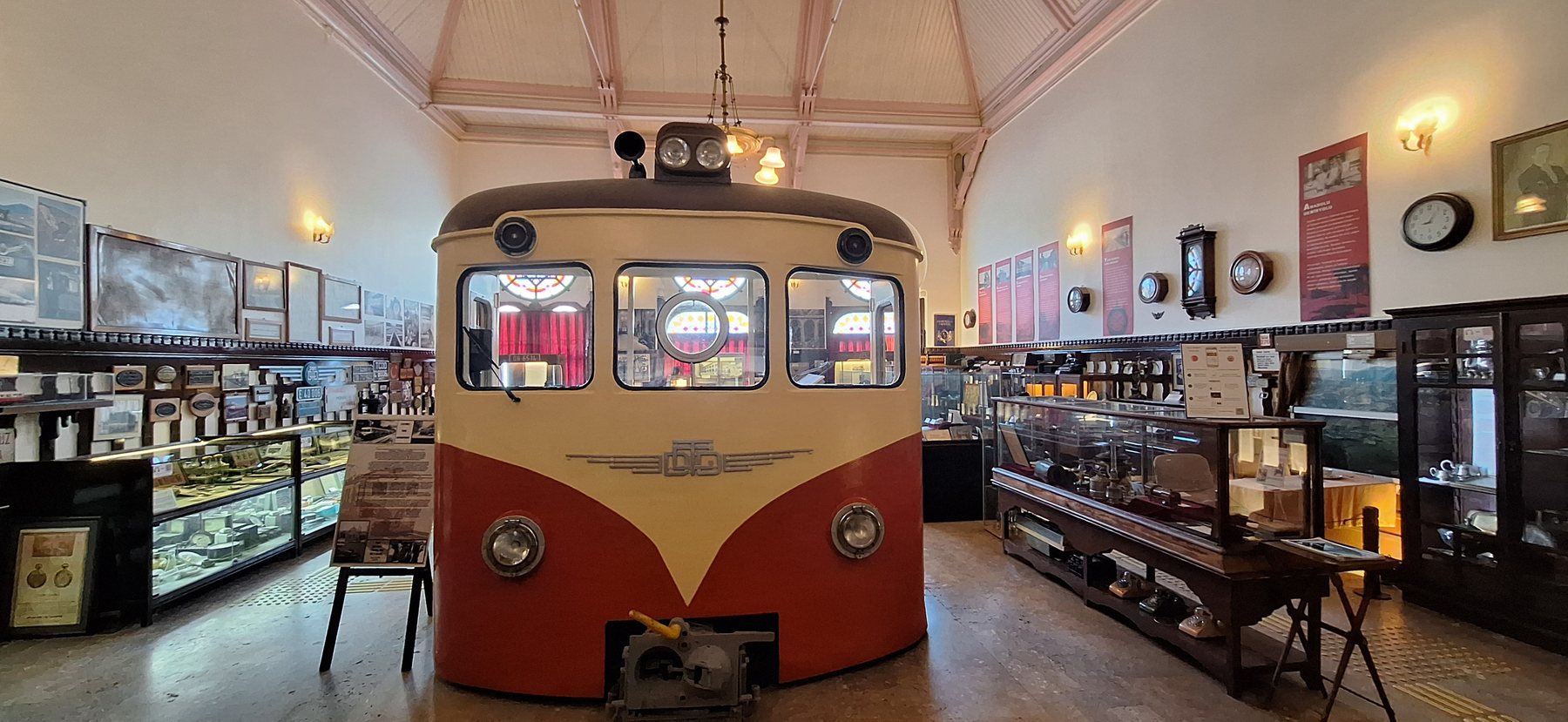
- A small railway museum with numerous original objects sits within the historic station grounds.
Why the Ottoman Empire Needed a Railway to Europe
In the 19th century, railways became the infrastructure of modern states. Trains carried not just travellers. They moved soldiers, mail, raw materials, and trade goods far faster than traditional roads.
The Ottoman Empire therefore invested in rail projects and granted concessions to European companies. A direct connection between Constantinople and European networks carried economic and political weight.
Railways, then, weren't merely a comfort for wealthy tourists. They were an instrument of state modernisation.
The Train Reaches Constantinople
The rail connection developed step by step. The challenge lay not only in laying track, but in doing so through politically complicated regions of the Balkans.
When fully through connections finally became possible, Constantinople gained, for the first time, a regular modern land link to European capitals.
Sirkeci was thus not simply a terminus. The station became a new city gate.
The Orient Express Wasn't Purely a Luxury Myth From the Start
The famous Express d'Orient set out from Paris in 1883. The early journey didn't yet run seamlessly all the way to Constantinople on the same train; some sections had to switch to other means of transport. Only later did a fully through rail connection become possible.
The train was luxurious, but it was also a real means of transport at the same time. Diplomats, wealthy travellers, businesspeople, and other passengers used it.
Today's image of velvet, murder cases, and champagne is a cultural myth that has wrapped itself around a real train.
Agatha Christie and the Legend
Agatha Christie's "Murder on the Orient Express" cemented the train as a literary symbol once and for all. Christie herself travelled toward the Middle East several times and knew international rail travel well.
The famous story that she wrote the entire novel in Room 411 of the Pera Palace is gladly retold. Her stays at the hotel are documented; the exact writing of every chapter in that one room, however, is considerably more a part of the hotel's own legend.
Literature and tourism have merged here so strongly that fact and a good story blend together easily.
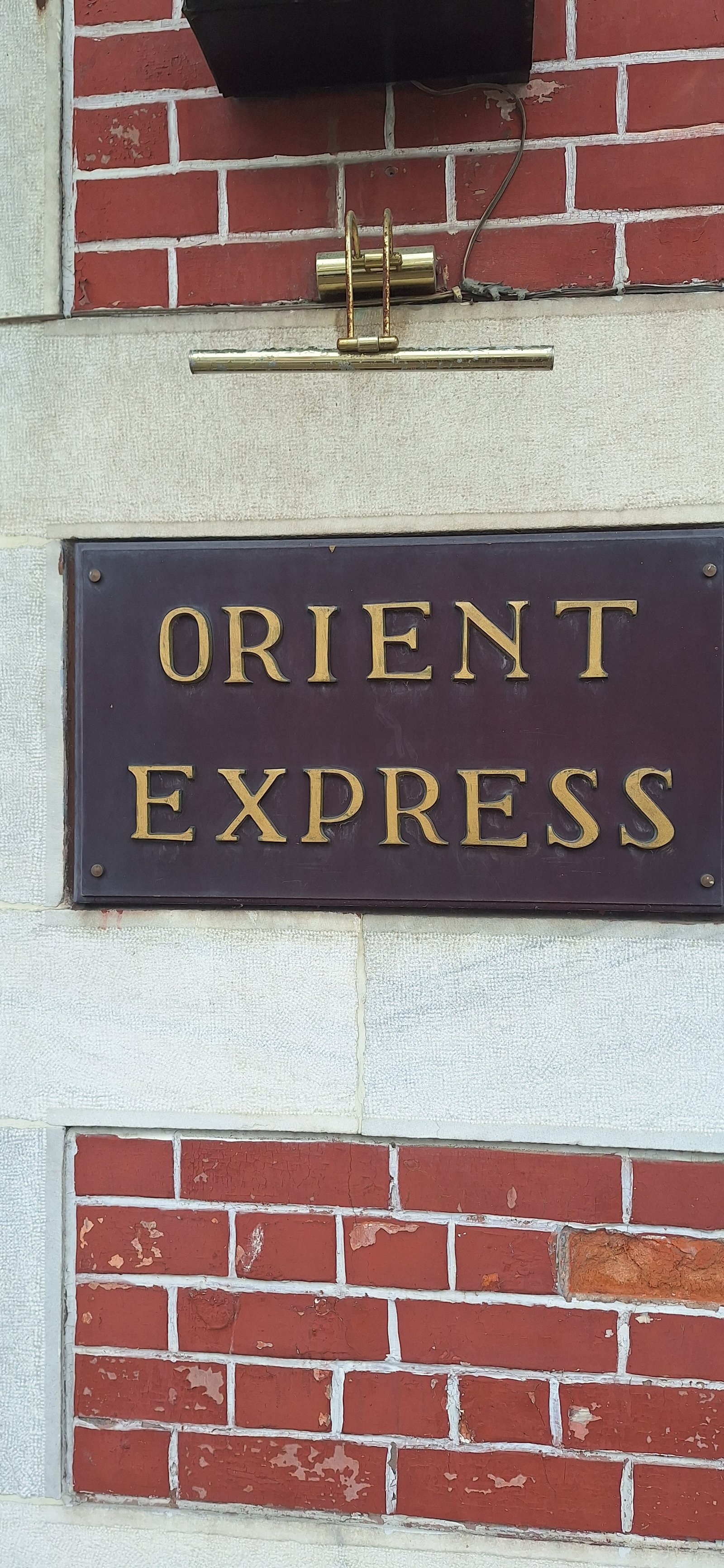
August Jasmund and the Station Building
The German architect August Jasmund designed the grand station building, which opened in 1890. He had studied local architecture and combined European construction with forms that contemporary Europeans understood as "Oriental."
Horseshoe-shaped arches, decorative windows, and coloured elements create an architecture that deliberately signals: a different world begins here.
That's a European idea, of course. Istanbul itself was far more complex and modern than such exoticising imagery suggests.
How Europe Imagined the Orient Here
The station was built at a time when European travellers viewed Constantinople as both a modern metropolis and an exotic "Orient" at once. This very tension is reflected in the architecture.
The building was technically modern, but visually it wasn't meant to look like just any station in Berlin or Vienna. For arriving Europeans, it had to create an immediate feeling of "Constantinople."
That's interesting, because architecture here expressed not just local identity, but also catered to visitors' expectations.
Arriving Without an Airport
Today, millions of visitors land at the airport, collect their luggage, and drive into the city via motorway or metro. Imagine instead having sat on a train for days and, at the end of the journey, reaching Sirkeci.
You step out practically right in the historic centre. The Golden Horn lies nearby, so does Eminönü — the great city begins directly outside the station.
For a 19th-century traveller, that arrival must have been enormous. After days on a train, Constantinople suddenly opens up before you.
Restaurant and Railway Museum
Within the historic station grounds, there's still a restaurant today that deliberately recalls the railway era. I especially like this mix: you can come for a coffee or a çay, but you're sitting in a place where history isn't just hanging on the wall as decoration.
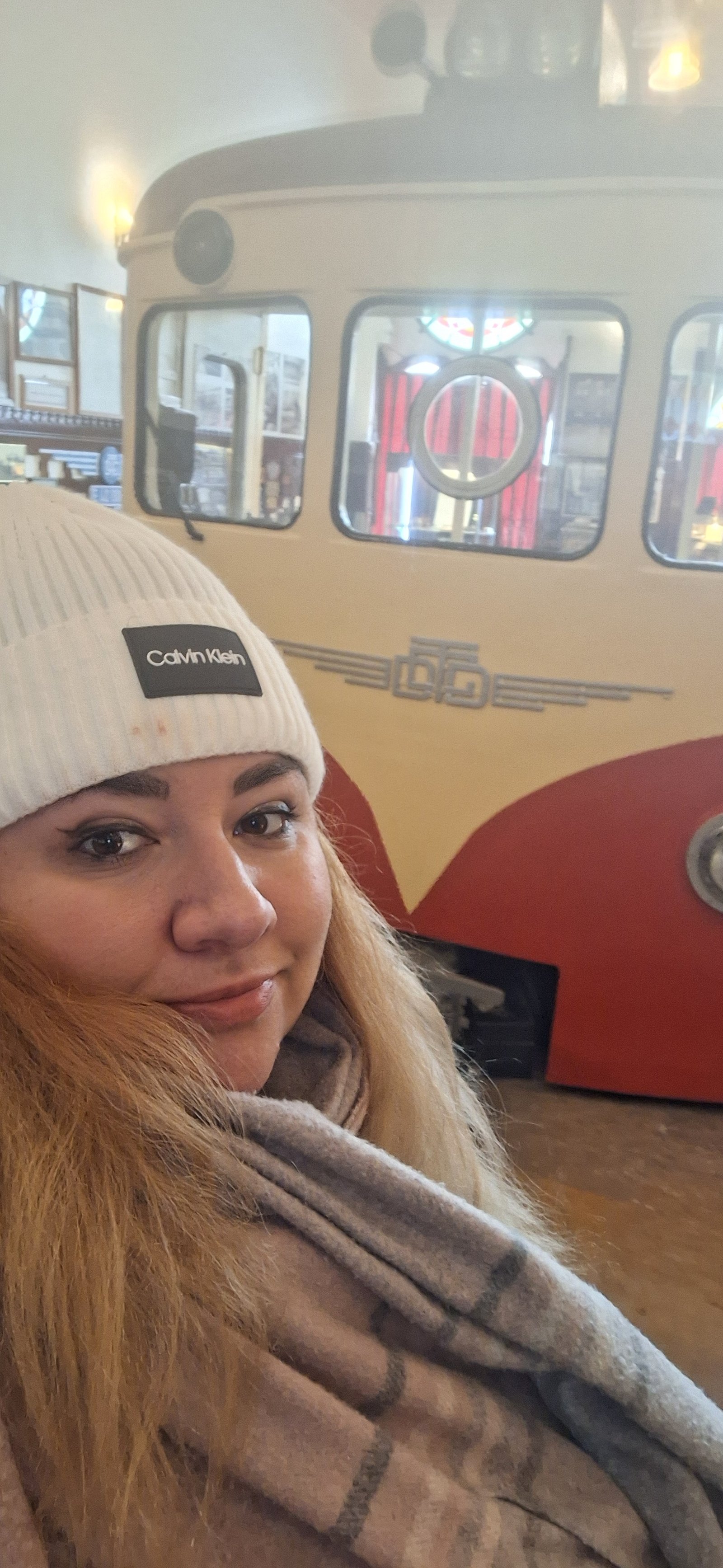
I find the small railway museum particularly lovely. Admission was free when we visited, and even though it's not a huge museum, an incredible amount of history is packed into that space. Original parts, documents, logbooks, technical objects, and old railway memorabilia suddenly make the subject concrete.
My boys were completely captivated there. And it's exactly small museums like this that I love, because you don't have to walk through twenty halls for three hours to take something away with you.
Marmaray and the New Sirkeci
With Marmaray, Istanbul gained a modern rail connection beneath the Bosphorus. That fundamentally changed the role of the old terminus station.
Especially fascinating were the archaeological finds that kept turning up during Istanbul's major transport construction projects. Modern infrastructure literally meets the layers of a thousands-of-years-old city here.
Sirkeci remained a transport hub, but its function was completely reorganised.
Sirkeci as a Place of Borders and Encounters
A station is never just architecture. Sirkeci, in particular, was a place where different administrative and everyday worlds collided. Passports, customs, luggage, languages, currencies, and timetables all had to come together. People arrived from Vienna, Budapest, Sofia, or Bucharest and suddenly found themselves at the centre of an Ottoman capital.
That made Sirkeci a place of transition. For some, a journey toward Europe began here; for others, it ended here. For diplomats, the station meant political traffic; for businesspeople, trade; for families, farewell or reunion.
This emotional dimension matters historically just as much as the famous luxury carriages.
The Station as Part of a New Mobility
With the railway, the relationship to distance changed. Journeys that had once taken weeks could now be managed in far less time. Schedules became more precise, mail faster, international connections more predictable.
That changed Istanbul itself too. Hotels, restaurants, luggage services, and transport around the station profited from the new flow of travellers. The station wasn't just a destination, then, but the engine of an entire urban infrastructure.
That Sirkeci is perceived today more as a historic site of memory shouldn't obscure this earlier, practical significance.
The Orient Express as a Symbol of a New European Travel Culture
The Orient Express became so famous because it represented more than just a train connection. It linked European capitals with Constantinople and turned a journey that had once been complicated and lengthy into something plannable and comfortable. For wealthy travellers, the train became a symbol of international mobility.
At the same time, you shouldn't confuse the myth with everyday reality. Not everyone who arrived at Sirkeci did so in a luxurious sleeping car. The station was part of a far broader rail network and was used by people travelling for very different reasons.
Why the Station Restaurant Fits the Place So Well
A restaurant in a historic station is interesting when it doesn't use history merely as decoration. At Sirkeci, this connection works especially well, because sitting there you still sense the character of the building. A coffee or çay doesn't automatically become historic because of it, but the space changes what you find yourself thinking about.
For me, that's exactly where this feeling of the past arises, without needing any artificial show. You're sitting in a place where people arrived and departed for decades, and the thought comes almost by itself.
Not Only Luxury Travellers Arrived Here
The Orient Express dominates the romantic memory of Sirkeci, but the station mattered to very different kinds of people. Soldiers, officials, traders, families, and later labour migrants all used the rail connections. Especially in the 20th century, stations became places of great population movements.
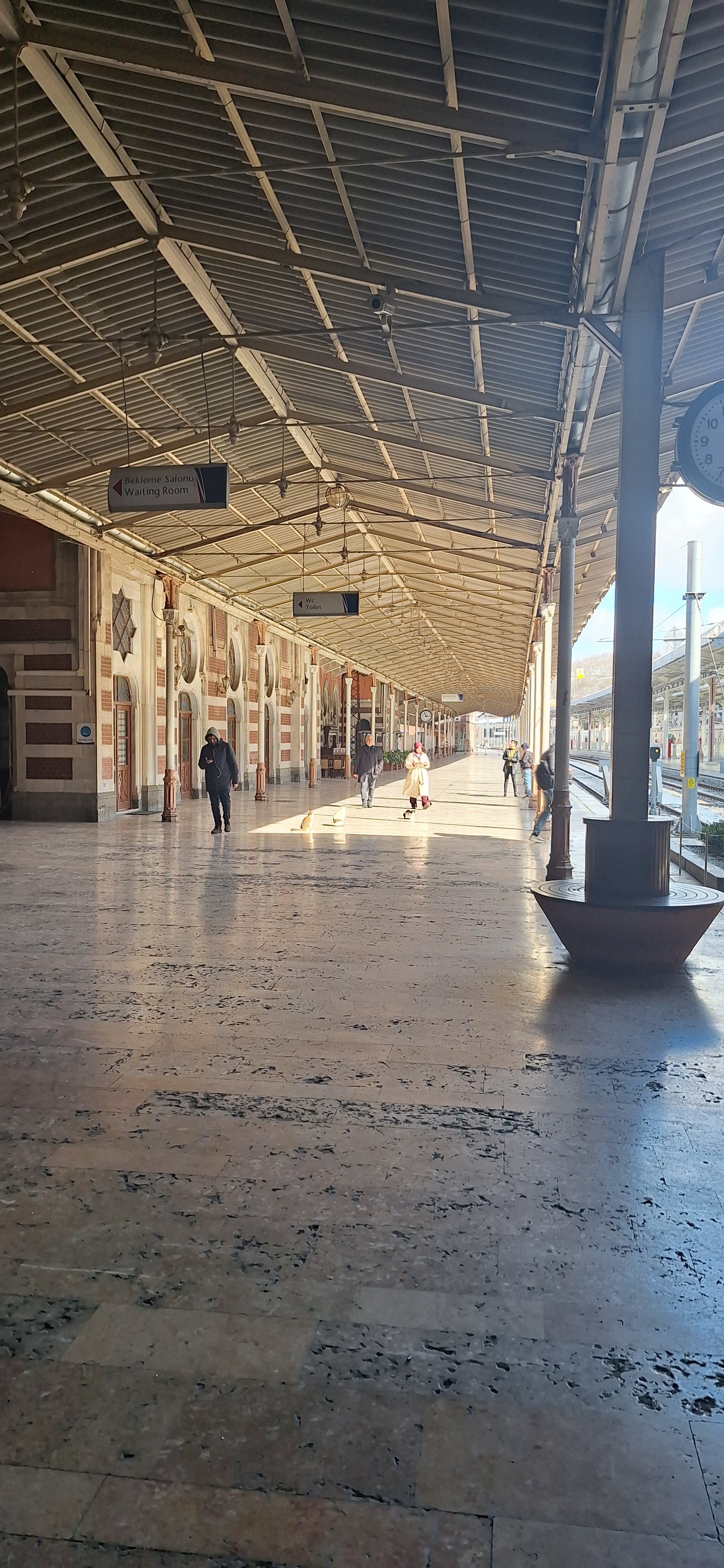
It would therefore be wrong to tell Sirkeci's story only as a backdrop for wealthy ladies in hats, silver cutlery, and crime novels. Standing in the very same place were people with simple suitcases who perhaps didn't know when they'd return. The social history of the station is far bigger than the luxury myth.
A Station as Diplomatic Infrastructure
International trains made Constantinople easier to reach for diplomats, journalists, and businesspeople. Embassies in Pera were now reachable relatively quickly from the European terminus. Mail and news could travel faster, and the capital moved closer within the European sense of time.
Tourism changed too. Travel agencies, hotels, and restaurants adapted to international guests. The Pera Palace arose in exactly this world, even though of course not every traveller stayed there.
The Station Reveals Europe's Image of the Orient
Jasmund didn't simply place a German station on the Golden Horn. He drew on forms that seemed Oriental to European observers: decorative arches, coloured materials, and an unusual facade design. The building was meant to signal that you had arrived at a special terminus.
This architecture is appealing, but it also tells you something about European expectations. Constantinople was not merely an exotic terminus, but a modern capital, port, and industrial and financial centre. The station deliberately presented a particular version of this city.
Why the Small Museum Works So Well
Precisely because the railway museum is small, you can really look at individual items. Old signs, tickets, technical equipment, logbooks, and other original objects reveal a world in which travel depended on mechanical engineering and handwritten organisation.
During our visit, that's exactly what thrilled my boys. Suddenly, railway history was no longer just a number on a plaque. There were objects people had actually used. You don't always need twenty halls to bring history close.
Sirkeci and the Great Political Upheavals of the 20th Century
The station witnessed not only elegant travellers, but wars, the collapse of states, and new borders. After the Balkan Wars and the First World War, the political spaces the trains passed through changed. A route that had once run within, or alongside, Ottoman territory suddenly crossed new nation-states and border controls.
The founding of the Republic changed the station's significance too. Istanbul remained an economic and cultural centre, but it was no longer the capital. Sirkeci nonetheless remained the city's European gateway, linking the new Turkey with the Balkans and Central Europe.
Station Hotels, Dining Cars, and the Invention of Modern Travel
Long rail journeys created new services. Dining cars, sleeping cars, luggage service, and station restaurants made travel more comfortable and standardised. International companies such as the Compagnie Internationale des Wagons-Lits built a brand out of this, combining luxury and adventure.
The Orient Express was therefore not just a train, but part of a new travel culture. Timetables, reservations, and hotels let wealthy travellers cross continents in a plannable sequence. That literature and film later turned this into an entire genre hardly comes as a surprise.
"Agatha Christie wrote Murder on the Orient Express entirely at the Pera Palace, Room 411." It's possible she worked there; it shouldn't be sold as a fully documented account of how the novel came to be.
"The Orient Express ran Paris–Constantinople without interruption from day one." No. The early route initially required changes, or other means of transport, on certain sections.
"Sirkeci only mattered for luxury travellers." False. The station was part of real international mobility and linked diplomacy, trade, migration, and everyday travel.
My Thought on This Place
When I sit in the old Sirkeci station, or walk through the small museum, I don't automatically think only of luxury travellers. I find myself asking instead: who all waited here?
How many people said goodbye to someone on this platform without knowing when they'd see them again? How many stood here with a pounding heart, waiting for someone? Which politicians, writers, traders, or perfectly ordinary families walked through these doors?
When you sit in the restaurant, drink a coffee or a çay, and then walk into that little museum afterward, history suddenly feels remarkably close. In my mind, I don't see empty platforms. I see thousands of people, farewells, and greetings.
Maybe that's exactly why I love old stations. They don't just tell you where trains went. They tell you why some people left, and why others stayed.
– Amra