
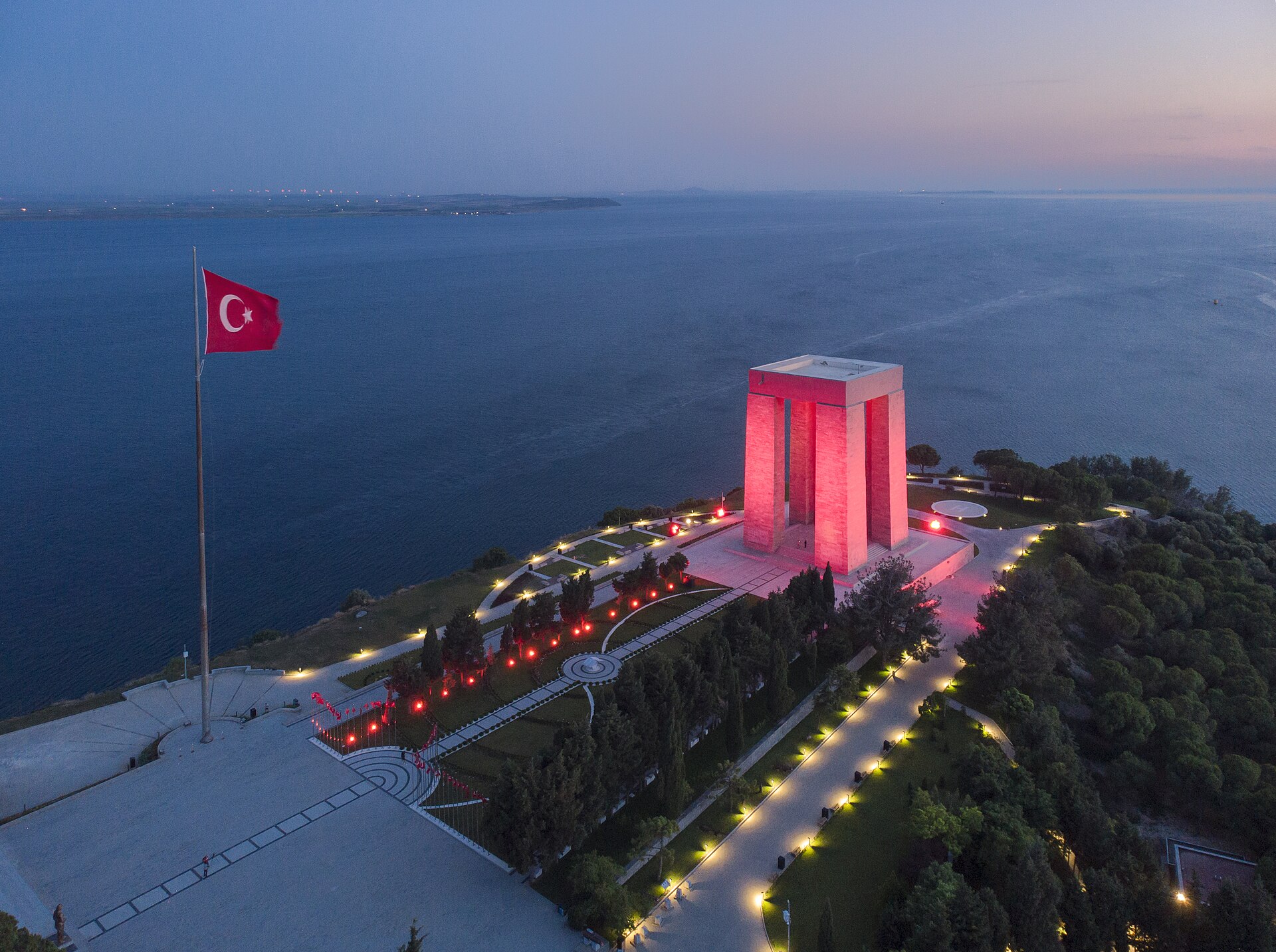
For many people Gallipoli is a place of remembrance. In 1915/16 very many soldiers died here on all sides. Today the peninsula is a quiet national park with cemeteries and monuments.
Advertising: If you book through our links, we may receive a commission – at no extra cost to you.
A long day on the Gallipoli Peninsula: Anzac Cove, memorials and historical context. What to know before you book.
Why Gallipoli mattered in 1915
In the First World War the Ottoman Empire fought on the side of the Central Powers. The Dardanelles were strategically decisive: whoever controlled the strait controlled the sea route between the Mediterranean and the Sea of Marmara. The Allies wanted to force the strait, push towards Constantinople (Istanbul) and open the sea route to Russia. After failed naval operations in March 1915, landings on the peninsula followed.
25 April 1915
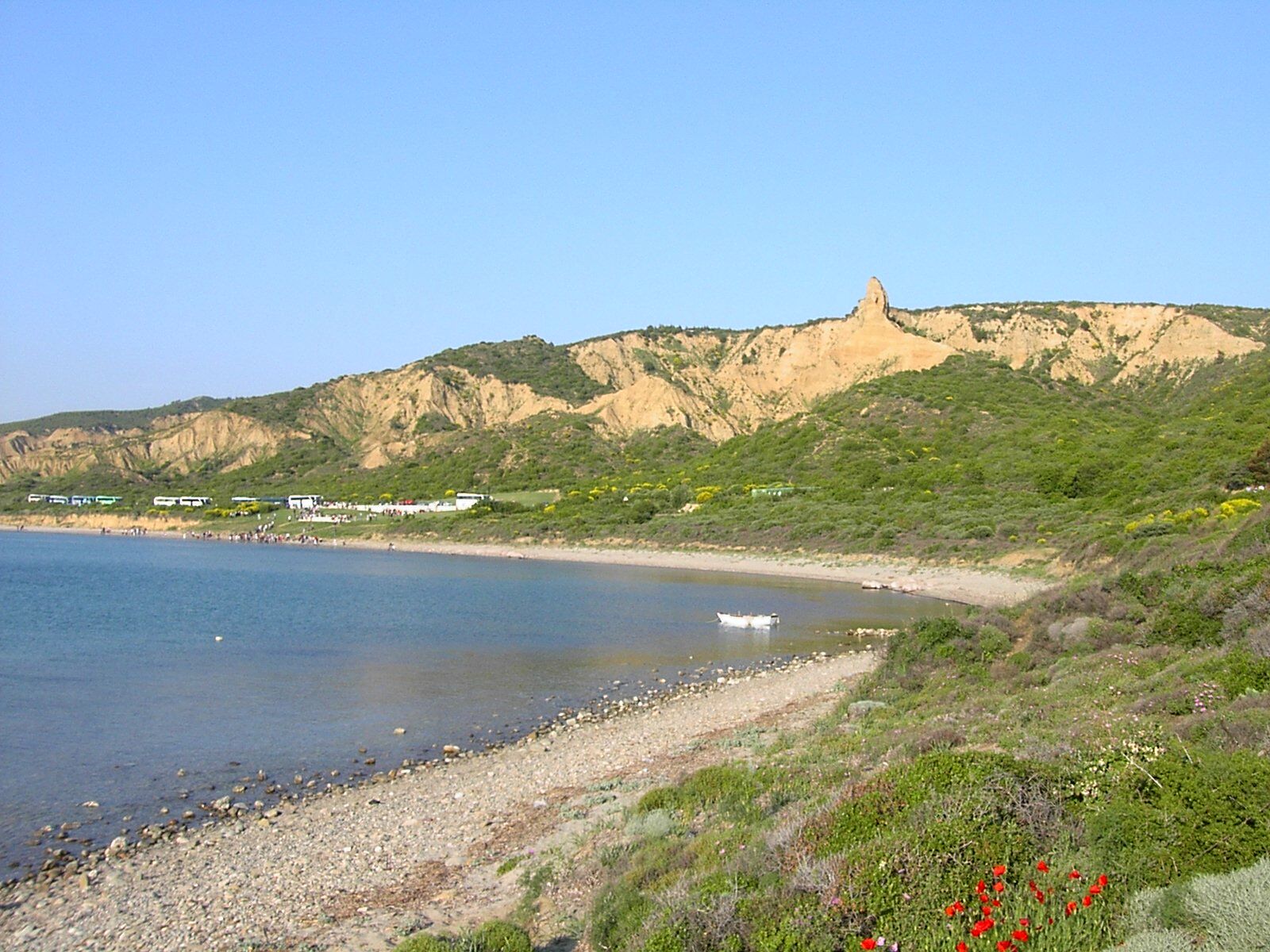
On 25 April 1915 Australian and New Zealand troops (ANZAC) landed at Ari Burnu, today known as Anzac Cove. The fighting on the peninsula lasted many months and ended in winter 1915/16 with the withdrawal of the Allies.
Mustafa Kemal
Mustafa Kemal, then commander of the Ottoman 19th Division, played a significant role in repelling the landings. In 1915 he was not yet "Atatürk"; he received that name later. He became the founder and first president of the Republic of Turkey. More about him in the Atatürk Museum article.
Why Gallipoli matters to several countries
Gallipoli (Turkish Çanakkale) has an enormous culture of remembrance. For Turkey, Çanakkale strongly stands for the defence and the sacrifice of the Ottoman soldiers. For Australia and New Zealand, Gallipoli is closely tied to ANZAC remembrance and Anzac Day on 25 April. There is no "right" side of mourning here: very many young men died on all sides.
When you stand there today
Anyone driving across the peninsula today sees cemeteries, memorials, trenches and stretches of coast in a quiet landscape. With the background above you know what is in front of you. Memorials such as the Çanakkale Martyrs' Memorial or the cemeteries near Anzac Cove are places of silence.
What the offer includes
According to the offer description, it is a day trip from Istanbul visiting the memorials of the peninsula, including Anzac Cove, as well as cemeteries and other historical points, with historical explanations by a guide. Transport from Istanbul is organised according to the offer. The provider states about 18 hours. Please check pick-up, meals, language and exact stops beforehand; they depend on the tour variant.
If you would like to visit the peninsula with a guide, you can find current dates and availability here.
A long travel day
The journey there and back together takes many hours. Expect a very long day, bring water and snacks and do not plan anything early for the next day.
Historical context
The battle belongs to the First World War and is a defining event for Turkey as well as for Australia and New Zealand. On site it is about remembrance, not spectacle. Clothing and behaviour should be respectful accordingly.
What guests highlight
Reviews often mention the guide's explanations and the calm, impressive atmosphere of the places, in our own summary.
Who is it for?
For history enthusiasts and anyone who does not mind the long day. Less suitable for small children or if you have little time. If your Istanbul trip is short, weigh the excursion carefully.
In short
- About 18 hours according to the provider
- Weather and travel season: Best time to visit Istanbul
- Another day trip for history lovers: Troy from Istanbul
All experiences, tickets and tours are collected on our activities page.
– Amra