The first Bosphorus Bridge is one of those structures so naturally part of today's Istanbul that you easily forget how young it actually is. Until 1973, there was no fixed road connection between the city's European and Asian sides. People and vehicles had to cross the Bosphorus by ferry. When the bridge opened, it changed more than just traffic. It accelerated growth on the Asian side, transformed commuting patterns, and within a few years became a landmark in its own right.
Advertising: If you book through our links, we may receive a commission – at no extra cost to you.
Until 1973, there was no fixed road connection between Istanbul's European and Asian sides. When the bridge opened, traffic changed, growth on the Asian side accelerated — and the bridge itself became a landmark.
Today it officially bears the name 15 Temmuz Şehitler Köprüsü, the Bridge of the Martyrs of July 15, after being renamed in 2016 in connection with the failed coup attempt. For many people, though, it remains "Boğaziçi Köprüsü," the Bosphorus Bridge, in everyday speech. To me, it's something else again: the gateway into the city of cities.
- The bridge in question is the first Bosphorus Bridge between Ortaköy (European side) and Beylerbeyi (Asian side), opened on October 29, 1973.
- Since 2016 its official name has been 15 Temmuz Şehitler Köprüsü; in everyday speech it is often still called Boğaziçi Köprüsü (Bosphorus Bridge).
- It created the first permanent road connection between Istanbul's European and Asian sides; its construction accelerated commuter traffic and urban expansion on both sides.
- You can't simply walk across: regular pedestrian traffic is not allowed, with exceptions such as the Istanbul Marathon.
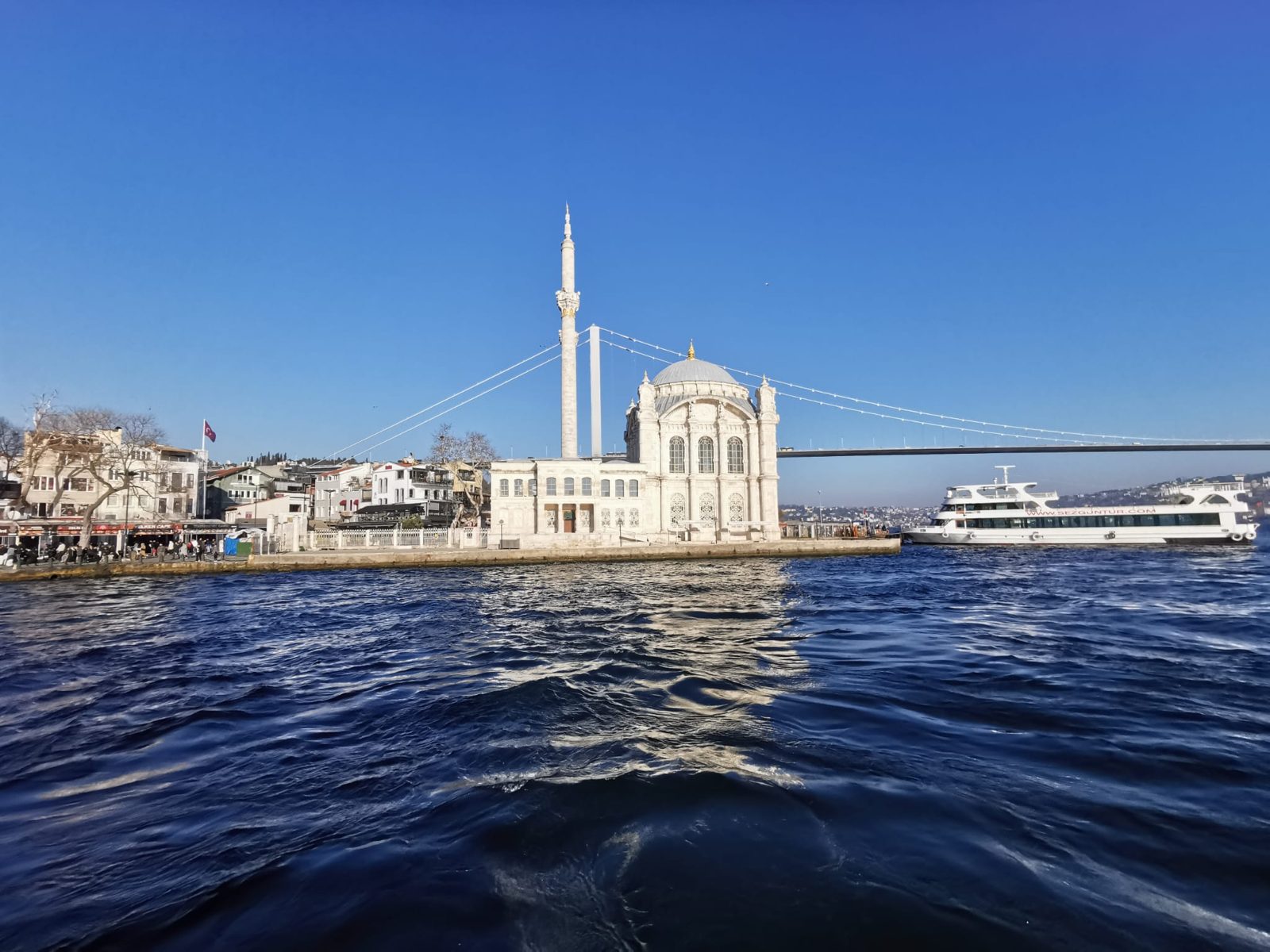
- Good places to see it: Ortaköy, Üsküdar and above all from the water – for me it looks most impressive from below, on the ferry or on a Bosphorus tour.
- A large suspension bridge planned with international engineering involvement; today one of several fixed Bosphorus crossings (the Fatih Sultan Mehmet Bridge followed in 1988, later the Yavuz Sultan Selim Bridge as well as rail and road tunnels).
Why Istanbul went so long without a Bosphorus bridge
The Bosphorus isn't just a river you lay some small bridge across. It's an international strait with strong currents, intense shipping traffic, and difficult topography. A fixed crossing had to be high enough for large ships to pass beneath, and long enough to span the wide waterway without disruptive piers in the main shipping channel.
For centuries, water transport was simply the more logical solution anyway. Boats and ferries connected the shores. The city was also much smaller, and daily commuting by millions of people between continents didn't exist in this form. Only the motorization of the 20th century made a road bridge increasingly urgent.
Early bridge ideas
Ideas for fixed crossings existed long before 1973. Even in the Ottoman Empire, technical proposals were discussed, especially in the 19th and early 20th centuries. Some designs envisioned bridges, others tunnels, or even combined rail connections.
Many projects weren't financially, technically, or politically feasible. The idea that no one thought of a Bosphorus bridge before the 1970s would therefore be wrong. The difference lay between the idea and its actual feasibility. The most famous ancient episode is the pontoon bridge of the Persian king Darius I, who had a temporary bridge of boats built across the Bosphorus for his campaign against the Scythians in the 6th century BC. Exactly where this crossing lay is debated, but the idea shows how strategic the strait already was back then.
The 20th century's traffic problem
After World War II, Istanbul grew rapidly. Migration from Anatolia, industrialization, and increasing car ownership strained the transport network. Ferries remained important but couldn't handle the growing road traffic on their own.
At the same time, the city expanded on the Asian side. Residential areas in Kadıköy, Üsküdar, and beyond became ever more closely tied to jobs on the European side. A fixed road connection promised time savings and economic integration.
Planning and international engineering work
The bridge was designed as a suspension bridge. Two tall towers carry the main cables, from which the roadway hangs. This design allows a great span over the water without blocking the central shipping channel with piers.
British engineering firms played an important role in planning and execution, while Turkish and international companies were involved in construction. The project was technically demanding, but not isolated: experience from other great suspension bridges worldwide fed into it.
Construction between 1970 and 1973
Main work began in 1970. Foundations, towers, and anchor blocks had to be built on both shores. Cables were then strung and roadway segments installed. Work at great height above a heavily trafficked strait demanded enormous precision.
The bridge spans the Bosphorus between Ortaköy on the European side and Beylerbeyi on the Asian side. This exact location created one of Istanbul's most famous images: the Ortaköy Mosque set against the modern bridge. The two structures are more than a century apart in age, yet today they look almost as if they were planned together.
Opening on October 29, 1973
The bridge was deliberately opened on October 29, 1973, the 50th anniversary of the founding of the Republic of Turkey. This immediately gave an infrastructure project republican symbolism.
At the opening, people were allowed to walk onto the bridge on foot, and huge crowds streamed onto it. Photos show an enthusiasm hard to grasp today, since bridge traffic feels normal to us now. For Istanbulites at the time, though, it was the first time you could cross the Bosphorus on a road.
How the bridge changed Istanbul
The connection shortened travel times and made new residential and commercial areas more attractive. At the same time, it produced a classic traffic phenomenon: more capacity led, over the long term, to more traffic. New roads and bridges shifted growth and encouraged further urban expansion.
The Asian side became even more strongly integrated into the daily commuting system. Istanbul increasingly developed from two city sides separated by water into a functionally more tightly connected megacity.
Why pedestrians can't simply walk across today
In its first years, pedestrian traffic was partly possible. Later the bridge was closed to regular pedestrians, among other reasons for safety. Today you can't simply walk up in Ortaköy and stroll over to Beylerbeyi.
Exceptions exist for organized events, especially the Istanbul Marathon, where participants can cross the bridge on foot. That's exactly what turns running across the Bosphorus into a special experience rather than everyday traffic.
July 15, 2016, and the new name
During the failed coup attempt on the night of July 15 to 16, 2016, the bridge was blocked by soldiers. Confrontations, gunfire, and deaths followed. The events became a central symbol of that night.
Afterward, the bridge officially received the name 15 Temmuz Şehitler Köprüsü, to commemorate those killed opposing the coup attempt. The new name is therefore not just an administrative rename, but part of modern political memory culture.
The bridge as a symbol between continents
The phrase "bridge between Europe and Asia" is used so often it almost sounds like tourism advertising. Geographically, though, it holds true. The Bosphorus Bridge connects two continents within the same city.
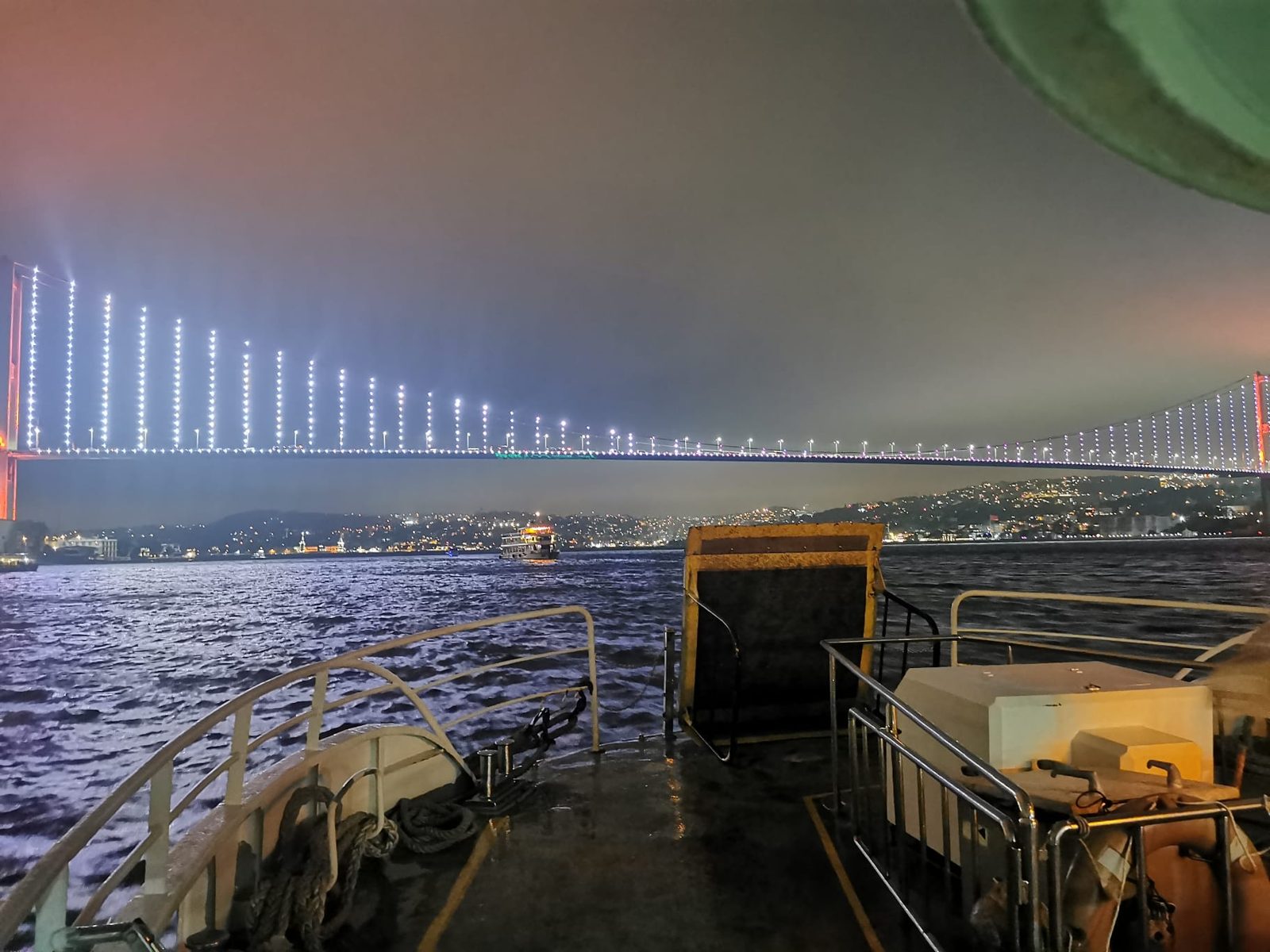
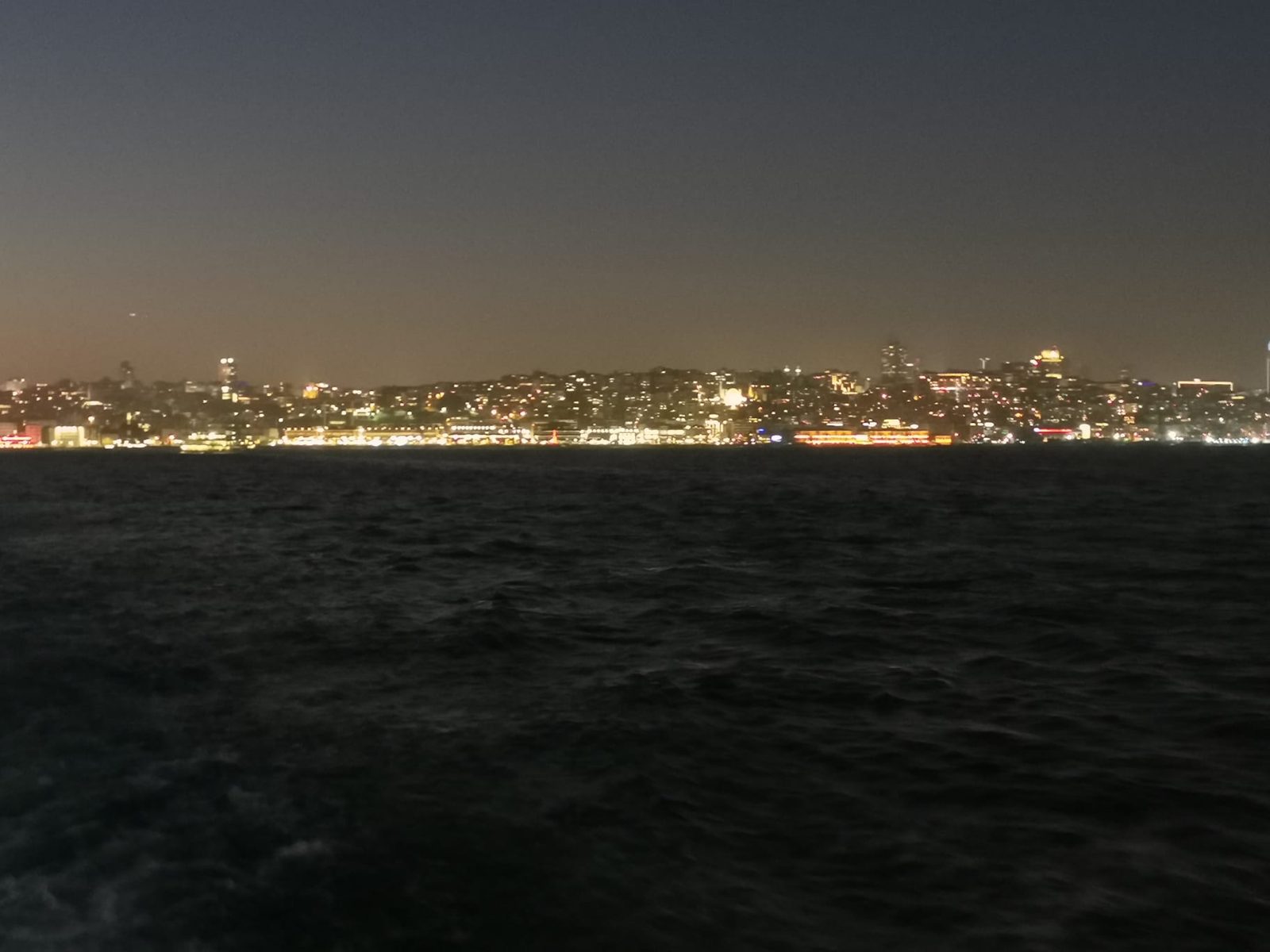
Of course, Europe and Asia were already connected before, through ferries, trade, and people. The bridge didn't invent this connection. But it made it permanently visible as a huge technical line across the landscape. Especially at night, when the lighting hangs over the water, technology suddenly becomes part of the cityscape itself.
"The Bosphorus Bridge was the very first connection between Europe and Asia." No. People crossed the Bosphorus by boat for millennia; historical armies also used improvised crossings. It was the first permanent modern road bridge over the Bosphorus.
"You can walk across it anytime." No. Regular pedestrian traffic isn't allowed; special events are exceptions.
"It's still officially called the Bosphorus Bridge." Since 2016 its official name has been 15 Temmuz Şehitler Köprüsü, even though the old name remains very common in everyday speech.
"The ferries disappeared once the bridge was built." Quite the opposite. Ferries remained a central part of Istanbul's transport system.
Shipping beneath the bridge
The Bosphorus is one of the strategically most important international waterways. Cargo ships, tankers, and other large vessels pass beneath the bridges daily.
The passage is demanding, since the strait has curves, currents, and dense local traffic.
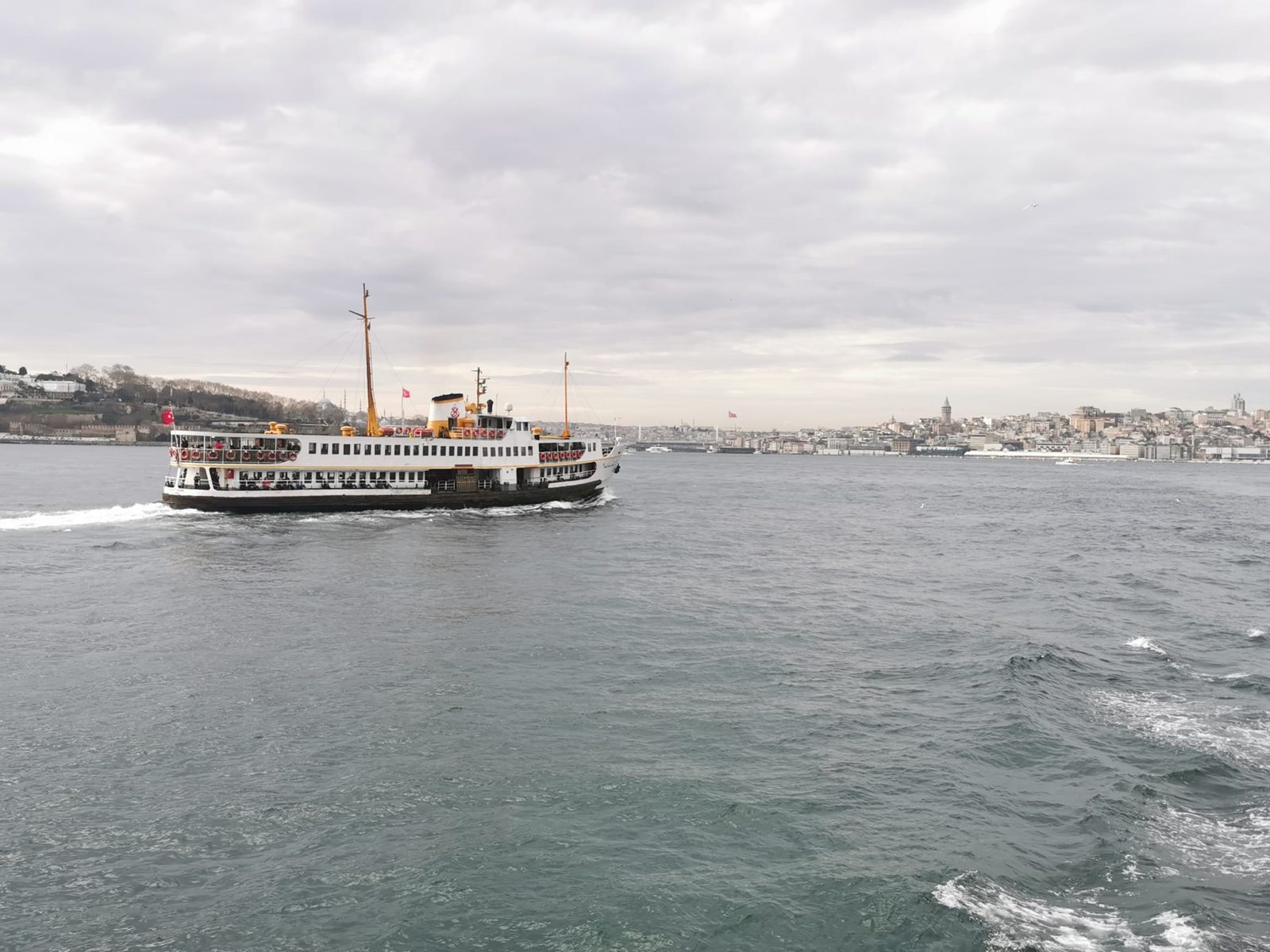
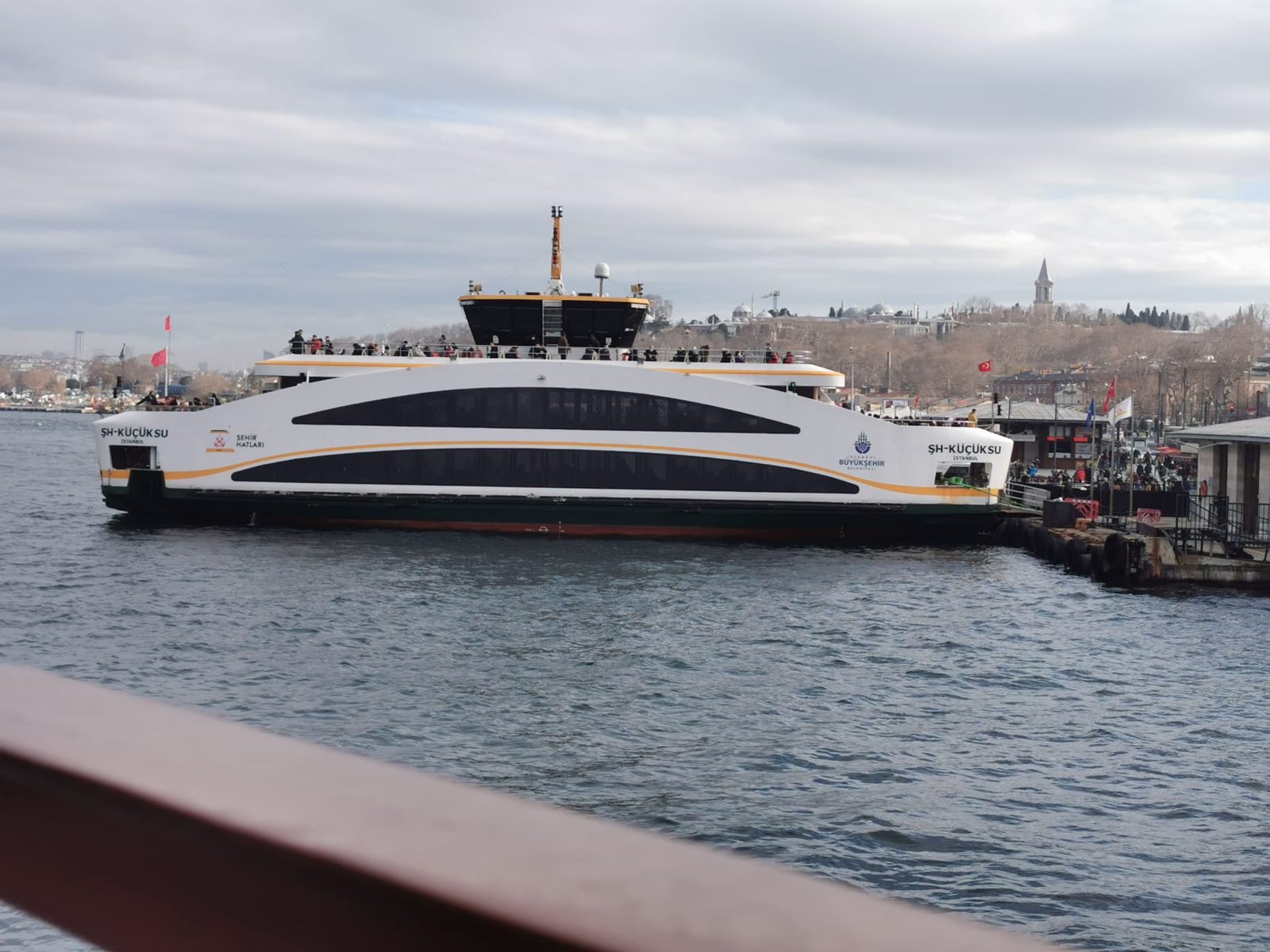
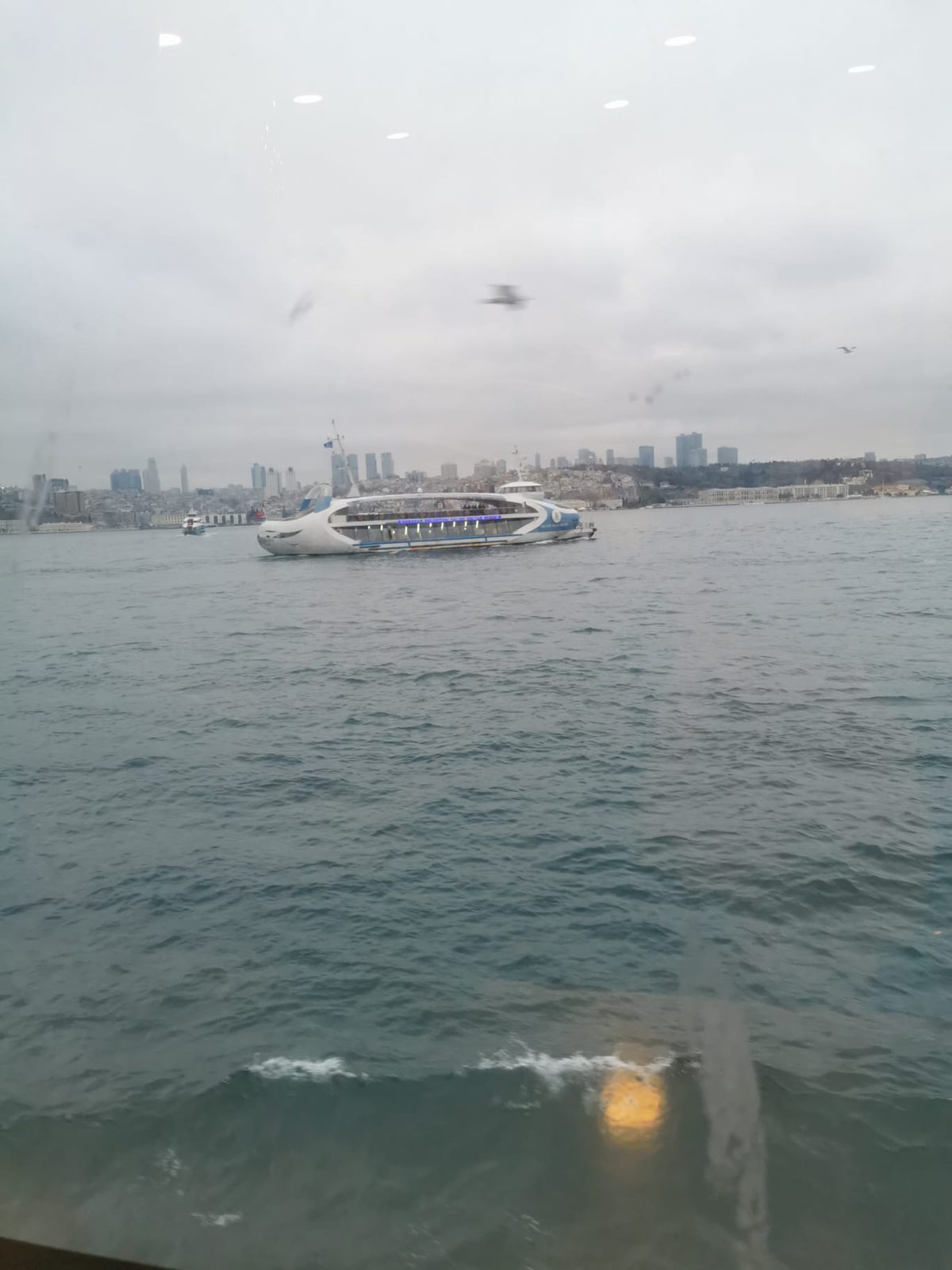
A bridge standing above it must not obstruct this shipping. Its height and span were therefore dimensioned accordingly.
Why further Bosphorus crossings followed
Soon enough, a single bridge wasn't enough anymore. The Fatih Sultan Mehmet Bridge opened in 1988. Later came the Yavuz Sultan Selim Bridge, the Marmaray rail tunnel, and the Eurasia road tunnel.
Today the Bosphorus is crossed over and under on several levels.
Even so, ferries remain indispensable — and for me, the most beautiful way to cross anyway.
Lighting and the modern city silhouette
Today the bridge is illuminated at night and visible from far away. Depending on the occasion, its light colors can change.
This makes it not just transport infrastructure, but part of Istanbul's visual brand.
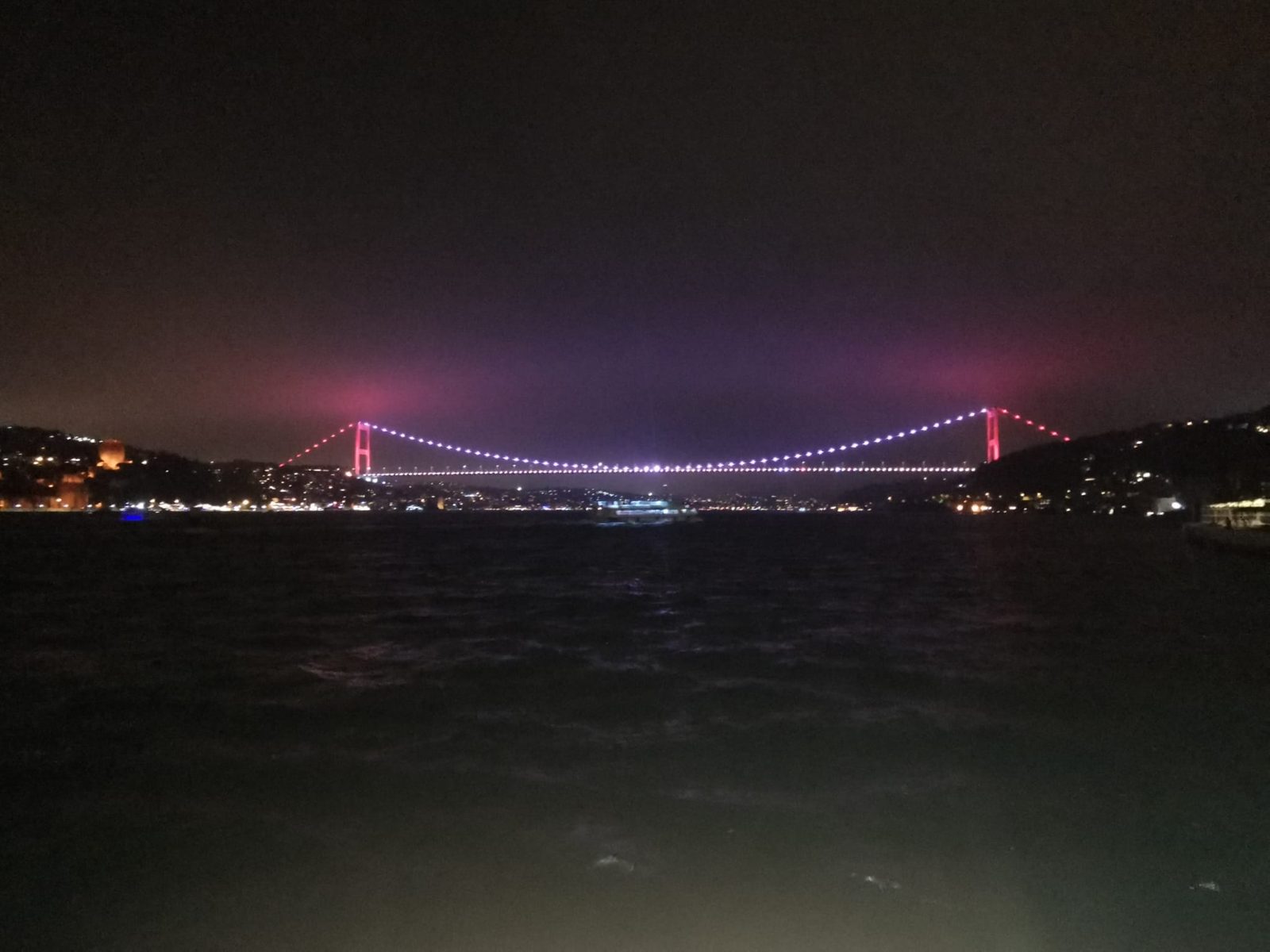
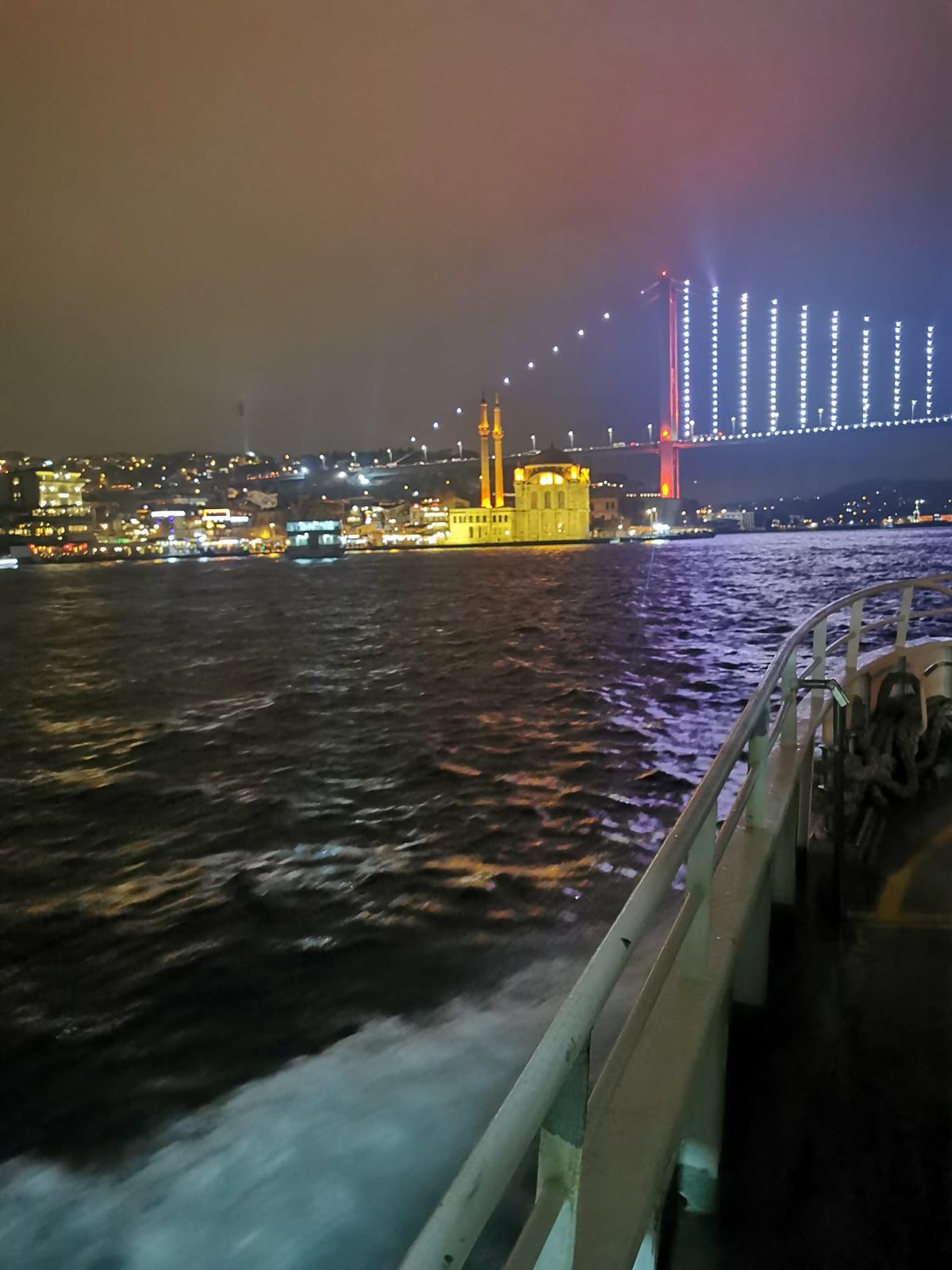
It looks especially monumental from Ortaköy, Üsküdar, and from the water.
The view from the ferry
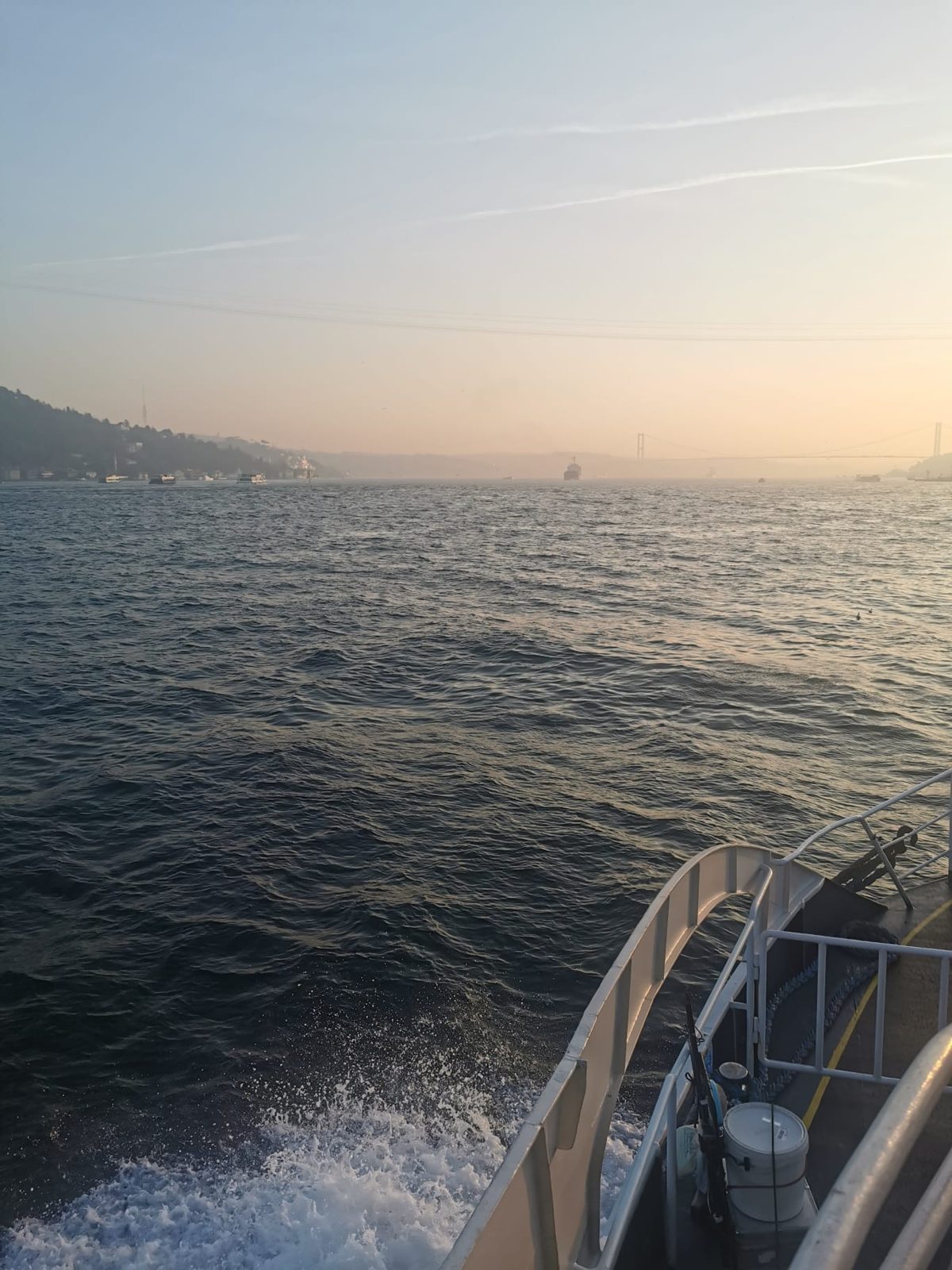
To me, the bridge is almost more impressive from below than from any viewpoint. When the ferry passes underneath it, you only then realize how gigantic the structure is.
Above, cars roll by; below, a ship passes through; to the left and right lie two continents.
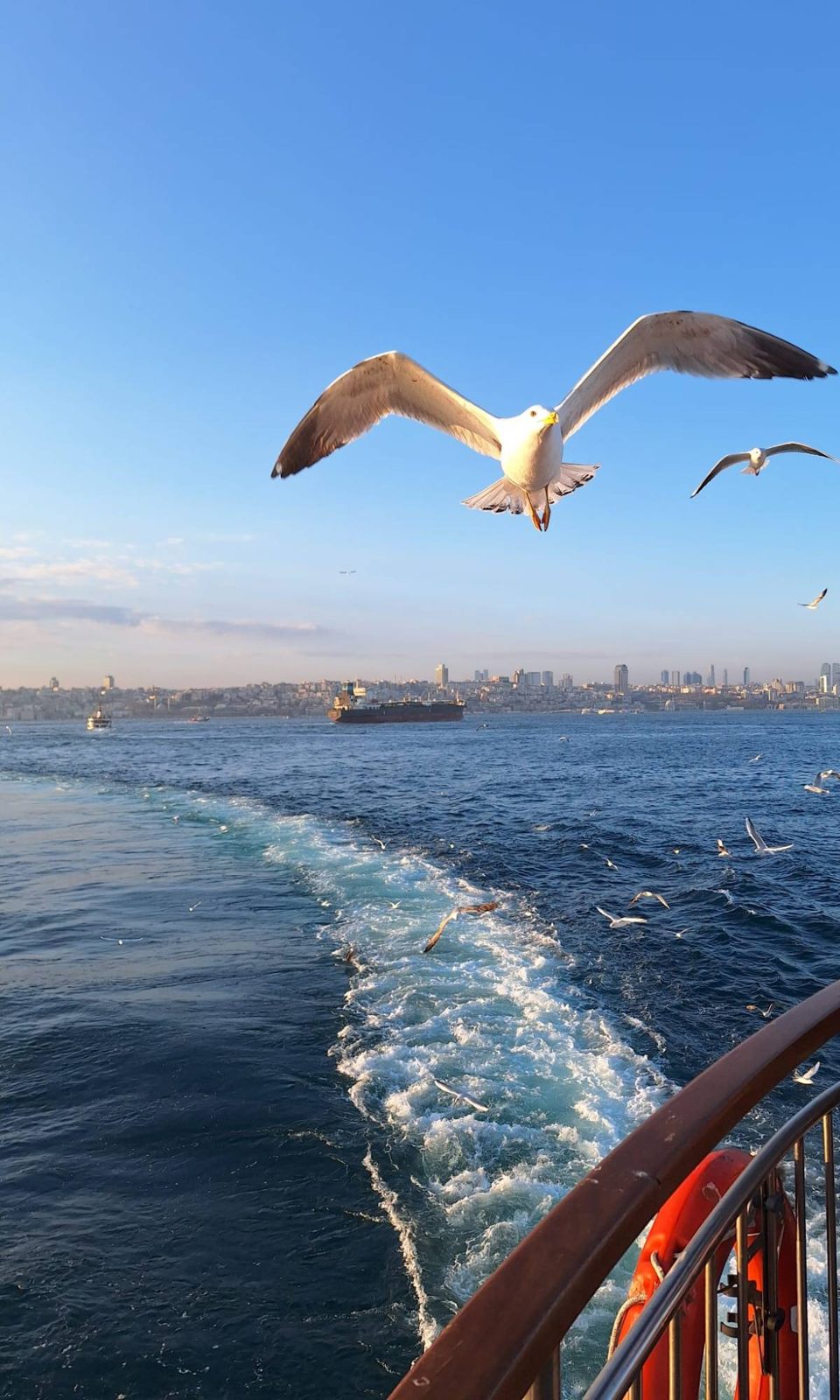
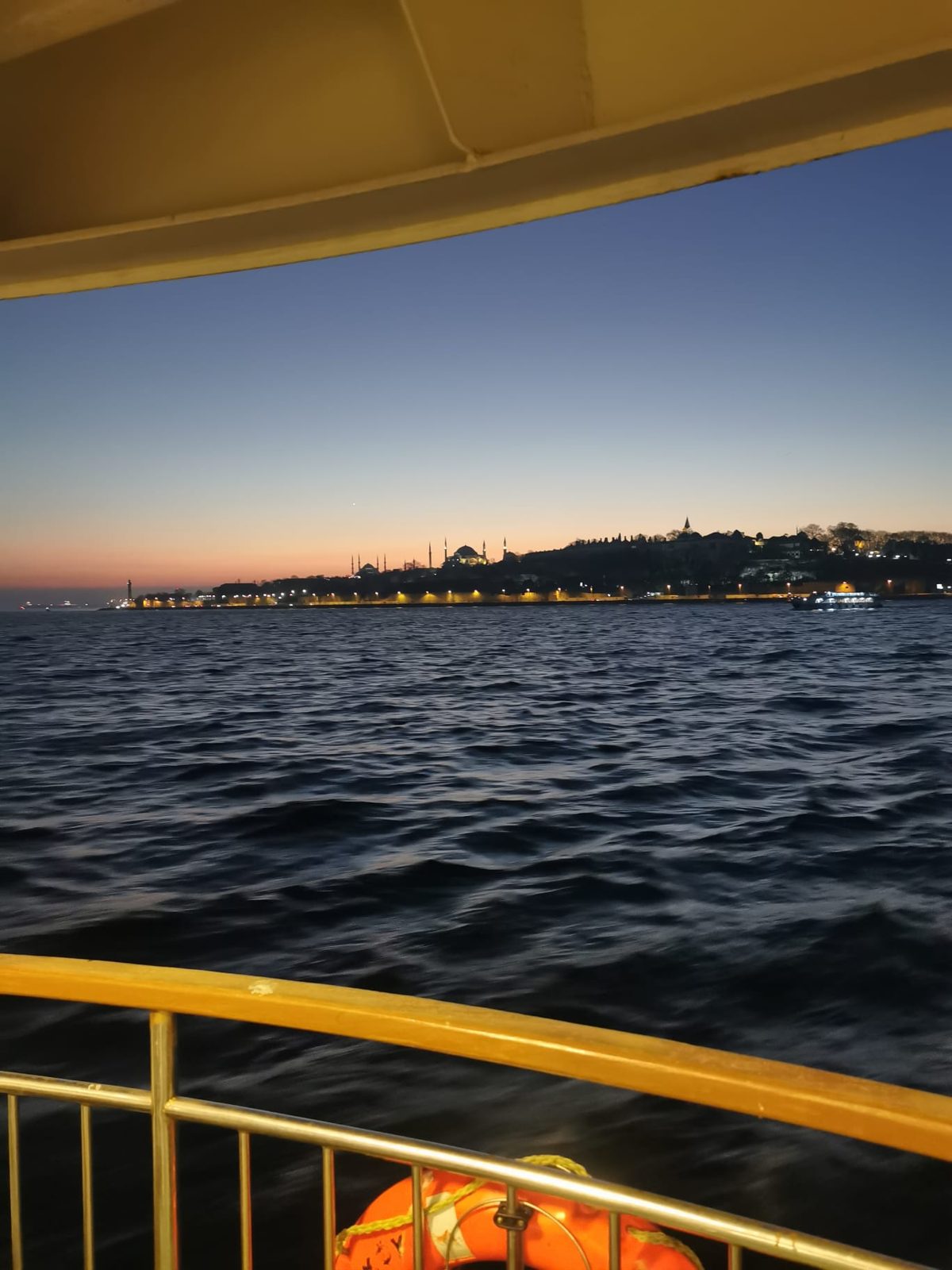
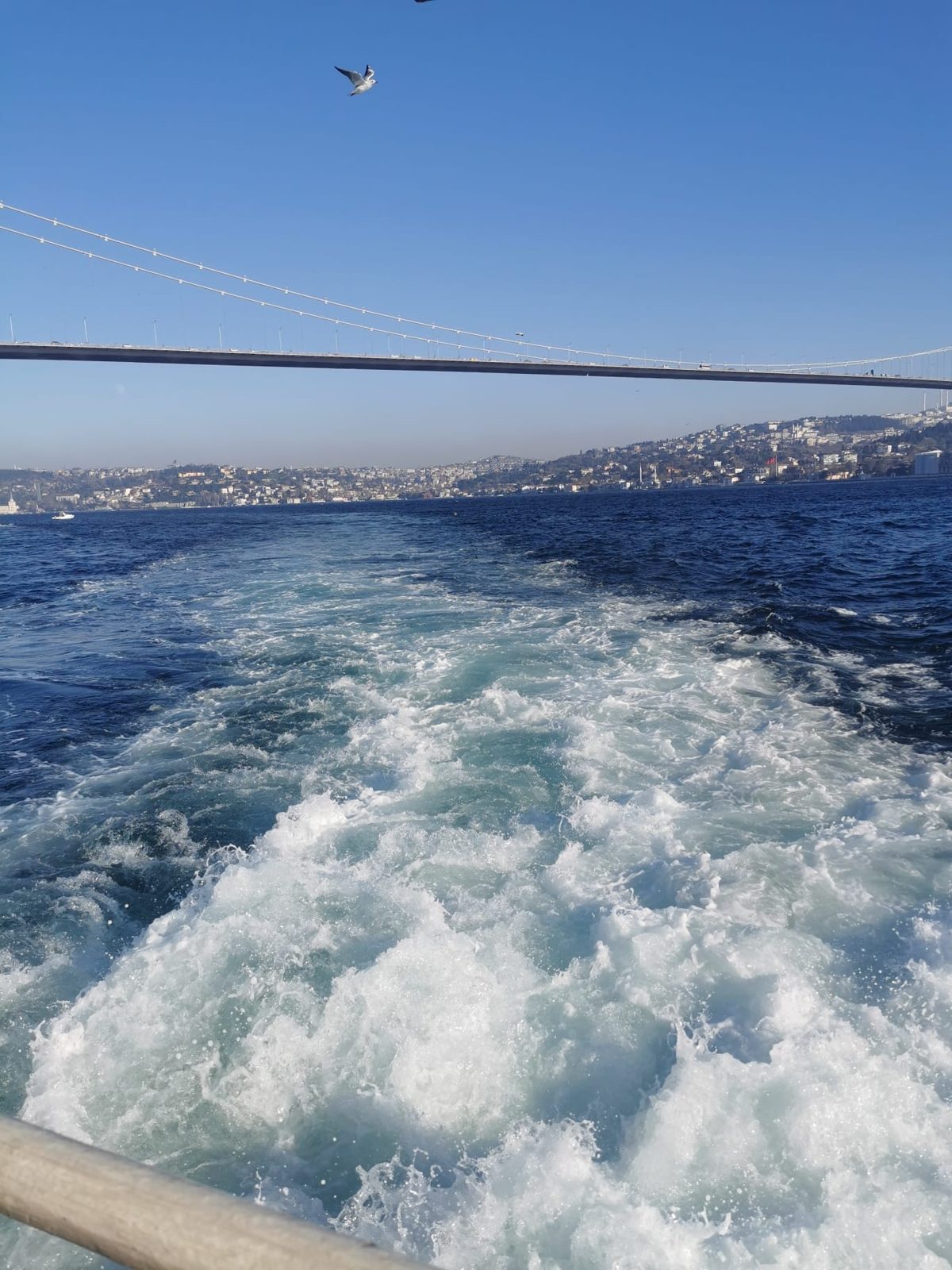
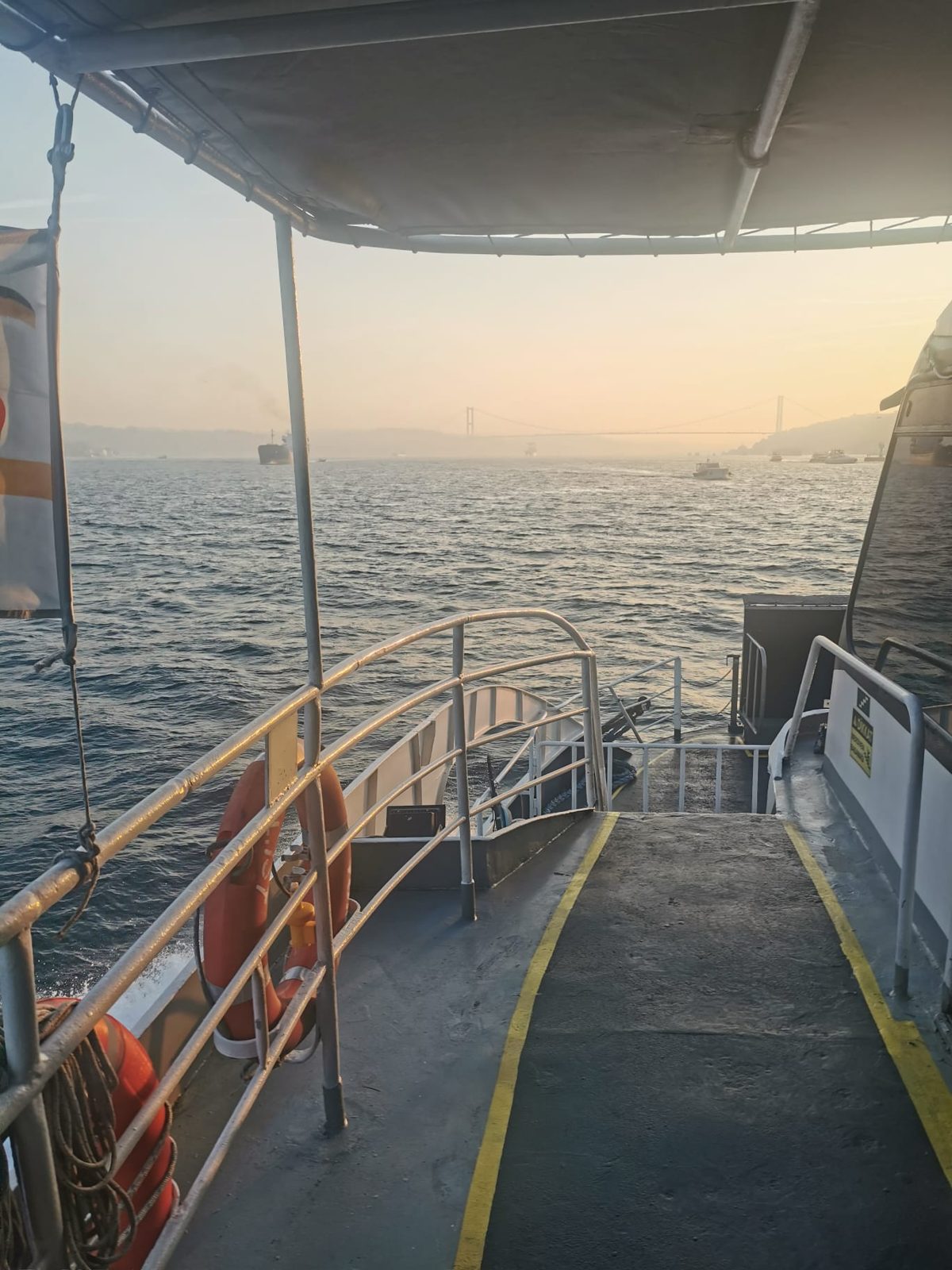
That sounds almost too perfectly symbolic, but it's actually everyday life.
Napoleon and the famous Istanbul quote
Napoleon is very often credited with the sentence: "If the world were a single state, Istanbul would be its capital."
This statement is constantly repeated in travel guides and on social media. A solid contemporary primary source for exactly this wording, though, is hard to establish.
It should therefore be treated more as a famous attributed quote than as an undisputedly documented Napoleon sentence.
The idea behind it, though, you understand instantly at the Bosphorus.
The bridge as a "gateway" into the city
When you approach Istanbul across the Bosphorus, the bridge functions almost like a gate. It spans across the water, and behind it, shores, mosques, towers, and an ever-denser city open up.
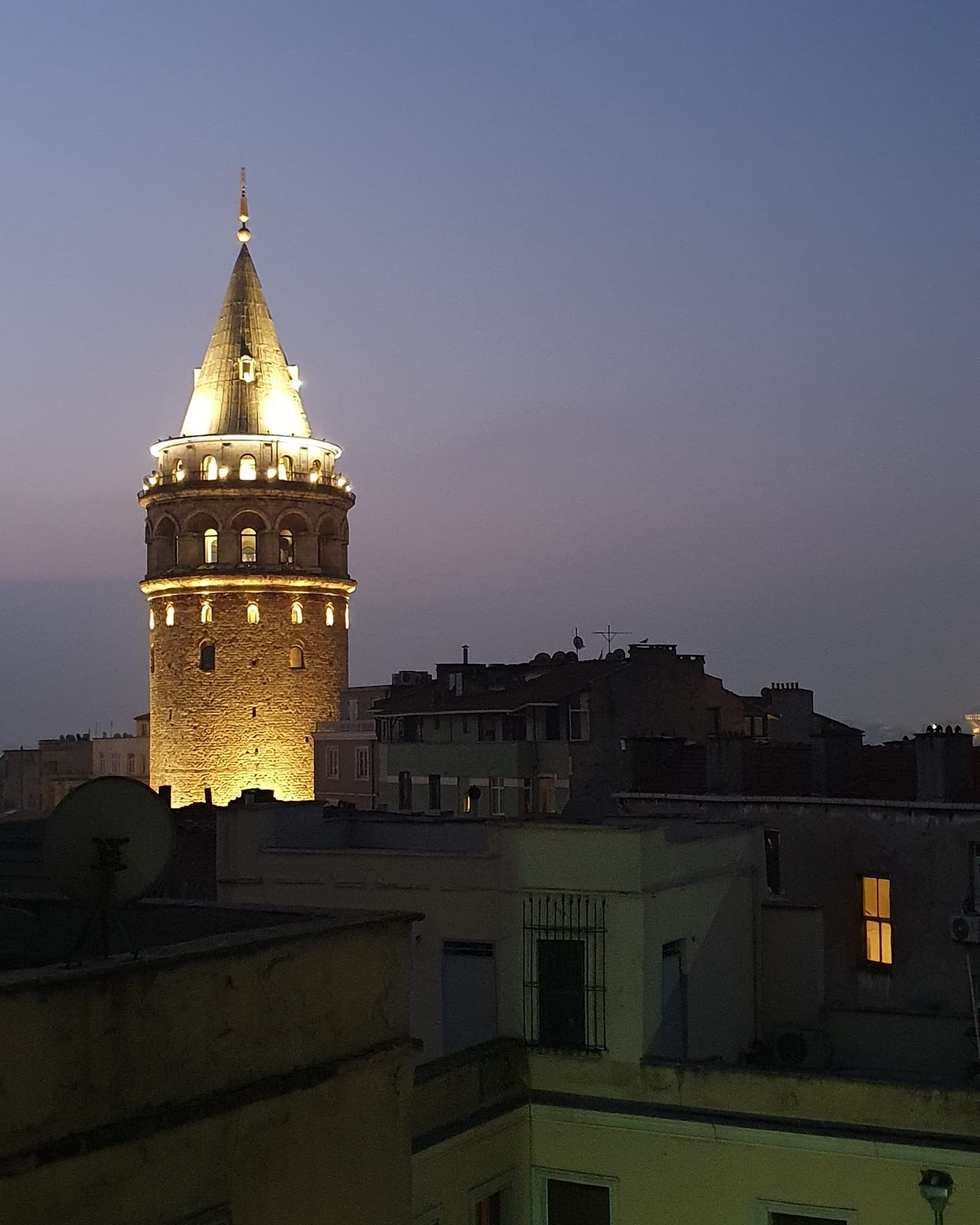
From certain angles, the historic peninsula, Galata, and the modern skyline combine into a single visual narrative.
I never get tired of exactly that scale.
What the bridge can't do
It technically connects two continents, but of course it doesn't solve every traffic problem. At rush hour, long traffic jams can build up.
Anyone purely after speed might, depending on the route, be faster with Marmaray or a ferry.
And anyone who really wants to experience Istanbul should, at least once, deliberately take the ferry instead of just driving over a bridge.
- Here you'll find current Bosphorus cruises, dinner cruises and guided tours.
- View Bosphorus tours & tickets
My very personal view of this bridge
No matter how often I see it or drive beneath it, I still find it magnificent. My photo album, naturally, bursts at the seams here too. Though, let's be honest: against my Galata Tower collection, it still doesn't stand a chance.
To me, this bridge is somehow the gateway into the city of cities. Two continents joined by a single arch, and beneath it you sail on the Bosphorus into a city that, for me, surpasses everything else.
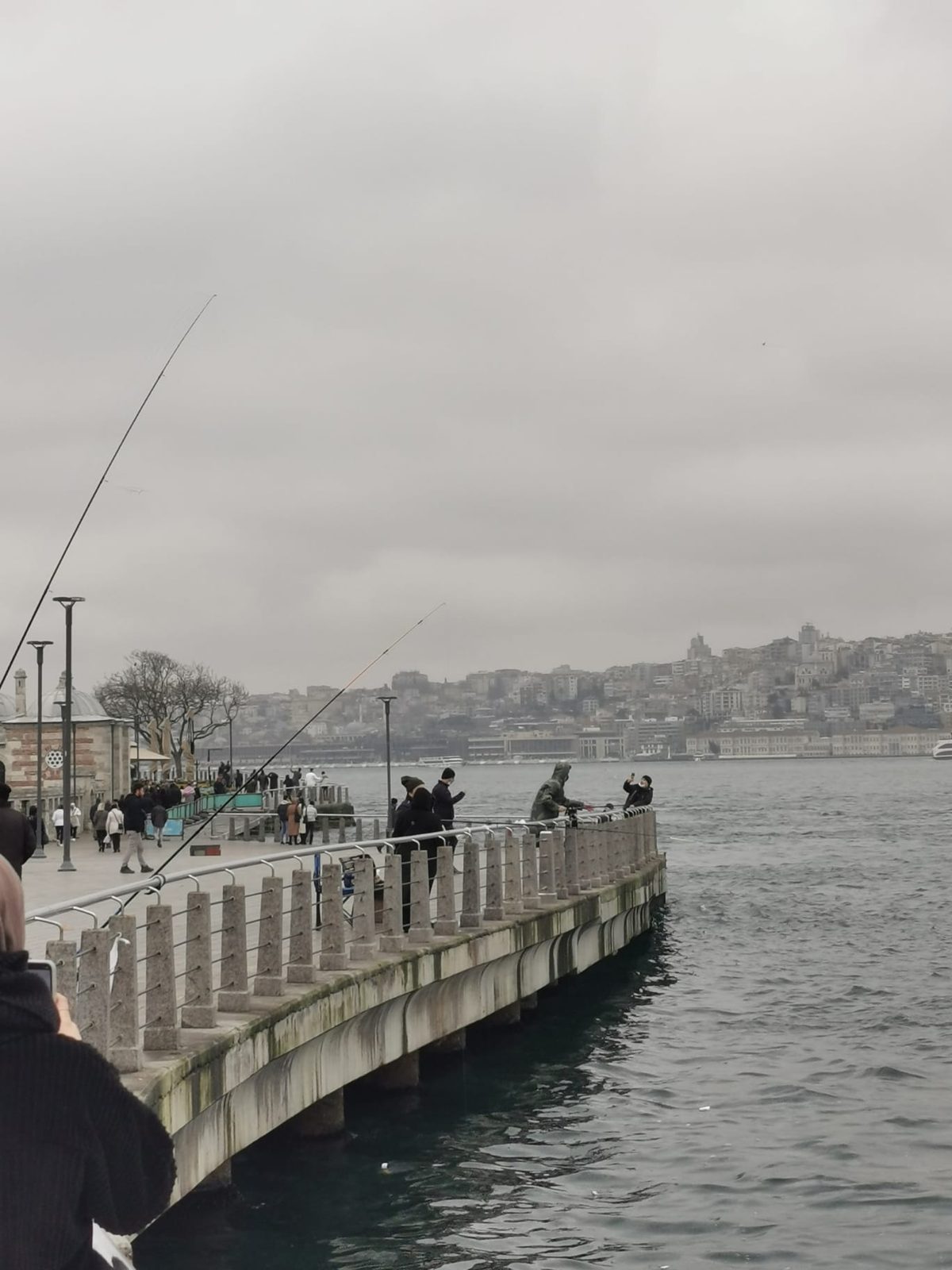
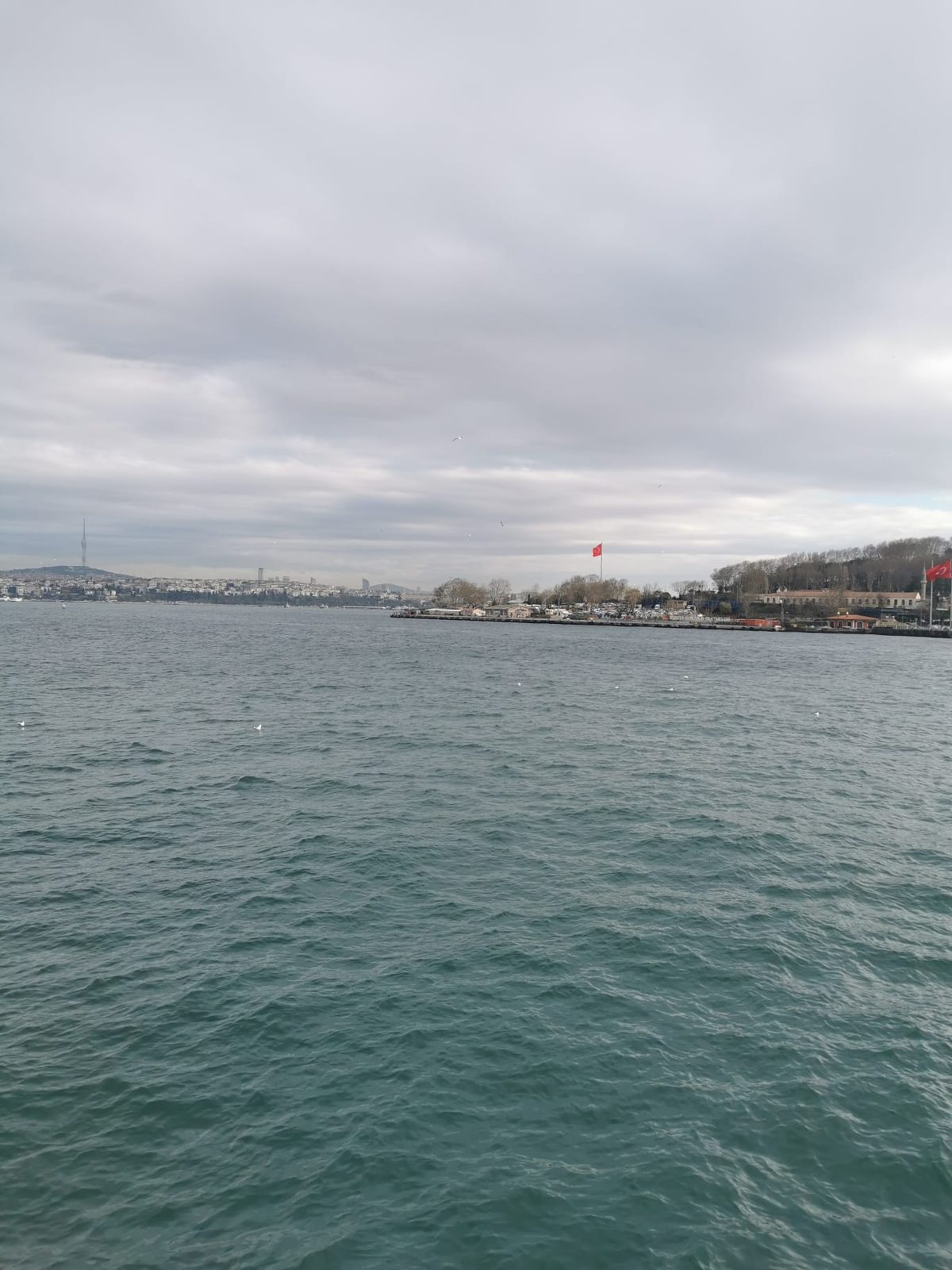
When we arrive in Istanbul, it's coming home. When we leave again and I watch the city grow smaller behind me, it actually feels a bit like saying goodbye to myself.
My physical self travels back to where it has to go. My soul, it feels, stays in Istanbul, simply waiting until I come back and can breathe properly again.
And when I come back, it feels like the city takes me in its arms and says: so, you're here again.
Maybe that's why the Bosphorus Bridge isn't just concrete, steel, and traffic to me. It's the moment where that feeling becomes visible.
The bridge is most impressive on a trip along the Bosphorus. Here are suitable tours.
– Amra