Right on Bebek Bay stands a comparatively small mosque, easy to overlook, since the Bosphorus, cafés, and expensive waterfront setting all compete for attention around it. Today's Bebek Camii dates from the early 20th century and was designed by Mimar Kemaleddin, one of the most important architects of the late Ottoman and early national architectural movement. An older mosque, though, had already stood on the same site before it.
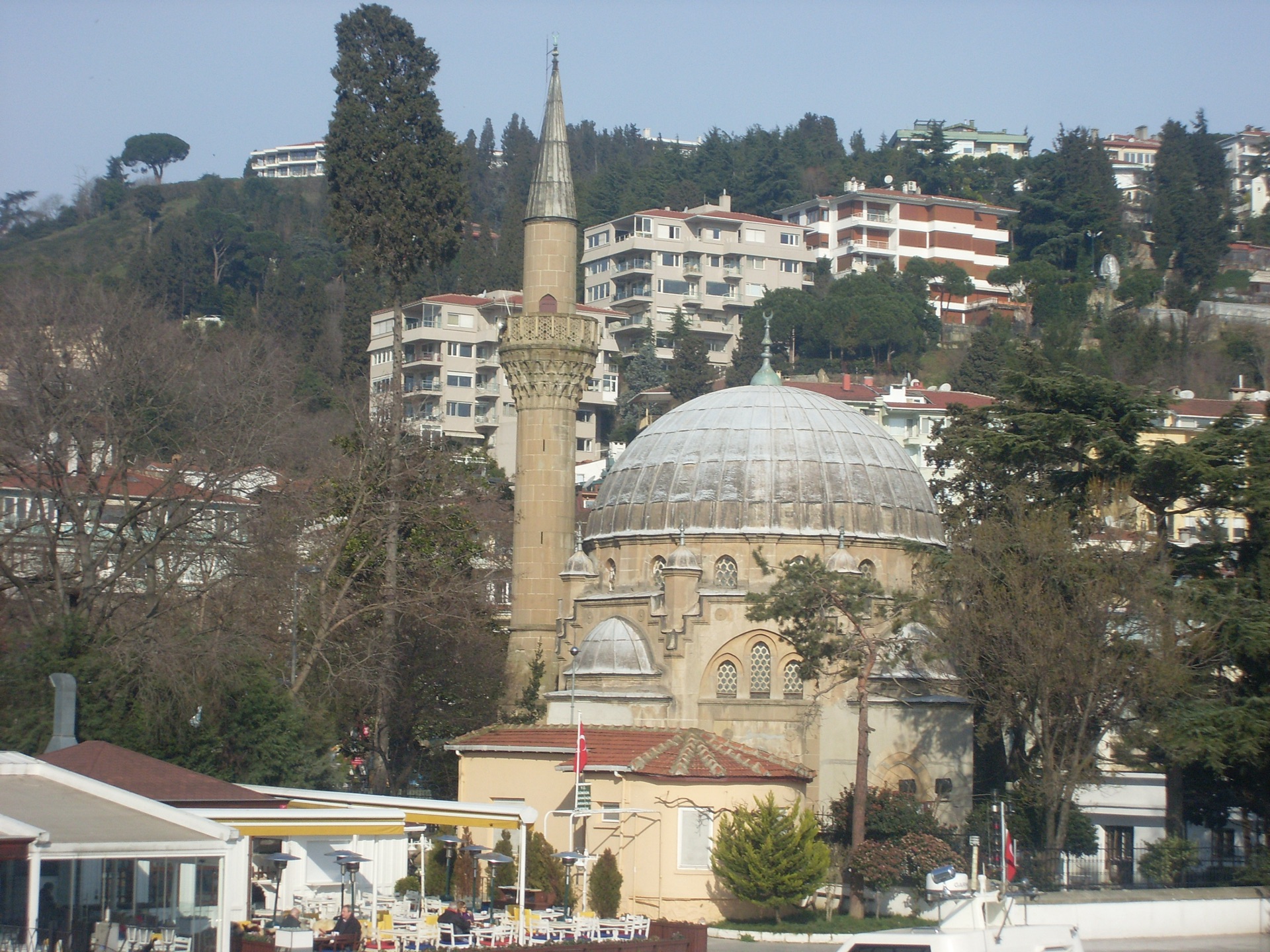
Right on Bebek Bay stands a comparatively small mosque, easy to overlook. Today's Bebek Camii dates from the early 20th century and was designed by Mimar Kemaleddin — on a site where an older mosque had already stood before it.
It's exactly this continuity that makes the building interesting. Long before its current lifestyle image, Bebek was an inhabited Bosphorus village. A mosque right on the water was part of that local daily life. Today's building translates this older function into an architecture that deliberately reinterprets Ottoman forms.
- A mosque already existed on the site before today's building.
- Today's Bebek Camii was built in the early 20th century.
- Its architect was Mimar Kemaleddin Bey.
- The building belongs to the so-called First National Architectural Movement.
- Historic Ottoman forms were deliberately reinterpreted in the process.
- The small mosque stands right on the Bosphorus bay and remains in active use today.
The older mosque of Bebek
An earlier mosque in Bebek was associated with the Ottoman court world in the 18th century. Like many small waterfront mosques, it mainly served the local population. Its significance lay less in monumental architecture than in providing everyday religious life for a village.
Over time, the older building became damaged, or inadequate. Changes to the shoreline and the neighborhood made a new building necessary.
Why a new building became necessary
At the start of the 20th century, the Ottoman Empire was in a phase of architectural searching. European styles had strongly shaped the 19th century; at the same time, a desire arose for a modern architecture that deliberately drew on Ottoman and Seljuk forms.
The new Bebek mosque was built exactly in this period. It's therefore not simply "a traditional mosque," but a historicist, modern building that reassembles tradition anew.
Mimar Kemaleddin
Kemaleddin Bey was one of the most influential architects of his generation. He worked on railway station buildings, endowment buildings, and public buildings, and played a central role in the so-called First National Architectural Movement.
His goal wasn't to copy old buildings. He wanted to translate historic motifs into modern building practice. Arches, tiles, roof forms, and façade divisions were deliberately used to create a recognizable "national" architectural language.
The First National Architectural Movement
This movement developed in the final decades of the Ottoman Empire and continued into the early Republic. Architects took up classical Ottoman and Seljuk elements, but combined them with modern floor plans and building techniques.
Bebek Camii is a smaller, but lovely example of this. Anyone who just says "it looks Ottoman" overlooks that this effect was deliberately constructed at the start of the 20th century.
The interior
The prayer hall is considerably more intimate than in the great mosques of the historic peninsula. That fits a local waterfront building well. Decoration, windows, and calligraphy create a bright space without the monumental distance of great imperial endowments.
A visit shouldn't therefore come with the expectation of finding a second Süleymaniye. Its quality lies in its scale and its relationship to the neighborhood.
The location by the water
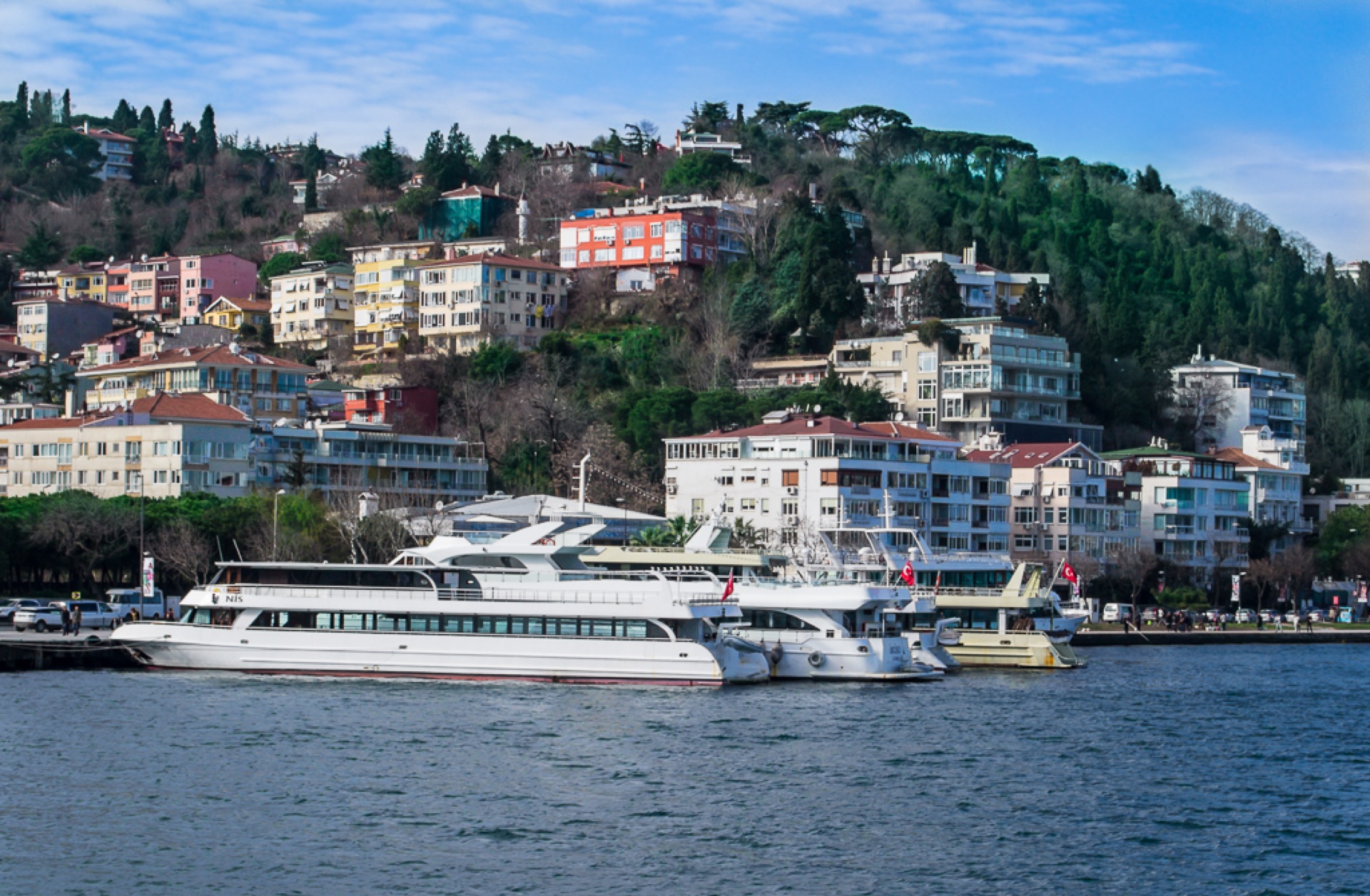
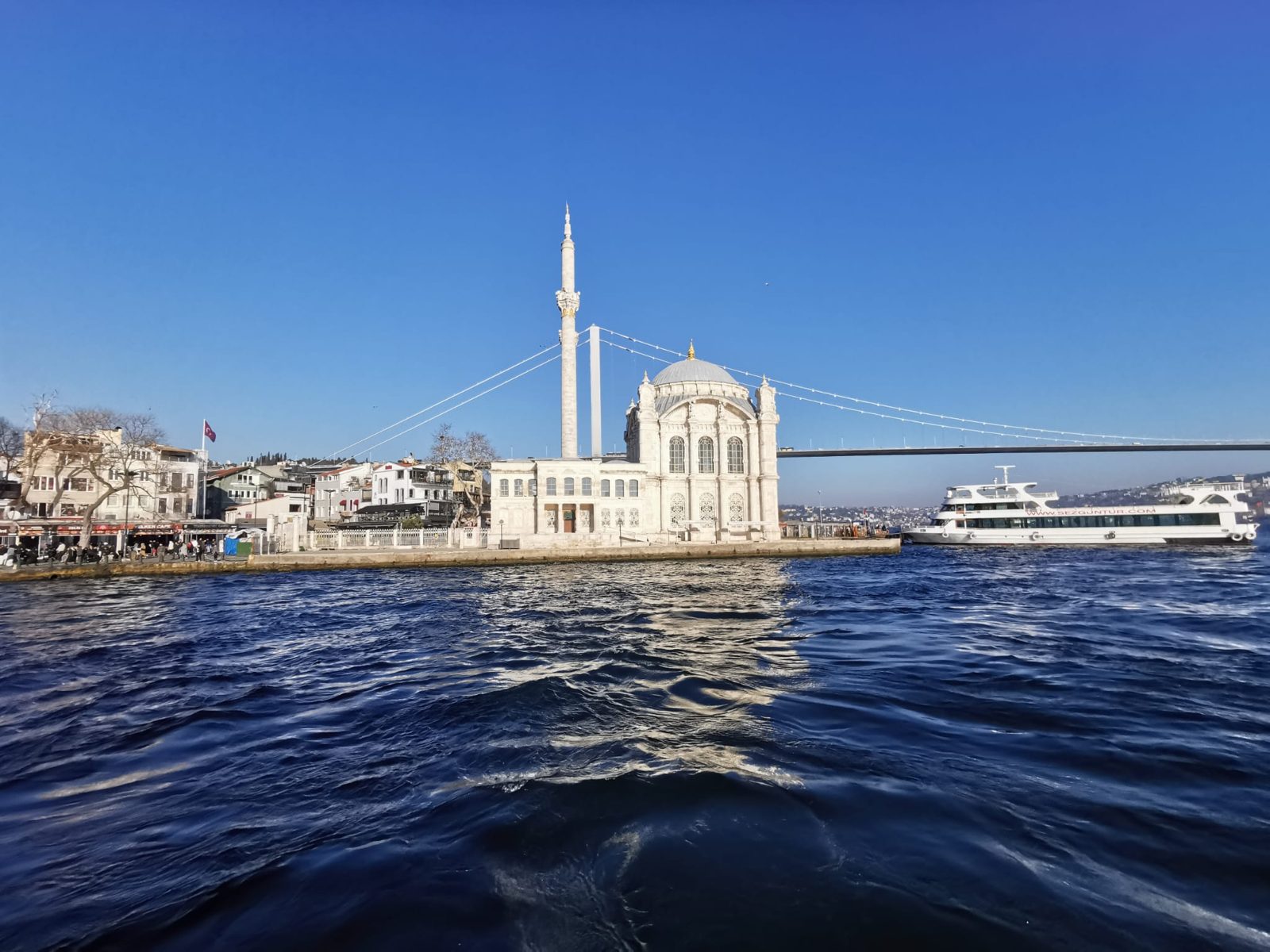
The mosque stands right on one of the Bosphorus's most beautiful bays. This closeness to the water was historically practical, since many people traveled by boat. At the same time, it makes the building photogenically attractive today.
Bosphorus mosques change their effect depending on weather and time of day. Behind a minaret, ferries and ships move along, visually connecting the sacred space with daily traffic.
Mosque and village identity
Bebek became more urban and more expensive, but the mosque is a reminder that a local community lived here long before modern cafés. Religious buildings are therefore also social markers. They show where people lived, met, and organized their daily lives.
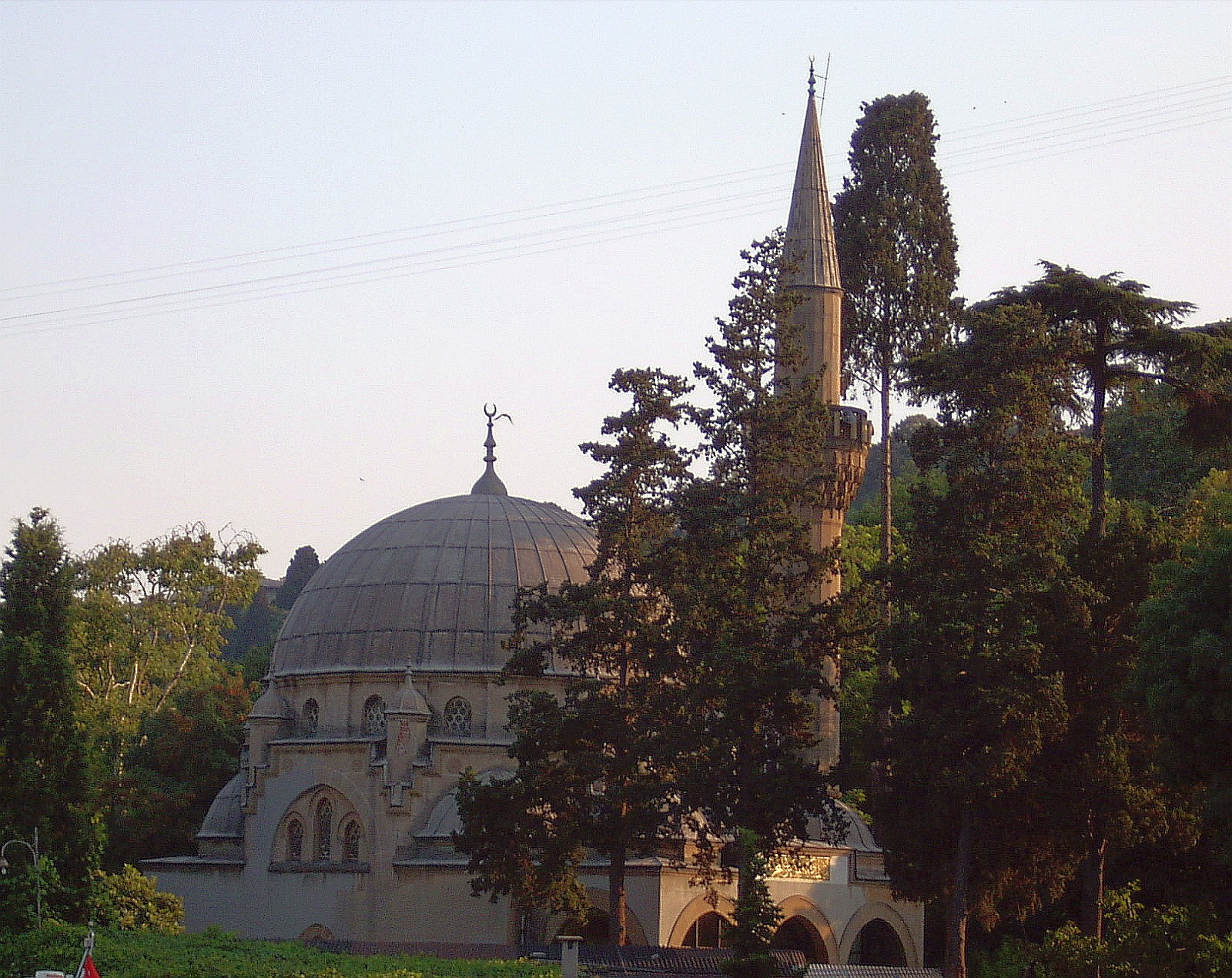
Small mosques in particular often tell this story more directly than large monumental buildings.
"Today's mosque dates from the classical Ottoman era." No. It's an early-20th-century building with deliberately historicizing Ottoman forms.
"Mimar Sinan built it." False. The architect was Mimar Kemaleddin.
Today's Bebek mosque and its predecessors
A mosque already existed on the site before today's building. Today's Bebek Camii was built at the start of the 20th century and is attributed to the architect Kemaleddin Bey, one of the most important representatives of the so-called First National Architectural Movement in the late Ottoman period.
This movement sought a modern architecture that deliberately drew on Seljuk and Ottoman forms. This sets the mosque apart from the more European-Baroque buildings of the 19th century, such as Ortaköy.
Why the location right on the water is so defining
The mosque is relatively small. Its effect arises strongly from its location. Right on the Bosphorus, between road, park and shore, it becomes part of the daily cityscape.
Fishermen, strollers, and café guests move in its immediate vicinity. The house of worship doesn't stand isolated on a monumental square.
Precisely because of that, it feels almost naturally built into Bebek.
Mimar Kemaleddin and a new Ottoman modernity
Kemaleddin Bey belongs to those architects who, around 1900, tried to combine modern building tasks with a deliberately Ottoman visual language. Instead of simply copying European styles, they drew on the arches, domes, tiles, and proportions of historic architecture.
This movement emerged during a time of intense political debate about identity, modernization, and empire.
The Bebek mosque is therefore small, but architecturally interesting.
The neighborhood as context
In the late Ottoman Empire, Bebek was a popular Bosphorus spot with summer houses and villas. Religious buildings naturally belonged to the infrastructure of such a neighborhood.
The mosque did not primarily serve tourists, but residents and people working along the shore.
That it now appears in thousands of Instagram photos is a modern side effect of its location.
Original, restoration, and today's condition
Like practically every building right on the Bosphorus, the mosque is exposed to moisture, salt air, and traffic strain. Restorations are therefore unavoidable.
Surfaces, roof areas, and technical fittings have been renewed over time. The building remains historic, but not untouched.
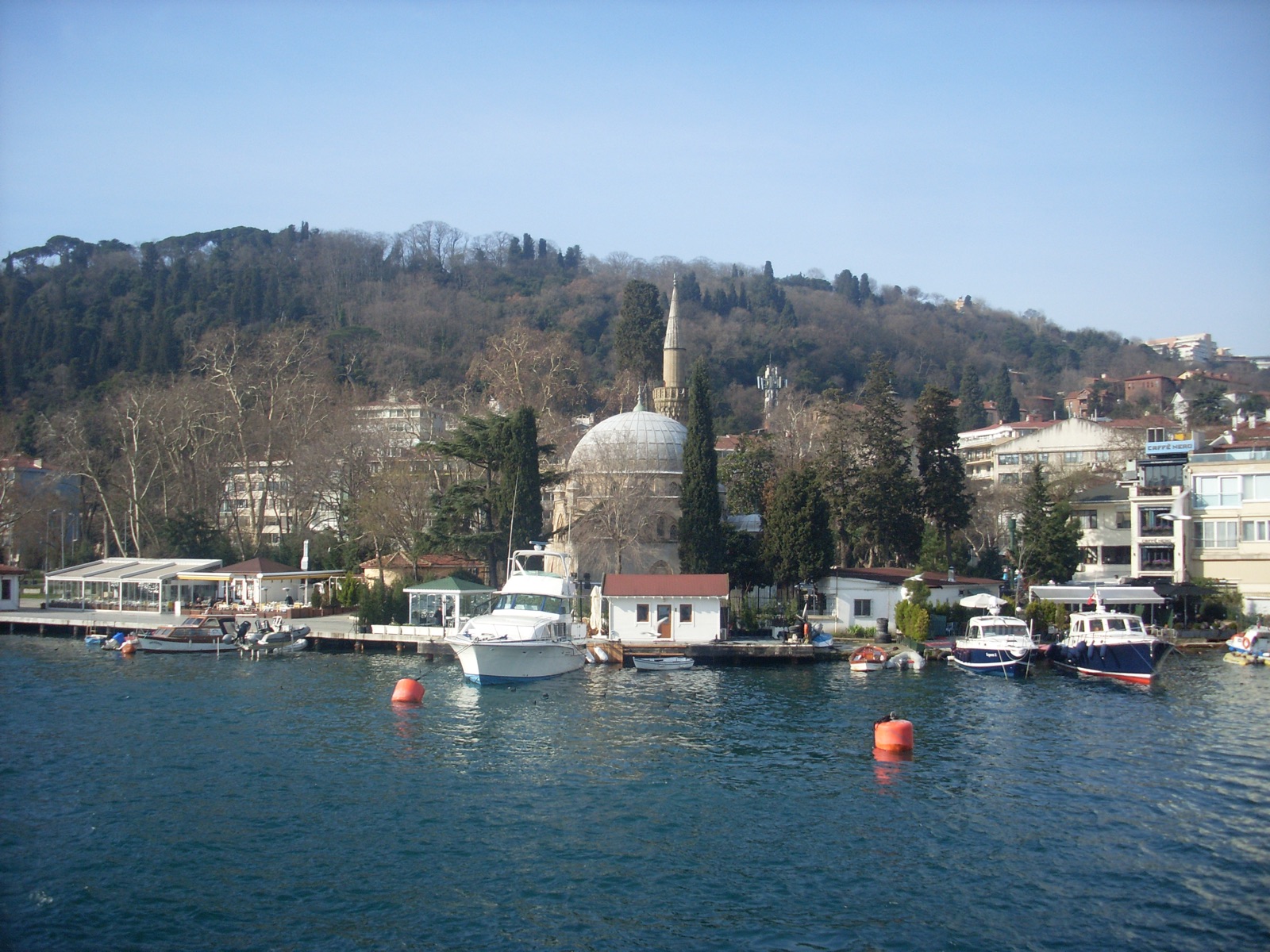
With smaller houses of worship in particular, such preservation is often less noticed than with great monuments.
Why small mosques have a different atmosphere
In a monumental mosque like Süleymaniye, you automatically feel overwhelmed by scale. A small neighborhood mosque works differently. It's closer to everyday life, quieter, and less staged.
Perhaps you sometimes understand religion in a city better at places like this than only in its most famous buildings.
Here, someone comes in before work, someone after a walk, someone from the neighborhood.
Bebek without the mosque would look different
The coastline's silhouette doesn't consist only of expensive houses and cafés. The mosque gives the shore a historical and social reference point.
It's a reminder that Bebek was a living Bosphorus neighborhood long before it became a modern luxury address.
The mosque as part of a waterfront axis
Anyone visiting Bebek Camii shouldn't look at it in isolation. The park, the shore, the ferries, historic villas, and the street together form a small Bosphorus landscape. The mosque is a religious fixed point within it.
It looks especially harmonious from the water side, since the dome and minaret aren't swallowed by dense high-rise development.
Its location therefore explains a large part of its visual effect.
Why small mosques are often less documented
Great endowments by sultans left behind extensive documents, chronicles, and building inscriptions. Small neighborhood mosques, by contrast, were often documented less thoroughly. Restorations, local alterations, and everyday traces are therefore sometimes harder to trace.
That doesn't mean they're historically unimportant. On the contrary: they tell the ordinary religious daily life of a city more than the great representative buildings do.
That's exactly why places like this belong on my Istanbul list too.
My take on this place
What I like about small mosques like this is that they don't need to impress you with size. Right next door lies one of the most expensive and best-known stretches of the Bosphorus, but the mosque, at its core, still fulfills the same simple function: people come in and pray.
Maybe that's exactly the loveliest contrast in Bebek. Outside: lifestyle, boats, coffee, and real estate prices. Inside: a comparatively small space where all of that plays no role whatsoever for a few minutes.
– Amra