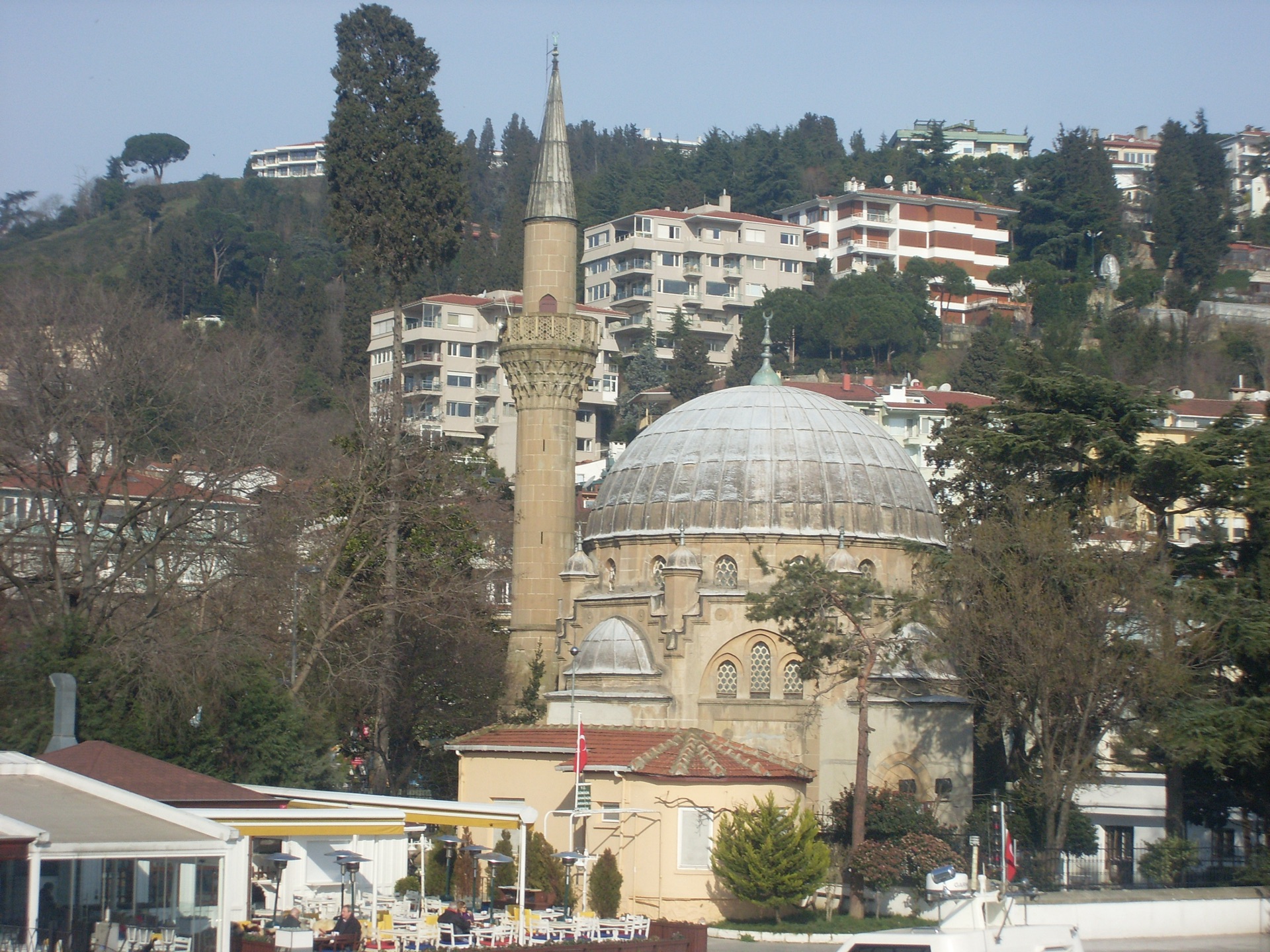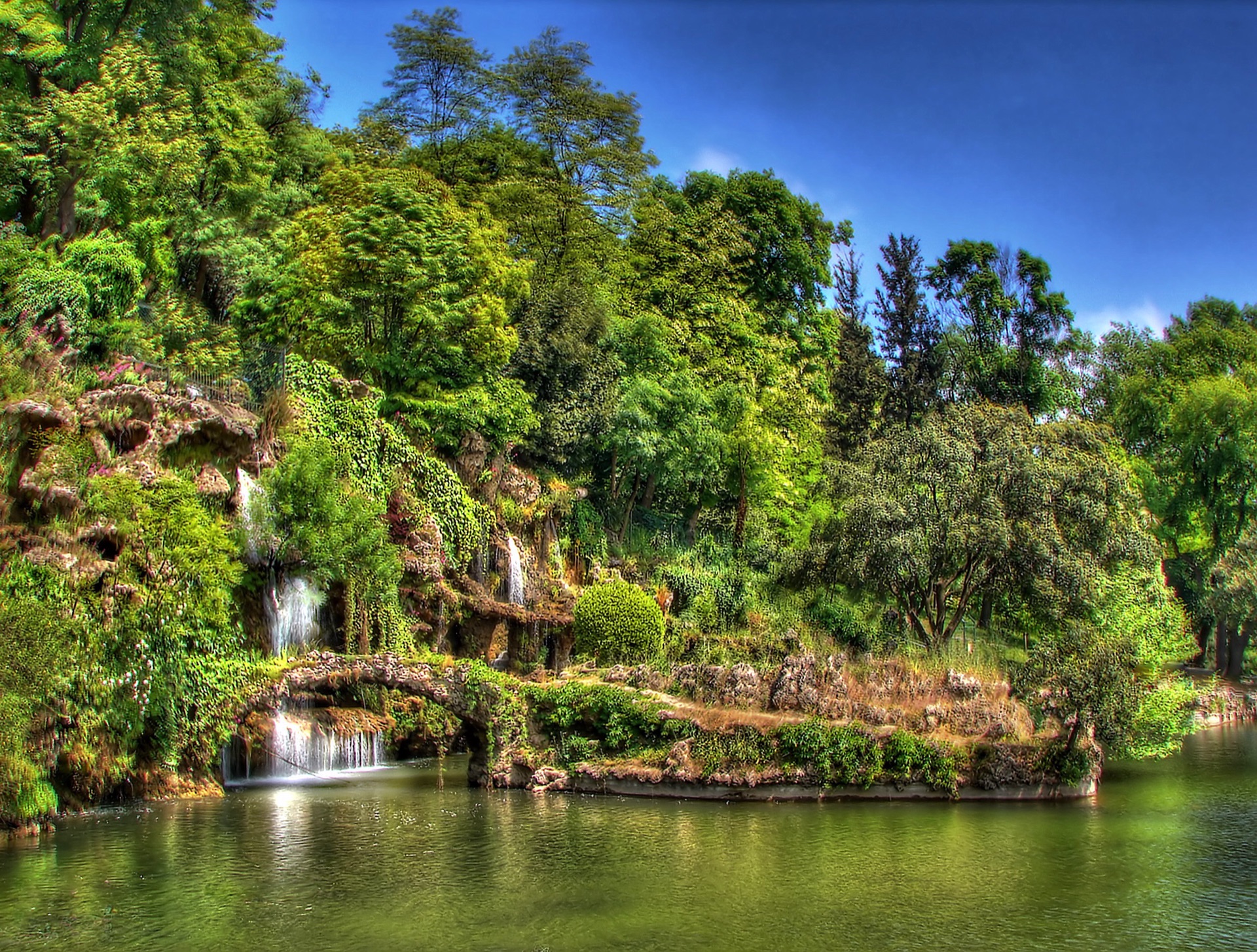
Bebek is one of those areas that show Istanbul doesn't always have to look like a monumental old town. Here it's less about a single World Heritage site than about the Bosphorus itself: shores, boats, cafés, strollers, and houses whose location alone explains why real estate prices in this area reach different dimensions entirely. Bebek Park sits right on the water, forming a green break between dense development and the Bosphorus.
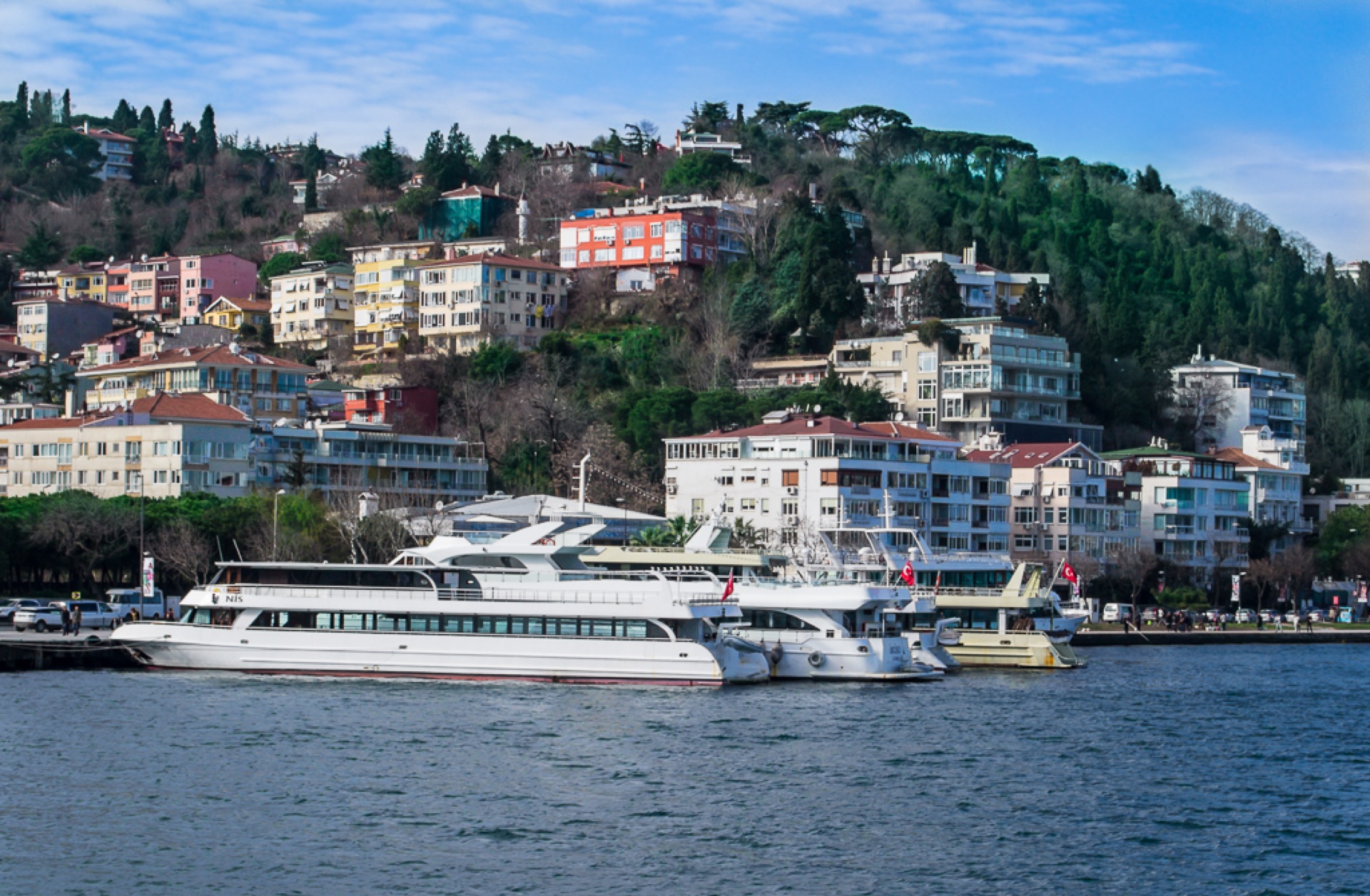
Bebek is one of those areas that show Istanbul doesn't always have to look like a monumental old town. Bebek Park sits right on the water, forming a green break between dense development and the Bosphorus.
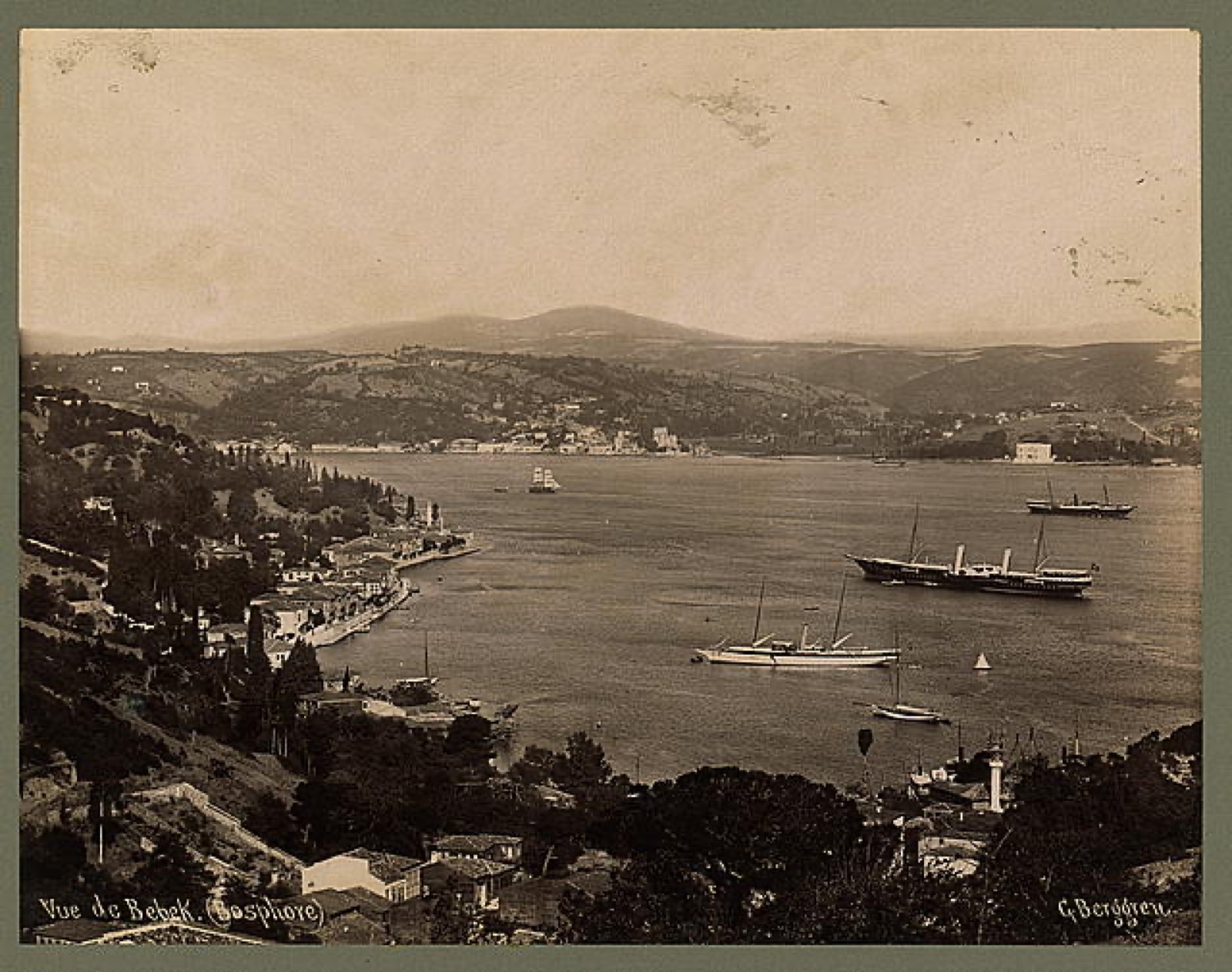
The name "Bebek" sounds funny to German-speaking visitors, since "bebek" means baby in Turkish. Whether the place name actually comes from that, though, isn't so simple. Several explanations exist, including a connection to an Ottoman official or guard named Bebek Çelebi. As with many old Istanbul place names, history and folk etymology have blended together.
- Bebek lies on a sheltered bay of the European Bosphorus shore.
- The place developed from an older Bosphorus village into a sought-after residential area.
- The exact origin of the name "Bebek" isn't fully established.
- In the 19th century, the area gained importance as a summer residential and excursion destination.
- Today's Bebek Park sits right on the water and has been redesigned several times.
- The proximity to Boğaziçi University/Robert College further shapes the surroundings.
Bebek before its luxury image
Before Bebek became synonymous with expensive cafés and Bosphorus apartments, it was a smaller waterside settlement. Fishing, boat transport, and seasonal life shaped the area far more than today's luxury real estate. Like other Bosphorus villages, Bebek long lay outside the densely built historic center.
As roads, steamship travel, and summer residences expanded, such places moved closer to the capital. Wealthy families discovered the Bosphorus shores as a pleasant alternative to the dense city. Seasonal summer spots gradually became permanent residential areas.
Where the name might come from
One common explanation ties the name to Bebek Çelebi, a person mentioned in connection with Mehmed II's preparation for the conquest and control of the area. Other interpretations relate it directly to the Turkish word "bebek," or to older place names.
There's no single, fully documented history of the name. So the prettiest anecdote shouldn't automatically be presented as fact. Place names are often older than the stories later invented to explain them.
Bosphorus villages and summer life
In the 18th and 19th centuries, the Bosphorus became a preferred axis for the Ottoman elite. Yalıs, gardens, and summer residences lined both shores. Bebek benefited from its bay, its views, and its access to the water.
Steamships made Bosphorus travel faster and more reliable. This let people commute more regularly between the city center and shore settlements further north. The geographic distance stayed the same; the felt distance shrank.
The park and the waterfront promenade
Today's Bebek Park sits directly on the bay. Green spaces, paths, and seating create a public space in an area where private real estate value is enormous. This public accessibility matters: the best view of the Bosphorus here doesn't belong exclusively to people with a villa on the water.
The park has been redesigned several times over time. Planting, paths, and shoreline design are therefore modern layers. What's historic is above all the bay's role as a social meeting point and excursion space.
Why Bebek became so expensive
Location explains a lot. Anyone living right on the Bosphorus gets a view, a relatively good connection to central districts, and an environment of cafés, schools, and green spaces. At the same time, buildable land is limited. Between steep slopes and water, you can't endlessly build new city blocks.
Add to that prestige. Once a neighborhood is seen as especially desirable, price reinforces itself. Restaurants and brands follow well-off customers, which in turn reinforces the image.
Robert College and education on the Bosphorus
Above Bebek, Robert College was founded in the 19th century, a significant American educational institution. Parts of the historic campus today belong to Boğaziçi Üniversitesi. Its location on the hills above the Bosphorus is spectacular and shapes the district's social history.
The institution brought international teachers, students, and a new educational landscape into the area. Bebek was thus not only a residential and excursion spot, but also part of the late Ottoman Empire's modernization story.
Bebek today: everyday life and stage
Today Bebek is at once a residential neighborhood, an excursion destination, and a social stage. People come for breakfast, jogging, walking, coffee, and photography. On sunny weekends, the waterfront zone can get very crowded.
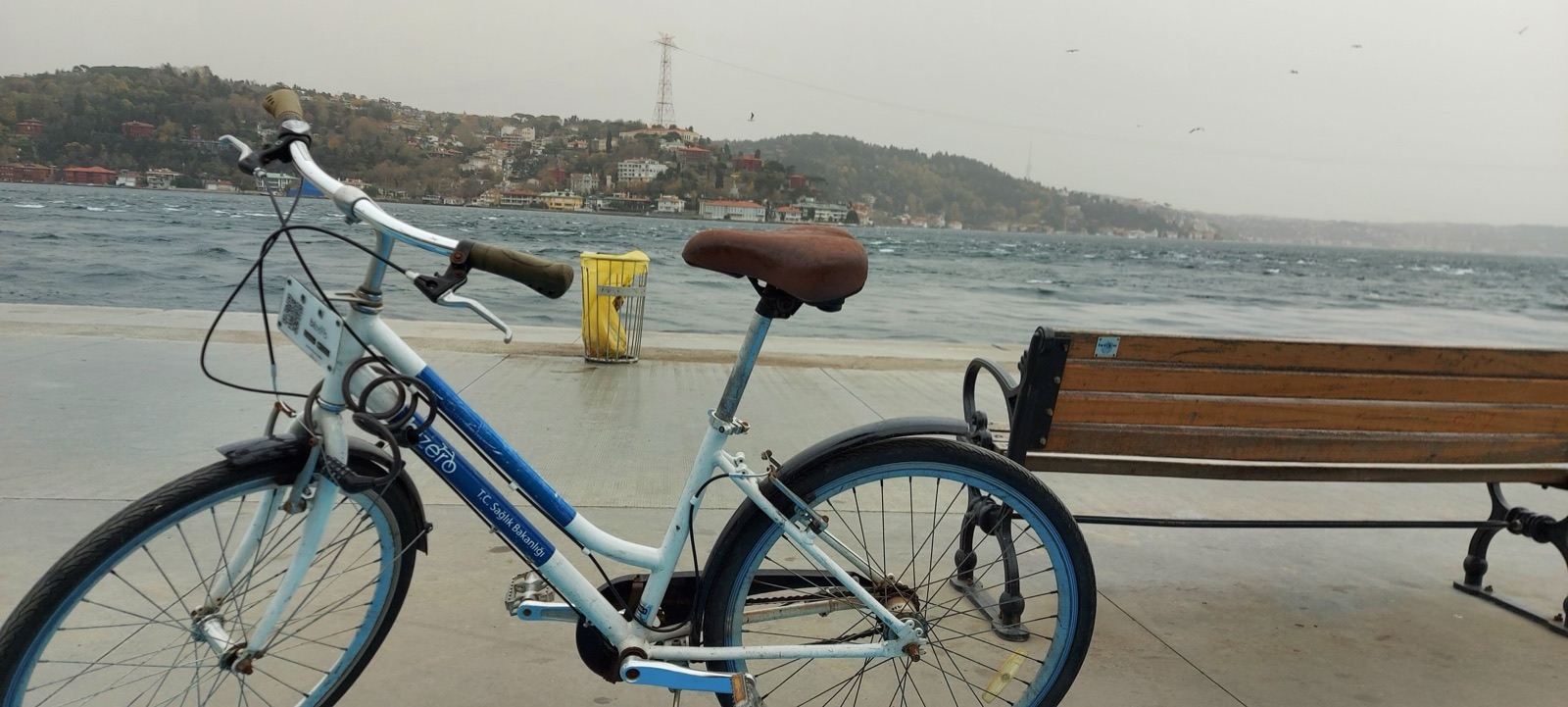
That doesn't mean the neighborhood has become "inauthentic." Neighborhoods change. A former fishing village doesn't have to stay a fishing harbor forever just so tourists find it authentic.
"Bebek is named that because the bay looks like a baby." There's no solid evidence for that. Several interpretations of the name compete with each other.
"Bebek was always a luxury neighborhood." False. Today's prestige developed over a long time out of an older Bosphorus village.
How Bebek went from Bosphorus village to prestige neighborhood
Bebek wasn't always one of Istanbul's most expensive and best-known waterfront areas. Like many Bosphorus villages, the place developed from a smaller settlement with direct access to the water. Fishing, gardens, summer houses, and later grand yalıs shaped the coast.
In the 19th and 20th centuries, Bebek increasingly gained importance as a residential area for wealthy Istanbulites. Good location, views, and proximity to European districts made the place attractive. As the modern city grew, Bebek eventually became part of the connected urban space.
The park today is part of this prestigious waterfront zone.
Why parks on the Bosphorus are something special
Istanbul has many green spaces, but public areas right on the Bosphorus are especially valuable. Large parts of the shore are taken up by roads, private property, palaces, yalıs, or harbor facilities.
A park where you can simply sit by the water therefore offers something that's by no means a given in a city of millions.
Bebek Park functions less as a classic sight and more as the city's public balcony.
Everyday life instead of a monument
In the park you see joggers, families, people with coffee, children, dogs, and visitors who simply look at the water. That's exactly where its value lies.
Not every place in Istanbul needs a construction date or a sultan. Some places tell you better how the city lives today.
For a travel blog, that matters, because otherwise you just rush from monument to monument and eventually forget that people spend their ordinary daily lives here.
Bebek, the university, and young urban culture
Important educational institutions and neighborhoods with many young residents lie nearby. That shapes cafés, dining, and the streetscape.
Bebek therefore feels exclusive and surprisingly everyday at the same time. Luxury cars stand next to people sitting by the water with a simple çay.
Istanbul can place such contrasts side by side very effortlessly.
Bosphorus traffic as part of the view
From the park you don't just see romantic water. Cargo ships, ferries, private boats, and coastal traffic remind you that the Bosphorus is an international waterway.
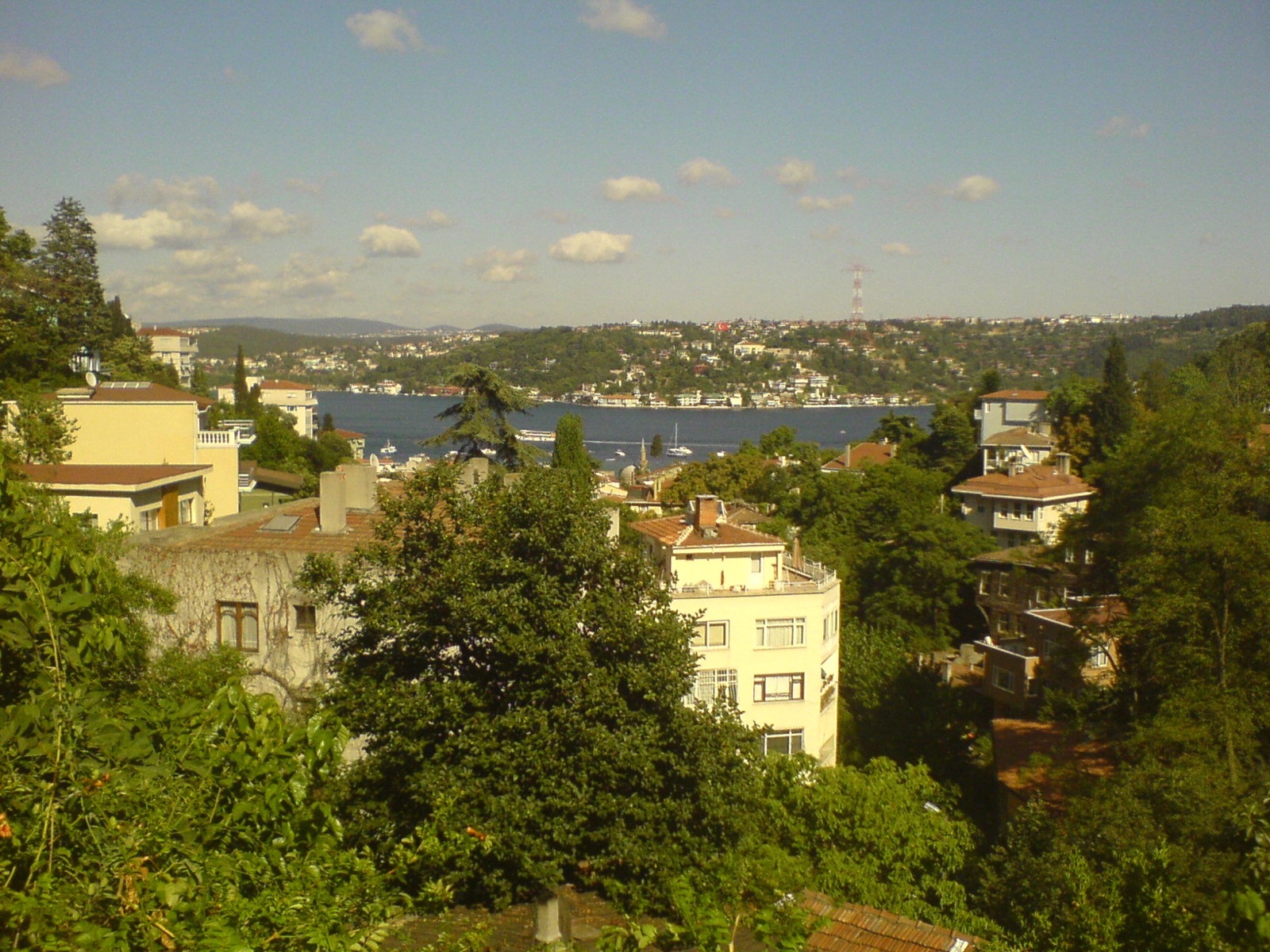
Sometimes a huge ship glides through the view and looks almost too big for the cityscape. It's exactly this mix of everyday life, world traffic, and view that makes the Bosphorus so lively.
Why you don't need to "do" much here
Many travel guides feel obliged to assign every place ten activities. Bebek Park doesn't need that. You can sit, walk, look, and maybe have something to drink.
Especially during an intense Istanbul trip, that's valuable. After mosques, museums, bazaars, and crowds, you sometimes need a place where the main item on the agenda is: nothing.
That sounds banal, but it's surprisingly beautiful in Istanbul.
Bebek and the transformation of the Bosphorus shore in the 20th century
As coastal roads expanded, the relationship between houses and water changed. Areas once more directly shaped by the sea got wide traffic axes instead. At the same time, new public waterfront areas emerged.
Bebek Park belongs to this modern development. The park is therefore not simply a remnant of unchanged nature, but part of a deliberately designed urban landscape.
That it feels so natural today shows how quickly modern interventions can themselves become part of a neighborhood's identity.
Morning, evening, and summer — the same park feels completely different
Early in the morning, Bebek belongs more to joggers and residents. Later, cafés, strollers, and visitors fill the shore. On warm weekends it can get very crowded.
Anyone wanting quiet should therefore choose their time of day deliberately.
In the evening, the lighting of the Bosphorus bridges completely changes the atmosphere. By day you read the landscape; at night, more the lights of the city.
Both belong to Bebek.
My take on this place
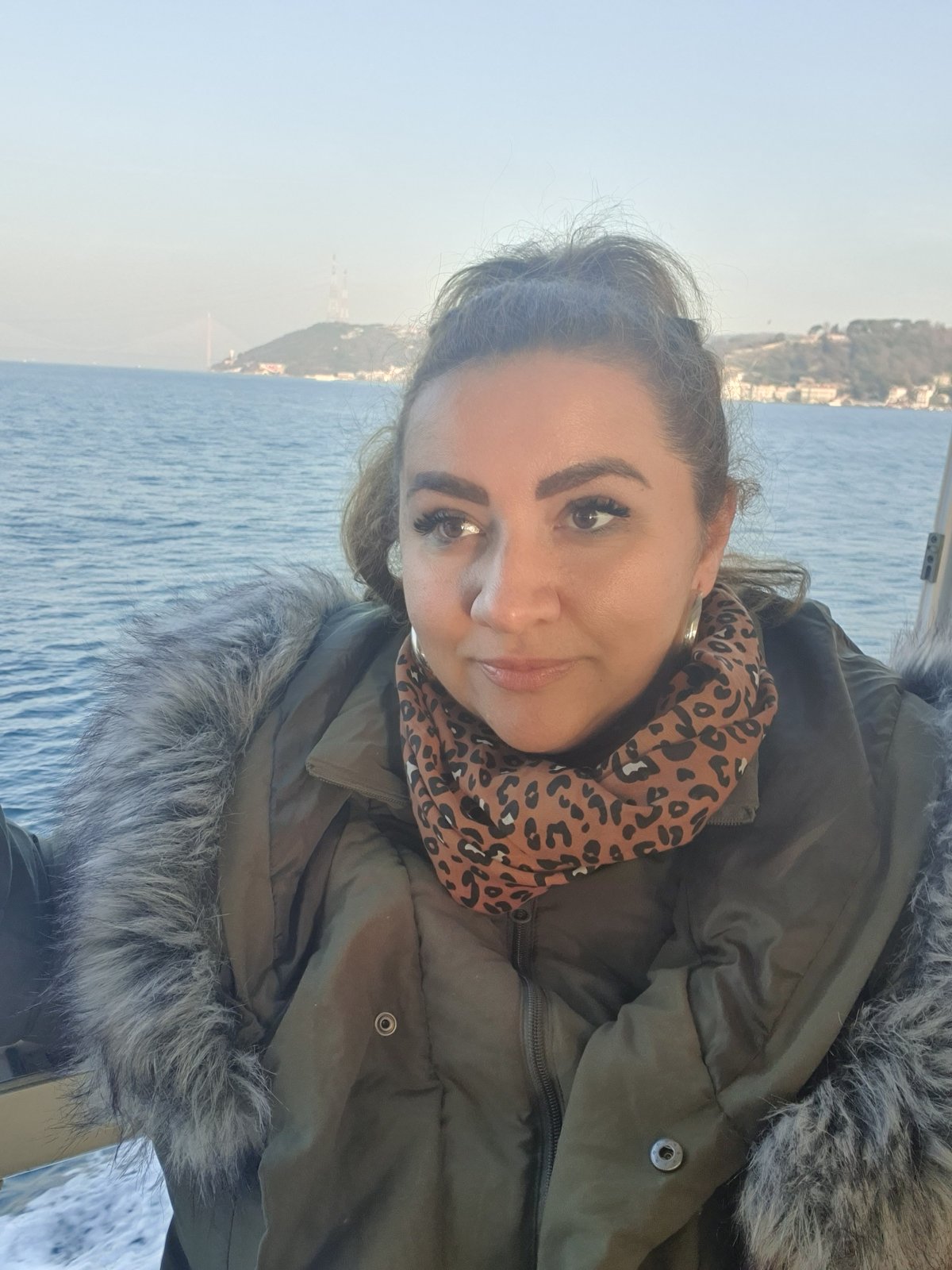
Bebek is, to me, a good example of how Istanbul doesn't always need a monument to make you want to stop. Sometimes water, boats, people, and a place to simply sit are enough.
Of course, you notice very quickly that you haven't exactly landed in the cheapest part of the city. But thankfully, the Bosphorus doesn't ask about your real estate budget before letting you look at it.
– Amra