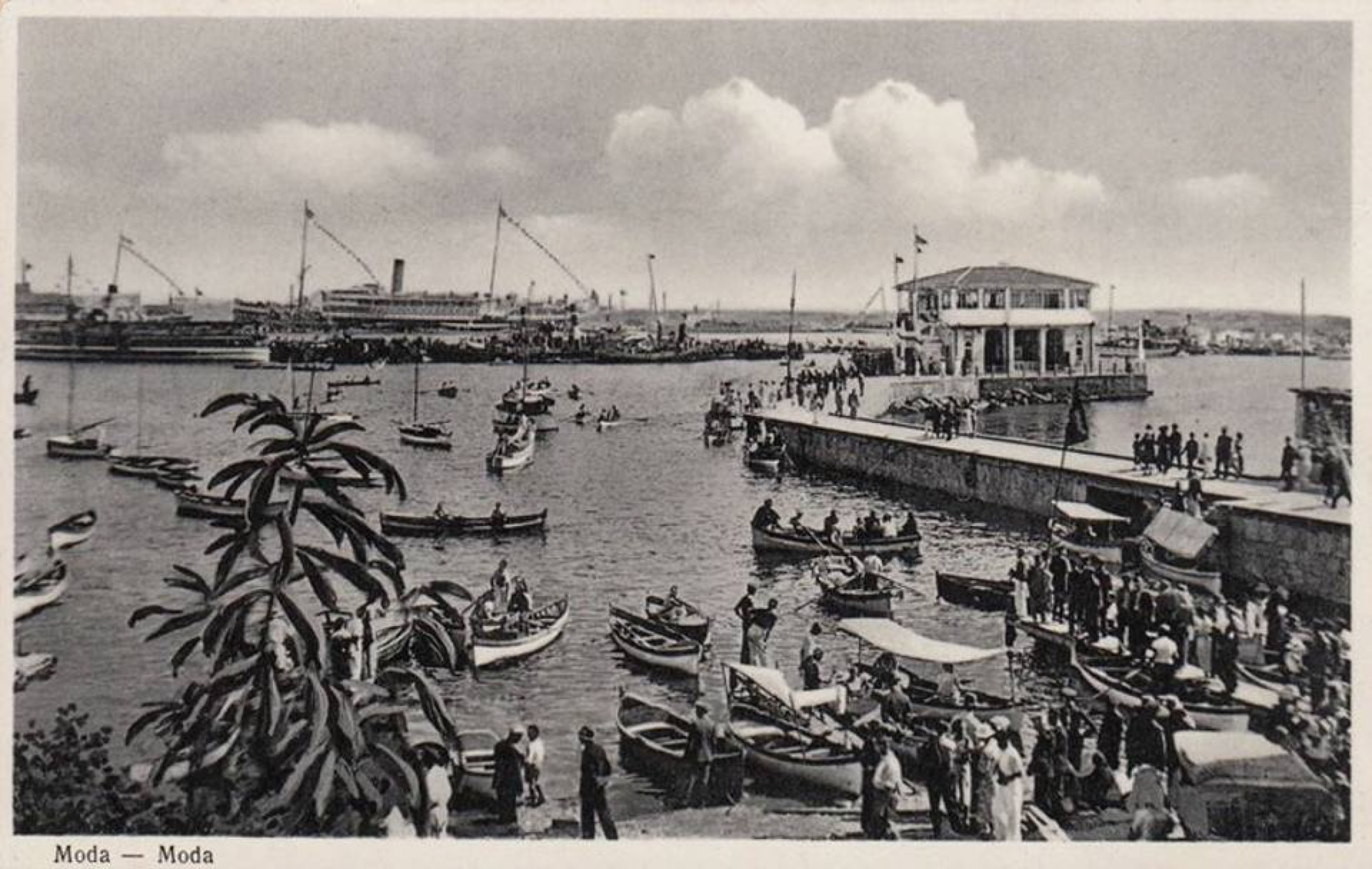

Between the historic Haydarpaşa train station and Kadıköy's lively center lies a neighborhood that, for a long time, hardly anyone outside its own community knew: Yeldeğirmeni. The name literally means "windmill" — a reference to earlier windmills that once stood on this elevated spot near the Sea of Marmara, used for grinding grain.
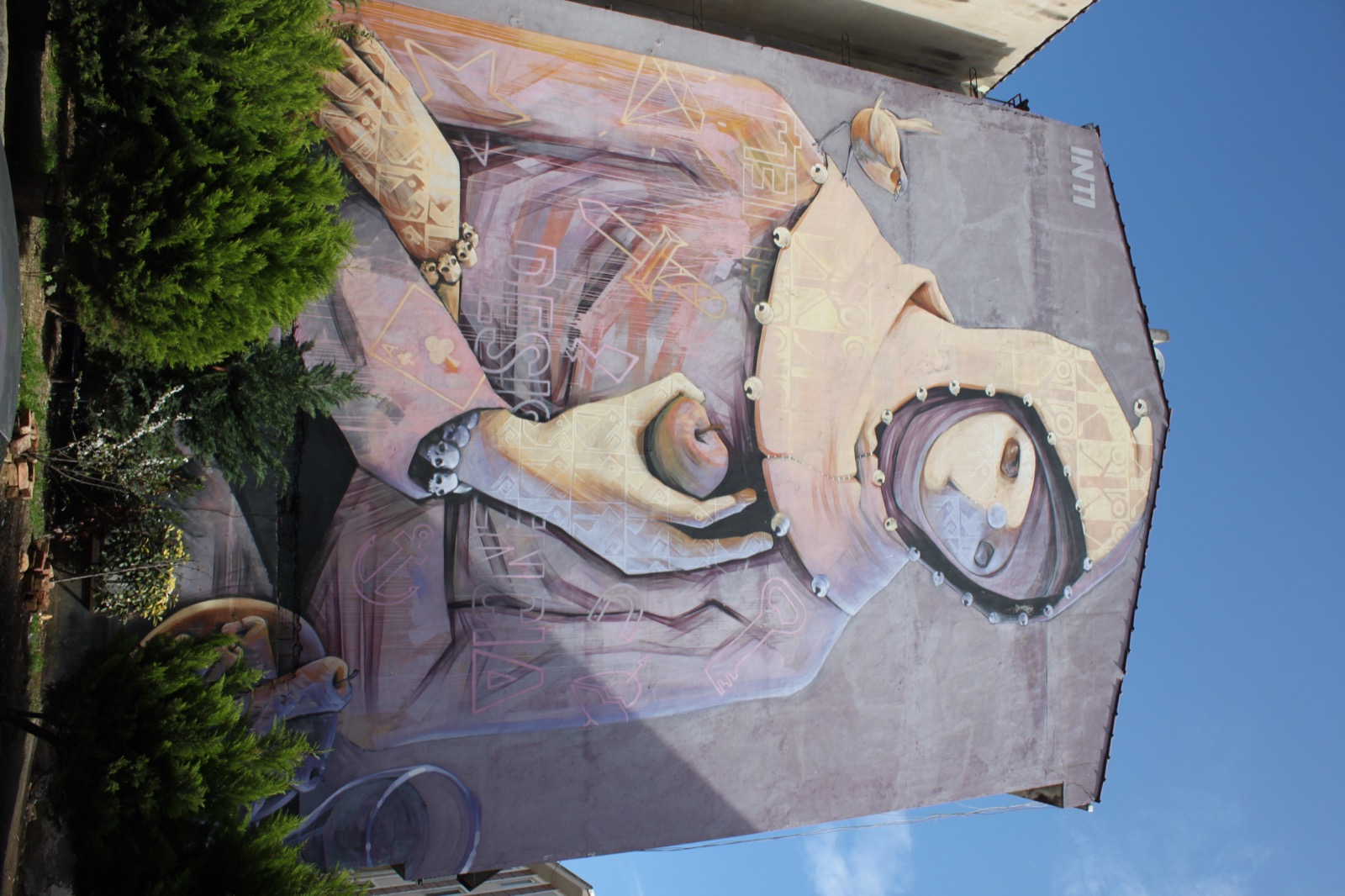
Yeldeğirmeni was once a middle-class residential neighborhood of Greek and Armenian families, later fell into obscurity — and became one of Istanbul's most striking street art neighborhoods through a mural project.
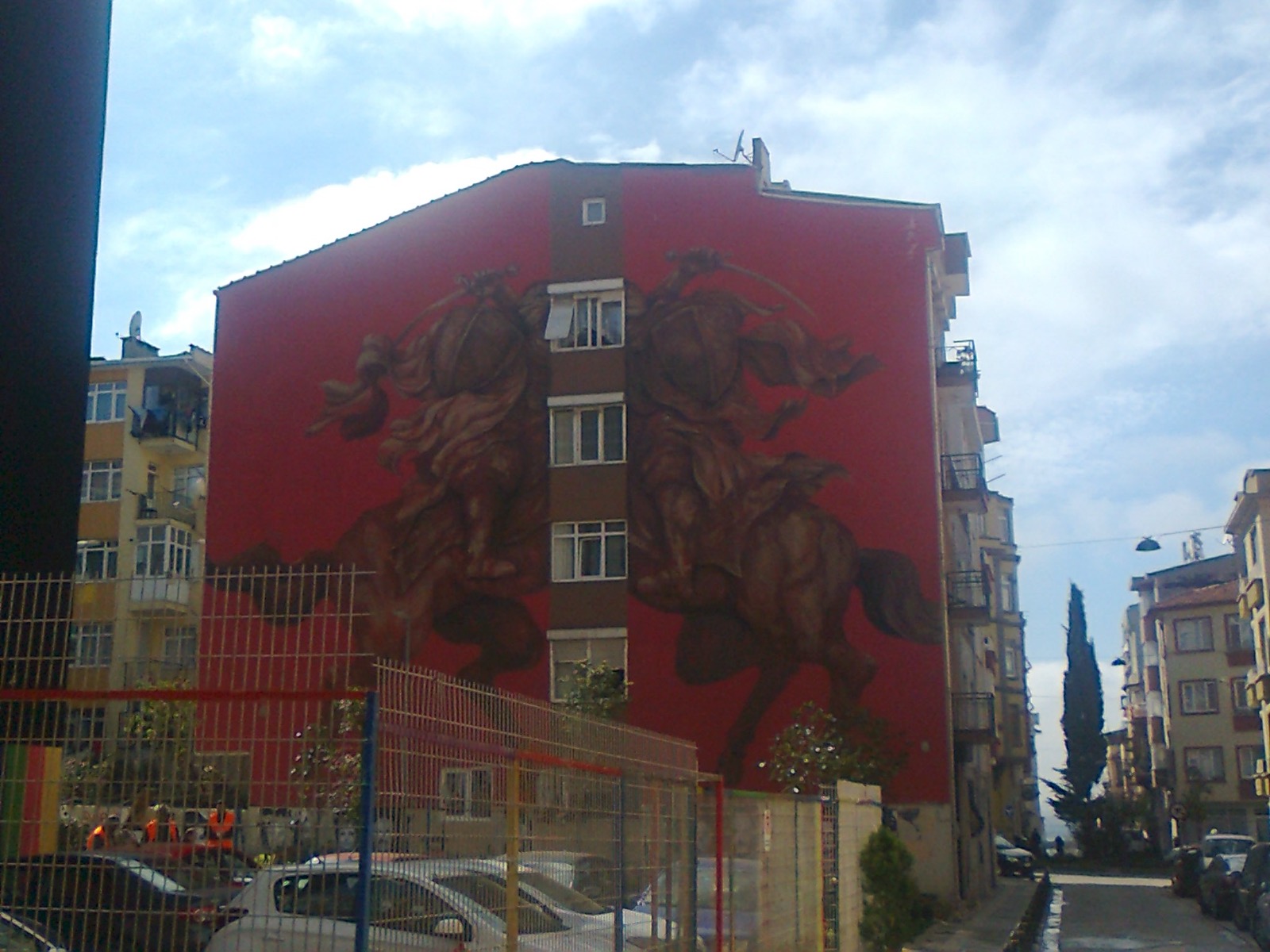
Today Yeldeğirmeni is known mainly for something else: large, colorful murals covering entire façades of old apartment buildings. Within a few years, an aging residential neighborhood thus became one of Istanbul's most striking street art districts.
- "Yeldeğirmeni" means "windmill" and refers to earlier grain mills at this spot.
- The neighborhood was long shaped by Greek and Armenian families, recognizable in its late-19th- and early-20th-century residential architecture.
- Starting in the 2010s, a mural project transformed numerous façades into large-scale artworks by international and Turkish street artists.
- Its location between Haydarpaşa station and Kadıköy's center makes the neighborhood easily walkable.
- Old apartment buildings, small cafés, and quieter streets still shape its everyday character.
- Like other upgraded neighborhoods, Yeldeğirmeni sits in the tension between preservation and rising rents.
A name that recalls old mills
"Yel" means "wind," "değirmen" means "mill" — the name thus directly refers to an earlier use of the elevated ground between Kadıköy and the sea for windmills that processed grain into flour. Like many historic Istanbul place names, this one is a functional description of the original landscape, not a later marketing invention.
Nothing of the original mills themselves is visible today — the neighborhood was densely built up with multi-story apartment buildings in the late 19th and early 20th centuries, typical of the growing Asian side of Istanbul.
A neighborhood of Greek and Armenian families
For large stretches of its more recent history, Yeldeğirmeni was a middle-class residential neighborhood where many Greek Orthodox and Armenian families lived, something still visible today in the architecture of individual buildings, in nearby church buildings, and in the neighborhood's grown street layout.
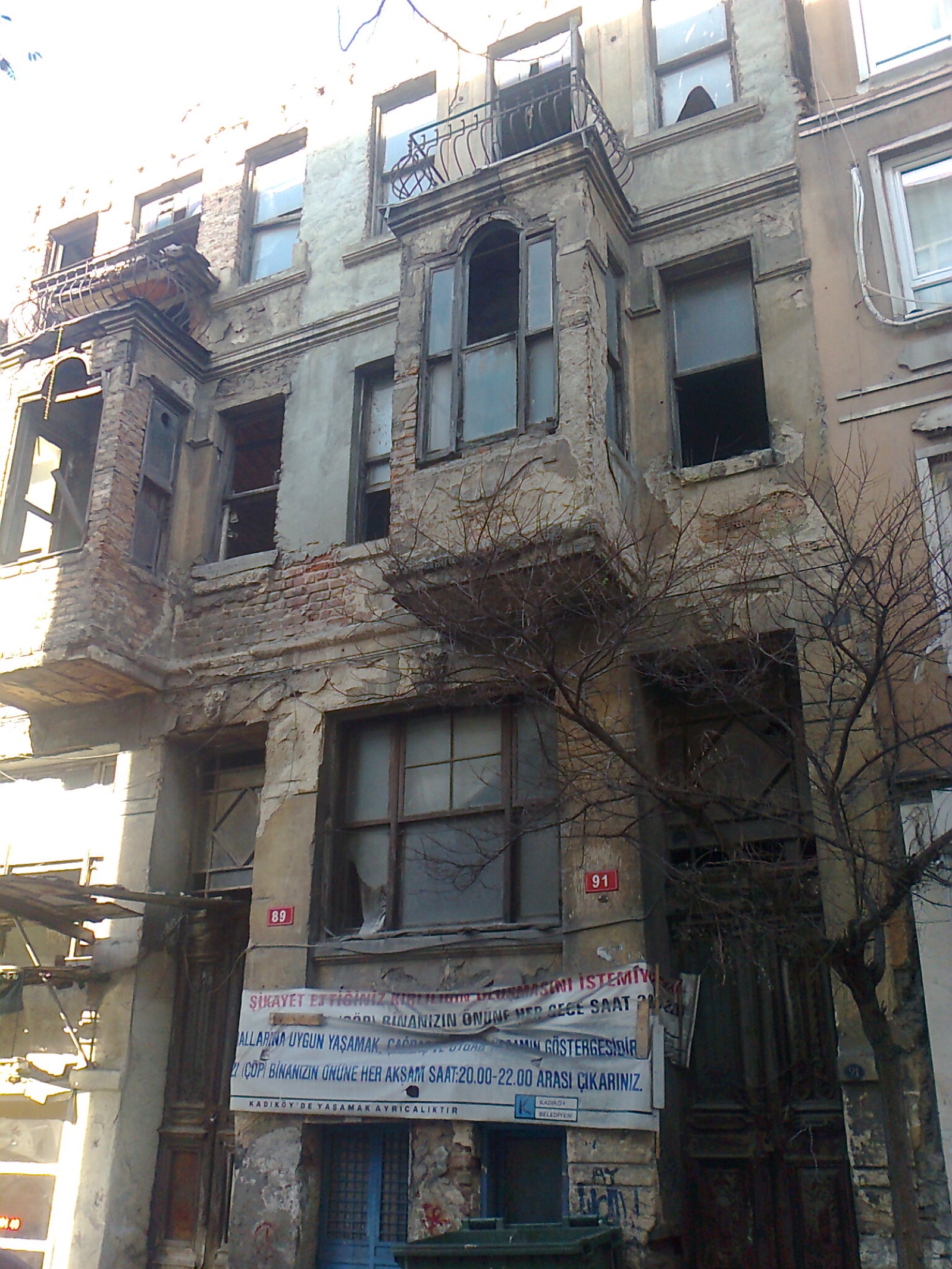
As in many Istanbul neighborhoods, the population structure changed considerably over the course of the 20th century, among other things due to political crises and emigration movements of the respective minorities. The buildings themselves remained, even as many of their original resident families left the city or the country over time.
From forgotten neighborhood to street art stage
Starting in the early 2010s, a deliberate upgrade through art began in Yeldeğirmeni: as part of a mural project, Turkish and international street artists painted numerous façades of old apartment buildings with large-scale, often multi-story motifs. The explicit goal was to make the neighborhood more visible again and more attractive to both residents and visitors.
The effect was clear: a rather unassuming residential neighborhood became a place people visit deliberately, to stroll through the streets and discover the murals — similar to well-known street art neighborhoods in other major European cities.
Between the station and the city center
Yeldeğirmeni sits geographically conveniently between the historic Haydarpaşa station and Kadıköy's bustling center, with its ferry harbor, markets, and pedestrian zone. This location makes the neighborhood easy to reach on foot, without it sitting directly within Kadıköy's main tourist flow itself.
It's exactly this peripheral position that long kept Yeldeğirmeni quieter and less conspicuous than Kadıköy's immediate center — a quality that's gradually changing as the neighborhood's fame grows.
Cafés, everyday life, and the neighborhood's transformation
Alongside the murals, small cafés, design studios, and ateliers have increasingly settled in Yeldeğirmeni in recent years. For many young Istanbulites, the neighborhood now counts as one of the more authentic alternatives to the already heavily commercialized parts of the city.
This development, though, brings the same questions as comparable neighborhoods worldwide: rising rents, growing pressure on long-term residents, and the question of how much change a neighborhood can withstand before it loses its original character.
"The murals in Yeldeğirmeni are official state art." Not quite accurate. The murals arose as part of a deliberate neighborhood art project with local and international artists, not as centrally mandated state decoration.
"The name has nothing to do with real windmills." False. "Yeldeğirmeni" literally means "windmill" and refers to grain mills that actually once existed at this spot.
My take on this place
To me, Yeldeğirmeni shows very clearly how quickly an Istanbul neighborhood can change without completely losing its historic building fabric. The same old apartment buildings that once housed Greek and Armenian families now carry large-scale, modern artworks — both exist side by side, instead of erasing one another.
What keeps impressing me about neighborhoods like this is how much history sits in unassuming residential streets that no guidebook lists as a main attraction. That's exactly why it's worth simply walking through here on foot, with no fixed destination — Istanbul often shows itself most honestly away from its great monuments.
– Amra