
Moda Pier today feels almost too beautiful to be mere transport infrastructure. The historic landing stage juts out into the Sea of Marmara, people sit by the water, have a drink, and wait for the sunset. It's exactly this mix of function and atmosphere that makes the place so popular. It wasn't built as an Instagram backdrop, but as part of Istanbul's ferry system, which was decisive for the development of the Asian side.
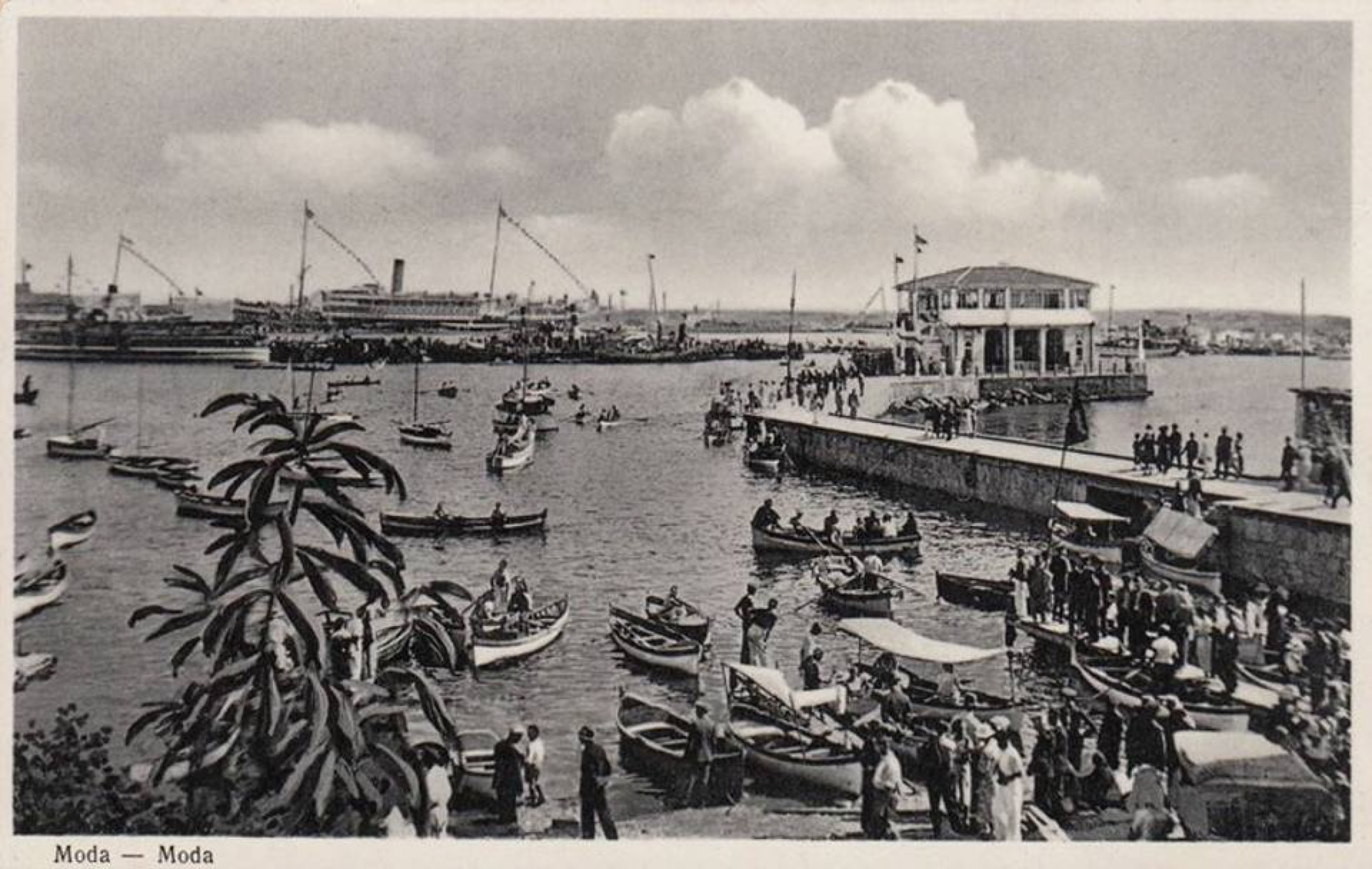
The historic pier juts out into the Sea of Marmara, people sit by the water and wait for the sunset. It wasn't built as a backdrop, but as part of Istanbul's ferry system, which decisively shaped the Asian side.
Kadıköy and Moda grew especially strongly once regular steamship connections made the journey across the water predictable. A pier was therefore, back then, what a metro station is today: access to the rest of the city. Moda Pier belongs to this transport history and was restored, after periods of neglect, and made publicly usable again.
- Moda developed strongly with steamship travel and growing suburban traffic.
- Historic ferry landings were central transport infrastructure, not merely viewpoints.
- Moda Pier, in its well-known form, dates from the early Republic, or the early 20th century.
- Its use changed as new transport routes emerged.
- After restoration, the pier became publicly accessible again as a cultural and leisure spot.
- Today it's especially known for its sunset and view over the Sea of Marmara.
Why ferries transformed Kadıköy
Before bridges and Marmaray existed, water was no obstacle between Istanbul's two sides, but the most important transport route. Ferries connected Kadıköy, Üsküdar, and other Asian shore towns with Eminönü, Karaköy, and Beşiktaş.
Regular steamships in the 19th century made these connections more predictable. People could live on the Asian side and work on the European one. As a result, Kadıköy and Moda grew enormously as residential areas.
Moda as a residential and summer area
Moda developed into a preferred area for wealthier Muslim, Greek, Armenian, and Levantine families. Gardens, villas, and sea views made the peninsula attractive. At the same time, schools, churches, clubs, and cultural institutions arose.
Its character was less dense and busy than the center of Kadıköy. Even today, walking toward Moda, you notice the streets gradually becoming more residential and green.
The pier's origins
The landing stage was built to directly link Moda into the ferry network. Its architecture wasn't meant to be merely functional. Historic Istanbul ferry landings were often carefully designed, since they served as the gateways to their neighborhoods.
A traveler saw the pier first and only then entered the place. The building was thus transport infrastructure and calling card at once.
Architecture by the water
Wood, large windows, and a light, pavilion-like effect suit its coastal location. Unlike monumental train stations, a ferry landing didn't need to project power. It had to provide shelter, organize tickets and a waiting area, and function well with the water at the same time.
Its proximity to the sea, though, places high demands on materials. Salt, moisture, wind, and waves accelerate decay. Regular maintenance is therefore indispensable.
Why landings lose their function
Transport networks change. New ferry lines, buses, roads, and later metro connections shift passenger flows. A small historic landing can thereby lose its original significance, even as the neighborhood keeps growing.
That's exactly what happens to many historic transport buildings: they're no longer strictly needed technically, but culturally too valuable to simply demolish.
Restoration and reopening
Moda Pier was restored and made publicly accessible again. The goal was to preserve its historic architecture while enabling today's use. Culture, dining, and leisure now complement, or partly replace, its purely transport function.
That makes sense, as long as its historic character isn't reduced to mere decoration. A monument stays most alive when people can actually use it.
Sunset as a new use
Today, many people come not for a ferry at all. They come to sit by the water and watch the sunset. This has given the pier a completely new social function.
That hundreds of people gather for a few minutes of light on the water is something I actually find lovely. Not every attraction needs a ticket, an audio guide, and fifty historic rooms.
What you see from there
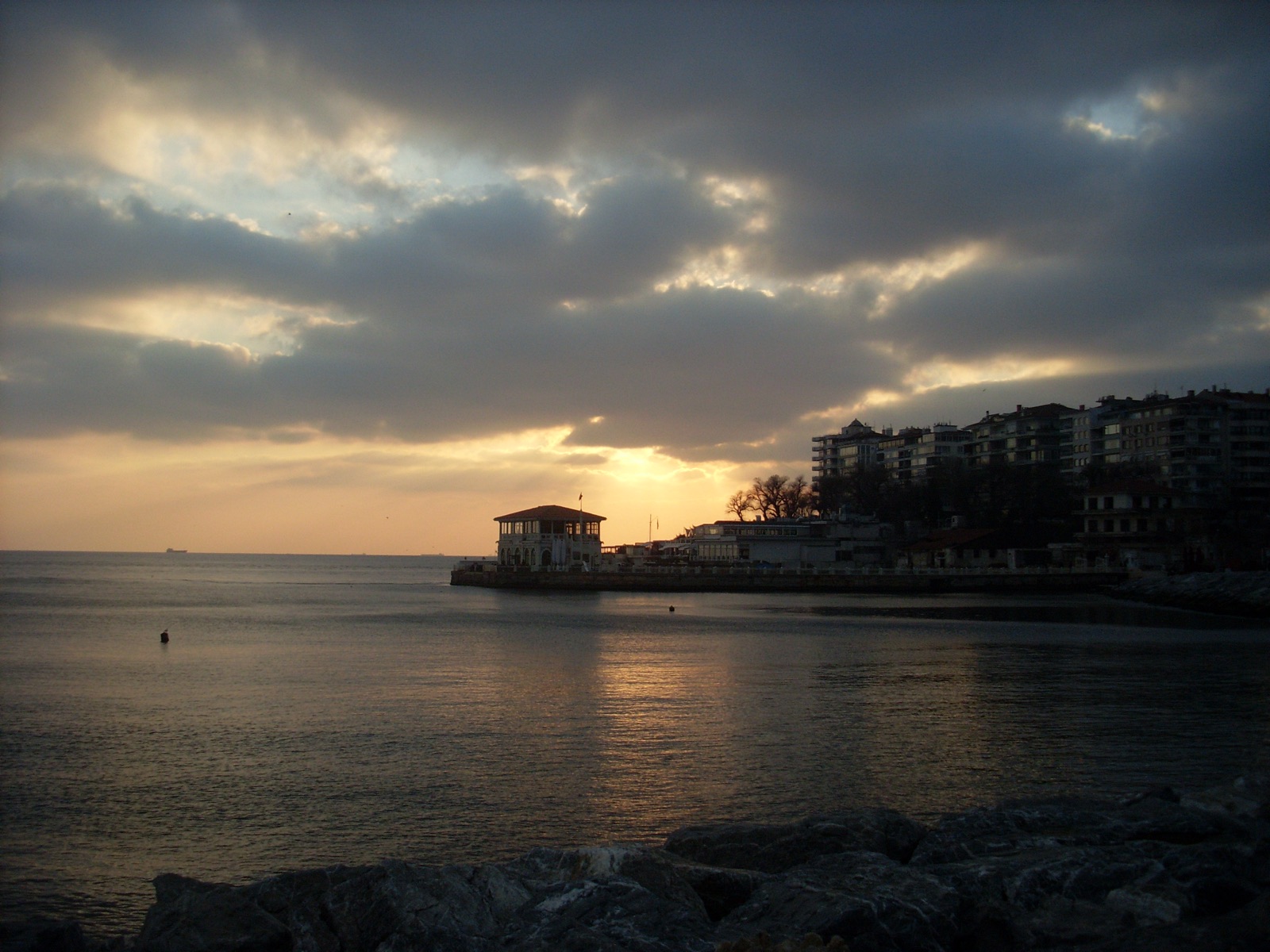
From the Moda shore, you look out over the Sea of Marmara and, depending on your position, toward the historic peninsula, as well as intense shipping traffic. Especially in the evening, light and silhouettes transform the view.
The pier itself then becomes part of the picture. A transport building becomes a place where no one currently needs to be going anywhere.
"Moda Pier was built as a viewing terrace." No. Its original function was transport.
"Today's restored state is completely unchanged historically." No. Restoration and new use required modern interventions and technical adaptations.
"Moda Pier is just a modern Instagram deck." No. The place has a real transport history and historic architecture.
"It's always calm there." Definitely not. In good weather and at sunset, it can get very crowded.
Moda as an Istanbul leisure landscape
Moda developed, especially in the 19th and early 20th centuries, into a popular residential and excursion area. Its location on the Sea of Marmara, gardens, and villas made the neighborhood attractive to various wealthy communities.
Greek, Armenian, Levantine, and Muslim families shaped the area.
Today Moda is more densely built, but has kept its reputation as a relaxed, cultural part of Kadıköy.
The pier as part of the ferry system
Piers were vital infrastructure for Istanbul. Before bridges and tunnels crossed the Bosphorus, ferries determined daily life between districts.
Moda Pier enabled direct connections across the water and was part of a network that tied the Asian side more closely to other parts of the city.
Architecture and transport belonged together here.
Vedat Tek and the architecture
The historic pier is associated with the architect Vedat Tek, one of the significant representatives of the First National Architectural Movement.
At the start of the 20th century, this movement sought a modern Turkish-Ottoman visual language, drawing on arches, tiles, and historic motifs.
The pier is therefore more than a wooden deck.
Decay and restoration
Like many historic transport buildings, Moda Pier lost significance for a time and fell into disrepair.
Later restorations brought the building back into public use.
This always raises the question of how much historic substance was preserved and how much was renewed. For structures right on the sea, wood, metal, and foundations are especially exposed to weathering.
Why sunset is so popular here
The view opens over the Sea of Marmara. In the evening, light sinks over the European side, transforming water and sky.
The pier extends far enough out that you feel visually distanced from the dense city.
That's why so many people come out in good weather.
A place that isn't secret — and stays beautiful anyway
Travel blogs love the word "secret tip." Moda Pier isn't one. Especially in the evening, a great many people know how beautiful it is there.
That doesn't make the place any worse, though.
Sometimes something doesn't need to be secret to be good.
Kadıköy doesn't end here, it exhales
After the dense streets around the market and Bahariye, Moda by the water feels different.
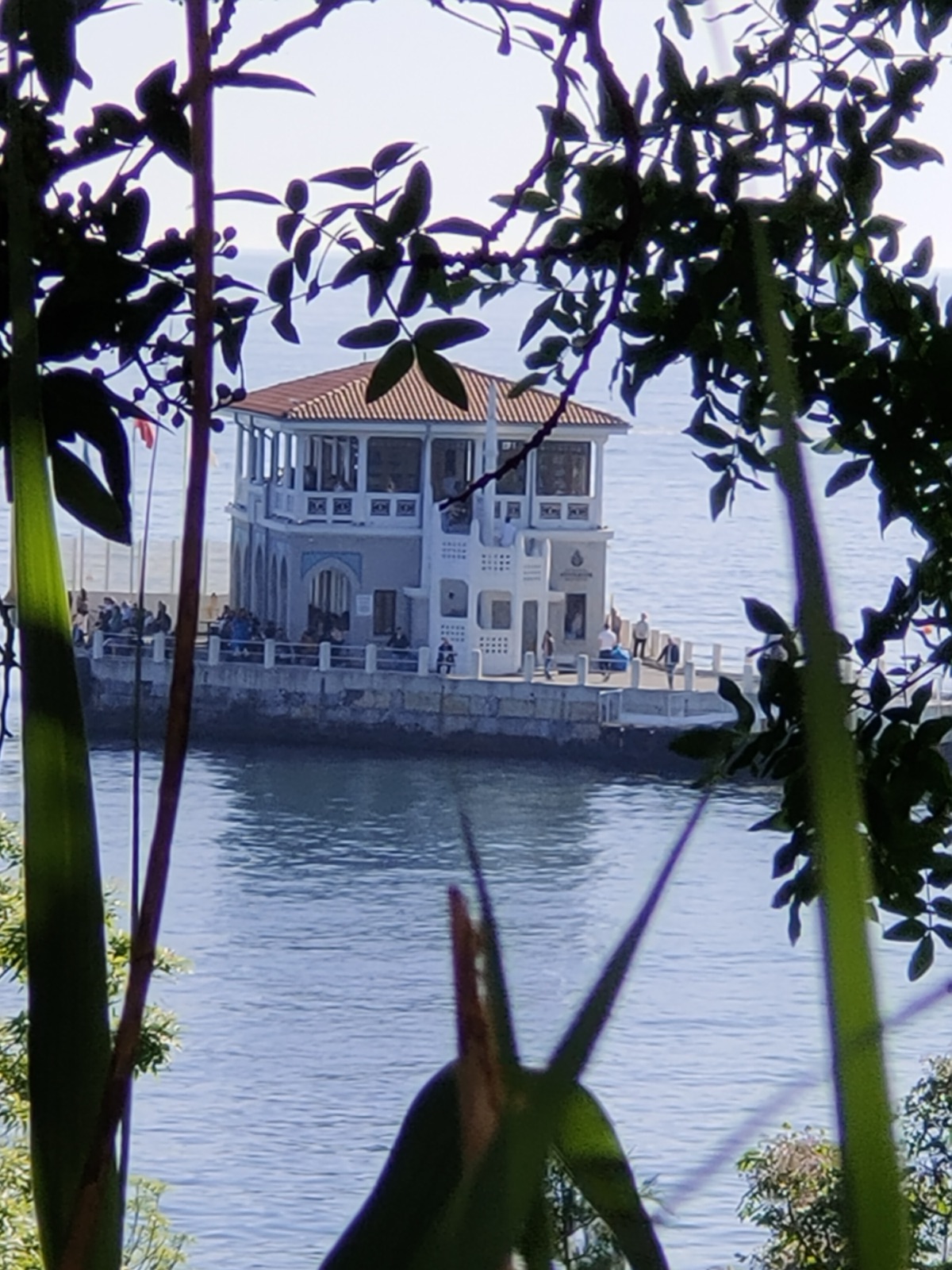
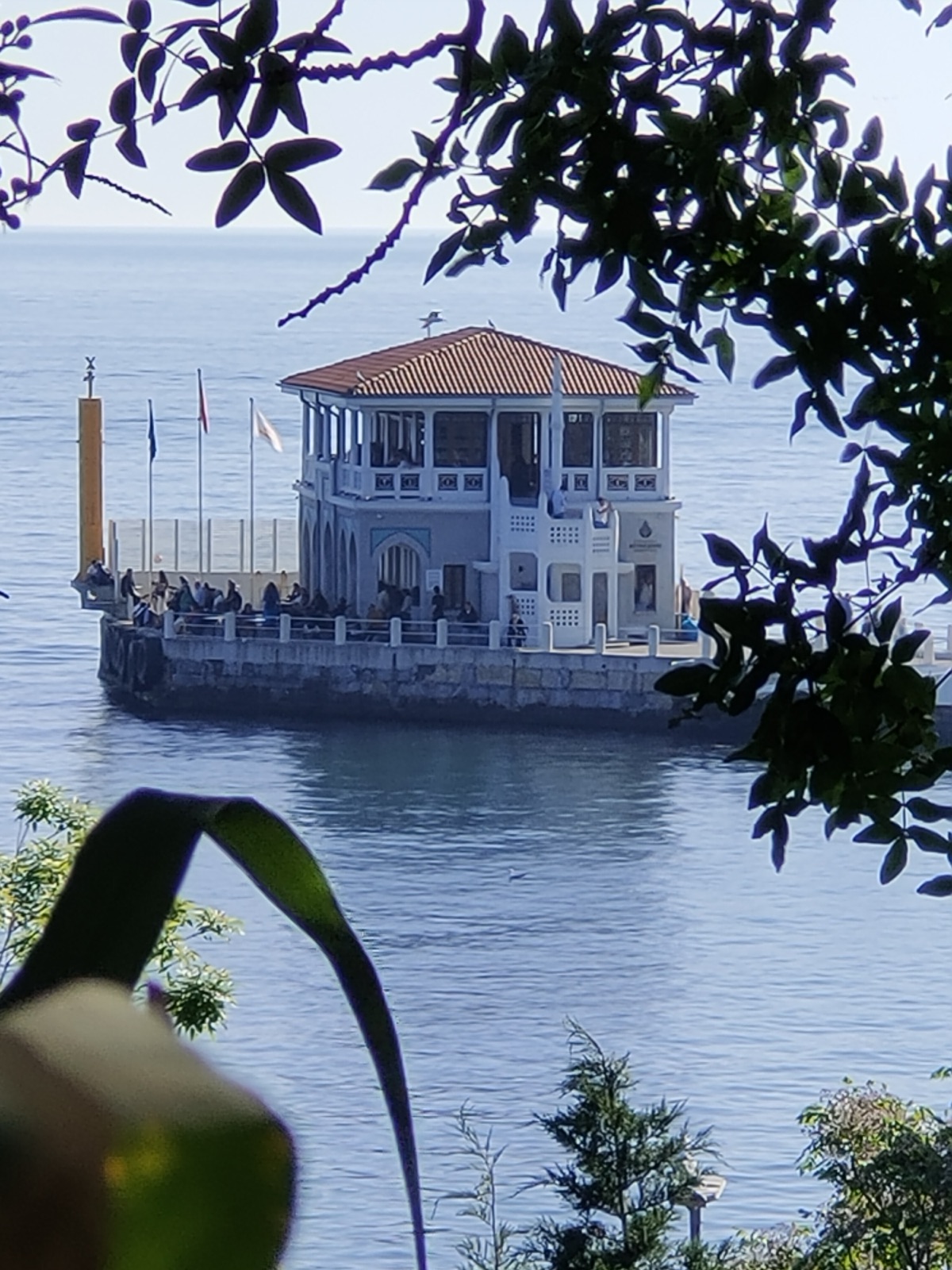
You sit down, hear gulls and ferries, and suddenly feel less like you're in a city of millions.
Maybe that's the reason people stay here so long.
What you can pair the pier with
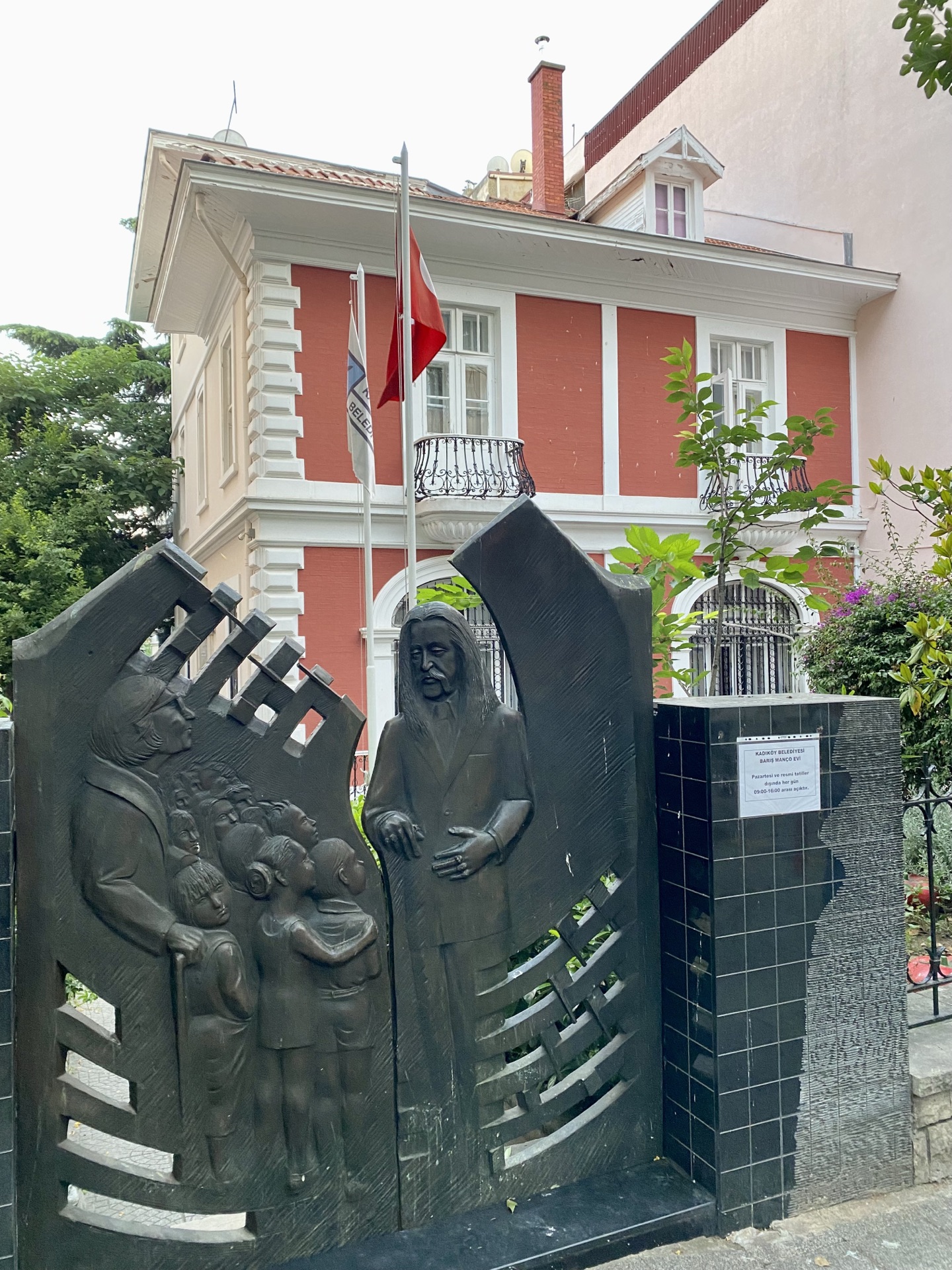
A visit combines well with the Barış Manço house, Moda's streets, cafés, and the coastal path.
This creates a route that doesn't jump from monument to monument, but tells the story of a neighborhood.
That's exactly how I prefer Kadıköy anyway.
My impression of the sunset
Sometimes all you really need is a wooden deck and a good sky. No great dome, no palace, no admission ticket.
You sit there, look at the water, and the sun goes down.
And suddenly you understand why hundreds of other people had the same idea.
The pier and the memory of a slower city
Ferries long determined the rhythm of daily life. Schedules mattered, but traveling across the water had a different pace than today's metro connections.
A pier was a place of waiting, arriving, and farewell.
Moda Pier therefore carries an emotional layer that goes beyond its architecture.
Why historic piers disappear or change function
Transport networks change. New lines open, others are discontinued. Once a pier is needed less, decay often begins.
At the same time, such buildings hold strong memory value for a neighborhood.
Restoration then tries to find a new use without fully losing the historic character.
Moda and public access to the water
In a huge coastal city, surprisingly much of the shoreline isn't freely accessible. Moda is one of the areas where people can spend long stretches by the water.
The pier reinforces this feeling, since it actually leads visitors a bit out onto the sea.
Suddenly you're not just standing beside the water anymore, but almost in it.
My take on this place
What I like about Moda is that Kadıköy suddenly slows down here. Just before, people, shops, streets, music — and then you sit by the water and simply watch the sun go down.
Maybe that's also a good answer to the question of what there is in Kadıköy. Life. And sometimes that life simply consists of hundreds of people sitting on a simple pier at the same time, finding nothing more important, for a few minutes, than the sky.
– Amra