Nine great gates in total broke through the entire land wall, each with its own history: the Golden Gate as the ceremonial main entrance, the Gate of St. Romanus, which the Ottomans simply called Topkapı, "Cannon Gate," after the conquest, because it was from here that the famous siege cannon fired, as well as the Gate of Charisius, today called Edirnekapı, through which Mehmed II rode triumphantly into the city after the conquest, and which became the single most important gate during the Ottoman era, since the main road to Edirne began here. Within this larger system of Constantinople's city walls, one specific section of the Theodosian Land Wall deserves particular attention: the so-called Mesoteichion, an area in the middle part of the wall where the terrain dips slightly, meaning this section could be defended less strongly than the parts of the wall on higher ground — an architectural weak point that both Byzantine defenders and Ottoman attackers knew very well in 1453.
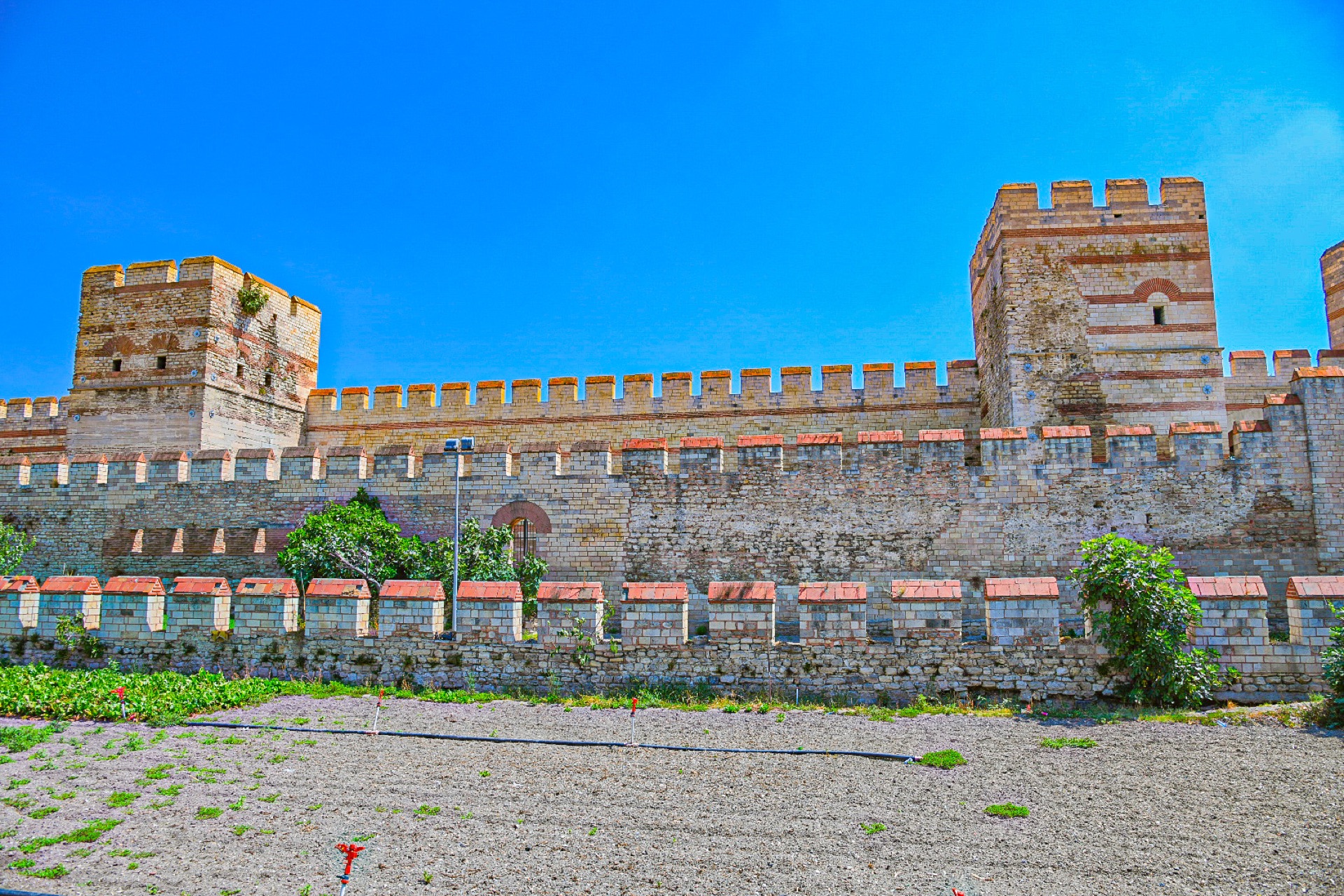
Right here, at the Mesoteichion, the fate of a thousand-year empire was decided. To this day it's disputed exactly how the last Byzantine emperor actually died.
It was exactly at this section that Mehmed II concentrated the main bombardment of his massive siege cannons during the 53-day siege of 1453, including the notorious super-cannon built by the Hungarian engineer Orban, which could fire stone balls weighing at times over 500 kilograms, but which, due to its enormous size, could only be reloaded a few times a day — a technical detail that considerably prolonged the siege.
The last emperor at his last post
At the Mesoteichion, the Byzantine emperor Constantine XI Palaiologos set up his own headquarters and personally directed the defense from here, together with the Genoese mercenary commander Giovanni Giustiniani Longo, who organized a substantial part of the defense with his experienced troops, until he was severely wounded in the final hours of the siege and withdrew for treatment — a moment some historians consider the decisive psychological turning point of the last hours of defense.
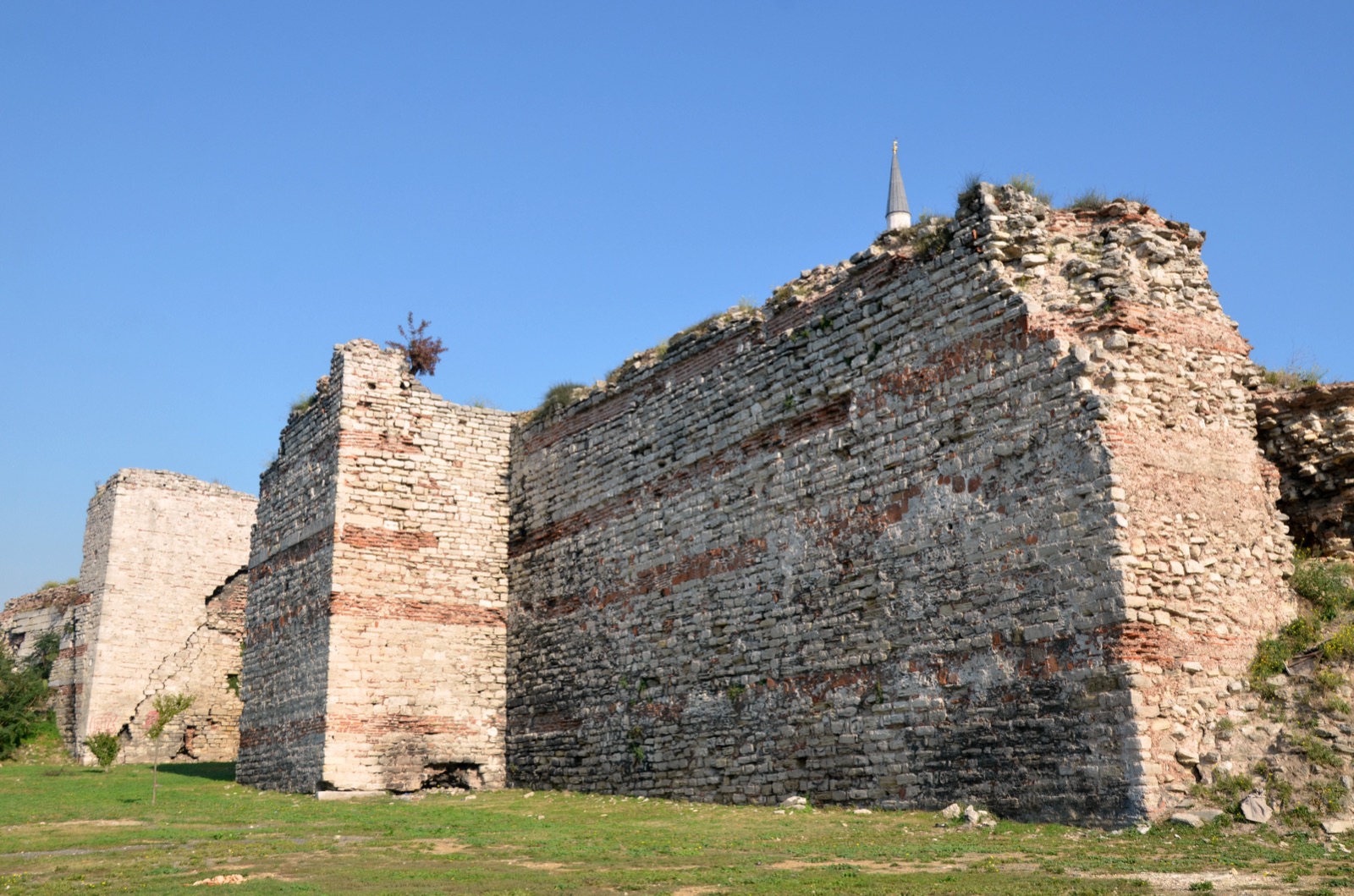
Constantine XI himself, the last Byzantine emperor, likely fell on May 29, 1453, in this very section of the wall, yet his exact fate has never been fully established historically to this day: his body was never identified beyond doubt, various contemporary sources report different versions of his death, some claiming he stripped off his imperial insignia and fell among the crowd of ordinary defenders so as not to be captured — a historical mystery that to this day fuels speculation, and, in later centuries, Greek folk legends about his possible return.
The legend of the sleeping emperor
This legend of the "sleeping emperor," who would one day return and reconquer Constantinople for Christendom, spread especially among the Greek population of the Ottoman Empire over the centuries and remained part of Greek national mythology well into the 19th and 20th centuries — a striking example of how a historically unresolved death can grow into an enduring, culturally significant legend, regardless of what actually happened on that May morning in 1453.
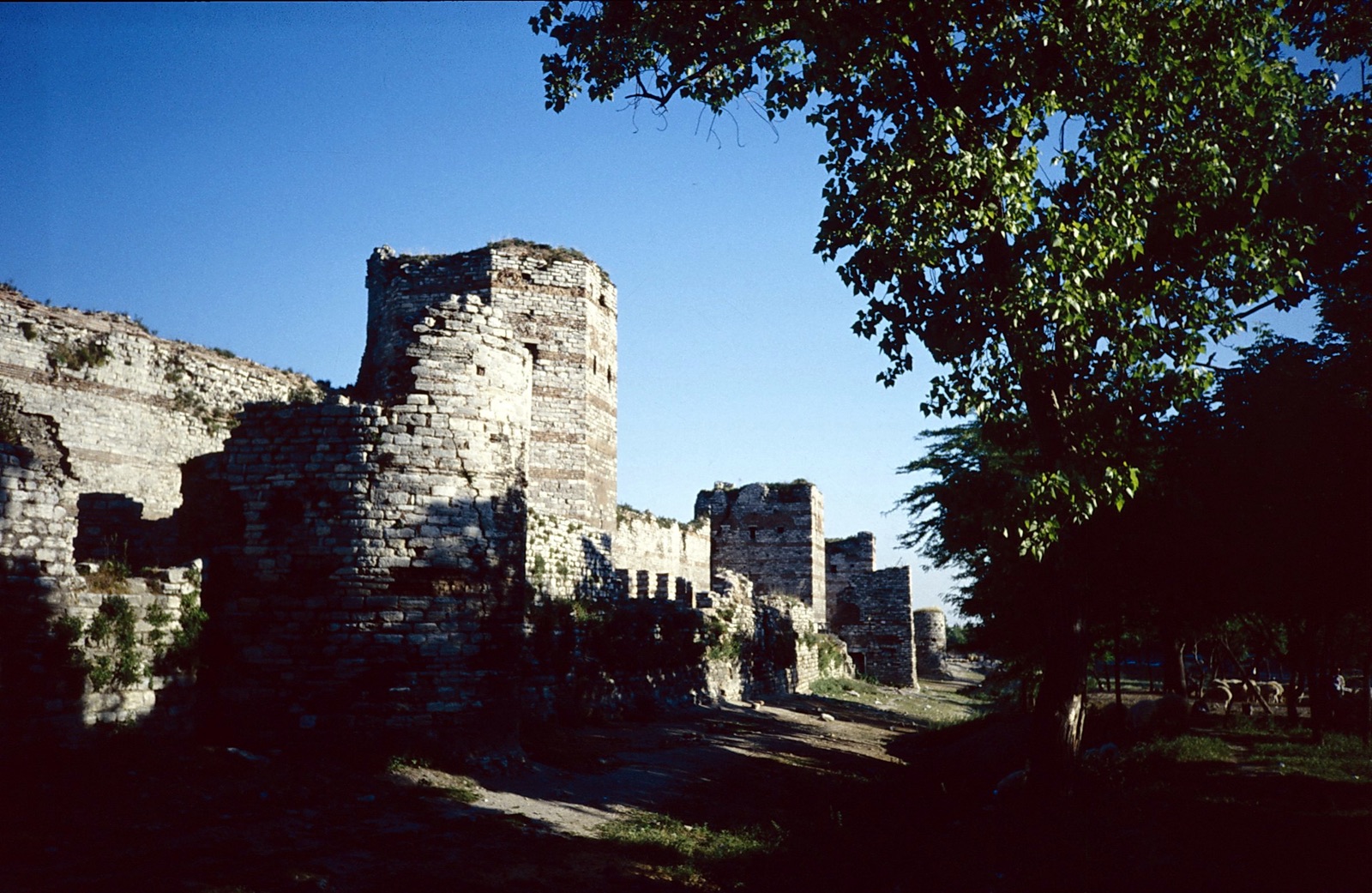
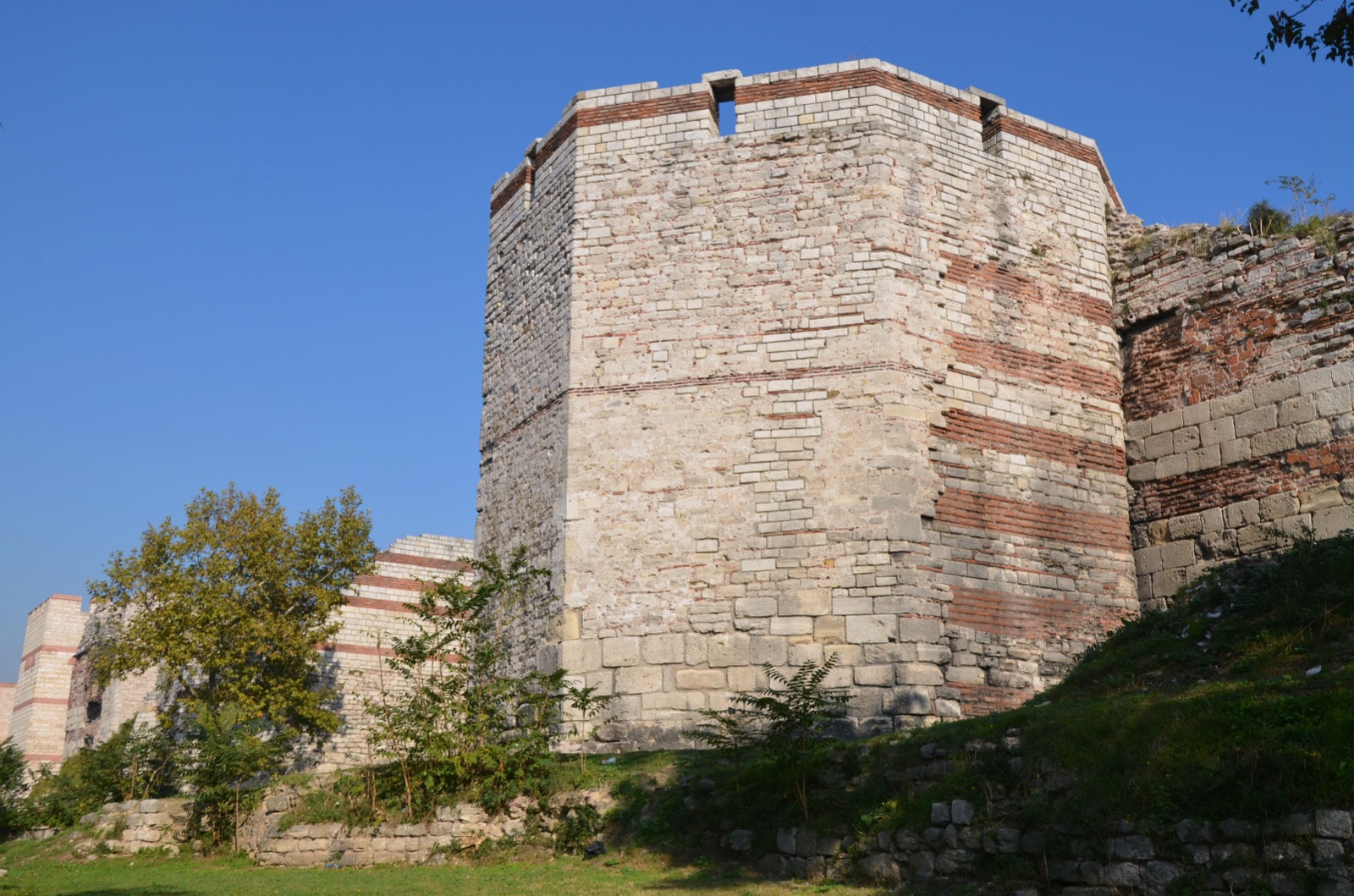
Today the Mesoteichion section is one of the best preserved, and at the same time least touristically crowded, parts of the entire wall, with clearly visible impact marks and partly collapsed sections of wall that still let you sense the force with which weeks of cannon fire struck exactly this spot.
Anyone who visits this specific section of the wall, instead of only walking the old town's main tourist attractions, stands literally at the point where, within a few hours on May 29, 1453, the fate of an empire more than a thousand years old was finally decided — a place historically denser than almost any other in the entire city.