
Kadıköy has streets where you very quickly forget you're in a city of millions. Tellalzade Sokak is one of them, to me. Here, antique shops line up one after another, full of old furniture, pictures, records, radios, clocks, books, and things you sometimes have no idea what they were originally for. You don't need to buy anything to lose time there.
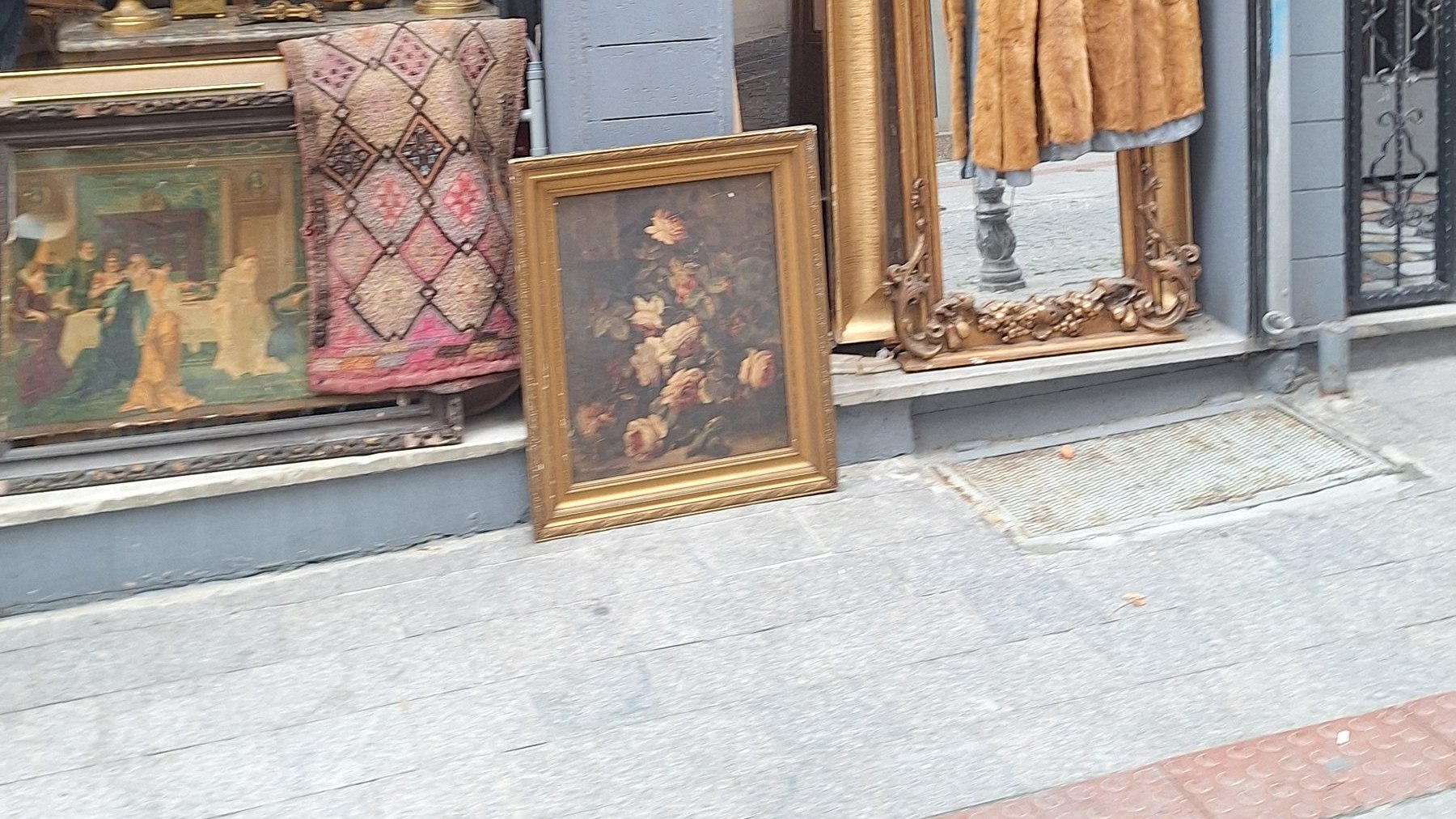
Kadıköy has streets where you very quickly forget you're in a city of millions. Here, antique shops line up one after another, full of old furniture, pictures, records, radios, and clocks.
The street tells less of a single great historical event than of Istanbul's everyday history. Things that disappear from apartments end up with dealers. Estates are settled, families move, old restaurants close, collectors sell. Objects thus migrate from private memories into public trade. An old object becomes a window into a time that would otherwise perhaps have completely vanished.
- Tellalzade Sokak is known for antique and secondhand shops.
- The name linguistically recalls tellals, public criers, or brokers and auctioneers.
- Many goods come from house clearances, collections, and older business fittings.
- Records, books, clocks, furniture, photographs, and decorative objects are especially popular.
- Not everything that looks old is automatically a valuable antique.
- The street is part of Kadıköy's living cultural and commercial landscape.
Why Kadıköy became an antiques center
Kadıköy has a long history as a wealthy residential and commercial area. Especially in the late Ottoman Empire and the Republic, numerous apartments and houses arose furnished with European-influenced furniture, porcelain, pictures, and household objects. When such households were later dissolved, many things ended up in the antiques trade.
At the same time, Kadıköy developed into a culturally vibrant district with bookshops, music stores, theaters, and a large student population. Antiques fit perfectly into this environment, sitting somewhere between trade, nostalgia, and collecting culture.
What "tellal" historically means
A tellal was traditionally a crier, broker, or someone who publicly announced sales. In Ottoman cities, such people played an important role in auctions and trade. The street name therefore fits astonishingly well with an area where used and old objects change owners.
Whether today's antiques focus grew directly and continuously out of a historic tellal function on the exact same street shouldn't be claimed too romantically. Names can be older than today's use. The linguistic connection, though, remains interesting.
From house clearances to collectors' items
The antiques trade often begins with loss or change. A house is sold, someone dies, a family moves away or needs space. Objects that stood for decades, taken for granted, in a living room suddenly become merchandise.
This creates strange shifts in value. For the original owner, a cup was perhaps a memory of her mother. In the shop, it's a piece of porcelain with a price tag. A buyer, in turn, gives it a new story. Things outlive people and change meaning.
Records and music history
Kadıköy is especially known for its record shops. Turkish rock, Anadolu pop, arabesque, jazz, and international music can be found in old pressings. Some records are collector's items, others simply lovely used music.
It's precisely 20th-century Turkish music history that can be discovered through such shops. Artists like Barış Manço, Cem Karaca, or Erkin Koray gain a material presence in record crates that streaming can't provide. You hold a cover in your hand, see its design, the label, and the signs of use.
Old furniture and Istanbul apartments
Furniture tells social history. An Art Deco cabinet, an Ottoman-inspired mirror, or a European chair can show how differently Istanbul households were furnished. Especially in Pera, Kadıköy, and on the Princes' Islands, European and local tastes mixed.
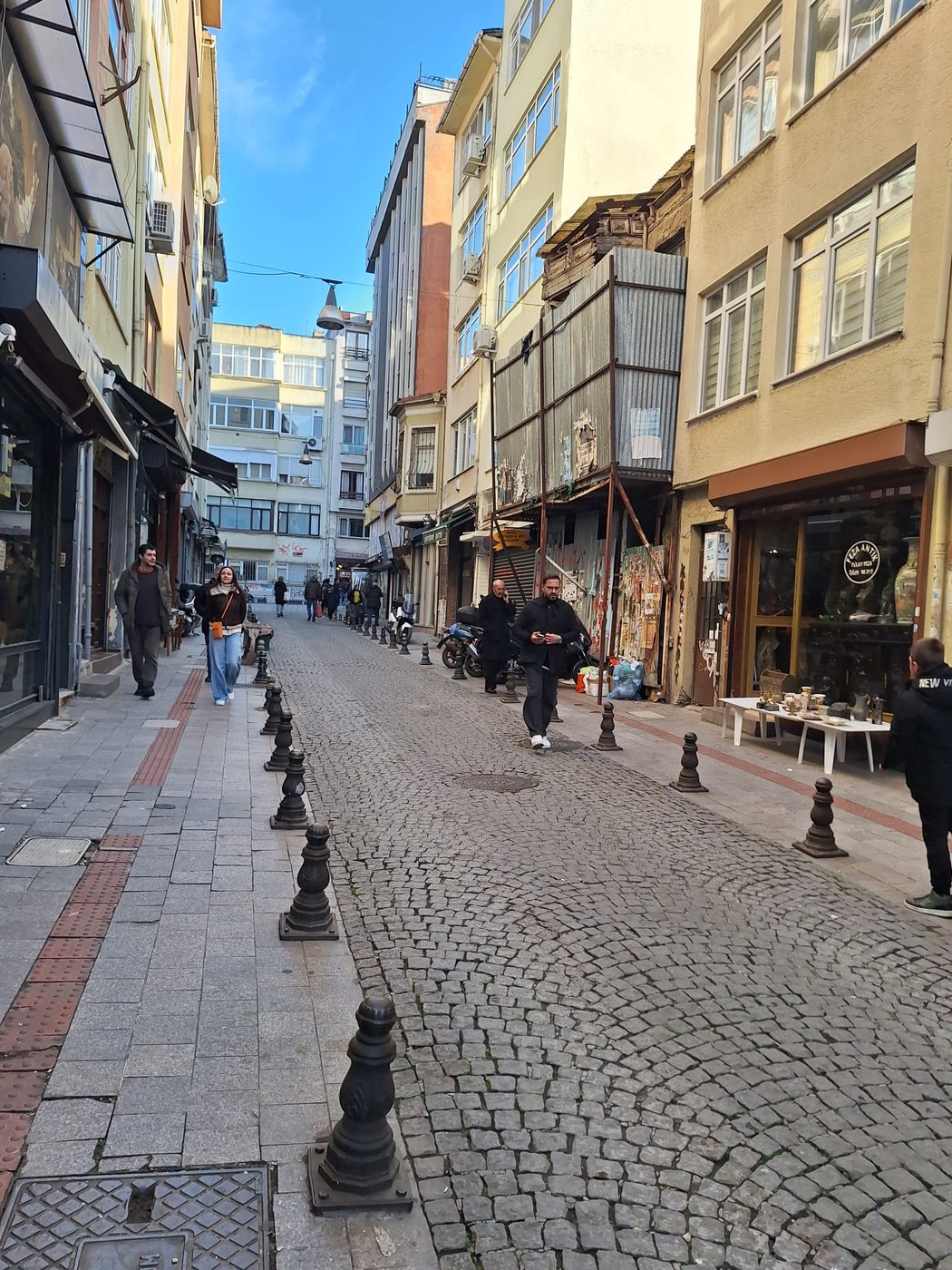
Of course, not every piece of furniture in the shop comes from a famous yalı. Dealers also sell later reproductions and decorative goods. That's exactly why it's worth asking about origin, material, and restoration.
How to tell an antique from decoration
Age alone doesn't automatically make an object valuable. Condition, rarity, maker, material, provenance, and demand all play a role. A hundred-year-old chair can be worth less than a rare design object from the 1960s.
Anyone wanting to buy shouldn't rely only on the story a seller tells. For expensive pieces, expertise and comparison make sense. For small things, though, you can also just say: I like it, the price works, done.
Kadıköy as a cultural district
Tellalzade works because so much happens around it. Bahariye, Moda, markets, music shops, cafés, and small stages are all within walking distance. Antiques are therefore not sold in an isolated tourist souk, but in the middle of a neighborhood that locals also use intensively.
That's exactly what I love about Kadıköy. You can set off without a real goal and still constantly end up somewhere you stay ten minutes longer than planned.
"Everything in Tellalzade is genuine Ottoman antique." Of course not. There are genuine old pieces, more recent vintage goods, reproductions, and pure decoration.
"Antiques there are automatically cheap." No. Rare pieces can be expensive; comparing is worthwhile.
"If a dealer says something is Ottoman, that's automatically proof." Of course not. High-quality antiques need traceable expertise.
"You absolutely have to buy something there." No. Just looking is already half the fun.
Antiques as the second biography of things
Tellalzade Sokak is interesting because objects turn up here that have long since lost their original surroundings. Old lamps, radios, furniture, signs, photographs, porcelain, and countless small items carry traces of former owners.
An antique shop is therefore almost the opposite of a classic museum. In a museum, an object's history is documented as fully as possible. In the shop, it's often partly or completely missing.
It's exactly these gaps that stir the imagination.
Kadıköy's role in the trade of used things
Kadıköy was, for a long time, a dense residential and commercial neighborhood. Households dissolved, people moved, buildings were renovated. As a result, furniture and objects constantly entered the secondhand trade.
Antique dealers collected, repaired, and resold such pieces.
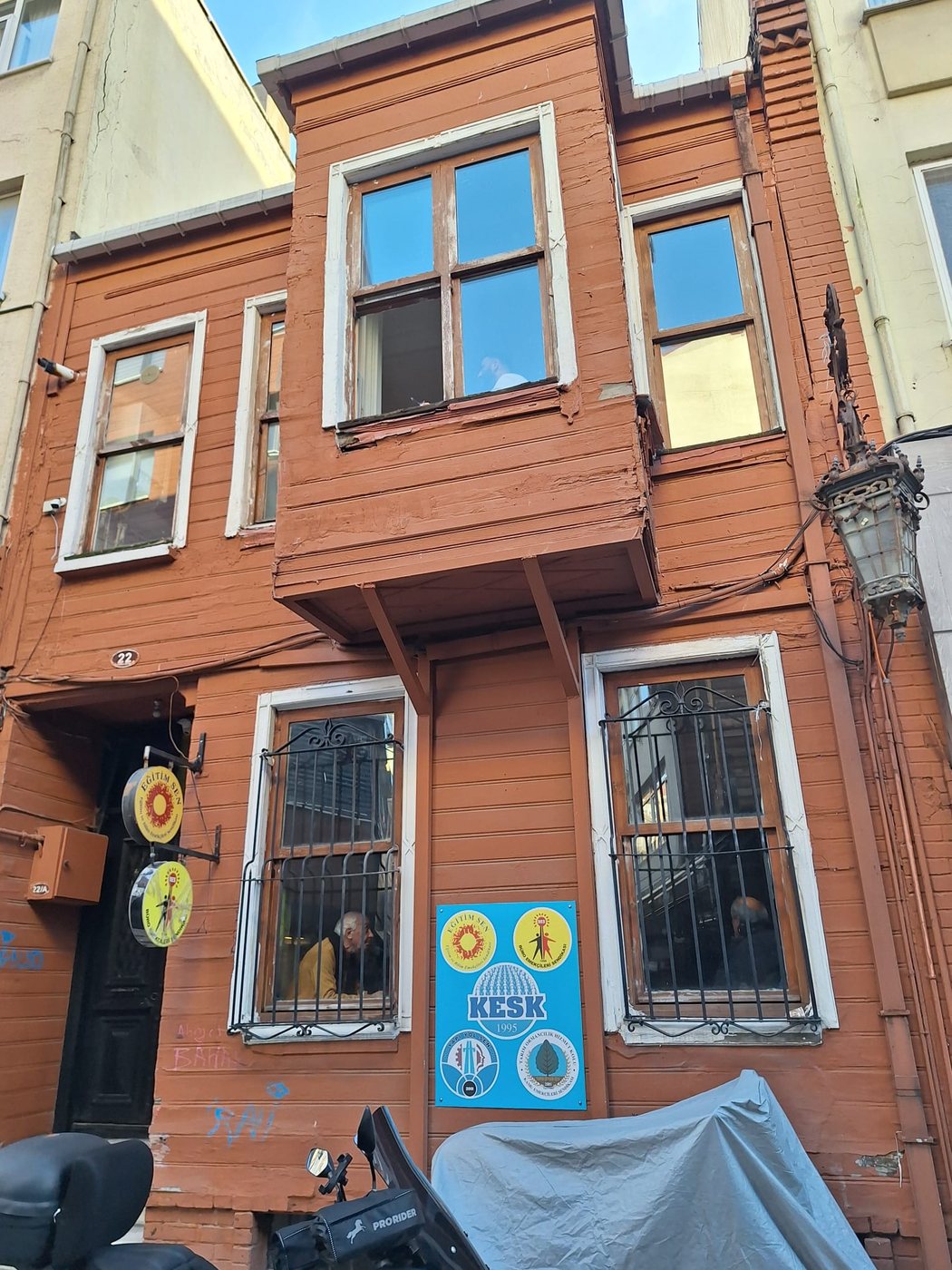
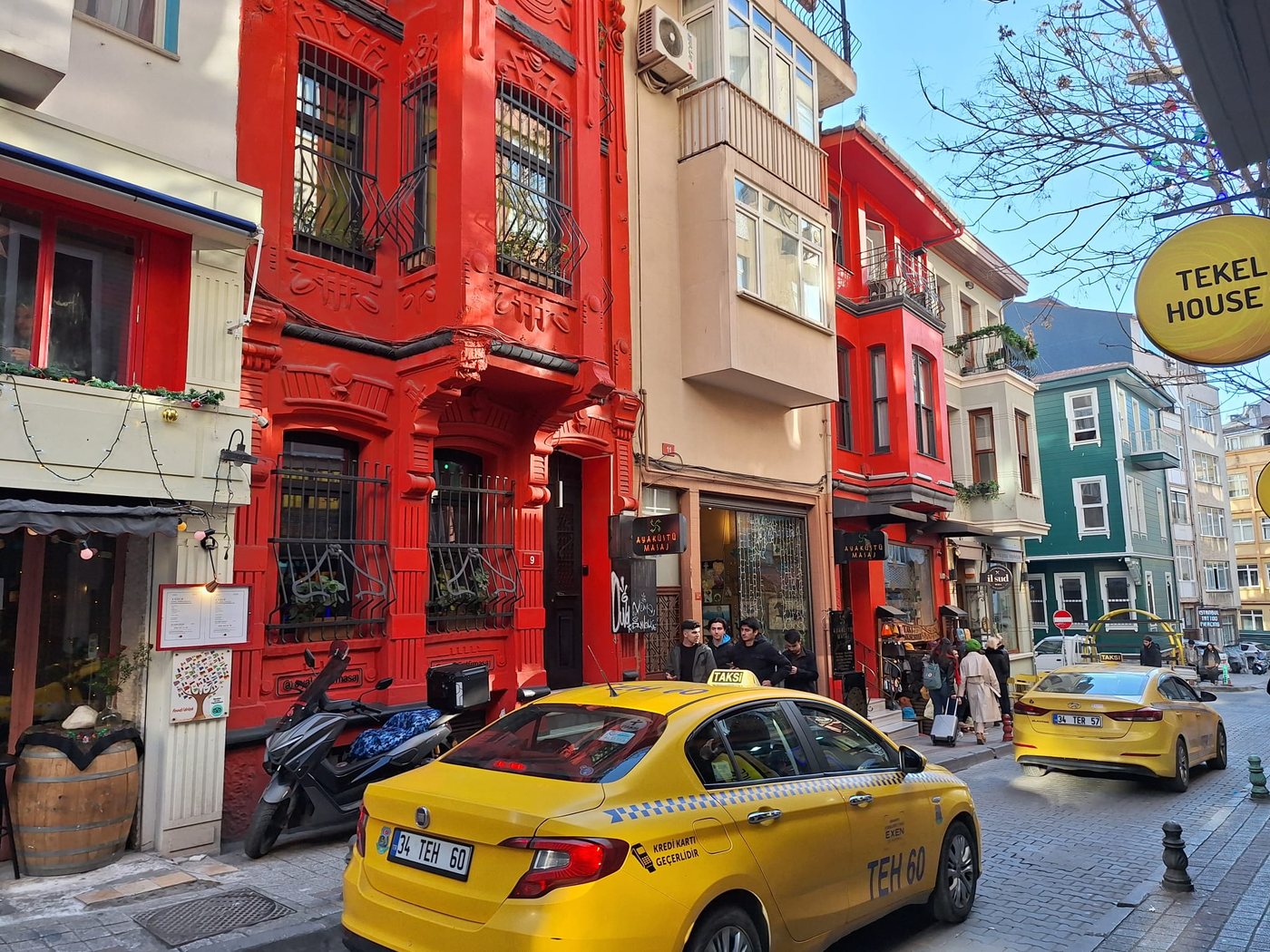
The street thereby developed its own reputation as a place for collectors.
Ottoman objects and caution with attributions
Not everything that looks old is automatically Ottoman. Brass, wood, and Arabic script are readily sold in tourism as "original from the palace," very quickly.
For genuine historical objects, provenance, material, and comparable pieces matter.
Anyone wanting to buy something valuable shouldn't therefore trust a nice story alone.
Photographs as especially personal finds
Old family photos are among the most emotional things in antique shops. You see weddings, children, soldiers, or outings — people whose names you usually don't know.
That can feel almost uncomfortably intimate. At some point, that photo was probably important to someone. Today it lies in a box.
Such objects make time very concrete.
What restoration does to value
For furniture and objects, "restored" isn't automatically bad. Good restoration can preserve something and make it usable.
Overly aggressive interventions, though, can destroy historic surfaces.
Collectors therefore distinguish between patina, damage, and later additions. Just as with buildings, originality isn't a simple yes-or-no criterion.
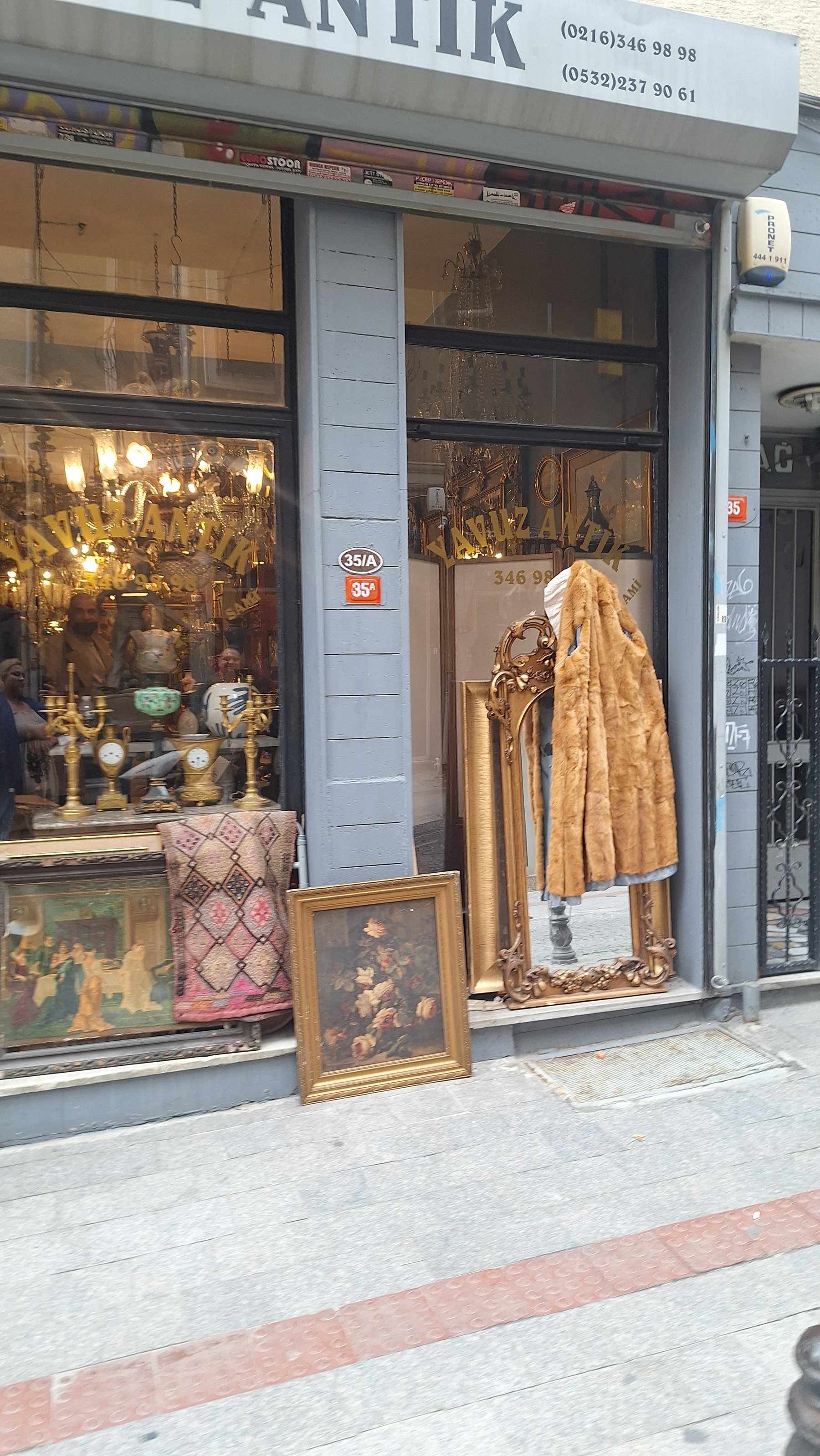
Haggling and market sense
In antique shops, negotiation can be part of the purchase, but not every piece has unlimited room for it. Good dealers know market value and restoration costs.
Anyone hoping only for extreme bargains will probably be disappointed.
The searching itself is more exciting anyway.
Tellalzade as a contrast to modern Kadıköy
Just a few streets further, you find modern fashion, bars, and international brands. In Tellalzade, a gramophone suddenly stands next to an old mirror.
This contrast fits Kadıköy. The neighborhood is modern, but not polished smooth.
Old things are allowed to remain visible.
Why I love streets like this
I love places where you don't quite know what's in the next shop. Maybe something beautiful, maybe complete kitsch, maybe an object you puzzle over for ten minutes trying to figure out what it was even for.
Tellalzade is therefore not a monument you check off.
It's more a street for browsing.
How to look at antiques sensibly, without buying into every story
With old objects, a good story is quickly invented. A seller can say a mirror hung in an Ottoman mansion, or a tin came from a palace. Without proof of origin, that remains a claim.
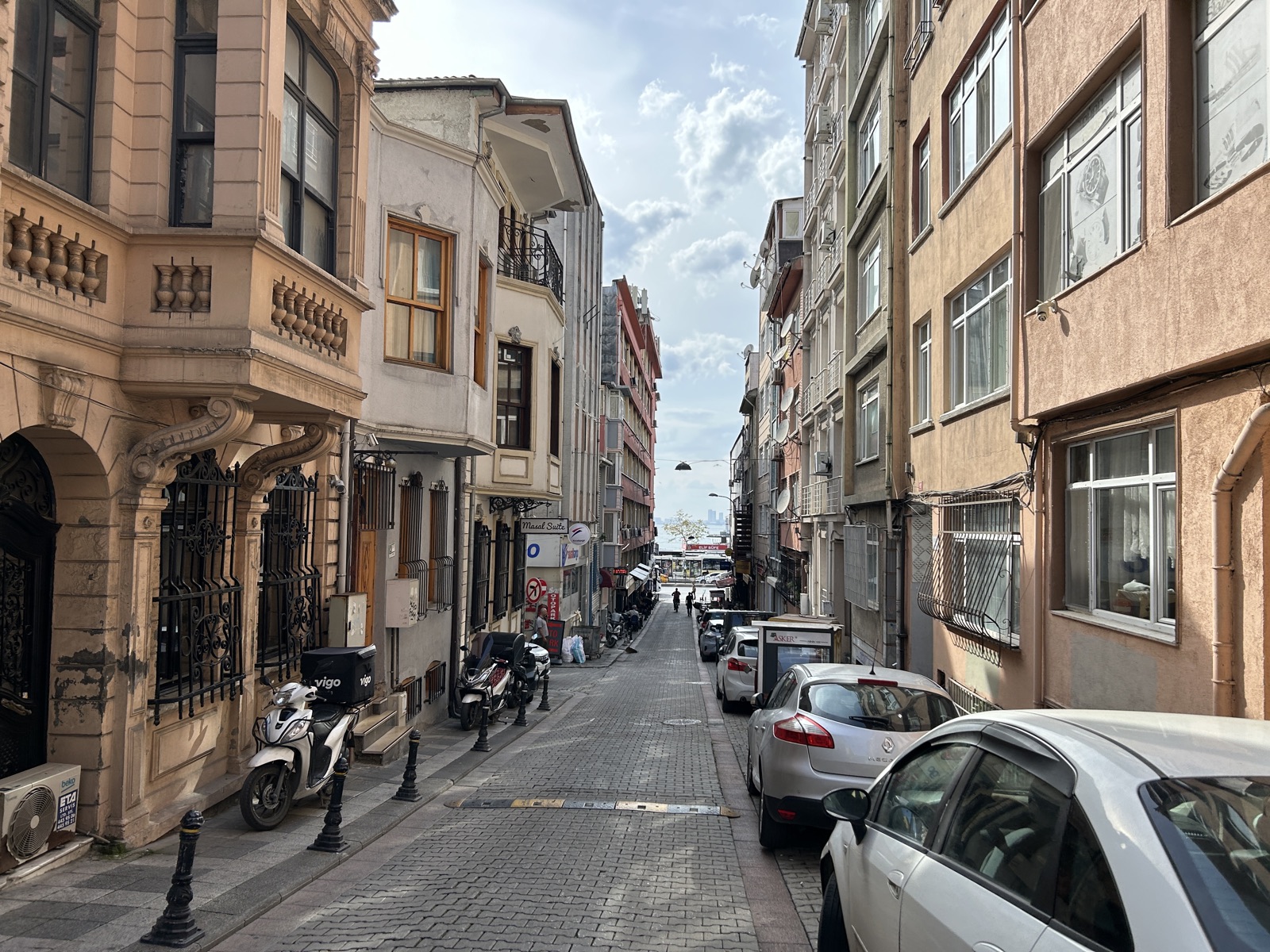
That doesn't mean you have to walk through every shop suspiciously. For decorative things, it may be enough that you like them. But once serious money or historical significance comes into play, provenance should matter.
The line between vintage and antique
In everyday usage, the two terms are readily blended. "Vintage" can describe relatively recent goods from past decades. Antiques are normally considerably older and are defined differently depending on the market.
In Tellalzade, both sit side by side.
That's exactly why it's worth not automatically dating every object to the Ottoman era just because it has patina.
Why streets like this are valuable for urban history
Secondhand markets preserve things state museums would never collect: advertising signs, everyday dishware, old telephones, school notebooks, or family photos.
These seemingly banal objects tell you how people actually lived.
History, after all, doesn't consist only of crowns and treaties.
My take on this place
Streets like this are exactly why I don't understand it when someone says there's nothing in Kadıköy. I can stand far too long in an antique shop in front of some old radio or record, wondering where the thing used to stand.
Kadıköy doesn't need to constantly put a wonder of the world in front of you. It lives in its streets. And Tellalzade, to me, is one of those you should simply walk through slowly.
– Amra