The Sakıp Sabancı Museum in Emirgan is a good example of how a private residence can pass through several completely different phases of life. The main building, the so-called Atlı Köşk, was built in the 1920s for Prince Mehmed Ali Hasan of the Egyptian khedivial family. In 1951, Hacı Ömer Sabancı bought the estate. Decades later, the family seat became a museum of Sabancı University.
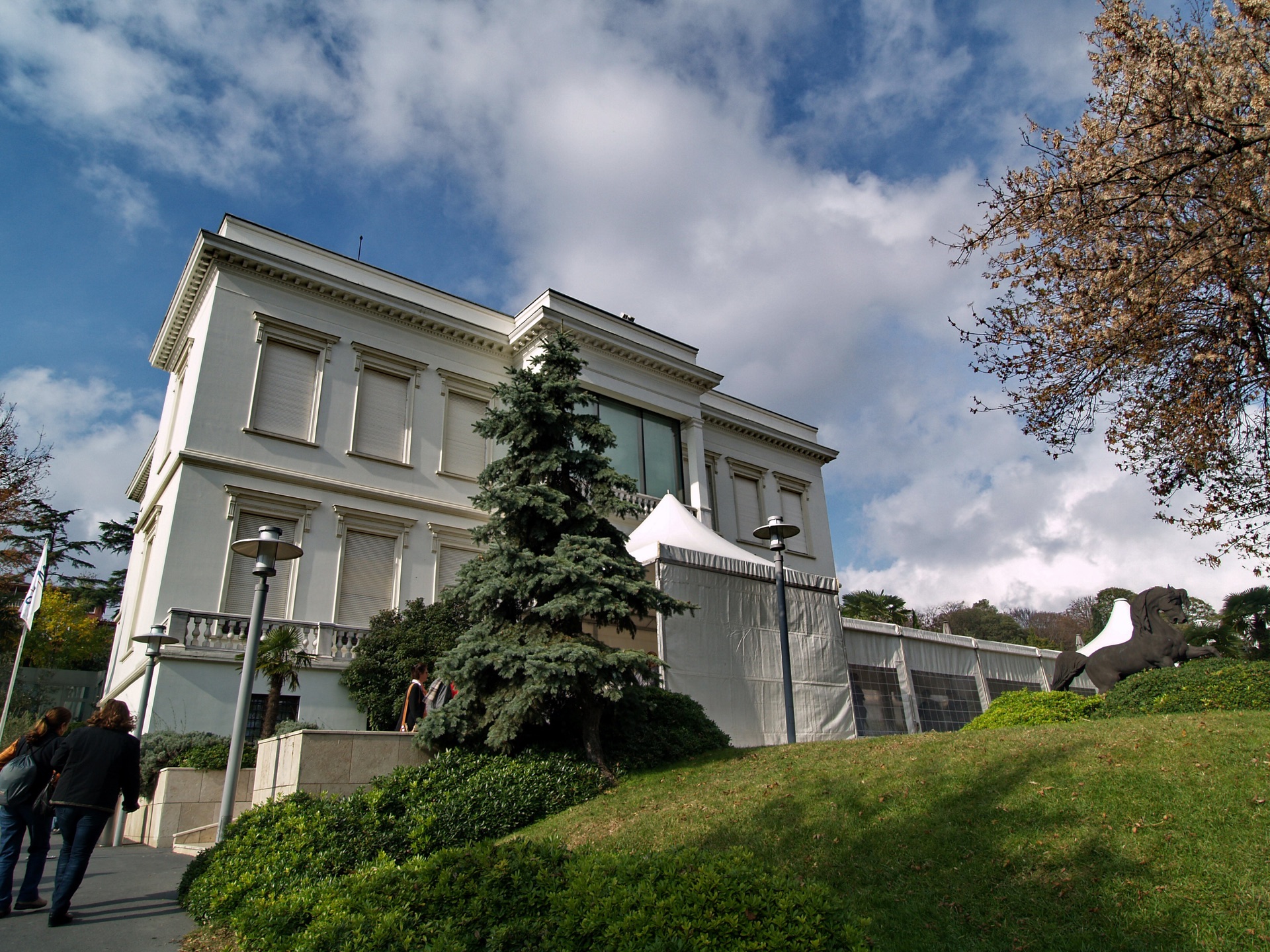
The main building, the so-called Atlı Köşk, was built in the 1920s for a prince of the Egyptian khedivial family. In 1951, Hacı Ömer Sabancı bought the estate. Decades later it became a museum of Sabancı University.
Today the house combines several layers: historic living quarters, Ottoman calligraphy, paintings, international special exhibitions, and a garden overlooking the Bosphorus. It's exactly this mix that makes the place stronger than a classic "house museum." You can ask, at the same time, how a wealthy family lived on the Bosphorus, how private collections come into being, and why art eventually migrates from the living room into a public institution.
- The Atlı Köşk was built 1925–1927 for Prince Mehmed Ali Hasan of the Egyptian khedivial family.
- Its architect was the Italian Edoardo De Nari.
- In 1951, Hacı Ömer Sabancı bought the estate.
- The name "Atlı Köşk" refers to horse sculptures in the garden, or on the house.
- Sakıp Sabancı built up significant collections of Ottoman calligraphy and art.
- In 2002, the house opened as a museum of Sabancı University.
- Today it shows its own collections as well as major international temporary exhibitions.
The Atlı Köşk before the Sabancı family
The estate didn't begin as a Sabancı seat. Prince Mehmed Ali Hasan of the Egyptian khedivial family commissioned the building in 1925. The family was tied to Ottoman-Egyptian ruling history and used Istanbul as one of its residences.
The house was designed as a summer residence. Choosing Emirgan made sense: the Bosphorus had been a preferred location for villas and summer houses of wealthy families for centuries.
Edoardo De Nari and the building
The Italian architect Edoardo De Nari designed the building, completed in 1927. His architecture combines the European villa tradition with the Bosphorus landscape. Large windows and terraces face toward the water.
The building thus speaks of the international style of the late Ottoman and early republican elites. Wealthy families employed European architects without their houses becoming "un-Istanbul" as a result. It's exactly this mix that belongs to Bosphorus architecture.
Why the house is called the "Horse Villa"
Atlı Köşk means "villa with the horse." The name is tied to horse sculptures placed in the garden, or in front of the building. Especially well known is a bronze figure the Sabancı family acquired in the 20th century.
A replica of one of the famous horses of San Marco also stands in the garden. The originals were taken from Constantinople to Venice during the Fourth Crusade in 1204. This suddenly gives even a modern garden sculpture a connection to the looting of the Byzantine capital.
Hacı Ömer Sabancı buys the estate
In 1951, Hacı Ömer Sabancı acquired the Atlı Köşk along with its furnishings. The family used the house as a residence and summer home. The museum today deliberately describes this private residential phase as well.
That matters, because a house museum can be more than a neutral gallery. Furniture, room layout, and personal objects tell how the Republic's economic elites lived and what cultural interests they developed.
Sakıp Sabancı and the collections
Sakıp Sabancı significantly expanded the family's art and calligraphy collections. Ottoman book art, Quranic manuscripts, calligraphic panels, and documents were especially collected.
A private collection always means selection. A collector decides what's valuable, beautiful, or worth preserving. When such a collection later becomes a museum, that private decision suddenly shapes the public image of art history.
Calligraphy as the core holding
Islamic calligraphy is far more than beautiful writing. Quranic texts, religious formulas, rulers' signatures, and poetic texts became an art form in their own right. Masters developed different scripts and passed on their knowledge through chains of teaching.
The Sabancı collection holds works by significant calligraphers such as Hafız Osman and Mustafa Rakım. Anyone who judges calligraphy only by whether they can read Arabic therefore misses a great deal: rhythm, proportion, material, and the movement of the line matter just as much.
From family home to museum
The family handed the estate over to Sabancı University. The Sakıp Sabancı Museum opened in 2002. A modern gallery extension expanded the historic house, making larger exhibitions possible.
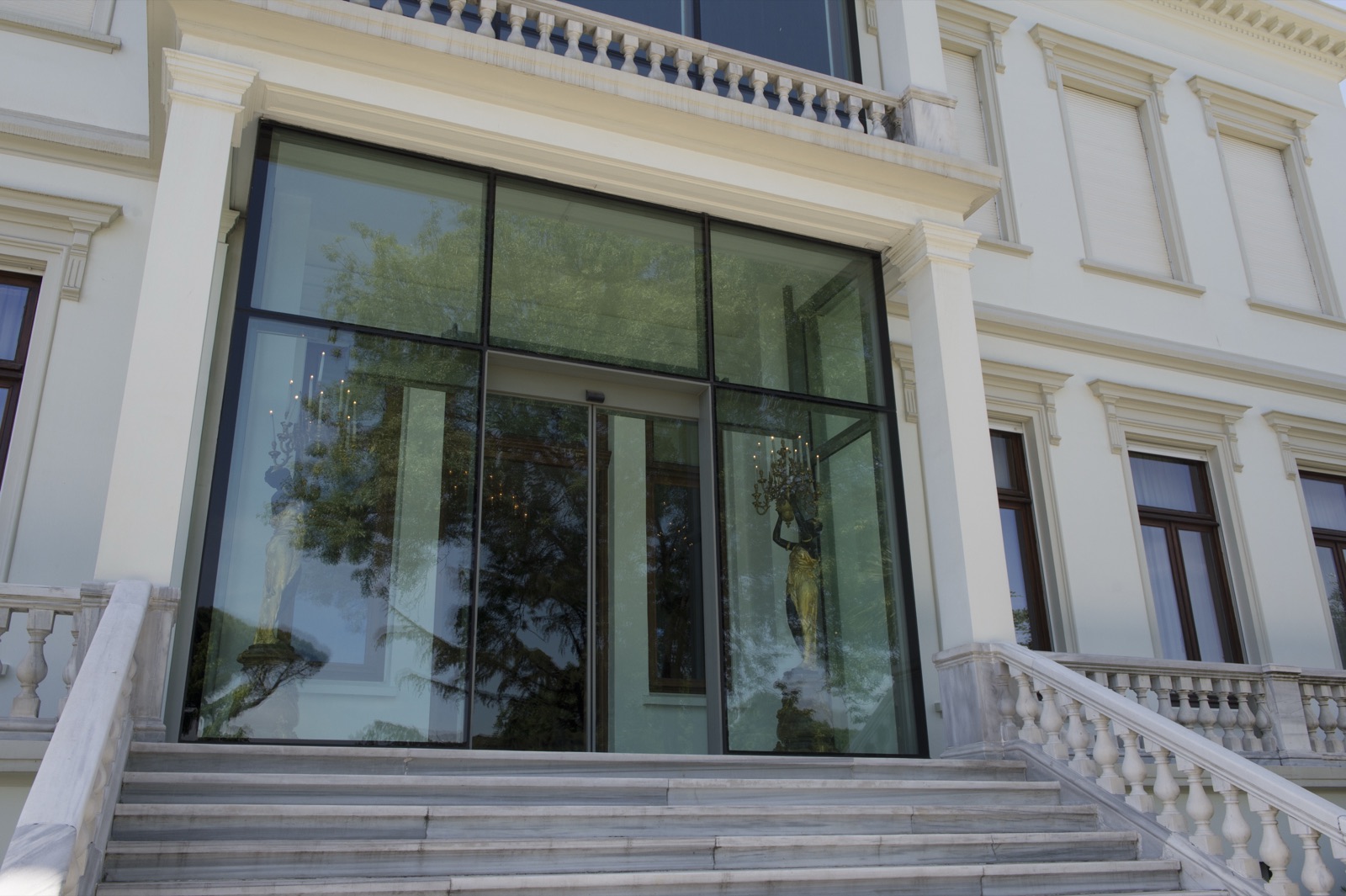
This combination is architecturally interesting. Instead of fully converting the villa into modern museum rooms, the historic residence and contemporary exhibition architecture stand side by side.
International exhibitions
The museum became especially well known through major international temporary exhibitions. Works by significant European artists and international collections came to Istanbul.
This turned a private collection into an institution that ties Istanbul into global museum networks. Loans require enormous insurance, climate, and security standards. That such exhibitions are possible shows the museum's professional infrastructure.
The garden and the Bosphorus
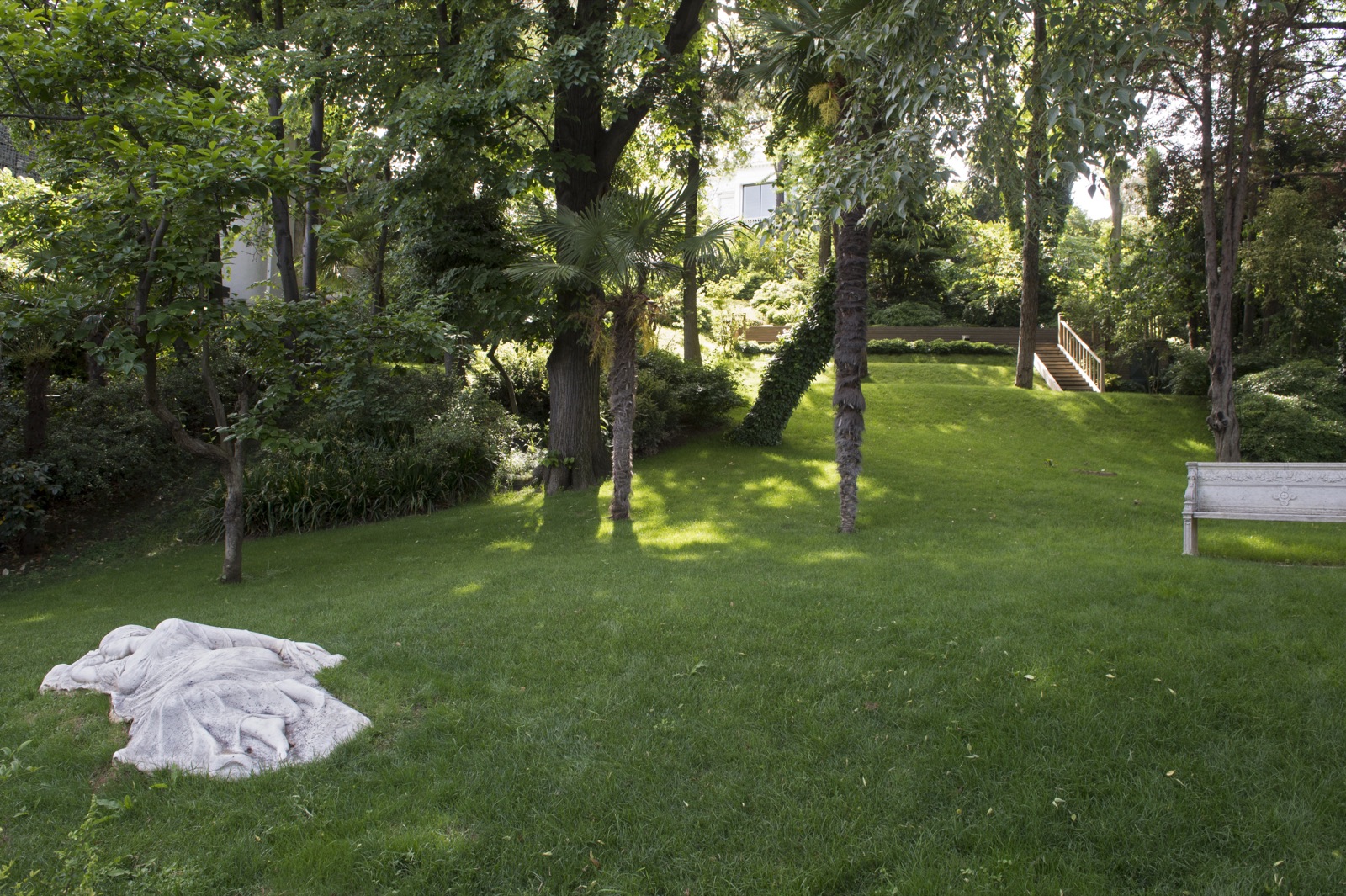
The garden is an essential part of the experience. Sculptures stand among trees and plants, with the Bosphorus opening up behind them. This setting was already a central value of the house for its original residents.
A museum on the Bosphorus, though, constantly competes with its own view. Sometimes you look at an artwork and, five seconds later, notice the window behind it has already won.
"The Sabancı family had the Atlı Köşk built." False. The house was originally built for a prince of the Egyptian khedivial family and was bought by Hacı Ömer Sabancı in 1951.
"The horse sculpture in the garden is one of the original horses from Constantinople." No. A horse displayed there is a replica, or cast; the famous originals are in Venice.
The Atlı Köşk — from residence to museum
The Sakıp Sabancı Museum is housed in the so-called Atlı Köşk, the "Horse Villa." The building dates from the early 20th century and got its popular name from the horse sculpture in front of the house.
The Sabancı family used the estate as a residence for decades. It was later given to Sabancı University and developed into a museum.
The place itself is thus part of the exhibition's own history: you're not simply visiting a neutral modern museum building, but a former Bosphorus villa.
Sakıp Sabancı and the culture of private collecting
Sakıp Sabancı was one of the best-known Turkish entrepreneurs of the 20th century. Alongside business, he had a strong interest in art and calligraphy.
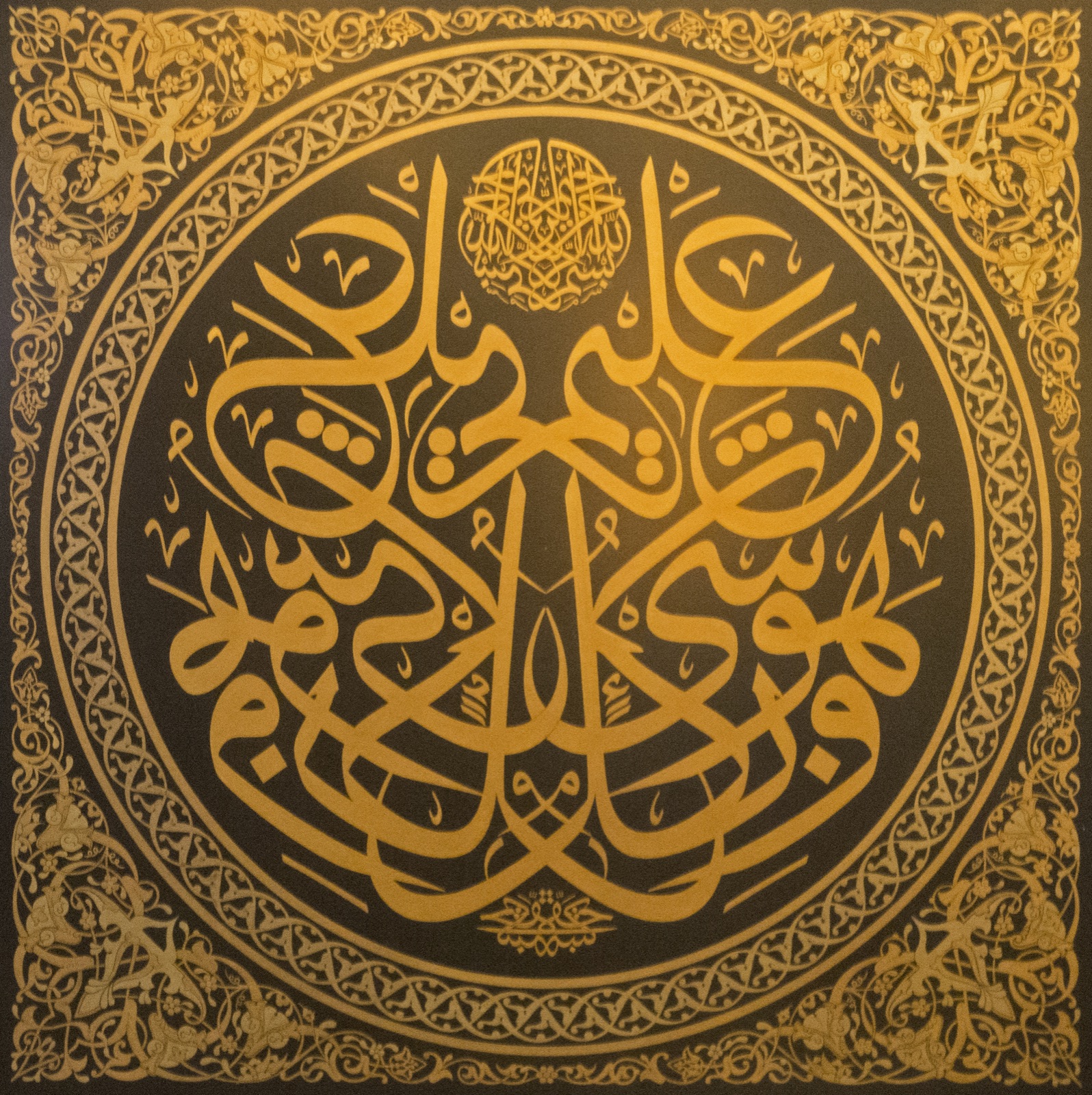
His collection of Islamic calligraphy and Ottoman documents forms a core of the museum. Manuscripts, Quran copies, tughras, and calligraphic panels show script as an art form.
That's especially interesting for visitors who can't read Arabic script: you can see design, rhythm, and materiality even without fully understanding the text.
The significance of calligraphy in the Ottoman Empire
In Islamic art, script holds an outstanding position. Calligraphers developed different styles of script and were held in high regard.
Ottoman sultans themselves often learned calligraphy. Tughras, the calligraphic signs of rulers, were at once signature, symbol, and artwork.
The museum thus explains an area that often gets short shrift compared to architecture in many travel blogs.
The Bosphorus and garden as part of the museum
The view from the grounds is almost part of the exhibition. The garden, sculptures, and Bosphorus landscape create an atmosphere completely different from inner-city museums.
That can even be a problem: sometimes the view successfully competes with the artworks.
Even so, it's exactly this combination that makes the place special.
Private wealth and public culture
Private museums always raise questions too. Who decides what's collected and shown? How much cultural power do great entrepreneurial families hold?
At the same time, private endowments have made significant museums, research projects, and restorations possible in Istanbul.
The Sabancı Museum is a good example of this dual role: private origin, public cultural function.
What you shouldn't overlook during a visit
Many people come for a special exhibition and hurry through the permanent collection. The calligraphy, though, deserves time in particular.
Pay attention to materials, seals, tughras, and the way script is composed on the surface. Even without knowledge of Arabic or Ottoman script, you can recognize that these texts weren't simply "written," but designed.
The museum as a bridge between Ottoman writing culture and global art
One strength of the Sabancı Museum lies in the fact that very different art worlds don't exist separately from one another. Visitors can see Ottoman calligraphy and, a few rooms later, encounter modern European or global art in an international special exhibition.
That creates no contradiction, but a realistic picture of Istanbul. The city has always been part of several cultural spheres at once.
Why private collections can fill historical gaps
State museums can't collect everything. Private collectors sometimes preserve holdings that would otherwise be scattered. At the same time, selection depends heavily on personal interests and financial means.
In the Sabancı case, a particular interest in calligraphy led to a significant collection that's now publicly accessible.
The transition from private property to museum thus changes who gets to see these works.
My take on this place
I like museums where the building itself already has a story. You don't just walk in to look at pictures on white walls — you notice: someone lived here, sat by the window, looked at the Bosphorus, and later started collecting art.
And at some point, that private view becomes a public place. I find that lovely. A collection that a single family might otherwise have seen suddenly belongs, in part, to every visitor.
– Amra