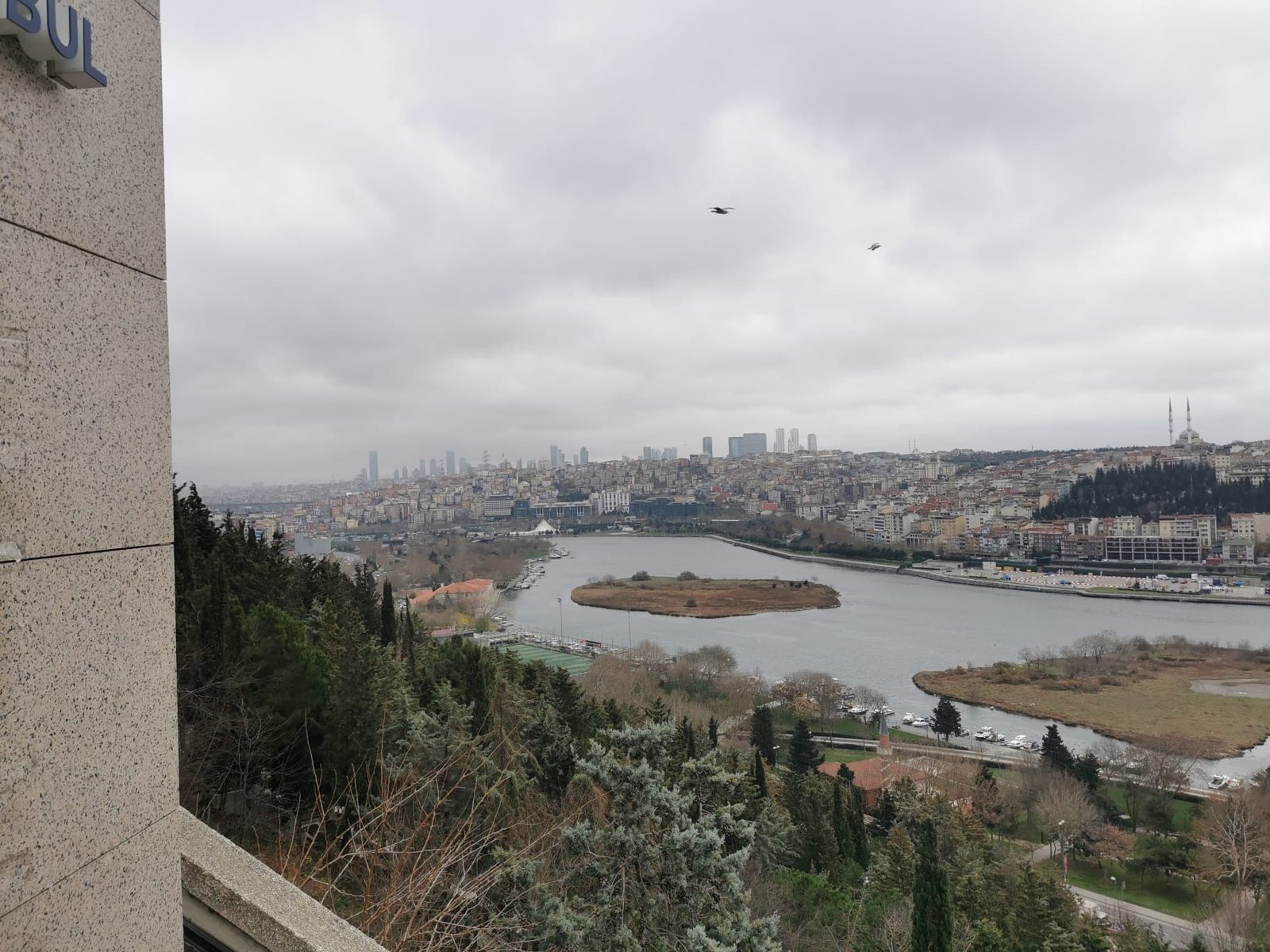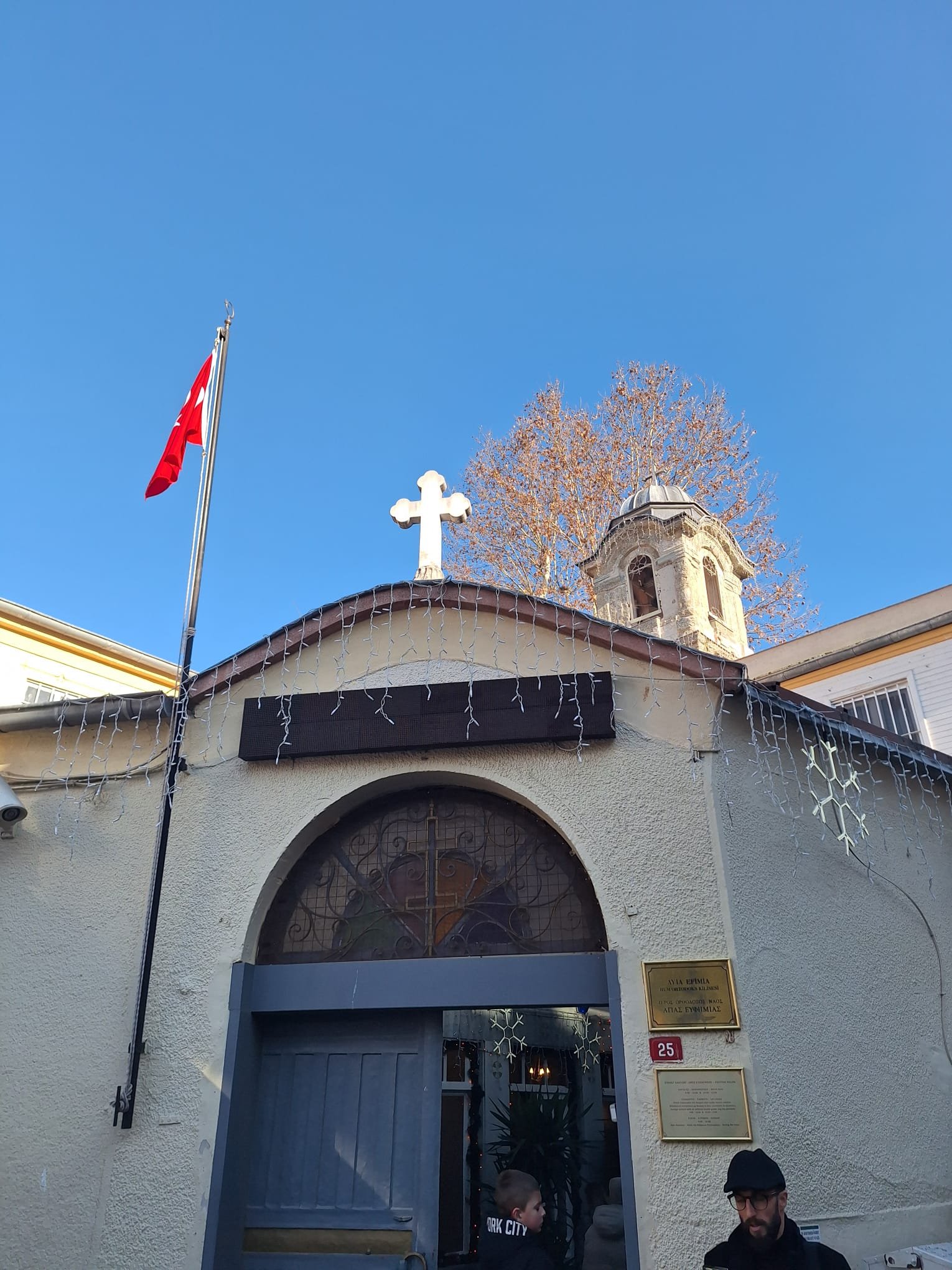

The view from Pierre Loti Hill over the Golden Horn is one of those images even people who've never been there recognize. Less well known is why a place in Eyüpsultan carries the name of a French writer at all. Pierre Loti was actually named Julien Viaud; he was a naval officer, traveler, and successful author. He visited Istanbul again and again and developed an intense, at times heavily romanticized relationship with the Ottoman city.
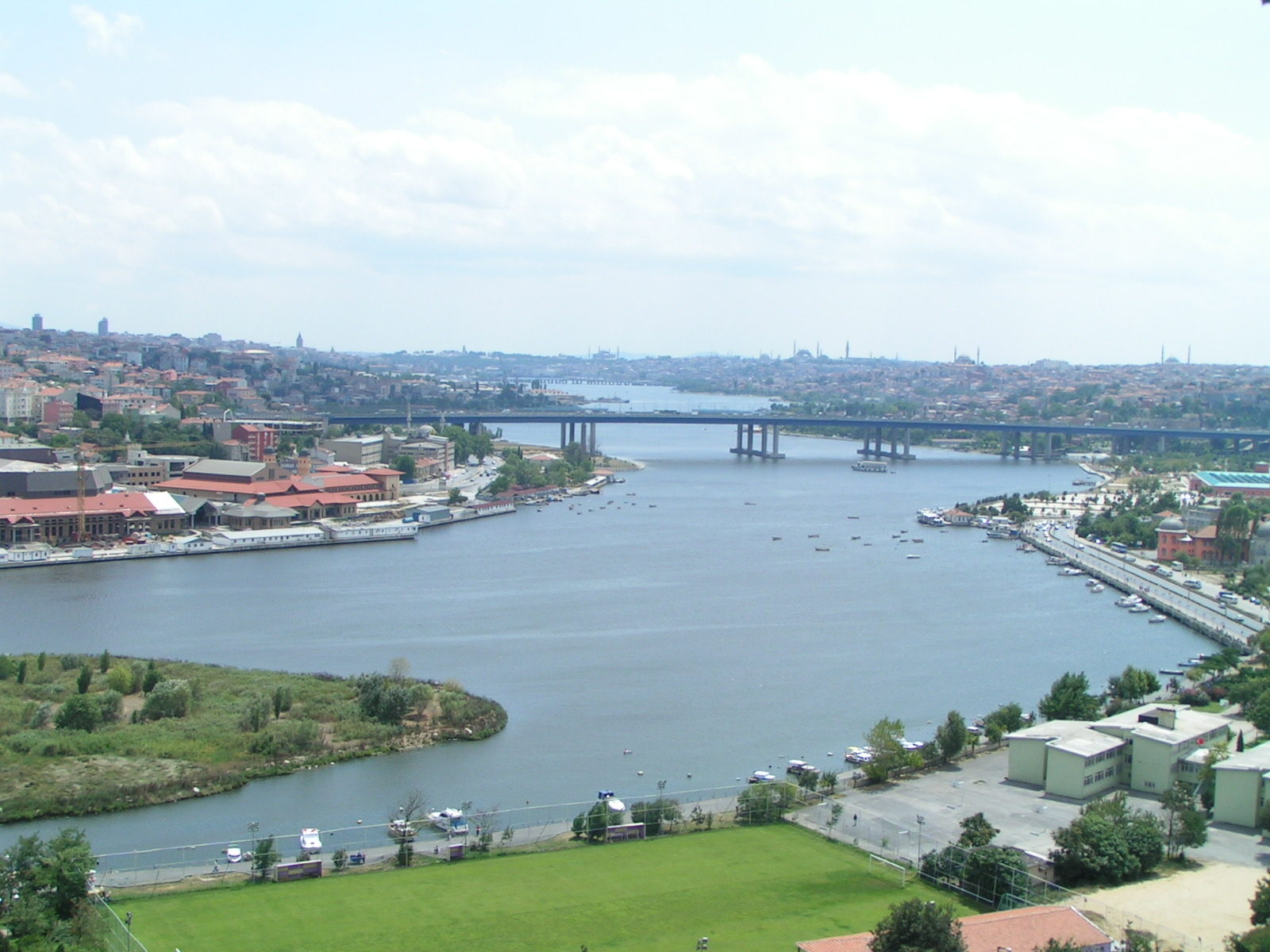
The view from Pierre Loti Hill over the Golden Horn is one of those images even people who've never been there recognize. Less well known is why a place in Eyüpsultan carries the name of a French writer at all.
The café on the hill became associated with him because he is said to have often sat there looking out over the Golden Horn. The Eyüpsultan municipality confirms that Loti especially loved the view from Eyüp's heights, and that the café he regularly visited later took his name. At the same time, it's worth reading his enthusiasm for Istanbul critically. Loti loved the city, but he viewed it as a European writer of his time and himself contributed to a romanticized image of the "Orient."
- Pierre Loti was the pen name of the French naval officer and writer Julien Viaud.
- He came to Istanbul as a young man and returned several times later.
- His novel Aziyadé made his Ottoman love story famous, but blends literature with autobiographical elements.
- Loti deliberately spent time outside European Pera as well.
- He spent a lot of time in Eyüp and loved the view over the Golden Horn.
- The café he is said to have frequented now bears his name.
- In 1920, Istanbul made him an honorary citizen.
Who Pierre Loti really was
Julien Viaud was born in Rochefort in 1850 and built a career in the French navy. His travels took him to numerous regions of the world. Out of his experiences he developed literary material and published under the name Pierre Loti.
His books were extraordinarily successful in the late 19th century. Loti wrote sensuously, melancholically, and with strong atmosphere. He was less a sober ethnographer than a literary observer. That matters when reading his Istanbul texts: they aren't neutral city reports, but deliberately crafted literature.
His first encounter with Istanbul
Loti came to Constantinople as a young naval officer. The city fascinated him deeply. Unlike many European visitors who mostly stayed in Pera or along the international Bosphorus shores, Loti also sought out predominantly Muslim neighborhoods and took interest in cemeteries, mosques, dervish orders, and everyday street scenes.
That made his perspective unusual, but not automatically objective. Precisely because he loved the Ottoman world, he tended to idealize "old Istanbul" and view modern changes critically.
Aziyadé between novel and biography
His early novel Aziyadé tells of the relationship between a European officer and a young Ottoman woman. The book draws on autobiographical experience, but it is literature. Even today, it's often discussed as if every scene could be read as documentary fact.
Who the real woman behind the character actually was, and how the relationship unfolded, is harder to reconstruct. Loti himself contributed to blurring biography and fiction. That makes the story appealing, but also risky for overly confident travel-guide narratives.
Why he loved Eyüp
For Loti, Eyüp was the counter-image to European Pera. The district around the Eyüp Sultan Mosque was religiously shaped, held large cemeteries, and offered wide views over the Golden Horn from its slopes.
The Eyüpsultan municipality describes how Loti, during his stays, deliberately lived in, or spent much time in, districts like Eyüp in order to observe local ways of life. The view from the hill in particular became associated with him.
The café and the view
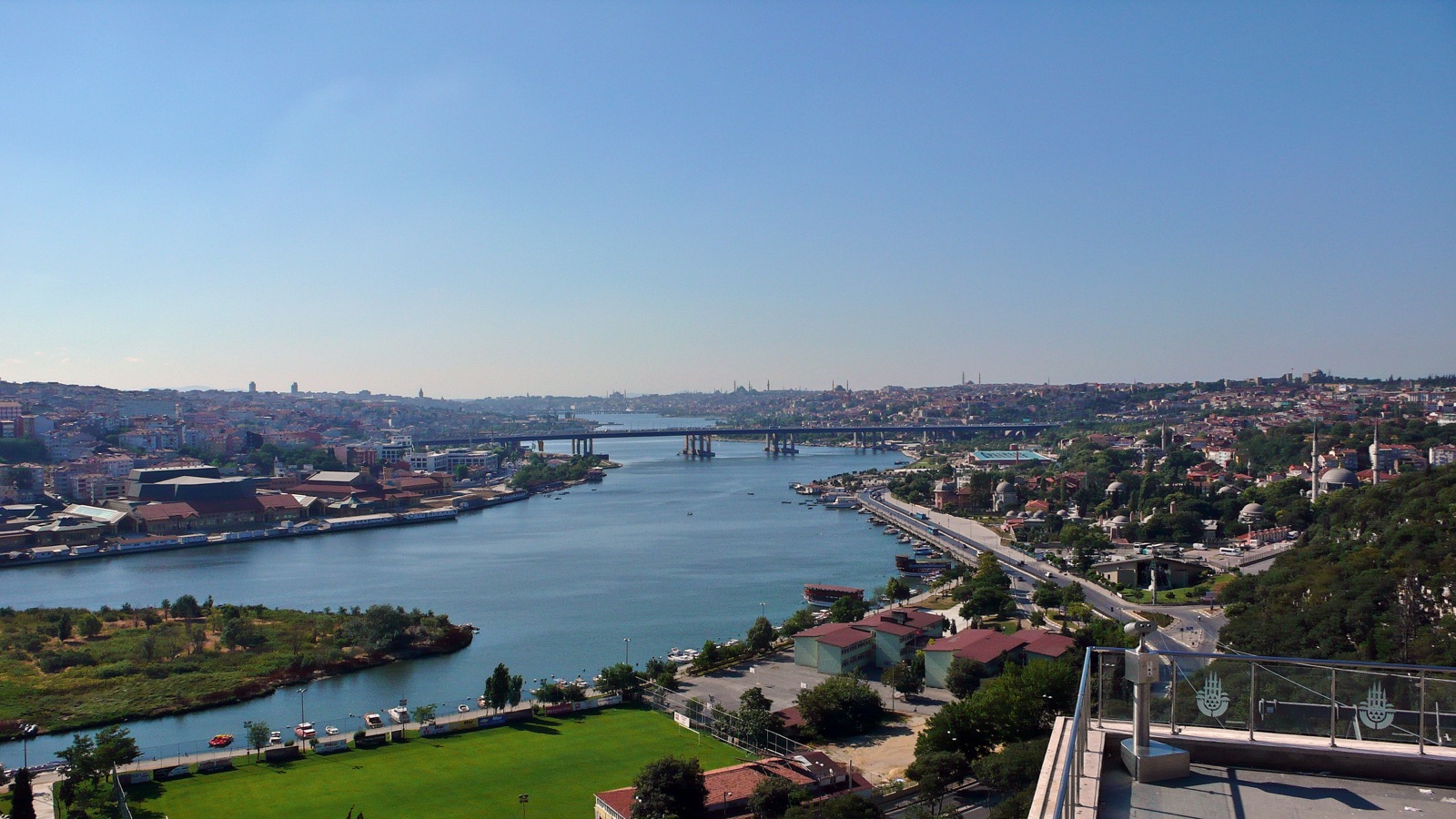
Today's Pierre Loti Café sits above the historic cemeteries. From there, the view opens over the Golden Horn deep into the city. The view alone is the real reason the place would be attractive even without Loti.
That a café is named after a regular guest sounds unusual, but it's part of the culture of memory. Loti was not only read in Istanbul, but perceived as a foreign supporter of the Ottoman Empire. That gave his name political weight.
Loti as a "friend of the Turks"
During the political crises of the early 20th century, Loti publicly opposed certain European positions and defended the Turks in his writings. At a time when the Ottoman Empire was under heavy international pressure, that made him popular in Turkey.
In 1920 he was made an honorary citizen of Istanbul. Streets, a hill, and institutions were later named after him. For many Turks, he was thus not merely an exoticizing French author, but someone who had publicly taken their side.
Orientalism and genuine affection
Both can be true at once: Loti could genuinely love Istanbul and still see the city through a European, Orientalist-shaped gaze. He preferred the "old," picturesque, seemingly unchanged Ottoman world, and reacted critically to modernization.
That's no reason to strike him from history. On the contrary: it's exactly this tension that makes him interesting. His texts show both a personal relationship to the city and the way 19th-century Europe literarily constructed the Orient.
Cable car and visiting today
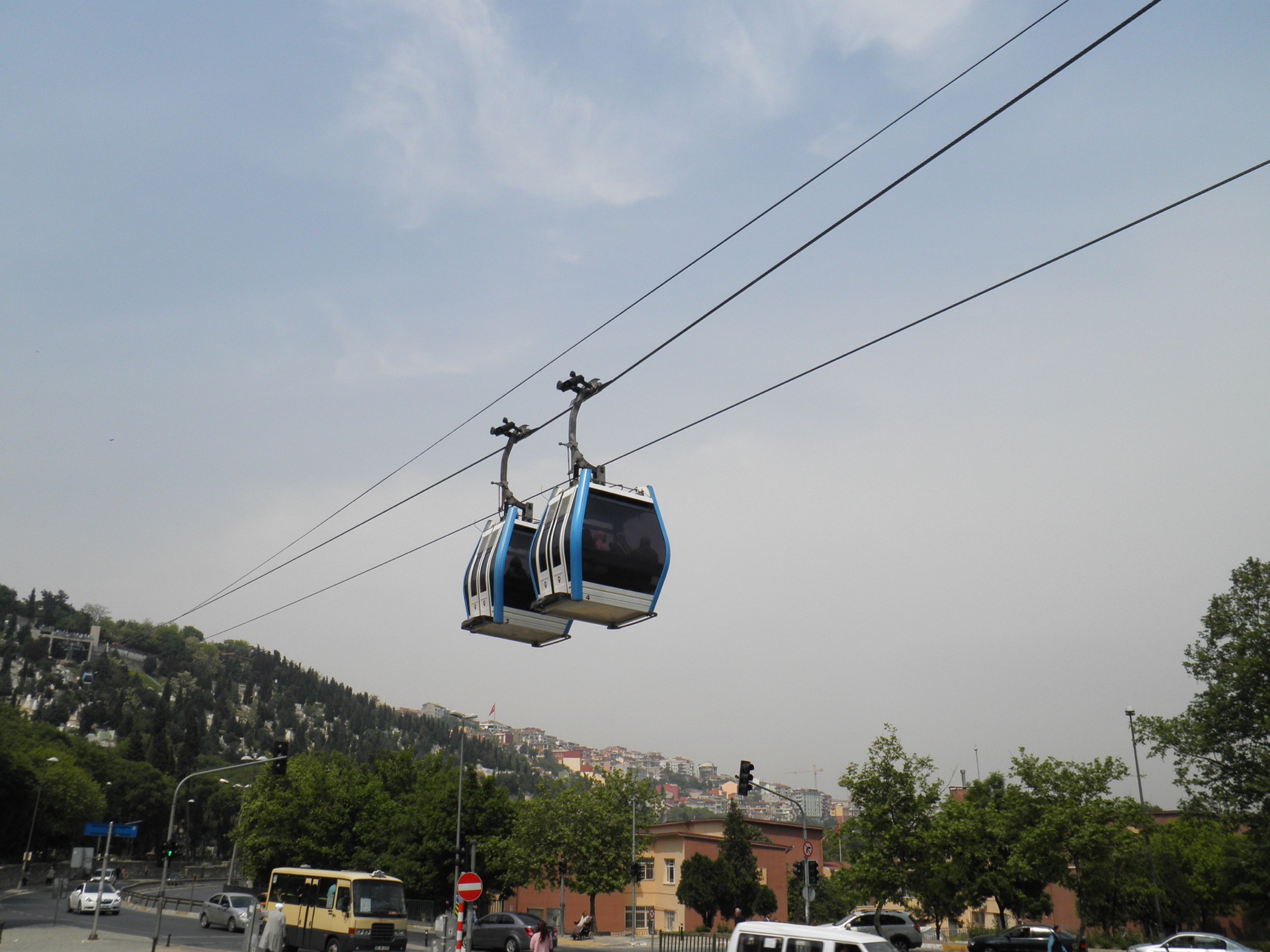
Today you reach the hill comfortably by cable car from Eyüp. The route runs over, or alongside, large cemetery grounds that are themselves historically significant. At the top awaits a well-known tourist viewpoint, only loosely comparable now to the quiet café of Loti's time.
Even so, the view still works. The Golden Horn lies below, ferries move across the water, mosques and modern buildings overlap. Loti would probably find today's panorama too modern in many places. And that, in turn, is history too.
"Pierre Loti owned this café." There's no solid evidence for that. He's considered a regular visitor, not a historical owner.
"Aziyadé is his fully true life story." No. The novel contains autobiographical elements, but is literarily shaped.
"The hill was always called Pierre Loti." No. The name is a later tribute to the French writer.
Pierre Loti as a real person — and as an Istanbul brand
Pierre Loti was actually named Julien Viaud. The French naval officer and writer traveled frequently and developed a strong literary relationship with the Ottoman Empire. Istanbul appears in his work as an emotionalized, at times romanticized city. His texts, in turn, shaped European ideas of the "Orient."
Today's name for the hill and the café draws on this memory. Loti is said to have spent time there and written there. Exactly how often he sat at which table can, of course, not be reconstructed with touristic precision. Still, the connection between the writer and Eyüp is historical enough to permanently tie the place to his name.
Eyüp as a religious counterpoint to the view
Many visitors come for the view over the Golden Horn. The area beneath it, though, is deeply charged religiously. The Eyüp Sultan Mosque and the tomb of Abu Ayyub al-Ansari made the district an important pilgrimage site since Ottoman times.
On the way up to the hill, you pass numerous historic cemeteries. The setting is therefore unusual: a romantic viewpoint sits directly above an area shaped by burial culture and religious memory.
Anyone who only takes the cable car up misses part of this atmosphere.
Coffeehouse culture in the Ottoman Empire
Coffeehouses were central social spaces from the 16th century onward. People met to talk, play, read and debate. That's exactly why rulers sometimes watched them with suspicion.
So a coffeehouse with a view over the Golden Horn doesn't belong only to the modern world of tourism. The combination of view, conversation and drink runs deep in Istanbul's urban culture.
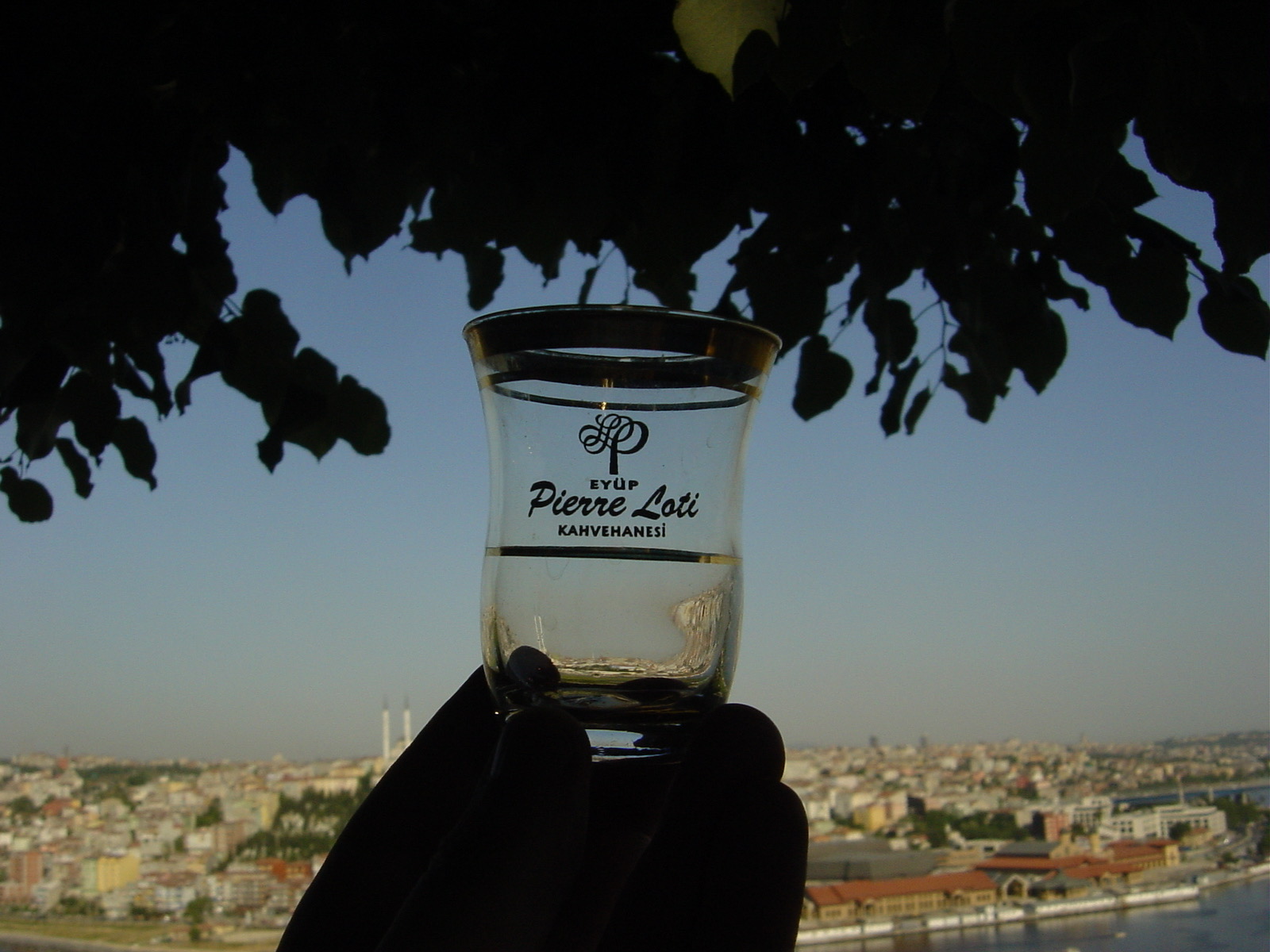
Of course, today's Pierre Loti Café is modernly restored and heavily known as a tourist spot. It isn't an unchanged 19th-century interior.
Why the view is historically interesting
From the hill you can see how the Golden Horn structures the city. You see bridges, densely built slopes, and stretches of water that were, over the centuries, a harbor, an industrial area, and later a redevelopment zone.
The view is therefore more than beautiful. It helps you understand the topography. Istanbul, in particular, often reveals itself better from above, since you suddenly recognize why certain neighborhoods arose on exactly these slopes and bays.
The cable car and the changing approach
Today a modern cable car brings visitors up relatively comfortably. Previously, the route meant a considerably longer climb through the cemetery grounds.
The cable car democratizes access to the view, but also changes how it's perceived. Anyone who glides up in a few minutes experiences the transition from religious Eyüp to the viewpoint differently than someone who climbs the slope on foot.
Both are legitimate, but they're two different experiences of the city.
Tourism and authenticity
Pierre Loti has by now become a strongly touristic name. That quickly raises the question of whether a place is "still authentic." That question is often too simple. A café can be touristic and historically relevant at the same time.
What matters is what you expect. Anyone seeking absolute solitude will be disappointed at popular times. Anyone who wants to understand the connection between the view, literary history, and Eyüp can still take a lot away from it.
Authenticity doesn't mean nothing has changed since 1890. It means, rather, honestly knowing which parts are history and which parts are today's staging.
My take on this place
I like the idea that a person sits somewhere so often, looking out over a city, that eventually their name sticks to that place. Probably anyone who has a particular spot in Istanbul they keep returning to understands this.
For me, that would statistically probably be the Galata Tower. For Loti, it was this view over the Golden Horn. Whether you share his romantic view of the Ottoman world today is a different question. But that a place keeps pulling a person back, I can understand very well.
– Amra