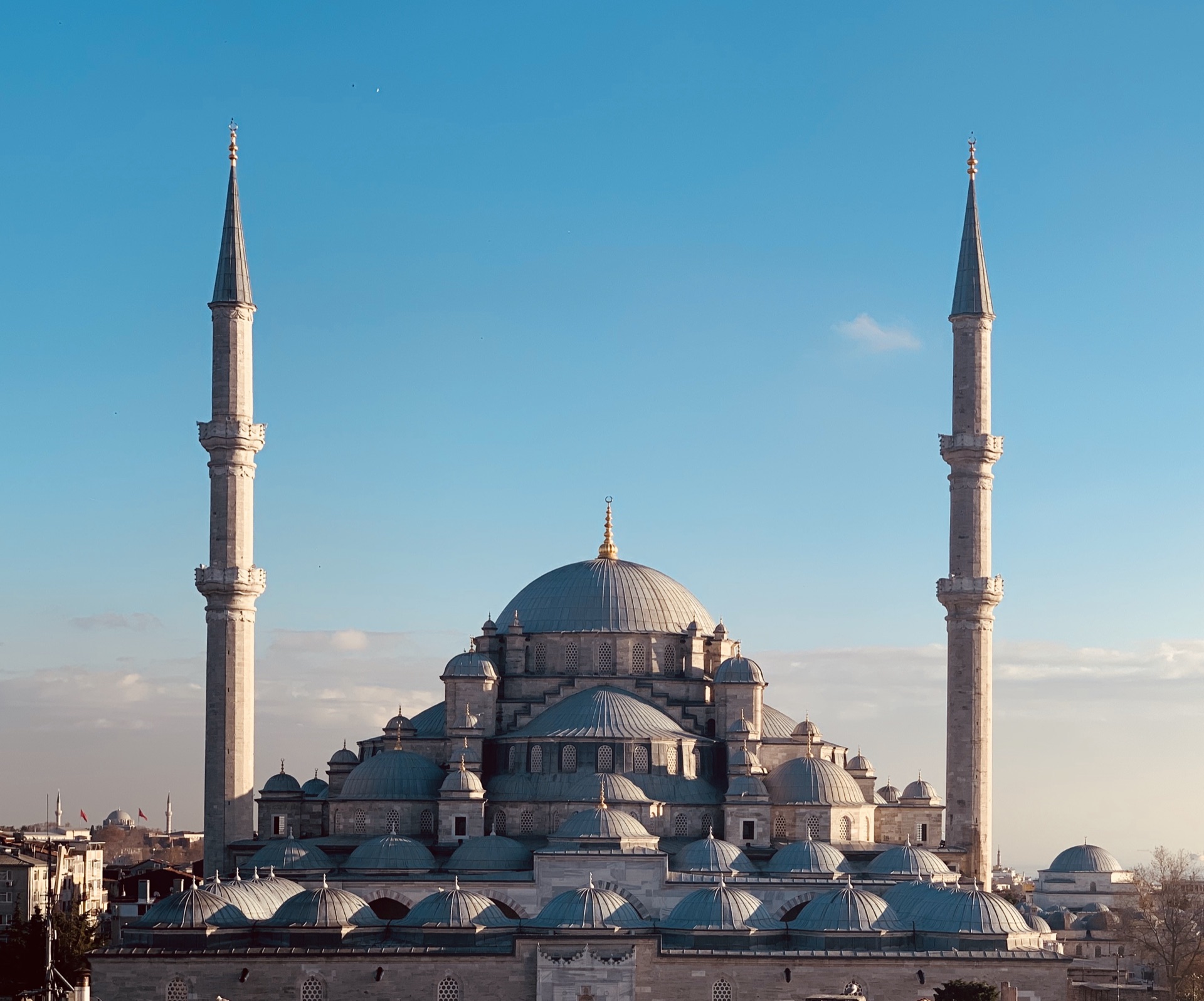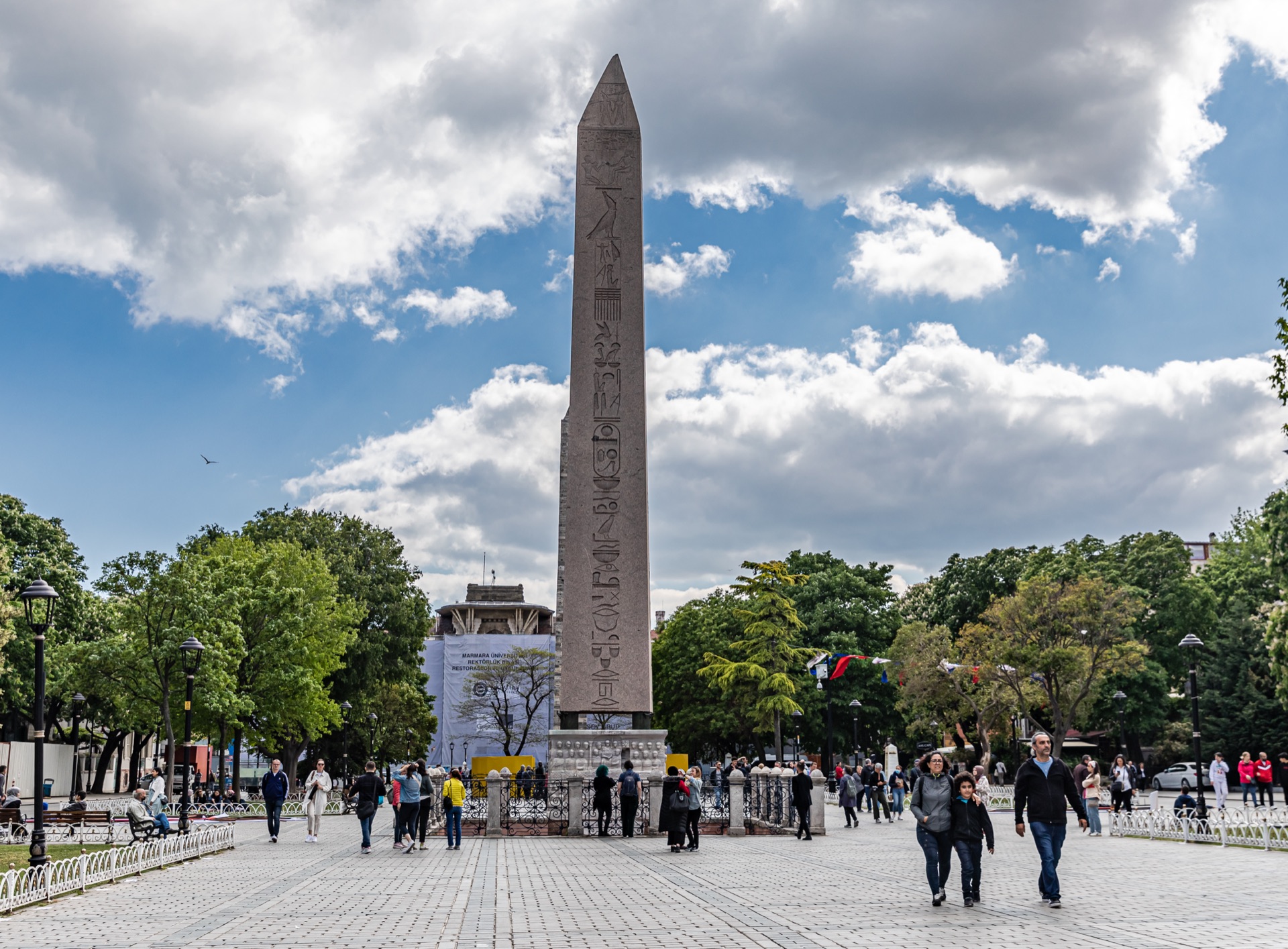

Mehmed II died in 1481, not in his palace, but during a campaign whose final target is still debated today. His body was brought to Istanbul and buried at the Fatih Mosque he had endowed. At first glance, that seems logical: a sultan resting at his own great endowment. But the site carries a far deeper backstory. The Church of the Holy Apostles had previously stood here, where Byzantine emperors had been buried for centuries.
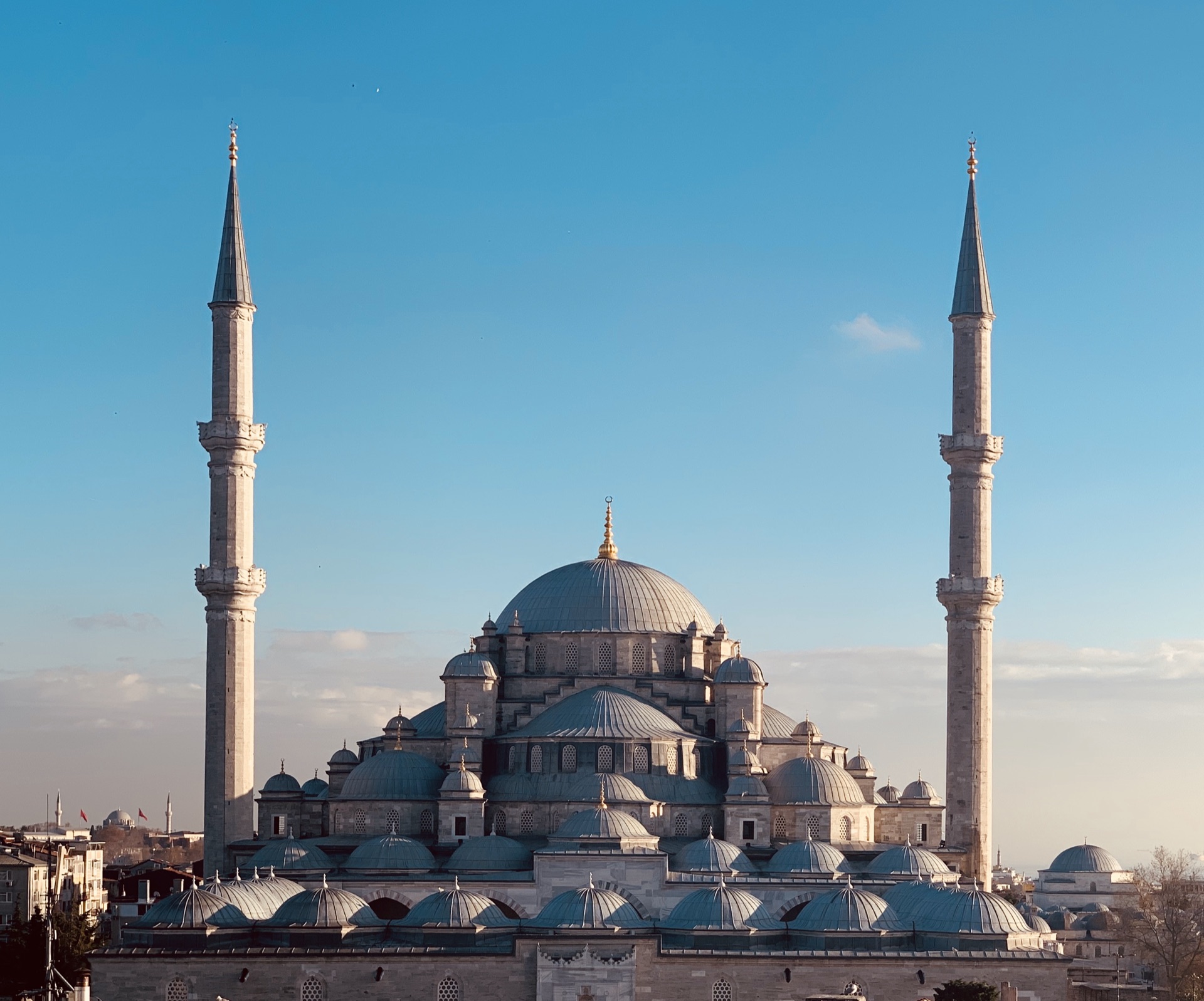
Mehmed II died in 1481 during a campaign whose final target is still debated today. He was buried at his Fatih Mosque — on the site of the Byzantine Church of the Holy Apostles, where emperors had previously been buried.
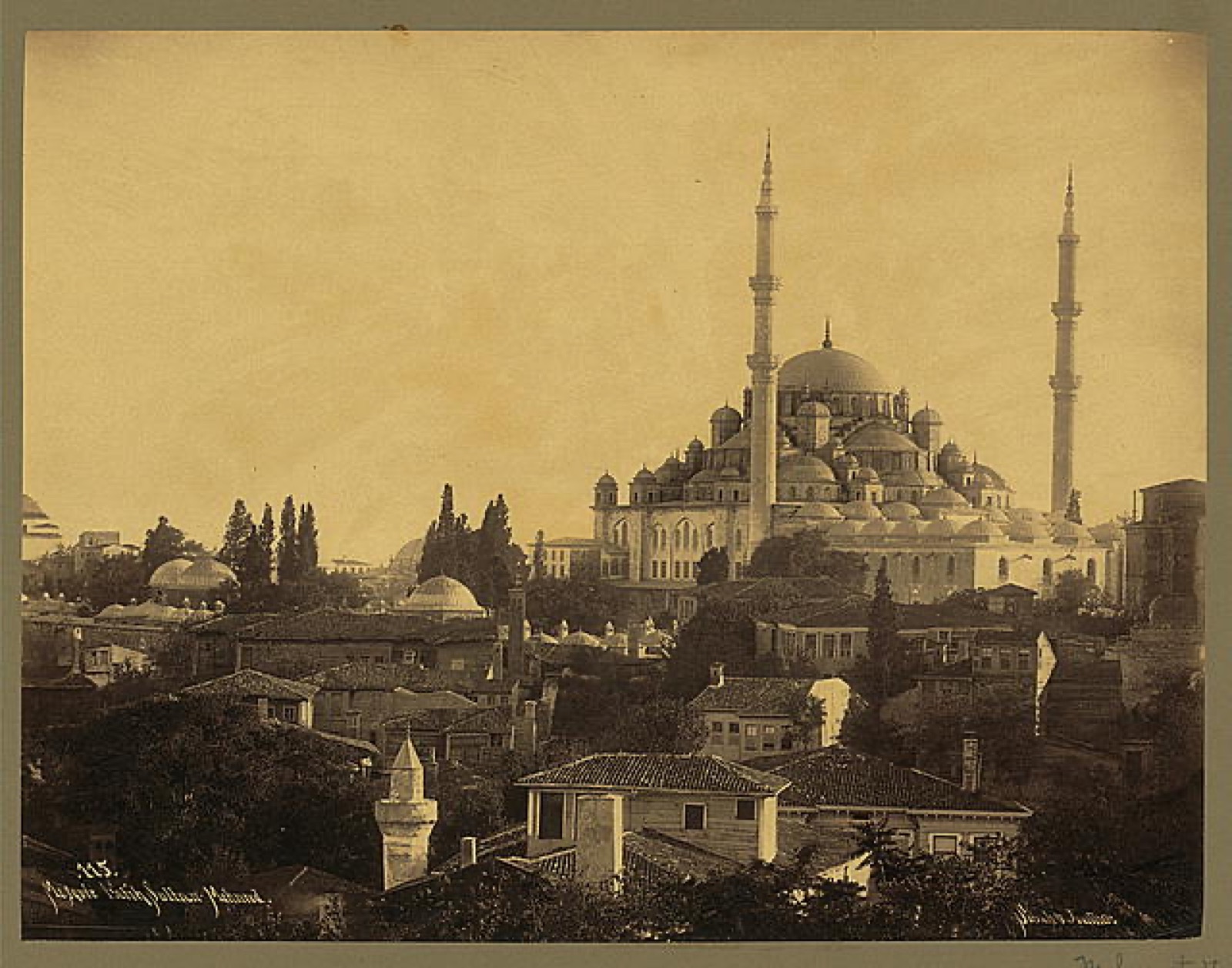
In this way, a Byzantine dynastic memorial site became an Ottoman one. The man who had ended the Byzantine Empire in 1453 chose, of all places, to be buried on a hill previously tied to the graves of his imperial predecessors. And even his mausoleum today doesn't survive unchanged from the 15th century. The earthquake of 1766 and a fire in 1782 made extensive rebuilding necessary.
- Mehmed II died on May 3, 1481, during a campaign.
- His ultimate military target is not clearly established.
- He was buried at his great Fatih endowment in Istanbul.
- The Byzantine Church of the Holy Apostles, with numerous imperial graves, had previously stood on the same hill.
- The severe earthquake of 1766 badly damaged the mausoleum and mosque.
- The mausoleum also burned in the Cibali fire of 1782.
- Today's interior therefore largely dates from later restorations.
Mehmed's death in 1481
Mehmed was only 49 years old when he set out again with an army in the spring of 1481. In the preceding decades he had conquered Constantinople, expanded into the Balkans, eliminated Anatolian rivals, and even created an Ottoman foothold in southern Italy. His military ambitions were by no means finished.
During the campaign he fell seriously ill and died near Gebze. The exact cause of death isn't established beyond doubt. Contemporary and later accounts name various illnesses; poisoning theories also keep resurfacing. A serious account has to distinguish between medically plausible conjecture and later conspiracy literature.
Where was his last campaign heading?
The campaign's target is one of the great open questions of his biography. Italy, Rhodes, Egypt, or another destination have all been proposed. Mehmed deliberately kept military plans secret, and the surviving sources allow no clear answer.
That's exactly why it's problematic when popular texts claim he died "on his way to Rome" as if this were beyond dispute. An attack on Italy was fundamentally conceivable, since Ottoman troops had already occupied Otranto. But it can't be proven with certainty that Rome was actually the concrete final target in 1481.
Why he was buried at the Fatih Mosque
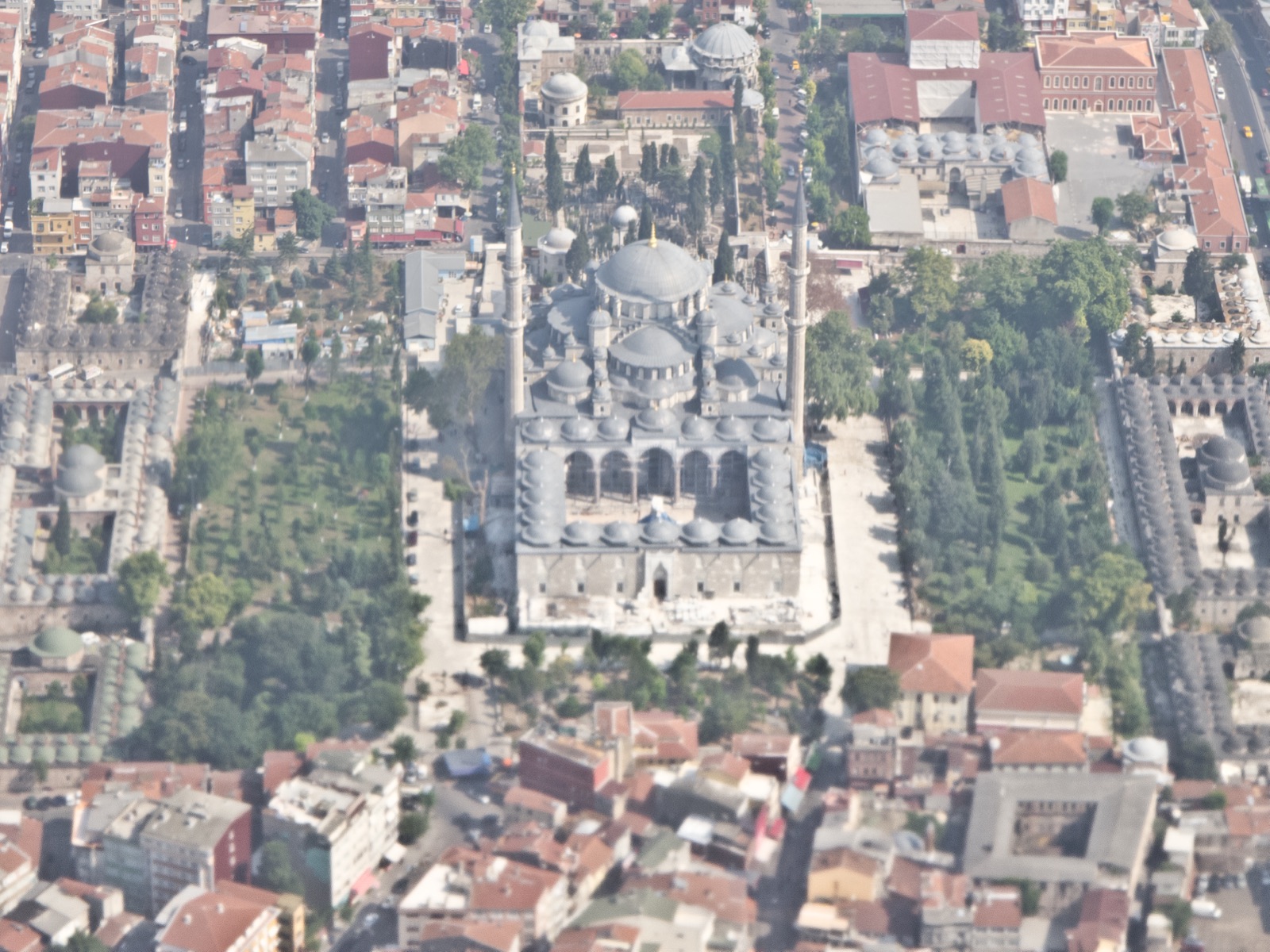
Mehmed had created one of the most important endowments of his new capital with the Fatih külliye. It included a mosque, madrasas, social institutions and other buildings. His burial within this complex permanently tied his person to the city he had newly ordered.
Ruler endowments were memory machines. Prayer, teaching, poor relief and religious practice took place, across generations, at a site bearing the founder's name. The grave was therefore not isolated, but part of an entire system that preserved Mehmed's memory.
The Church of the Holy Apostles beneath the site
Before the Fatih endowment, the Church of the Holy Apostles had stood on this hill. Byzantine emperors had been buried there for centuries. In 1204, crusaders looted numerous imperial graves and stole valuable grave goods. After 1453, the church continued to exist briefly before it finally disappeared and Mehmed had his endowment built.
This backstory makes his grave symbolically significant. A new ruler placed his own dynastic memory at a site where the previous imperial tradition had been visible for centuries. You don't have to turn this into a simple "Mehmed wanted to humiliate the Byzantines" story. But the site's imperial significance can hardly have escaped him.
The earthquake of 1766
On May 22, 1766, a severe earthquake shook Istanbul. The Fatih Mosque was largely destroyed, and Mehmed's mausoleum suffered great damage too. Today's main mosque building was rebuilt afterward under Mustafa III.
The grave, too, had to be restored. So today's mausoleum shouldn't be treated as if you're entering a room unchanged since 1481. Historical continuity here mainly means continuity of place and burial, not complete architectural originality.
The fire of 1782
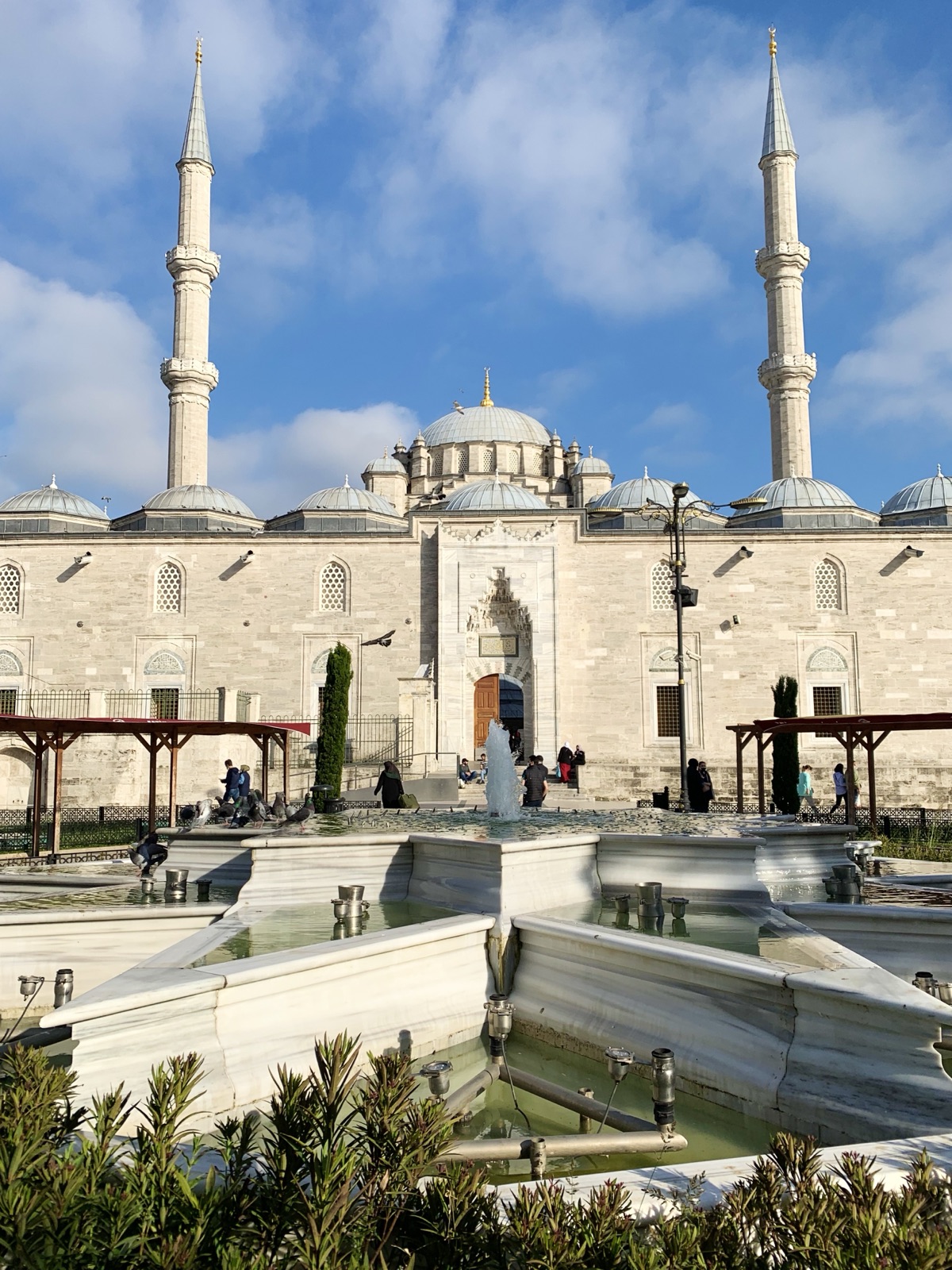
Not even twenty years later, the complex was struck by another catastrophe. During the great Cibali fire of 1782, people carried rescued belongings into the mosque courtyard. The fire nonetheless spread to the mausoleum. The interior furnishings and the sarcophagus, or symbolic grave covering, of that time were damaged or destroyed.
Under Abdülhamid I, the grave was restored again. Later sultans had further renovations carried out. Today's decoration is therefore a historical mix of several restoration phases.
What's original in today's mausoleum
The burial site is historic, but the architecture and furnishings were renewed after disasters. Even the large visible sarcophagus is not unchanged furnishing from 1481. It's a symbolic cenotaph above the actual burial place.
This, incidentally, holds true for many Ottoman mausoleums: the decorative coffin visitors see doesn't simply contain the body the way a modern closed casket would. The actual burial lies in the ground beneath it. This distinction changes how you look at the large, cloth-covered forms in the room.
Mehmed as conqueror and city founder
Mehmed is naturally associated with May 29, 1453. His historical significance, though, doesn't end at the city walls. After the conquest, he had to make a depopulated and partly damaged capital functional again. He settled people of different religions and origins, promoted markets, endowments and administration, and gradually turned Istanbul into the center of an expanding empire.
His policy was by no means only tolerant, or only brutal; either would be a simplification. He carried out forced resettlements and expropriations, but at the same time promoted Orthodox, Jewish and other communities, because a capital needed people, craftsmen and merchants. For him, urban development was part of rule itself.
"Mehmed definitely died on his way to Rome." Not established. Italy is a plausible possibility, but the concrete campaign target remains disputed.
"His mausoleum survives fully intact from 1481." False. Earthquake, fire and later restorations have significantly altered the building.
"The large visible sarcophagus directly contains his body." The actual burial lies beneath the floor; the visible structure is a symbolic cenotaph.
Mehmed's grave and the question of the original mausoleum
Mehmed II died in 1481 during a campaign. His body was brought to Istanbul and buried at his endowment. Today's mausoleum, however, doesn't survive untouched since the 15th century. The severe earthquake of 1766 considerably damaged the Fatih complex as well. During reconstruction, the mosque and the funerary architecture were altered.
What matters, then, is this: anyone standing at the grave today is standing at the authentic dynastic memorial site of Mehmed, but not inside a fully original building from 1481. This exact distinction between place and visible architecture is decisive again and again in Istanbul.
Why Mehmed was buried here of all places
The choice of location was highly symbolic. His endowment stood on the grounds of the former Church of the Holy Apostles, one of the most important dynastic burial sites of the Byzantine Empire. Mehmed thus didn't simply place a mosque on some empty hill, but created a new Ottoman center of power at a site already tied to imperial memory for centuries.
That he himself was buried there reinforced this meaning. The conqueror's new center took over a space where Byzantine emperors had previously rested. That was no mere architectural choice, but part of the recoding of Constantinople into an Ottoman capital.
Mehmed as a historical figure between myth and politics
Mehmed is still seen very differently today: as conqueror, state founder, patron of science and art, brutal ruler, or symbolic figure of Turkish-Islamic history. All of these perspectives each capture only part of him.
He was militarily extremely ambitious, centralized administration, and made a deliberate effort to repopulate Istanbul after 1453. At the same time, he resettled people forcibly, waged harsh wars, and legitimized dynastic violence. His court culture was international; he employed Greek, Italian, Persian and Ottoman scholars and artists.
That's exactly why it's worth seeing his grave not just as a national memorial site, but as a starting point for a contradictory historical personality.
The famous question: who really lies where?
Legends keep growing up around Mehmed's grave, about secret chambers, moved sarcophagi, or extraordinary burial rituals. Such stories arise easily, because Ottoman mausoleums often display symbolic sarcophagi above the actual burial chamber.
As in many Islamic funerary buildings, the body doesn't lie in the visible wooden or stone sarcophagus. That marks the spot; the actual burial lies beneath it.
That's no secret and no mystical peculiarity of Mehmed's — it's a standard funerary tradition.
Earthquake, reconstruction, and memory
The earthquake of 1766 destroyed large parts of the original Fatih Mosque. The mausoleum was damaged as well and later restored. This created an interesting paradox: the site remained dynastically highly significant, even as its architecture changed.
That's typical for a culture of memory. People visit not just a materially original building, but a place whose significance has been passed down across generations.
Pilgrimage site, state visits, and political symbolism
Mehmed's grave has been visited for centuries by worshippers, statesmen, and visitors. In modern Turkish memory, Fatih Sultan Mehmed holds an especially strong symbolic position.
At political anniversaries and official visits, the grave therefore keeps becoming part of public imagery. The historical dead man is thus woven into current political narratives.
That's exactly why it's worth distinguishing between the historical person and the later symbolic figure. Both exist, but they aren't the same.
My take on this place
At Mehmed's grave, I automatically think of the contrast. We're talking about the man who conquered Constantinople, built up a world empire, and saw himself within a Roman imperial tradition. And in the end, you're standing in front of a grave.
It gets even stronger once you know who was already buried on this hill before him. Byzantine emperors, whose graves were looted in 1204; then Mehmed; later an earthquake, a fire, reconstruction. Even this place's rest for the dead has lived through several political systems.
– Amra