
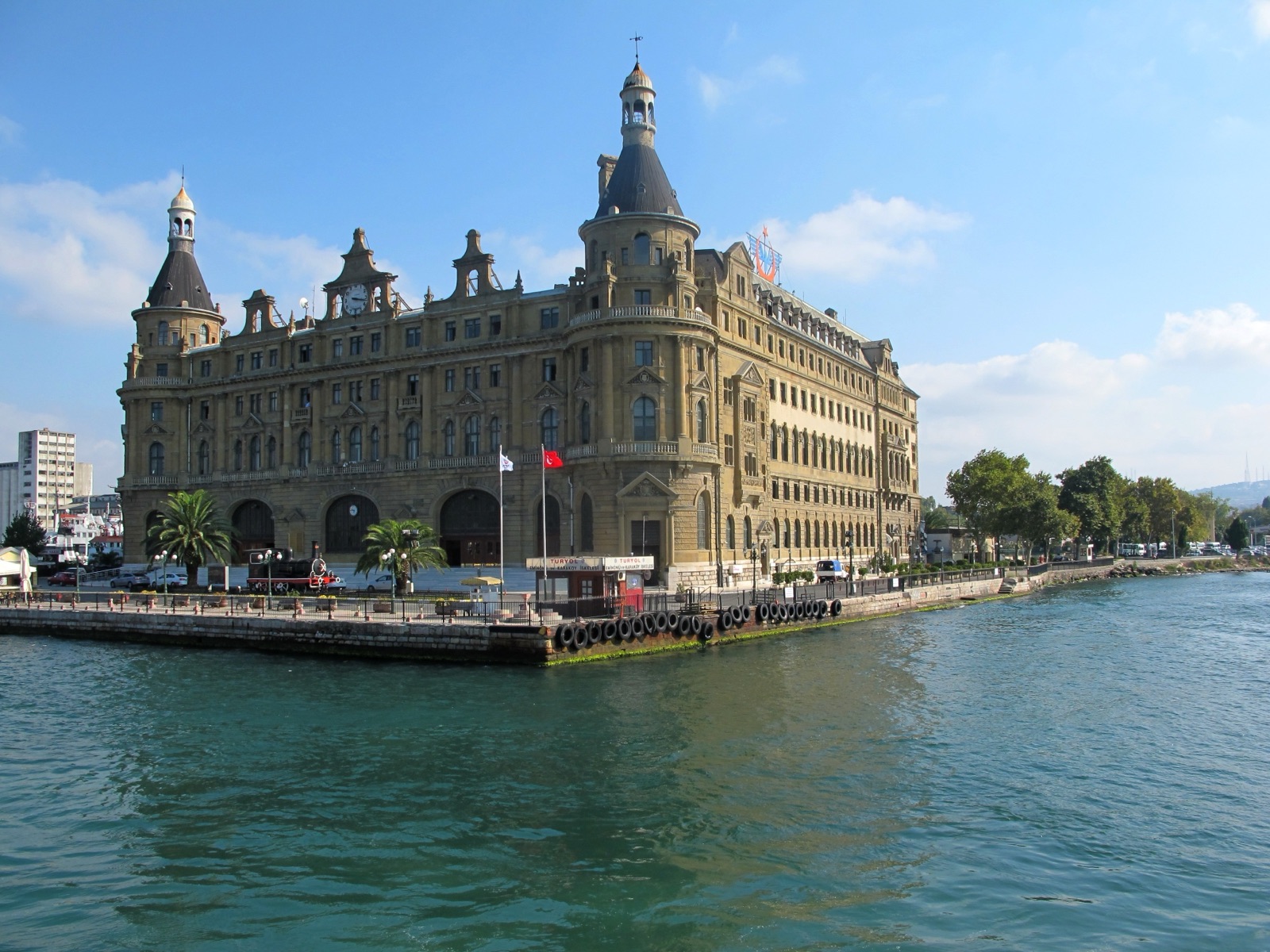
Haydarpaşa is one of those stations that even people with no interest at all in trains photograph. That's down to its setting. The monumental building stands right on the water on the Asian side and looks almost like a palace from the ferry. Historically, though, it was above all one thing: Istanbul's great gateway to Anatolia.
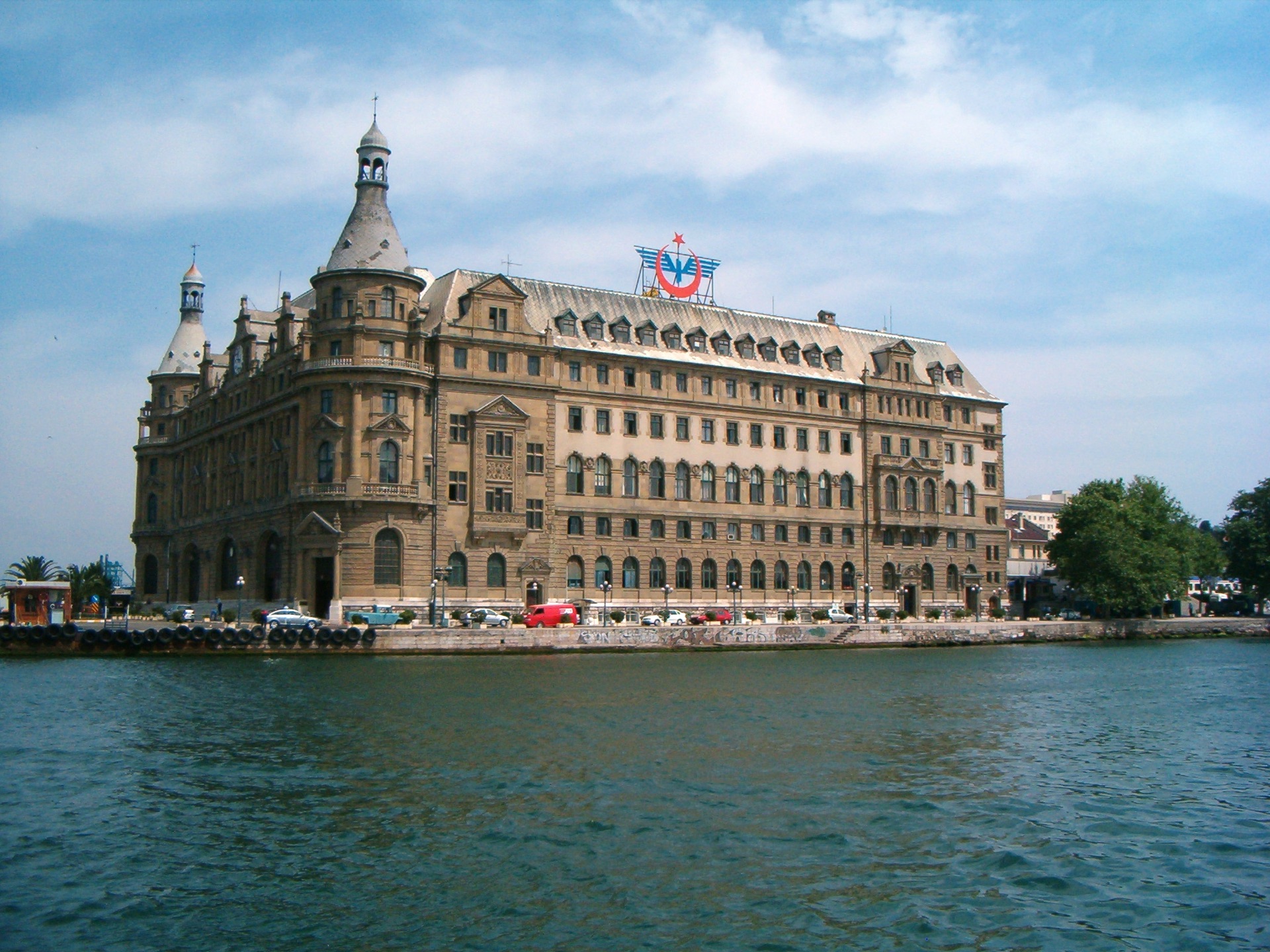
The monumental building stands right on the water on the Asian side and looks almost like a palace from the ferry. Historically, though, it was above all one thing: Istanbul's great gateway to Anatolia.
Today's station was built between 1906 and 1908, at a time when the Ottoman Empire was expanding its rail connections into Anatolia and further toward Baghdad. It was designed by German architects in a historicist style that combined European monumentality with a spectacular harbourside site. For decades, travellers departed from here for Ankara, Konya, Anatolia, and further east. Fires, war, explosions, and, most recently, major restorations have altered the station several times.
- Today's Haydarpaşa Station was built 1906–1908.
- It was the central terminus of the Anatolian railway on Istanbul's Asian side.
- German architects and engineers were involved in its planning and construction.
- The station connected Istanbul with Ankara, Konya, and later onward lines to the east.
- In 1917, a severe munitions disaster struck the harbour area.
- In 2010, a fire destroyed large parts of its roof.
- With the expansion of Marmaray, classic long-distance service was suspended for a time.
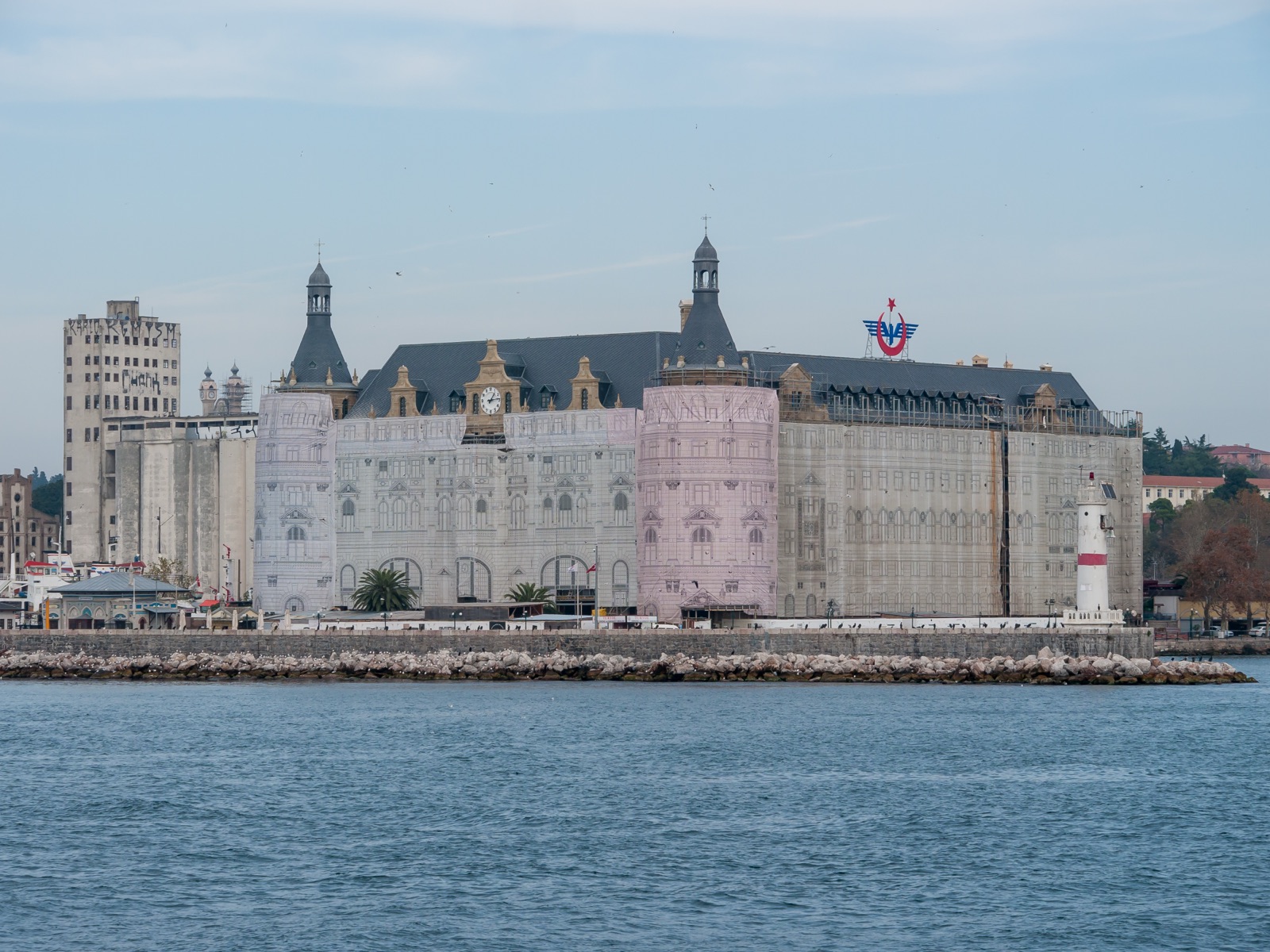
- Restoration and archaeological work have altered the site over the years.
Why Istanbul Needed a Great Station on the Asian Side
Istanbul sits on two continents. In the railway age, that wasn't just romantic, but logistically complicated. European trains ended at Sirkeci. Lines into Anatolia began on the Asian side.
Travellers therefore had to cross the Bosphorus by boat. Haydarpaşa became Sirkeci's counterpart: anyone arriving from Europe and wanting to continue into Anatolia crossed over, boarded a train here again, and travelled on eastward.
German Architects and Ottoman Railway Policy
In the late 19th and early 20th centuries, relations between the Ottoman Empire and the German Empire grew closer. German companies played a significant role in expanding the Anatolian and Baghdad railways.
The new Haydarpaşa Station was designed by the German architects Otto Ritter and Helmuth Cuno. It was built on land reclaimed, or artificially extended, from the shore, and had to be founded on thousands of piles.
This technical foundation matters. The building looks as though it has stood by the water for centuries as a matter of course. In fact, the site was only massively reshaped for modern rail traffic.
Why Haydarpaşa Looks Like a Castle
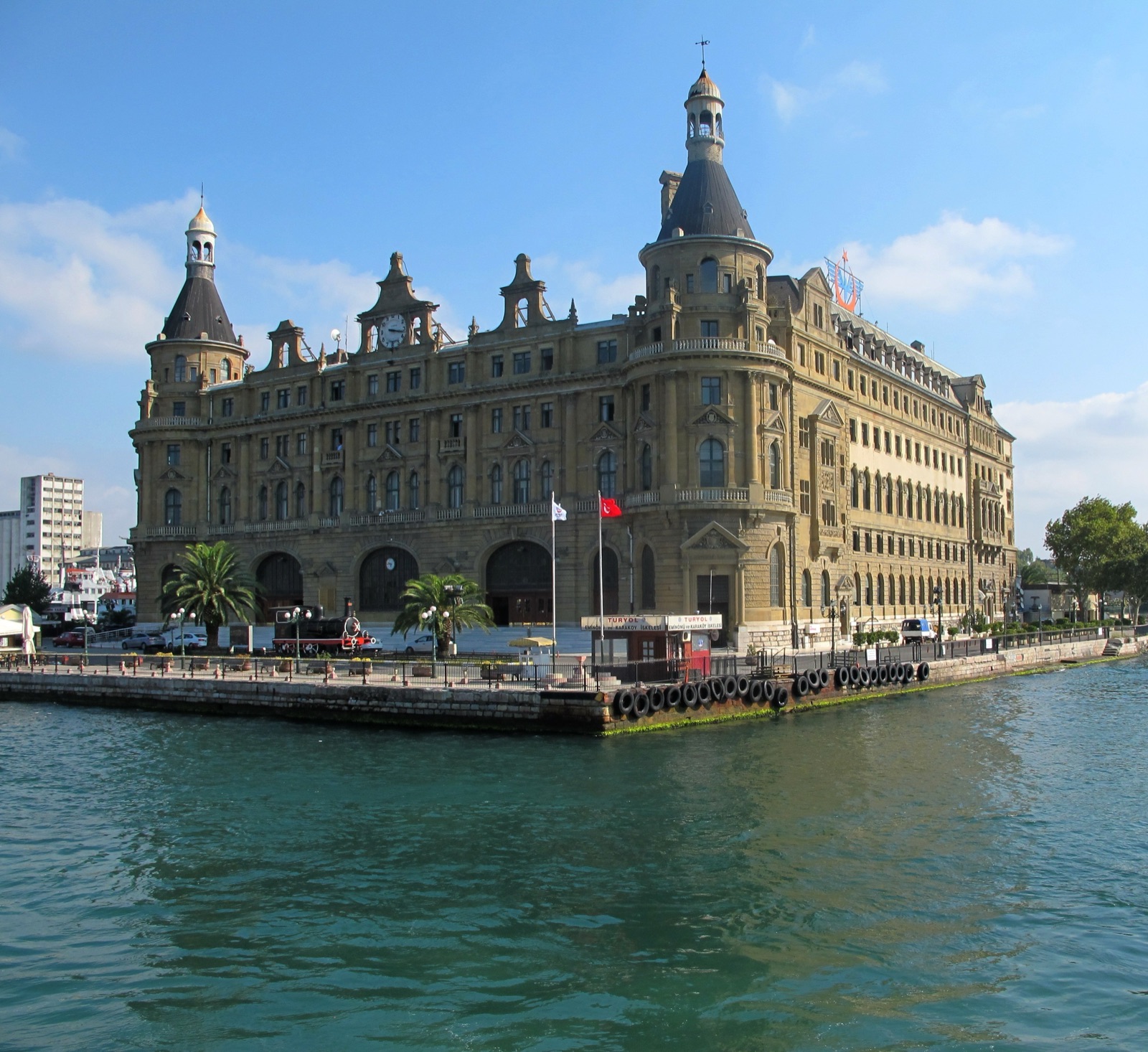
Its architecture belongs to European Historicism. Steep roofs, corner towers, massive stone surfaces, and decorative facades recall a German town hall or castle more than a classic Ottoman station.
This very foreignness was part of its modernity. Railway buildings were meant to radiate progress, technical capability, and state order. A plain functional building wouldn't have conveyed that message.
From the ferry, Haydarpaşa looks especially striking, because its broad facade seems to rise directly out of the water. Its architecture was thus staged not just for arriving train passengers, but for the view from the Bosphorus too.
From Here, the Journey Into Anatolia Began
Haydarpaşa was far more than the Asian counterpart to Sirkeci. While Sirkeci symbolised the connection to Europe, Haydarpaşa became the starting point of great rail lines into Anatolia and further toward the Middle East. Anyone who once boarded a train here could move step by step deep into the Anatolian interior. The station was thus part of a political project that tied together transport routes, military logistics, trade, and state control.
The monumental new building at the start of the 20th century was designed by German architects in connection with intense German-Ottoman railway cooperation. Its location right on the water was spectacular and functional at once. Passengers from the European side of Istanbul came to Haydarpaşa by boat, entered the station, and changed there onto trains bound for Anatolia. For generations, this sequence of ferry and long-distance train was part of the city's travel experience.
The rail line was politically significant too. The so-called Baghdad Railway became a symbol of German economic interests in the Ottoman Empire, and of Ottoman modernisation at the same time. It was meant to bind regions more closely to the capital, and eventually reach as far as Mesopotamia. European capitals watched the project with suspicion, because railways didn't just enable trade — they changed military reach too. Haydarpaşa was therefore a train station, but also a visible endpoint of pre-First-World-War geopolitical rivalry.
The building itself was damaged several times. In the First World War, a severe explosion struck the harbour area in 1917, hitting the station too. In 1979, a tanker collision in the Bosphorus damaged parts of the building, and in 2010, a fire destroyed large areas of the roof. These events explain why restoration here is no cosmetic matter. A station that has experienced more than a hundred years of traffic, war, accidents, and urban change can't have remained unchanged.
For many Istanbullus, Haydarpaşa is therefore emotionally charged. Countless people arrived here from Anatolia, often in search of work, education, or a new life. In films and songs, the station became a symbol of arriving in Istanbul. This social history matters at least as much as the German architecture of its facade.
For decades, Haydarpaşa was the starting point of famous long-distance trains. People travelled to Ankara, to southern and eastern Anatolia, or further toward the Middle East.
For many people, the station meant migration. Workers from Anatolia came to Istanbul, students travelled to other cities, soldiers were sent off, families were separated. Haydarpaşa thus became a symbol, in Turkish film and literature, of arriving in the huge metropolis.
The First World War and the Explosion of 1917
During the First World War, the station played an important military role. Troops and matériel were transported via the rail network.
In 1917, a severe explosion of munitions occurred in the Haydarpaşa area. Parts of the station and the harbour facilities were damaged. The exact number of casualties is given differently across various accounts, so spectacular individual figures should be treated with caution.
The disaster shows how strongly civilian infrastructure can be militarised in wartime. A station meant to connect people and goods became a transshipment point for explosive war matériel.
The Tanker Accident of 1979
In 1979, the Romanian tanker Independenta collided near Haydarpaşa with a Greek freighter. A massive explosion followed, along with a fire that burned for days. Large quantities of oil entered the sea.
The shockwave also damaged windows and parts of the station's surroundings. The accident is among the worst tanker disasters on the Bosphorus, and a reminder of how risky shipping traffic through a densely built city of millions can be.
The Roof Fire of 2010
On 28 November 2010, a fire broke out in the station's roof during restoration work. Large parts of the historic roof structure were destroyed.
Images of the burning Haydarpaşa sparked strong reactions in Istanbul, because the building had long since become far more than transport infrastructure. For many people, its silhouette was part of their image of the city.
The fire led to lengthy restoration work and debates about the station's future.
Marmaray, Suspension, and Restoration
With the construction of Marmaray, the rail link beneath the Bosphorus, Istanbul's entire rail network changed. Long-distance and suburban trains were reorganised, old lines modernised, and Haydarpaşa temporarily lost its classic role as a terminus.
That raised concerns the historic station might permanently lose its railway function, or be repurposed commercially. At the same time, buildings and the track field were restored, and archaeologically examined.
Archaeological Finds Beneath the Station Grounds
Construction and infrastructure work uncovered extensive archaeological remains. They showed once again that, on the Asian side too, older layers of settlement lie beneath modern infrastructure.
Finds from various eras turned the site into a major archaeological excavation zone. That delayed modern transport projects, while, at the same time, yielding entirely new insights into the area's earlier use.
Haydarpaşa and the Baghdad Railway
Haydarpaşa is often directly equated with the Baghdad Railway. In fact, its development was more complicated. The Anatolian railway first ran from Istanbul deeper into Anatolia. Connections toward Konya, and further to Baghdad, were planned, or built, later. German banks, engineers, and companies played a major role in this.
The railway was an economic and geopolitical project at once. It was meant to move raw materials, goods, and people faster, strengthen state control over the provinces, and reshape international trade routes. For the German Empire, it offered economic influence within the Ottoman Empire; Britain, France, and Russia watched the project with suspicion.
Haydarpaşa was thus not just a beautiful station, but the western starting point of an infrastructure project that reached into international power politics before the First World War.
The Station in Film and Collective Memory
For many people from Anatolia, Haydarpaşa was the first monumental building they saw upon arriving in Istanbul. Turkish films often used this moment: a train arrives, a character steps off with a suitcase, and looks out at the huge city where a new life is meant to begin.
The station thereby became a symbol of hope and being overwhelmed at once. Anyone coming from a small town suddenly had Istanbul before them after the journey. The Bosphorus still had to be crossed, but psychologically, the metropolis had already been reached.
This cultural memory explains why debates over a possible repurposing became so emotional. For some Istanbullus, Haydarpaşa wasn't simply state railway land that could be efficiently redeveloped. It was part of their family history.
Why Archaeology Keeps Changing the Modern Station
Excavations around the station brought structures and graves from various eras to light. Such finds force modern infrastructure projects to pause and change their plans. From a commuter's perspective, that can be frustrating; from the perspective of the city's history, it's priceless.
Istanbul faces this problem constantly. You dig for a metro line, a tunnel, or a foundation, and find an older city. Yenikapı, at Marmaray, is the most famous example, but Haydarpaşa shows that the Asian side, too, is deeply layered. Modern rail and archaeology therefore have to share, quite literally, the same ground.
Haydarpaşa and Sirkeci as Two Halves of One Journey
Together, Sirkeci and Haydarpaşa tell almost the complete geographic logic of old railway-era Istanbul. On the European side, trains from Europe ended at Sirkeci. Anyone wanting to continue into Anatolia couldn't simply carry on beneath the Bosphorus — Marmaray didn't yet exist. Passengers and luggage had to use the waterway before the journey continued at Haydarpaşa.
It's precisely this interruption that makes the journey of that era so vivid. Istanbul wasn't just a stopover, but genuinely a transition between two rail networks and two continents. The ferry was part of the long-distance journey. Today, Marmaray takes you beneath the Bosphorus in a few minutes; back then, you had to consciously cross the city and the water. Technical progress made the route simpler, but also made part of that dramatic sense of arrival disappear.
Before Marmaray, the separation of the rail networks by the Bosphorus was especially clear. A traveller from Europe could arrive at Sirkeci, had to cross sides by ship or ferry, and continued their journey into Anatolia from Haydarpaşa. Istanbul itself was thus a necessary transition between two railway worlds.
This interruption was inconvenient, but it also gave the journey a particular drama. You didn't just pass through a tunnel. You had to genuinely cross the city and the water. Only Marmaray's modern crossing of the Bosphorus connected the rail systems much more directly, technically.
A Station Between Two Continents — But Without a Direct Rail Link to Europe
Its geographic location made Haydarpaşa famous, but also impractical. Travellers couldn't simply continue in the same train from Vienna or Paris to Ankara, because the Bosphorus separated the tracks. People and luggage had to switch between Sirkeci and Haydarpaşa by boat.
This interruption made Istanbul a genuine in-between space between Europe and Asia. Today, "a city on two continents" often sounds like tourism marketing. In historical rail travel, it was a very real logistical challenge.
Only Marmaray fundamentally changed this situation. Trains can now run beneath the Bosphorus. What earlier travellers still needed a ferry, porters, and a second station for became technically possible.
"Haydarpaşa was a personal gift from Kaiser Wilhelm II to Turkey." That's often how it's told, but the station wasn't a personal gift from the German Kaiser. German architects and companies played a major role, but the building project was part of Ottoman railway policy.
"The station stands on natural rock right by the water." No. The shoreline was considerably altered for its construction, and the building stands on an elaborate pile foundation.
"Since Marmaray, Haydarpaşa is finally functionless." Too sweeping. Its transport role has changed considerably, but restoration and planning processes continue at the same time. Current train use should be checked individually, case by case.
My Thought on This Place
To me, Haydarpaşa looks as if someone took a European castle and set it down directly in the water. From the ferry, the building feels so dominant that you look at it automatically.
And, as with Sirkeci, I immediately think of people. Who arrived here with a suitcase and saw Istanbul for the first time? Who left, not knowing when they'd come back? For me, stations are always less interesting because of the tracks than because of the stories that must inevitably have happened there.
– Amra