Murad IV became sultan in 1623 at the age of eleven. The empire was in a period of political unrest, and his mother, Kösem Sultan, initially took on a central regency-like role. As Murad grew older, he gradually stripped power from those around him and developed a distinctly authoritarian style of rule.
Murad IV became sultan in 1623 at age eleven and later developed one of the harshest styles of rule in Ottoman history. He cracked down on coffeehouses, tobacco and alcohol, and personally recaptured Baghdad in 1638.
Today he's often reduced to spectacular bans: that he banned coffee, tobacco, alcohol and even walking around at night, that he roamed Istanbul in disguise, and personally killed rule-breakers. Behind these stories stands a real ruler who used extreme violence, but who also governed during a time of military crises and revolts. Some anecdotes are well documented; others were told more and more dramatically across generations.
- Murad IV became sultan in 1623 at eleven years old.
- His mother, Kösem Sultan, held great influence during his minority.
- Later, Murad took personal control of the government and ruled extremely harshly.
- He cracked down on tobacco, alcohol, coffeehouses and nighttime disorder.
- In 1638 he personally led the campaign to recapture Baghdad.
- He had several brothers killed.
- His brother İbrahim survived and became sultan after Murad's death.
- Murad died in 1640 at only 27.
An eleven-year-old on the throne
After the murder of Osman II and another brief reign by Mustafa I, the dynasty was politically shaken. In 1623, Murad was placed on the throne. An eleven-year-old obviously couldn't lead a huge empire alone. Ministers, military leaders, court factions, and especially his mother Kösem played central roles at first.
Unrest continued in Istanbul, while in the east the Safavids controlled important territories. Murad's early years were thus shaped not by stable court routine, but by the sense that armed groups could reshape politics at any moment.
Kösem Sultan as regent
Kösem had already built a strong position under Ahmed I. As the mother of an underage sultan, she now gained formal, or effective, access to regency. She took part in appointments, patronage, and matters of government.
Murad's later harshness is sometimes explained purely in psychological terms. It's more likely that his childhood, spent in an environment of constant revolts and power struggles, also shaped his ideas about how authority had to be enforced. That's an explanation, though, not an excuse. That he later acted brutally remains his own responsibility.
How Murad took power himself
In the 1630s, Murad increasingly began to rule in person. He moved against rival court factions, corrupt officials, and unruly military units. His rule relied heavily on fear. Executions were carried out publicly and without much restraint.
That stabilized certain areas, but cost many people their lives and created a climate of extreme control. Murad wanted to show that, after years of military interference, the sultan once again held ultimate authority.
Coffee, tobacco and prohibitions
Murad issued strict measures against tobacco and alcohol. Coffeehouses, too, came under pressure, because they weren't just places to drink, but meeting points where political rumor and criticism could circulate.
The often-repeated claim that Murad "banned coffee itself because he hated coffee" falls short. It was also about public gathering spaces. Curfew rules and nighttime patrols were additionally meant to combat city fires and unrest.
Violence as a tool of rule
Chroniclers report that Murad sometimes walked through Istanbul in disguise to check for violations himself. Stories even attribute killings to him personally. That Murad ruled with extraordinary brutality is well documented. Individual dramatic anecdotes, though, need to be viewed critically, since later storytellers turned him into an almost superhuman figure of terror.
A ruler can be genuinely cruel and, at the same time, be the victim of exaggeration. The two aren't mutually exclusive.
The recapture of Baghdad
Militarily, Murad's greatest success was the recapture of Baghdad from the Safavids in 1638. He led the campaign personally. Baghdad was strategically and religiously significant. After a long siege, the city fell to the Ottomans.
The subsequent Treaty of Zuhab in 1639 stabilized the Ottoman-Safavid border in a form that had a major long-term influence on later borders in the region. Murad's military successes considerably strengthened his image as an energetic ruler.
Fratricide under Murad IV
Murad had several of his brothers killed. His reign thus shows that Ahmed I's decision to let Mustafa live hadn't immediately ended dynastic fratricide. The system changed slowly. As long as a brother was regarded as a potential rival, his life remained at risk.
İbrahim apparently survived only narrowly and became Murad's successor in 1640. That a man who had spent years in the Kafes in fear for his own life ultimately came to the throne shows the psychological cost of this system.
His early death
Murad died in 1640 at 27. Cirrhosis of the liver, or an illness resulting from heavy alcohol consumption, is often cited. This seems especially ironic, since he officially fought alcohol strictly. Whether every popular story about his private consumption is true, though, is hard to judge.
What's certain is that he died very young and left no surviving son to succeed him.
The grave in Sultanahmet
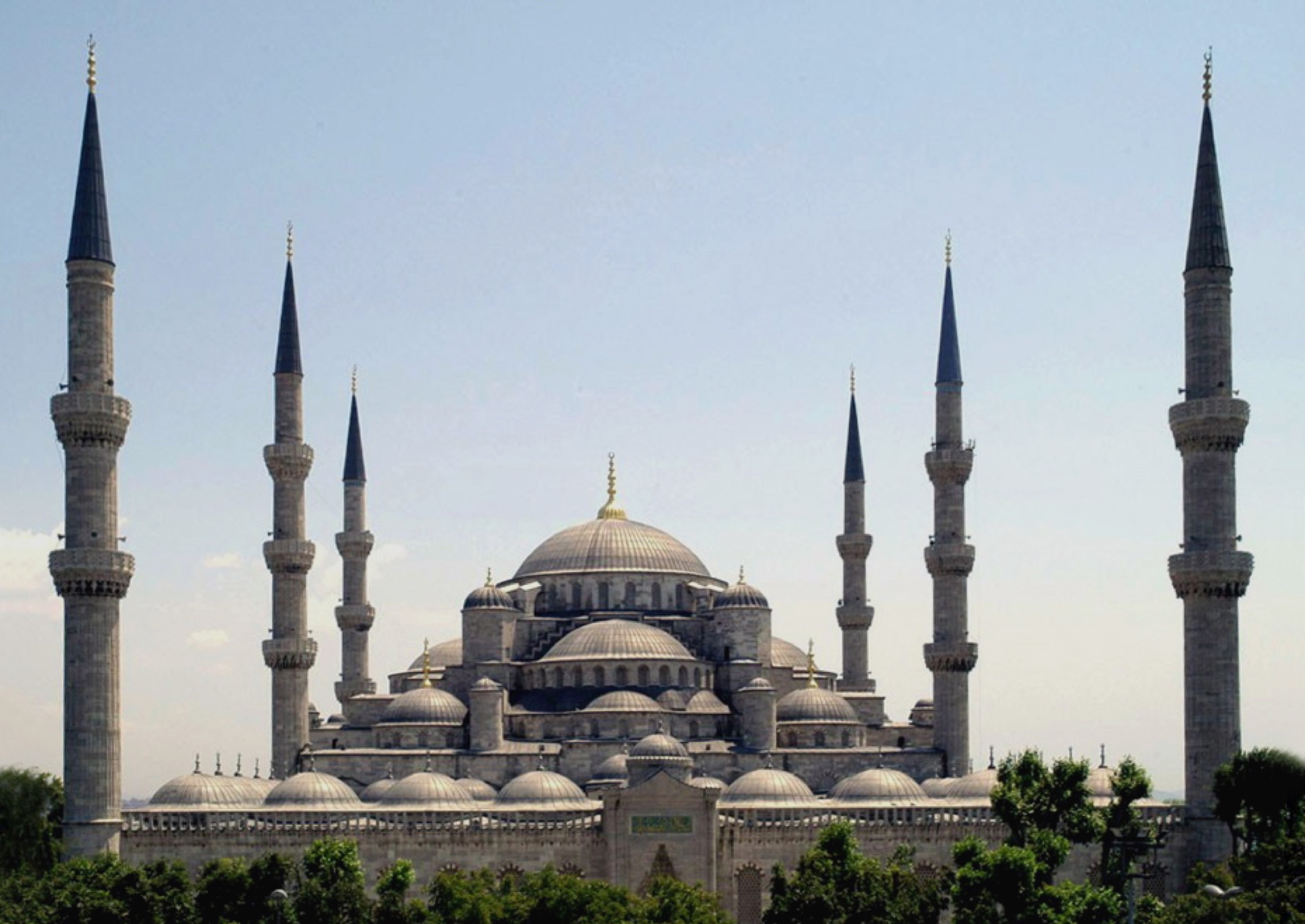
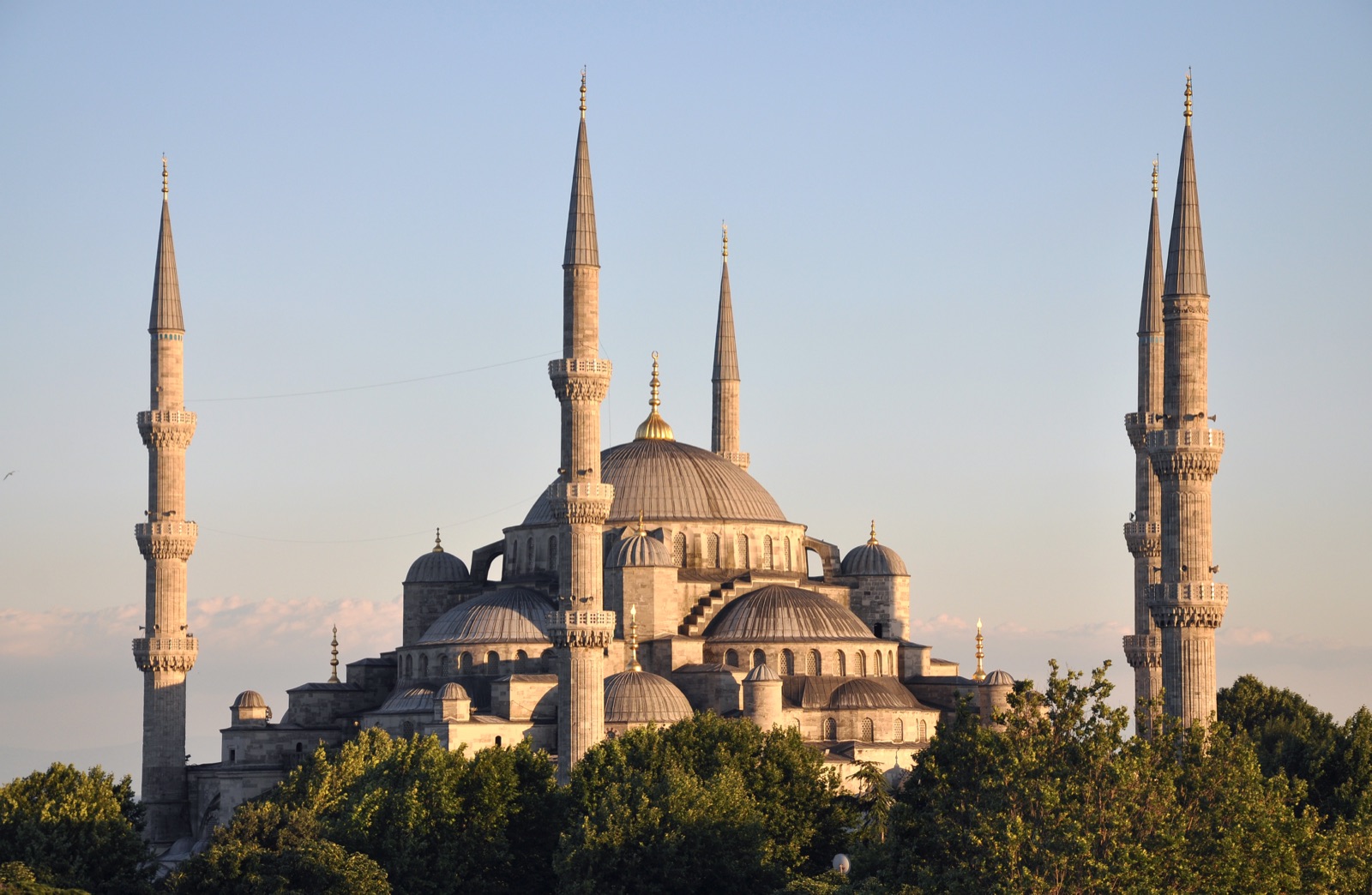
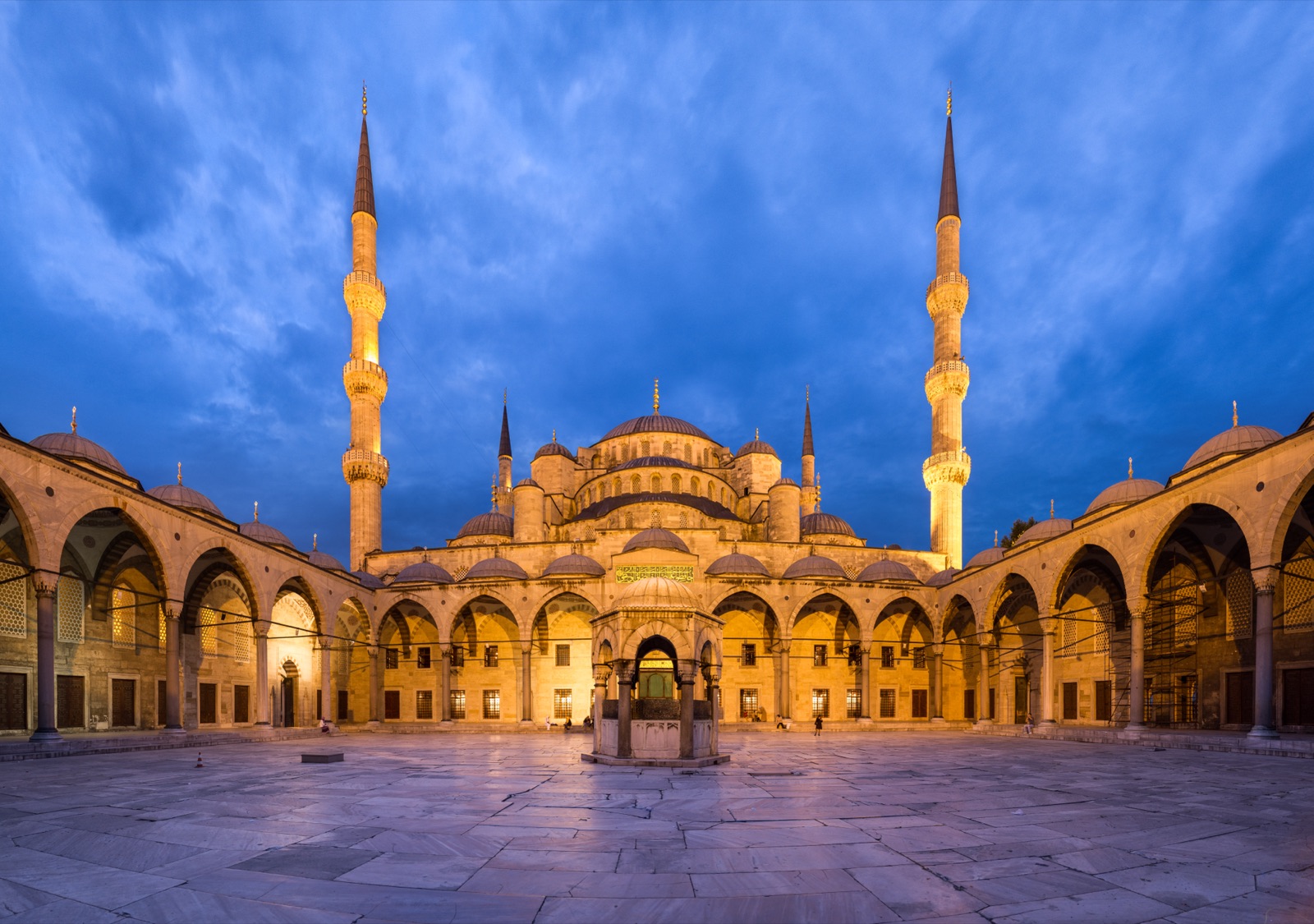
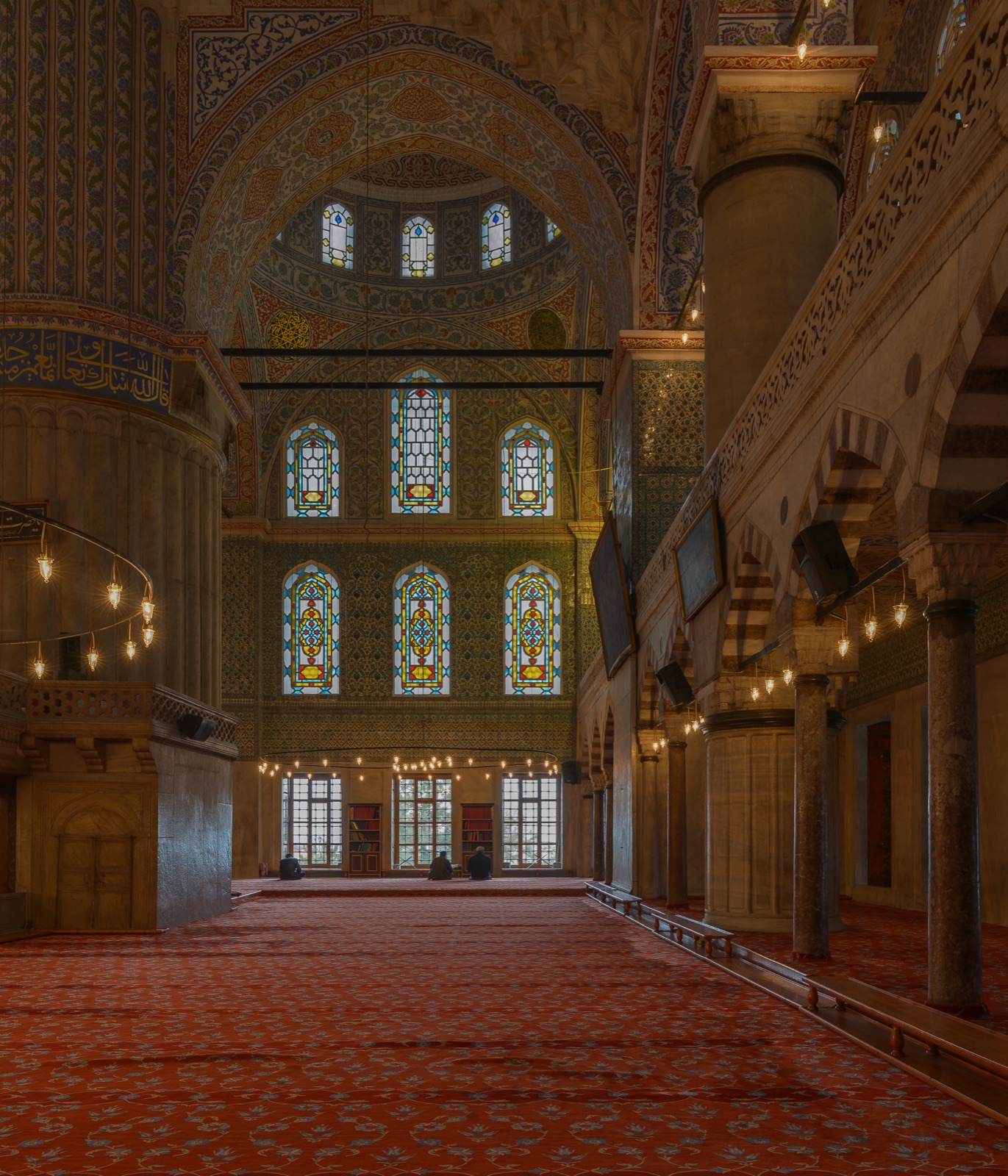
Murad was buried in the mausoleum of Ahmed I. He thus lies in a room with other members of a dynasty whose family relationships were shaped by love, protection, and deadly rivalry all at once.
A mausoleum can look peaceful even though the life stories inside it were anything but.
"Murad even banned laughing in coffeehouses." Such extreme phrasing belongs more to later legend-building. Strict bans on coffeehouses, tobacco and alcohol, however, are historically documented.
"Fratricide ended immediately with Ahmed I." False. Murad himself had brothers killed.
Murad IV and control over Istanbul
Murad's measures weren't aimed only at individual indulgences. He wanted to make the capital more controllable. Coffeehouses were meeting points where news, satire and criticism circulated. Taverns could be sites of military unrest. Tobacco was also seen as a health and fire risk.
Especially after major fires, the government tightened its bans. In a city of countless wooden houses, a carelessly discarded ember could genuinely trigger disaster.
Political control and practical city order therefore blended into one another.
Why Murad himself became a legend
A ruler who was young, physically powerful and brutal offered perfect conditions for legend. Evliya Çelebi and other storytellers report extraordinary strength, enormous weapons, and personal patrols through the city.
Several weapons displayed at Topkapı are associated with Murad and reinforce this image.
Even so, not every measurement and weight from later stories should be taken uncritically. The historical figure and the heroic legend already blended together in his own lifetime.
Baghdad and the religious significance of the campaign
Baghdad wasn't only strategically important. The city held enormous significance for Islamic history and housed important shrines. Ottoman-Safavid rivalry also had a strong sectarian dimension.
Murad's recapture in 1638 was therefore staged as a great political and religious success.
The campaign considerably strengthened his authority after years of internal unrest.
The last brothers and the danger to the dynasty
Murad's executions of his brothers show how dangerous the old logic of succession remained. Every male dynast could, in theory, become the center of a rival faction.
When Murad died, İbrahim was the only surviving brother. Had he not survived either, the dynasty's direct male line would have fallen into an extreme succession crisis.
Fratricide was meant to prevent civil war, but it could, paradoxically, push the dynasty itself to the brink of extinction.
Alcohol and the irony of his biography
That Murad is said to have consumed alcohol himself despite official prohibitions is often pointed out. Contemporary sources hint at heavy consumption, and his cause of death is often linked to liver disease.
Even so, caution is needed, since political opponents love to dramatize hypocrisy.
The irony remains historically remarkable, though: a sultan who rigorously fought taverns and alcohol consumption may himself have died from the consequences of his own drinking.
What his grave tells us about the dynasty
Murad lies beside Ahmed I and other family members. Among them are people directly affected by his decisions.
That's often the case with Ottoman mausoleums: perpetrators and victims, mothers and sons, rivals and siblings, later resting in the same dynastic space.
Perhaps that's exactly why these graves feel so calm and, at the same time, so heavy, once you know their stories.
Murad's style of rule in the context of his time
Murad's brutality shouldn't be excused simply because his era was difficult. At the same time, the political situation explains why control became such a central theme for him. In Istanbul, military factions rebelled, the provinces were restless, and the Safavids had conquered important territories. During his childhood years, the state looked anything but stable.
When Murad took power himself, he responded not with cautious reform, but with drastic discipline. That was effective in the sense that open disorder was pushed back. The price, though, was high: fear became a deliberate instrument of government.
Why his memory still polarizes today
Some accounts celebrate Murad as a strong ruler who restored order. Others see mainly executions and repression. Both rest on real elements of his rule.
That's exactly why he shouldn't be told as a one-dimensional figure. His military successes are part of the story, just as much as the violence he used to enforce authority.
A mature telling of history holds both contradictions at once, without explaining them away.
My take on this place
Murad is, for me, a good example of why I don't want to sort history into "hero" or "monster." As a child he was trapped in a completely unstable system, later became extremely violent himself, and at the same time achieved military successes that shaped the empire for the long term.
That doesn't explain away his brutality. But it shows how an eleven-year-old boy became a ruler an entire capital eventually feared. And then, at 27, he lies in a grave.
– Amra