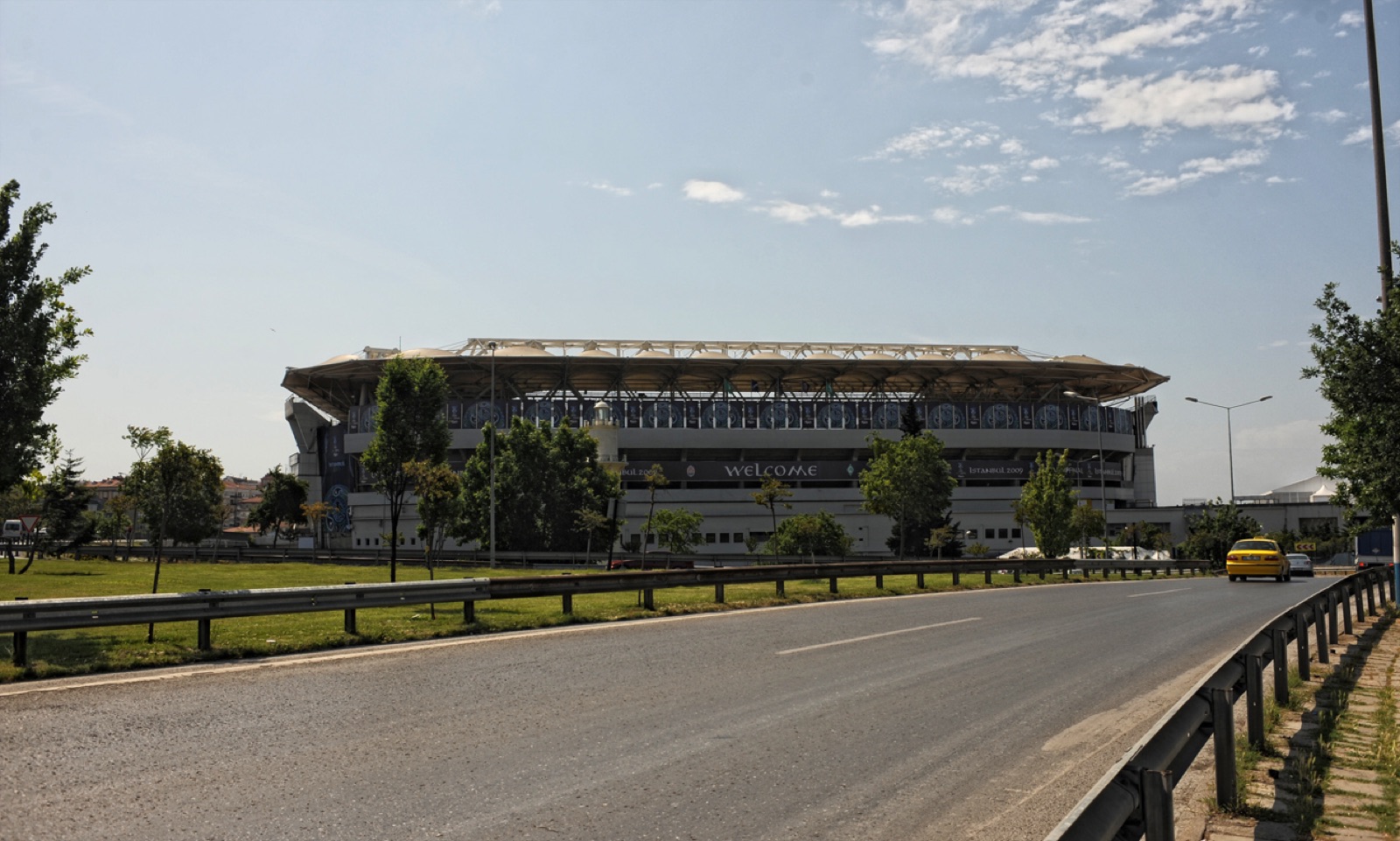
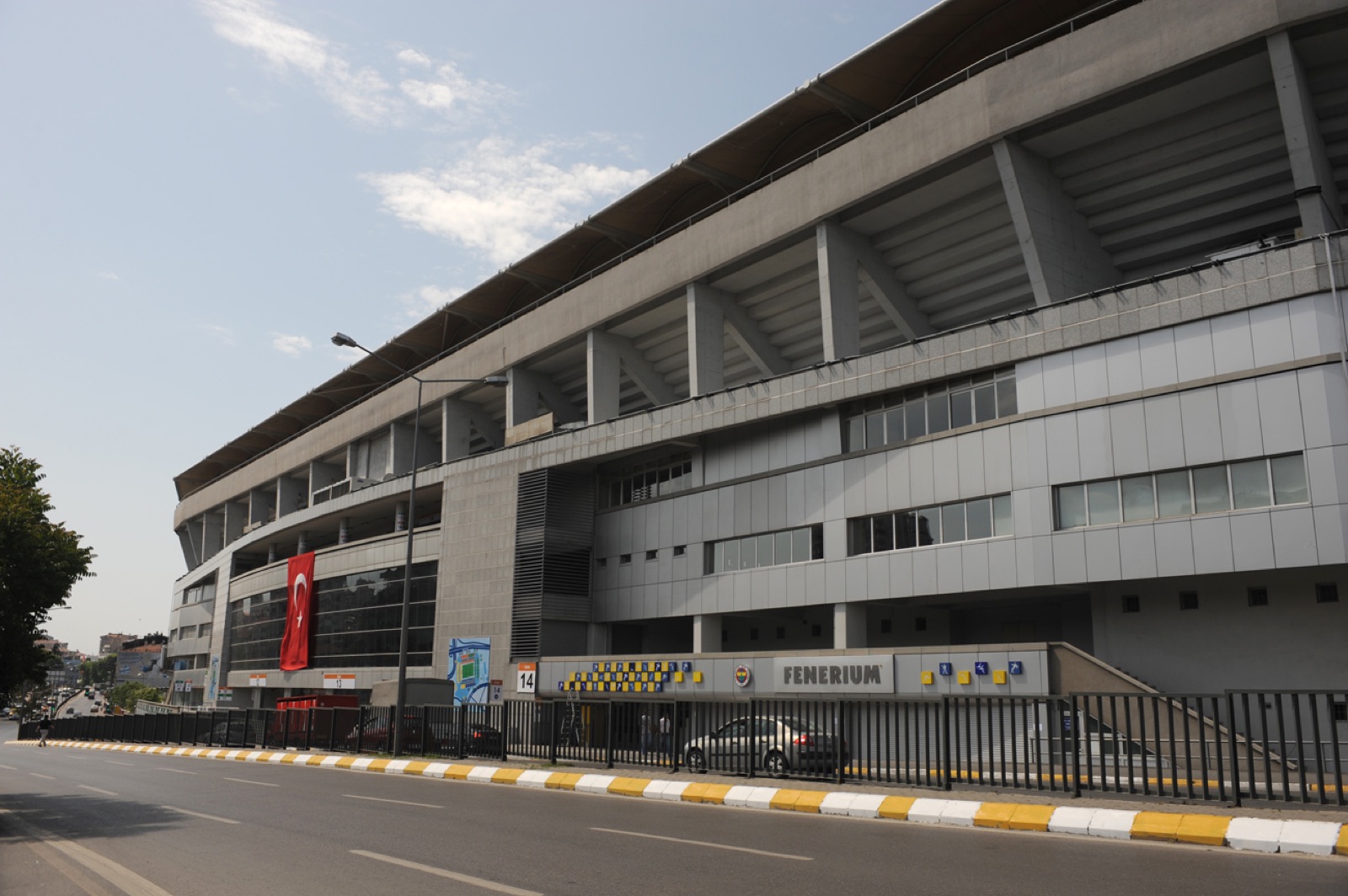
The Fenerbahçe stadium doesn't sit somewhere on the city's edge, but right in the middle of densely lively Kadıköy. That's exactly what shapes its atmosphere. Long before kick-off, fans already fill the streets, cafés, and squares, and the walk to the stadium is part of the experience. Today's building carries the name Şükrü Saracoğlu, a former prime minister and long-serving Fenerbahçe official. The stadium itself has been rebuilt and modernised several times; it's no monument built once and left alone, but a sporting venue that has kept changing over the decades.
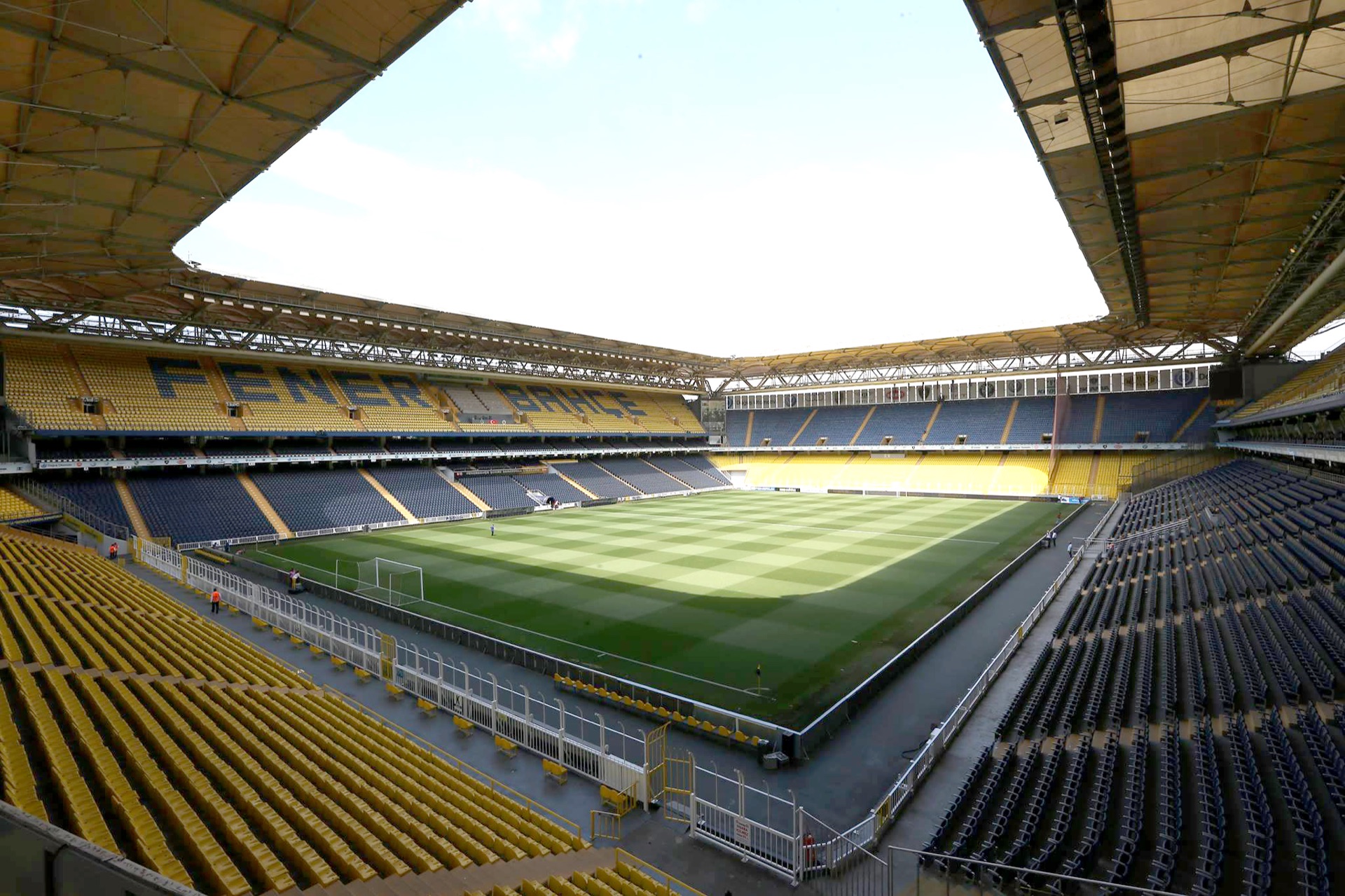
The Fenerbahçe stadium doesn't sit somewhere on the city's edge, but right in the middle of densely lively Kadıköy. That's exactly what shapes its atmosphere.
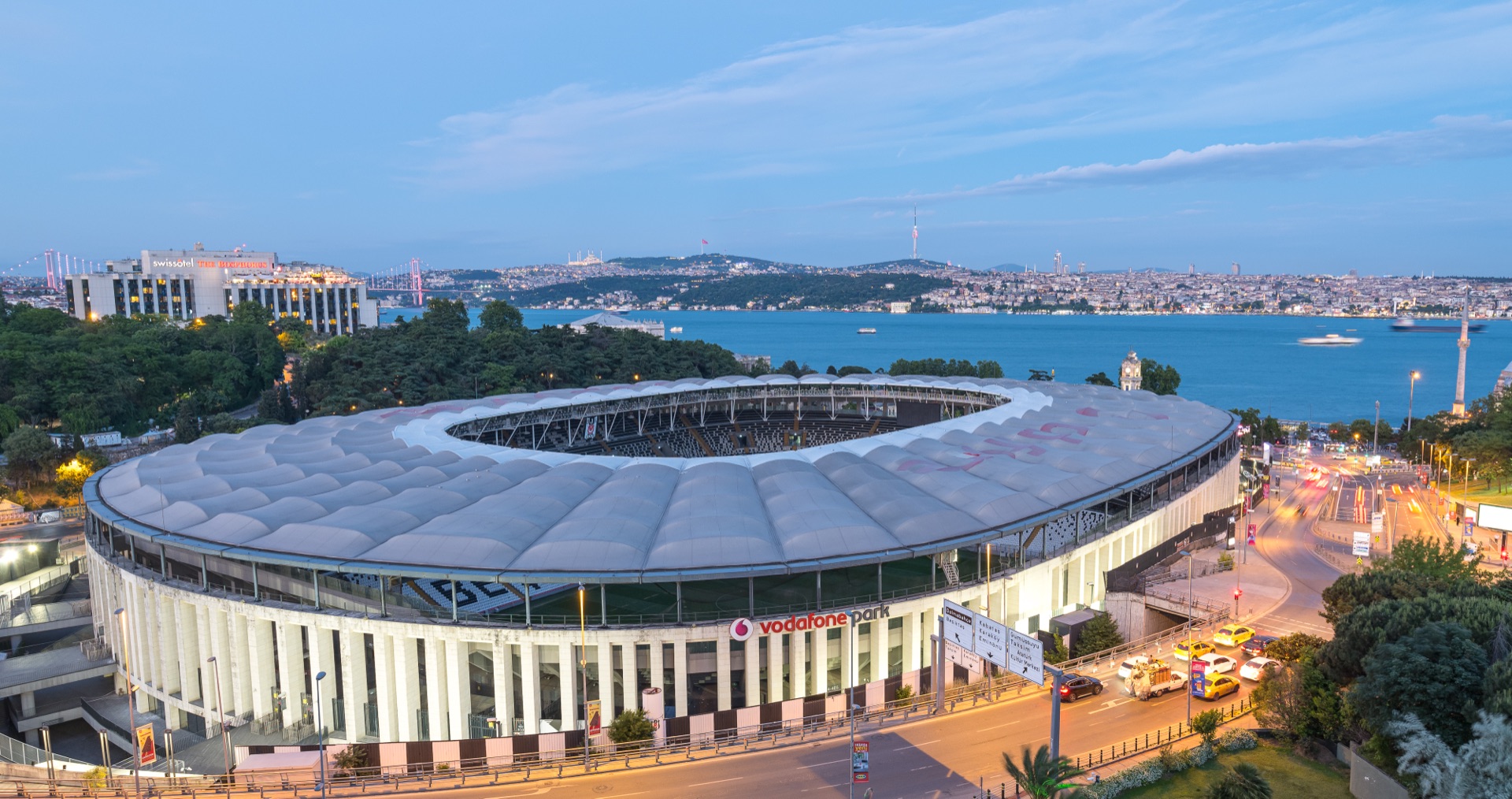
Fenerbahçe is one of Turkey's great traditional clubs, and its home ground is closely tied to the identity of Asian Istanbul. That makes the place interesting even for non-football fans. While Beşiktaş has its stadium right on the Bosphorus, and Galatasaray today plays much further north, Fenerbahçe remains very much embedded in Kadıköy's everyday urban life.
- Fenerbahçe was founded in 1907.
- The club developed into one of Turkey's most successful and popular teams.
- The stadium sits in the heart of Kadıköy, on the Asian side.
- It carries the name Şükrü Saracoğlu, a former Turkish prime minister and Fenerbahçe president.
- The complex has been rebuilt and modernised several times over the decades.
- The atmosphere during derbies against Galatasaray and Beşiktaş is among the most intense in Turkish football.
- Today, the stadium is a modern professional football venue, but its emotional significance is closely tied to the long use of the same site.
How Fenerbahçe Became a Great Istanbul Club
Fenerbahçe was founded in 1907 in Kadıköy. Football was already popular in the late Ottoman Empire, but was strongly shaped by British and other foreign communities. Turkish-Muslim clubs only developed gradually, under difficult political conditions.
Fenerbahçe quickly became more than a local club. It won championships, drew a large following, and, together with Galatasaray and Beşiktaş, became one of the so-called "big three" of Turkish football.
In the republican era, the club kept growing, becoming an institution with several sporting departments. Basketball, volleyball, and other disciplines remain part of the club's identity today.
Why the Stadium's Location Matters So Much
The stadium sits not far from Kadıköy's historic centre and major transport routes. Fans arrive by metro, Marmaray, ferry, bus, and on foot. A match day thereby automatically becomes an urban event.
That sets this place apart from modern arenas built far outside city centres. In Kadıköy, the stadium and the district merge far more closely. Restaurants, bars, shops, and streets all come alive with it on match days.
For a club's identity, that matters enormously. A stadium can be replaced; a site that generations have tied their memories to is far harder to replace.
Who Was Şükrü Saracoğlu?
Şükrü Saracoğlu was a lawyer, politician, and prime minister of Turkey from 1942 to 1946. At the same time, he was closely tied to Fenerbahçe and served as club president for many years.
Under his leadership, the club acquired the stadium's land, which proved decisive for its long-term development. That's why the complex has carried his name since later phases of reconstruction.
His political biography is complex and belongs within a historical context. Saracoğlu was part of the single-party era of the early Republic. Viewing him only as a "club president" would therefore leave out an important part of his public role.
Reconstructions and the Modern Arena
Today's stadium building is the result of several major modernisation phases. Especially in the late 1990s and early 2000s, its stands were renewed one after another.
That let Fenerbahçe stay at its traditional site while still creating a modern arena with considerably greater comfort, safety standards, and commercial areas.
Its development was practically a case of building while remaining in operation. Instead of closing everything completely and starting from scratch, individual stand sections were replaced one by one.
Derby Culture in Istanbul
Matches between Fenerbahçe and Galatasaray are among the most emotional derbies in Europe. Their rivalry reaches far beyond league standings. It ties together club history, urban geography, family identities, and decades of sporting memory.
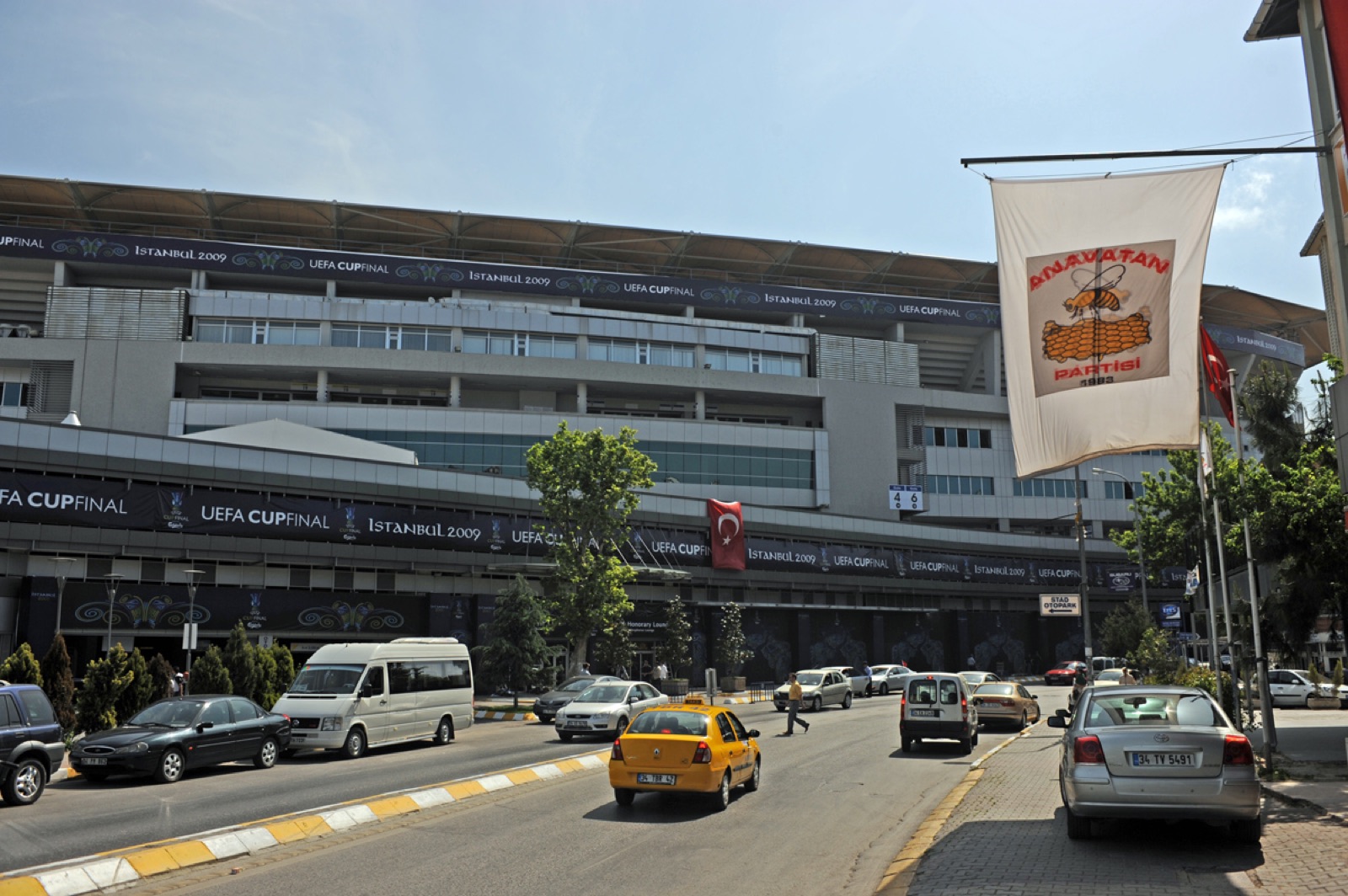
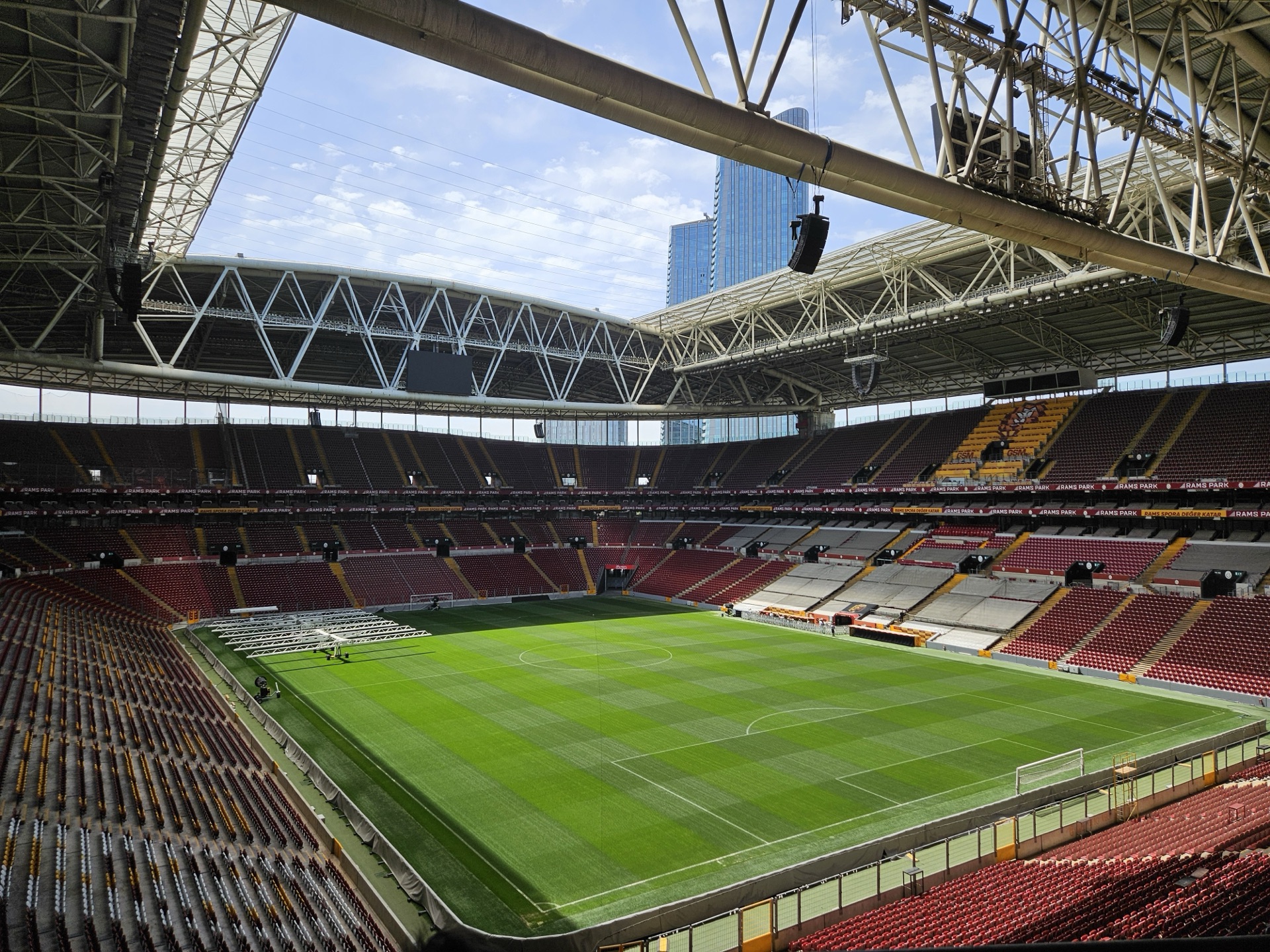
Despite the often-repeated simple formula "Fenerbahçe = Asia, Galatasaray = Europe," fan bases are naturally spread across the whole city and the entire country. Still, this geographic symbolism plays a role, because Fenerbahçe is so strongly tied to Kadıköy.
Derbies, though, can show problematic sides too. Police operations, riots, and fierce rivalry are also part of their history. Passion is no free pass for violence.
Kadıköy as Home Advantage
Fenerbahçe's stadium doesn't sit in the district of Fener, even though foreign visitors sometimes assume so because of the club's name. The club arose on the Asian side, in Kadıköy, and carries the name of the local neighbourhood of Fenerbahçe. The stadium sits within this broader urban context, and has been closely tied to Kadıköy for generations.
The site was already used for football early in the 20th century, and was rebuilt again and again over the decades. What was once a comparatively simple pitch developed into a large modern arena. It's precisely this continuity that sets Fenerbahçe apart from clubs that had to leave their historic stadium entirely. Its stands changed, capacities were reorganised, names changed — but the club stayed within its home part of the city.
That shapes fan culture. On match days, the experience begins long before the entrance. Ferries from the European side bring fans to Kadıköy, streets fill up, restaurants and meeting points become part of the ritual. Its geographic location on the Asian side further reinforces this identity: for many fans, Fenerbahçe isn't just a club from Istanbul, but explicitly a club from Kadıköy.
The name Şükrü Saracoğlu recalls a former Turkish prime minister and long-serving club president. Modern sponsor names have altered the stadium's official title at times, but many people still use the familiar name. Here too, you see how football venues work: the formal name can change, while the fans' emotional map reacts far more slowly.
Fenerbahçe fans like to say Kadıköy is especially difficult for opponents. Long unbeaten home runs in certain derbies have reinforced this myth.
The effect of a loud, tight stadium is real. Whether a place is truly "unconquerable," though, still always comes down to football in the end.
Fenerbahçe and the Occupation Years of Istanbul
Within the club's history, the years after the First World War hold a special place. While Istanbul was occupied by Allied troops, Fenerbahçe played numerous matches against teams from foreign military units. Its victories later became an important part of the club's patriotic identity, tied to the national resistance.
As with many football memories, sporting history and later symbolic charge blend together. Not every single match was a political act, but for spectators, matches against occupying soldiers could genuinely take on a meaning beyond the result. That's why this phase remains part of the club's self-image to this day.
An especially important part of Fenerbahçe's memory concerns the years after the First World War. Istanbul stood under Allied occupation, and football matches against teams linked to the occupying forces gained an extra symbolic weight. Turkish spectators celebrated victories not just as sport, but read them as small acts of national self-assertion.
This phase was later heavily heroicised, as often happens with club histories. Still, its political background is real: sport in an occupied capital was never fully separate from the mood of the time. As a result, Fenerbahçe could develop an identity early on that reached beyond the pitch.
This memory is still cultivated within the club today, and explains why historic matches sometimes gain almost the same standing as political events. You don't have to uncritically adopt the national symbolism to understand why it became important to fans.
The Stadium as Part of a Whole Sports Club
Fenerbahçe isn't a pure football club. Basketball, volleyball, athletics, rowing, and further sports are part of the club's history. The stadium therefore stands for only one part of a much larger institution.
In Turkey especially, the great clubs hold a social role that's hard to compare to small European football clubs. People identify with colours and crests across whole families, follow several sports, and understand the club as part of their own biography.
That also explains its economic dimension. Today, a stadium isn't just a venue, but a source of revenue through boxes, hospitality, sponsorship, a museum, a fan shop, and events. Modern reconstructions therefore have to achieve far more than a stand with as many seats as possible.
Why Kadıköy Functions Differently on Match Days
Hours before big matches, the surroundings already change. Streets fill up, chants begin far outside the stadium, and transport gets busier. For residents, that can be exhausting; for fans, this very walk is part of the ritual.
Home advantage, then, doesn't only start at kick-off. Anyone arriving in Kadıköy as an away fan or player already senses, within the district, whose day it is. That's a social effect an isolated stadium beside a motorway can hardly produce.
International Matches and the European Stage
As with Galatasaray, European nights matter especially to Fenerbahçe too. International opponents bring a different atmosphere, because the club competes not just against one team, but, in a sense, on behalf of Turkish football as a whole. Successes are therefore often noticed far beyond the club's own fan base.
Reaching the semi-final of the 2013 UEFA Europa League, in particular, is among the club's most important modern European achievements. Nights like that reinforce the myth of Kadıköy, because a stadium doesn't gain its international fame through architecture, but through matches.
Stadium Names and Sponsorship
In everyday speech, many still call it the Şükrü Saracoğlu Stadium, even though sponsor names and official titles can change. That's normal for modern arenas. Companies pay for naming rights; fans keep their own terms.
This parallel existence shows that a stadium is, at once, an economic product and an emotional site of memory. A contract may carry a new name; family conversation often keeps the old one.
A Club in Kadıköy's Everyday Life
Even outside match days, Fenerbahçe is visible throughout the district. Fan shops, club colours, graffiti, and conversations in cafés make the club part of local identity. The stadium thereby functions almost as an urban landmark.
Anyone who takes the ferry, walks through the market, and later heads toward the stadium notices that Kadıköy isn't lively only because of football. That's exactly why the club feels so organic there. It doesn't sit like a sealed-off event machine beside a motorway, but within a district that's full of life anyway.
This embeddedness has downsides — noise, traffic, and security zones — but it creates a closeness between the club and the city that gets lost at many new arenas.
"Fenerbahçe has played in exactly today's stadium since 1907." No. The site has a long football tradition, but the complex, its ownership, and its stadium structure changed several times.
"Kadıköy is unconquerable for opponents." Of course not. The phrase belongs to fan culture, not to a statistic valid for all time.
"Şükrü Saracoğlu was just a club official." False. He was, at the same time, a significant political figure and Turkish prime minister.
My Thought on This Place
I find stadiums in Istanbul fascinating above all because every club carries a completely different district along with it. With Fenerbahçe, Kadıköy is simply everywhere. You can eat there, shop, walk through the streets, and suddenly find yourself surrounded by yellow-and-blue flags.
And that fits exactly with my impression of Kadıköy in general: there's always energy there. The stadium just amplifies that feeling once more. Whether you love football or not — on derby day, you very quickly notice that this isn't "just a match" happening here.
– Amra