
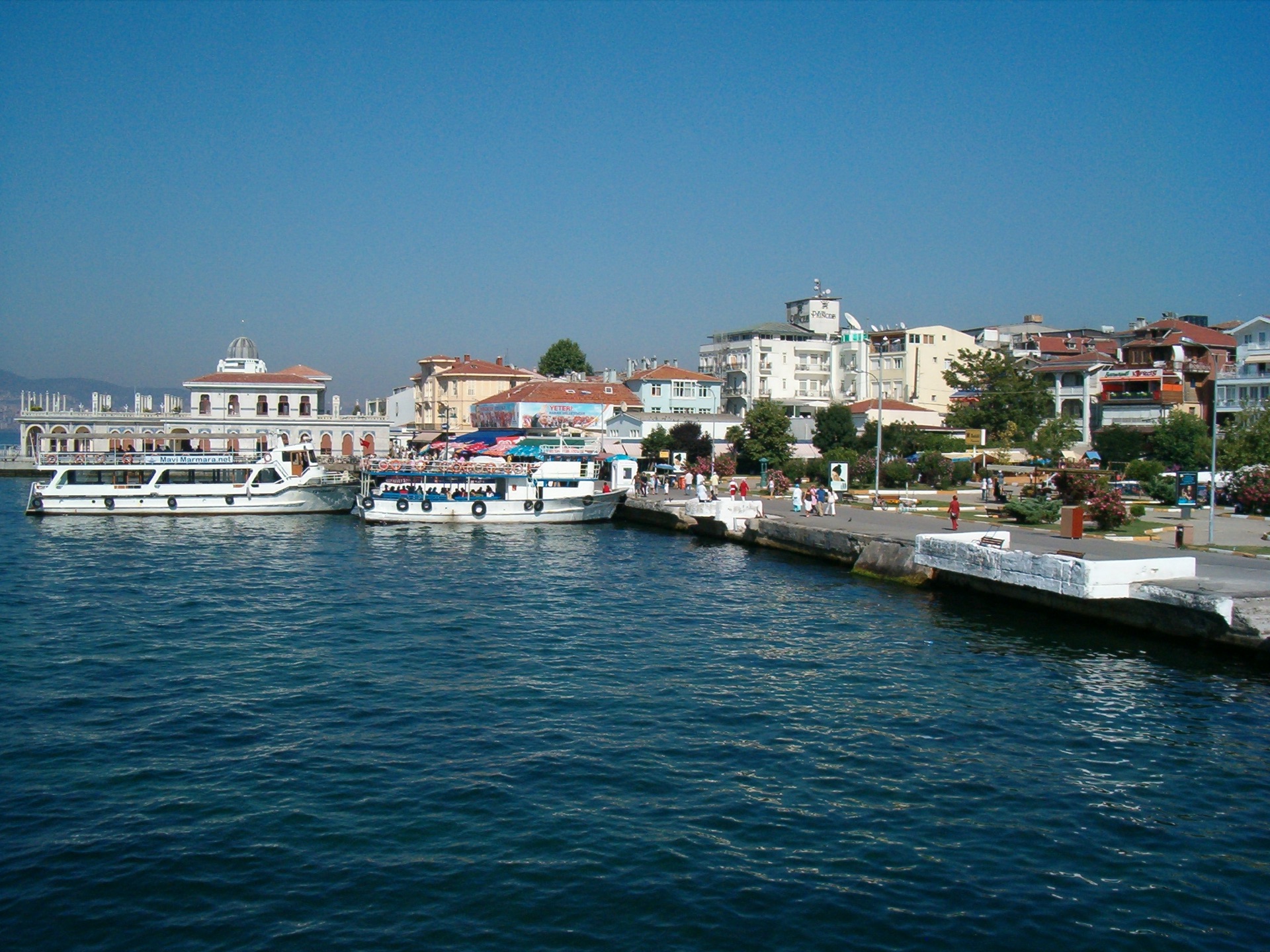
The Princes' Islands look small on the map. That's exactly why it's easy to make the mistake of planning too little time for them too. A bit of ferry, a quick stop, some food, back home — done. With Büyükada, that doesn't really work out. Even the journey there is part of the trip, and once on the island you quickly notice that "Büyük" isn't in the name by accident. It's the largest of the archipelago's nine islands, with enough streets, mansions, churches, viewpoints, restaurants and beaches to fill an entire day.
Advertising: If you book through our links, we may receive a commission – at no extra cost to you.
The Princes' Islands look small on the map. That's exactly why it's easy to plan too little time for them too. With Büyükada, that doesn't really work out.
The name "Princes' Islands" is historically anything but romantic. For centuries, Byzantine emperors used the islands as places of exile for princes, empresses, patriarchs and other politically dangerous people. Anyone who needed to be removed from court could be isolated here in a monastery. Later the islands became summer retreats for wealthy Greek, Armenian, Jewish and Muslim families. Today those exact layers meet each other: Byzantine exile, Ottoman-era mansion culture, a modern holiday island, and an Istanbul day trip.
- The archipelago consists of nine islands.
- The four best known, regularly inhabited and visited islands are Büyükada, Heybeliada, Burgazada and Kınalıada.
- Sedef Adası is smaller and partly private; the other small islands are only very limited or not regularly inhabited.
- The name "Princes' Islands" recalls Byzantine exiles of members of the ruling family and other political opponents.
- Büyükada is the largest island and needs considerably more time than many day visitors expect.
- Classic horse carriages were abolished after animal welfare problems; electric vehicles run today instead.
- In summer there are several beaches and bathing facilities.
- Depending on the line and stops, the ferry ride from central Istanbul areas can easily take well over an hour. If you want to make the most of the day, start in the morning.
- The ferry ride from central Istanbul areas can take well over an hour depending on the line and stops. If you want to use the day, you should start in the morning.
How many Princes' Islands are there?
The Adalar consist of nine islands in the Sea of Marmara southeast of central Istanbul: Büyükada, Heybeliada, Burgazada, Kınalıada, Sedef Adası, Yassıada, Sivriada, Kaşık Adası and Tavşan Adası.
Not all of them function like classic inhabited holiday islands. Büyükada, Heybeliada, Burgazada and Kınalıada have permanent settlements, ferry piers, shops and a clear everyday life. Sedef is smaller and more private in character. Yassıada was heavily rebuilt and redesigned as an island of democracy and freedom. Sivriada, Kaşık and Tavşan are much smaller and not comparable to a normal neighborhood.
So the claim that "all nine islands are normal, inhabited excursion islands" is false.
Which islands are inhabited today?
Büyükada is the center of the archipelago and has the largest population. Heybeliada is also heavily inhabited and known for the historic Orthodox theological seminary on its hill. Burgazada feels smaller and quieter, while Kınalıada is especially quick to reach because of its proximity to the city.
Sedef Adası has houses and seasonal use but is considerably smaller and partly privately organized. The remaining islands serve other functions or are largely uninhabited.
For a first visit, Büyükada therefore makes the most sense. Anyone who comes back afterward should definitely try the smaller islands too, since each has a different atmosphere.
Why are they called the Princes' Islands?
The name sounds romantic at first, but it has a fairly harsh historical background. In Byzantine times, members of the imperial family, throne rivals, deposed rulers and other high-ranking figures were repeatedly exiled to islands in the Sea of Marmara. Removing someone from court meant safety for whoever was currently ruling. A prince who could gather supporters in Constantinople was a danger; on an island, he was far easier to control. Some exiles were housed in monasteries, others blinded or forced into religious life.
Even after the end of the Byzantine Empire, the island group remained a special retreat and residential area. In the 19th century it increasingly became a summer destination for wealthy Istanbulites, especially Greek, Armenian, Jewish and Levantine families. The large wooden mansions, gardens and churches that shape the image of Büyükada and the other islands today largely belong to this later era. So the name recalls exile, while the architecture mostly tells a story of vacation, wealth and cosmopolitan life.
The island group consists of nine main islands or islets. Permanently inhabited and especially relevant for visitors are Büyükada, Heybeliada, Burgazada and Kınalıada. Sedef Adası is smaller and partly private or seasonally used; other islands such as Yassıada, Sivriada, Kaşık Adası and Tavşan Adası serve entirely different functions or aren't developed as normal residential islands. So when people talk about "the Princes' Islands" in everyday tourist speech, they usually mean the four large inhabited islands.
Büyükada is, as the name suggests, the largest. And it's bigger than you might imagine from "small island off Istanbul." Anyone who only gets off at the ferry pier, eats at the first restaurant and heads straight back sees only a very small slice of it. Streets climb into the island's interior, historic mansions stand among trees, monasteries and viewpoints lie considerably further up, and in summer beach areas add to the mix. That's exactly why an early start pays off.
Depending on departure point, connection and stops along the way, the journey can easily take well over an hour; with detours or slower connections, the trip quickly feels like half a morning. My rule of thumb, then: better to leave in the morning rather than deciding after lunch whether to still "quickly pop over to the island." Above all, keep the return trip in mind beforehand. Ferries do run regularly, but schedules change seasonally and not every connection runs late into the night.
In the Byzantine Empire, islands were ideal places of exile. They were close enough to Constantinople to remain controllable, and far enough away to remove a politically dangerous person from the center of power.
Princes, empresses, former emperors, patriarchs and high officials were held here in monasteries. Some had to enter monastic life, others were blinded or otherwise rendered politically harmless before being exiled.
So today's romantic-sounding name has a fairly dark background. For many people, a trip to these islands meant not a vacation, but the end of their political career — sometimes of their free life altogether.
Büyükada: the largest island
Büyükada simply means Big Island. And yes: if you step off the ferry thinking you'll have seen everything in twenty minutes on foot, you'll quickly realize the name is meant quite literally.
Around the ferry pier lie restaurants, cafés and shops. Behind them, streets lined with historic wooden mansions climb up the hillside. Further up it gets greener, and paths lead to viewpoints and religious sites.
The island is large enough that it's worth thinking beforehand about what you actually want to see. Simply wandering off aimlessly is lovely — but it can mean that by the afternoon you discover your actual destination is still quite far away.
Wooden mansions and summer society
The large wooden houses are among the strongest images of the Princes' Islands. Many were built in the late 19th and early 20th centuries, when wealthy families used the islands as summer residences. Wood allowed for elegant bay windows, verandas and decorative façades, but was also a serious fire risk and needed constant upkeep. That's why not every mansion is in good condition today. Some are lovingly restored, others feel almost like the backdrop of a bygone society.
It's precisely these houses that tell of an Istanbul that was more religiously and linguistically diverse than today's assumptions often suggest. Greek, Armenian, Jewish and Muslim families spent their summers on the islands, while churches, synagogues, mosques and monasteries existed side by side. The islands were no conflict-free utopia, but they show very clearly how cosmopolitan the city's society once was.
That's also why it's worth not just looking for beach and restaurant on Büyükada. A walk through the residential streets is almost an open-air museum of late Ottoman and early republican summer architecture. And that's exactly where you notice the island is not "small" in the sense of being done in twenty minutes.
In the 19th and early 20th centuries, the islands became popular summer destinations for wealthy Istanbul families. Greeks, Armenians, Jews and Muslims had mansions built and spent the hot months away from the dense city.
Many of the famous wooden houses date from this era. Some are beautifully restored, others are visibly decaying. This mix is part of the charm, but it also points to a heritage-preservation problem. Large wooden buildings are expensive to maintain and extremely fire-prone.
The mansions tell of a cosmopolitan Istanbul society that was profoundly changed in the 20th century by political crises, displacement and emigration.
The Princes' Islands are a classic day trip. If you would rather not explore them on your own, here is a guided tour.
The Greek Orphanage
On Büyükada stands one of the largest historic wooden buildings in Europe: the Prinkipo Greek Orthodox Orphanage. Originally planned as a luxury hotel in the late 19th century, it was never operated in that form. Instead, from the early 20th century it served as a Greek Orthodox orphanage.
The enormous building has stood largely empty and decaying for decades. Its sheer scale makes its condition spectacular and sad at once.
It is not an "abandoned ghost hotel," as some social media posts claim. Its actual history as an orphanage is more interesting and socially significant than any invented horror story.
Aya Yorgi and the walk to the top
On Büyükada's highest, or one of its highest, points lies the Aya Yorgi monastery. On certain Orthodox feast days especially, thousands of people make the pilgrimage up.
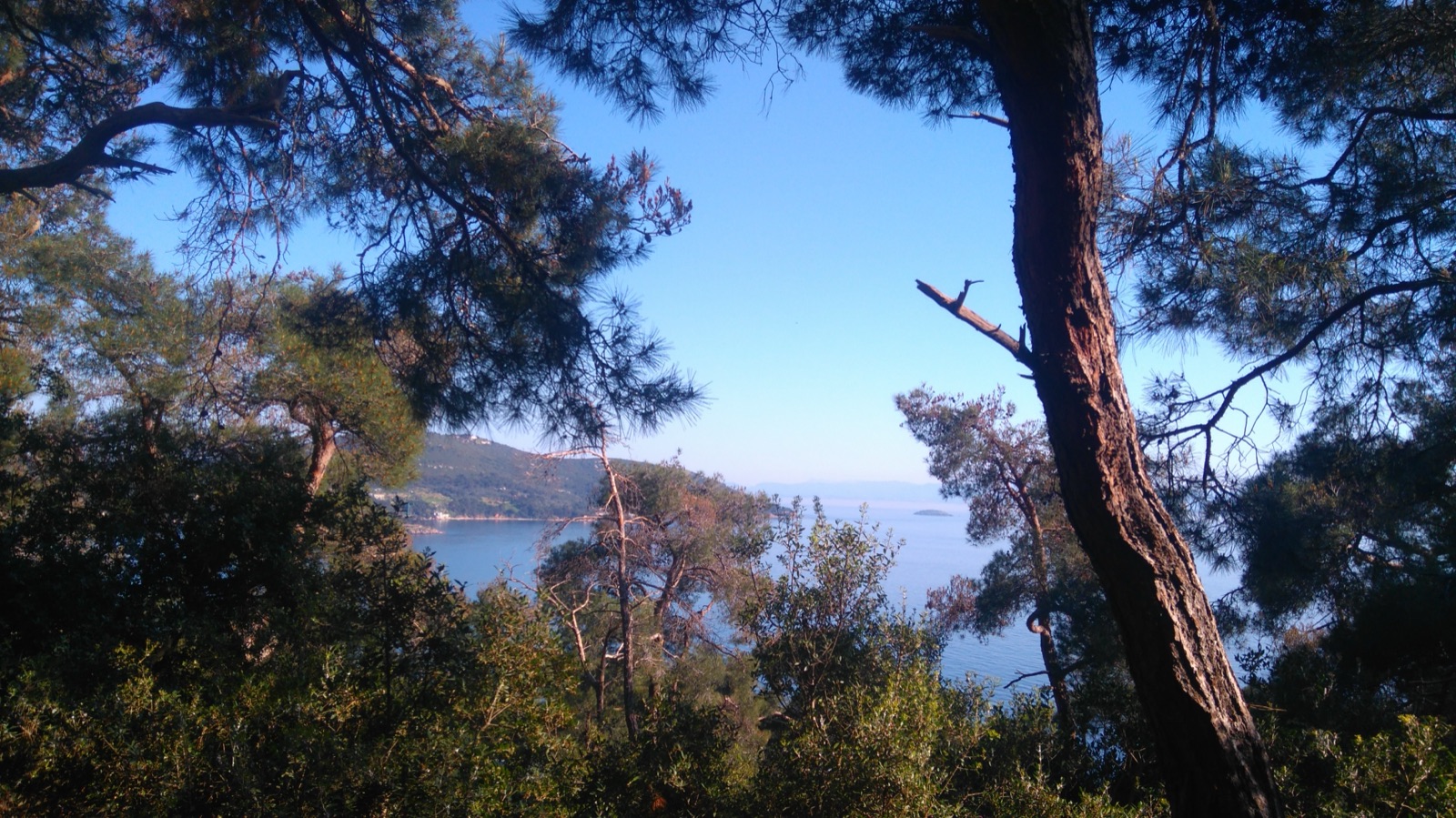
The final climb is steep. If you're going in the height of summer, bring water and don't underestimate the path. At the top you're rewarded with a wide view over the Sea of Marmara and the islands.
The pilgrimage is also remarkable because it's not only Orthodox Christians who take part. People of different religious backgrounds associate wishes and hopes with the place. It's another example of the religious overlaps that keep showing up again and again in Istanbul.
Carriages, horses and the new mobility
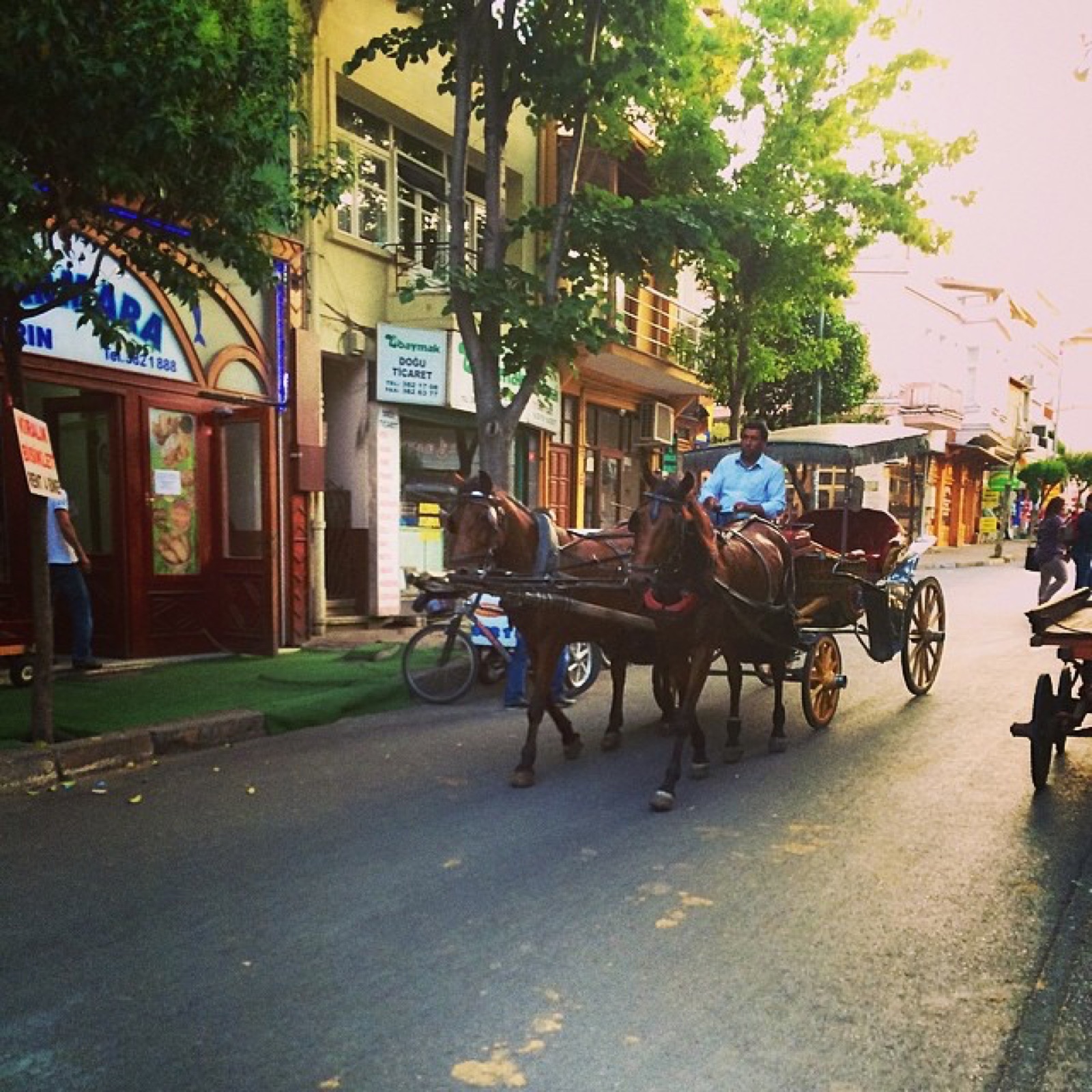
Büyükada was long known for its horse-drawn carriages. Cars were heavily restricted, and the faytons were part of the island's classic image.
Behind that romantic backdrop, though, lay serious animal welfare problems. Illness, poor keeping conditions and the deaths of numerous horses led to growing criticism. Eventually the carriages were abolished.
Today electric public vehicles run instead. Some visitors miss the old image, but for the animals the change was an important step.
Beaches and swimming
In summer you can swim on several of the Princes' Islands. Büyükada has various beach clubs and smaller bathing areas. Quality and prices differ, so it's worth researching beforehand.
Anyone who comes purely for historic sights easily underestimates that, for Istanbulites, the islands have also been classic summer and swimming spots for generations.
Eating: don't just walk into the first restaurant
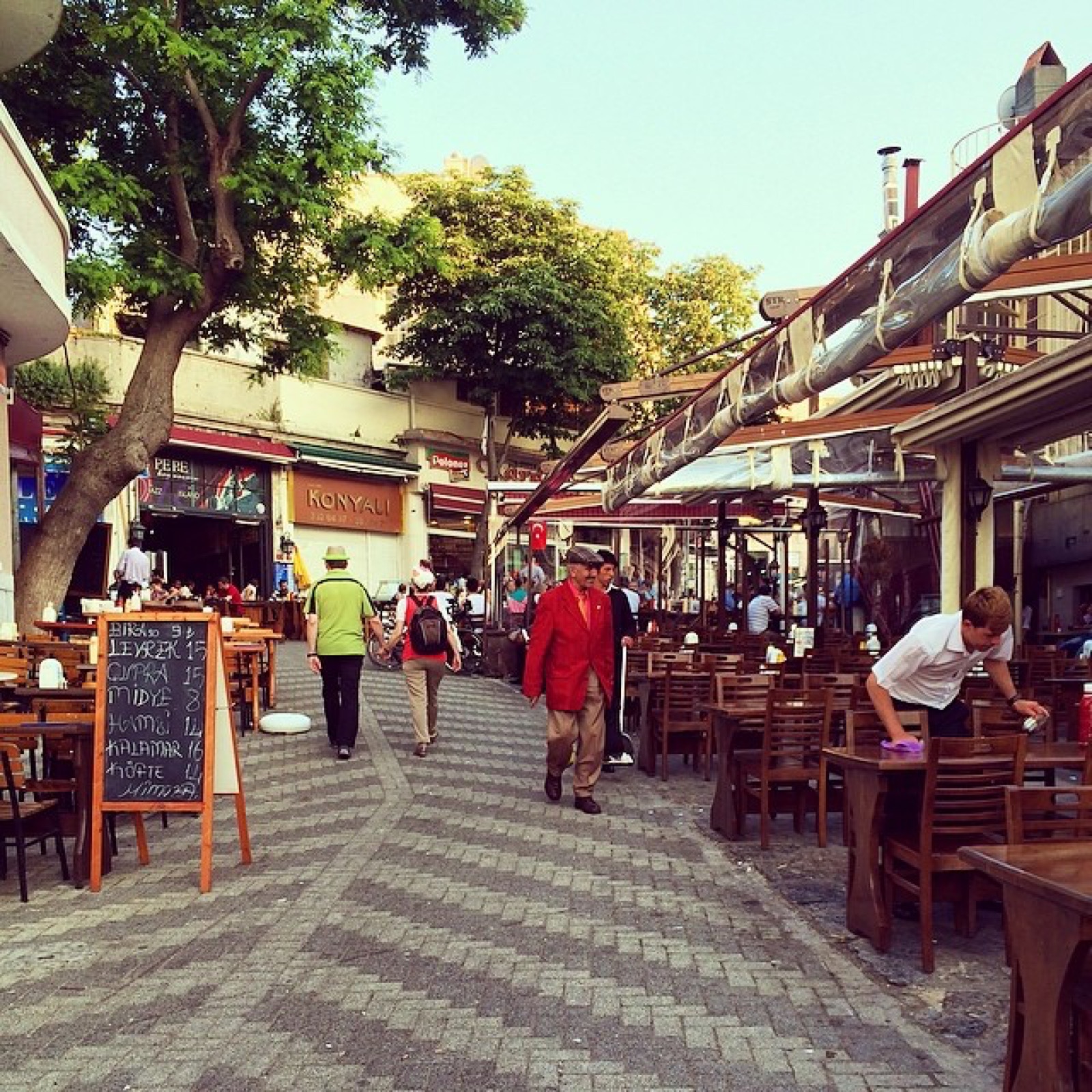
Right by the ferry pier, a large selection of restaurants awaits. The waterside location is beautiful, but of course you partly pay for that location too.
I wouldn't automatically walk into the first restaurant just because you're hungry stepping off the ferry. It's worth a quick check of reviews and current prices. The differences aren't always huge, but a little further inland you'll often find equally good places, sometimes at nicer prices.
Especially with fish, it's worth clarifying beforehand how it's priced and what the dish you want actually costs. That saves arguments later.
How much time do you really need?
Depending on departure point, ferry type and stops, the journey can easily take well over an hour. Slower lines with several island stops naturally take longer. With the round trip included, a substantial chunk of the day is gone quickly.
So my advice: leave in the morning, sooner rather than later. Anyone who only sets off in the afternoon ends up seeing more ferry than island.
And very importantly: keep an eye on return times. Especially outside peak season or in the evening, not every line runs as frequently as you might be used to from the city center.
Heybeliada, Burgazada and Kınalıada: why each island feels different
Anyone who thinks visiting Büyükada means they've "done the Princes' Islands" is missing a lot. Heybeliada is greener and quieter, and with its Orthodox theological seminary on the hill it holds one of the most important educational institutions in Istanbul's Greek Orthodox history. The seminary was closed in 1971; its possible reopening has been a religious-political topic for decades.
Burgazada is smaller and associated with the writer Sait Faik Abasıyanık, whose former house is now a museum. In many places the island feels less monumental than Büyükada, and precisely because of that, more relaxed.
Kınalıada is closest to the city and has less forest but denser summer housing. It too was historically a place of exile; particularly well known is the Byzantine emperor Romanos IV Diogenes, who was blinded and exiled to an island after his defeat at Manzikert and the power struggles that followed.
These differences are why I wouldn't just file the islands under "one day trip." Each has its own story and its own pace.
Religious diversity on the islands
For a long time, the islands' summer society was religiously mixed. Orthodox churches, Armenian churches, synagogues and mosques belonged to different communities. Especially in the late Ottoman Empire and early 20th century, the islands were a popular retreat for wealthy minority families from Istanbul.
This diversity is still visible today in buildings and cemeteries. At the same time, the demographic reality is different from a hundred years ago. Many Greek and Jewish families left the city during the 20th century. The architecture partly remained behind while the original communities grew smaller.
A walk around the island is therefore also a walk through the history of cosmopolitan Istanbul — just without the traffic noise of the city center.
Why you should really take the schedule seriously
Ferries to the islands are public transport, but they don't run like a metro that comes every few minutes. Lines differ by operator, season, day of the week and island. Some connections run direct, others stop at several islands in sequence.
That can be lovely if you have time. If you have a fixed appointment in Istanbul in the evening, that same leisurely route can suddenly turn stressful. So the schedule isn't some minor organizational detail — it's part of planning your day.
Weather can play a role too. Strong wind and swell affect ferry service far more than a tram. If you're traveling in winter, also expect things to be quieter overall, with some seasonal restaurants closed.
"The Princes' Islands are named that because Ottoman princes vacationed there." Wrong. The name is mainly tied to Byzantine exiles of high-ranking people.
"No vehicles at all run on Büyükada." No longer accurate. Private combustion vehicles are heavily restricted, but there are electric public vehicles and necessary service vehicles.
"All nine islands are normally inhabited and equally reachable by city ferry." No. Only some of them have regular everyday city life and frequent ferry connections.
- If you don't want to organise Büyükada and the other Princes' Islands on your own, you'll find guided excursions and suitable tours from Istanbul here.
- View Princes' Islands tours
My take on this place
I find the Princes' Islands beautiful — and the first time, you completely underestimate them. You hear "island" and automatically think small, then step off on Büyükada and realize: ah, Büyük really does mean big.
I'd definitely start the trip in the morning. The journey is part of it and it's beautiful, but depending on the connection you can be traveling a long time. If you arrive late, you'll want to eat, look around a bit, maybe still get to the beach or explore further inland — and suddenly you already have to think about the way back.
Right by the harbor there really are a lot of restaurants. Don't just drop into the first free seat. Take a quick look at reviews, compare prices, and maybe walk a few streets further. Right on the water it's of course beautiful, but you pay for that location. A bit further inland it can be just as good, and cheaper.
And then there's this story: today we go there voluntarily, take photos, eat, go swimming and want to stay as long as possible. Byzantine princes were sent there because they were supposed to disappear from Constantinople. Same place, completely different feeling.
In summer you really can relax beautifully and go swimming. But I'll say it again, because I know myself: check when your ferry goes back. Otherwise the romantic island day very quickly turns into "okay, so how do we actually get home now?"
– Amra