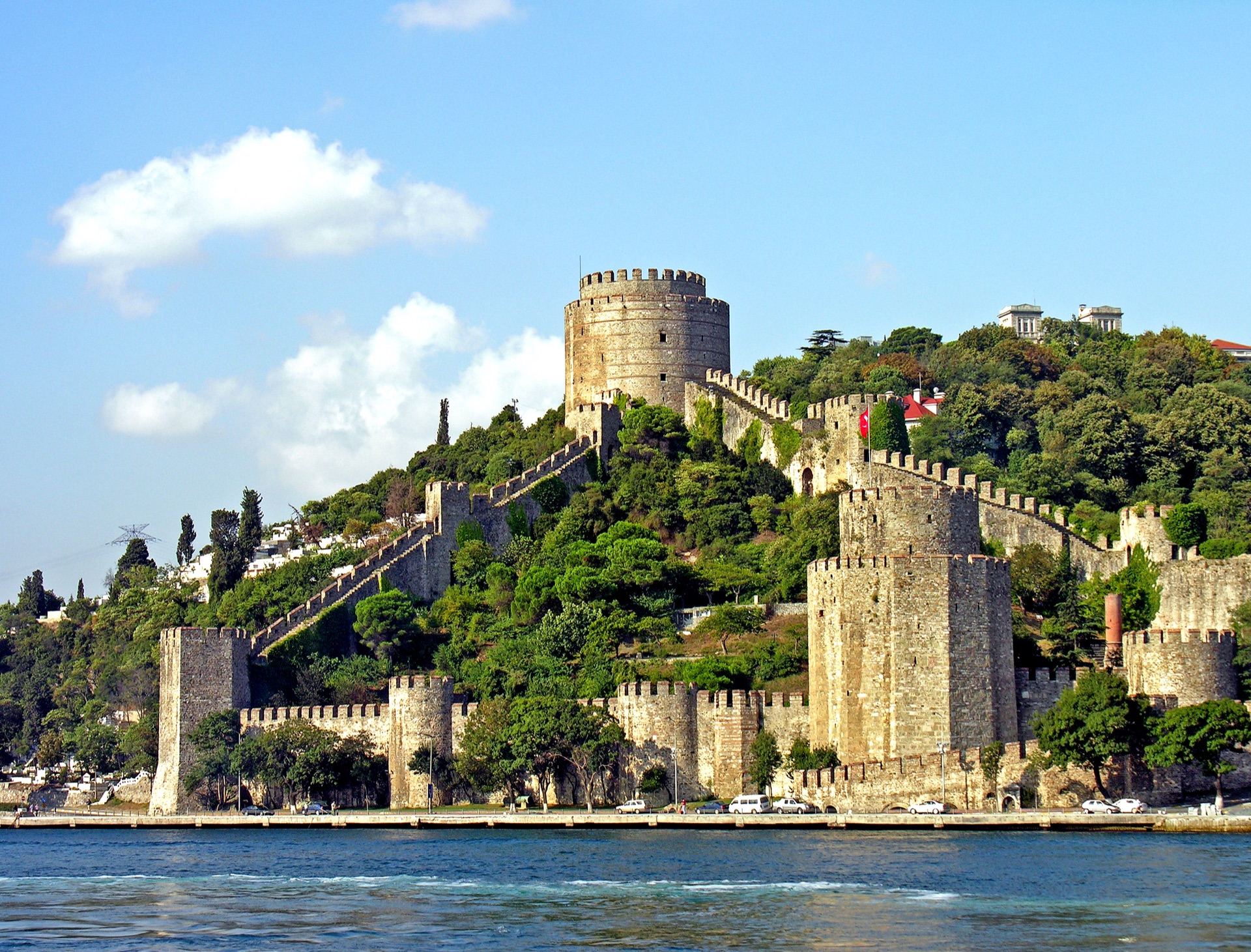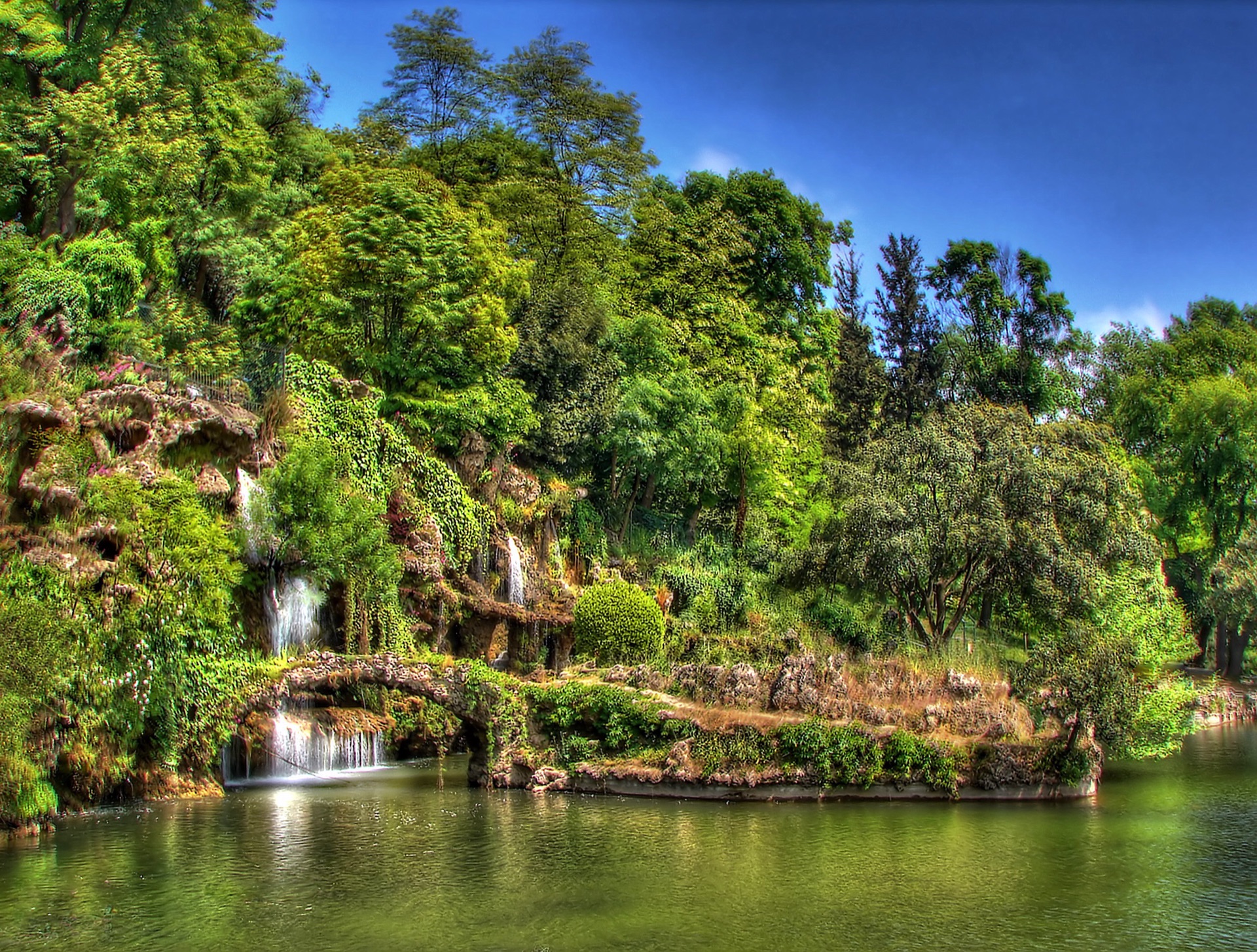

Anyone traveling along the Bosphorus, between the mighty fortress of Rumeli Hisarı and the green Emirgan park, passes a quiet little bay most travelers barely notice: Baltalimanı. No palace, no great mosque, no photo motif destined for every postcard. And yet it's exactly this unassuming stretch of coast that witnessed one of the most economically consequential moments in Ottoman history.
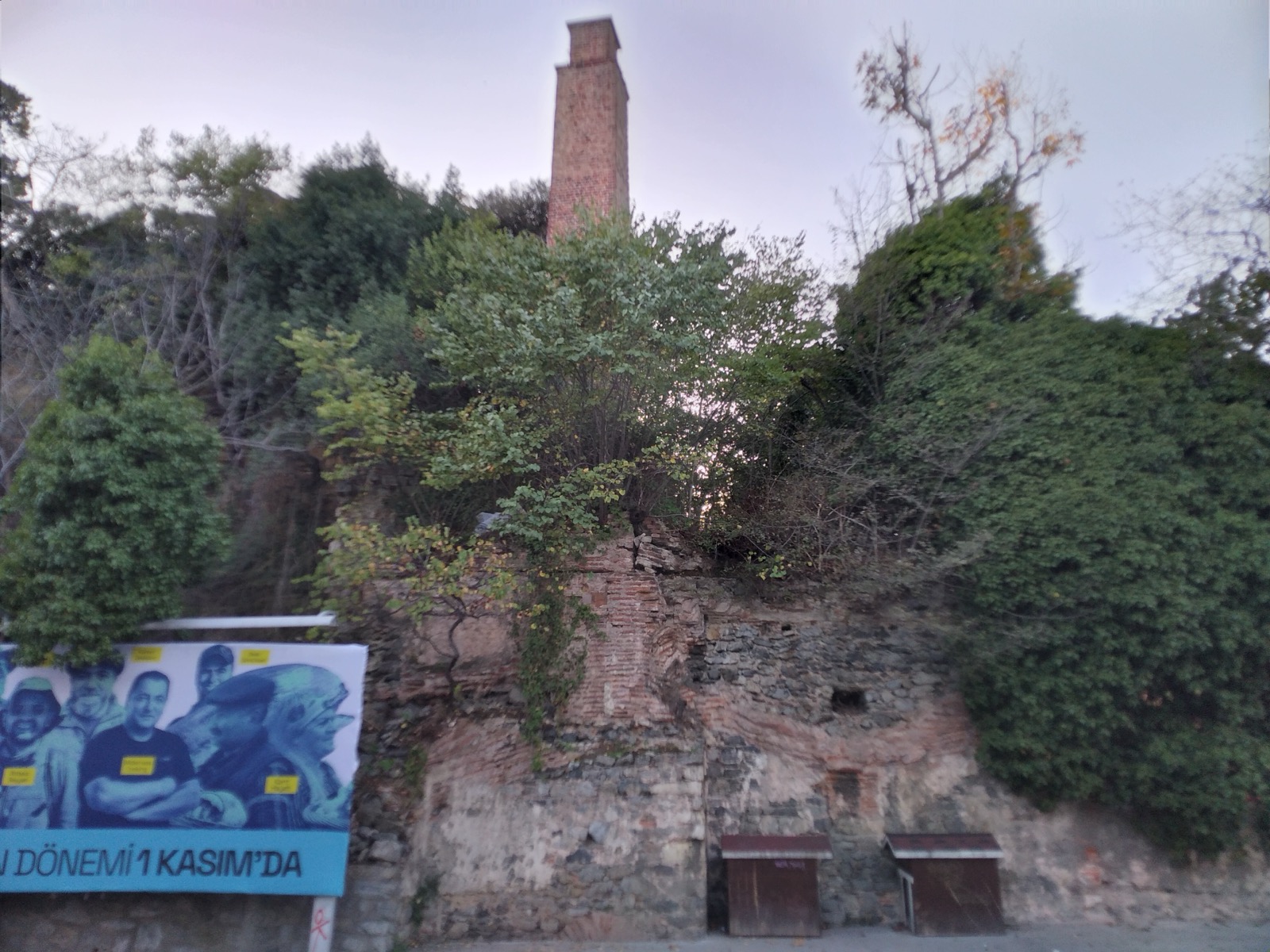
Between Rumeli Hisarı and Emirgan lies one of the Bosphorus's quieter bays. Almost no one stops here — yet a trade agreement was signed at Baltalimanı in 1838 that lastingly shaped Ottoman economic history.
In 1838, the Treaty of Baltalimanı was signed here, an Ottoman-British trade agreement that granted foreign merchants far-reaching trading rights within the Ottoman Empire. The consequences of this single treaty reached far beyond the small bay where it was negotiated.
- Baltalimanı lies on the European shore of the Bosphorus, between Rumeli Hisarı and Emirgan.
- The name means roughly "Axe Harbor," pointing to earlier use as a loading or shipyard site for timber.
- The Treaty of Baltalimanı, a central Ottoman-British trade agreement, was signed here in 1838.
- A historic Su Terazisi (Ottoman water distribution tower) recalls the old Bosphorus water supply.
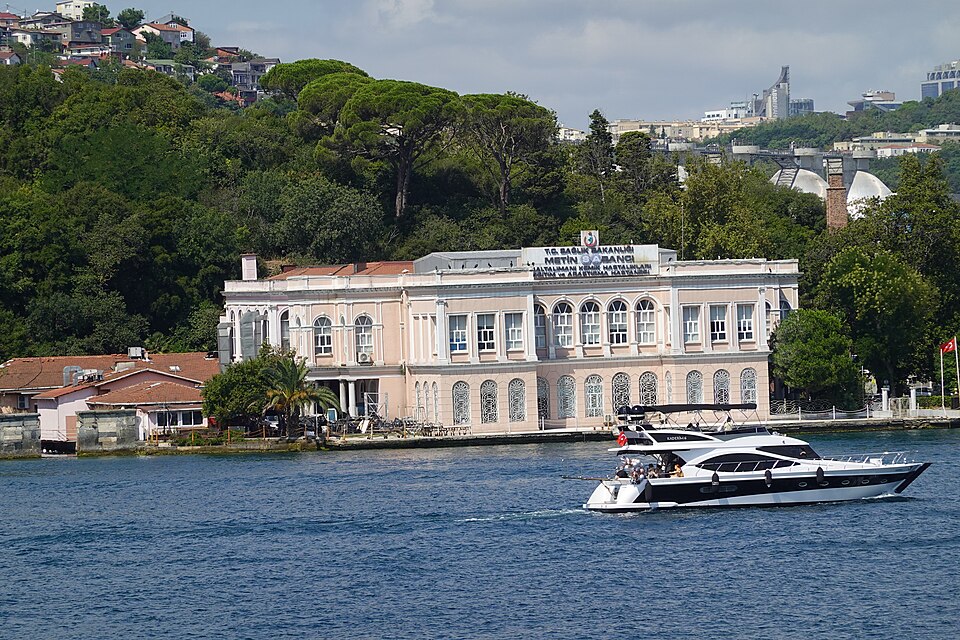
- The Metin Sabancı Clinic for bone diseases remains a well-known medical institution at the site today.
- Since the 2020s, a Japanese garden has added a new, unusual chapter to the waterfront.
Where the name "Axe Harbor" comes from
"Balta" means "axe" in Turkish, "liman" means "harbor." The common explanation points to an earlier use of the bay connected to timber processing, shipbuilding, or the landing of building materials — activities that typically required axes and tools of this kind.
There's no fully documented single origin for the name, but the connection to timber processing and shipyard operations fits the general history of use for smaller Bosphorus bays, which often served practical rather than representative purposes.
The treaty of 1838
The Treaty of Baltalimanı was concluded between the Ottoman Empire and Great Britain, opening the Ottoman market substantially to British goods while restricting Ottoman trade monopolies. For the Ottoman Empire, this meant additional state revenue from tariffs in the short term, but also, in the long term, increased economic pressure on local craftsmen and producers, who now had to compete more directly with cheaper imported goods.
Historians therefore still judge the treaty differently today: as an opening to the world economy, and equally as an example of the economic dependencies European great powers could impose on the weakened Ottoman Empire in the 19th century. That a small, unassuming Bosphorus bay of all places became the namesake of such a consequential agreement is one of those cases where geography and world history meet in a surprisingly small space.
The Su Terazisi: water for the Bosphorus
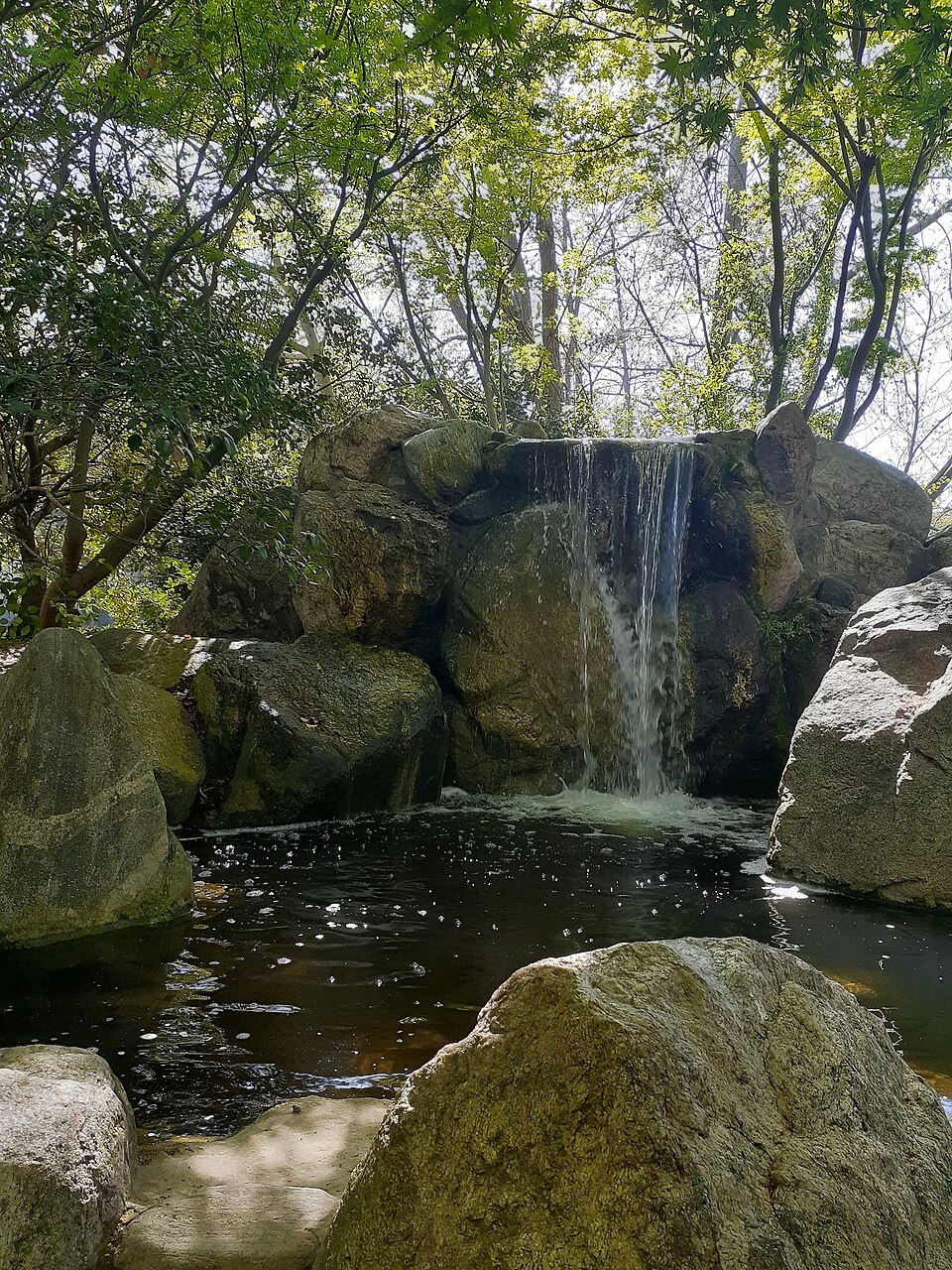
On the shore of Baltalimanı still stands a historic Su Terazisi — an Ottoman water distribution tower that once served to distribute water from the surrounding pipelines, in a controlled way, to various sections of the network. Such towers were part of a sophisticated system that supplied Istanbul with drinking water for centuries, long before modern pumping systems took over this task.
The Su Terazisi of Baltalimanı is thus a quiet but concrete testament to how much technical planning was needed to supply a city of millions, on the water, with clean drinking water.
From bay to clinic
In the 20th century, a significant medical institution was established in Baltalimanı: a clinic specializing in bone and joint diseases, today named after the industrialist and patron Metin Sabancı. The quiet location on the Bosphorus, away from the densest city traffic, made the site an obvious choice for a rehabilitation and specialist clinic.
For many Istanbulites, Baltalimanı is therefore associated today primarily with this clinic — not with the historic trade treaty, which appears far more prominently in history books elsewhere.
A Japanese garden on the Bosphorus
In the 2020s, Baltalimanı gained another, much more recent chapter: a Japanese-designed garden with a waterfall, stone lanterns, and typical elements of Japanese landscape architecture, right on the Bosphorus shore. Such internationally inspired gardens are part of a broader trend in which Istanbul deliberately designs public green spaces with different cultural references.
The contrast could hardly be greater: a place where world-economic trade treaties were negotiated in the 19th century today houses a garden that recalls Kyoto more than Constantinople.
Why Baltalimanı remains so little known
Without a monumental mosque, without a palace, without spectacular fortress walls, Baltalimanı lacks what moves most Istanbul visitors to stop. The bay lies between two considerably better-known neighbors — Rumeli Hisarı and Emirgan — and is therefore often simply driven past.
That's exactly what makes the place interesting for anyone who doesn't want to understand Istanbul only through its most famous backdrops: Baltalimanı shows how much history can hide even in places no guidebook particularly highlights.
"Baltalimanı is just a meaningless bay with no history." False. A trade treaty was signed here in 1838 that lastingly changed the Ottoman Empire's economic relations with Europe.
"The name refers to a historic battle fought with axes." Not documented. The more plausible explanation points to timber processing and shipyard use, not a military incident.
My take on this place
To me, Baltalimanı is a good example of how a city's most important places aren't automatically its most spectacular ones. A small, quiet bay with no grand backdrop still witnessed a treaty that helped shape the economic history of an entire empire.
I especially like these unassuming spots along the Bosphorus, where you pause for a moment while traffic rushes on right next door. They remind me that history doesn't always have to be loud to be significant.
– Amra