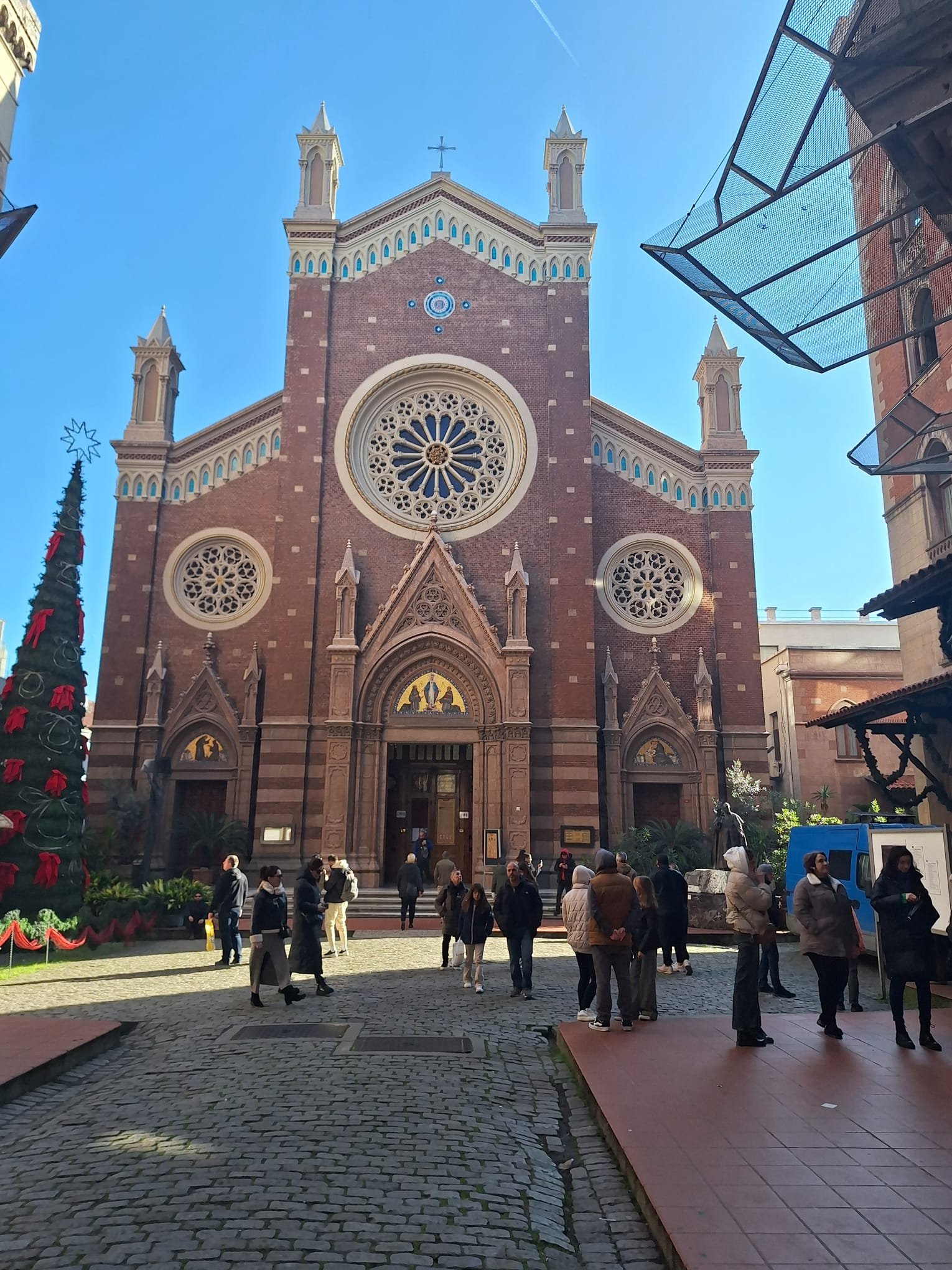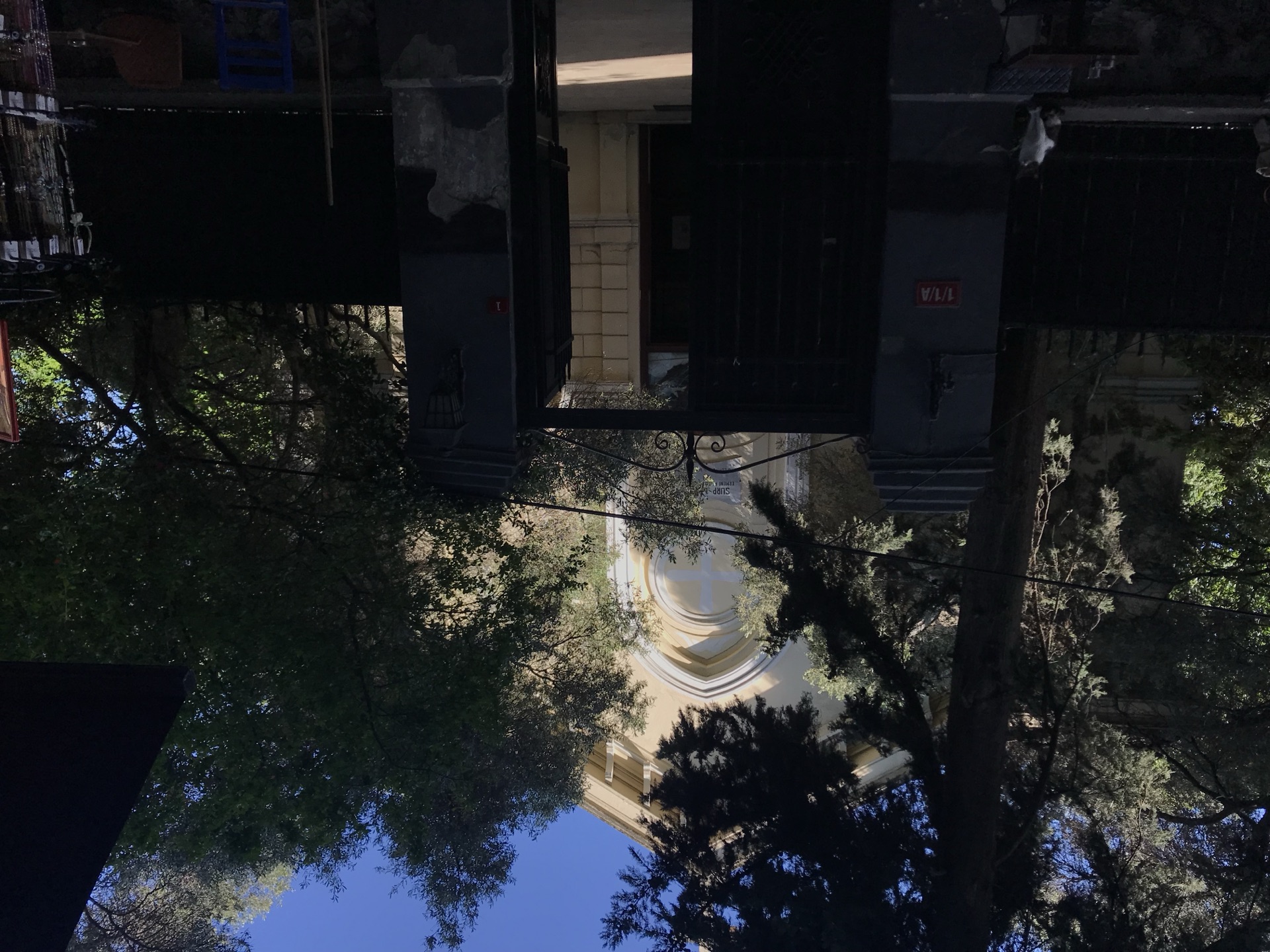
In the middle of busy Kadıköy stands a Greek Orthodox church that thousands of people walk past every day. Compared to the Hagia Sophia or St. Anthony's, the Aya Efimia Church looks modest. That's exactly why it matters. It's not a monument of a vanished empire existing only as a museum, but part of a today very small, yet still living, Orthodox community.
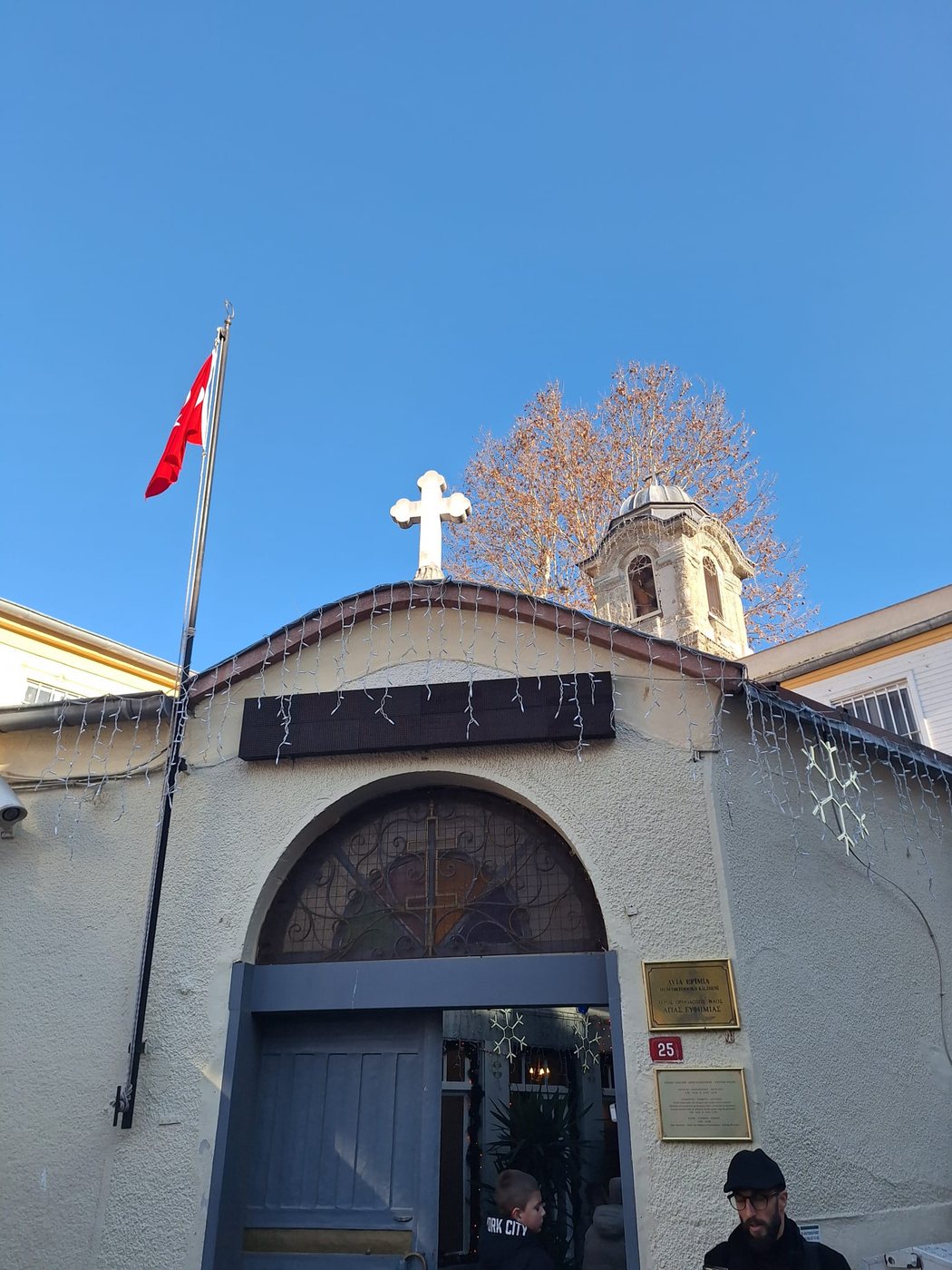
In the middle of busy Kadıköy stands a Greek Orthodox church that thousands of people walk past every day. Its name recalls Saint Euphemia and the famous Council of Chalcedon in 451.
The history of Christianity in Chalcedon, ancient Kadıköy, reaches far back. Especially famous is the Council of Chalcedon in the year 451, one of the most significant church councils of late antiquity. Today's church doesn't stand simply unchanged since that time, and it shouldn't be equated with the actual site of the council. Even so, the name of Saint Euphemia carries a direct memory of this much older Christian history.
- Kadıköy corresponds to ancient Chalcedon.
- Saint Euphemia was an early Christian martyr associated with Chalcedon.
- The famous Council of Chalcedon took place here in 451.
- Today's Aya Efimia Church is considerably younger than late antiquity.
- It belongs to Istanbul's Greek Orthodox community.
- The city's Greek population shrank sharply in the 20th century due to political crises, violence, and emigration.
- The church remains an active house of worship today.
Kadıköy was once called Chalcedon
Long before Kadıköy became one of the liveliest districts of modern Turkey, the Greek city of Chalcedon stood here. It was founded in antiquity opposite Byzantium and developed into an important site on the Asian shore of the Bosphorus.
The location was excellent, yet a famous ancient legend later claimed the founders of Chalcedon must have been "blind," since they hadn't chosen the supposedly better position of Byzantium on the other side. Such stories are more political self-styling than serious ancient urban-planning criticism.
Who Saint Euphemia was
According to tradition, Euphemia suffered a martyr's death in the early 4th century during the persecution of Christians. Her veneration developed strongly in Chalcedon, and a great church, or basilica, was associated with her tomb.
As with many early Christian martyr biographies, historical memory and later hagiographic embellishment blend together. That Euphemia was venerated early on is well documented. The exact dramatic details of her martyrdom, though, come from religious tradition.
The Council of Chalcedon, 451
In 451, hundreds of bishops gathered in Chalcedon to deliberate on central theological questions. At the center stood the question of how Christ's divine and human natures should be understood in relation to each other. The council formulated a doctrine of Christ as truly divine and truly human in two natures.
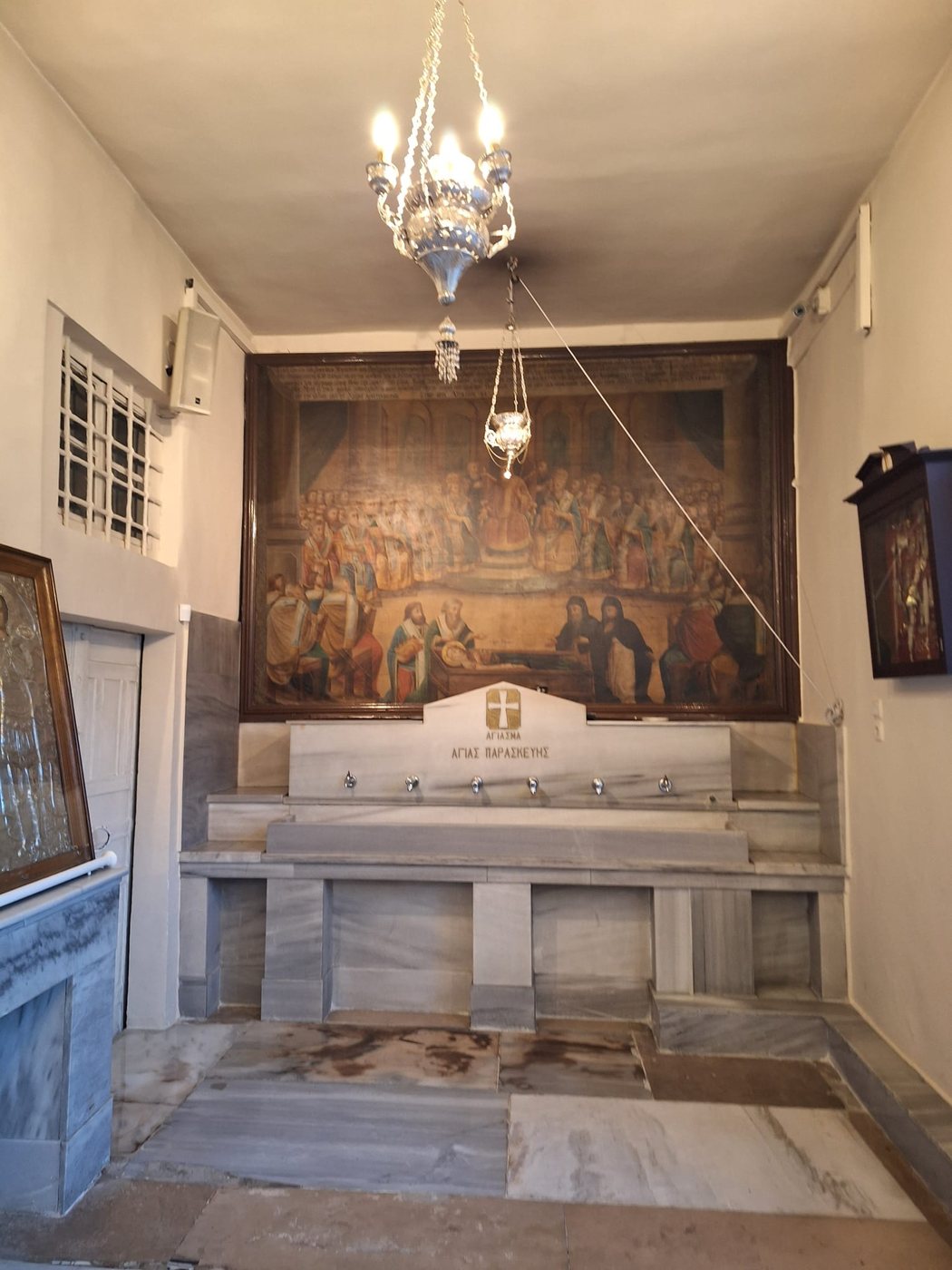
This decision fundamentally shaped the further history of Christianity. It also led to deep divisions. Several Oriental Orthodox churches did not accept the Chalcedonian formula in the same way. A theological dispute from the 5th century thus still reverberates in church structures today.
Today's church
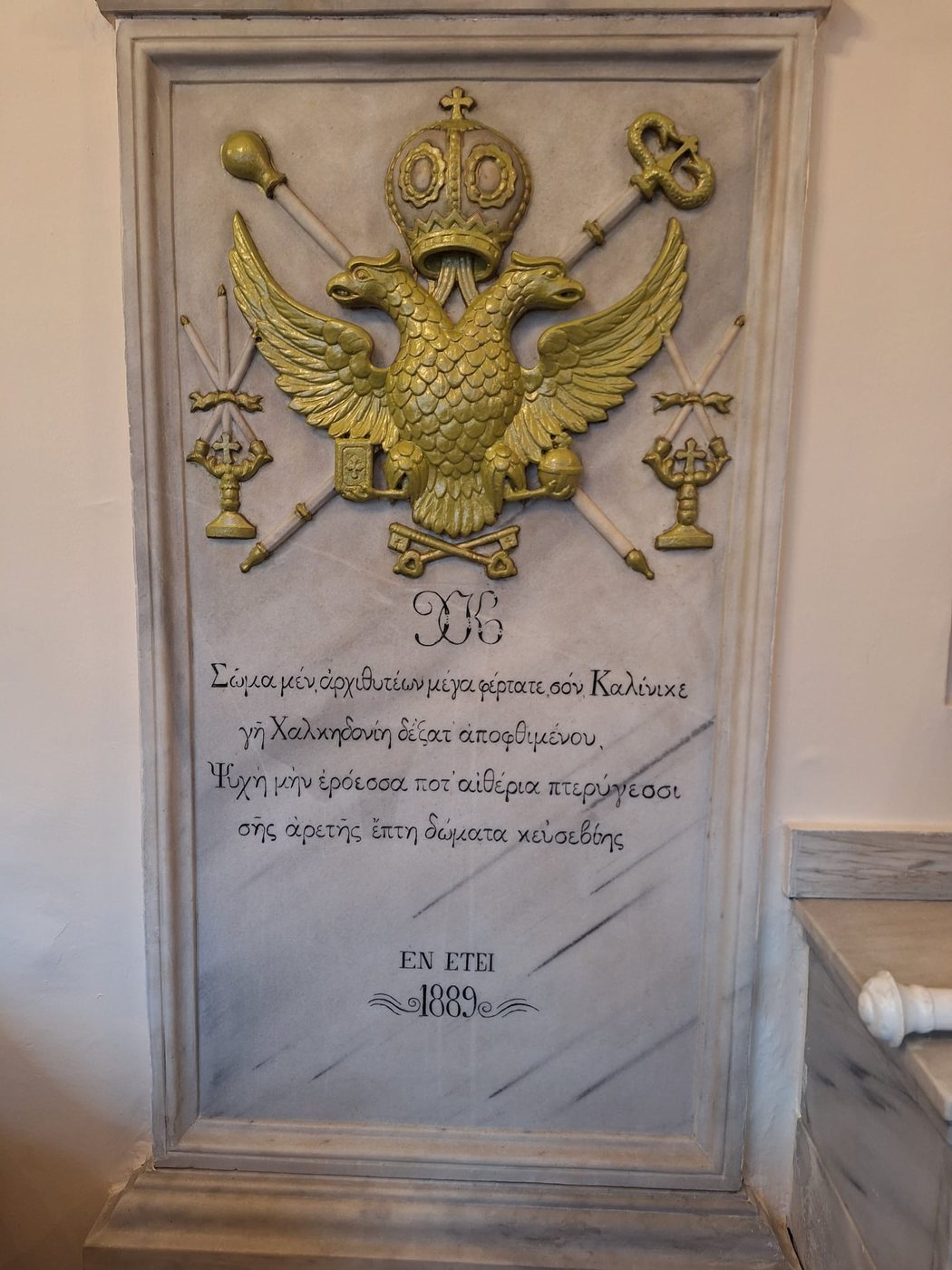
Today's Aya Efimia Church is not a preserved council building from the year 451. It belongs to a later building history and was renewed in Ottoman, or more recent, times. Even so, it preserves the name and memory of Chalcedon's martyr.
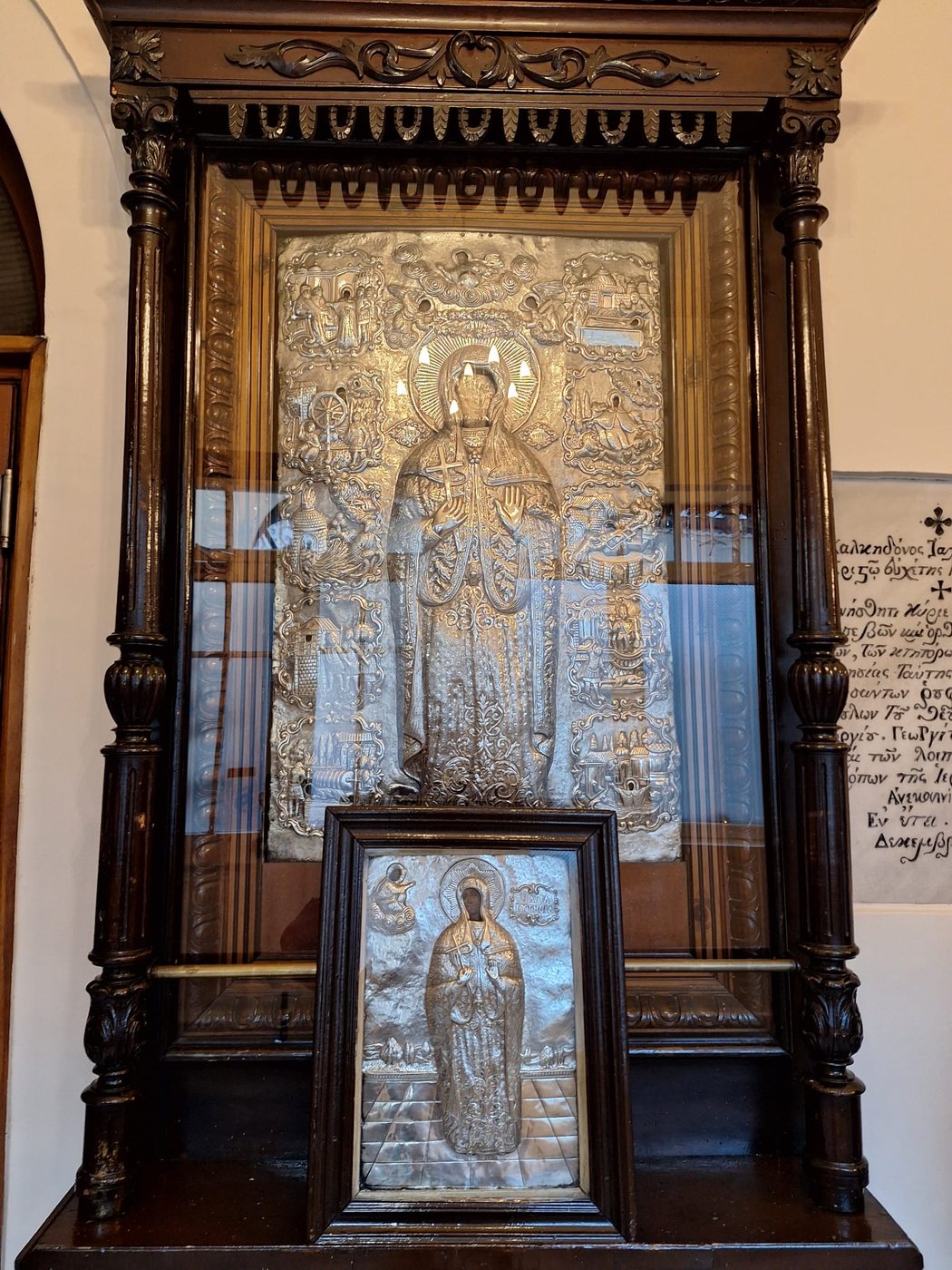
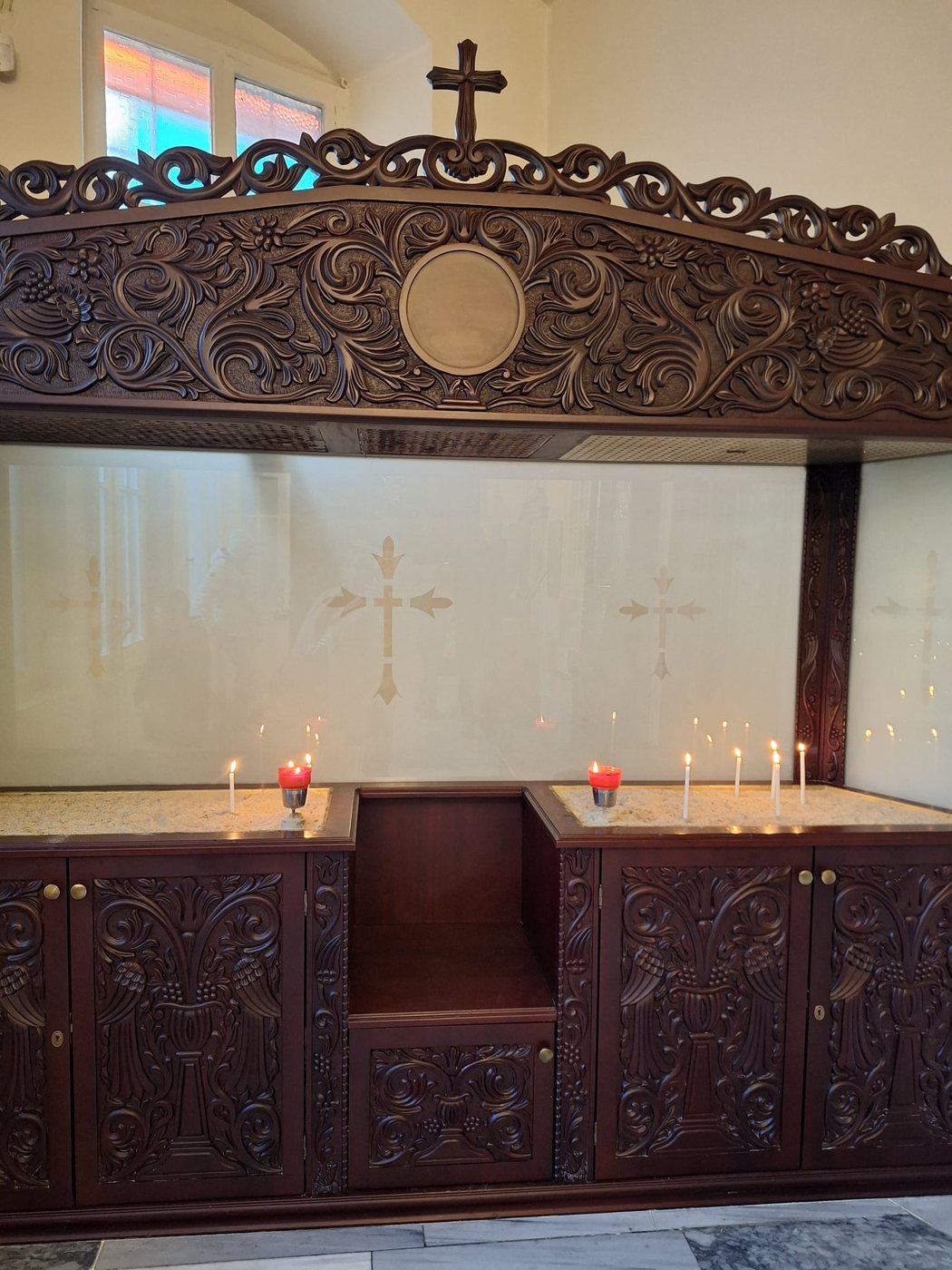
Inside you find icons, an iconostasis, and the typical spatial order of an Orthodox church. Visitors should be aware that this is not merely a historical showpiece. People genuinely come here to pray.
Greek communities in Ottoman Kadıköy
For a long time, Kadıköy had a significant Greek Orthodox population. Armenians, Muslims, Jews, and other communities also lived alongside them. Churches, schools, and associations shaped social life.
In the 19th and early 20th centuries, Kadıköy grew strongly. Ferries and rail connections made the district more attractive, and Christian middle classes played an important role in trade and culture. Many houses and churches still visible today date from this cosmopolitan period.
1955 and the violence against Istanbul's Greeks
The pogroms of September 6 and 7, 1955, especially targeted Greek shops, houses, churches, and cemeteries in Istanbul. Armenians and Jews were also attacked. The violence was fueled by politically manipulated news related to Cyprus and an attack on Atatürk's birth house in Thessaloniki.
These events considerably accelerated the emigration of the Greek population. Further political measures in the 1960s led many Greeks to leave Istanbul, or to decide to emigrate. Today's small community is therefore not simply the result of "normal modernization."
Emigration and small communities today
Of what was once a large Greek community, only a fraction remains. Even so, churches, schools, endowments, and cultural institutions continue to exist. Some congregations consist of only a few regular members and still have to maintain historic buildings.
That makes places like Aya Efimia especially important. They're not just a memory of vanished population groups, but show that the community hasn't completely disappeared.
Why open houses of worship matter
We also visited a church in Kadıköy, and just as at St. Anthony's, what struck me most was the respectful atmosphere. People come in, look around; some pray, others are simply curious. No one has to give up their own religion to acknowledge the beauty of another house of worship.
This attitude should really be self-evident. Especially in a city with so much religious history, respect doesn't show in everyone believing the same thing, but in people being able to believe differently without denying each other the space to do so.
"The Council of Chalcedon took place in this present-day church in 451." No. Today's church is considerably younger; through its name and tradition it recalls the older Christian history of Chalcedon.
"There's no Greek community left in Kadıköy." False. It has become very small, but it still exists.
"Today's church is exactly the site of the Council of Chalcedon." It's not that simple. The council took place in the area of ancient Chalcedon, in connection with the Euphemia shrine of that time; today's church is a later structure.
"After 1453, there were no more Christian churches in Istanbul." False. Christian communities and houses of worship remained part of the Ottoman capital.
The history of Christian communities in Kadıköy
Kadıköy, ancient Chalcedon, has a Christian history reaching far back into late antiquity. Especially famous is the Council of Chalcedon in 451, one of the most important councils of the early Church. Even though today's Aya Efimia Church isn't simply the unchanged building from the 5th century, its name recalls this deep religious past.
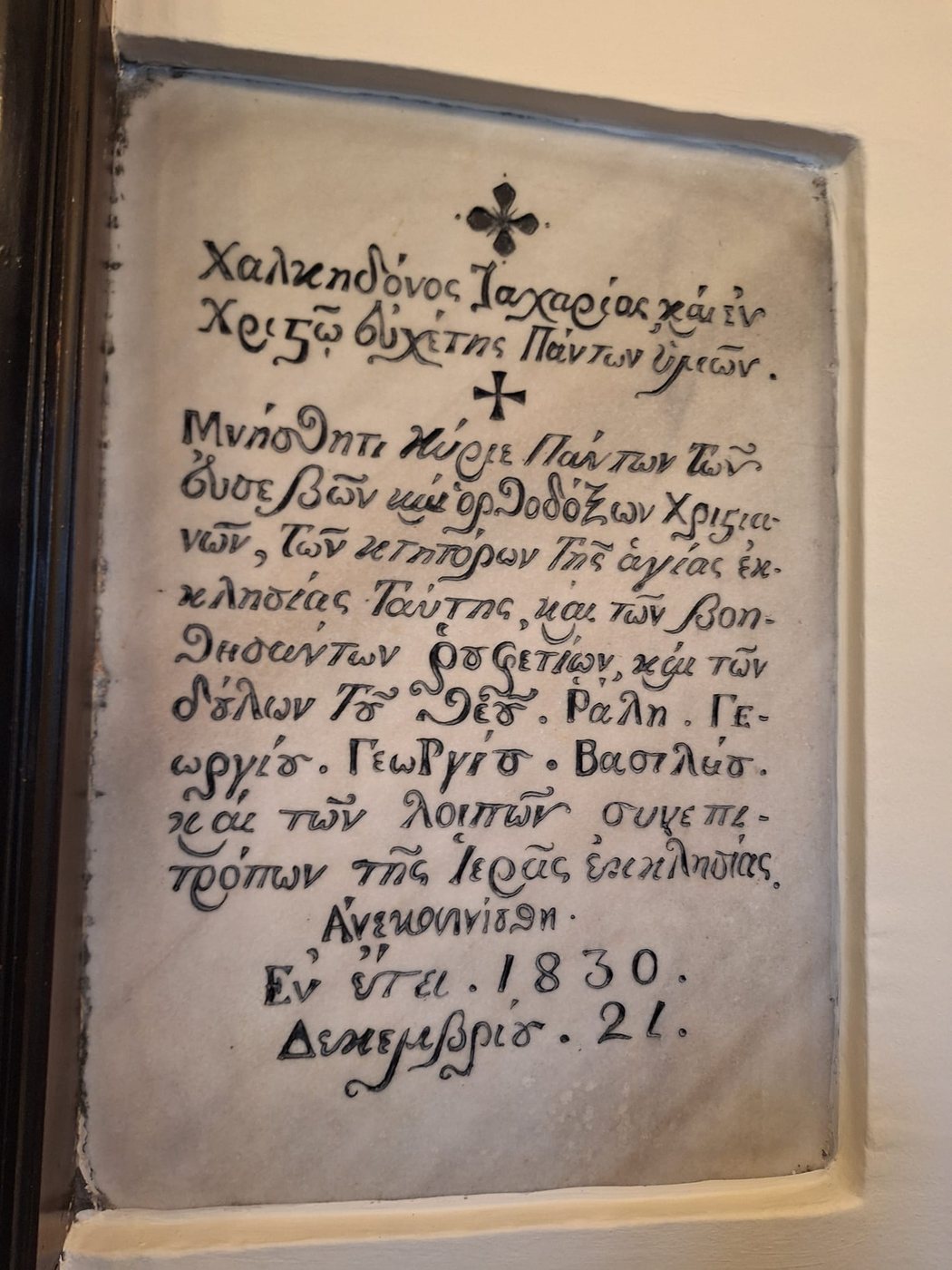
Christian communities also remained part of the city under Ottoman rule. Greek Orthodox churches, Armenian houses of worship, and later Catholic communities shaped various neighborhoods on the Asian side.
Kadıköy was therefore never religiously one-dimensional.
Who Saint Euphemia was
According to Christian tradition, Euphemia was a young martyr from Chalcedon who died during Roman persecutions of Christians. Her tomb, or shrine, developed early into an important pilgrimage site.
At the Council of Chalcedon, her veneration played a special symbolic role. Later legends tell that disputed questions were settled by a miracle at her shrine.
The existence of a significant Euphemia cult is historically well documented; individual miracle stories belong to religious tradition.
The Council of 451 and its enormous significance
At the Council of Chalcedon, bishops discussed central questions about how Christ's divine and human nature should be theologically understood.
The definition formulated there lastingly shaped Orthodox and Catholic Christology. At the same time, other churches rejected its decisions, giving rise to long-term ecclesiastical divisions.
This made Chalcedon a name known worldwide in church history.
Today's church in modern Kadıköy
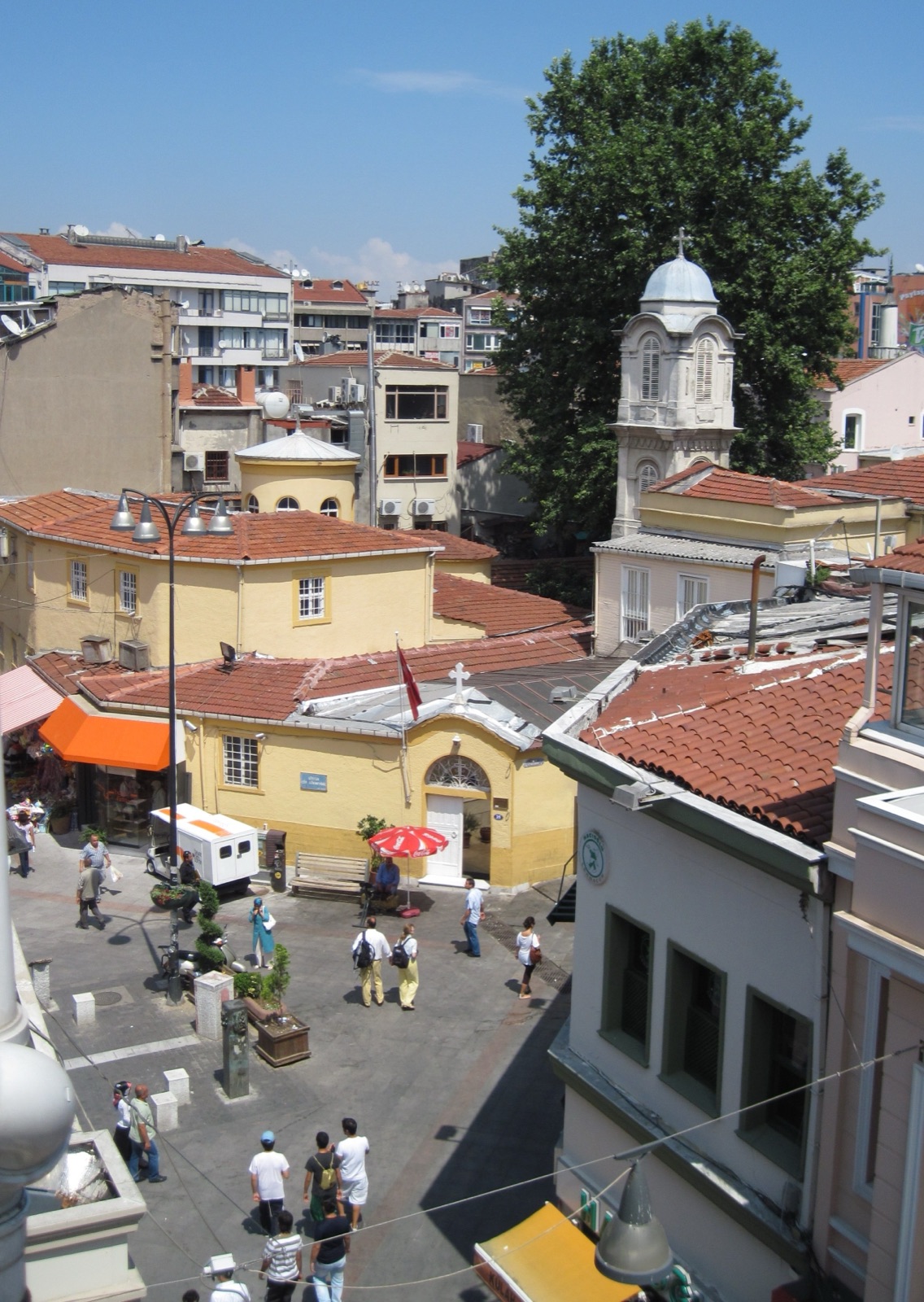
Today's Aya Efimia Church stands in the middle of a densely lived-in urban area. From outside, it can easily be overlooked among the shops and streets.
That's exactly what I find fascinating. You walk through a modern neighborhood, and suddenly, behind a door, there's a house of worship whose name refers to more than a millennium and a half of Christian memory.
The contrast could hardly be greater.
Architecture and interior
The church is considerably smaller than St. Anthony's on İstiklal. Even so, it has a warm, intimate atmosphere.
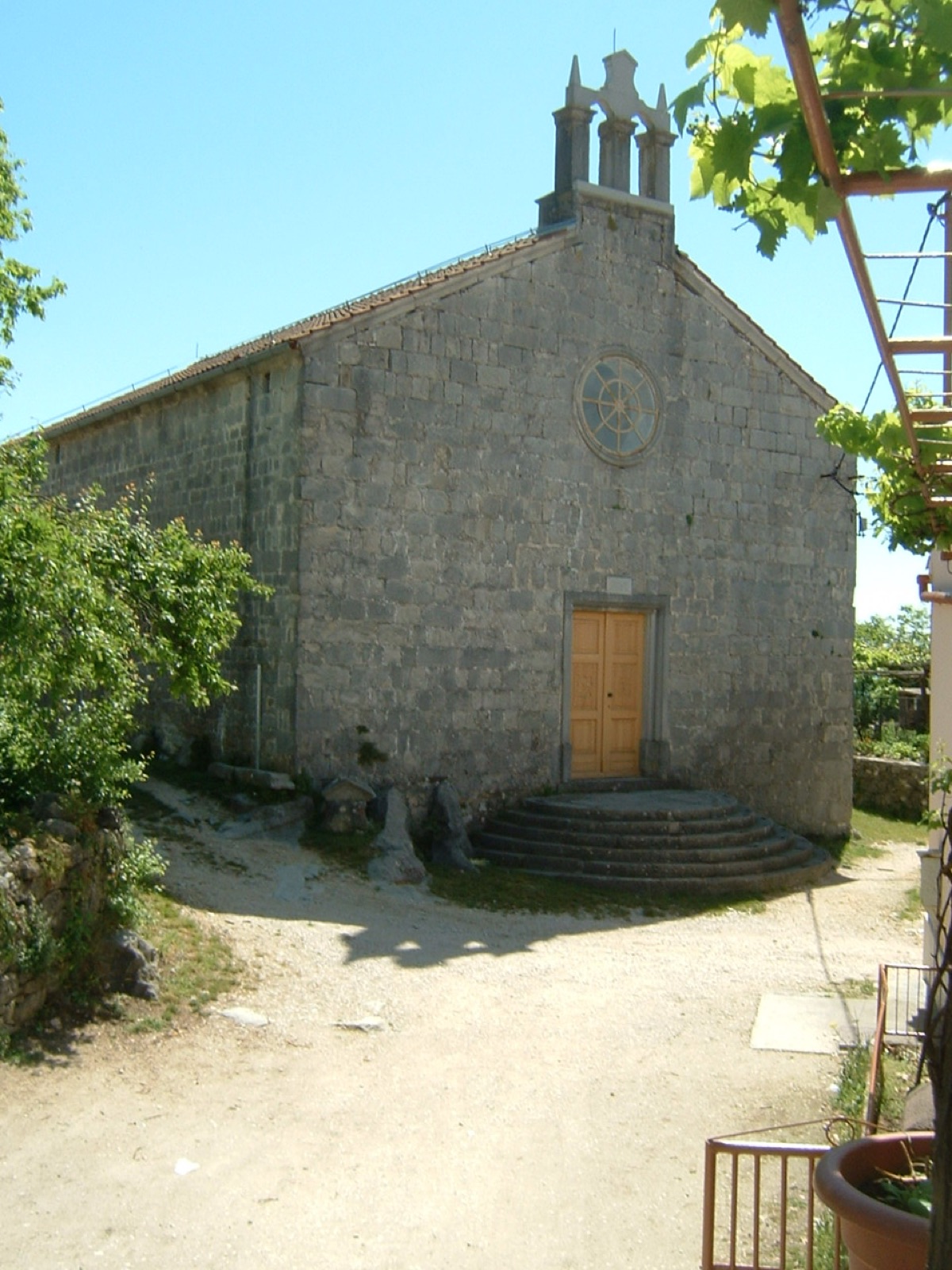
Icons, candles, liturgical images, and the altar area differ markedly from Catholic churches. Anyone unfamiliar with both traditions can see very clearly here how differently Christian sacred spaces are designed.
Respect for services and prayer times should be a given.
Greeks in Istanbul in the 20th century
Istanbul's Greek community shrank sharply in the 20th century. Political crises, the events of September 6–7, 1955, expulsions, and economic pressure led many families to leave the city.
Churches like Aya Efimia are therefore not just religious sites, but memories of a considerably larger community that shaped Kadıköy and Istanbul across generations.
A building can sometimes show absence more than presence.
Acceptance in the middle of the center
What keeps moving me about churches in Istanbul is how natural they feel. Thousands of people walk past every day. Some are Muslim, some Christian, some perhaps don't believe at all.
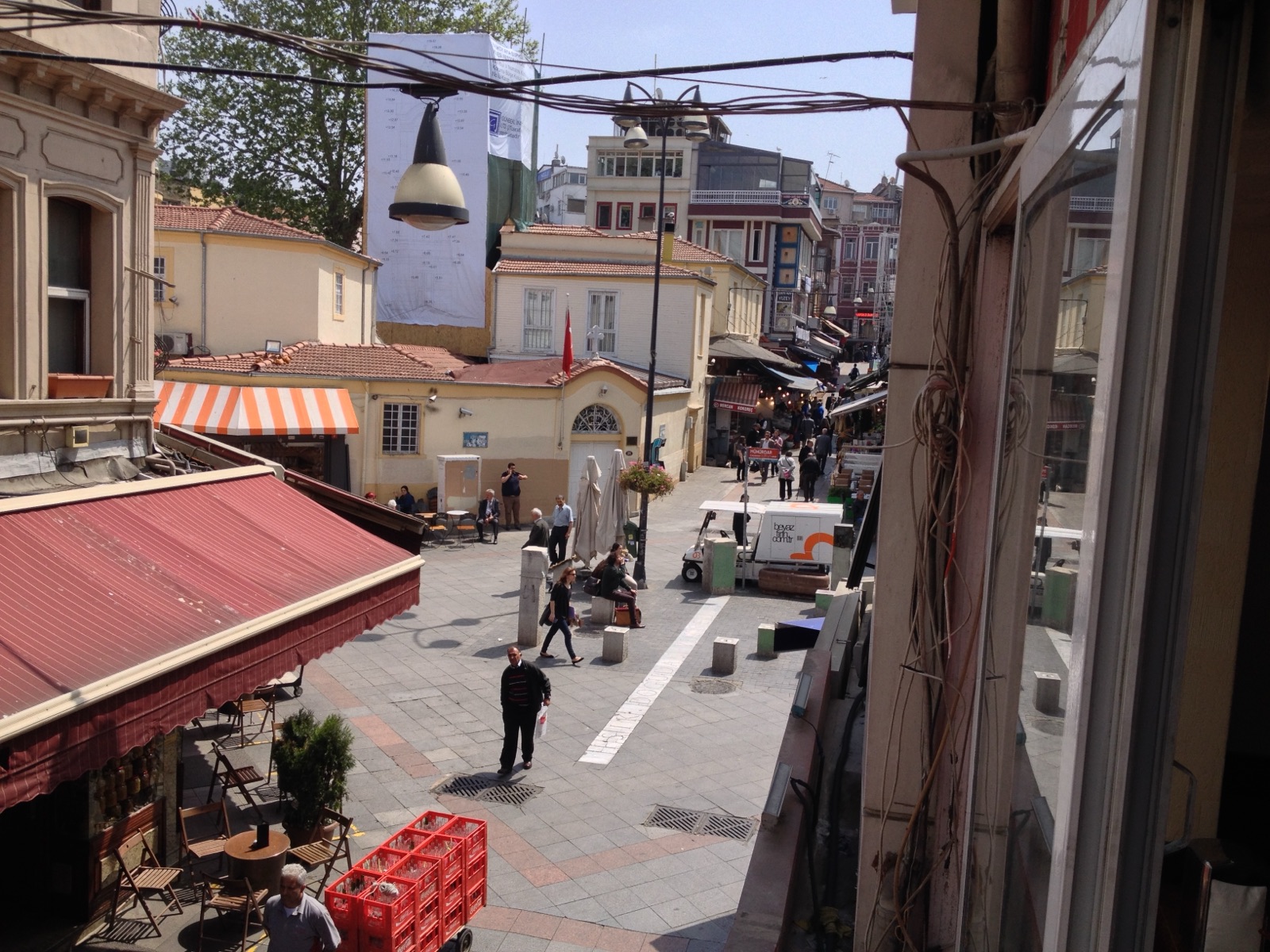
And the church still stands right in the heart of the neighborhood.
That's exactly what should be normal.
Why religious diversity isn't a tourist attraction
Churches, synagogues, and mosques shouldn't just be collected as exotic photo stops. They're active houses of worship.
People come there because they pray, mourn, hope, or give thanks.
Anyone entering as a visitor may marvel. But at the same time, you're entering a space that holds very personal meaning for others.
My personal impression
The church in Kadıköy is smaller than St. Anthony's, but that's somehow exactly what makes it special. Outside, Kadıköy is bustling, people walk in every direction, and inside, suddenly, there's calm.
That same feeling again: everyone may enter respectfully, look around, marvel.
To me, that's not some extraordinary sign of tolerance deserving mutual medals. It should simply be self-evident.
My take on this place
In the middle of Kadıköy, thousands of people walk past churches every day, just as they walk past mosques, restaurants, and shops. I find exactly this ordinariness beautiful. A house of worship doesn't need to stand isolated somewhere to be respected.
We were in a church there ourselves. Believers were inside, visitors too. And once again, what mattered most to me was: acceptance and respect. You can marvel without having to believe it all yourself. It's really that simple.
– Amra