There are travel memories that stay because a place was beautiful. And then there are memories where, years later, you still know exactly what someone said.
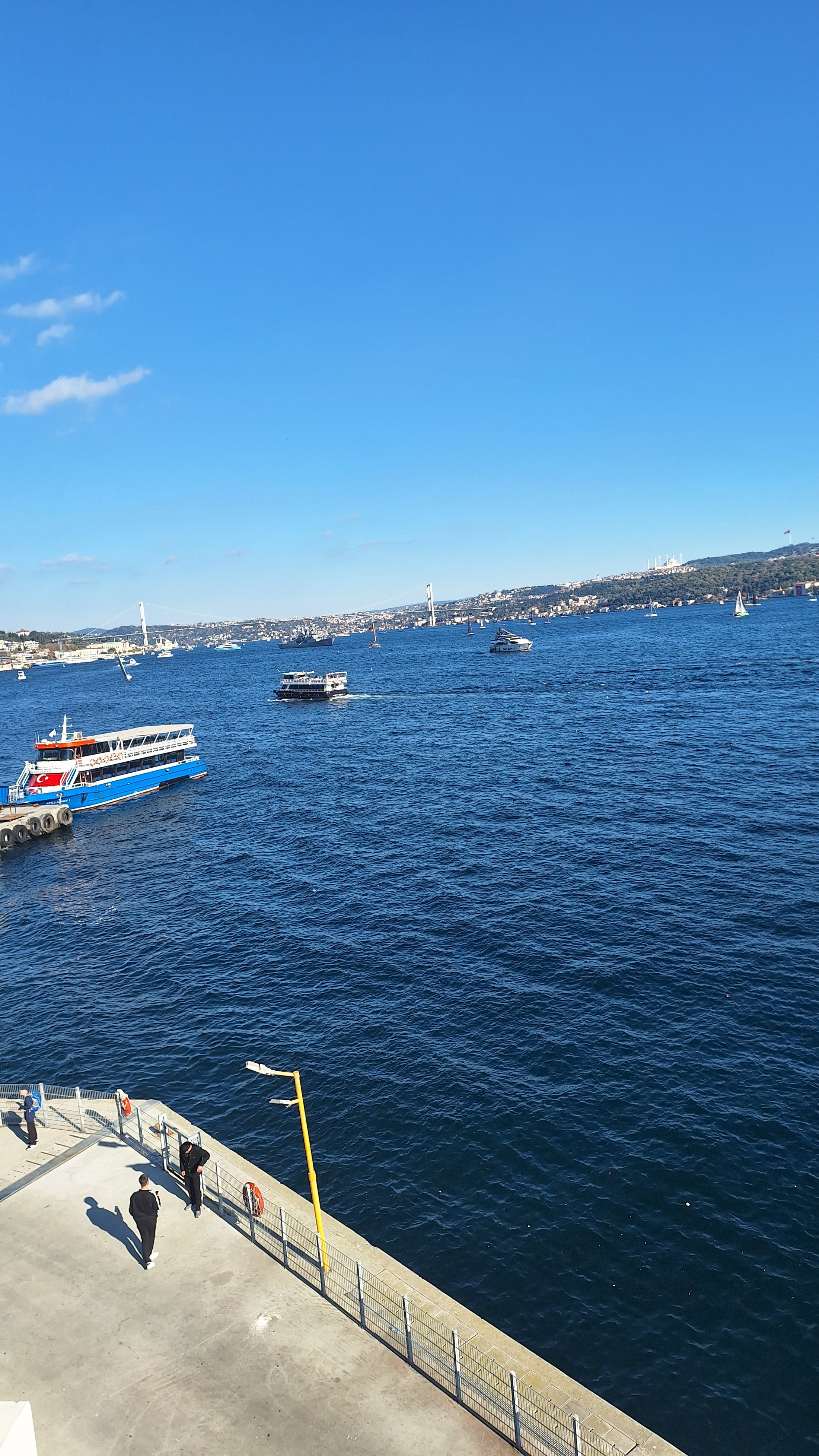
My husband had his eyes laser-corrected in Istanbul. Our experience with the exam, the surgery, the first night, and the emotional Galata Bridge moment.
For us it was the ride to the follow-up check after my husband's eye laser treatment. He looked out of the car and suddenly asked: "Can it be that I can really read 'Galata Bridge' there – without glasses?" And yes. He could.
Why this story means so much more to us than "medical tourism"
My husband had worn glasses since about age ten. Before the procedure, as we recall, he had roughly -3 and -2.75 diopters. Anyone who knows severe nearsightedness themselves knows how naturally, at some point, you live with a blurry world without glasses. For him it was normal to practically be unable to read anything ten or twenty meters away without glasses.
So the thought of getting laser surgery wasn't simply "I save myself putting on glasses in the morning." For him it was about something that had accompanied him since childhood.
Why we chose Istanbul back then
We had compared prices. Our price in Istanbul at the time was about 1,200 euros for both eyes; a comparable offer in Austria, as we recall, was around 3,800 euros. These figures are historical values from our situation back then and explicitly not today's market prices.
Of course the price mattered. But we wouldn't have done it if we'd felt poorly cared for on-site. Medicine isn't the area where I say: cheapest wins.
Pickup, clinic, and that feeling: now it's really getting serious
We were picked up from the hotel and taken to the clinic. There, examinations, measurements and all preparations were done. We got the appointment for the next day.
What was especially pleasant for us: our coordinator was Turkish but spoke fluent German. At the same time we heard French, English and other languages in the hospital. You could immediately tell that international patients were an everyday thing there. The hospital was huge: eye department, dentistry, plastic surgery and other areas.
Surgery day: he was really scared
My husband was afraid. Genuinely. Who feels relaxed letting someone work on their eyes? The actual procedure, as we recall, took only about five to ten minutes. Afterward he got a protective shield, or rather large protective glasses.
And my kids? They naturally thought their dad now looked like Spider-Man. In that emotional moment that was probably even good, because kids don't give you a chance to get too dramatic.
The first night in the apartment
Luckily we had a large apartment. My husband had his own room and could withdraw while we were in the other rooms. He had pain after the procedure and was supposed to rest his eyes. TV and phone were, per the doctor's instructions, initially taboo or heavily restricted. By the evening things were already better.
The follow-up check – and then Galata Bridge
The next day we drove back to the clinic. On the way he looked out of the car and suddenly asked whether it could be that he could really read "Galata Bridge" there – without glasses.
And he could. For us that was an incredible moment. He'd worn glasses since childhood. Things 10 or 20 meters away had been blurry to him without glasses. Suddenly he was reading signs.
At the clinic afterward he almost turned it into a sport. He read names on doors and signs. And at some point the tears just came. He could hardly believe it himself.
The time afterward
After the check-up he no longer needed the stronger eye protection permanently, but was supposed to wear sunglasses outside. He got medication, or rather eye drops, for the aftercare.
Which exact preparations and for how long, I deliberately don't want to state as a general recommendation. As we recall he took drops for several weeks. But that always belongs in individual medical aftercare. At the beginning his vision was still somewhat variable or blurry at times. After two to three weeks it stabilized clearly for him.
- Whether eye laser surgery is suitable, which method applies, and what result is realistic depends on the individual findings. Medical examination, risk disclosure and aftercare are mandatory.
"Today I'm coming back a new person without glasses"
Today my husband no longer needs glasses and is very satisfied with his personal result. For him, quality of life changed noticeably. That's his result – not a guarantee of what happens for someone else.
On the flight back he kept saying, more or less: "Today I'm returning a new person without glasses." We really celebrated him. And that this moment happened, of all places, in "my city," so to speak, makes the memory even more emotional for me.
Would we do it again?
Based on his personal experience: yes. Every cent was worth it for him.
But I would never say: "Fly to Istanbul, do this and everything will be perfect." Medicine doesn't work that way. Inform yourself, get thoroughly examined, compare clinics, methods, aftercare and risks.
What I would still check more critically today
- Who exactly performs the surgery?
- Which method, and why?
- What risks apply to the individual findings?
- What does aftercare look like?
- Who helps after returning to Austria/Germany/Switzerland?
- Are medications/check-ups included in the price?
- How long should you stay on-site?
- Which clinic/doctor qualifications are verifiable?
What was especially pleasant for us
- Pickup from the hotel.
- German-speaking support.
- A large clinic set up for international patients.
- Follow-up check the next day.
- A quiet apartment with his own room for my husband.
– Amra