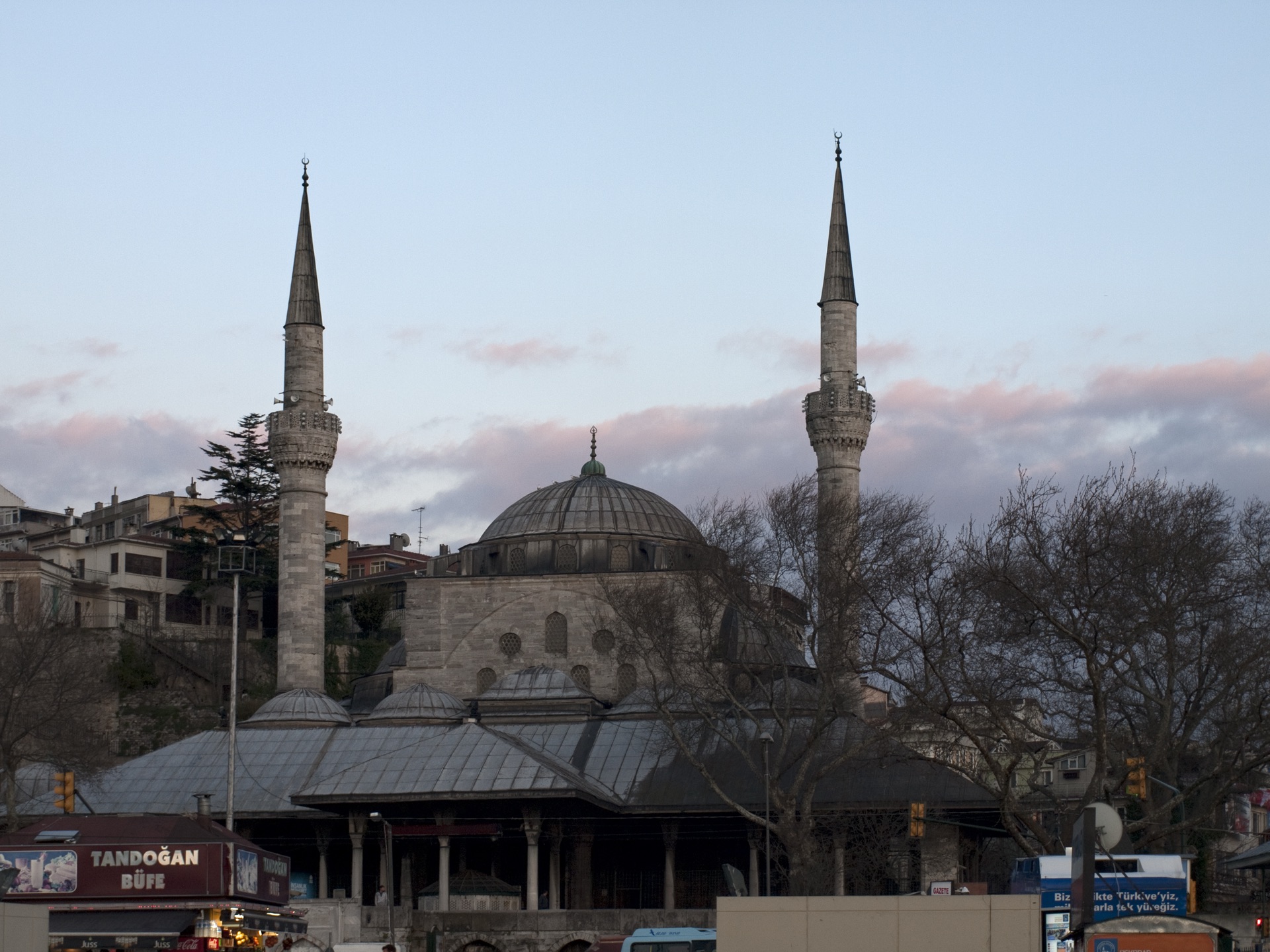
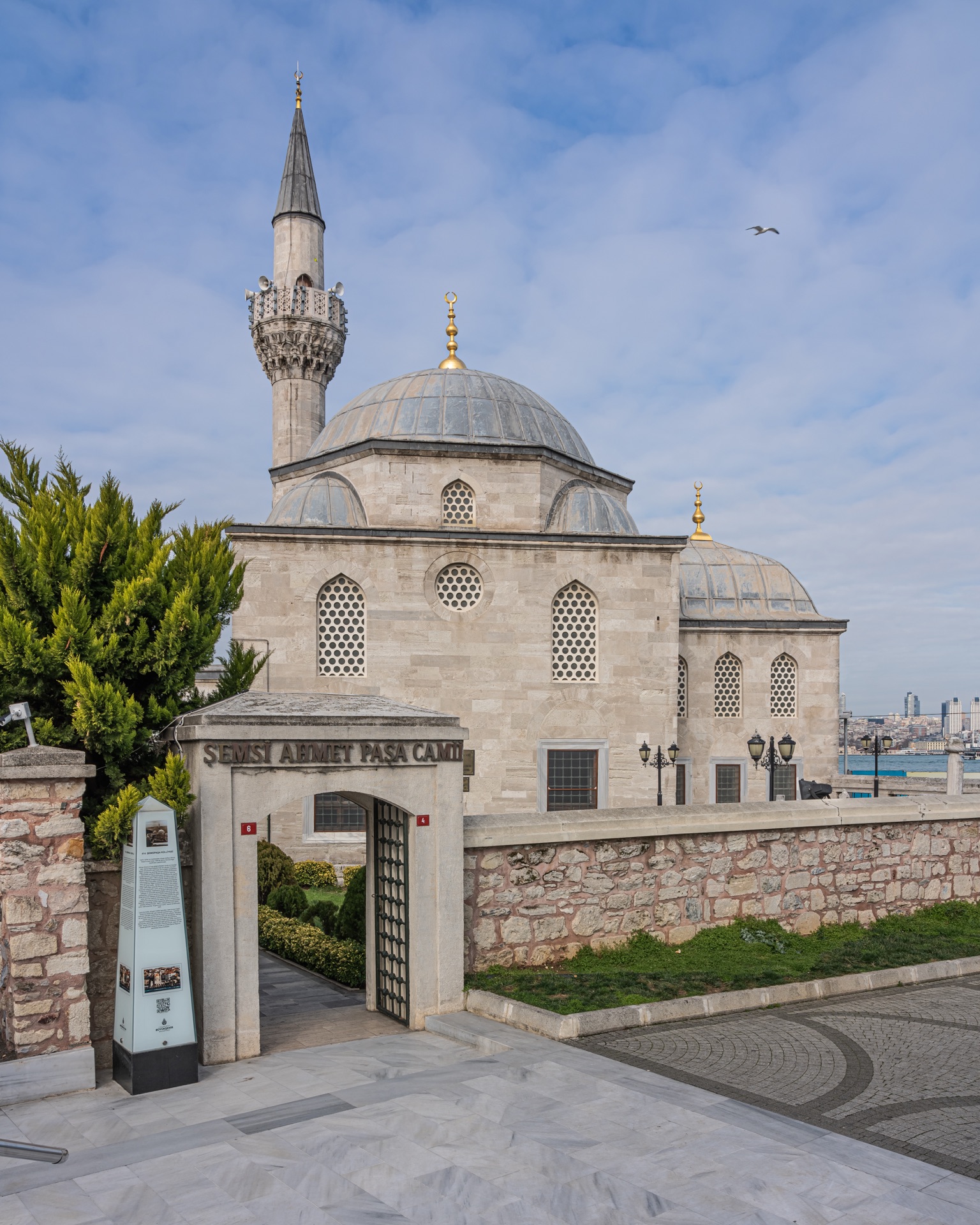
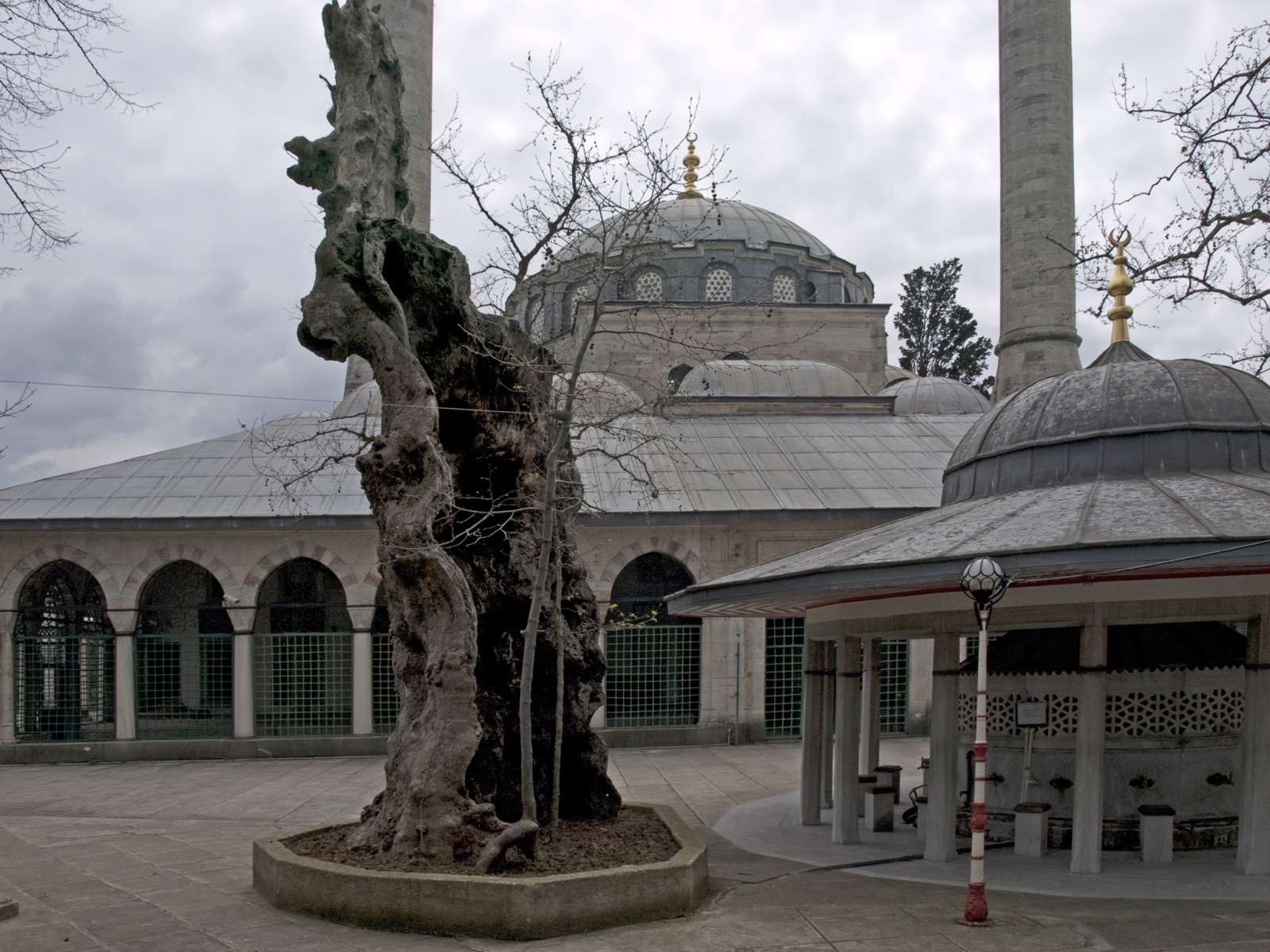
The Atik Valide Sultan Külliyesi is one of those places where you understand especially well just how large the social role of an Ottoman foundation could be. At its centre stands a mosque, but around it arose, in the 16th century, an entire complex of education, welfare, lodging, and social institutions. Its patron was Nurbanu Sultan, wife of Selim II and mother of Murad III. As Valide Sultan, she was among the most powerful women of the empire.
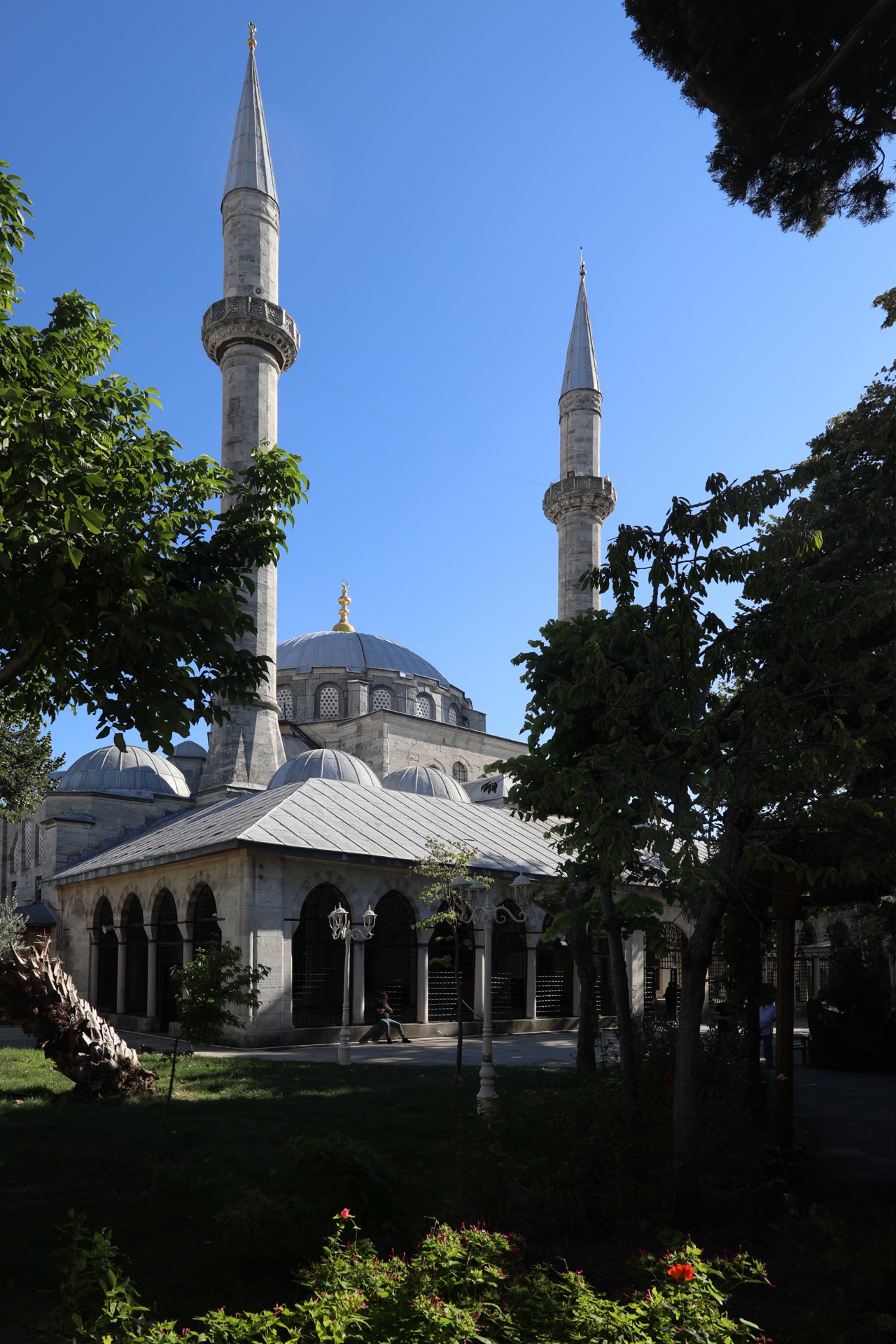
At its centre stands a mosque, but around it arose, in the 16th century, an entire complex of education, welfare, lodging, and social institutions. Its patron was Nurbanu Sultan, one of the empire's most powerful women.
The complex was planned by Mimar Sinan and his workshop, and built in several phases. Its history therefore shows several things at once: the influence of dynastic women, how a külliye actually functioned, and the way architecture made social power visible.
- The Atik Valide Külliye was built for Nurbanu Sultan.
- Nurbanu was the wife of Selim II and mother of Murad III; as Valide Sultan, she held considerable political influence.
- Mimar Sinan led the planning of the complex.
- The foundation included a mosque, madrasa, school, soup kitchen for the poor, hospital, caravanserai, hammam, and further institutions.
- The complex sat strategically in Üsküdar, an important arrival point for travellers from Anatolia.
- Nurbanu maintained close diplomatic contacts with Venice.
- Many buildings were later repurposed, restored, or altered.
Who Was Nurbanu Sultan?
Nurbanu is one of the central female figures of the Ottoman 16th century. Her origins remain a subject of historical debate to this day. A Venetian, or Adriatic, background is often assumed; popular accounts sometimes give her a completely certain aristocratic biography, even though the actual sources are more complicated.
What's certain is that she became Selim II's partner and, in 1546, gave birth to the future sultan Murad III. When Selim became sultan in 1566, her standing rose too. After his death in 1574 and her son's accession, she became Valide Sultan.
What Did the Title Valide Sultan Mean?
Nurbanu Sultan is one of the women who show especially well how inadequate the image of the harem as a sealed-off "world of women without politics" really is. As the mother of Murad III, she rose to Valide Sultan. That put her at the head of the dynastic women's household, with direct access to the reigning sultan, her own wealth, staff, and a far-reaching network. In a court system where closeness to the ruler carried political weight, that was a powerful position.
The Atik Valide foundation in Üsküdar made this standing visible. A great külliye needed not just money for construction, but permanently secured income for operation, staff, repairs, and supply. Nurbanu thereby appeared as an independent patron in her own right. The complex included institutions for education, welfare for the poor, travellers, and religious life. Depending on the phase and use, it included madrasas, an imaret, a darüşşifa, a hammam, and further buildings. That meant her foundation touched the daily lives of many people — long after individual court intrigues had been forgotten.
Especially interesting is its connection to Mimar Sinan. Late in his career, Sinan developed here not a mere copy of earlier mosques, but a great complex adapted to the terrain. Üsküdar was, at the time, a crucial gateway to Anatolia. Pilgrims on the way to Mecca, merchants, and travellers passed through this space. A foundation at this site was therefore religiously, socially, and strategically visible all at once.
Nurbanu's origins are the subject of differing historical accounts. She's often described as Venetian, or as coming from territory under Venetian rule; older genealogies sometimes tried to tie her to an aristocratic family. Such stories aren't all equally well documented. For her significance as Valide Sultan, her supposedly spectacular origin matters less anyway than what she demonstrably did: she used the resources of her position to create one of the largest complexes founded by a woman in the 16th century.
The mother of a reigning sultan ranked very high within the dynastic household. Her closeness to the ruler, her own wealth, staff, foundations, and diplomatic contacts could give her considerable influence.
That doesn't mean every Valide Sultan "secretly ruled the empire." But in a court system where personal access to the sultan was decisive, his mother was automatically an important political figure.
Nurbanu used this position visibly. Her foundations were religious works, but at the same time a public demonstration of dynastic presence.
Why the Complex Arose in Üsküdar
Üsküdar sat on the great transport routes to Anatolia and further east. Pilgrims on the way to Mecca, officials, merchants, and travellers used the Asian side as their starting point, or point of arrival.
A great foundation here could therefore reach a great many people. It supplied not just residents of one district, but travellers and the needy passing through the city.
Sinan and the Building Phases
By this time, Mimar Sinan was already an elderly, highly respected court architect. The complex arose in several building phases during the 1570s and 1580s.
The mosque forms the religious centre, but is only one part of the overall plan. Sinan had to organise different functions across a large, irregular site. Educational buildings, a kitchen, lodging, and medical areas each needed their own courtyards, access routes, and supply systems.
The result was less a single monument than an institutional building block of the city.
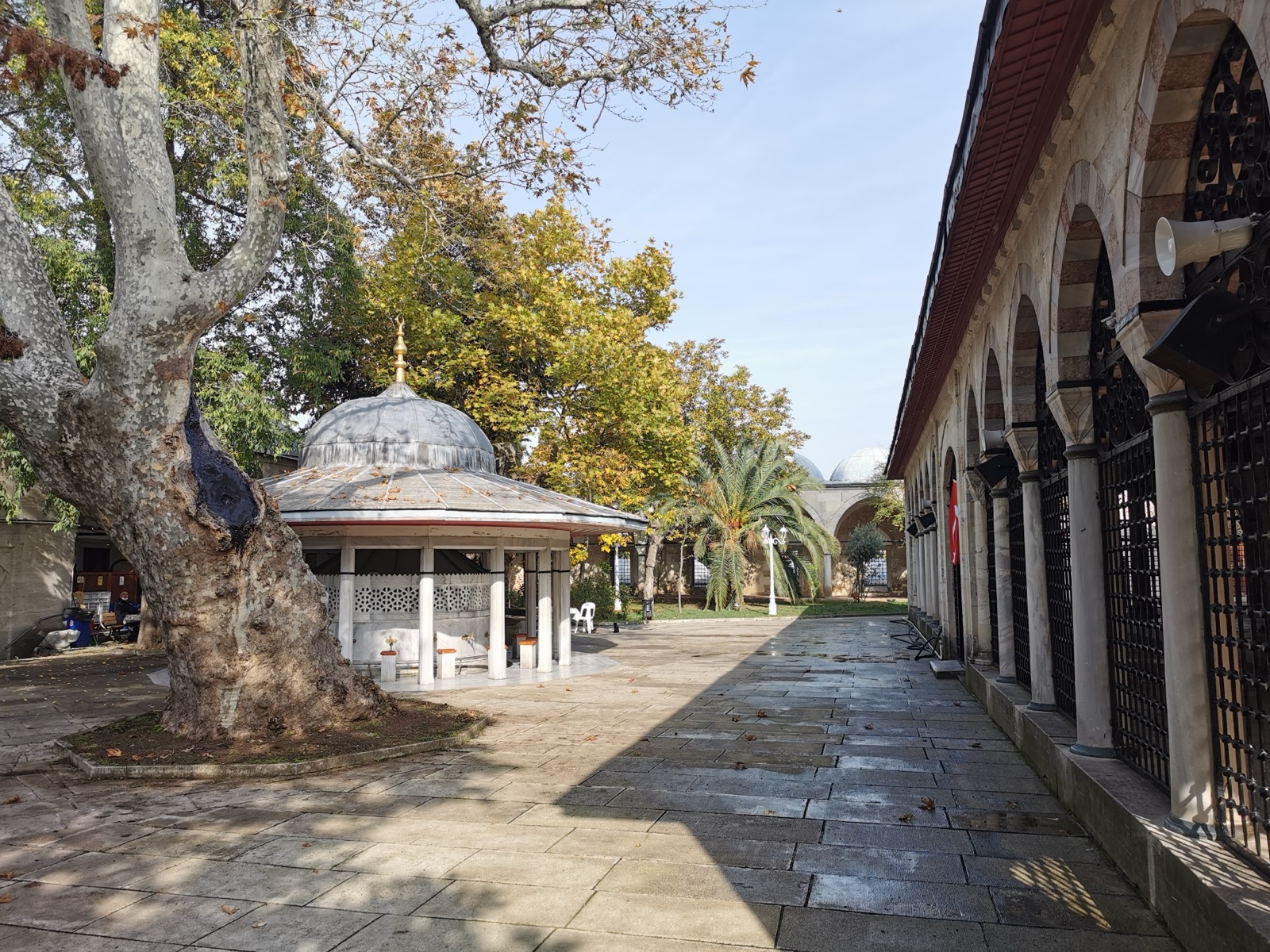
Everything That Belonged to the Külliye
The külliye included a mosque, a madrasa, a primary school, a darülhadis, a soup kitchen for the poor, a hospital, a caravanserai, a hammam, and further functional buildings. Very different groups of users therefore moved through the same foundation complex.
Students lived and studied here. The needy received food. Travellers could find lodging. The sick were treated. Religious life, education, and social welfare were spatially interconnected.
That's an important difference from the modern idea of a mosque as an isolated house of worship. Great Ottoman foundations could structure entire city districts.
Hospital, Soup Kitchen, and Caravanserai
Especially fascinating is the darüşşifa, its medical facility. Medical care was by no means unusual within great foundations. Doctors, pharmacists, or healers, and further staff could work there.
The soup kitchen for the poor, the imaret, prepared food daily for different groups. Such kitchens were a major logistical operation: food had to be sourced, stored, and cooked; the foundation's wealth funded the operation.
The caravanserai, or guest lodging, complemented these functions. Anyone arriving in Üsküdar after a long journey from Anatolia found here not just a house of worship, but an entire system of support.
Nurbanu, Venice, and European Diplomacy
Nurbanu maintained remarkably close ties with the Republic of Venice. Venetian envoys reported on her standing and tried to make use of her influence at court.
These contacts are one reason her possible Venetian origin has been debated so intensely. Even if individual details of her youth remain uncertain, her role in Ottoman-Venetian diplomacy is well documented.
This shows that women of the harem didn't live in a completely sealed-off world without outside contact. High-ranking women could exchange letters, gifts, and political messages.
Architecture as the Power of a Woman Without a Throne
Nurbanu couldn't ascend an Ottoman throne herself. Still, she could become visible through architecture. That's exactly what makes women's foundations so politically interesting. A building remained standing even as court factions changed, a sultan died, or a valide lost her direct power.
The foundation was, at the same time, religiously legitimate. A woman could transfer wealth into a vakıf, fund social institutions, and thereby perform lasting good works. This religious logic and political visibility didn't contradict each other — they reinforced one another.
Atik Valide is therefore no footnote of women's history. Right in the middle of Üsküdar, the complex shows that women of the dynasty could control resources on a scale that shaped entire parts of the city.
How a Vakıf Functioned Financially
A great foundation complex could only survive if its running costs were permanently covered. This is exactly where the vakıf system mattered. Patrons transferred land, shops, agricultural yields, or other sources of income to a legally binding foundation. From these proceeds, teachers, cooks, doctors, imams, cleaning staff, and other employees were paid; food had to be bought and buildings repaired as well.
That made a külliye economically far more complex than a one-off funded building project. Nurbanu needed not just enough money to have walls built. Her foundation needed a system that would still function decades later. Anyone who just photographs the mosque today, then, sees, in a sense, only the visible tip of a historic financial and social model.
A külliye could only survive if money kept coming in permanently. That's why great foundations often included shops, land, agricultural fields, mills, baths, or other sources of income. The proceeds funded wages, food, repairs, and teaching.
This system turned architecture into a long-term institution. A sultan, or a valide, didn't simply pay for a building once and hope someone would look after it afterward. The foundation received legally bound assets and detailed rules for operation and staffing.
Such foundation deeds are valuable sources today, because they show how many people were employed and what services were offered. Behind a beautiful dome, then, stood an administrative apparatus with budgets, supply chains, and staffing plans.
What Later Uses Tell Us About Istanbul
Great historic buildings rarely stick to a single function forever. Parts of the Atik Valide complex were used differently over time. Some areas served state or social institutions; others were restored and brought closer to their original function again.
You can see that as a loss of "originality," but it also tells you about the city's adaptability. A building meant to survive five hundred years has to keep finding new users. That's exactly why it's more interesting to make these layers of use visible, rather than pretending 1580 was simply preserved in amber.
Nurbanu and the So-Called Sultanate of Women
Nurbanu is often counted among the so-called "Sultanate of Women," a period from the 16th into the 17th century in which several women of the dynasty became exceptionally visible in politics, diplomacy, and philanthropy. The term is useful, but can also mislead. These women formed no official counter-government and didn't automatically rule in place of the sultans.
Their power arose from the court structure itself: closeness to the sultan, control over households, access to information, dynastic motherhood, and enormous foundation wealth. Nurbanu is an especially good example of this. As the mother of Murad III, she could combine direct access to the ruler with international contacts.
So when you visit Atik Valide, you're not just seeing religious architecture. You're seeing a material trace of female power within a political system in which women formally couldn't ascend a throne.
The Social Dimension Behind the Beautiful Facades
With Ottoman foundations, it's always worth asking: who actually benefited from this? A student received lodging and instruction. A traveller might receive food and a place to sleep. A sick person could be treated. Employees earned their living as cooks, teachers, administrators, craftsmen, or cleaning staff.
That means a foundation like Atik Valide touched hundreds of individual life stories every single day. Architecture here was no abstract charity. It had to buy food, provide water, heat rooms, and pay staff.
That's exactly why I find complexes like this far more fascinating than pure prestige buildings. Of course, they displayed power and wealth. But they also converted part of that wealth into lasting social infrastructure at the same time.
"Nurbanu was definitely a Venetian noblewoman named Cecilia Venier-Baffo." This identification is often repeated, but isn't entirely uncontested in scholarship. Her origin shouldn't be presented with more certainty than the sources allow.
"Valide Sultan was just a family title with no political significance." False. Actual power varied, but several Valide Sultans held considerable political and economic influence.
"The külliye was just a mosque with a few side buildings." False. It was a comprehensive social, educational, and welfare complex.
What Survives Today
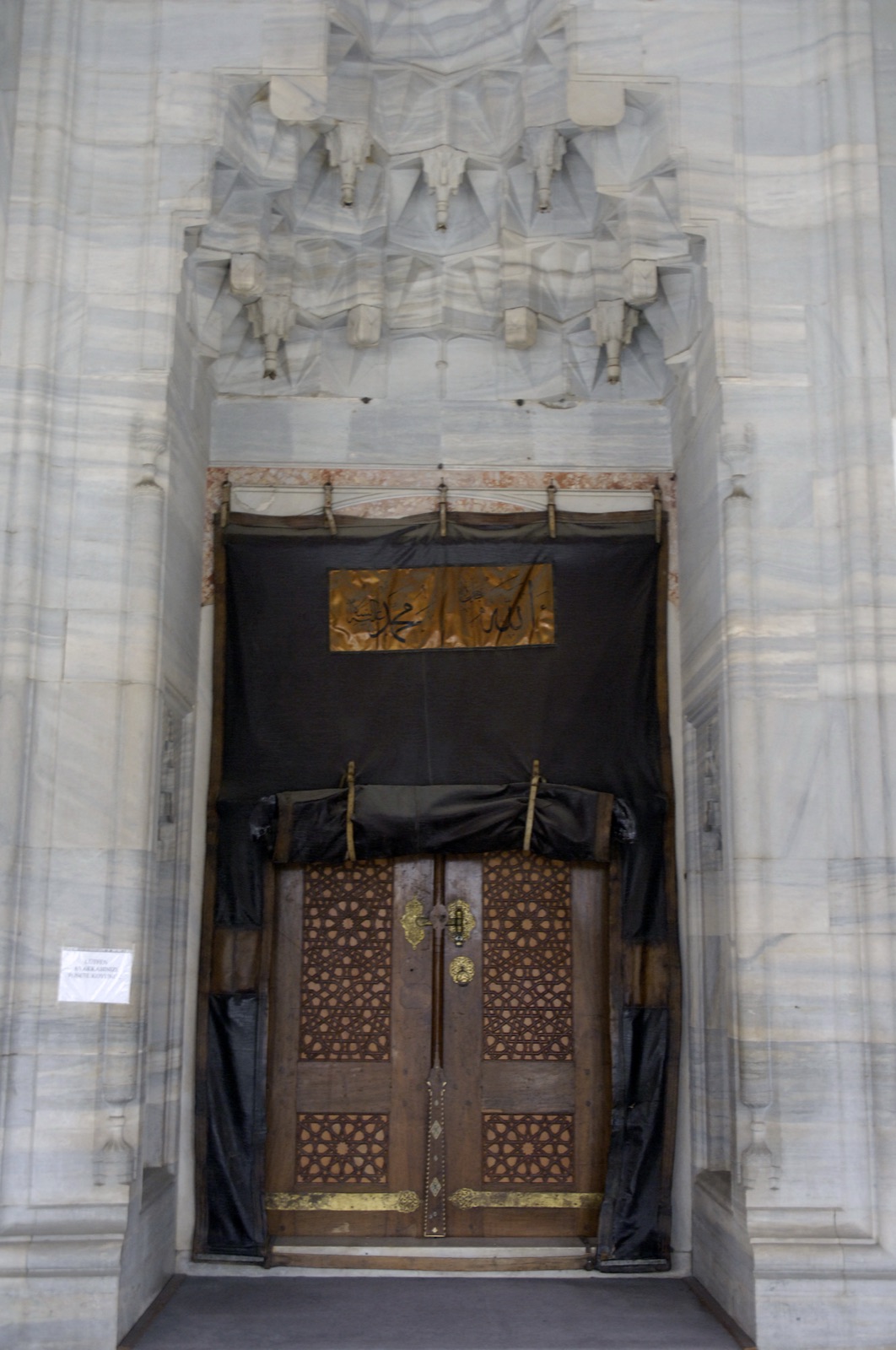
Many parts of the complex still exist, but have been put to different uses across the centuries. Some buildings served, at times, as state institutions, military use, or social facilities. Restorations altered surfaces and functions.
That's exactly why the complex shouldn't be viewed from just one single vantage point. Its historical significance only becomes clear once you understand its different courtyards and building types as one connected foundation.
My Thought on This Place
Külliyes like this change how I look at mosques. If you only see the prayer building, you quickly think: beautiful, big, historic. But then you read that, right next to it, students lived, the sick were treated, travellers slept, and the needy received food.
And once again, a woman stands behind all of it. Nurbanu wasn't invisible somewhere inside the palace. Her foundation has held a place in Üsküdar for centuries. I find that considerably more fascinating than any exaggerated harem legend.
– Amra