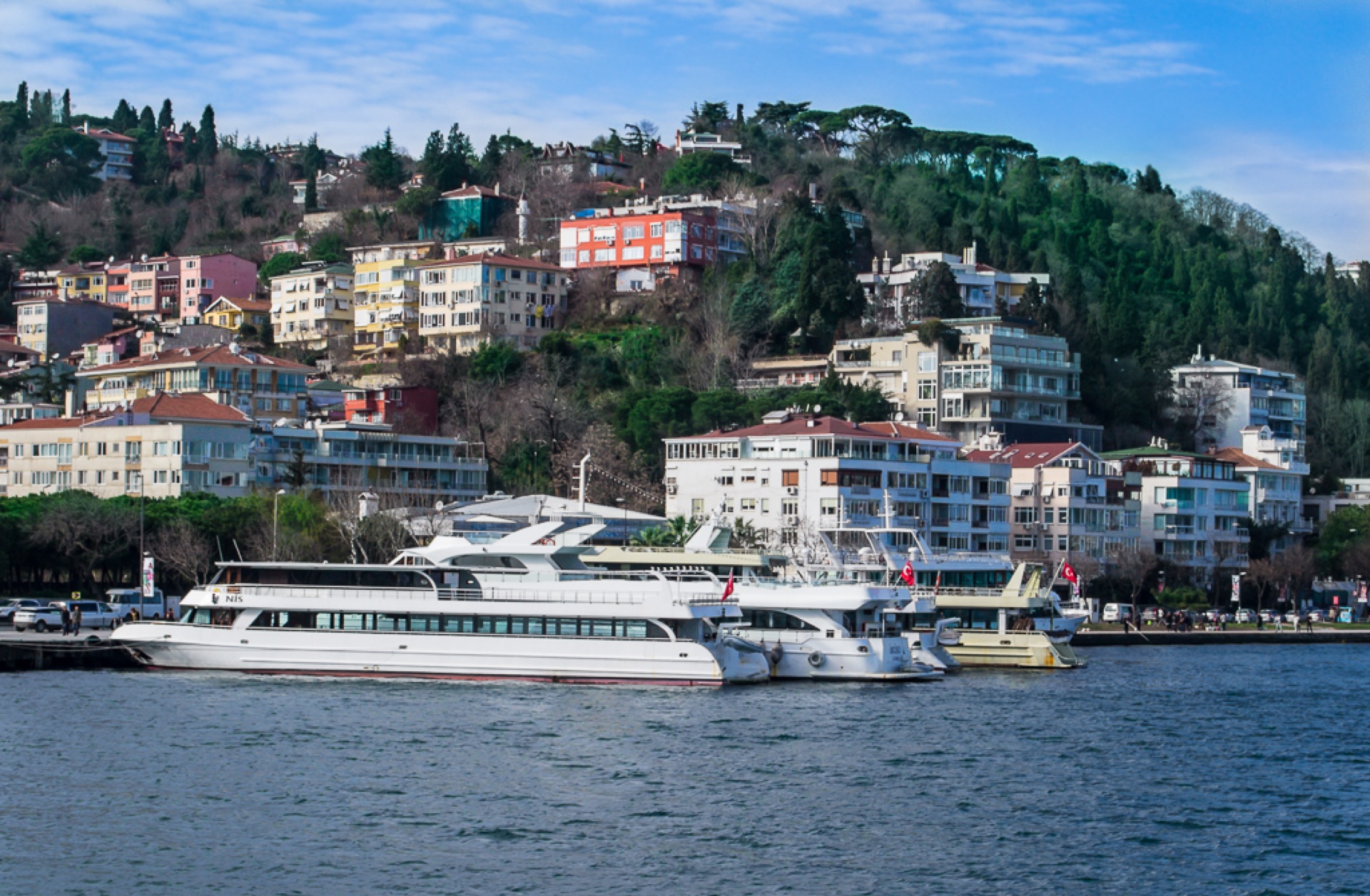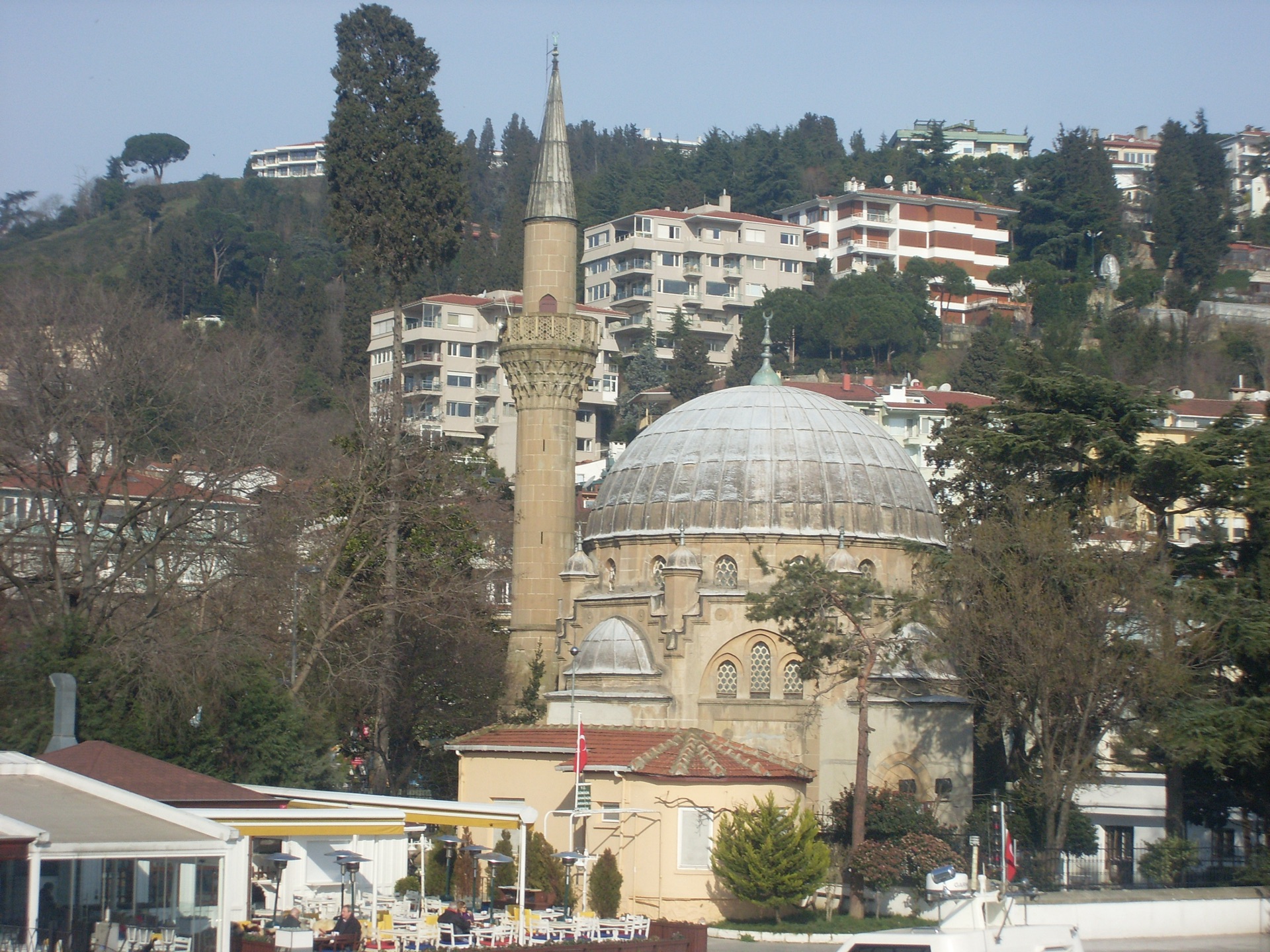
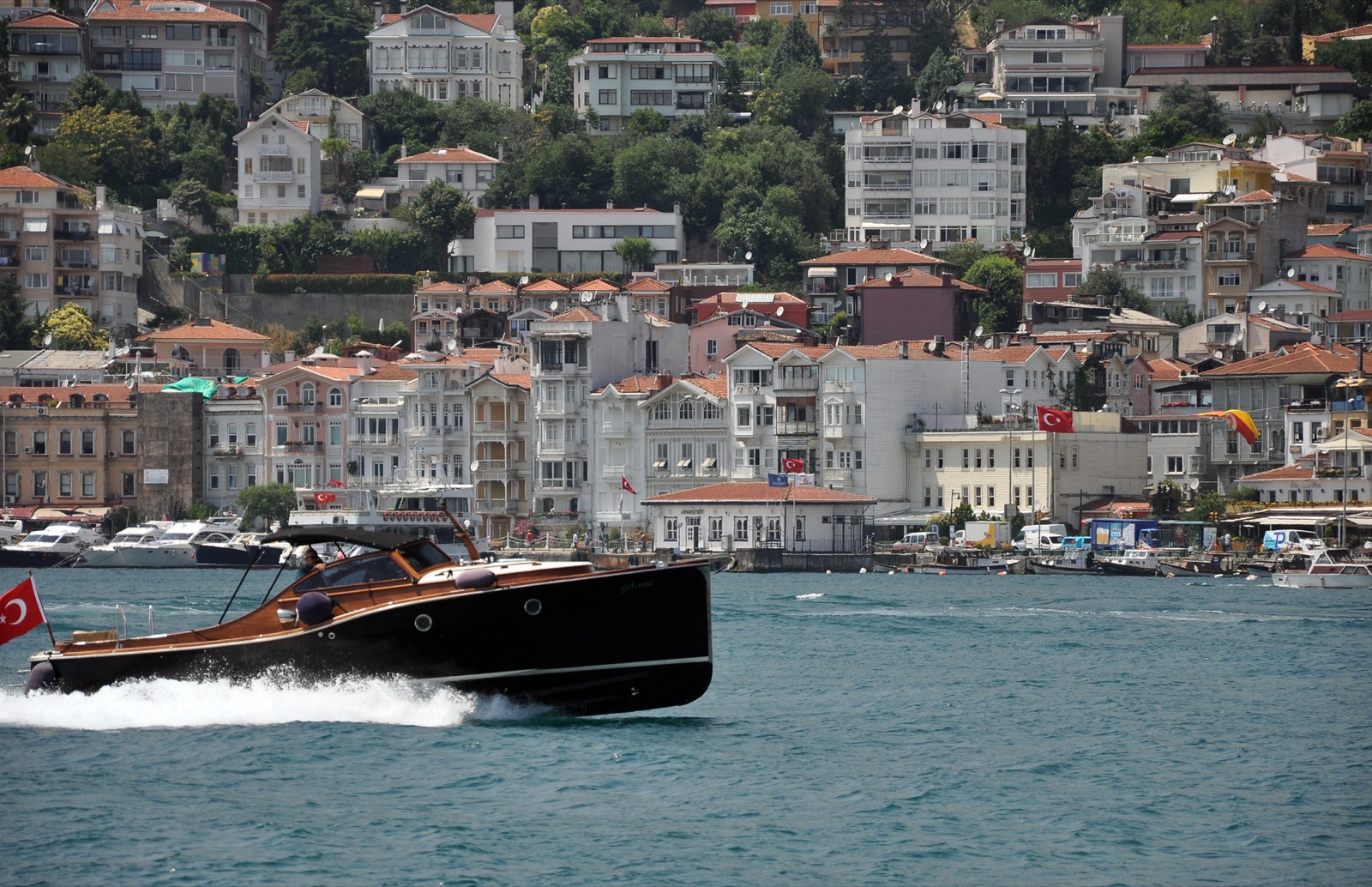
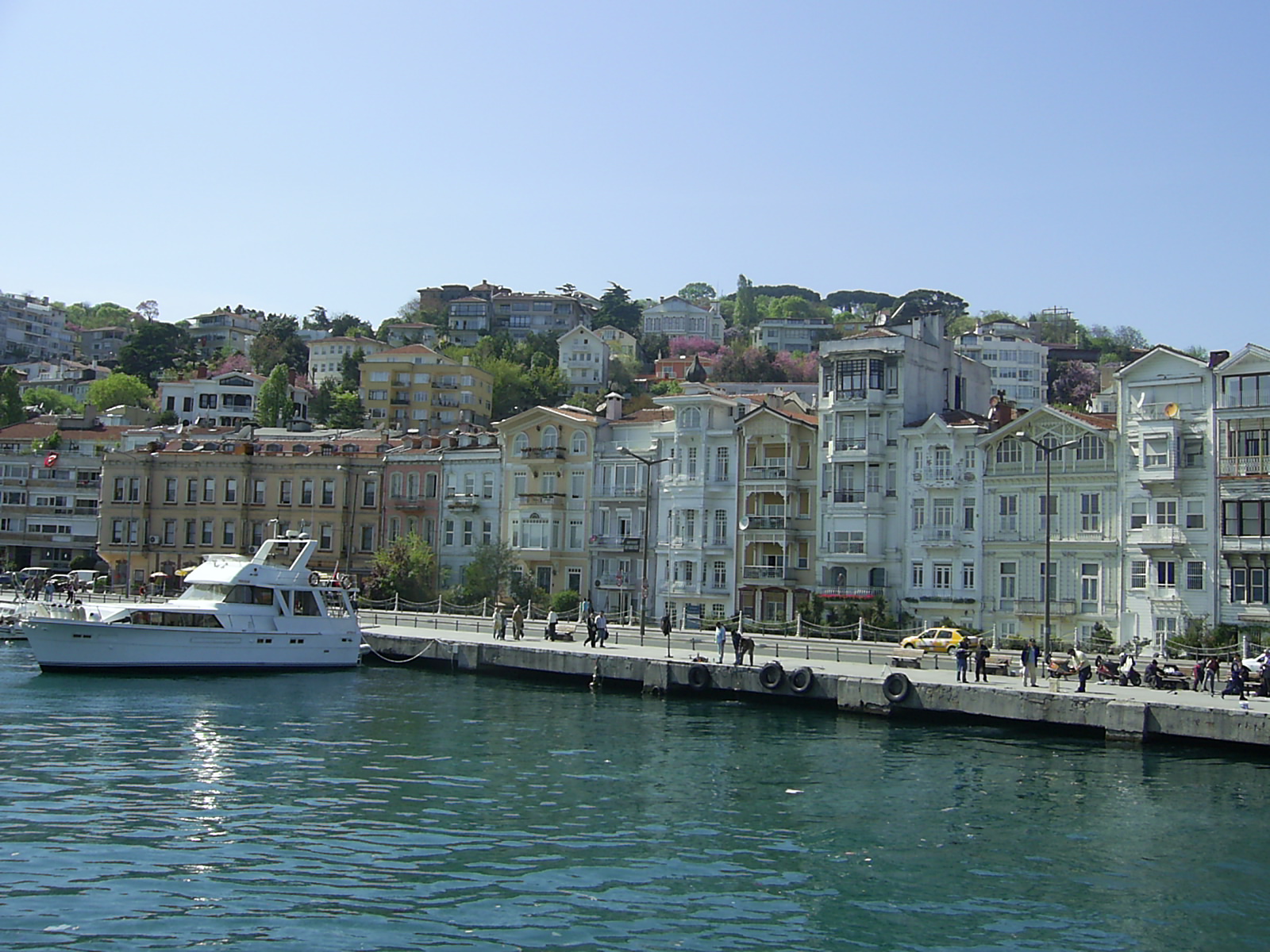
Between Bebek and Kuruçeşme lies one of Istanbul's most photogenic Bosphorus villages: Arnavutköy, known for its colorful wooden houses packed tightly together right on the water. Anyone passing by on a ferry, or walking along the shore, sees a row of houses preserved in this unbroken form in hardly any other stretch of the Bosphorus.
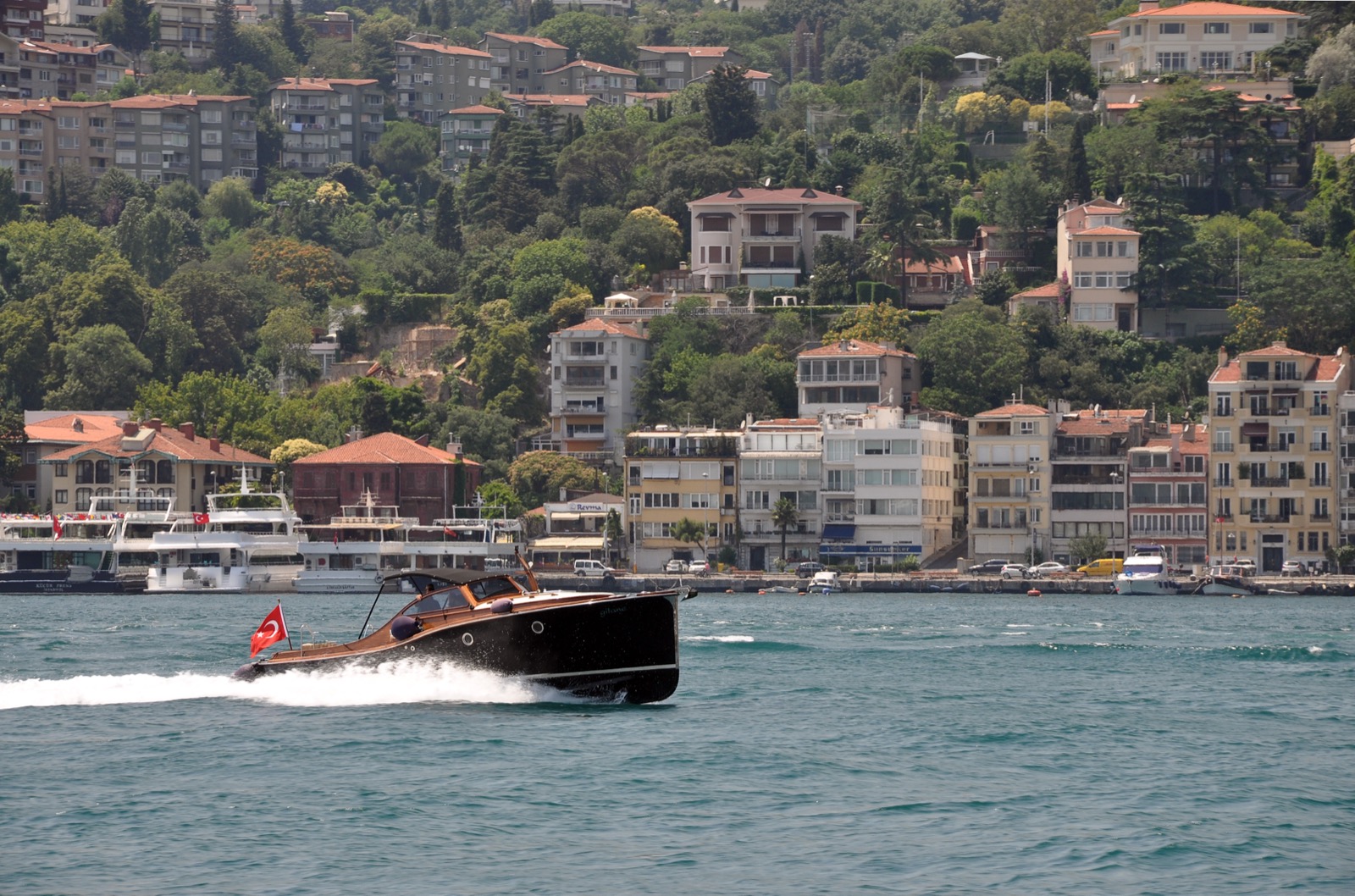
Arnavutköy is one of the best-preserved wooden-house neighborhoods on the Bosphorus. Its name points to Albania, yet the dominant community for centuries was mostly Greek Orthodox. This contradiction is exactly what makes the place so interesting.
The name sounds surprising at first: "Arnavut" is the Turkish word for "Albanian," "köy" means "village" — so, literally, "Albanian village." In fact, though, the community that shaped the place most strongly over the centuries was mostly Greek Orthodox, not Albanian. This tension between the name and the actual population history is part of what makes the place historically interesting.
- Arnavutköy literally means "Albanian village," but was mostly shaped by Greek Orthodox residents over the centuries.
- The neighborhood is considered one of the best-preserved wooden-house ensembles on the Bosphorus.
- Fishing, and later Bosphorus summer residences, shaped the town's economic history.
- Narrow, densely built lanes and a sheltered small bay still define the town's structure today.
- Fish restaurants and meze taverns along the shore are a fixed part of the neighborhood's character.
- Heritage protection for the historic wooden houses is an ongoing issue between preservation and pressure to modernize.
Where the name actually comes from
Why a predominantly Greek-shaped place carries an Albanian name isn't fully settled by a single historical explanation. It's possible that earlier groups of Albanian settlers gave the place its name before the population structure changed over the following centuries. In many cities — Istanbul included — place names often outlive the population groups that originally produced them.
It would therefore be wrong to automatically infer, from today's name, a particular ethnic composition of residents across the entire history. Place names are historical layers, not current ID cards.
A Greek fishing village on the Bosphorus
For large parts of the Ottoman period, Arnavutköy was known for its Greek Orthodox community, with churches, schools, and its own social infrastructure. Fishing was the economic foundation for many families, supplemented by trade and craft.
As in many Bosphorus villages, Armenian, Jewish, and Muslim residents also lived alongside them — religious mixing was the rule, not the exception, along the entire Bosphorus shore.
The wooden houses: why they're so special
The tightly packed, often multi-story wooden houses with their characteristic bay windows are among the best-preserved examples of traditional Bosphorus residential architecture. For a long time, wood was the dominant building material in Istanbul — not least because it was quicker and cheaper to obtain than stone.
This very wooden construction, though, also made historic Istanbul neighborhoods especially vulnerable to devastating city fires, which repeatedly destroyed large parts of the city over the centuries. That entire rows of wooden houses still stand in Arnavutköy today is therefore by no means a given, but the result of luck, upkeep, and, in recent decades, deliberate heritage protection.
Fish, meze, and life on the shore
Arnavutköy's waterfront promenade is still defined today by fish restaurants and meze taverns. Anyone sitting by the water in the evening sees boats, hears the Bosphorus water lapping against the quay wall, and typically orders several small starters before the actual fish is served.
This restaurant culture isn't a touristic invention of recent years, but builds on a long tradition of Bosphorus villages, where fresh fish was sold and prepared right at the landing.
Between preservation and pressure to change
Like other sought-after Bosphorus locations, Arnavutköy is under considerable real-estate pressure. Historic wooden houses are expensive to maintain, while their very rarity makes them increasingly valuable. Heritage protection rules are meant to preserve the neighborhood's character, but often stand in tension with the economic interests of individual owners.
This debate isn't a purely Istanbul phenomenon; it affects historic wooden neighborhoods worldwide: how do you preserve a living residential neighborhood without freezing it into a pure museum — and without completely losing its historic character?
"Arnavutköy was always settled by Albanians." Not documented with this certainty. The name points to Albanian roots, but the actually dominant community for large stretches of its history was Greek Orthodox.
"The wooden houses are all original Ottoman and unchanged." Exaggerated. Many buildings were repaired, partly rebuilt, or altered over the centuries — wooden structures in a city with a long history of fire rarely survive completely unchanged.
A village that kept its character
Despite its proximity to the expensive neighboring districts of Bebek and Kuruçeşme, Arnavutköy has preserved its own, less polished character. Its narrow lanes, irregular development, and small-scale shop structure feel more down-to-earth than some more polished stretches of the Bosphorus.
That's exactly what makes a walk here interesting: you don't see a perfectly restored backdrop, but a neighborhood that has visibly grown out of different historical layers.
My take on this place
To me, Arnavutköy is one of those places along the Bosphorus that doesn't loudly demand attention, yet still stays with you. The row of houses on the water, the fish restaurants, the crooked little lanes behind them — all of it feels less staged than some other stretches of the Bosphorus.
What especially fascinates me is this contradiction in the name: an "Albanian village" that was, for centuries, mainly shaped by Greeks. It reminds me that names in Istanbul often tell you more about history than about the present — and that at first glance, you rarely see a place's whole story.
– Amra