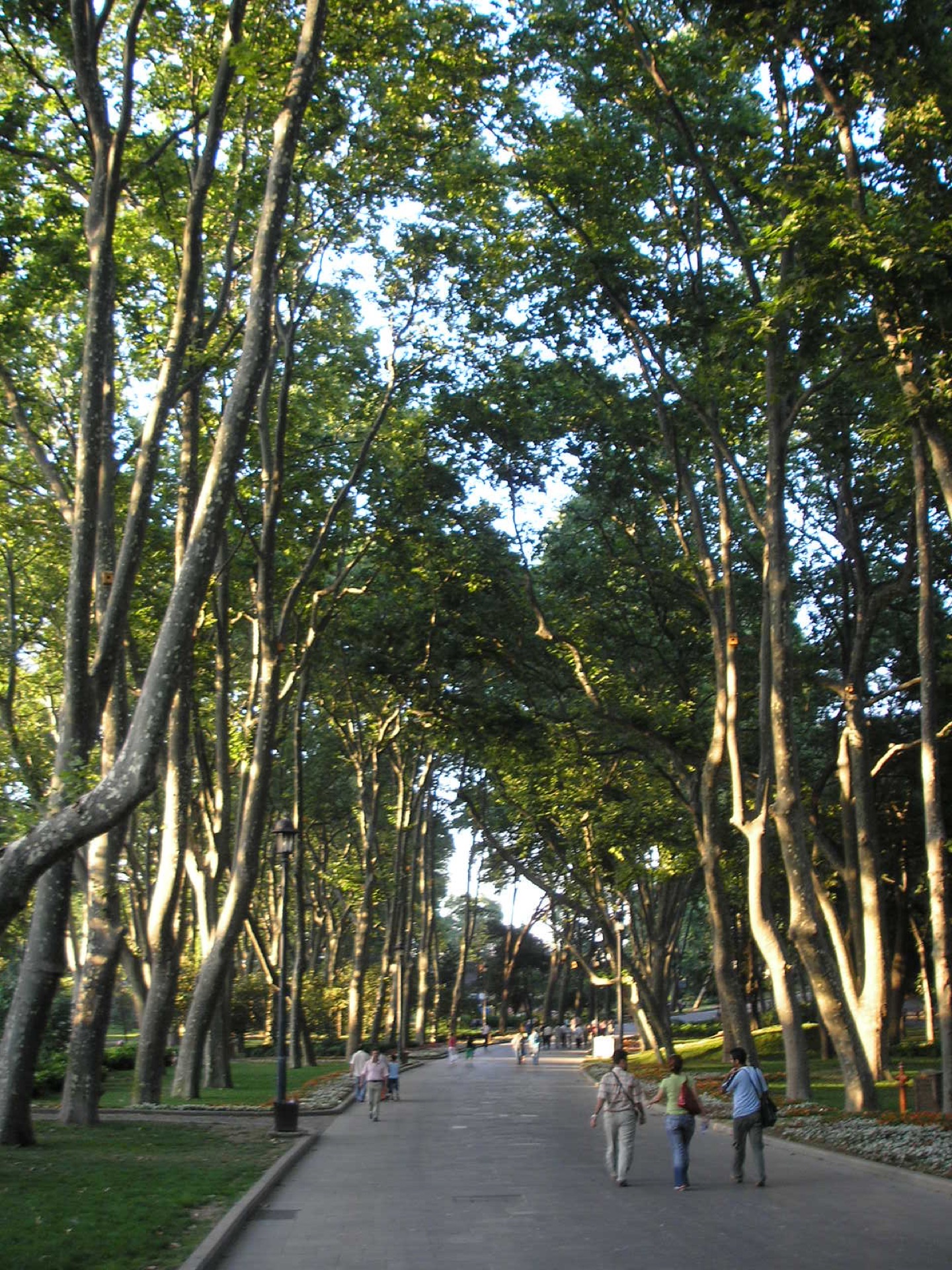
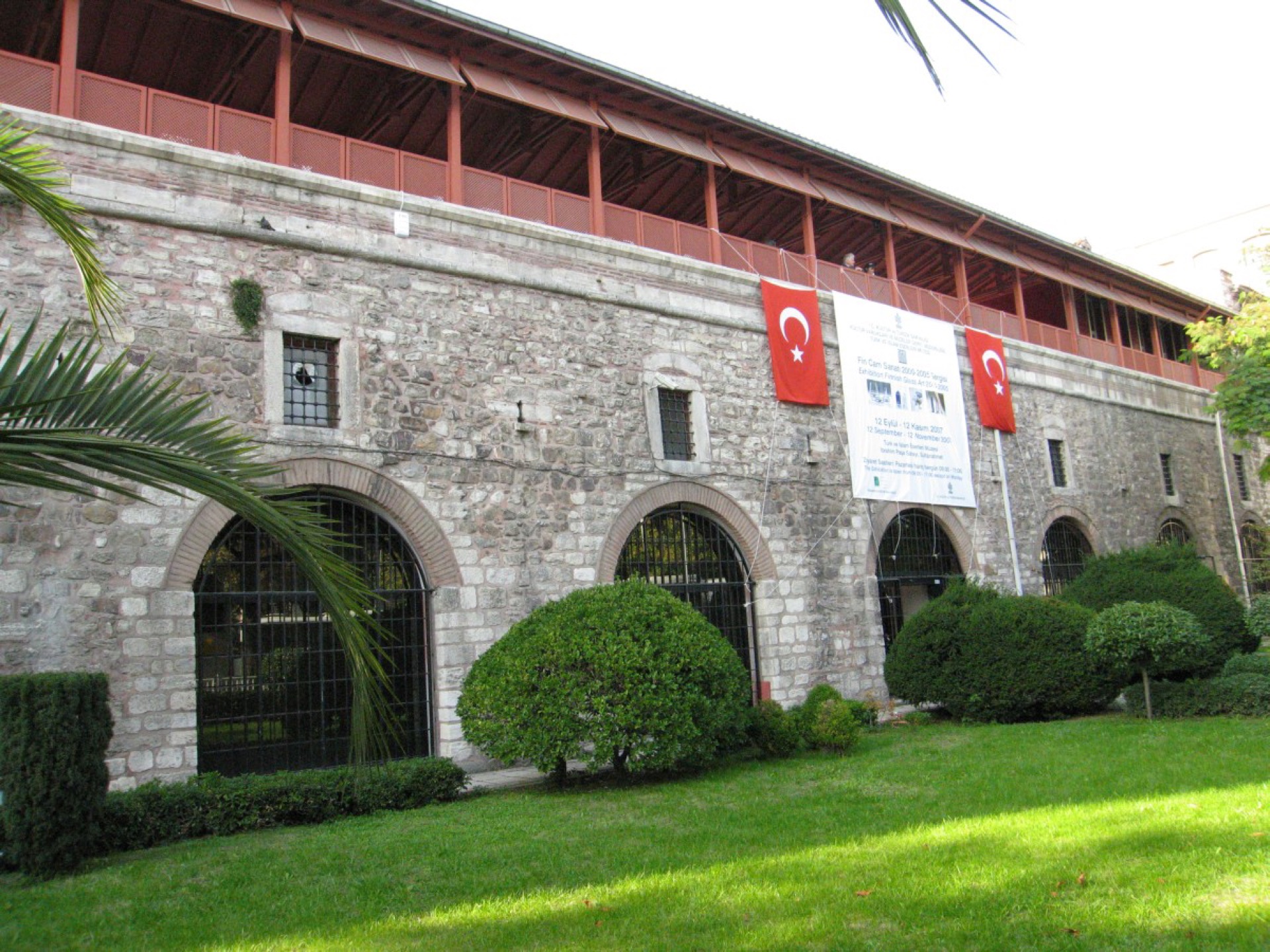
Right below Topkapı Palace lies a museum complex that many Istanbul visitors walk past astonishingly quickly. Maybe it's because the Hagia Sophia, Topkapı and Yerebatan draw so much attention. Yet the İstanbul Arkeoloji Müzeleri are among the most important archaeological collections in the region. Their holdings comprise nearly a million objects from very different cultures of the former Ottoman Empire and far beyond.
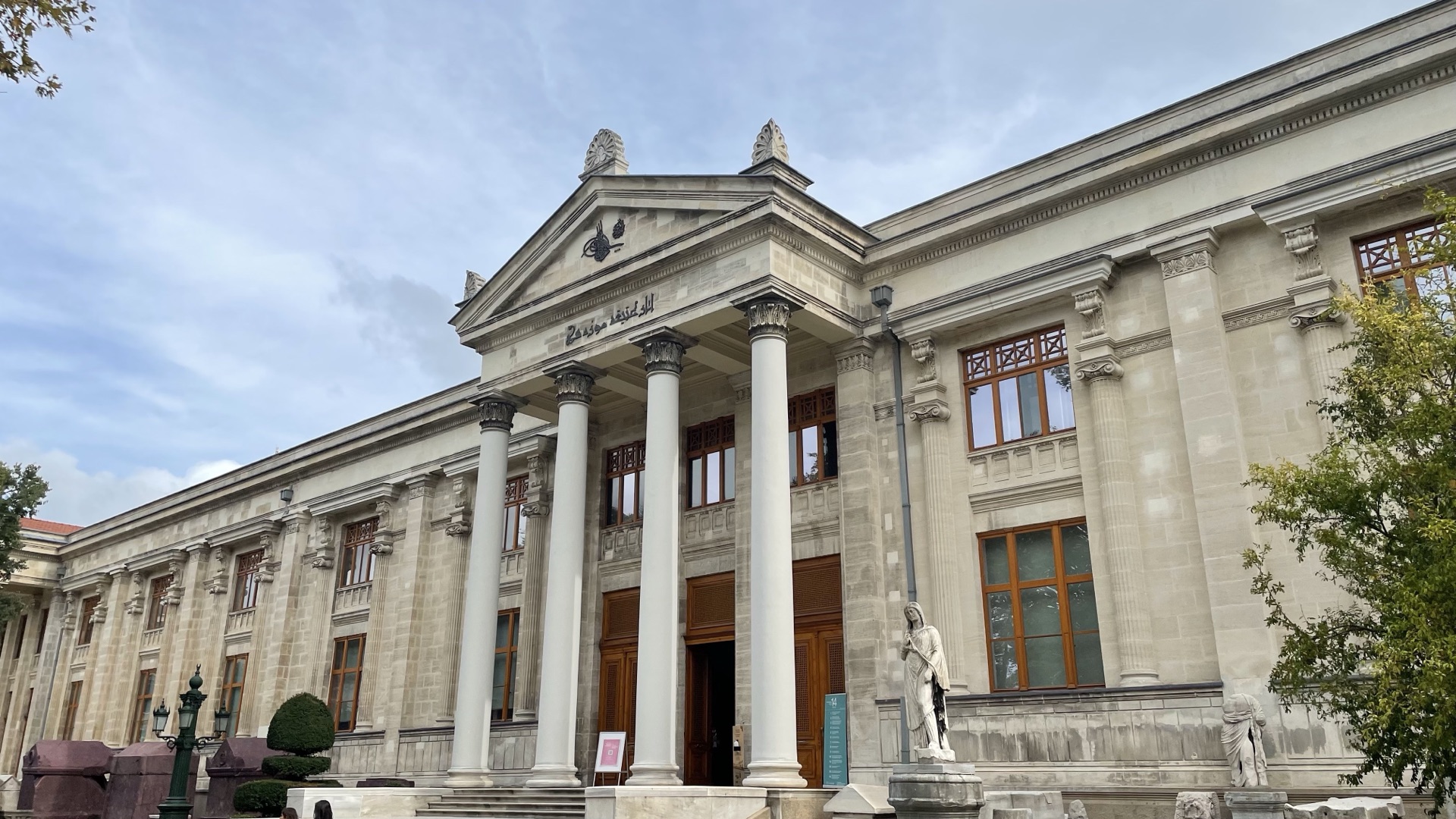
Right below Topkapı Palace lies a museum complex that many Istanbul visitors walk past astonishingly quickly. Yet the İstanbul Arkeoloji Müzeleri are among the most important archaeological collections in the region.
At least as interesting as the individual famous exhibits is the story of how the museum itself came to be. In the 19th century, ancient objects from the Ottoman Empire were excavated in large numbers by European archaeologists and taken to museums in London, Paris, Berlin or Vienna. The Ottoman Empire responded increasingly with its own antiquities laws, excavation rules, and a more professional museum administration. A key figure was Osman Hamdi Bey — painter, diplomat, archaeologist, museum director, and one of the most important cultural policymakers of the late Ottoman Empire.
- The Istanbul Archaeological Museums consist of three main units: the Archaeological Museum, the Museum of the Ancient Orient, and the Tiled Kiosk.
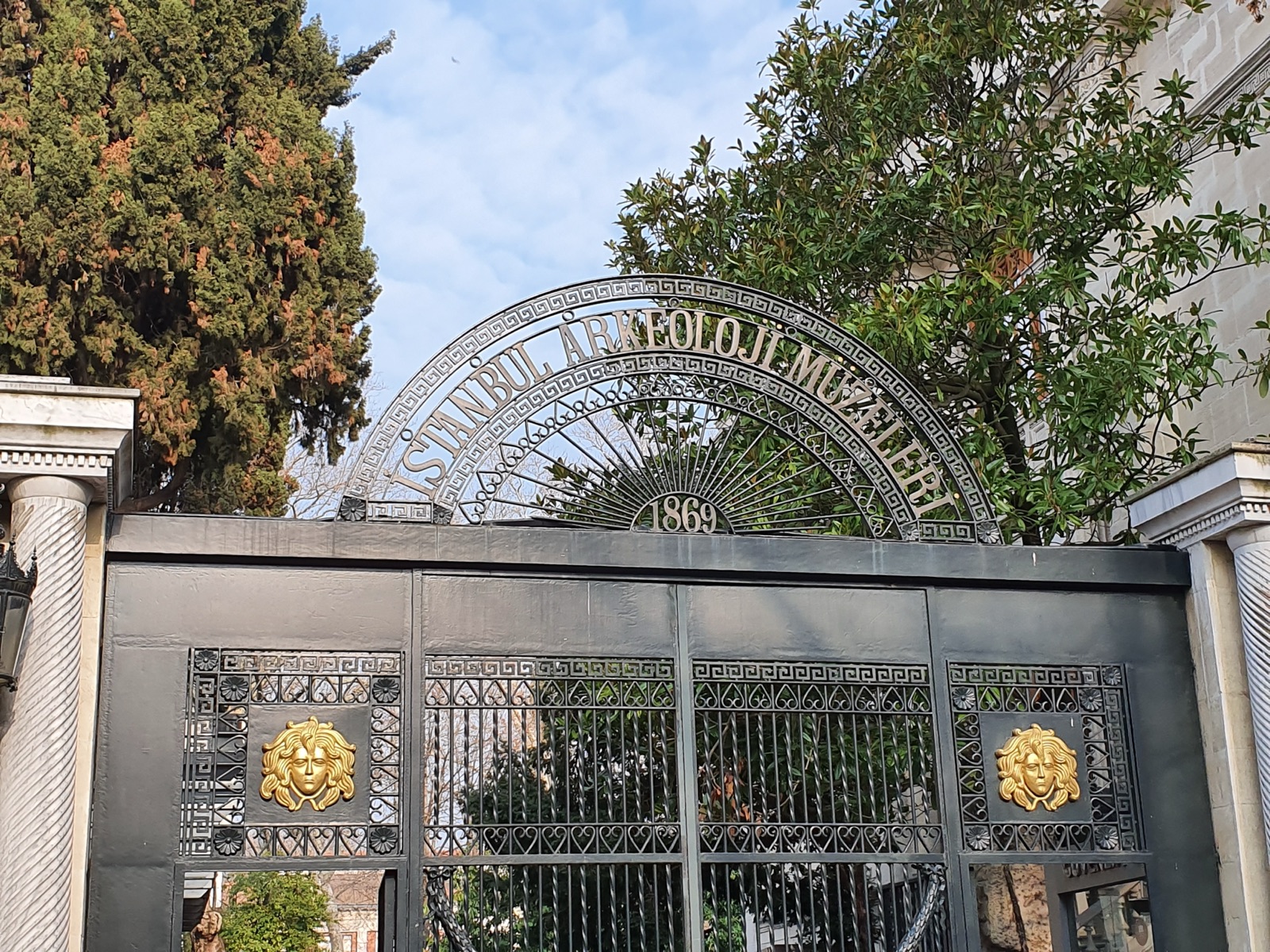
- Its institutional founding as the Müze-i Hümayun dates to 1869.
- The collections comprise nearly a million objects.
- Osman Hamdi Bey became museum director in 1881 and decisively shaped modern Ottoman archaeology.
- His excavations at Sidon brought several world-famous sarcophagi to Istanbul.
- The "Alexander Sarcophagus" did not belong to Alexander the Great.
- The main building was designed by Alexandre Vallaury and in use from 1891.
- The Tiled Kiosk dates back to the time of Mehmed II and is itself one of the complex's most important historic buildings.
Why Istanbul got an archaeological museum in the first place
In the 18th and 19th centuries, an enormous enthusiasm for ancient art developed in Europe. At the same time, the Ottoman Empire held territories that contained some of the most significant ancient cities in the world: Troy, Ephesus, Pergamon, Sidon, Baalbek and countless other sites. European consuls, travelers and archaeologists excavated there under varying permits and took spectacular finds back to their home countries.
From today's perspective, it seems self-evident that a state would treat archaeological finds as cultural property and regulate their export. In the 19th century, this idea was still emerging. The Ottoman Empire increasingly began to recognize that antiquities weren't merely sellable objects or gifts, but part of its own historical territory, and therefore politically valuable too.
The official museum history traces the institutional founding of the Müze-i Hümayun, the Imperial Museum, back to 1869. Early collections were initially housed in the Hagia Irene. But it soon became clear that a growing state collection needed a more professional system.
Müze-i Hümayun: the Imperial Museum
The museum was not, at first, a modern archaeological research institution in today's sense. It developed gradually out of a collection of weapons, antiquities and noteworthy objects. The Hagia Irene offered a historic and protected space, but was only partly suited to systematic display.
As the museum administration professionalized, the state's stance on excavations changed too. New regulations were meant to prevent significant finds from leaving the empire uncontrolled. This process was by no means linear. European powers held political influence, concessions were interpreted differently, and some spectacular objects had already left the country before stricter rules took hold.
Even so, something important emerged here: the Ottoman government increasingly claimed for itself the role of guardian of archaeological heritage.
Osman Hamdi Bey and the fight over antiquities
In 1881, Osman Hamdi Bey became director of the Imperial Museum. He was an unusually versatile figure. He had studied painting in Paris, later worked in state service, and became one of the most significant Ottoman painters. At the same time he organized excavations, reformed museum administration, and pushed for stricter antiquities laws.
The Antiquities Regulation of 1884 became especially important, significantly restricting the export of archaeological finds. This put Osman Hamdi into conflict with foreign archaeologists and diplomats who had grown used to more generous division or export practices.
You can also read this development as cultural self-assertion. An empire that European discourse often portrayed as backward increasingly said: these antiquities lie on our state territory, we organize our own excavations, and we're building a museum where they should remain.
Sidon and the famous sarcophagi
In 1887, Osman Hamdi received news of a spectacular tomb discovery near Sidon, in what is today Lebanon, then part of the Ottoman Empire. He traveled there himself and led the excavation of a royal necropolis. Several exceptionally well-preserved sarcophagi were discovered and transported to Istanbul.
The finds were so large and significant that the existing museum space no longer sufficed. This directly prompted the construction of a new main building. The French-Ottoman architect Alexandre Vallaury designed a neoclassical façade whose forms deliberately recall ancient sarcophagi. The first part opened in 1891; expansions followed.
The so-called Alexander Sarcophagus
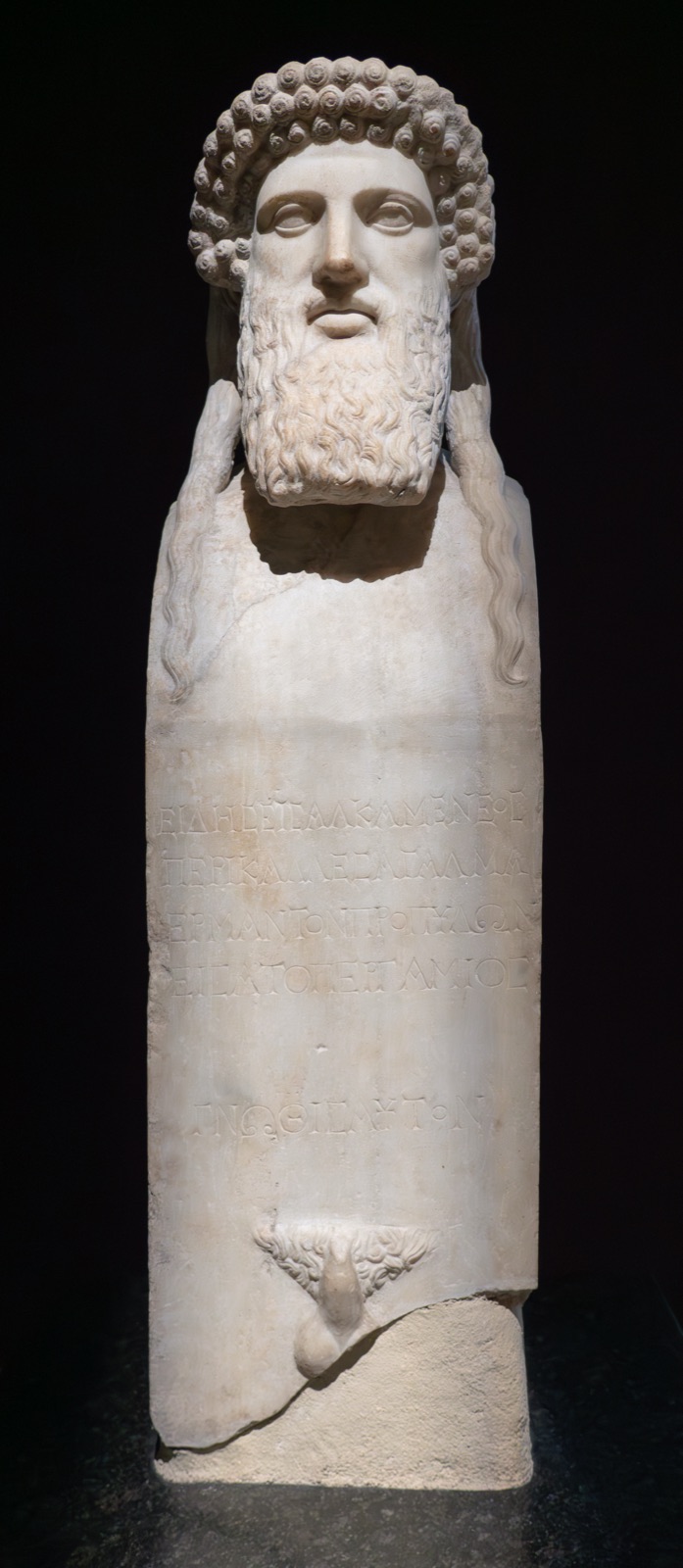
The most famous piece is probably the so-called Alexander Sarcophagus. Its reliefs show impressive battle and hunting scenes, including a figure depicting Alexander the Great. Because Alexander appears so prominently, the sarcophagus received its modern name.
Alexander himself, however, was not buried in it. Scholarship usually connects the tomb to Abdalonymus, a king of Sidon installed after Alexander's conquests. The exact attribution is debated academically, but that it is not Alexander's own tomb is beyond question.
The surviving traces of paint are especially fascinating. Ancient sculpture is often perceived today as snow-white marble, because centuries have stripped away the paint. The sarcophagus is a reminder that ancient sculpted works were originally, in many cases, colorful.
Three museums instead of one
Today's complex consists of three main units. The Archaeological Museum shows mainly Greek, Roman and other classical antiquities, as well as the famous sarcophagi. The Museum of the Ancient Orient comprises objects from Mesopotamia, Anatolia, Egypt and other regions. Among other things, it holds cuneiform tablets and evidence of early states and cultures.
The third part is the Çinili Köşk, the "Tiled Kiosk." It is not merely a museum building, but itself a 15th-century monument. The official museum administration explicitly describes the overall complex as a union of these three units, and lists nearly a million objects in its holdings.
The Tiled Kiosk of Mehmed II
Mehmed II had the kiosk built in 1472. It is thus one of the oldest surviving Ottoman secular buildings in Istanbul. Its architecture shows strong Persian-Timurid influences and is a reminder of how internationally oriented Mehmed's court was, culturally.
Today it mainly displays ceramic art. The connection between building and collection works especially well here, since the façade's colorful tiles are themselves part of the history of Ottoman decoration.
What the collection tells us about the Ottoman Empire
The collection comes from territory considerably larger than today's Turkey. Objects from present-day Lebanon, Syria, Iraq, Jordan, Anatolia and other regions reached Istanbul because these territories belonged to the empire at the time, or because state-run excavations took place there.
That makes the museum historically fascinating and politically complex. On one hand, the Ottoman museum administration prevented numerous finds from migrating entirely to Western Europe. On the other, objects were brought from their local find regions to the capital within an empire. Modern debates about origin, ownership and cultural heritage therefore can't be explained with a simple good-versus-bad framework.
For visitors, that's exactly a gain: the museum doesn't just narrate antiquity. It also narrates how the 19th century began to order, own, and interpret antiquity in national or imperial terms.
Osman Hamdi Bey as a figure between Europe and the Ottoman Empire
Osman Hamdi Bey is so central to the museum's history because he himself stood exactly between different cultural worlds. His father, İbrahim Edhem Pasha, belonged to the Ottoman ruling elite; Osman Hamdi was educated in Paris and knew European art academies, museums and archaeological debates from firsthand experience. So he didn't simply adopt a Western model blindly, but used knowledge from Europe to build an Ottoman institution that could stand more confidently against Western excavation expeditions.
As a painter he became especially famous through works like "The Tortoise Trainer." His paintings often show Ottoman interiors, religious architecture and precious textiles, but are executed with academic European painting techniques. That exact blend is telling: Osman Hamdi was neither a European Orientalist exoticizing a foreign world, nor an artist rejecting Western methods. He worked with both traditions.
His work as museum director was similarly pragmatic. He knew how fiercely European museums competed for spectacular objects. British and French collections had already built up enormous holdings from Egypt, Greece and the Near East. German archaeologists were working at Pergamon and other Anatolian sites. For the Ottoman Empire, this was therefore not just about scholarship, but about cultural prestige and control over its own territory.
Antiquities laws and the question: who owns the past?
The Ottoman antiquities regulations of the 19th century are a fascinating chapter, because they raise a question still relevant today: who owns archaeological finds? The finder? The landowner? The state in whose soil they lie? The local community? Or all of humanity?
Earlier excavation agreements often allowed foreign expeditions generous divisions of finds. That's how famous works ended up in European museums. With stricter laws, the Ottoman state increasingly claimed ownership of antiquities. This led to conflicts with archaeologists who had already invested large sums in excavations and expected a share of the finds.
From today's perspective, it's often asked whether objects should be returned to their find sites. At the Istanbul museums, the situation is especially complex, because many pieces come from the former Ottoman Empire but not from today's Turkey. A Sidon sarcophagus comes from what is today Lebanon; Hittite or Mesopotamian pieces come from regions that today belong to other states. The museum itself is thus a document of imperial geography.
What you shouldn't simply overlook in the museum
Beyond the famous Sidon sarcophagi, it's worth paying attention to smaller things. Cuneiform tablets show administration, contracts and religious texts from societies that existed millennia before the Ottoman Empire. Reliefs and grave steles tell of clothing, weapons and ideas about death. Coins make visible how rule was spread: a portrait or name on a form of payment could travel farther than any statue.
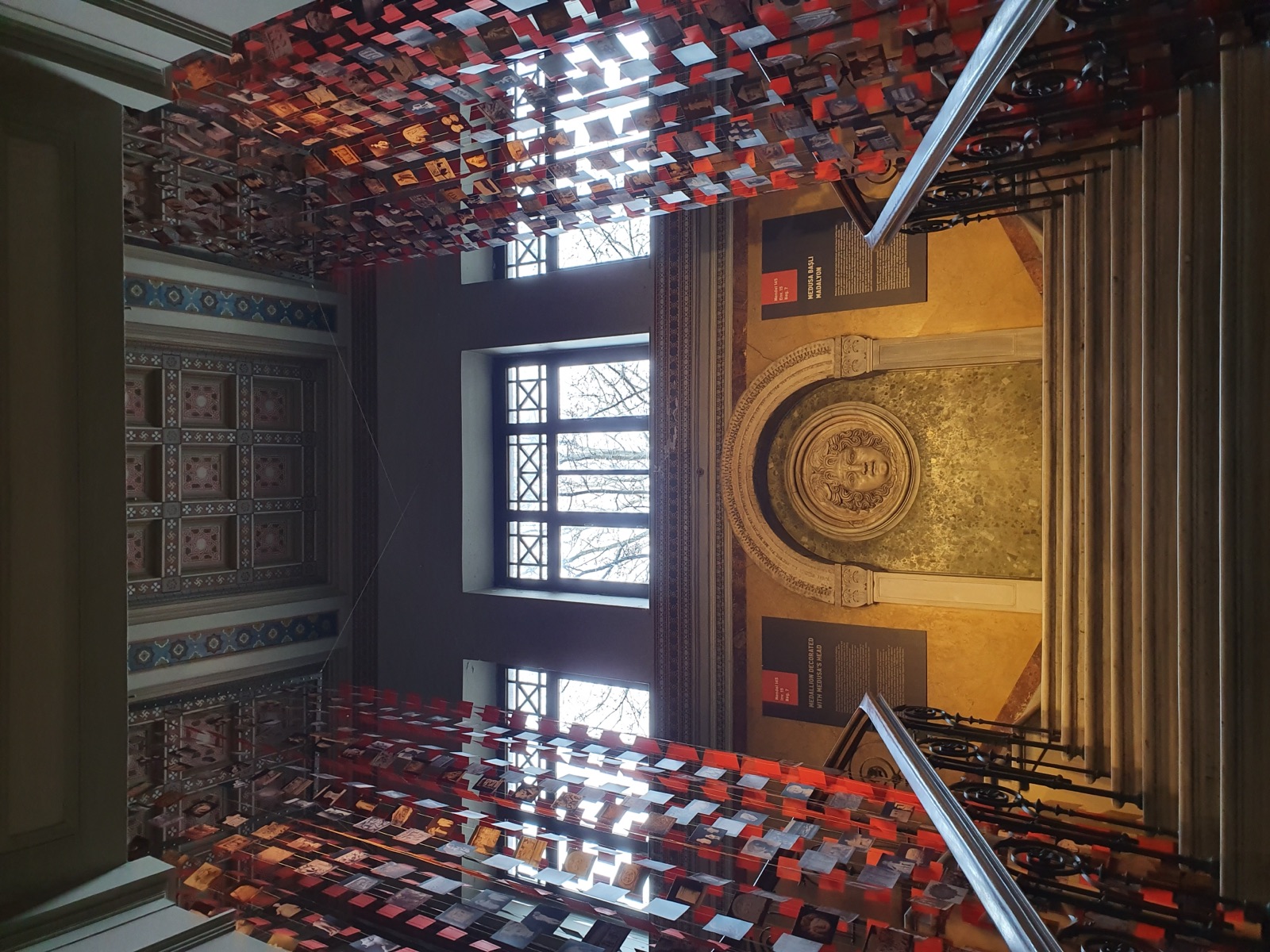
The main building's architecture is also worth looking at deliberately. Vallaury's neoclassical façade quotes the ancient art displayed inside. The museum is thus itself a 19th-century interpretation of antiquity. You're not simply entering a neutral container for old things, but a building that already tells the visitor, from the outside, how to read the collection.
The Çinili Köşk provides a strong contrast to this. It was built almost four hundred years earlier and follows a completely different visual language. Anyone who sees both buildings back to back gets, almost for free, a crash course in how differently a 15th-century Ottoman sultan and a late-Ottoman 19th-century museum state staged the past and prestige.
A museum that needs time
Precisely because the collection is so large, it makes little sense to try to see every object. A better visit focuses on several highlights: the Sidon sarcophagi, ancient Near Eastern writing cultures, selected Greco-Roman sculpture, and the Çinili Köşk. Anyone with energy left afterward can go deeper.
This is also practically important, since museum sections can be temporarily closed for restoration or exhibition changes. Current opening hours and accessible halls should therefore be checked before your visit. The museum's historic core stays the same, but its concrete presentation changes — a museum, after all, is not a frozen institution itself.
"Alexander the Great lay in the Alexander Sarcophagus." False. The name comes from the depictions of Alexander on the reliefs.
"The museum was founded by the Republic." False. Its institutional roots go back to the Ottoman Empire; the Müze-i Hümayun was founded in 1869.
"Osman Hamdi Bey was only a painter." Not at all. He was a museum director, archaeologist, cultural policymaker, and instrumental in stricter antiquities laws.
My take on this place
What I find especially fascinating about this museum is that you can read two stories at once here. There are, of course, the ancient objects themselves. But just as interesting is the question of why they're all standing in Istanbul in the first place.
Suddenly a sarcophagus isn't just the story of someone who died — it's also the story of an excavation, an empire, European collecting passion, and a man like Osman Hamdi Bey, who at some point said: we need our own rules and our own museums.
To me, that's exactly the kind of history that makes a place grow bigger the longer you look at it.
– Amra